Tag: State Bank of Pakistan

  • State Bank of Pakistan’s foreign exchange reserves surge to $4.46 billion with $393 million increase

    State Bank of Pakistan’s foreign exchange reserves surge to $4.46 billion with $393 million increase

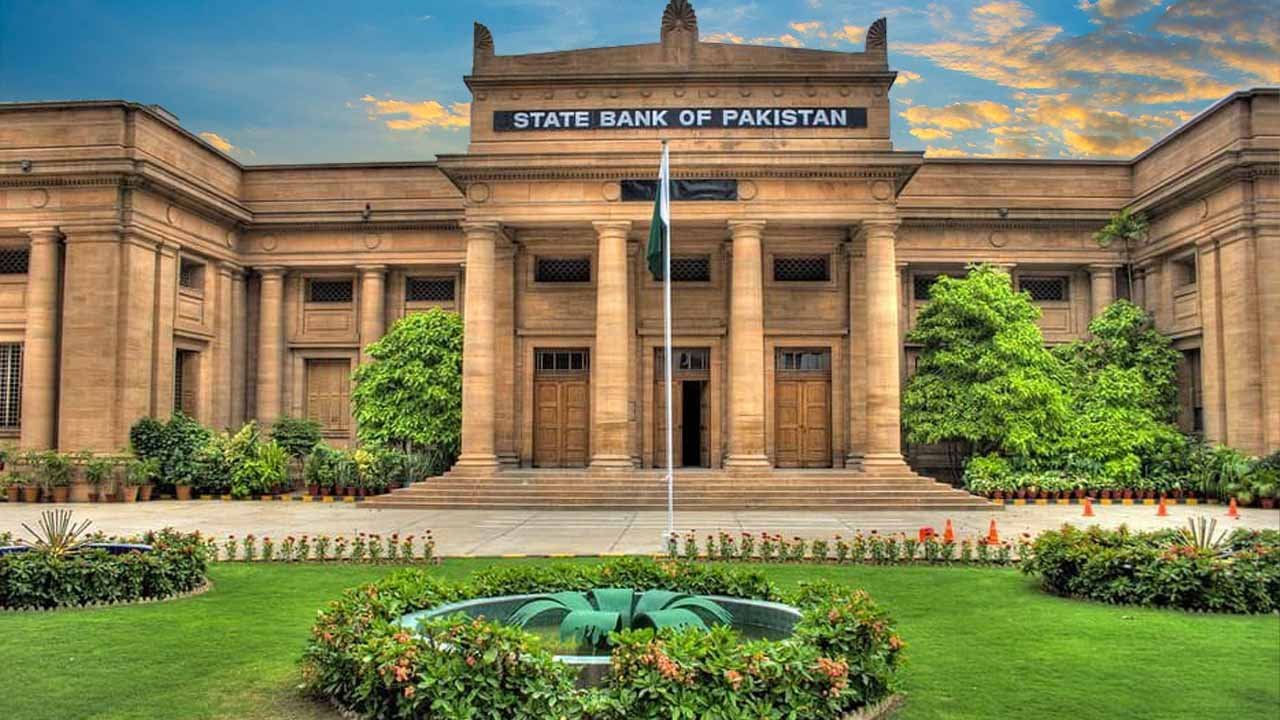
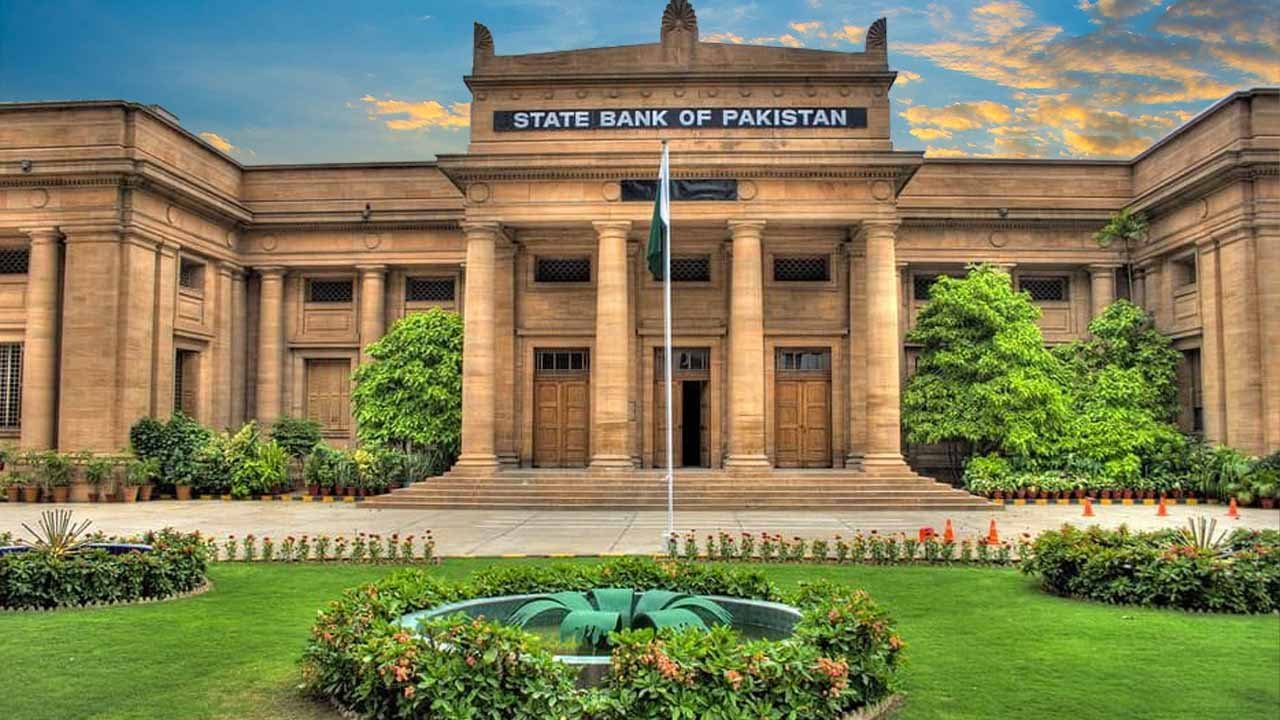
    The State Bank of Pakistan (SBP) has announced an increase of $393 million in its foreign exchange reserves, bringing the total to $4.46 billion. In an official statement, the central bank stated that this rise occurred on June 30, 2023. The boost in reserves is seen as a positive development for the country’s economy.

    At the same time, the overall liquid foreign reserves held by Pakistan now stand at $9.74 billion, with commercial banks accounting for $5.28 billion of that amount. These figures reflect the country’s efforts to stabilise its foreign reserves and strengthen its financial position.

    This increase in foreign exchange reserves is largely attributed to Pakistan’s recent agreement with the International Monetary Fund (IMF). The country signed a staff-level agreement with the IMF, amounting to $3 billion, for a duration of 9 months. The IMF’s “Stand-By Arrangement” with Pakistan has been successfully concluded, signaling a positive outlook for the nation’s economic stability.

    Nathan Porter, the IMF Mission Chief, commended Pakistan for its commitment to achieving its economic goals and acknowledged the parliament’s crucial role in this accomplishment. He emphasised that the staff-level agreement under the Stand-By Arrangement is a significant milestone.

    The agreement is now awaiting final approval from the IMF’s executive board, which is anticipated to occur in mid-July. Once approved, Pakistan will be eligible to receive the $3 billion loan from the IMF.

    In his remarks, Porter highlighted the parliament’s efforts to enhance tax revenues, an essential component of Pakistan’s economic growth. The parliament has taken noteworthy steps to increase funds allocated to the Benazir Income Support Programme and has also limited tax exemptions.

    These measures are expected to lead to an increase in tax revenues, which, in turn, could result in a primary surplus of 0.4 per cent for Pakistan’s economy. The additional funds generated through these increased tax revenues can then be directed towards crucial social sectors.

    Overall, the increase in foreign exchange reserves for the State Bank of Pakistan is an encouraging sign for the country’s economic stability. With the IMF agreement on the horizon and the parliament’s dedication to boosting tax revenues, Pakistan is poised to make significant strides in its economic development.

    The final approval of the agreement by the IMF’s executive board will mark a crucial milestone in Pakistan’s journey towards a more prosperous future.

  • Pakistan commits to boost foreign exchange reserves to $11.7 billion by 2024

    Pakistan commits to boost foreign exchange reserves to $11.7 billion by 2024

    Pakistan has made a commitment to the International Monetary Fund (IMF) to significantly increase its gross foreign exchange reserves by $7.65 billion. The goal is to raise the reserves to $11.7 billion by the end of the financial year 2024, up from the current level of $4.056 billion in the financial year 2023. This move is aimed at building a buffer of foreign exchange reserves to protect the national economy from external shocks.

    The assurance was given through a Letter of Intent (LoI) signed by Finance Minister Ishaq Dar and State Bank of Pakistan (SBP) Governor Jameel Ahmed. Under a $3 billion stand-by arrangement (SBA) for nine months, Pakistan assured the IMF and its executive board of its commitment to bolster its foreign exchange reserves.

    If the gross foreign exchange reserves reach $11.7 billion by the end of June 2024, they will be sufficient to meet the country’s import requirements for goods and services for approximately 1.8 months.

    The balance of payment (BoP) chart, agreed upon by the IMF and Pakistan, indicates that projected disbursements of foreign loans during the current financial year 2023-24 are expected to amount to $15.01 billion from multilateral and bilateral creditors. This financial year started on July 1, 2023, and will end on June 30, 2024.

    The analysis of the BoP data suggests that Pakistan needs to secure external financing from multilateral and bilateral creditors during the current fiscal year. Additionally, Pakistan is seeking an additional deposit of $2 billion from the Kingdom of Saudi Arabia and $1 billion from the United Arab Emirates (UAE). The Islamic Development Bank (IsDB) has agreed to provide a $1 billion loan program.

    Furthermore, Pakistan is actively working on program loans and project financing from the World Bank, Asian Development Bank, and Asian Infrastructure Investment Bank (AIIB) to secure a total disbursement of $15 billion from all multilateral and bilateral sources.

    To further strengthen its reserves, Pakistan intends to engage with bilateral partners, especially China, Saudi Arabia, and the UAE, to extend the maturity of their existing deposits, which amount to $2 billion, $3 billion, and approximately $2 billion, respectively, in the current financial year.

    The IMF executive board is scheduled to convene on July 12, 2023, in Washington DC, to review and consider Pakistan’s request for approval of a $3 billion short-term bailout package, including a $1 billion tranche release. Upon approval by the executive board, the $1 billion tranche will be disbursed within a few days.

    The IMF staff has already circulated copies of the Letter of Intent among the executive board members. In this document, Finance Minister Ishaq Dar and the SBP governor have provided assurances regarding the implementation of crucial fiscal and energy reforms to address fiscal challenges. Islamabad has also committed to tackling issues in the energy sector, including measures to control the circular debt problem.

    To address energy sector concerns, the government plans to raise power and gas tariffs in line with the determinations made by the regulators. The National Electric Power Regulatory Authority (NEPRA) will finalise the power tariff, while the facts regarding gas tariffs are being ascertained by relevant officials.

    The Oil and Gas Regulatory Authority (OGRA) has already recommended increasing gas tariffs by 45 per cent and 50 per cent for two major gas utilities. The government has a 40-day timeframe to make a decision on this matter, after which the recommendations will be notified in the second week of July 2023.

    Under the nine-month SBA program, it is anticipated that there will be two reviews conducted by the IMF mission in September and December 2023. Each review is expected to lead to the disbursement of a $1 billion installment.

    Overall, Pakistan is taking significant measures to strengthen its foreign exchange reserves, seek external financing, and implement necessary reforms in order to address its economic challenges and ensure stability.

  • Pakistani rupee records slight increase against US dollar, settles at Rs285.99

    Pakistani rupee records slight increase against US dollar, settles at Rs285.99

    The State Bank of Pakistan reported that the Pakistani Rupee (PKR) maintained an upward trajectory against the US dollar in the interbank foreign exchange market on Tuesday.

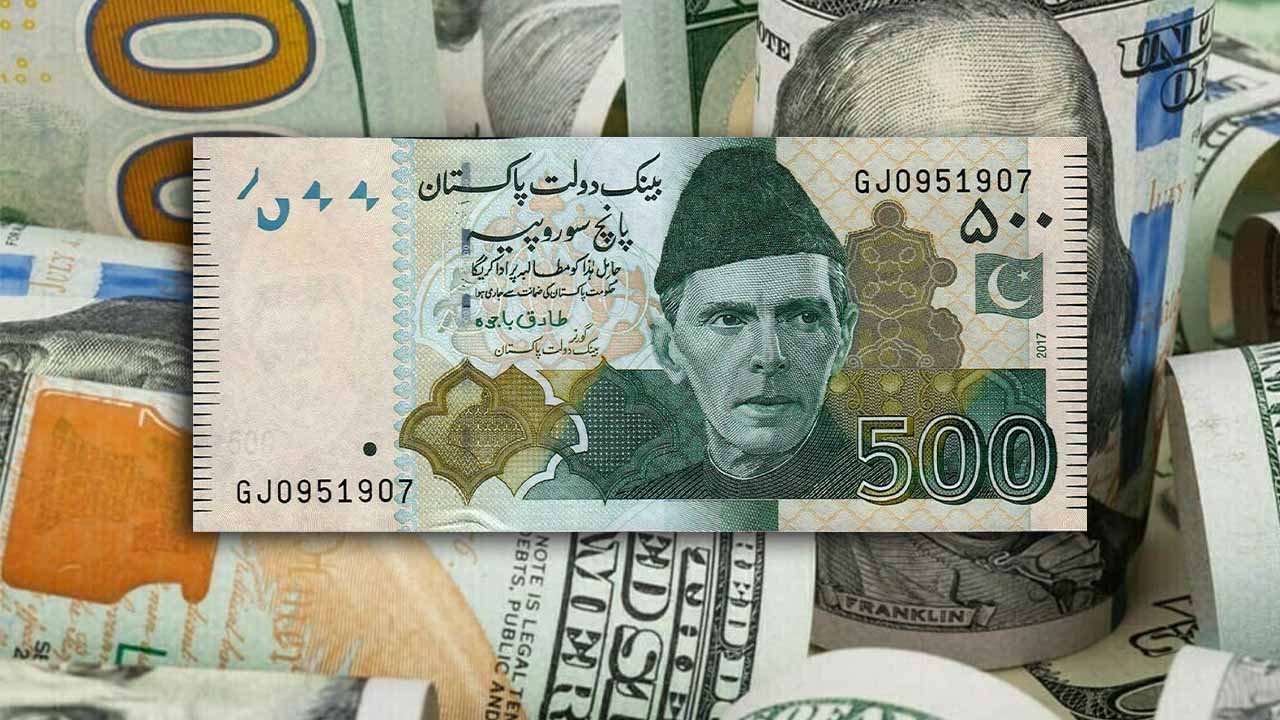
    The PKR experienced a gain of Rs0.072 against the greenback, resulting in a closing rate of Rs285.99. This marks an improvement from the previous day’s closing rate of Rs286.71.

    Experts attribute the rise in the dollar’s value to the government’s successful fulfillment of all conditions set by the International Monetary Fund (IMF).

    Prime Minister Shehbaz Sharif recently engaged in his fourth communication with the IMF Managing Director, Kristalina Georgieva, within a span of six days.

    It is worth noting that Pakistan’s ninth review by the IMF under the 2019 Extended Fund Facility, which aims to secure the release of $1.2 billion in funds, is still pending. With only three days remaining until the programme’s expiry on June 30, there is a pressing need to conclude the review process promptly.

  • State Bank announces aggressive policy rate hike to 22% in response to inflation risks

    State Bank announces aggressive policy rate hike to 22% in response to inflation risks

    During an emergency meeting convened on Monday, the State Bank of Pakistan (SBP) made the decision to raise the policy rate by 100 basis points (bps), resulting in a new rate of 22 per cent.

    The announcement was made subsequent to a gathering of the bank’s Monetary Policy Committee (MPC).

    The SBP clarified that the MPC acknowledged a heightened potential for upward risks to the inflation outlook compared to its previous meeting held on June 12.

    The committee highlighted that these risks primarily stem from the implementation of new measures in the fiscal and external sectors, which hold significant importance in the context of concluding the ongoing programme with the International Monetary Fund (IMF).

    “MPC noted that today’s action is necessary to keep the real interest rate firmly in positive territory on a forward-looking basis that would help in bringing down inflation towards the medium-term target of five to seven per cent by the end of fiscal year 25,” the SBP said.

  • Pakistan lifts import restrictions to satisfy IMF demand

    Pakistan lifts import restrictions to satisfy IMF demand

    In a recent development, the State Bank of Pakistan (SBP) has taken the decision to lift all import restrictions as part of fulfilling a condition set by the International Monetary Fund (IMF).

    The central bank issued a circular to officially end these restrictions, thereby satisfying another requirement put forth by the IMF.

    To facilitate the release of over 6,000 containers, the federal government has granted permission to banks for remittance provision. The circular issued by the SBP states that remittances will be provided for all imports following the implementation of this latest order. The central bank has instructed authorised dealers to process remittances based on the recommendations of stakeholders.

    It came to light yesterday that Pakistan and the IMF are facing challenges in reviving a loan program, leading to disagreements between the Ministry of Finance and the IMF. Sources revealed that the plan to bridge the external financing gap relied on funds received from a donor conference held in Geneva.

    The primary objective of the conference was to garner support and contributions for Pakistan’s financial requirements. As part of this plan, the IMF was tasked with securing $500 million by June through the Geneva Donor Conference. However, efforts to obtain funds for the Ministry of Planning and Treasury have encountered obstacles. Delays in finalising contracts and agreements under the Donor Conference have further impeded the financing process.

    Sources within the Ministry of Finance report that the amount received through the Geneva Donor Conference currently stands at $150 million, falling short of the expected sum. This has raised concerns from the IMF, which has expressed dissatisfaction with the level of financial support obtained through the conference.

    According to ARY News, the funds acquired from the Donor Conference will be allocated to crucial recovery and rehabilitation projects in regions affected by floods. The aim is to address the needs of these communities and provide support for their restoration efforts.

  • SBP calls for action against unauthorised mobile apps providing online banking services

    SBP calls for action against unauthorised mobile apps providing online banking services

    The State Bank of Pakistan (SBP) has raised concerns about commercial banks jeopardising depositors’ funds by allowing unauthorised mobile phone applications to offer online banking services to clients.

    The central bank issued a notification to regulated entities (REs) that provide digital banking services, warning about the use of unlicensed digital lending mobile applications and platforms.

    These applications integrate with customers’ bank accounts for loan disbursement, creditworthiness checks, and collections, posing consumer protection risks and potential harm to banks’ reputation.

    Regulated entities encompass commercial banks, microfinance banks (MFBs), payment system operators, payment service providers, and electronic money institutions (EMIs).

    The central bank explicitly stated that REs should not provide services such as deposits, lending products, mobile application integration with third parties, payment gateway services, credit scoring and creditworthiness checks, wallet services, and/or API integration services to unlicensed digital lending platforms, whether directly or indirectly.

    IT expert Noman Ahmad, speaking to The Express Tribune, emphasised the need for the central bank to disclose the names of financial institutions offering services through unlicensed applications. By doing so, depositors would have the opportunity to withdraw and safeguard their deposits before any unexpected events occur. He expressed surprise that unauthorised mobile platforms were offering banking services despite the SBP’s status as a responsible regulator.

    Banks in Pakistan manage deposits totaling approximately Rs23 trillion and serve 67.52 million depositors in a population of 227 million. The country has 103 million branchless banking accounts, while EMIs oversee 1.60 million accounts (e-wallets).

    The SBP’s notification advises REs to verify the licensing status and authorisation of digital lending platforms and mobile applications from relevant regulatory bodies, including the Securities and Exchange Commission of Pakistan and the central bank itself. This verification should be conducted as part of the know-your-client and customer due diligence processes.

    Furthermore, REs are urged to implement reasonable measures during customer onboarding and transaction monitoring to prevent unauthorised financial service providers from utilising their banking channels and platforms, either directly or indirectly.

  • Pakistani rupee maintains winning streak against dollar for third day to close at Rs286.73

    Pakistani rupee maintains winning streak against dollar for third day to close at Rs286.73

    The Pakistani rupee continued its upward trend against the US dollar for the third consecutive session in the inter-bank market on Thursday, appreciating by 0.09 per cent. According to the State Bank of Pakistan (SBP), the currency settled at Rs286.73 at the close, showing an improvement of Rs0.25 compared to the previous day’s rate of Rs286.98.

    In a significant development, Finance and Revenue Minister Ishaq Dar met with US Ambassador to Pakistan Donald Blome on Wednesday to discuss the economic ties between Pakistan and the United States, as well as the International Monetary Fund (IMF) loan program.

    This meeting took place following the IMF’s criticism of Islamabad’s budget proposals for the fiscal year 2023-24. Esther Perez Ruiz, the IMF’s Resident Representative for Pakistan, expressed dissatisfaction with the budget proposals, describing them as a missed opportunity to broaden the tax base. She also criticised the new amnesty scheme, stating that it sets a damaging precedent.

    Separately, Prime Minister Shehbaz Sharif stated on Wednesday that the immediate goal, with the assistance of the Special Investment Facilitation Council (SIFC), is to increase Foreign Direct Investment (FDI) in the country to $5 billion.

    On the international front, the US dollar remained close to a one-month low against a basket of currencies on Thursday. This followed Federal Reserve Chair Jerome Powell’s testimony, where he maintained his usual stance and offered little room for surprise.

    Powell’s comments to lawmakers on Capitol Hill aligned with the central bank’s previous policy meeting, indicating that further rate increases are likely if the economy continues its current trajectory. As a result, the greenback depreciated by nearly 0.5 per cent against six major peers in the previous session.

    Meanwhile, oil prices slightly declined on Thursday. Market expectations of further interest rate hikes were balanced by potentially bullish US oil inventory data, which indicated a decrease in stocks.

  • Pakistan’s foreign exchange reserves get a boost as China rolls over $1 billion loan

    Pakistan’s foreign exchange reserves get a boost as China rolls over $1 billion loan

    In a significant development, China has rolled over a $1 billion loan to Pakistan, bolstering the country’s foreign exchange reserves held by the State Bank of Pakistan (SBP). This move comes as a much-needed relief for cash-strapped Pakistan, which has been grappling with a severe liquidity crunch and the looming expiration of its International Monetary Fund (IMF) programme.

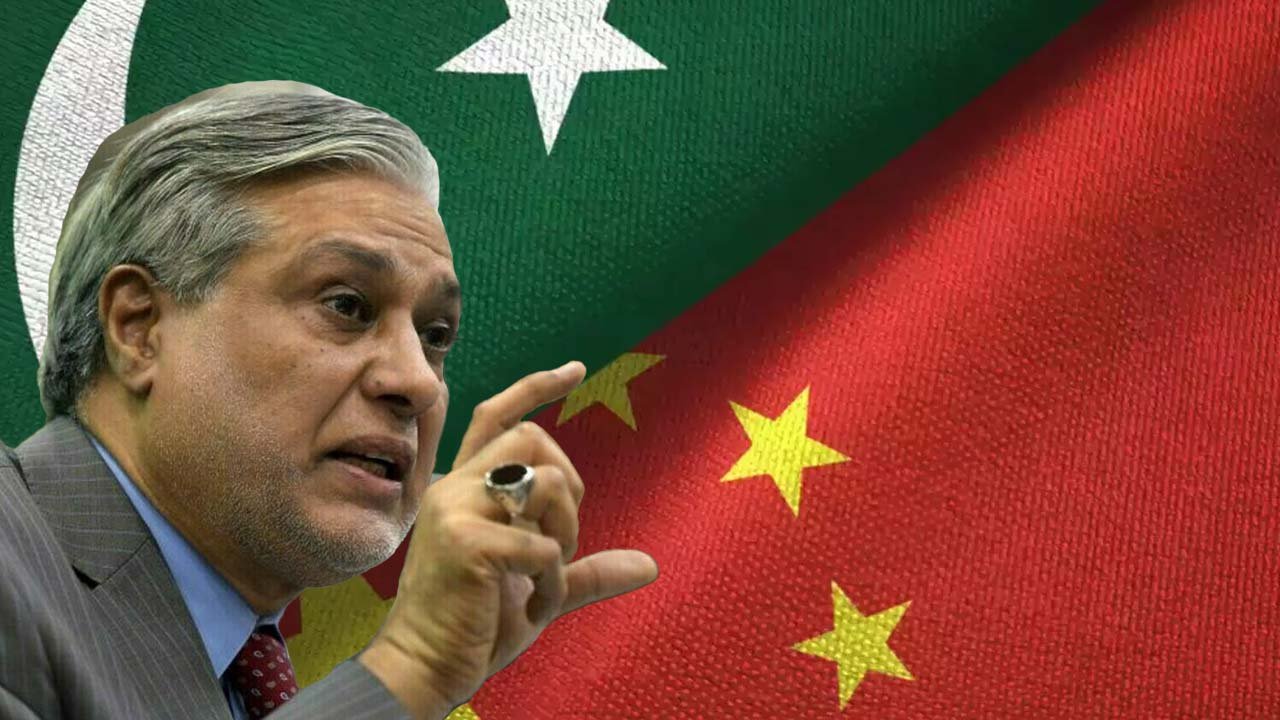
    Pakistan’s Finance Minister Ishaq Dar said that the $1 billion loan from China would be received on Monday. Additionally, negotiations are underway with the Bank of China for a loan amounting to $300 million. Pakistan is also set to benefit from the dollars obtained through its swap agreement with China.

    Prior to this infusion of funds, the SBP and commercial banks jointly held foreign exchange reserves amounting to $9.4 billion as of June 9. With the $1 billion loan, the reserves will rise to $10.4 billion, providing some stability to Pakistan’s economic situation.

    The IMF has made external financing a prerequisite for Pakistan, emphasising the importance of securing additional funds. In an effort to address its financial challenges, Pakistan had approached China to refinance commercial loans worth $1.3 billion. However, without the revival of the IMF programme, the SBP’s foreign exchange reserves were at risk of plummeting to less than $3 billion.

    Despite these positive developments with China, Pakistan is still struggling to secure external financing in a timely manner, primarily due to ongoing political instability. The country’s fragile economy, valued at $350 billion, continues to be in turmoil, with financial woes exacerbating the situation. The delayed agreement with the IMF has further compounded the need for crucial funding to avoid the risk of default.

    Negotiations between the Pakistani government and the IMF have been ongoing since the end of January to resume the $1.1 billion loan tranche that has been on hold since November. This loan is part of a larger $6.5 billion Extended Fund Facility agreed upon in 2019. The impending challenge lies in repaying $900 million to multilateral creditors, which includes both principal and mark-up repayments, by the end of June 2023.

    Pakistan remains hopeful that these recent developments with China will provide some respite in the face of its economic challenges. However, the government must continue its efforts to secure external financing and navigate through the political instability to ensure long-term stability and growth for the country’s economy.

  • Pakistan’s foreign exchange reserves dip to $3.91 billion amid IMF agreement delay

    Pakistan’s foreign exchange reserves dip to $3.91 billion amid IMF agreement delay

    In a challenging turn of events for Pakistan’s economy, the foreign exchange reserves held by the State Bank of Pakistan (SBP) have plummeted to $3.91 billion.

    The decline in reserves is primarily attributed to external debt payments, coinciding with the expiration of the country’s International Monetary Fund (IMF) program, which has been stalled for several months.

    The SBP announced on Thursday that the reserves decreased by $179 million during the week ending on June 2, leaving the country with barely enough coverage for controlled imports for just one month.

    Commercial banks, on the other hand, are holding net foreign reserves worth $5.42 billion, $1.51 billion more than the central bank. Consequently, Pakistan’s total foreign reserves stand at $9.3 billion as of June 2.

    This marks the sixth consecutive weekly drop in foreign exchange reserves for Pakistan, signaling a lack of progress in securing external financing. Political instability has played a significant role in the deteriorating economy, and the country has yet to secure much-needed funding to avert the risk of default.

    Pakistan’s $350 billion economy is currently in turmoil due to financial woes and the delay in reaching an agreement with the IMF. The pending agreement would release crucial funds that are essential for stabilizing the economy.

    The government has been engaged in discussions with the IMF since the end of January to resume a $1.1 billion loan tranche, which has been on hold since November 2022. This loan is part of a larger $6.5 billion Extended Fund Facility (EFF) agreed upon in 2019.

    Earlier today, Finance Minister Ishaq Dar revealed that the coalition government has shared its budget numbers with the IMF, aiming to unlock the ninth review.

    He expressed confidence that there are “no issues in the numbers.” Pakistan’s government faces significant pressure from the IMF to implement stringent fiscal measures and unlock the final tranche of a vital bailout package.

    To meet the IMF’s requirements, Pakistan must eliminate subsidies in sectors such as energy, allow the rupee to float against the US dollar, increase taxes and duties, and impose import restrictions. These measures are seen as crucial steps toward stabilising the economy and securing external funding.

    The future of Pakistan’s economy hinges on successful negotiations with the IMF and the implementation of effective economic reforms.

    The government must address political instability and work towards regaining the confidence of international lenders to alleviate the financial strains on the country.