Tag: State Bank of Pakistan

  • China’s $700 million loan to boost Pakistan’s foreign exchange reserves

    China’s $700 million loan to boost Pakistan’s foreign exchange reserves

    Pakistan’s Finance Minister Ishaq Dar has announced that the Board of China Development Bank has approved a credit facility of $700 million for Pakistan, and all formalities have been completed.

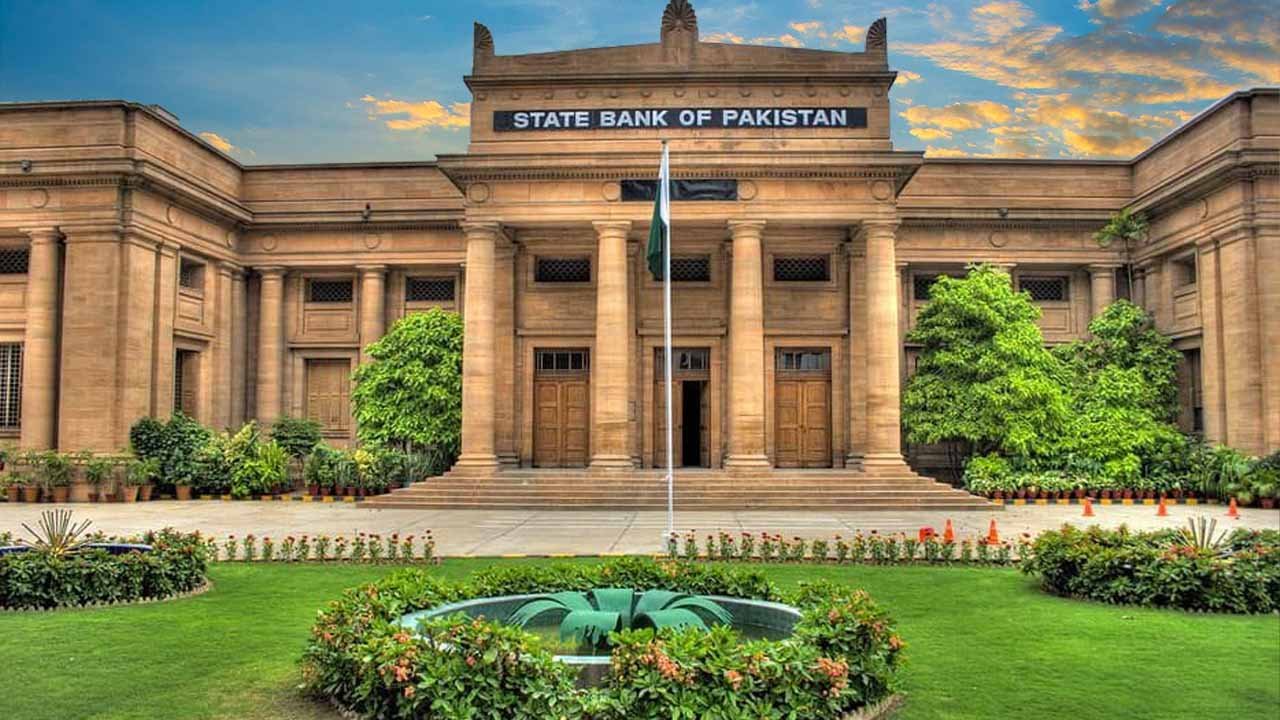
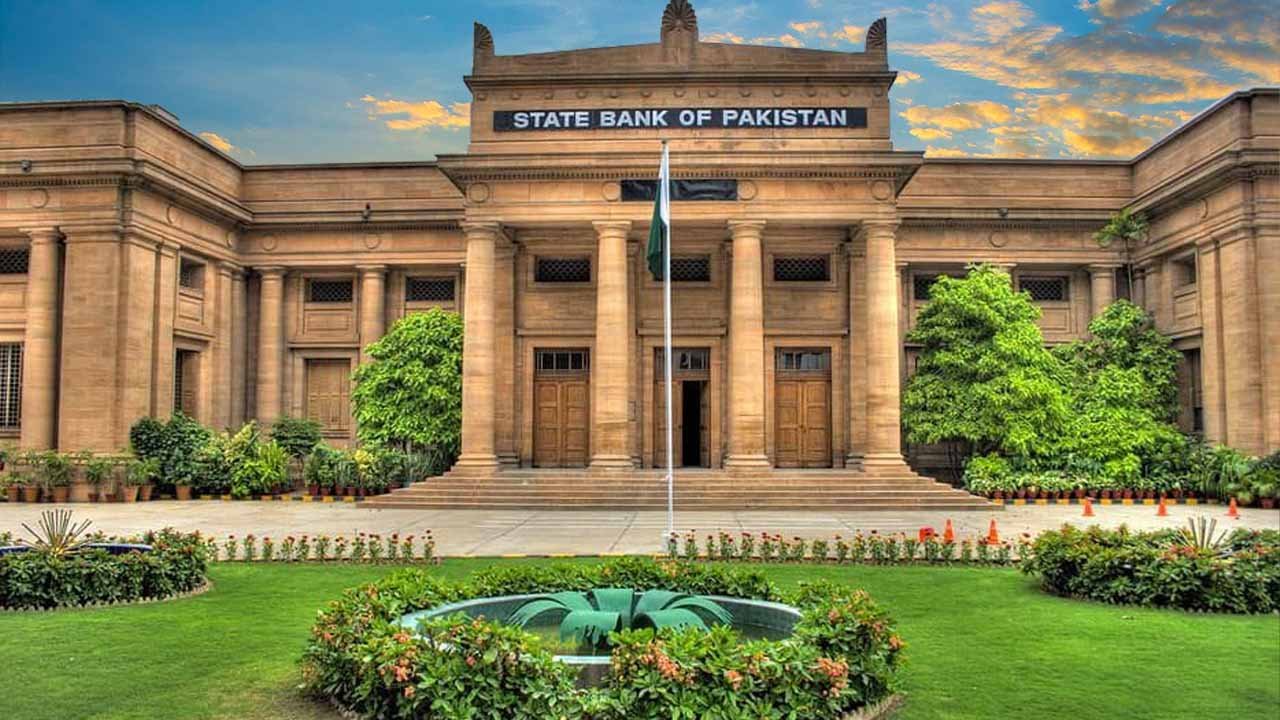
    This announcement was made through a tweet, and the loan is expected to be received by the State Bank of Pakistan this week, which will help to boost the country’s forex reserves.

    According to Reuters, the credit facility, provided by the state-owned China Development Bank, will increase Pakistan’s forex reserves by about 20 per cent. This comes at a time when the country is in talks with the International Monetary Fund (IMF) to unlock funds from a $6.5 billion bailout. The loan is in addition to other facilities that China has already extended to Pakistan, and a finance ministry official has stated that the money could arrive as early as Thursday.

    China Development Bank did not respond to a faxed request for comment. Currently, China is Pakistan’s largest creditor, and its commercial banks hold approximately 30 per cent of the country’s external debt.

  • Pakistan’s forex reserves increase by 9%, cross $3 billion mark

    Pakistan’s forex reserves increase by 9%, cross $3 billion mark

    After declining for three weeks in a row and losing a cumulative $1,685 million during that period, the foreign exchange reserves held by the State Bank of Pakistan (SBP) have rebounded, according to a statement from the central bank.

    As of February 10, SBP’s foreign currency reserves totaled $3,192.9 million, which is up $276 million from the previous week. This increase represents a gain of over 9 per cent and has broken the streak of declining reserves.

    However, even with this increase, the amount is still only enough to cover one month of imports. Meanwhile, the net forex reserves held by commercial banks are $5,509.3 million, which is $2,316.4 billion more than SBP, bringing the total liquid foreign reserves of the country to $8,702.2 million. The statement did not provide a specific reason for the increase in SBP-held reserves.

    Pakistan’s economy is in dire straits due to a balance-of-payments crisis, political chaos, and deteriorating security. The government has banned all but essential food and medicine imports until it receives a crucial loan tranche from the International Monetary Fund (IMF), which could unlock other sources of funding for the country.

    Inflation has risen sharply, the rupee has declined, and the country is struggling to afford imports, which has caused a severe decline in its industry. Pakistan is no longer issuing letters of credit, except for essential food and medicine, since January, which has led to a backlog of raw material imports that the country can no longer afford.

    According to Geo, the rupee devaluation and the logjam have resulted in a significant decline in manufacturing, including textiles and steel, and building projects.

    While the IMF cash injection alone will not be enough to rescue Pakistan, the government hopes that it will boost confidence and pave the way for other friendly countries like Saudi Arabia, China, and the UAE to offer additional loans.

  • SBP-held foreign exchange reserves drop to a highly critical level of $2.92 billion

    SBP-held foreign exchange reserves drop to a highly critical level of $2.92 billion

    The State Bank of Pakistan (SBP) has reported a decrease in its foreign exchange reserves, as reflected in data released on Thursday. The reserves fell to a total of $2.92 billion, marking a reduction of $170 million.

    According to the recent data, the current level of reserves held by the bank has reached its lowest point since February 2014.

    The country’s total liquid foreign reserves were reported to be at $8.54 billion, according to the latest data. Meanwhile, commercial banks in the country held net foreign reserves of $5.62 billion.

    “During the week ended on February 3, 2023, SBP’s reserves decreased by $170 million to $2,916.7 million due to external debt repayments,” the SBP said in a statement.

    The State Bank of Pakistan (SBP) experienced a substantial decrease in its foreign exchange reserves last week, declining to $3.09 billion, a drop of $592 million. This represents the lowest level of reserves for the central bank since February 2014. The current level of reserves falls below one month’s worth of import coverage.

    The depletion of the central bank’s reserves, which stood at nearly $18 billion at the beginning of 2022, highlights the pressing need for Pakistan to move forward with the next review of its International Monetary Fund (IMF) program.

    These declining reserves serve as a reminder of the economic challenges facing the country and the importance of addressing them in a timely and effective manner.

  • Rs170 billion in taxes to be imposed through mini-budget for revival of IMF loan program

    The Minister of Finance, Ishaq Dar, has announced that the talks between Pakistan and the International Monetary Fund (IMF) have concluded positively. In order to revive the loan program, the government will be required to implement a mini-budget, which includes collecting approximately Rs170 billion in taxes.

    During a media briefing, the finance minister confirmed receipt of the draft of the Memorandum of Economic and Financial Policies (MEFP) from the IMF based in Washington. At the outset of his media address, the minister emphasized that the current government is continuing to implement the program signed by former Prime Minister Imran Khan with the IMF in 2019-2020, and that the talks are being held as a “sovereign commitment” under the leadership of Shehbaz Sharif.

    “This is an old agreement which had been suspended and delayed previously,” he noted. 

    Regarding the discussions between Pakistan and the IMF mission, the finance minister stated that the talks, which lasted for ten days, were comprehensive and covered a range of topics including the power and gas sectors, as well as the fiscal and monetary aspects.

    “The SBP governor and officials from different departments and ministries participated in the talks,” said Dar.

    Finance Minister Ishaq Dar has shared details of the agreement reached with the IMF regarding the country’s financial situation. The finance minister confirmed that taxation measures of Rs170 billion will be taken, dispelling rumors of a larger figure of Rs700-800 billion.

    Dar highlighted that reforms in the energy sector will be a key focus, aimed at curbing the flow of circular debt, particularly in the gas sector where efforts will be made to bring the circular debt to zero and minimize untargeted subsidies.

    The minister acknowledged that some of the reforms suggested by the IMF are beneficial for Pakistan and emphasized the need for reforms in the country. He added that Prime Minister Shehbaz Sharif has assured the IMF of the government’s commitment to implement the necessary reforms.

    As per the standard procedure, a MEFP and a letter of intent are given. “The government has received the MEFP draft this morning and we will go through it on the weekend. A virtual meeting with the IMF will be held after that on Monday,” he added.

    “We believe that there are some sectors that need to be reformed in Pakistan’s interest,” he said.

    The Minister of Finance, in a statement, indicated that the country’s economy is facing significant challenges, with its current ranking standing at 47. The minister attributed the economic struggles to poor governance and mismanagement, and emphasized the need to address and rectify the situation.

    In reference to the power sector, the finance minister noted that a large portion of the national budget, approximately Rs3,000 billion, is spent on electricity generation, however, the recovery rate for these expenditures is only Rs1,800 billion. This highlights the pressing need for reforms and improvements in the sector to enhance efficiency and ensure sustained economic growth.

    “Even though these reforms are painful but we will have to implement them,” he maintained.

    He said that the government had decided that Pakistan will complete the IMF’s programme for the second time.

    “Pakistan will get $1.2 billion after the approval of IMF’s Executive Board.”

    The Minister of Finance announced that it has been determined to increase the budget of the Benazir Income Support Program (BISP), bringing it to a total of Rs400 billion. This increase is aimed at mitigating the impact of inflation on the most vulnerable segments of society.

    Regarding the declining foreign currency reserves, the minister provided reassurance that efforts are underway to boost them. The minister credited the State Bank of Pakistan (SBP) with managing the situation and noted that support from friendly countries has also been secured through commitments.

    “Pakistan had made big payments to countries during this time, and once the programme is finalised, we will get the amount back,” said Dar.

    The Minister of Finance criticized the previous administration for the credibility gap in the country’s reputation, stating that the lack of trust from the IMF is a result of the previous government’s failure to implement reforms, and even reversing them during a period of political instability.

    “This has negatively portrayed Pakistan’s image and this has affected the recent talks as [the IMF] is not sure if we would agree to it,” he added.

    He added that the government refused to impose sales tax on petrol and the IMF conceded it. “It was mutually agreed that there will be no sales tax on petroleum products,” he said. He added that the general sales taxes will be added to the Rs170 billion.

    Dar said that it is necessary to recover Rs170 billion in taxes within the current fiscal year, within a period of four months.
  • Pakistani rupee gains Rs1.28 against US dollar, closes at Rs275.30

    Pakistani rupee gains Rs1.28 against US dollar, closes at Rs275.30

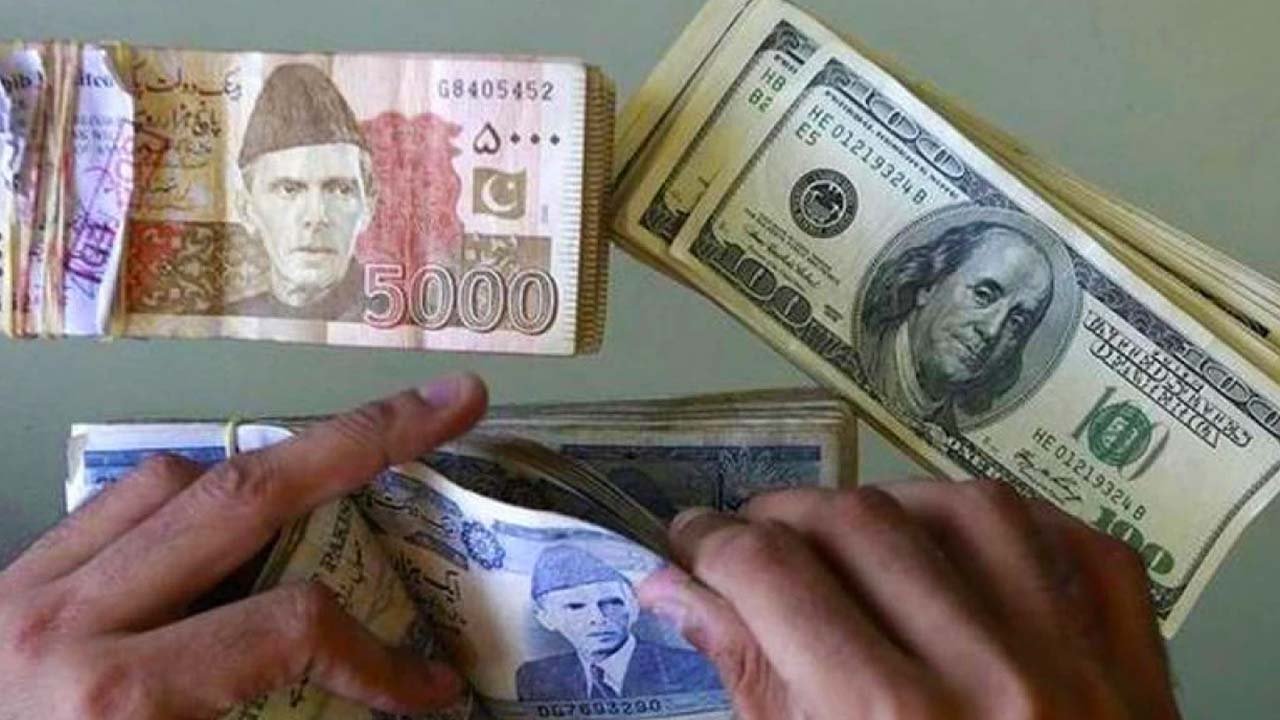
    On Monday, the Pakistani rupee exhibited a slight improvement in its exchange rate against the US dollar, closing with a gain of 0.46 per cent in the inter-bank market. The local currency settled at Rs275.30 per US dollar, an improvement of Rs1.28, according to the State Bank of Pakistan (SBP).

    During the current fiscal year, the rupee has depreciated by 25.47 per cent against the US dollar. This appreciation follows a recent decline, with the rupee hitting an all-time low against the US dollar on Friday, closing at Rs276.58, a decrease of Rs5.22 or 1.89 per cent.

    Last week, the Pakistani rupee experienced a cumulative decline of 5.05 per cent. This was due to a number of factors, including low foreign exchange reserves, which decreased by an additional $592 million to reach a mere $3.09 billion.

    Additionally, comments made by Prime Minister Shehbaz Sharif regarding the challenging loan negotiation process with the International Monetary Fund (IMF) further added to investor concerns.

    Discussions with the IMF are ongoing, and reports indicate that the organization is requiring reforms and preconditions in several critical areas, including taxation, the power sector, and energy pricing. Analysts predict that the rupee will continue to face pressure until the IMF program is fully clarified.

  • SBP-held foreign exchange reserves now stand at only $3.09 billion

    SBP-held foreign exchange reserves now stand at only $3.09 billion

    According to figures issued on Thursday, the State Bank of Pakistan’s (SBP) foreign reserves fell precipitously by $592 million to just $3.09 billion. This is the lowest level of central bank reserves since February 2014.

    The nation’s total holdings of liquid foreign exchange were $8.74 billion. There were $5.65 billion in net foreign reserves held by commercial banks.

    “During the week ended January 27, 2023, SBP’s reserves decreased by $592 million to $3,086.2 million due to external debt repayments,” the SBP said in a statement.

    The SBP’s foreign exchange reserves decreased sharply last week, falling by a whopping $923 million to only $3.7 billion.

    The central bank reserves, which were around $18 billion at the beginning of 2022 but have significantly decreased, highlight the pressing need for Pakistan to finish the next assessment of the International Monetary Fund (IMF) programme.

  • Intraday update: Pakistani rupee drops to Rs268.30, losing more than Rs12 versus US dollar

    Intraday update: Pakistani rupee drops to Rs268.30, losing more than Rs12 versus US dollar

    Pakistani rupee (PKR) continued its downward trend on Friday, with the rupee declining over Rs12 versus the US dollar in the interbank market. The local currency was trading at Rs268.30, compared to yesterday’s close of Rs255.43 in the interbank market.

    The dollar has gained Rs30.41 in the interbank market since Thursday as exchange companies removed the dollar cap, a key demand of the IMF as part of a bailout programme agreed upon in 2018.

    PKR fell to Rs265 against the US dollar in the open market, a decline of Rs3 compared to the day before.

    The removal of the cap on the dollar rate took the currency market by surprise and resulted in extreme volatility. Experts termed it a “much-awaited adjustment” and predicted that it would help in increasing export proceeds and inward remittances through legal banking channels.

    The difference in rates between the interbank and open markets owing to the price cap removal, which had widened to Rs15 in recent months, was almost wiped out.

    The country’s foreign exchange reserves have depleted to a critical level, falling to $3.678 billion in the week ending January 20. This is not enough to finance even three weeks of imports.

    This is a developing story and will be updated after interbank closing.

  • Pakistani rupee witnesses biggest single-day decline against dollar in more than two decades

    Pakistani rupee witnesses biggest single-day decline against dollar in more than two decades

    Pakistani rupee dropped significantly against the US dollar in the interbank market on Thursday, as it fell more than 9 per cent during the intraday trade. Around 1:30 PM, the dollar’s intraday quote was Rs254.75, which represents a depreciation of Rs23.86.

    According to Ismail Iqbal Securities, “This is the largest single-day decline in both absolute and percentage terms, at least since 2000.”

    Earlier in the day the local unit was trading under Rs231.

    Experts predicted that as Pakistan attempted to meet the International Monetary Fund’s (IMF) requirements to renew its bailout programme, the local currency would depreciate significantly in the coming days.

    While speaking to Brecorder, the Head of Research at Ismail Iqbal Securities Limited, Fahad Rauf, said it seems like the rupee has been let go today.

    “This is a market-driven rate,” Rauf said. “This is a sign that we are moving closer to reviving the stalled IMF programme.”

    The market expert said the development was much-needed, as capping the interbank rate only led to the creation of the grey market. He said that the development will improve the greenback supply to a significant extent.

    On Wednesday, the rupee registered a loss for the 26th successive session against the dollar to settle at Rs230.89, a decrease of Re0.49 or 0.21 per cent.

    Pakistani rupee on Thursday fell 9.61 per cent or Rs24.54 to a shocking all-time low of Rs255.43, according to the State Bank of Pakistan (SBP).