Tag: State Bank of Pakistan

  • SBP to lift import restrictions next week

    SBP to lift import restrictions next week

    The government has lifted import restrictions on commodities intended for vehicle manufacturing, mobile production, solar power equipment, and nuclear reactors for power generation projects commencing in 2023, despite Pakistan’s limited foreign exchange reserves.

    Simultaneously, authorised dealers (ADs – largely commercial banks) have been encouraged to prioritise the import of food and energy products. They should consider enabling the import of non-essential and luxury products after first providing for the necessities.

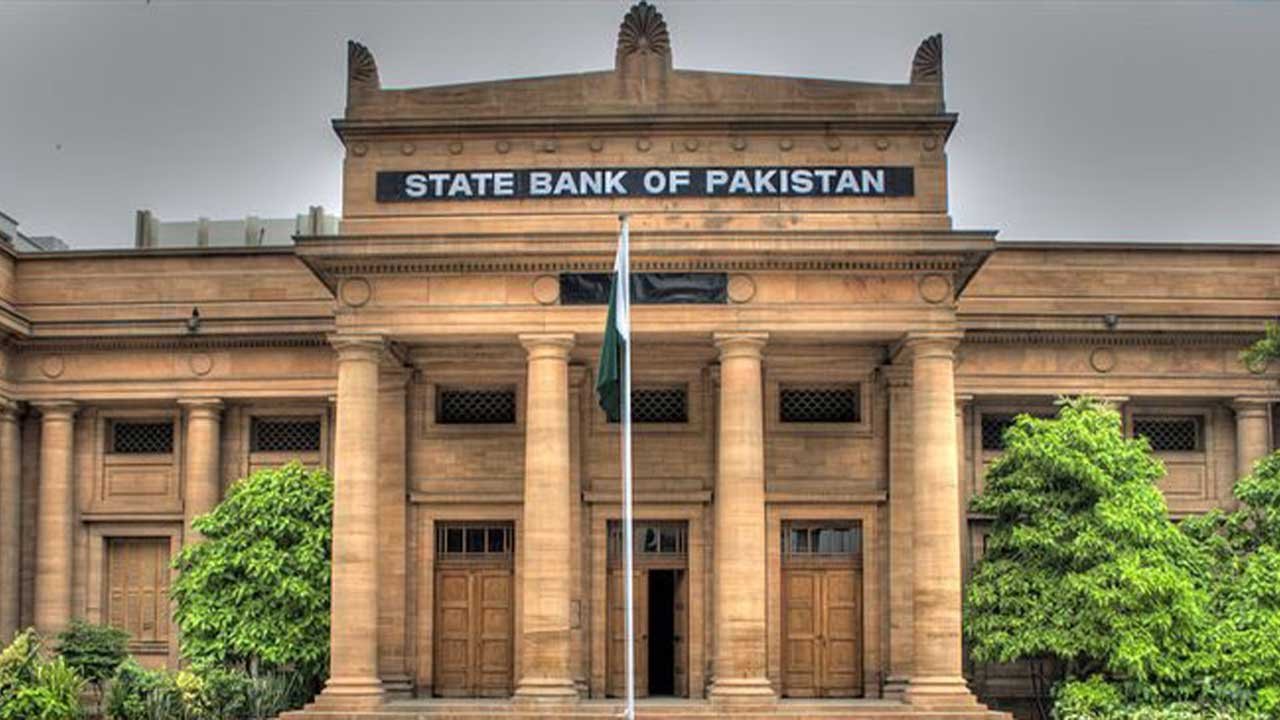
    The State Bank of Pakistan (SBP) reminded ADs on Tuesday that for the past eight months, they had been required to obtain prior permission from the Foreign Exchange Operations Department, SBP-BSC, before initiating any import transaction involving HS Code Chapters 84, 85, and certain items of Chapter 87.

    “It has now been decided to withdraw instructions (of prior permission) with effect from January 2, 2023. Consequently, requests for import transactions already submitted to SBP-BSC pertaining to referred HS codes stand returned to the ADs for appropriate disposal at their end,” the SBP said in the circular.

    Arif Habib Limited (AHL) Head of Research Tahir Abbas said that the import system may “continue to work in its present form. The removal of restrictions will not re-open imports in a full-fledged manner.”

    He stated that due to the country’s short foreign exchange reserves, the government has encouraged banks to first allow the import of necessary items before catering to others.

    The SBP advised ADs (commercial banks) to “prioritise and facilitate the import of essential sectors such as food (wheat and edible oil) and pharmaceuticals (raw material, life-saving or essential medicines, and surgical instruments, including stents).”
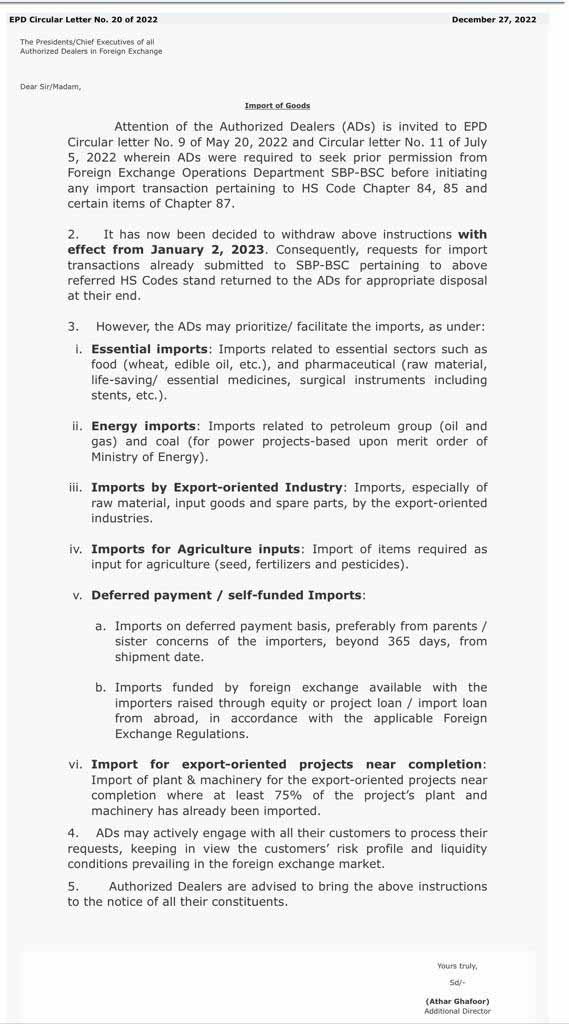
    According to Express Tribune, the second priority of ADs is to focus on energy imports “like oil, gas, and coal” (for power projects based on the merit order of the Ministry of Energy).

    Imports for export-oriented businesses should be prioritised as well. They should facilitate “imports, especially of raw materials, input goods, and spare parts, by the export-oriented industries,” stated the SBP. Imports of agri-inputs should be the fourth priority of ADs, as explained by SBP: “import of items required as inputs for agriculture (seed, fertilizers, and pesticides).”
  • SBP-held foreign exchange reserves drop to 8-year low

    SBP-held foreign exchange reserves drop to 8-year low

    The foreign exchange reserves held by the State Bank of Pakistan (SBP) continued their declining spree, plunging by $584 million to reach $6.1 billion as of December 16.

    According to SBP, this is the lowest level of reserves since April 2014.

    SBP’s reserves have decreased by $11.6 billion over the past 12 months. The central bank’s reserves, which were $17.7 billion in December 2021 and are now at $6.1 billion, hardly cover a month’s worth of imports.

    Pakistan’s total liquid foreign reserves are currently $12 billion, with $5.9 billion of that amount held by commercial banks as net foreign reserves.

    The lack of foreign assistance along with a delay in the IMF program’s revival, a greater trade imbalance, and rising foreign debt payments severely depleted the reserves.

    The Fund’s criticism over an elevated budget deficit is said to be the reason why the ninth review discussions have been postponed.

    While the IMF urges that the government must stabilize the economy, the government seems unwilling to levy more taxes in order to raise income.

  • Pakistan’s GDP growth expected to remain below 3–4% in FY23: SBP

    Pakistan’s GDP growth expected to remain below 3–4% in FY23: SBP

    In its annual economic health report released on Wednesday, the State Bank of Pakistan (SBP) slashed its predicted GDP growth from the previously disclosed range of 3–4 per cent for the current fiscal year, citing flood-induced destruction and the stabilisation policy as important contributors.

    However, the central bank stated that economic growth was stronger than anticipated in the 2021–22 fiscal year as real GDP increased by 6 per cent compared to 5.7 per cent a year earlier in its Annual Report on the State of Pakistan’s Economy, which mainly covered the previous fiscal year that ended on June 30.

    According to Geo, the GDP grew by 6 per cent in the previous fiscal year. In its monetary policy announcement from October, the SBP already reduced the economic growth to around 2 per cent.

    According to the research, increased agricultural output and a broad-based expansion of large-scale manufacturing (LSM) were the main forces behind this gain.

    Macroeconomic imbalances returned during FY22 as a result of a combination of unfavourable global and domestic circumstances.

    When widespread flooding struck a significant portion of the nation at the beginning of the current fiscal year, the SBP claimed that the economy was in the middle of a stabilisation phase.

    According to the report, the flooding was predicted to have an impact on the nation’s real economic activity through a number of channels. It was feared that losses in agriculture resulting from the destruction of crops and livestock would spread to the rest of the economy through a number of backward and forward links.

    According to the bank, the extensive devastation of infrastructure in the afflicted provinces might also harm the nation’s chances for growth this year.

    Due to the deteriorating economic climate, the SBP avoided stating a range for the growth rate of the current fiscal year. Due to the high rate of inflation and the scarcity of gas and electricity, industries have either stopped operating entirely or substantially reduced their production.

    The SBP’s restriction on the opening of letters of credit (LCs) for imports in an effort to save money is a significant contributing factor.

    In the event that the gas supply is not restored and no LCs are opened, the All-Pakistan Textile Mills Association has warned to declare layoffs within days.

    According to the textile industry, up to 500,000 people who were either directly or indirectly employed by the business have lost their jobs. However, there are no official statistics in this regard.

  • Pakistani rupee remains unchanged for the 4th time in a week

    Pakistani rupee remains unchanged for the 4th time in a week

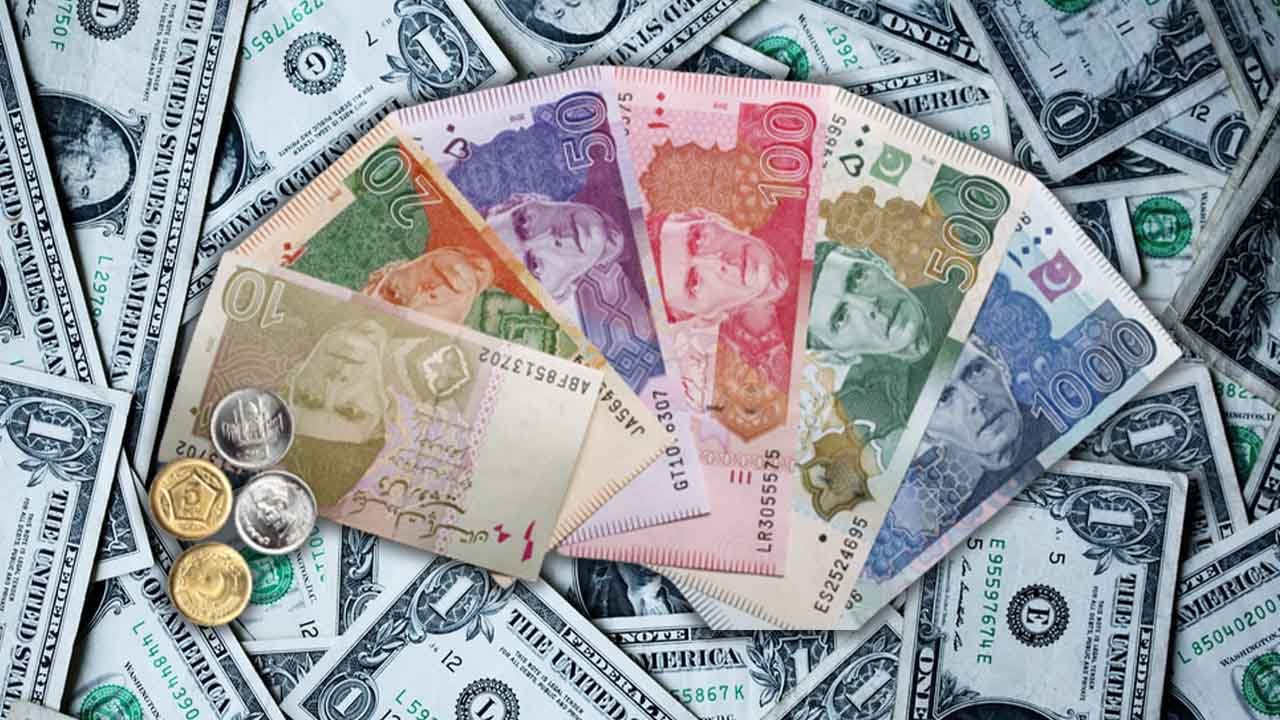
    The Pakistani rupee (PKR) once again remained unchanged versus the US dollar in the interbank market during the final trading session of the week.

    It is worth noting that this is the fourth time that the local currency has shown a 0.00 per cent change this week. The only change witnessed in the rupee’s value was reported by the State Bank of Pakistan (SBP) on December 1, when the rupee appreciated only 0.12 per cent to close at Rs223.69.

    The rupee closed at Rs223.69 against the US dollar on Friday. On a weekly basis, the PKR registered an increase of 0.11 per cent against the greenback.

    Additionally, the SBP’s foreign exchange reserves declined by $327 million every week, totaling $7.5 billion as of November 25, 2022.

    For Pakistan, which has been frantically pursuing dollar inflows to meet its balance-of-payments needs, the reserve position is crucial. A low reserve level puts pressure on the currency, which has recently only experienced stability.

    As data showing increased US consumer spending in October encouraged investor hopes that the peak in interest rates was on the horizon, the dollar held steady on Friday but was pinned down near 16-week lows against a basket of major currencies.

    A stronger US dollar limited gains as oil prices, a major metric of currency parity, edged up in Asian trading on Friday on expectations for further easing of COVID controls in China, which might aid in the recovery of demand in the world’s second-largest economy.

  • Finance Ministry agrees to IT minister’s suggestion regarding Google payments

    Finance Ministry agrees to IT minister’s suggestion regarding Google payments

    Following the Ministry of Finance’s decision to allow blocked payments to international service providers, including Google, on the advise of IT Minister Aminul Haque, Pakistan averted the suspension of paid Google Play mobile apps on Thursday.

    A $34 million payment suspension by the State Bank of Pakistan (SBP) to foreign service providers might have prevented inward mobile users from downloading paid Google Play Store services using their cell balance as a source of payment starting on December 1, 2022.

    After the SBP stopped using the direct carrier billing (DCB) mechanism, a $34 million payment to foreign service providers like Google, Amazon, and Meta was put on hold.

    Using their mobile phone carrier bill as a form of payment, users of the DCB online mobile payment system can make purchases.

    According to Geo, customers of telecommunications firms can buy these products using airtime and send money abroad to pay for IT-related services.

    However, Tariq Bajwa, the Special Assistant to the Prime Minister (SAPM) on Finance, got in touch with Haque and expressed his thoughts on the payments that had been halted.

    The Finance Ministry agreed to distribute the payments on schedule, the IT minister later confirmed.

    Insisting that “paid Google Play apps will not be suspended in Pakistan,” he said that the Finance Ministry had instructed the SBP to postpone for one month the implementation of the policy that had blocked payments.

    He stated that the payment method must be implemented by telecom companies within a month.

    According to the IT minister, the ministry has written to the finance minister, Ishaq Dar, requesting a timeline for the implementation of the telecom operators’ request for help from the government. Haque commended Dar and Bajwa for their prompt judgement.

  • Pakistan receives $500 million from Asian Infrastructure Investment Bank

    Pakistan receives $500 million from Asian Infrastructure Investment Bank

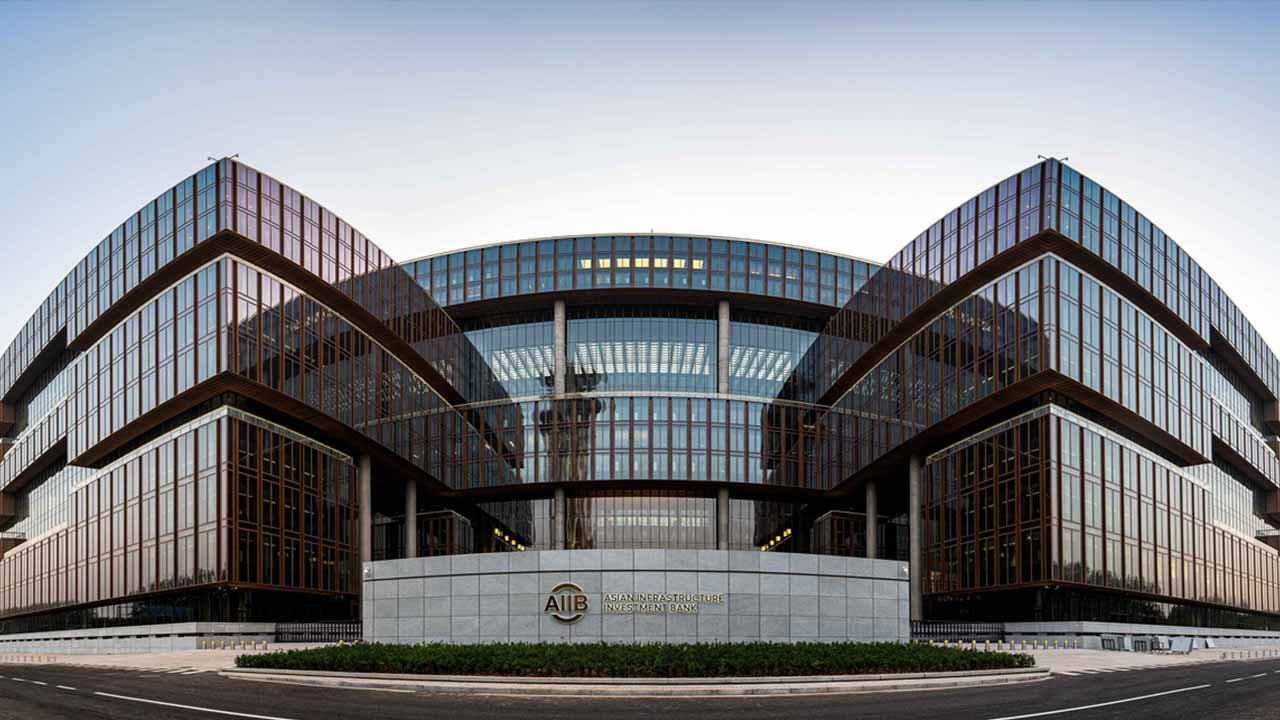
    The government of Pakistan on Tuesday received $500 million from Asian Infrastructure Investment Bank (AIIB), the Ministry of Finance announced on Tuesday.

    “Government of Pakistan has today received $500 million from AIIB. The funds are deposited with the State Bank of Pakistan (SBP) and will augment our reserves,” the ministry said.

    The funds by AIIB are crucial for the cash-strapped country, which has seen its foreign exchange reserves dwindle in recent months. The country’s reserves stood at $7.8 billion as of November 18.

    “During the week ended on November 18, 2022, SBP’s reserves decreased by $134 million to $7,825.7 million due to external debt repayment,” said the SBP on Friday.

    It is important to note that on October 26, 2022, the SBP got $1.5 billion from ADB as a loan disbursement for the government of Pakistan.

    An agreement between the ADB and Pakistan was inked last month to offer a $1.5 billion loan for budgetary support as well as assistance with flood-related repair and reconstruction efforts.

    The government’s $2.3 billion countercyclical development spending programme, created to lessen the effects of external shocks like the Russian invasion of Ukraine, was funded in part by a loan issued under the BRACE Program.

  • SBP raises key interest rate to 16% amid economic difficulties to combat inflation

    SBP raises key interest rate to 16% amid economic difficulties to combat inflation

    The State Bank of Pakistan’s Monetary Policy Committee (MPC) increased the key policy rate by 100 basis points to 16 per cent on Friday, the highest level since 1999.

    The decision, according to the central bank, reflects the MPC’s belief that inflationary pressures have proven to be higher and more persistent than anticipated, according to a statement released following the meeting.

    “This decision is aimed at ensuring that elevated inflation does not become entrenched and that risks to financial stability are contained, thus paving the way for higher growth on a more sustainable basis,” the MPC said.

    The SBP stated that, notwithstanding the continuous slowing in the economy, supply shocks both domestically and globally are increasingly responsible for inflation.

    “In turn, these shocks are spilling over into broader prices and wages, which could de-anchor inflation expectations and undermine medium-term growth,” the statement read, adding that consequently the rise in cost-push inflation cannot be overlooked and necessitates a monetary policy response.

    The MPC also pointed out that the immediate costs of fighting inflation are less than the long-term consequences of letting it persist. In the meanwhile, reducing food inflation through administrative steps to clear supply-chain snags and any required imports continues to be a top focus.

    From September 2021 to November 2022, the central bank raised the interest rate by a total of 900 basis points, bringing it to 16 per cent.

    However, the committee noted that core inflation and rising food costs are now anticipated to raise average inflation for FY23 to 21-23 per cent.

  • Pakistani rupee depreciates for the 5th day in a row, settles at Rs222.67

    Pakistani rupee depreciates for the 5th day in a row, settles at Rs222.67

    The Pakistani rupee (PKR) lost 0.12 per cent on Thursday in the inter-bank market, continuing its downward trend against the US dollar.

    The rupee dropped by Rs0.26 and ended the day at Rs222.67. The rupee has decreased by Rs1.25, or 0.56 per cent, over the last five trading sessions.

    PKR continued to lose value against the US dollar on Wednesday, falling Rs0.50 (0.22 per cent) to settle at Rs222.41.

    In a significant breakthrough on Wednesday, the State Bank of Pakistan (SBP) promised the Standing Committee on Finance of the National Assembly that action would be taken against banks by the end of the month for allegedly overcharging importers when establishing Letters of Credit.

    The SBP informed the banks in person about the practise and counselled them to rationalise the margins they were charging customers, according to information provided to the committee.

    Additionally, Pakistan’s external debt and liabilities reduced by $3.282 billion from $130.196 billion as of June 30, 2022, to $126.914 billion at the end of September 2022.

    The dollar recovered globally on Thursday as strong US retail data challenged the recent narrative that inflation is declining and US interest rates do not need to increase significantly more.

    The US reported overnight that retail sales increased 1.3 per cent in October, exceeding economists’ expectations of 1.0 per cent, a positive sign but one that dashed expectations for a pause in rate increases.

    The dollar index, which compares the value of the dollar to six important peers, increased 0.18 per cent to 106.46.

    A key indicator of currency parity, oil prices fell on Thursday due to easing geopolitical tensions and worries about Chinese demand, though signs of tighter supply, such as lower US inventories, provided support.

  • SBP reduces cash-carrying limits by 50% for international travel

    SBP reduces cash-carrying limits by 50% for international travel

    The State Bank of Pakistan (SBP) said in a statement that the cash-carrying limitations on foreign currency for international travel have been cut in half to $5,000 (or equivalent in other foreign currencies) each visit and $30,000 per year for individuals aged 18 and over.

    Under-18s (minors) will be subject to a 50 per cent reduction in both ceilings, or $2,500 per visit and $15,000 per year.

    The cap on withdrawing foreign currency in cash, however, will continue to be $1,000 per visit and $6,000 per year for visitors to Afghanistan.

    Now, overseas debit and credit card transactions are also subject to the same annual cap ($30,000).

    To curb speculation and the grey market, the SBP and the Federal Investigation Agency (FIA) have independently decided to work together against illegal foreign exchange businesses.

    The yearly trip cash limits, according to the central bank, won’t take effect until January 1, 2023, but the per-visit limits will be effective right away.

    A $30,000 yearly restriction on overseas transactions was also imposed by the SBP after it discovered that debit and credit cards were being used for transactions that “are not linked with the profile of the individual or are meant for commercial purpose.”

    SBP advised banks to “ensure that the use of debit and credit cards for international transactions was aligned with the profile of cardholders and for their personal needs only”.

    “It is emphasised that the purpose of debit/credit cards is to facilitate individuals in making payments for transactions that are of personal nature. The limits on these cards as well as payments through them, both domestic and international, should therefore be aligned with the profile of the cardholder,” it said.

    It continued by stating that it was the customer’s duty to make sure that their annual quota was never exceeded. However, banks are required to track these caps for every person on a combined basis.