Tag: State Bank of Pakistan

  • SBP waives off online transaction charges amid coronavirus outbreak

    SBP waives off online transaction charges amid coronavirus outbreak

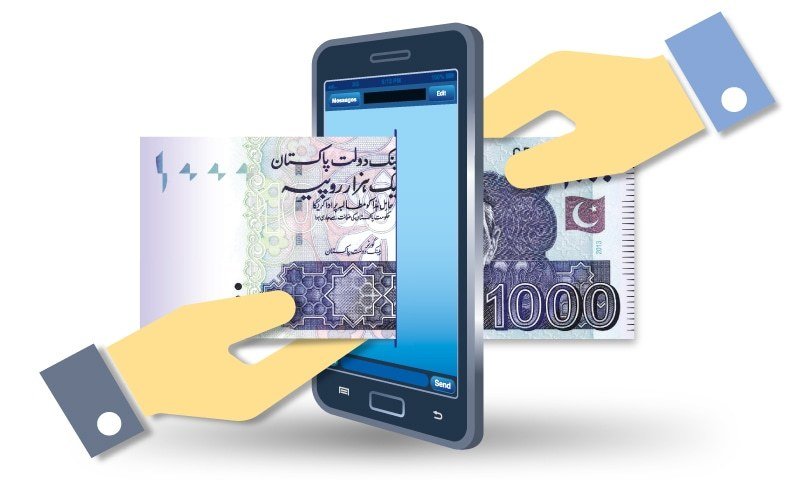
    The State Bank of Pakistan (SBP) on Wednesday waived all charges on fund transfers through online banking channels to avoid the use of cash. The national bank’s decision comes after health experts urge the public to practise social distancing in order to prevent the virus from spreading.

    As per reports, the SBP made this move to minimize the use of cash to contain the spread of virus amongst bank staff and customers.

    Furthermore, under the guidelines issued by the central bank, customers using ATMs or visiting bank branches for transferring large amounts will not incur any charges.

    The state bank further advised the financial sector “to immediately facilitate education fee and loan repayments through internet banking or mobile devices.”

    The SBP in a statement said, “The objective of these measures is to reduce the need for visiting bank branches or the ATMs and to promote the use of Digital Payment Services such as internet banking, mobile phone banking, etc”.

    For this, the SBP has advised all banks to ensure availability of the alternate delivery platforms including ATMs, POS, payment gateways, internet banking, mobile banking and call centers for customers at all times.
  • ‘Pakistan ready to boost tech-enabled financial inclusion,’ says Queen Maxima

    ‘Pakistan ready to boost tech-enabled financial inclusion,’ says Queen Maxima

    United Nations (UN) Secretary General’s Special Advocate for Inclusive Finance for Development (UNSGSA) Queen Maxima has said that Pakistan is in a good position for a boost to the technology-enabled financial inclusion, Express Tribune reported.

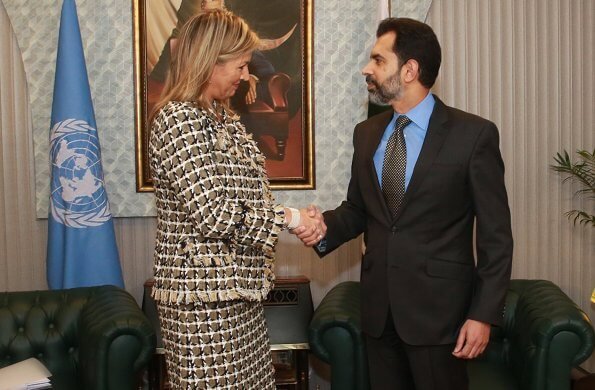
    According to the details, Queen Maxima in a meeting with State Bank of Pakistan (SBP) Governor Reza Baqir said that in the last five years, the country’s start-up tech and fintech ecosystems had made some notable progress in relation to improving their supporting networks.

    She also appreciated the progress made by the SBP and Pakistan with respect to financial inclusion while focusing on gender mainstreaming and digital financial services.

    The queen said it could be helpful to establish a pro-poor gateway for the wider acceptance of micropayment methods and introduce consumers to micropayments on a large scale and supported the steps taken by the SBP for creating a micropayment gateway in 2020.

    She, however, added that while resolving the technical issues was important, it was more challenging to encourage people to engage in digital modes of payment.

    The UNSGSA emphasised that in this regard the inclusion of new players was important, whereby they should not only be competing but also participating in expanding the delivery of services as well.

  • State Bank’s foreign exchange reserves jump to $8.46 billion

    State Bank’s foreign exchange reserves jump to $8.46 billion

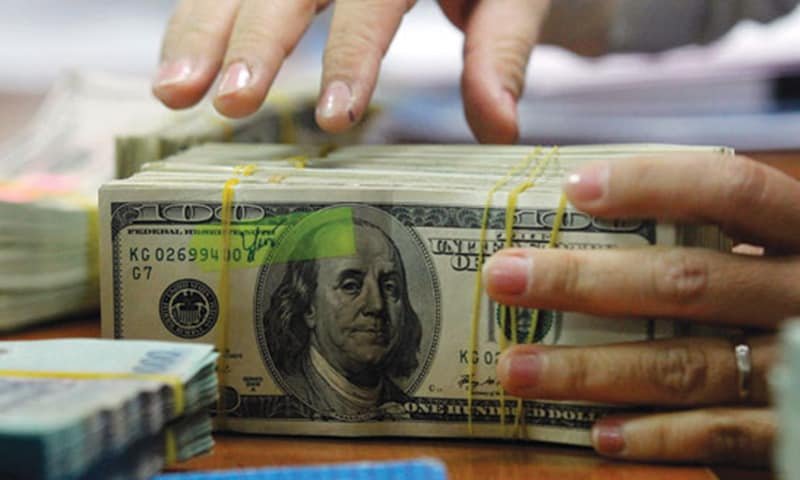
    The foreign exchange reserves held by the State Bank of Pakistan (SBP) increased 2.2 per cent on a weekly basis, data released by the central bank has revealed.

    According to The Express Tribune, the reserves had earlier spiralled downwards, falling below the $7 billion mark, which raised concern over Pakistan’s ability to meet its financing requirements. However, financial assistance from the United Arab Emirates (UAE), Saudi Arabia and other friendly nations helped shore up the foreign exchange reserves.

    On September 6, the foreign currency reserves held by the SBP were recorded at $8,462.3 million, up by $181.8 million compared with $8,280.5 million in the previous week. The central bank cited official inflows as the reason for the increase in reserves.

    Overall, liquid foreign currency reserves, held by the country, including net reserves held by banks other than the SBP, stood at $15,751.7 million. Net reserves held by banks amounted to $7,289.4 million.

    Pakistan received the first loan tranche of $991.4 million from the International Monetary Fund (IMF) on July 9, which helped bolster the reserves. Previously, the reserves had jumped on account of $2.5 billion in inflows from China.

    Over time, the declining reserves have forced the central bank to let the rupee depreciate massively, sparking concern about the country’s ability to finance a hefty import bill as well as meet debt obligations in coming months.