Tag: State Bank of Pakistan

  • Pakistani rupee shows marginal improvement, gains 0.03% against US dollar

    Pakistani rupee shows marginal improvement, gains 0.03% against US dollar

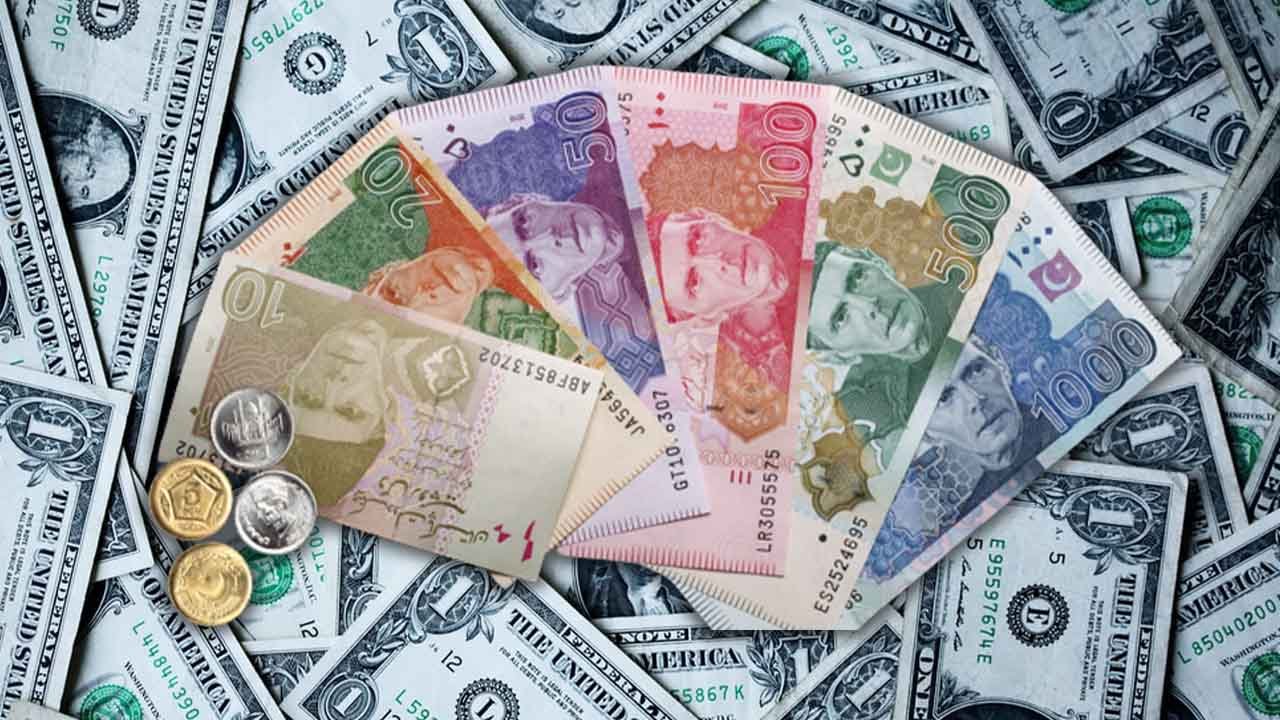
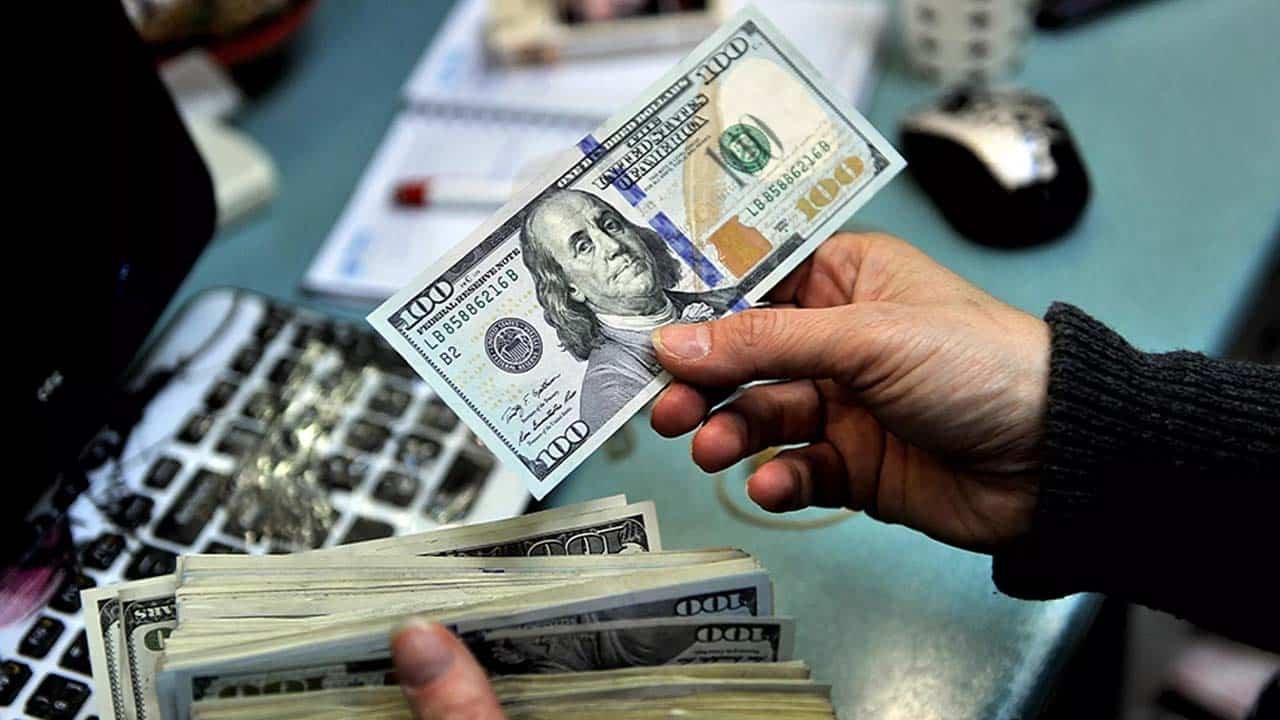
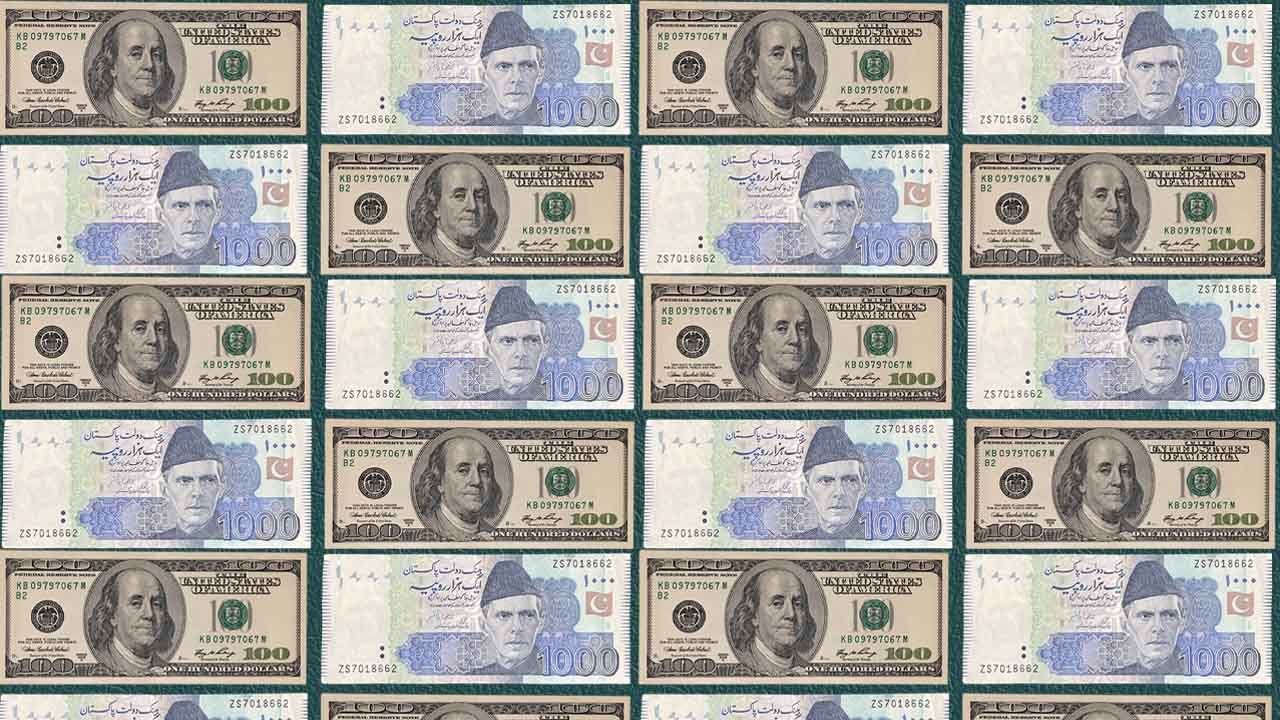
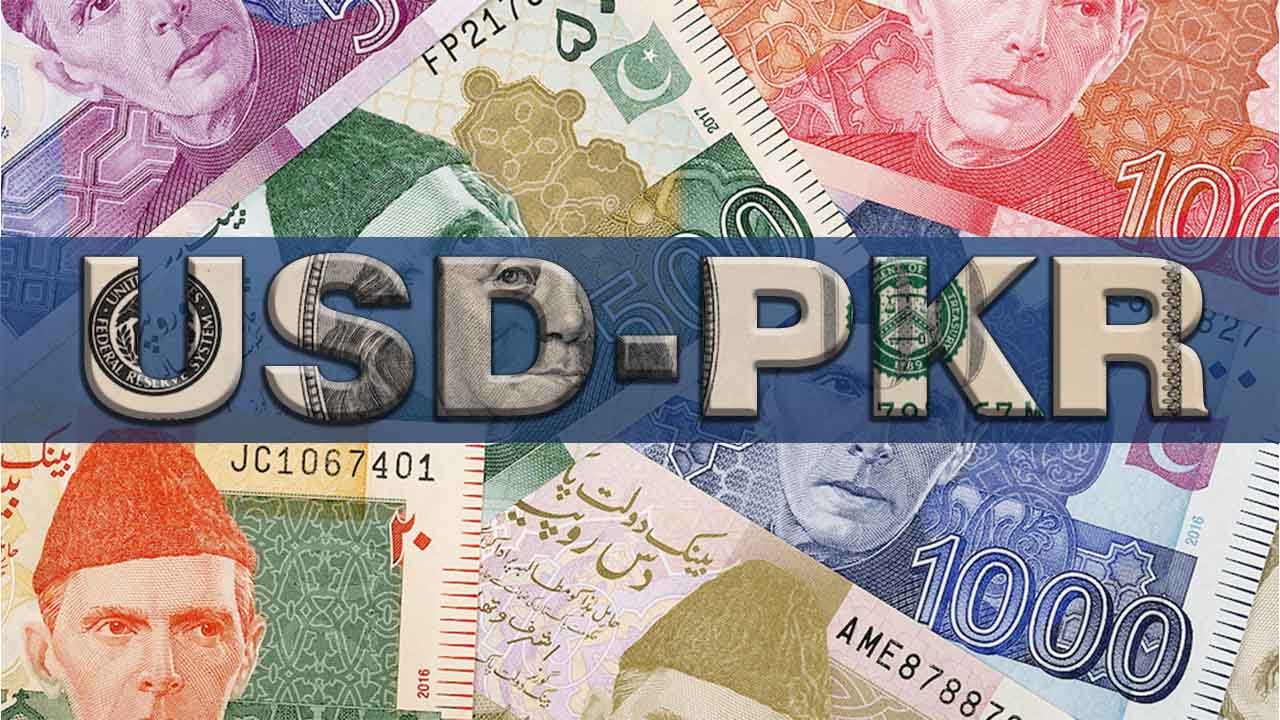
    The Pakistani rupee (PKR) experienced a slight improvement, appreciating by 0.03 per cent against the US dollar (USD) in the inter-bank market on Friday. 

    Closing at Rs279.41 after a gain of Re0.07 against the USD, as reported by the State Bank of Pakistan (SBP). On Thursday, the rupee had a marginal increase, settling at Rs279.48 against the USD, according to the SBP.

    The government is reportedly scheduled to hold a session with the International Monetary Fund (IMF) in the next day or two, focusing on tariff rationalisation to reduce industry tariffs from 14 cents per unit to 11.75 cents per unit through a subsidy-neutral proposal.

    Globally, the US dollar experienced a broad decline on Friday, influenced by positive risk sentiment following upbeat big tech earnings on Wall Street. Traders are anticipating US job data later in the day to assess the potential timing for the Federal Reserve to initiate rate easing.

    Comparatively, against major currencies, the PKR depreciated by 2.71 rupees against the Euro, closing at 304.1 compared to the previous value of 301.39. 

    The British Pound strengthened, becoming costlier by 2.93 rupees and closing at 356.46 compared to 353.52 from the previous day. 

    The Swiss franc saw gains of 2.6 rupees, closing at 325.94, compared to 323.34 in the previous session. Against the Japanese yen, PKR lost 0.06 paisa, closing at 1.906 versus 1.906 a day ago. 

    The Chinese Yuan gained 1.57 paisa, closing at 38.9171 against 38.9014 from the previous session.
  • SBP seeks design ideas from students, designers for new banknotes

    SBP seeks design ideas from students, designers for new banknotes

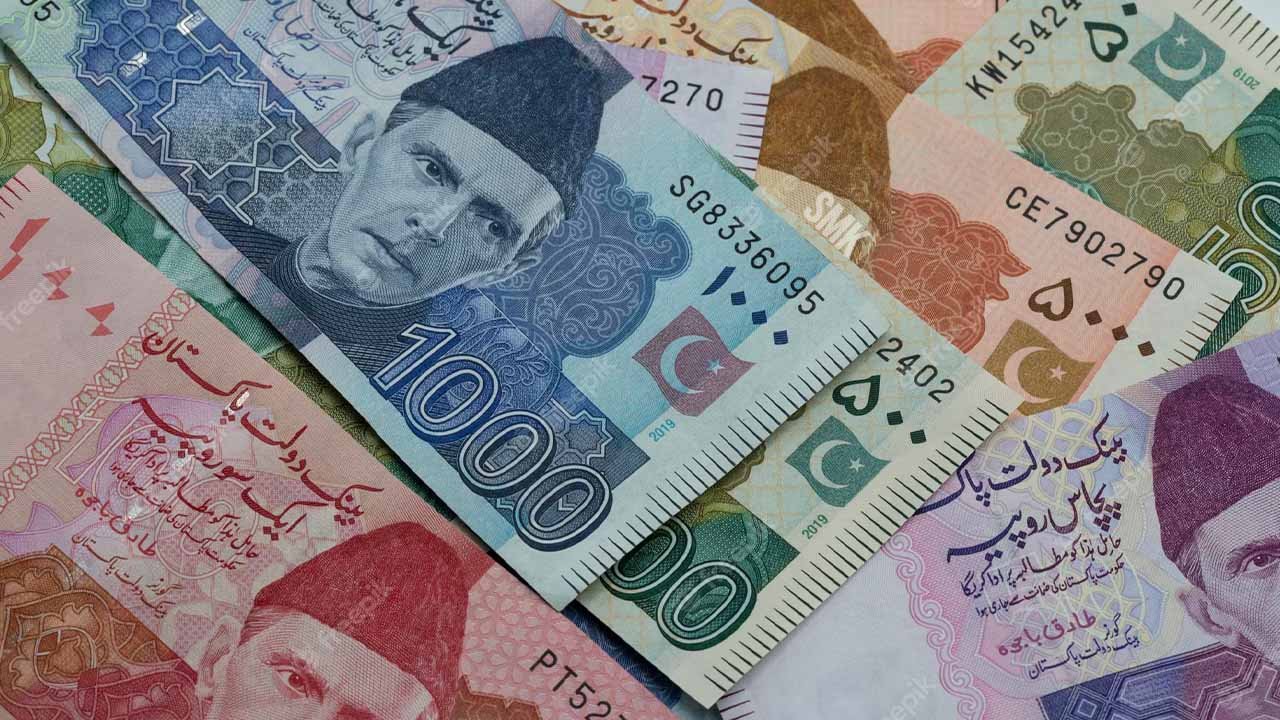
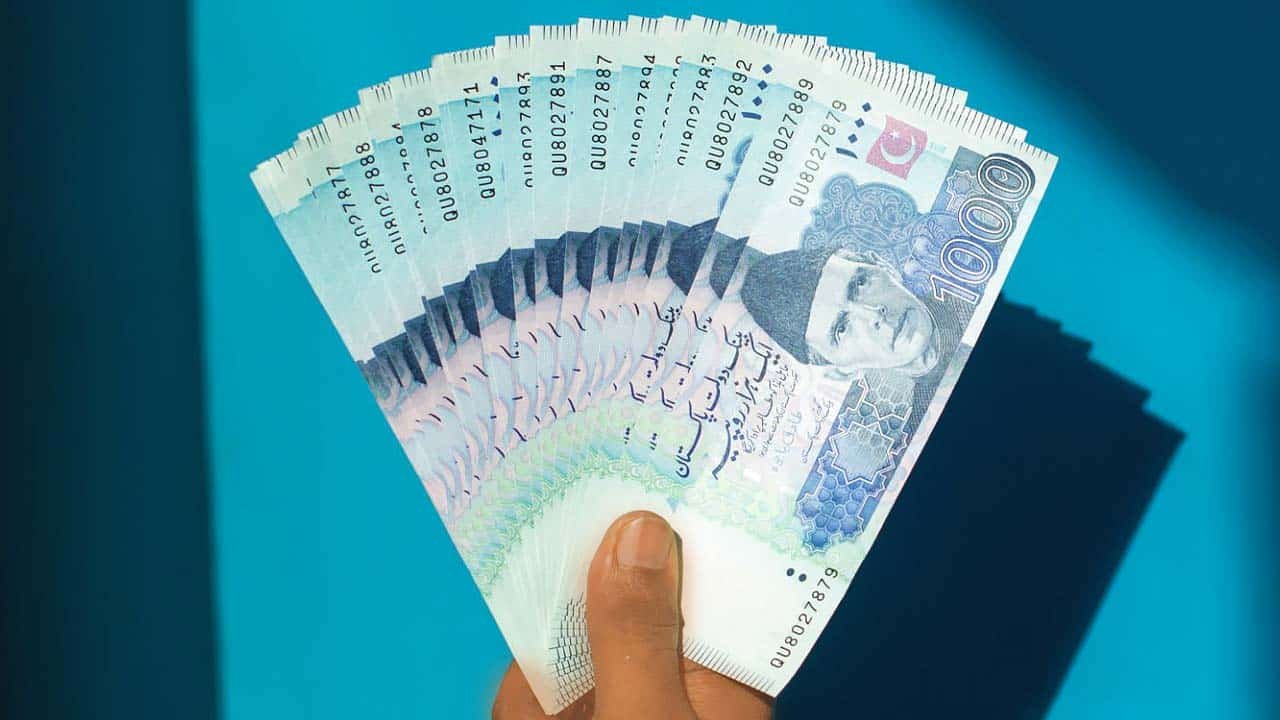
    In a significant move to enhance security features and align with technological advancements, the State Bank of Pakistan (SBP) has kicked off the process of designing and issuing a new series of banknotes covering all existing denominations.

    The SBP, in an official statement released on Tuesday, emphasised the complexity of the issuance process, which involves multiple meticulous steps and stages that demand careful planning and coordination among various stakeholders. Despite the general timeline of 2-3 years for launching a new banknote series, the SBP aims to expedite the process and complete it within the next two years.

    As an initial step towards the design process, the SBP has organised an art competition for the new banknote series. This competition is expected to yield diverse and creative ideas and themes that will form the basis for the subsequent phases of development.

    The finalised concepts will be shared with renowned professional banknote designers, who will be selected through a competitive process to transform these ideas into the final printable designs for each denomination.

    The final designs will then undergo scrutiny by the federal government for approval, ensuring that they meet the necessary standards and security features. The SBP assured the public that the existing banknote series would continue to remain in circulation even after the introduction of the new series.

    Any decision regarding the withdrawal of the existing banknotes will be executed gradually and in a phased manner, contingent upon the successful issuance and sufficient circulation of the new banknotes.

    The central bank highlighted that the periodic introduction of new banknote series, occurring approximately every 15–20 years, is a common practice among central banks. This practice aims to bolster the integrity of banknotes and integrate the latest technological developments in design and security features, ensuring a secure and reliable currency system for the nation.

  • Pakistani rupee appreciates by 9.32 paisa against US dollar

    Pakistani rupee appreciates by 9.32 paisa against US dollar

    In the latest interbank session on Tuesday, the Pakistani rupee (PKR) displayed resilience, appreciating by 9.32 paisa against the US dollar. The closing rate settled at PKR 279.55, marking a positive shift from the previous day’s closing at PKR 279.64 per USD.

    During the trading day, the local currency experienced an intraday high (bid) of Rs279.66 and a low (ask) of Rs279.6. In the open market, exchange companies quoted the dollar at Rs278.71 for buying and Rs280.86 for selling.

    In a significant development, the central bank opted to maintain the policy rate at 22 per cent, a decision unchanged for the fifth consecutive meeting. This decision is amidst the Pakistani rupee’s consistent upward momentum, celebrating its eleventh consecutive weekly victory against the US dollar.

    Against other major currencies, the PKR demonstrated strength. It gained 29.66 paisa against the euro, closing at 302.68 compared to the previous value of 302.98. The British Pound became more affordable by 53.78 paisa, closing at 354.86 compared to 355.4 from the previous day.

    The Swiss Franc witnessed gains of 45.64 paisa, closing at 324.6 compared to 324.15 from the previous session.

    However, against the Japanese yen, the PKR experienced a marginal loss of 0.6 paisa, closing at 1.898 versus 1.892 a day ago. The Chinese Yuan, on the other hand, gained 0.5 paisa, closing at 38.9514 against 38.9464 from the previous session.

    The Saudi Riyal closed at 74.54 with a loss of 2.58 paisa from its value of 74.57 a day ago, while the U.A.E. Dirham decreased in value by 2.54 paisa from 76.136 a day ago to 76.111.

    Reflecting on the broader financial landscape, during the current financial year, the PKR has appreciated against the dollar by 6.44 rupees, or 2.3 per cent. Meanwhile, the current calendar year has witnessed the PKR appreciate by 2.31 rupees, or 0.83 per cent.

    In the money market, the benchmark 6-month Karachi Interbank bid and offer rates experienced a modest increase of 13 basis points, reaching 20.58 per cent and 20.83 per cent, respectively.

  • State Bank of Pakistan unveils plans for new currency notes with international security features

    State Bank of Pakistan unveils plans for new currency notes with international security features

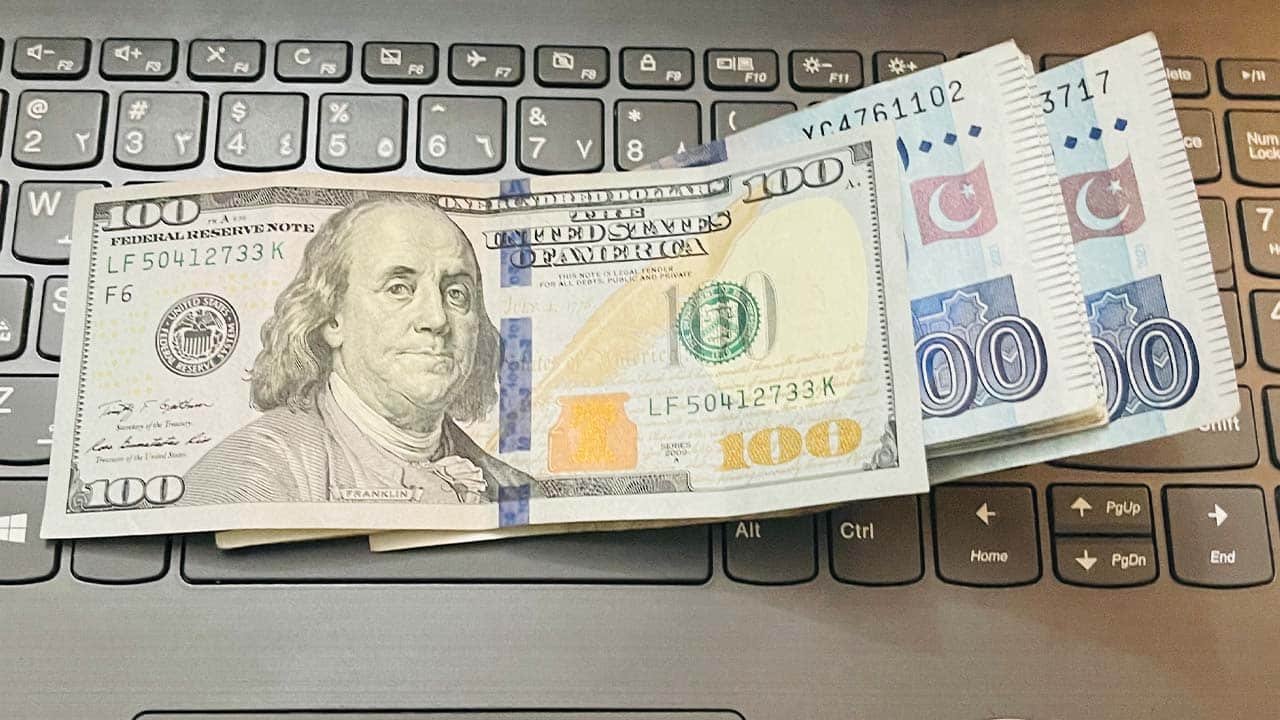
    The State Bank of Pakistan (SBP) on Monday announced plans to issue new currency notes featuring international security features. 

    The central bank assured a seamless transition, avoiding disruptions akin to India’s 2016 demonetisation. 

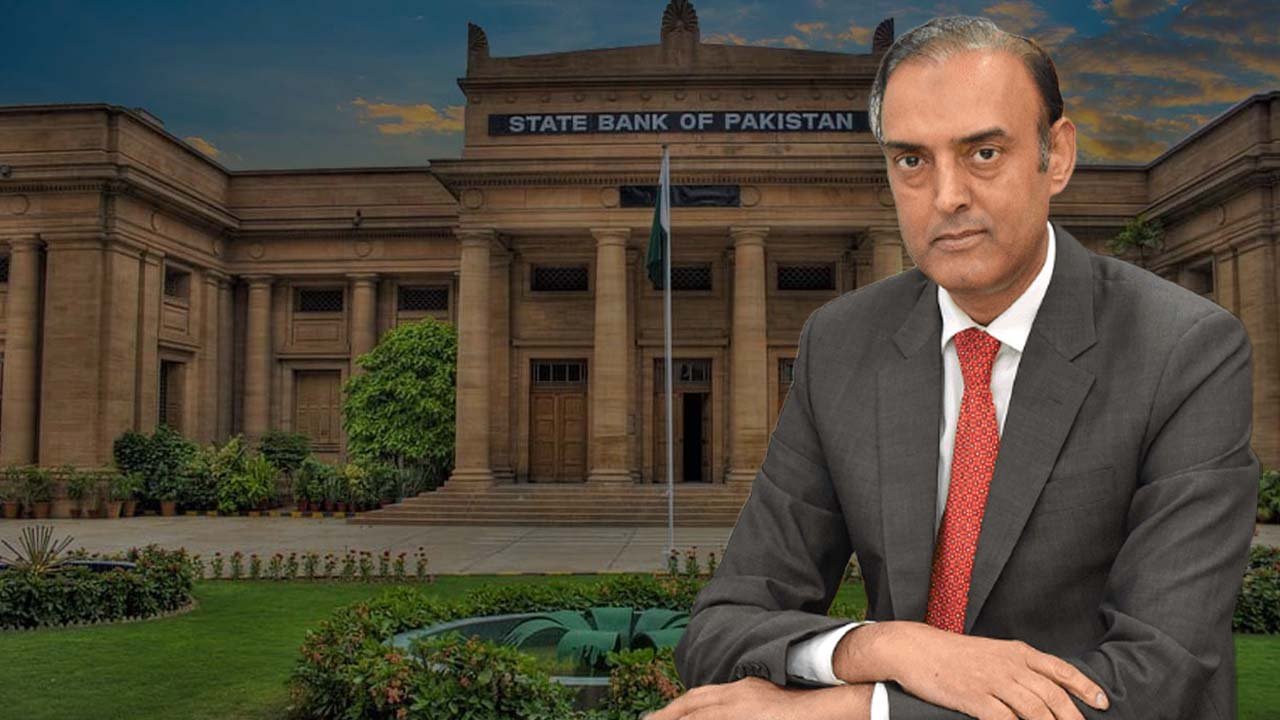
    Governor Jameel Ahmad stated that the new notes would have updated serial numbers, designs, and heightened security features. The design framework is expected to be finalised by March.

    The decision, prompted by concerns over counterfeit currency, was cautiously welcomed by financial experts. 

    CEO Khurram Schehzad acknowledged the move as a “positive development” but cautioned against premature assessment. 

    He emphasised the need to address higher-denomination notes and questioned their effectiveness, citing challenges faced by countries like India after demonetisation.

    Schehzad underscored the importance of evaluating the impact on black money, highlighting the public’s inclination to convert cash into alternative assets amidst inflation. 

    He urged the SBP to consider reducing the number of higher-denomination notes in circulation to address economic concerns, emphasising the role of controlled currency printing in curbing inflation.

  • Pakistani rupee sees marginal dip against US dollar 

    Pakistani rupee sees marginal dip against US dollar 

    In Monday’s trading session, the Pakistani rupee experienced a slight decline of 0.02 per cent against the US dollar in the inter-bank market, closing at Ra279.64, reflecting a decrease of Re0.05, according to the State Bank of Pakistan (SBP).

    The previous week saw the rupee’s 11th consecutive week of appreciation, gaining Re0.31, or 0.11 per cent, to settle at Rs279.59 against the US dollar. 

    This consistent uptrend was attributed to the approval of the second tranche of $705.6 million in the $3 billion Stand-by Arrangement (SBA) from the International Monetary Fund (IMF).

    The positive impact of the IMF inflow was evident in the foreign exchange reserves held by the SBP. 

    Meanwhile, Caretaker Prime Minister Anwaar-ul-Haq Kakar instructed the Ministry of Energy to develop a comprehensive plan, in consultation with the Finance Ministry, to address and reduce the circular debt in the power and gas sectors.

    In a significant move, the SBP announced plans to revamp the foreign exchange trading system by introducing a centralised foreign exchange (FX) trading platform named “FX Matching” for the interbank FX market.

    On the global front, the US dollar maintained a stable position as investors assessed US economic data ahead of the Federal Reserve policy meeting scheduled for the week. 

    Geopolitical tensions in the Middle East contributed to a cautious risk sentiment among investors.

  • Monetary policy committee maintains status quo: SBP keeps policy rate at 22% to tackle elevated inflation

    Monetary policy committee maintains status quo: SBP keeps policy rate at 22% to tackle elevated inflation

    In a decision announced on Monday, the Monetary Policy Committee (MPC) of the State Bank of Pakistan (SBP) has opted to maintain the status quo, retaining the key policy rate of 22 per cent. 

    SBP Governor Jameel Ahmad highlighted the persistent elevation of inflation, disclosing a revised forecast for the fiscal year 2023–24 ranging from 23 per cent to 25 per cent.

    Market analysts, anticipating the decision, noted that the sustained high inflation rate was a contributing factor to the MPC’s decision to keep the key policy rate unchanged.

  • State Bank of Pakistan’s reserves soar to $8.27 billion, highest level since July 2023

    State Bank of Pakistan’s reserves soar to $8.27 billion, highest level since July 2023

    In the latest report, the State Bank of Pakistan (SBP) announced a significant rise of $243.1 million, or 3.03 per cent week-on-week, in foreign exchange reserves, reaching $8.27 billion as of January 19, 2024. 

    This boost is credited to the reception of the second installment of SDR 528 million, equivalent to $705.6 million, from the International Monetary Fund (IMF). 

    After settling government external debt repayments, the net increase for the week stands at $243.1 million, marking the highest level for SBP’s reserves since July 14, 2023.

    Furthermore, the total reserves of the country witnessed an increase of $196.3 million, or 1.49 per cent, totaling $13.34 billion during the same week. 

    In contrast, commercial banks experienced a decline in reserves, dropping by $46.8 million, or 0.91 per cent, to $5.07 billion week-on-week.

    It is noteworthy that in the current fiscal year, total liquid foreign reserves have shown a substantial growth of $4.18 billion, reflecting a 45.65 per cent increase. 

    Similarly, the ongoing calendar year has seen a rise of $0.12 billion, marking a 0.91 per cent increase in the nation’s reserves.

  • Pakistani rupee remains stable at Rs279.67 against US dollar

    Pakistani rupee remains stable at Rs279.67 against US dollar

    In the inter-bank market on Thursday, the Pakistani rupee maintained its stability against the US dollar, closing at Rs279.67, according to the State Bank of Pakistan (SBP).

    This follows a positive trend observed on Wednesday when the rupee gained ground, settling at the same rate of Rs279.67 against the US dollar, as reported by the SBP.

    Caretaker Prime Minister Anwaar-ul-Haq Kakar has taken a significant step by directing the Ministry of Energy to collaborate with the Finance Ministry. 

    The goal is to formulate and present a comprehensive and sustainable plan aimed at reducing the circular debt plaguing the power and gas sectors.

    On the global front, the US dollar exhibited stability, maintaining a six-week high on Thursday. Investors are keenly awaiting key data releases, including GDP figures, to gain insights into the direction of US interest rates. 

    Concurrently, the euro softened in anticipation of the European Central Bank’s policy meeting later in the day.

    Recent data revealed an uptick in US business activity for January, coupled with a noticeable easing of inflation. 

    The measure of prices charged by companies for their products recorded a decline to the lowest level in over 3-1/2 years.

    The dollar index, gauging the US currency against six major rivals, experienced a marginal rise of 0.06 per cent, reaching 103.33. 

    This follows a 0.2 per cent drop on Tuesday as traders consolidated positions ahead of the upcoming Federal Reserve policy meeting next week.

  • Pakistan’s debt burden increases by Rs86.28 billion within seven days

    Pakistan’s debt burden increases by Rs86.28 billion within seven days

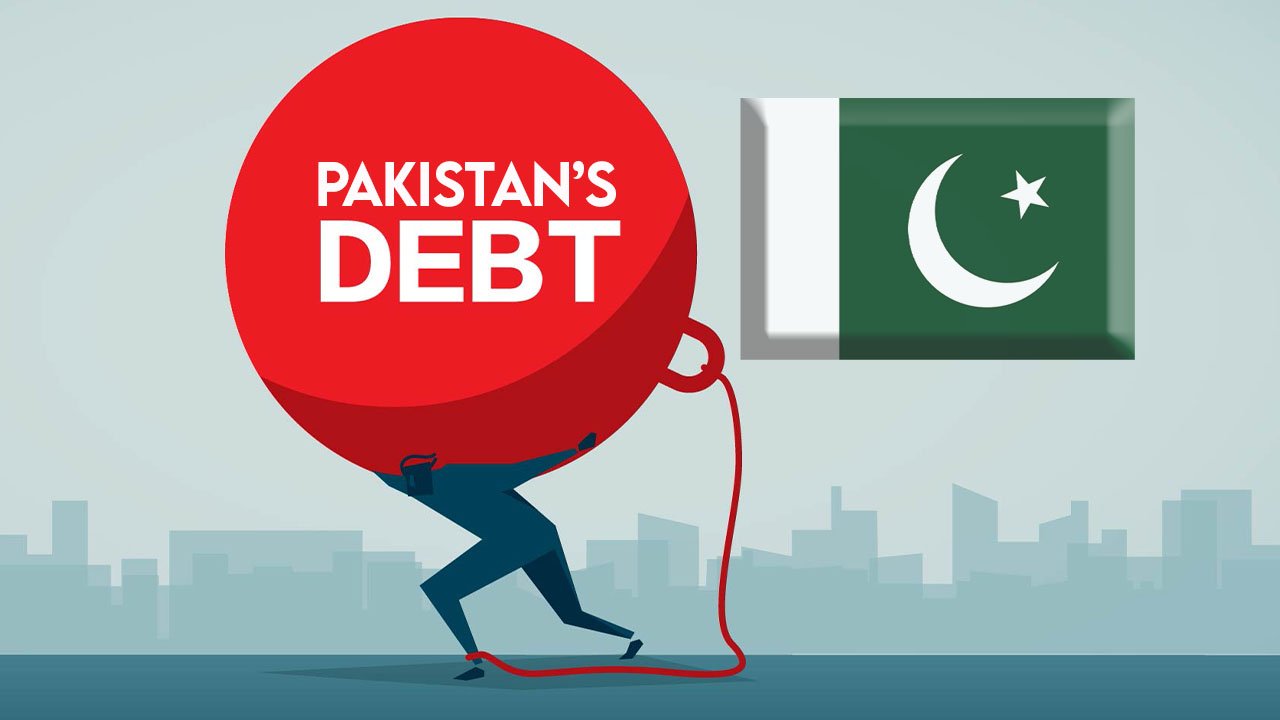
    In the week ending January 12, the government of Pakistan increased its debt burden by Rs86.28 billion, bringing the total net borrowing for the ongoing fiscal year 2024 to Rs2.57 trillion, as per the latest estimates from the State Bank of Pakistan (SBP).

    The government’s borrowings fall into three main categories: budgetary support, commodity operations, and others.

    The breakdown of the weekly net borrowing reveals that Rs87.7 billion was allocated for budgetary support, while Rs1.37 billion went towards retiring commodity operations.

    Additionally, Rs48.4 million was used for other purposes during the week.

    Cumulatively, this brings the borrowing figures for the fiscal year 2024 to Rs2.77 trillion for budgetary support, Rs193.72 billion for retiring commodity operations, and Rs1.1 billion for other purposes.

    The primary sources of financing for budgetary support are the State Bank of Pakistan and the Scheduled Banks. In the ongoing fiscal year, the government has repaid a net sum of Rs1.05 trillion to the central bank.

    The Federal Government accounted for Rs954.56 billion of this repayment, while the Provincial Government, AJK Government, and GB Government contributed Rs77.73 billion, Rs11.17 billion, and Rs2.05 billion, respectively.

    On the other hand, scheduled banks have extended a net total of Rs3.81 trillion in loans. The Federal Government borrowed Rs3.9 trillion, while the Provincial Government repaid Rs90.41 billion during this period.

  • Pakistani rupee gains 6 paisa against US dollar, closes at Rs279.79

    Pakistani rupee gains 6 paisa against US dollar, closes at Rs279.79

    The Pakistani rupee (PKR) continued its upward trend against the US dollar (USD) for the fifth consecutive session, appreciating by 0.02 per cent in the interbank market on Tuesday.

    Closing at Rs279.79, the local unit gained Re0.06 against the greenback.

    This follows Monday’s positive performance, where the rupee settled at 279.85 against the US dollar.

    A notable development on the economic front is the government’s active pursuit of a government-to-government (G2G) agreement with Saudi Arabia and the United Arab Emirates (UAE) for upfront foreign currency repatriation against future workers’ remittances. 

    Both Saudi Arabia and the UAE hold significant importance as countries contributing to foreign exchange through remittances from Pakistani workers. 

    Meanwhile, on the global stage, the US dollar experienced a slight easing, resulting in a 0.07 per cent increase in sterling, reaching $1.2720.

    Compared to major currencies, the Pakistani currency depreciated by 18.84 paisa against the Euro, closing at Rs305.03, as opposed to the previous value of Rs304.84.

    The British Pound strengthened, increasing by 1.02 rupees and closing at Rs356.34, compared to Rs355.33 from the previous day.

    The Swiss Franc exhibited gains of 54.58 paisa, concluding at Rs322.62, in contrast to the previous session’s value of Rs322.08.

    Against the Japanese Yen, PKR experienced a decrease of 0.98 paisa, closing at Rs1.8993 compared to Rs1.8895 a day ago.

    Conversely, the Chinese Yuan appreciated by 13.91 paisa, closing at Rs39.03 against the previous session’s Rs38.89.