Tag: structural reforms

  • Pakistan on verge of finalising $7 billion IMF loan deal, FinMin updates on progress

    Pakistan on verge of finalising $7 billion IMF loan deal, FinMin updates on progress

    Federal Minister for Finance and Revenue, Senator Muhammad Aurangzeb, announced on Tuesday that the government is nearing the finalisation of external financing assurances, a crucial step toward securing the $7 billion loan from the International Monetary Fund (IMF).

    Speaking at a briefing, Aurangzeb expressed confidence that the IMF’s Executive Board would approve the programme soon, acknowledging the support from provincial governments.

    Aurangzeb reiterated Prime Minister Shehbaz Sharif’s assertion that this would be Pakistan’s last programme with the IMF, underlining the necessity of implementing structural reforms to ensure long-term economic stability.

    In July, Pakistan and the IMF reached a staff-level agreement on a 37-month Extended Fund Facility (EFF) worth around $7 billion. However, the programme’s approval by the IMF’s Executive Board is contingent on Pakistan securing financing assurances from its development partners, a process that is still ongoing.

    Pakistan is actively working to secure a rollover of $12 billion in loans from key allies, including China, Saudi Arabia, and the UAE. Additionally, the country has requested an extra $1.2 billion loan from Saudi Arabia to address a $2 billion financing gap.

    Aurangzeb highlighted improvements in economic indicators, noting that the government has cleared all pending payments, including import letters of credit and profit remittances.

    He pointed out that inflation has decreased to 9.6 per cent in August 2024 from 23.7 per cent in the same period last year, leading to a gradual reduction in the policy rate, which is providing relief to the industrial sector.

    The Minister also cited improvements in Pakistan’s credit ratings by agencies like Fitch and Moody’s as evidence of the economy’s positive trajectory.

    On tax collection, Aurangzeb emphasised the government’s determination to increase revenue, noting that a significant portion of the economy contributes minimally to the tax base. He stressed the need for broader tax compliance and assured that the Federal Board of Revenue (FBR) has simplified the tax filing process.

    Despite a shortfall of Rs 98 billion in tax collection during the first two months of the fiscal year, he reaffirmed the government’s commitment to not delay necessary processes.

    Aurangzeb also addressed rightsizing the federal government and introduced plans for a new subsidy mechanism aimed at enhancing transparency.

    He reassured stakeholders that any decisions regarding the Utility Stores Corporation (USC) would be made with employee and stakeholder interests in mind, emphasising the government’s commitment to protecting jobs and well-being.
  • IMF mission holds crucial talks with FinMin Aurangzeb on $3 billion SBA

    IMF mission holds crucial talks with FinMin Aurangzeb on $3 billion SBA

    In a pivotal meeting held on Thursday, Pakistan’s Finance Minister, Muhammad Aurangzeb, engaged in discussions regarding structural reforms and the viability of the energy sector with the visiting International Monetary Fund (IMF) mission.

    The mission’s visit is part of the second review process of the $3 billion Stand-By Arrangement (SBA) established between Pakistan and the international lender.

    Key points of deliberation encompassed various facets of Pakistan’s macroeconomic landscape, including fiscal consolidation efforts by the government, structural reforms, energy sector sustainability, and governance of state-owned enterprises (SOEs).

    Expressing a warm reception, the finance minister underscored the government’s steadfast commitment to collaborating with the IMF to drive forward the reform agenda, aimed at fostering economic growth and bolstering stability across Pakistan.

    During the meeting, Nathan Porter, head of the IMF mission, extended congratulations to Muhammad Aurangzeb on his appointment as the finance minister.

    Anticipations are high that the IMF mission’s visit could culminate in a staff-level agreement regarding the second review of the SBA.

    Since its inception in July 2023, Pakistan has received $1.9 billion out of the allocated $3 billion under the nine-month programme.

    Aurangzeb, articulating the government’s stance, outlined intentions to explore the possibility of acquiring a more extensive and prolonged Extended Fund Facility (EFF) within the IMF framework, with the overarching objective of attaining macroeconomic stability.

    Officials from Pakistan, including Finance Minister Muhammad Aurangzeb and Energy Minister Musadik Malik, apprised the IMF team of the concerted efforts undertaken to implement the prescribed reforms, including the adjustment of energy tariffs.

    An official from the Finance Division, speaking on anonymity, disclosed the IMF’s acknowledgment of Pakistan’s strides in meeting quarterly programmeme targets under the SBA.

    Simultaneously, discussions are underway to chart the trajectory of the subsequent programmeme, with deliberations leaning towards a more extensive endeavour valued at approximately $8 billion.

    Minister Malik elaborated on the government’s energy reform agenda, highlighting recent adjustments in electricity and gas prices aligned with the stipulated schedule.

    The recent levy hike on petrol and diesel, coupled with the augmentation of gas tariffs for domestic consumers, underscores Pakistan’s commitment to fulfilling key conditions outlined in the IMF’s final review.

    Economic analysts anticipate a seamless final review process, citing Pakistan’s commendable adherence to the IMF’s performance targets as a harbinger of success.

  • World Bank greenlights $350 million for Pakistan’s fiscal reforms

    World Bank greenlights $350 million for Pakistan’s fiscal reforms

    The Board of Executive Directors of the World Bank gave its approval on Wednesday for a financing package of $350 million to support Pakistan’s fiscal and competitiveness reforms.

    This funding is allocated for the Second Resilient Institutions for Sustainable Economy (RISE-II) Operation, with the primary goal of strengthening fiscal management and promoting competitiveness for sustainable and inclusive economic growth, according to a statement from the World Bank.

    Najy Benhassine, the World Bank Country Director for Pakistan, stressed the urgent need for fiscal and structural reforms in Pakistan to restore macroeconomic balance and establish the groundwork for sustainable growth.

    He highlighted that RISE-II builds upon previous phases of tax, energy, and business climate reforms, aiming to generate additional revenues, improve expenditure targeting, and stimulate competition and investment.

    The RISE-II Operation is designed to enhance fiscal management by improving fiscal policy coordination, increasing debt transparency and management, strengthening property taxation, and enhancing the financial viability of the power sector.

    Additionally, the operation seeks to boost growth and competitiveness by reducing the cost of tax compliance, improving financial sector transparency, promoting digital payments, and facilitating exports through reduced import tariffs.

    Derek H. C. Chen, Task Team Leader of the operation, emphasised the crucial opportunity for Pakistan to address long-standing structural distortions in its economy after the upcoming general elections.

    Failing to seize this opportunity, he warned, could lead the country back into stop-and-go economic cycles.

    Recently, the World Bank projected a decrease in remittance flows to Pakistan, estimating a decline to $24 billion in 2023 and a further drop below $22 billion with a 10 per cent decline in 2024.

    The report attributed this trend to growing economic turmoil, a balance of payment crisis, and high debt, resulting in a loss of public confidence and a shift of remittances from formal to informal channels.

    Addressing Pakistan’s economic challenges, Martin Raiser, the World Bank’s Regional Vice President for South Asia, noted difficult situations, floods, and climate change.

    He highlighted that the country is trapped in a low-growth scenario with poor human development outcomes and increasing poverty. Raiser urged Pakistan to make crucial decisions for a brighter future, emphasising the need for difficult but necessary steps.

    In its October report, ‘South Asia Development Update Towards faster, cleaner growth,’ the World Bank projected positive growth for Pakistan in fiscal years 2023–24, albeit at a modest rate of 1.7 per cent.

    The report underscored the country’s dependence on capital inflows to finance substantial fiscal and current account deficits.

  • Pakistan plans to secure $4.5 billion from diverse sources in current fiscal year

    Pakistan plans to secure $4.5 billion from diverse sources in current fiscal year

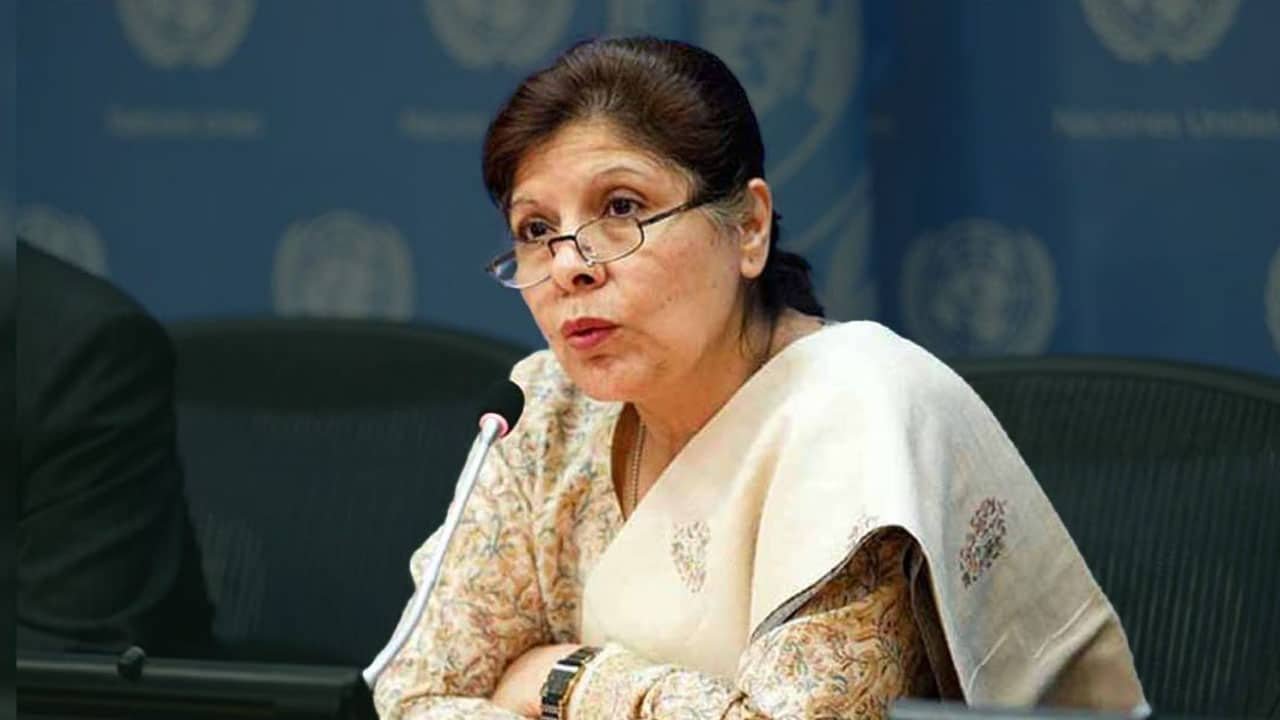
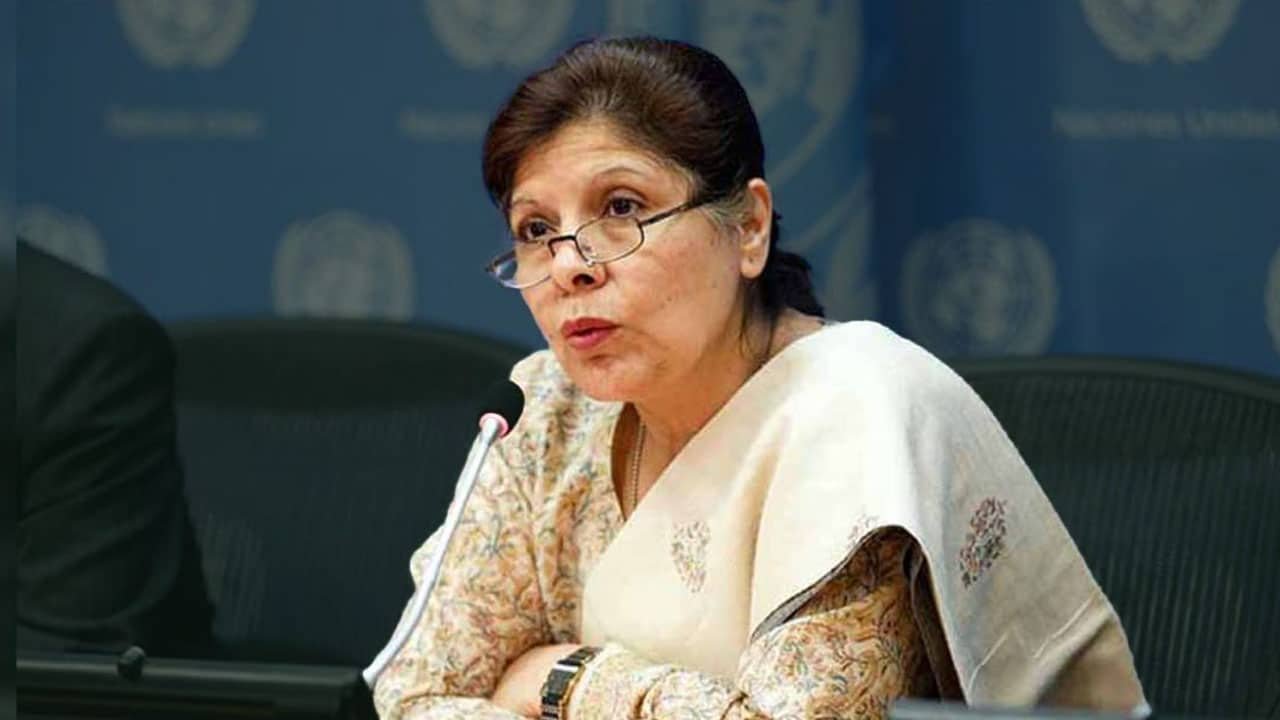
    Caretaker Minister for Finance, Dr Shamshad Akhtar, has outlined Pakistan’s financial projections for the current fiscal year (2023–24), highlighting an anticipated mobilisation of approximately $4.5 billion from both multilateral and bilateral sources, excluding the International Monetary Fund (IMF).

    Minister Akhtar disclosed that the government foresees receiving over $1.6 billion in the second quarter (Q2) from sources such as the Asian Development Bank (ADB), the World Bank, and the Asian Infrastructure Investment Bank (AIIB).

    She clarified that these inflows encompass funds allocated to both project-based and programme-based initiatives.

    Highlighting progress in negotiations, the minister revealed the completion of discussions for certain programme loans, with impending disbursements expected.

    She reassured that Pakistan remains committed to meeting its debt obligations promptly, both currently and in the future.

    Regarding the International Monetary Fund (IMF) programme, Minister Akhtar reported the successful conclusion of the first review of the Standby Agreement, resulting in the attainment of a Staff Level Agreement (SLA).

    Pending approval by the IMF’s Executive Board, this agreement will grant Pakistan access to $700 million.

    Commenting on the prevailing economic situation, Minister Akhtar acknowledged the challenges faced domestically and globally during FY2023.

    Despite these hurdles, she asserted that fiscal and external sector stability have been achieved through the implementation of various stabilisation measures and structural reforms.

  • Finance Minister envisions Pakistan’s economy soaring to $2 trillion by 2047 

    Finance Minister envisions Pakistan’s economy soaring to $2 trillion by 2047 

    Dr Shamshad Akhtar, the Caretaker Finance Minister, emphasised Pakistan’s significant economic potential, stating that the country could achieve a $2 trillion economy by 2047, as per a World Bank report.  

    Addressing the Future Summit in Karachi, she underscored the importance of adopting robust economic and sector-specific policies, coupled with a resolute commitment to implementing challenging structural reforms. 

    Dr Akhtar highlighted the need for increased innovation and diversification within the economic framework to ensure sustainable growth.  

    Emphasising the role of Development Finance Institutions (DFIs), she noted that institutions with expertise, efficiency, and flexibility could serve as crucial drivers for the growth and development of the capital market. 

    In a recent meeting with the Chairman of the Securities and Exchange Commission of Pakistan (SECP) and heads of DFIs, Dr Akhtar discussed the progress of establishing a private equity and venture capital (PE and VC) fund.  

    While the DFIs reaffirmed their commitment, they also provided insights into the progress made and challenges encountered in the process. 

    Notably, Pakistan, currently under a caretaker government, successfully reached a staff-level agreement with the International Monetary Fund on the first review of a short-term bailout program.  

    This agreement clears the path for unlocking $700 million, a crucial step in mitigating the looming economic crisis.  

    The caretaker government has implemented various fiscal measures, including an increase in the petrol levy, additional taxes, and significant reforms in the power sector, to address the economic challenges effectively. 

  • IMF delegation to evaluate Pakistan’s economic performance during November visit

    IMF delegation to evaluate Pakistan’s economic performance during November visit

    The International Monetary Fund (IMF) is gearing up for a vital visit to Pakistan, scheduled for November. The purpose of this visit is to assess Pakistan’s economic performance, particularly focusing on the period from July to September.

    Reliable sources in financial circles have shared that this visit is part of an ongoing review following the extension of the loan programme. Representatives from the IMF and the caretaker administration will engage in important discussions to gauge Pakistan’s progress and its adherence to the outlined economic targets.

    Reports from ARY News indicate that Pakistan is on track to receive the next portion of financial assistance, which amounts to $700 million from the $3 billion loan programme. This development underscores Pakistan’s dedication to meeting the IMF’s conditions aimed at boosting economic stability and growth.

    Forecasts suggest that the IMF is set to disburse around $1.8 billion in funds to Pakistan by March 2024. This positive outlook reflects the gradual restoration of investor confidence and the promising trajectory of Pakistan’s economy.

    However, the release of these funds hinges on Pakistan’s successful completion of two critical economic reviews. This underscores Pakistan’s commitment to implementing structural reforms and achieving sustainable economic development.

  • Load shedding and unbearable hike in electricity prices hit Pakistani homes and businesses

    Load shedding and unbearable hike in electricity prices hit Pakistani homes and businesses

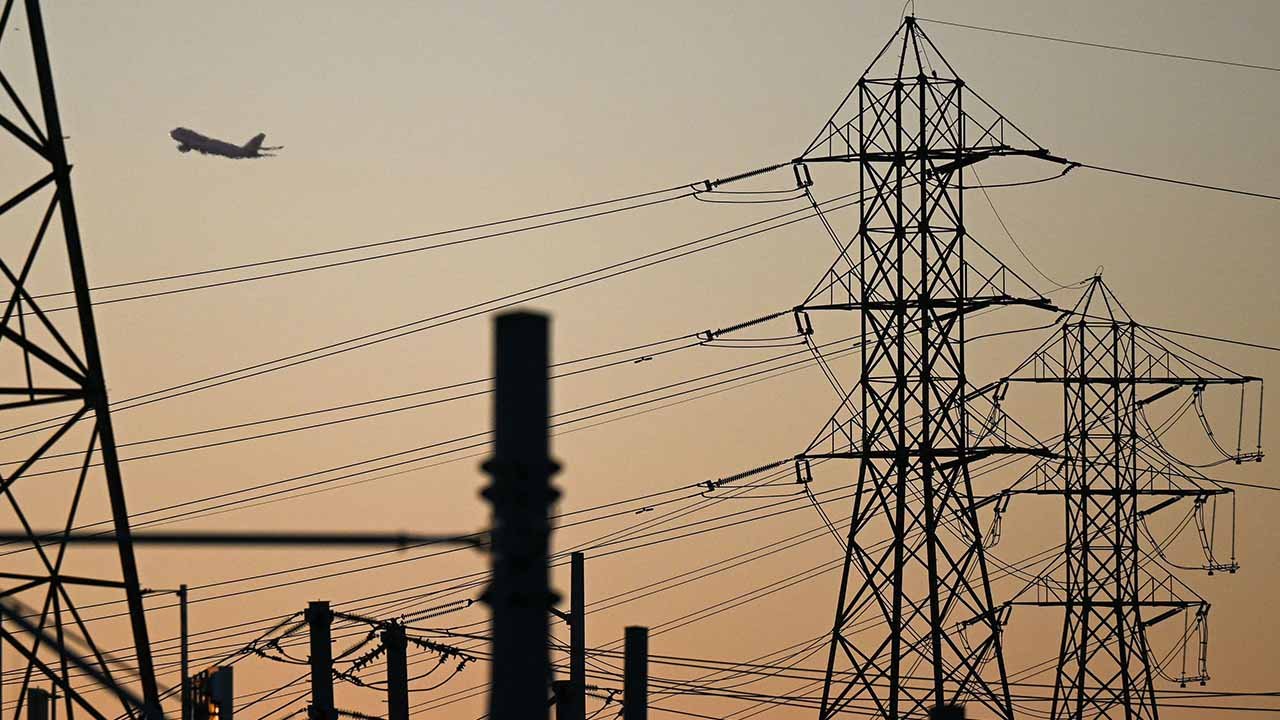
    Pakistan is facing an ongoing and unbearable increase in electricity tariffs, causing hardships for the majority of the population. The government justifies these price hikes by claiming they are under pressure from the International Monetary Fund (IMF) to generate more revenue. However, the tariff increase is mainly due to fuel price adjustments and high taxes imposed by the government.

    Consumers, especially low- to middle-class households, are struggling to pay their electricity bills, which have more than doubled. The rise in fuel price adjustments and government taxes further exacerbates the burden on consumers. The government’s commitment to the IMF to implement a fifty per cent increase in the base tariff from July to October contributes to the escalating bills.

    Unfortunately, the increase in electricity prices is expected to continue, and there is no progress in essential power sector reforms to reduce system losses, corruption, power theft, and reliance on imported fuels. As a result, the National Electric Power Regulatory Authority (NEPRA) has raised the average tariff to ensure funds for loss-making power distribution companies, putting additional financial strain on consumers.

    The government claims that the tariff increase is necessary to meet the IMF’s requirements and support energy sector viability. However, the business community also suffers, fearing a loss of competitiveness and increased costs. Industries have cut down production due to high energy prices and inflation, affecting economic growth and job creation.

    Many argue that successive governments have failed to implement essential structural reforms, leading to Pakistan’s economic predicament. The solution proposed by economists involves fixing the energy sector’s deep-rooted issues, taxing sectors adequately, and implementing a credible privatization plan to reduce pressure on the budget.

    In conclusion, Pakistan’s never-ending increase in electricity tariffs has become a major burden for the population, and without significant reforms, the situation is unlikely to improve. The government’s need to meet IMF requirements clashes with the urgency of boosting industrial activity and economic growth, leaving the country in a challenging economic predicament.

  • ADB recommends targeted subsidies and tax reforms for Pakistan’s economic recovery

    ADB recommends targeted subsidies and tax reforms for Pakistan’s economic recovery

    The Asian Development Bank (ADB) has recommended that Pakistan implement targeted subsidies to alleviate inflationary pressures and improve the tax-to-GDP ratio in order to emerge from the current state of economic uncertainty.

    Yevgeniy Zhukov, Director General of the Central and West Asia Department, and Yong Ye, Country Director of the Pakistan Resident Mission, emphasised the significance of targeted subsidies to help the most vulnerable segments of society, as well as the mobilization of domestic resources to bolster the national economy. They also suggested strengthening the Benazir Income Support Programme (BISP) and improving its verification process to ensure that the assistance reaches only those who require it.

    Zhukov noted that the ADB has been providing financial assistance to the government to strengthen social security through the BISP programme since 2016. The ADB has provided $600 million in conditional cash transfers for health and education since 2021, and an additional $1.5 billion under the Countercyclical Support Facility.

    A significant portion of this funding will be directed to the BISP to provide necessary assistance to those most affected by ongoing difficulties. Zhukov further suggested that Pakistan should improve its revenue collection, as its tax-to-GDP ratio of 10 per cent is one of the lowest in the region. He cautioned that if the government is only collecting 10 per cent, it may not have adequate resources to provide support and boost income.

    Yong Ye indicated that the ADB, World Bank, European Union, and United Nations had pledged assistance to Pakistan after devastating floods last year, and a second meeting of the Geneva conference was scheduled to take place soon to discuss progress. Zhukov expressed sympathies for flood victims and stated that the ADB had approved a $1.5 billion programme for Pakistan before the floods to address the negative impact of the Russia-Ukraine war on the country’s economy, which was then repurposed to provide social protection for the flood-affected people.

    The ADB has approved additional emergency assistance, including a $175 million loan and $5 million in grants, to rehabilitate damaged infrastructure and develop a stronger infrastructure that can withstand future floods. The bank is working with Pakistan and other partners, such as the International Monetary Fund and the World Bank, to introduce important structural reforms in public finance management, domestic resource mobilization, and energy sector reforms. The ADB is committed to collaborating with its partners and the Pakistani government to ensure that the reform agenda is advanced.