Tag: Subsidies

  • Over Rs6.4 billion allocated for Ramzan subsidies: Essential items to be available at reduced rates

    Over Rs6.4 billion allocated for Ramzan subsidies: Essential items to be available at reduced rates

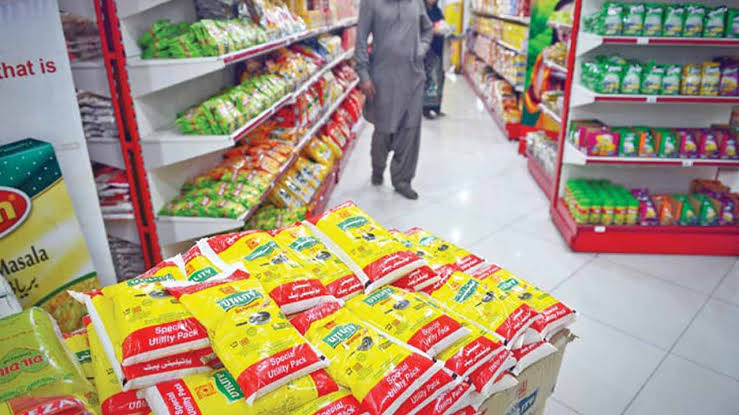
    The government has earmarked Rs6.484 billion to provide essential food items at subsidised rates through the Utility Stores Corporation (USC) during the holy month of Ramzan.

    A substantial portion of the allocation, Rs3.474 billion, will go towards subsidising flour, followed by Rs1.610 billion for sugar and Rs1.4 billion for ghee.

    Additionally, subsidies of Rs25 million for channa daal, Rs12 million for masoor daal, Rs37.50 million for white gramme, and Rs62.5 million for basmati rice are planned. Further, Rs20 million and Rs62.5 million are allocated for Sehlla rice and broken rice, respectively.

    The implementation of the Ramzan relief package is set to commence on March 4th.

    Further breakdown reveals Rs200 million for cooking oil, Rs20 million for washed moong daal, Rs6.25 million for washed maash daal, Rs100 million for chakki baisen, Rs50 million for dates, Rs22.50 million for carbonated drinks (1,500 ml), Rs30 million for squash and syrup (800 ml), Rs150 million for black tea, Rs15 million for UHT milk, and Rs50 million for spices.

    Moreover, an allocation of Rs145 million is designated for an awareness campaign through electronic and print media regarding the Ramzan Package, set to kick off on March 4th, 2024.

    The Economic Coordination Committee (ECC) has greenlit the Ministry of Industries and Production’s proposal for a Rs7.492 billion Ramzan Relief Package. This package aims to provide 19 essential items at subsidised rates through the USC.

    In response to IMF restrictions on untargeted subsidies, the government has opted to provide subsidies exclusively to beneficiaries registered under the PMT-40 of the Benazir Income Support Programme (BISP) for the fiscal year 2023–24.

  • Pakistan may enter fresh IMF loan programme, stricter conditions expected

    Pakistan may enter fresh IMF loan programme, stricter conditions expected

    In the wake of the completion of its current loan programme, Pakistan is poised to sign a new loan agreement with the International Monetary Fund (IMF), reports indicate. 

    The forthcoming Extended Fund Facility programme, anticipated to span three years, will see Islamabad share budget proposals for FY 2024–25 with the IMF. 

    Sources suggest that before finalising the agreement, Pakistan will provide assurances to the IMF regarding further increases in electricity and gas prices, as well as a commitment to reduce subsidies. 

    Finance ministry sources have disclosed that the conditions for the new loan programme are expected to be more stringent compared to the current Standby Agreement (SBA) programme. 

    Earlier discussions hinted at Pakistan securing another loan package from the IMF following the conclusion of the ongoing standby agreement. 

    The caretaker government has commenced consultations for the upcoming IMF programme, with talks expected to commence this month. 

    Officials from the finance ministry have indicated that the measures initiated by the caretaker government will be continued by the elected government in discussions with the IMF.

  • Govt hints at major taxation system overhaul in economic revival drive

    Govt hints at major taxation system overhaul in economic revival drive

    The federal government is contemplating significant changes to the tax structure in its economic revitalisation plan, with a particular focus on sectors like retail, agriculture, and real estate. Additionally, the plan includes the introduction of a wealth tax on movable assets. These proposed revisions were outlined in the Ministry of Finance’s September 2023 Economic Update and Outlook report. 

    Underpinning the economic recovery efforts are strategies aimed at enhancing revenue, which include not only tax adjustments but also the restriction of tax exemptions to essential sectors such as food and medicine. To streamline government expenses, the plan also incorporates austerity measures and a review of subsidies and grants. 

    Furthermore, the government is set to scrutinise the development plan and promote public-private partnership (PPP) initiatives. Compliance with quarterly budget targets and agreements with the International Monetary Fund (IMF), encompassing aspects like tax collection and debt management, will be a priority. 

    The plan adopts a 5Es framework—exports, equity, empowerment, environment, and energy—to address socio-economic challenges and stimulate export growth and business facilitation. The digitization of the economy and an expanded tax base through information technology are also on the agenda. 

    According to Business Recorder, state-owned enterprise (SOE) reforms, including the enactment of an SOE policy, are part of the plan. It involves the establishment of a Central Monitoring Unit (CMU) and the preparation of SOE performance reports. The implementation of a Treasury single account (TSA), remittance incentives, energy conservation, and price controls are among the planned actions. 

    Additionally, the Privatisation Commission aims to privatise select public sector enterprises through various methods, including assessing privatisation options for distribution companies (DISCOs) and restructuring options for PIA-CL while conducting unbundling studies for SNGPL and SNGPL. 

    To bolster non-bank finance and promote the capital market, corporate taxes will be reduced. Short-term measures for export enhancement include the implementation of the Weighted Average Cost of Gas (WACOG), the operationalization of the EXIM bank, and expedited sales tax refund processes. 

    Business facilitation and investment promotion will be addressed by the Board of Investment, with initiatives like the Asaan Karobar plan, which involves the establishment of a central e-registry and the development of the Pakistan Business Portal. 

    The plan also outlines measures to boost IT exports, stimulate telecommunications growth with a focus on 5G technology, and revitalise the maritime, railway, and highway sectors. Price reforms, attracting foreign investment, and combating theft are key objectives in the energy sector. 

    Recent administrative actions have already begun to yield positive results in curbing illegal activities in the foreign exchange market and improving the availability of essential food items. The outlook for inflation has improved, albeit with ongoing concerns related to international oil prices and energy costs. 

    On the fiscal front, the fiscal deficit has remained stable, while the primary balance surplus has improved. Notably, federal revenues have seen significant growth, driven by higher non-tax collections and import-related taxes. Reductions in non-markup spending have contributed to this positive fiscal development. 

    The current account deficit has narrowed, primarily due to improvements in the trade balance. Overall, the government’s strategic measures, coupled with prudent economic policies, are expected to attract new investments and stimulate economic growth for fiscal year 2024 and beyond, following the initial steps towards recovery at the beginning of FY2024. 
  • Inflation in Pakistan stays above 27% despite IMF reforms

    Inflation in Pakistan stays above 27% despite IMF reforms

    Pakistan continues to grapple with soaring inflation, with the rate holding steady at 27.4 per cent in August, according to data released on Friday. This persistent inflationary pressure is partially attributed to the reforms mandated as part of the IMF loan agreement, which have complicated efforts to stabilise prices and curb declines in the national currency, the rupee.

    The South Asian nation is treading cautiously on its path to economic recovery, with a caretaker government at the helm following the approval of a $3 billion loan programme by the International Monetary Fund (IMF) in July, averting a potential sovereign debt default.

    However, the conditions tied to this bailout, including the relaxation of import restrictions and the removal of subsidies, have contributed to a surge in annual inflation. In May, inflation reached a staggering 38.0 per cent, setting a new record. Concurrently, interest rates have risen, and the rupee has experienced historic lows, with a 6.2 per cent decline in the currency’s value last month.

    While the August data from Pakistan’s statistics bureau indicates a slight easing from July’s 28.3 per cent inflation rate, food inflation remains alarmingly high at 38.5 per cent. Authorities have further exacerbated the situation by raising gasoline and diesel prices to record highs on Friday.

    These worsening economic conditions, coupled with escalating political tensions ahead of a national election scheduled for November, have triggered sporadic protests. Jamaat-e-Islami has announced a nationwide strike in response to the increased power tariffs.

    Every day, Pakistanis are feeling the pinch and struggling to make ends meet. Waseem Ahmed, a bank employee in Islamabad, lamented the plight of the middle class, stating, “More than 60 to 70 per cent of my salary is spent on bills and petrol. Where will we get basic staples from? This is why people are contemplating suicide,” he told Reuters.

    According to ARY News, Mohammed Sohail, CEO of Topline Securities, a Karachi-based brokerage firm, acknowledged that August’s inflation reading aligns with expectations. However, he cautioned that the depreciating rupee and rising energy prices may prevent a significant year-on-year decline in inflation, contrary to earlier government projections that had anticipated a drop to 22 per cent by the end of the fiscal year running until June 31.

    Pakistan’s central bank, in its last monetary policy statement in July, held benchmark interest rates steady at 22 per cent and expressed optimism that inflation would follow a downward trajectory over the ensuing 12 months. However, the current economic challenges present formidable hurdles to achieving that goal.

  • Economic situation worse than expected, subsidies not feasible: Finance Minister

    Economic situation worse than expected, subsidies not feasible: Finance Minister

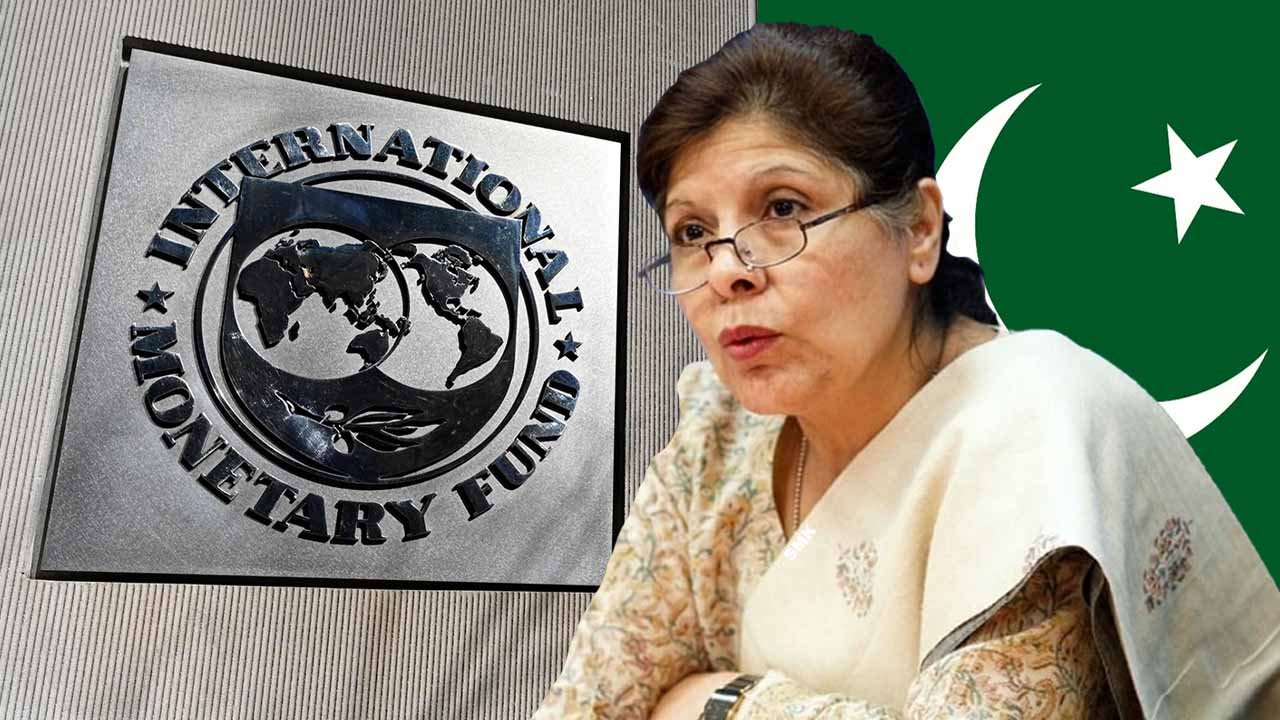
    In the midst of Pakistan’s ongoing battle with rising prices, the country’s interim Finance Minister, Shamshad Akhtar, issued a strong warning on Wednesday. She pointed out that Pakistan’s economic situation is even “worse” than expected, and the government can’t afford to provide subsidies to the public due to financial constraints.

    According to DAWN, Akhtar made these comments during a meeting of the Senate’s Standing Committee on Finance. She explained that the current government had inherited a programme from the International Monetary Fund (IMF) that couldn’t be changed.

    This announcement comes at a time when Pakistan is facing high living costs, especially expensive electricity bills that have led to protests across the country.

    The government has struggled to find ways to help while also maintaining good relations with the IMF. The caretaker government, which is temporarily in charge, hasn’t been able to come up with clear solutions to ease the situation.

    In a recent meeting chaired by Caretaker Prime Minister Anwaar ul Haq Kakar, the government expressed that it’s not sure how to solve the issue. They even discussed the possibility of letting people pay their electricity bills in smaller portions over time, but this would need permission from the IMF.

    Interim Information Minister Murtaza Solangi mentioned that discussions are ongoing with the IMF to find relief measures for people struggling with high electricity bills. An official announcement about this is expected soon.

    However, it’s important to note that even if the option of paying bills in smaller portions is pursued, it still needs approval from the IMF. This underscores the IMF’s influence on Pakistan’s economic decisions.

    Minister Akhtar, while speaking to the Senate’s Standing Committee on Finance, highlighted the substantial losses faced by government institutions. She stressed the need to sell off some government-owned assets to alleviate financial pressure. Currently, a large portion of Pakistan’s tax earnings goes toward repaying debt. Moreover, the Pakistani rupee is facing challenges due to a shortage of dollars coming in and a high amount going out of the country.

    Akhtar also expressed concern that if Pakistan doesn’t follow the IMF’s agreement, the country might stop receiving dollars, leading to an even worse economic situation. She admitted that the government has taken actions that weakened the economy. She mentioned that the Federal Board of Revenue is not collecting as much as it should while expenses remain high.

    The finance minister clarified that the caretaker government doesn’t have unlimited power. They are restricted in their actions and must work within those limits.

    She also pointed out that any changes to the existing IMF agreement, made by the previous government, are not possible for the current administration. She mentioned that the government is considering reducing benefits for the wealthy, and a detailed update on the economy will be provided to the committee within a week.

    Before the finance minister’s comprehensive briefing, several committee members expressed concerns about the rising value of the dollar and the high electricity bills. Senator Kamil Ali Agha insisted that taxes added to electricity bills should be removed immediately, arguing that the entire country shouldn’t suffer due to a few people’s actions.

  • Finance Minister rejects idea of coalition govt entering fresh IMF programme

    Finance Minister rejects idea of coalition govt entering fresh IMF programme

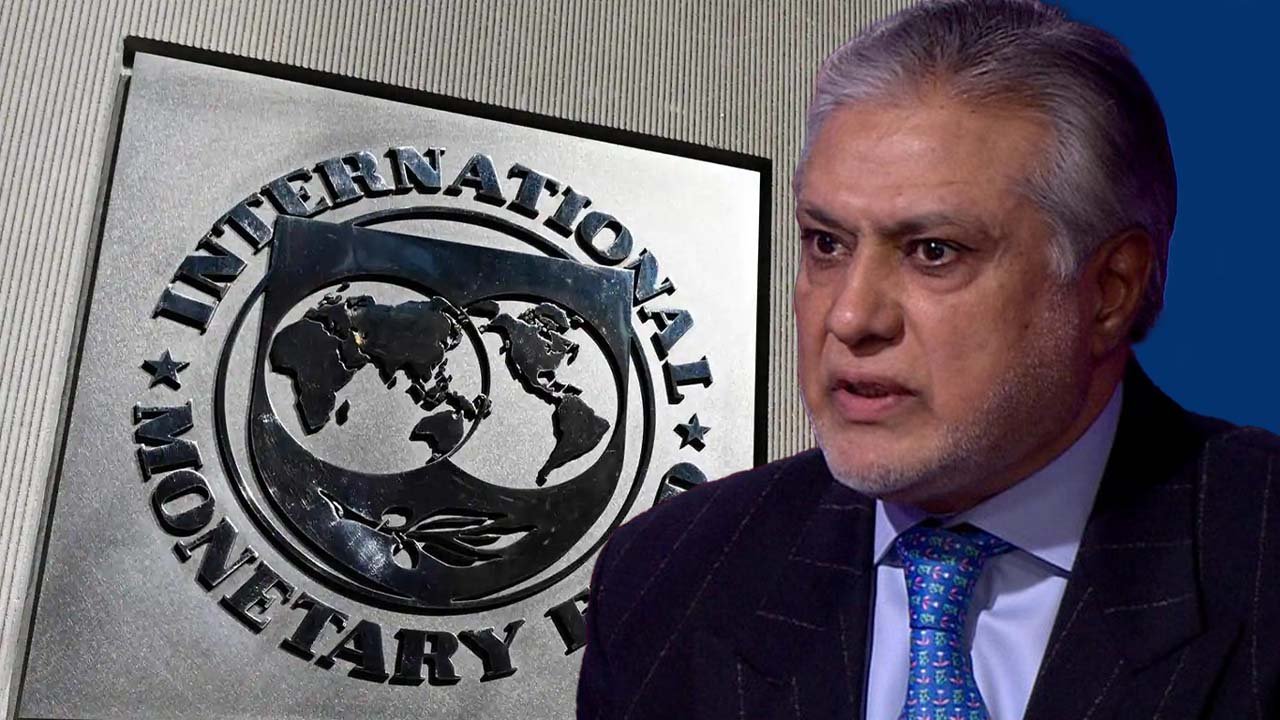
    Pakistan’s Finance Minister, Ishaq Dar, has voiced his opposition to the idea of entering into a new International Monetary Fund (IMF) bailout programme without the consent of the incoming government.

    Speaking at a press conference, Dar emphasised the need for democratic fairness and stated that any future IMF agreement should be the prerogative of the government elected after the ongoing programme concludes on June 30.

    The minister also highlighted Pakistan’s efforts in meeting IMF requirements and expressed hope for the successful completion of the ninth review before the programme’s conclusion.

    Government’s efforts and budget transparency

    During the press conference, Minister Dar reassured journalists that the coalition government had provided the IMF with budgetary information and expressed confidence that the budget numbers shared were without objection.

    He revealed that Prime Minister Shehbaz Sharif had agreed to share the numbers, and there were no issues concerning the figures presented. This transparency is a crucial step in unlocking the ninth review and securing the remaining funds from the IMF’s Extended Fund Facility.

    IMF’s conditions and economic challenges

    Under the current IMF programme, Pakistan has been required to implement several challenging measures, including the removal of energy subsidies, allowing the rupee to float against the US dollar, raising taxes and duties, and restricting imports.

    These measures aim to address Pakistan’s balance-of-payments crisis and reduce its external debt burden. However, the country’s economic challenges, combined with political uncertainty and a decline in foreign investment, have made the task more difficult.

    Esther Perez Ruiz, the IMF’s resident representative for Pakistan, stated that there is only enough time for one final board review before the scheduled end of the $6.5 billion Extended Fund Facility.

    Ruiz emphasised the need for Pakistan to restore the proper functioning of the foreign exchange market, present a budget for FY24 aligned with programme objectives, and secure credible financing commitments to close the $6 billion funding gap. These actions will pave the way for the final review and release of remaining funds.

    The call for ‘democratic’ decision-making

    Finance Minister Ishaq Dar emphasised the importance of democratic principles in determining Pakistan’s involvement in any future IMF programmes. He stressed that the decision to enter into a new programme should rest with the government elected after the ongoing programme concludes, rather than being imposed on a new administration.

    Dar’s stance reflects the need to ensure that any commitments made align with the vision and policies of the elected government, fostering a fair and democratic approach.

    Pakistan’s Finance Minister Ishaq Dar has voiced his opposition to the undemocratic imposition of a new IMF bailout programme. He said that any future agreement should be the prerogative of the incoming government, allowing them to shape policies and commitments in alignment with their mandate.

    As Pakistan works towards meeting the IMF’s requirements and unlocking the remaining funds, it is crucial to balance economic stability with democratic decision-making to ensure sustainable growth and development.

  • Pakistan’s hopes for IMF agreement rise as Saudi Arabia confirms $2 billion in additional deposits

    Pakistan’s hopes for IMF agreement rise as Saudi Arabia confirms $2 billion in additional deposits

    The International Monetary Fund (IMF) has informed Pakistan that Saudi Arabia has confirmed $2 billion in additional deposits, which has rekindled hopes of an early agreement signing. Since January, Islamabad has been negotiating with the IMF for the release of $1.1 billion from a $6.5 billion bailout package that was agreed upon in 2019.

    To unlock the funding, the Pakistani government has cut back on subsidies, removed an artificial cap on the exchange rate, added taxes, and raised fuel prices. However, assurances from friendly nations for additional funds have delayed the agreement.

    The lender has informed Pakistani authorities of the development and the Fund staff is reportedly satisfied with the latest confirmation. The report states that the Saudi authorities are set to make a public announcement, possibly during the upcoming visit of Prime Minister Shehbaz Sharif to the kingdom.

    The Saudi envoy in Pakistan had also hinted in a recent interview that his country had always supported Pakistan in critical situations and that good news would be shared soon. The sources have stated that all eyes are focused on the UAE for getting confirmation on another $1 billion deposit from them, which may pave the way for striking the staff-level agreement (SLA) with the IMF.

    Finance Minister Ishaq Dar is expected to visit UAE on his way to the US where he will hold talks on the release of funds. However, there is still another stumbling block in the way of signing the SLA with the IMF. The Ministry of Petroleum, in consultation with the PM Office, had announced an unplanned cross-fuel subsidy for owners of motorcycles and cars up to 800cc, which needs to be scrapped at this stage.

    The government has not yet withdrawn the proposed cross-fuel subsidy, which cannot be implemented in a half-baked manner. Such schemes were considered in the past during the tenure of former finance minister Shaukat Tarin and even during the era of the PDM-led government when Miftah Ismail had the charge of the Ministry of Finance.

    Even Miftah Ismail had allocated Rs48 billion on the eve of the last budget in the name of Sasta Petrol, but it could not be implemented because such schemes could not be designed properly. The announcement of a half-baked cross-fuel subsidy had provided an excuse to the IMF for delaying the SLA signing, as they were still raising questions for getting more details to ascertain how the scheme was going to be implemented in a transparent manner.

  • IMF chief wants the poor people of Pakistan to be protected

    IMF chief wants the poor people of Pakistan to be protected

    In a recent interview with an international broadcaster, Kristalina Georgieva, the Managing Director of the International Monetary Fund (IMF), called for Pakistan to distribute subsidies more fairly, redirecting resources from the wealthy to those in need. Georgieva urged the country to increase tax revenues from those who are making good money, both in the public and private sectors, to contribute to the economy.

    The IMF is keen for Pakistan to function effectively as a country and avoid dangerous levels of debt, which could lead to the need for debt restructuring. Georgieva expressed concern for the people of Pakistan, who have been devastated by floods affecting one-third of the population.

    The IMF has recommended that Pakistan broaden its narrow tax base, with only 3.5 million return filers out of a population of over 200 million. The lender has also called for the removal of untargeted subsidies and the redirection of resources towards the poor, including the Benazir Income Support Programme (BISP), for which the government has increased the allocation from Rs360 billion to Rs400 billion to protect the poorest from inflationary pressures.

    The IMF’s review mission has made it clear that Pakistan must undertake tax revenues from all those who possess income to contribute to the national kitty.

    Pakistan faces a looming balance of payment (BoP) crisis, with external debt servicing of $27 billion required in the next financial year. The ongoing IMF programme of $6.5 billion under the Extended Fund Facility (EFF) is due to expire on June 30, 2023, and there is no possibility of any further extension in the ongoing EFF arrangement.

    The IMF could help Islamabad overcome the crisis by ensuring that the country can pay its debt obligations without plunging into default. The revival of the IMF programme will be a pre-requisite step for seeking any debt restructuring, so the government is currently focusing on it.

  • Pakistan impresses IMF with speedy implementation of agreed measures

    Pakistan impresses IMF with speedy implementation of agreed measures

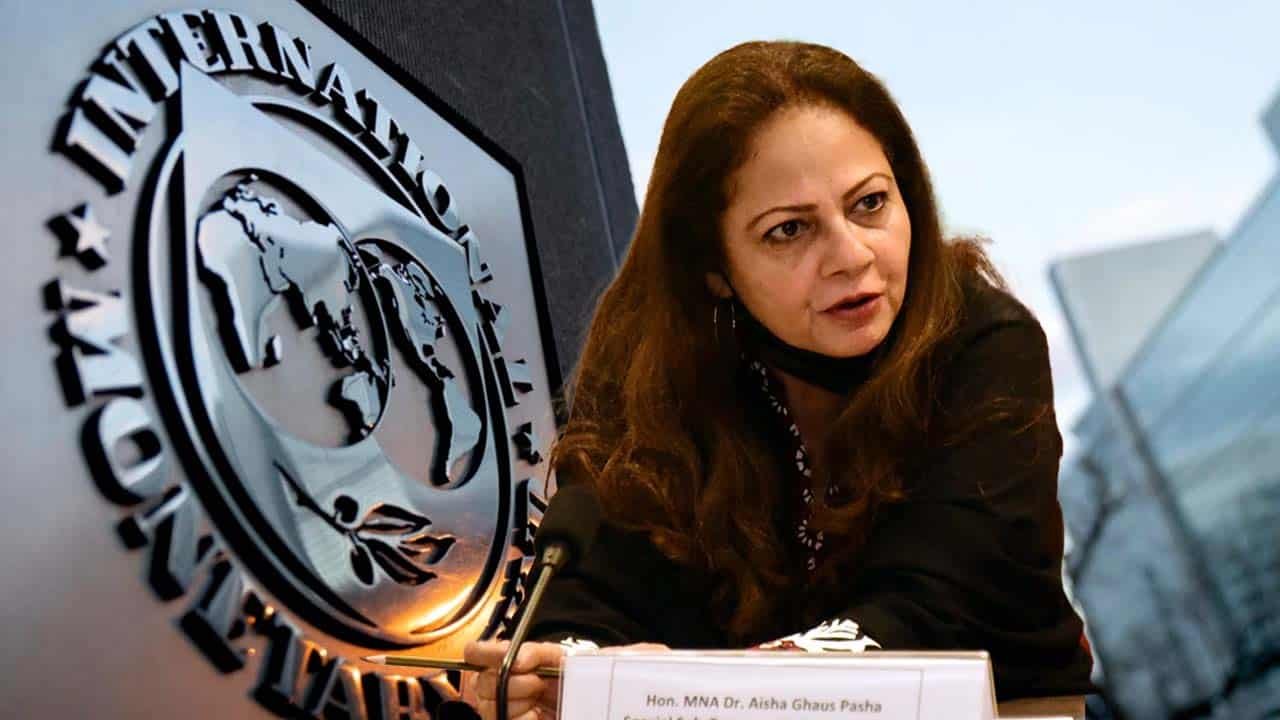
    During a press conference at the Parliament House on Thursday, Aisha Ghaus Pasha, the Minister of State for Finance and Revenue, announced that the International Monetary Fund (IMF) is not only satisfied with the Pakistani government’s measures to generate an additional Rs170 billion in revenue through the supplementary finance bill, but is also surprised by the speedy implementation of the agreed measures.

    The revenue measures, which were agreed upon with the IMF, have already been put in place. Pasha added that the IMF is also engaged with Pakistan’s friendly countries, including Saudi Arabia, the UAE, and China, with respect to the country’s external financing needs and will update the Executive Board accordingly.

    The minister further stated that discussions with friendly countries on external financing are ongoing, and progress is being made. Virtual talks with the IMF are expected to be held late Thursday night to discuss the Memorandum of Economic and Financial Policies (MEFP), and the government has submitted further clarification to the draft of the MEFP. Pasha noted that the finalization of the MEFP would not take a long time.

    Pasha had earlier briefed the Senate Standing Committee on Finance and shared that the culture of giving subsidies in Pakistan is an old one that needs to end.

    Senator Mohsin Aziz suggested that instead of increasing taxes on luxury items, a ban should be imposed on their import to prevent smuggling. Pasha explained that the government had first considered a total ban on luxury item imports, but the WTO, the IMF, and other international agencies were against it.

    While agriculture income tax is a provincial matter, Pasha emphasized that the sector needs to contribute to the economy. She also stated that, as part of the austerity measures, a scheme is under consideration to enforce the manufacturing of electric vehicles, and the government is deliberating on the financing mode to bridge the gap. Overall, the government has worked quickly on implementing prior actions and commitments to the IMF program.

  • PM Shehbaz approves hike in gas and electricity tariffs to fulfill IMF demands

    PM Shehbaz approves hike in gas and electricity tariffs to fulfill IMF demands

    With only three days remaining to resolve differences, Prime Minister Shehbaz Sharif approved an increase in electricity prices on Monday in an attempt to reach an agreement with the International Monetary Fund (IMF). The annual base tariff is expected to increase by approximately 33 per cent.

    The decision was made during a virtual meeting held at the Prime Minister House after the IMF maintained its stance that Pakistan must fulfill its prior commitments.

    Sources familiar with the discussions indicated that there may be an average increase of Rs7.74 per unit in the base tariffs, but the increase for higher consumption levels will be much higher. Despite this, the Prime Minister still hopes that the Power Division can negotiate with the IMF to reduce the demanded increase.

    With the Prime Minister’s approval, the revised circular debt reduction plan, which includes details of the increase in prices due to quarterly and annual base tariff adjustments, will be shared with the IMF today.

    Power Minister Khurram Dastgir declined to comment on whether the Prime Minister had agreed to increase electricity prices, including the maximum increase for high-end consumers.

    According to sources, the IMF is seeking a 50 per cent increase in prices, while the government is proposing a range of 20 per cent to 33 per cent increase. The discussions began on January 31st and the IMF delegation was in Islamabad until February 9th.

    The IMF has stated that it is in Pakistan at the request of Prime Minister Shehbaz Sharif, with the expectation that the government will implement all of its outstanding actions, including tax increases. If the IMF agrees to the measures proposed by the government, a meeting between Finance Minister Ishaq Dar and IMF Mission Chief Nathan Porter may take place the same day to finalise the measures.

    The sources stated that the Power Division presented several options for increasing tariffs to the Prime Minister, including a Rs4.26 per unit increase in quarterly tariffs and a Rs7.74 per unit average increase in the base tariff.

    The IMF has asked the government of Pakistan to increase electricity prices by over Rs12 per unit to fully cover the additional budget subsidy demand of Rs675 billion. The Power Division believes it can recover Rs43 billion with a lag from July to December 2023, reducing the need for a price hike by the same amount.

    During budget planning, the government allocated only Rs355 billion for power subsidies in the current fiscal year, but the Power Division has requested an additional Rs675 billion in subsidies, bringing the total requirement to over Rs1.03 trillion. In a recent meeting, it was noted that the delayed decision-making has increased the cost of reviving the IMF program.

    The government still hopes the IMF will consider absorbing some of the increase through subsidies, but these subsidies must be supported by additional revenue measures. The IMF also refused the government’s request to exempt up to 300 units for consumers from the price increase, remaining firm on its stance to raise prices for consumers who use 200 units or more per month.

    According to Express Tribune, the Prime Minister has given direction to implement a maximum increase in electricity prices to those with high consumption levels. However, these consumers may struggle to bear the additional cost, which is primarily due to political decisions such as subsidies for exporters and insufficient subsidies in the budget, as well as inefficiencies in the power sector.