Tag: Sudan

  • Sudan facing ‘inferno’ of violence, crushing aid holdups: UN

    Sudan facing ‘inferno’ of violence, crushing aid holdups: UN

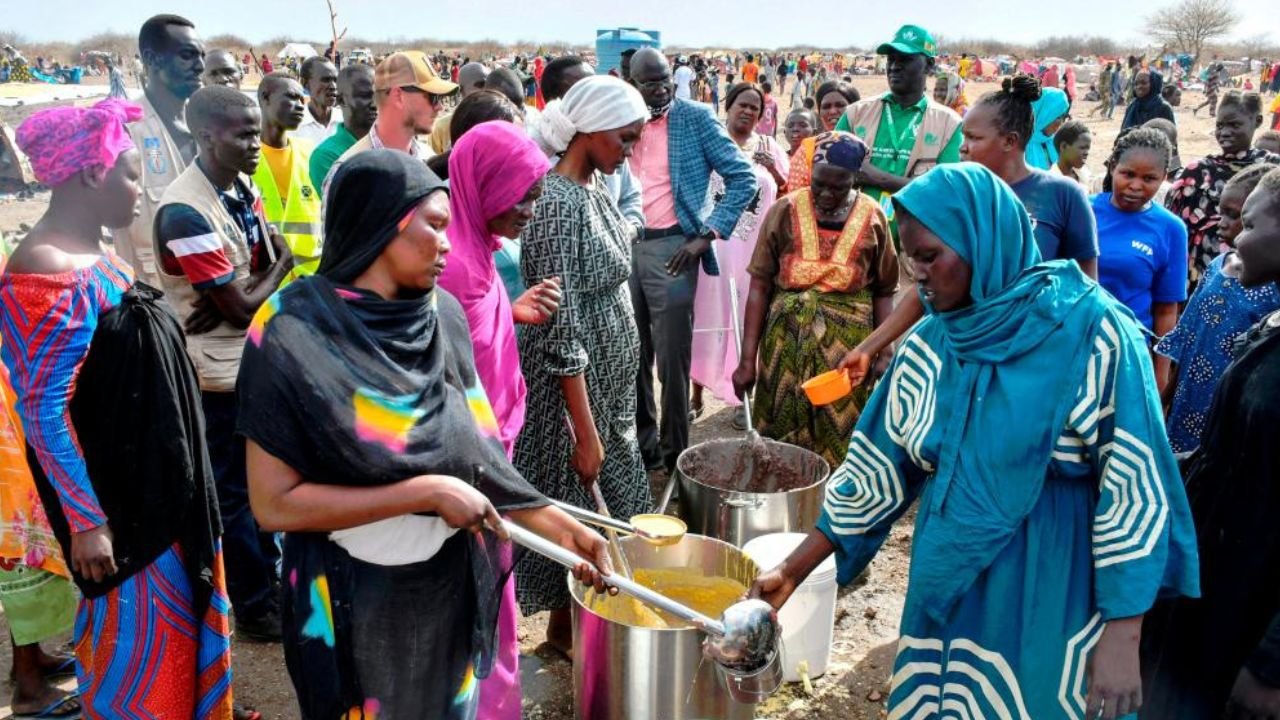
    Residents of conflict-hit Sudan are “trapped in an inferno of brutal violence” and increasingly at risk of famine due to the rainy season and blocked aid, the UN’s humanitarian coordinator for the country warned Wednesday.

    Tens of thousands of people have died and millions have been displaced since war broke out in April 2023 between the army and the paramilitary Rapid Support Forces (RSF).

    “Famine is closing in. Diseases are closing in. The fighting is closing in and there’s no end in sight,” Clementine Nkweta-Salami told a press conference.

    The grim situation is only expected to worsen, with “just six weeks before the lean season sets in, when food becomes less available, and more expensive.”

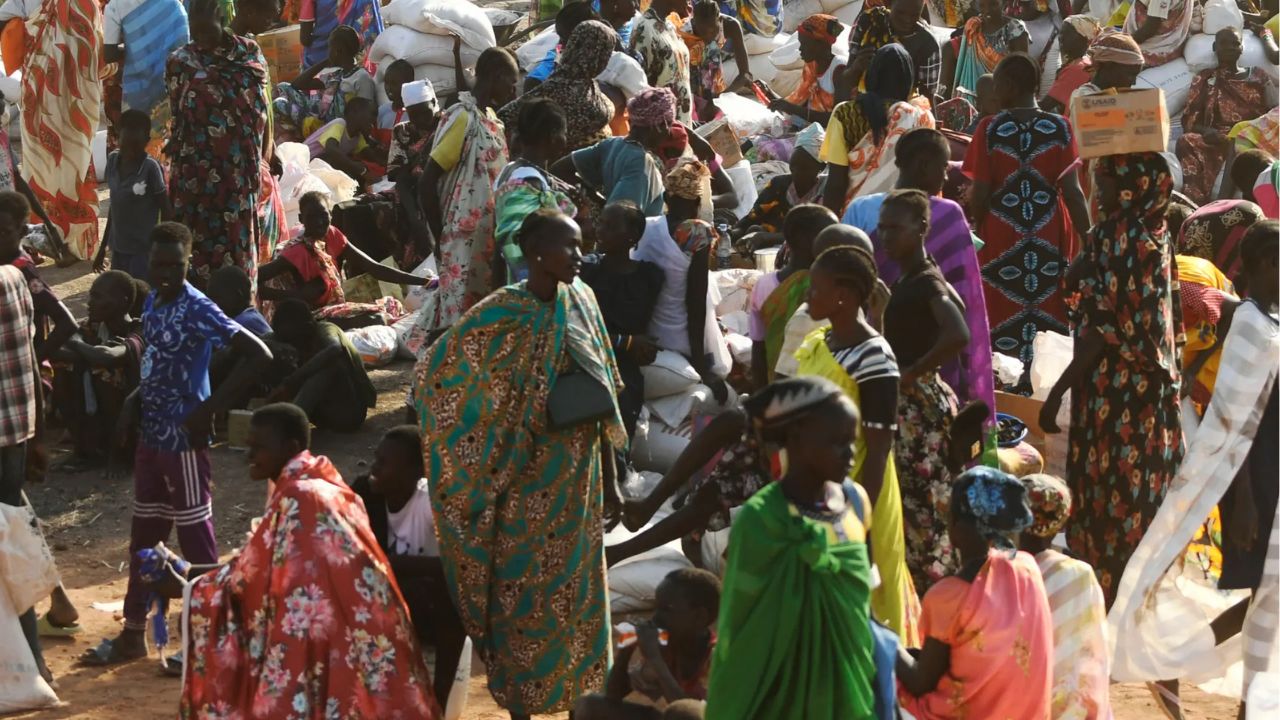
    Noting that more than four million people are facing potential famine, Nkweta-Salami added that the onset of the country’s rainy season means that “reaching people in need becomes even more difficult.”

    The area’s planting season also “could fail if we aren’t able to procure and deliver seeds for farmers,” she said.

    And “after more than a year of conflict, the people of Sudan are trapped in an inferno of brutal violence.”

    “In short, the people of Sudan are in the path of a perfect storm that is growing more lethal by the day,” Nkweta-Salami warned, adding that the humanitarian community needs “unfettered access to reach people in need, wherever they are.”

    The United Nations has expressed growing concern in recent days over reports of heavy fighting in densely populated areas as the RSF seeks control of El-Fasher, the last major city in the western Darfur region not under its control.

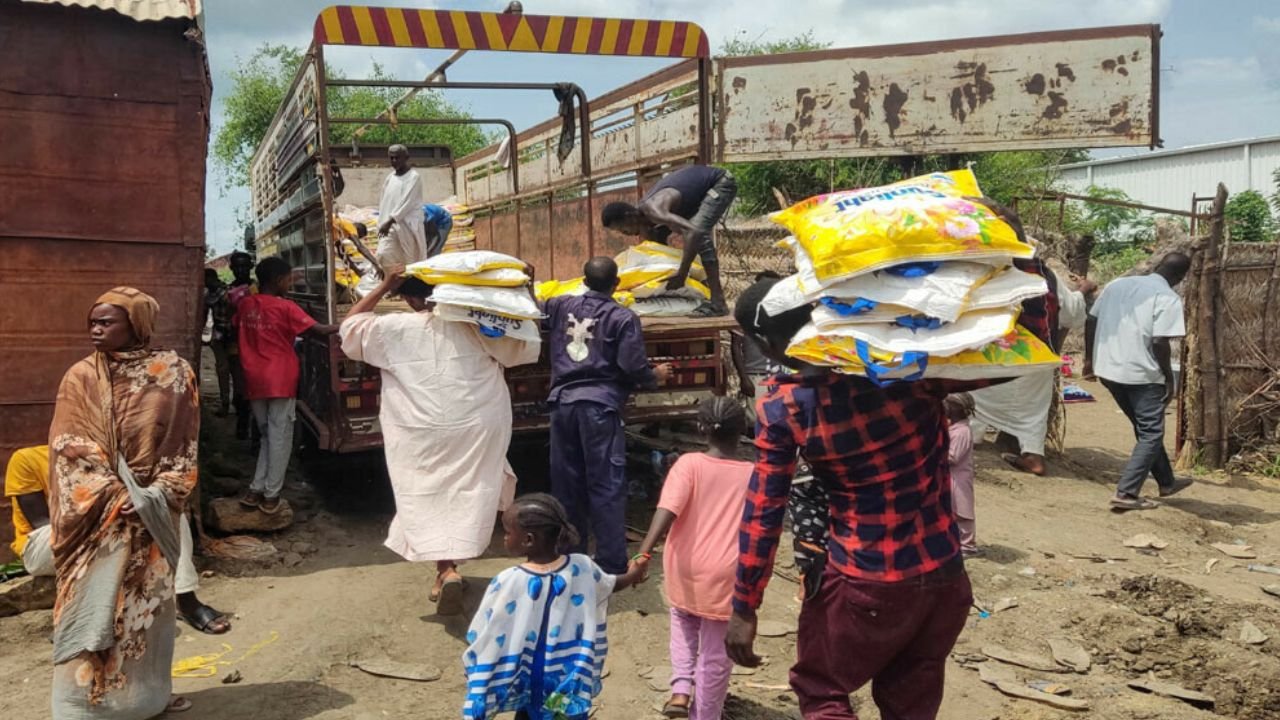
    “Right now the humanitarian assistance they rely on can’t get through,” Nkweta-Salami said.

    More than a dozen UN trucks loaded with medical equipment and food, which left Port Sudan on April 3, have still not reached El Fasher, she said, “due to insecurity and delays in getting clearances at checkpoints.”

    abd/mdl/bfm/nro

    © Agence France-Presse
  • Nearly 230,000 children, new mothers risk dying of hunger in Sudan: NGO

    Nearly 230,000 children, new mothers risk dying of hunger in Sudan: NGO

    Without critical action, nearly 230,000 children and new mothers in war-ravaged Sudan are “likely to die from hunger”, Save the Children warned on Wednesday.

    Nearly 11 months of fighting between the forces of two rival generals has killed thousands and displaced eight million people in the northeast African country, the United Nations says.

    The bombing and destruction of fields and factories have plunged Sudan into “one of the worst” nutrition situations in the world, said Arif Noor, Save the Children’s country director in Sudan.

    “Nearly 230,000 children, pregnant women and new mothers could die in the coming months,“ the British non-governmental organisation said.

    The charity said “more than 2.9 million children in Sudan are acutely malnourished and an additional 729,000 children under five are suffering from severe acute malnutrition — the most dangerous and deadly form of extreme hunger”.

    It warned “about 222,000 severely malnourished children and more than 7,000 new mothers are likely to die” under the current levels of funding which “only covers 5.5 percent” of Sudan’s total needs.

    The United Nations’ World Food Programme sounded the alarm on Sudan this month, warning the war risked triggering the world’s largest hunger crisis.

    The conflict, which experts have warned could last years, is being fought between Sudan’s army chief Abdel Fattah al-Burhan and Mohamed Hamdan Daglo, his former deputy and commander of the paramilitary Rapid Support Forces (RSF).

    Noor warned the situation would only worsen as the consequences of the current fighting take hold.

    “No planting last year means no food today. No planting today means no food tomorrow. The cycle of hunger is getting worse and worse with no end in sight — only more misery,“ he said.

    Already, more than half of all Sudanese, including 14 million children, require humanitarian assistance to survive, the United Nations says.

    The UN has described a “climate of sheer terror”, reporting the use of heavy artillery in densely populated urban areas, sexual violence as a weapon of war, the destruction of hospitals and schools.

    The United States has accused both sides of war crimes and alleged the RSF has carried out ethnic cleansing and crimes against humanity.

    A report before the UN Human Rights Council details gross violations and abuses of international human rights law and possible war crimes.

    Earlier in March, the UN’s human rights chief Volker Turk called the conflict a “living nightmare” and said it had “slipped into the fog of global amnesia”.

    The conflict has driven 18 million people into food insecurity, including five million who are only one stage away from famine.

    Humanitarian organisations have been prevented from entering Sudan or moving freely and have come under attack by both sides. – AFP

  • Over 95 Percent Of Sudanese Cannot Afford A Meal A Day: WFP

    Over 95 Percent Of Sudanese Cannot Afford A Meal A Day: WFP

    Ten months into a war that has sent Sudan to the “verge of collapse”, the vast majority of its people are going hungry, the UN’s World Food Programme said Wednesday.

    “At this point, less than five percent of Sudanese can afford a square meal a day,” the WFP’s Sudan country director, Eddie Rowe, told reporters in Brussels.

    Since last April, Sudan has been gripped by fighting between the regular army and the paramilitary Rapid Support Forces, which has killed thousands and created what the United Nations calls “the world’s largest displacement crisis”.

    A combined 10.7 million people have been uprooted by the current war and previous conflicts, according to the UN.

    Nine million remain displaced within Sudan, where Rowe said a “lethal cocktail of continued conflict, stalled harvests and rampant and consistent displacement risks plunging millions more into a catastrophic humanitarian disaster.”

    Across Sudan, which the WFP says was already facing one of the world’s worst food crises before the war, 18 million people are facing acute food insecurity.

    Of those, Rowe said “close to five million are on the precipice of catastrophe” — enduring one of the worst emergency classifications the WFP uses, second only to famine.

    Aid groups have for months warned that as a result of hampered humanitarian access and severe underfunding, the spectre of famine looms over Sudan.

    But the same obstacles to aid delivery inhibit the ability to determine the extent of the catastrophe.

    According to Michael Dunford, WFP’s Eastern Africa regional director, there is a major issue in “the availability of the data to confirm one way or the other whether or not the thresholds (required to declare a famine) have been met”.

    With WFP only able to reach 10 percent of those in need, “there are large tracts of the country that we simply cannot access,” Dunford told reporters.

    Sudan’s most fertile regions could have helped ward off famine, if not for the fighting encroaching into the country’s agricultural heartlands.

    In December, a paramilitary advance brought the war to Al-Jazira state, just south of the capital Khartoum, which was set to produce the bulk of Sudan’s grains for the season.

    “Thousands of smallholder farms and even the large-scale schemes have been deserted, because people are on the move running away from the conflict,” Rowe said.

    “As we approach the hunger season,” he said, the crisis is only set to “further deteriorate”.

    The lean season, roughly from April to July, usually sees food prices run high as stocks dwindle ahead of the next harvest.

    With markets across the country already empty and an ongoing communications blackout hampering all transactions, Dunford says the future is bleak.

    “This is a country on the verge of collapse,” he said.

  • Genocide in Sudan: What is happening?

    Genocide in Sudan: What is happening?

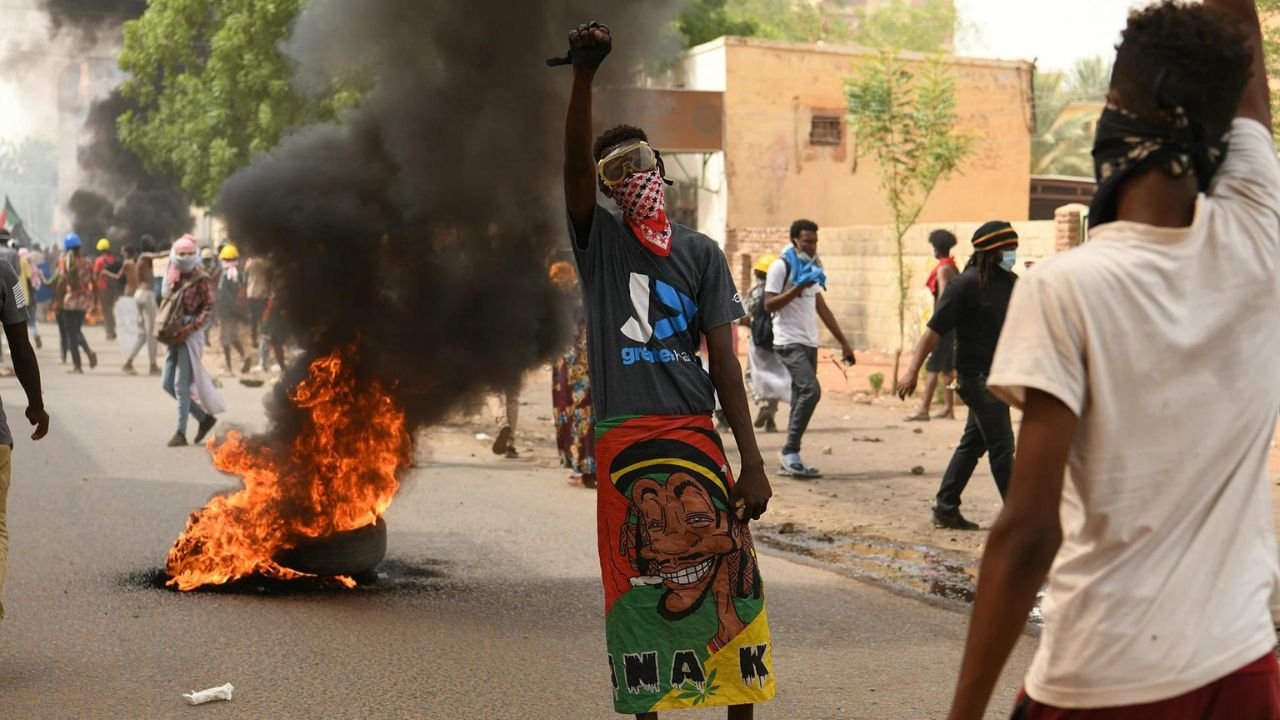
    Khartoum, the capital of Sudan, has been home to 6,000,000 people. This year, on April 15, a confrontation ensued between the Sudanese Armed Forces (SAF) and the Rapid Support Forces (RSF) paramilitary group.

    The rise in hostilities in April 2023 stemmed from weeks of strain between the RSF and the SAF over “security force reform during negotiations for a new transitional government”. The RSF and SAF had jointly upended Sudan’s transitional government in October 2021.

    In the course of a few short days that very month, more than 4,000 people were wounded and 500 people were killed.

    In addition to the casualties, 40 out of 59 hospitals have been bombed and are now out of service.

    Resultantly, there is an extreme dearth of water, food, and fuel since the fighting has continued to escalate as powerful weapons, airstrikes and artillery have been used. The civilians, on the other hand, are ensnared in the crossfire.

    Since April, Action on Armed Violence has noted 102 incidents of explosive violence in Sudan and 1,830 civilian casualties, making 2023 Sudan’s deadliest year since 2010.

    However, the United Nations humanitarian chief revealed in October that since April, the paramilitary group has killed up to 9,000 people and created “one of the worst humanitarian nightmares in recent history”. Similarly, in November, Armed Conflict Location & Event Data Project recorded over 2,800 political violence incidents and more than 10,400 fatalities.

    Additionally, over 300,000 refugees have reportedly fled Sudan’s war seeking safety and refuge in Chad where already 580,000 displaced people reside.

    The situation in Sudan is now exacerbating with serious concerns for women and children being abducted, chained, and held in “inhuman, degrading slave-like conditions” in areas controlled by the Rapid Support Forces (RSF) in Darfur.

    Brief background

    The Darfur war goes back to its origins of alienation of non-Arab tribes by Khartoum’s policies, paving a path for grievances. The trouble spiralled on February 26, 2003, when a newly-founded group known as the Darfur Liberation Front (DLF) — later called the Sudan Liberation Movement/Army (SLM/A) — claimed an attack on Golo, the headquarters of Jebel Marra District.

    Along with the Justice and Equality Movement (JEM), the group then instigated a revolt to protest the Sudanese government’s discrimination against its non-Arab population, and sought bipartisanship within the Arab-ruled Sudanese state.

    The-then President, Omar al-Bashir, countered the situation by backing and arming Arab militias known as Janjaweed to fight the insurgency in Darfur.

    Named the Popular Defence Forces, they operated in alliance with Sudanese government forces to exterminate the African Fur, Masalit, and Zaghawa ethnic groups which produced the rebels.

    And even though a ceasefire was called in 2004 and African Union (AU) troops deployed, the UN revealed that the conflict and the leading humanitarian crisis (callous attacks, disease, and hunger) had killed 300,000 people by 2007 and displaced 2.5 million.

    Mediation attempts in Abuja (2006), Tripoli (2007) and Doha (2009) were unsuccessful in resolving the friction between Khartoum and the rebel forces in Darfur.

    The United Nations Security Council had permitted a joint UN-AU peacekeeping mission in July 2007 but after its exit in 2019, the local armed groups took up from where they left.

    Children of Sudan

    Currently, 19,000,000 (19 million) children are out of school in Sudan while 10,400 schools have been shut down.

    They are vulnerable to the present and long term perils such as displacement, sexual violence, war recruitment, and death.

    Moreover, without resources, illnesses such as cholera are also at an all time high.

  • More than 30 Pakistanis living in Sudan safely reach Jeddah

    More than 30 Pakistanis living in Sudan safely reach Jeddah

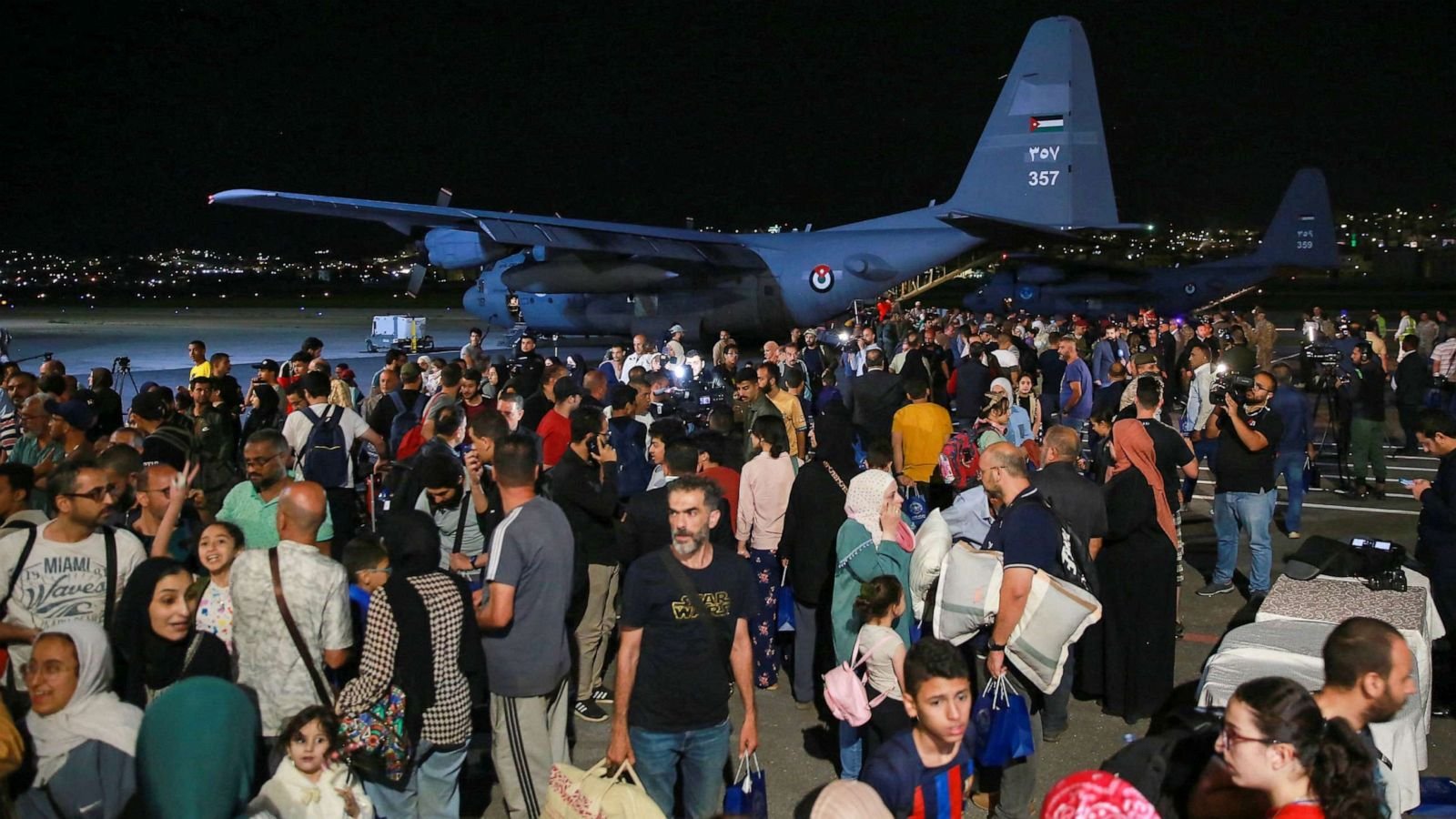
    Amid the intensifying conflict in Sudan, the Pakistani Ministry of Foreign Affairs has said that a ship carrying 37 citizens has arrived in Jeddah from Port Sudan.

    On Tuesday, Foreign Minister Bilawal Bhutto Zardari confirmed that the Pakistani diplomatic mission in Sudan had evacuated 700 countrymen to safety, and the status of the remaining nearly 1,500 Pakistanis currently in the African country was being closely monitored.

    Sudan has a long history of civil wars. However, the latest escalation in fighting came on April 15, which has turned residential areas into battlefields.

    Air strikes and artillery have killed at least 512 people and wounded nearly 4,200.

    The violence between the military and the well-armed Rapid Support Forces (RSF) paramilitary group has triggered a humanitarian crisis.

    Tensions began when members of the RSF were redeployed around the country in a move that the army saw as a threat.

  • Pakistan to send coronavirus relief assistance to Palestine

    Pakistan to send coronavirus relief assistance to Palestine

    Minister for Information and Broadcasting Chaudhry Fawad Hussain said on Tuesday that Pakistan would send coronavirus and medical emergency relief assistance to Palestine on humanitarian grounds.

    This decision was taken during the cabinet meeting held on Tuesday. Fawad said the cabinet thoroughly discussed the prevailing situation in Palestine and expressed indignation over the unfortunate situation of Palestinians.

    “Pakistan was the first country that took a strong, clear, and unflinching stance on Palestine,” said Chaudhry.

    Foreign Minister Shah Mahmood Qureshi went on an official visit to Turkey, where he held a meeting with his Turkish counterpart on the Palestine issue.

    Foreign ministers of different Islamic countries including Pakistan, Turkey, Sudan, and Palestine will leave for New York in a group form to attend the special session of the United Nations General Assembly on Palestine, he said.