Tag: SUGAR

  • Fawad Khan shares details of his battle with diabetes

    Fawad Khan shares details of his battle with diabetes

    In a country where diabetes is becoming an increasingly prevalent health concern, actor Fawad Khan is sharing his personal story of living with the disease and urging others to take control of their health and make informed choices about their diet.
    During an interview with ‘Fuchsia Magazine’, the superstar was asked by the host, “You suffered from diabetes at a very young age, and you still have it. I think many people in Pakistan are diagnosed with it, but we don’t take it seriously enough. Do you think this is a widespread issue?”

    Fawad Khan said, “I’m worried about the rising prevalence of diabetes in Pakistan, especially among children as young as four to eight years old. Diabetes can affect anyone, regardless of age, so it’s essential to be mindful of sugar intake.”
    “Sugar is not a necessity, it’s a desire. You can quit it, and it’s not good for your health.” Khan added.

    The Barzakh actor advised his fans: “It is your own decision how much sweet you want to consume and how much you don’t.”
    Fawad Khan concluded, “Sugar damages your body just like other banned drugs. I’ve learned from my own experiences and those of others that sugar is your biggest enemy.”

    Fawad Khan is currently starring in a web series along with Sanam Saeed, Salman Shahid, Syed Arham, Khushhal Khan, and Uzma Beg. This series is written and directed by Asim Abbasi.
  • Over Rs6.4 billion allocated for Ramzan subsidies: Essential items to be available at reduced rates

    Over Rs6.4 billion allocated for Ramzan subsidies: Essential items to be available at reduced rates

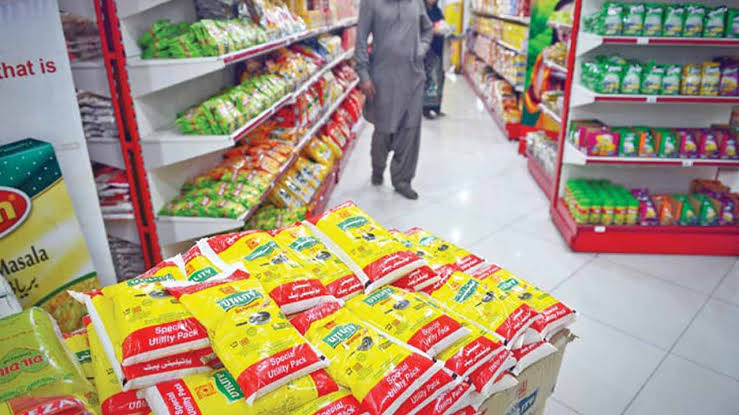
    The government has earmarked Rs6.484 billion to provide essential food items at subsidised rates through the Utility Stores Corporation (USC) during the holy month of Ramzan.

    A substantial portion of the allocation, Rs3.474 billion, will go towards subsidising flour, followed by Rs1.610 billion for sugar and Rs1.4 billion for ghee.

    Additionally, subsidies of Rs25 million for channa daal, Rs12 million for masoor daal, Rs37.50 million for white gramme, and Rs62.5 million for basmati rice are planned. Further, Rs20 million and Rs62.5 million are allocated for Sehlla rice and broken rice, respectively.

    The implementation of the Ramzan relief package is set to commence on March 4th.

    Further breakdown reveals Rs200 million for cooking oil, Rs20 million for washed moong daal, Rs6.25 million for washed maash daal, Rs100 million for chakki baisen, Rs50 million for dates, Rs22.50 million for carbonated drinks (1,500 ml), Rs30 million for squash and syrup (800 ml), Rs150 million for black tea, Rs15 million for UHT milk, and Rs50 million for spices.

    Moreover, an allocation of Rs145 million is designated for an awareness campaign through electronic and print media regarding the Ramzan Package, set to kick off on March 4th, 2024.

    The Economic Coordination Committee (ECC) has greenlit the Ministry of Industries and Production’s proposal for a Rs7.492 billion Ramzan Relief Package. This package aims to provide 19 essential items at subsidised rates through the USC.

    In response to IMF restrictions on untargeted subsidies, the government has opted to provide subsidies exclusively to beneficiaries registered under the PMT-40 of the Benazir Income Support Programme (BISP) for the fiscal year 2023–24.

  • Weekly inflation in Pakistan jumps to 42.3% as prices increase ahead of Ramadan

    Weekly inflation in Pakistan jumps to 42.3% as prices increase ahead of Ramadan

    According to data released by the Pakistan Bureau of Statistics (PBS) on Friday, weekly inflation surged by 1.37 per cent week-on-week and 42.27 per cent year-on-year during the week ended March 9. This marks a 25-week high on an annualized basis, as prices of perishables have started to rise ahead of Ramadan. The surge in the sensitive price indicator (SPI) was attributed to the increase in prices of various commodities, including tomatoes, potatoes, onions, sugar, bananas, cooking oil, wheat flour, vegetable ghee, printed lawn, curd, milk, tea, shirting, broken basmati rice, and powdered salt. Meanwhile, a major decrease was observed in the prices of chicken, garlic, pulse moong, eggs, pulse masoor, LPG, firewood, and pulse gram.

    For the week under review, SPI was recorded at 243.87 points, compared to 240.57 points registered last week and 171.41 points recorded during the week ended March 10, 2022. Brokerage Arif Habib Limited noted that this was the highest weekly YoY number since September 8, 2022, when Pakistan recorded a rise of 42.70 per cent YoY on account of an all-time high in the prices of wheat flour following massive flooding across the fertile plains of Punjab and Sindh.

    The PBS data attributed the YoY rise in SPI to the jump in the prices of onions, cigarettes, gas charges for Q1, diesel, eggs, rice Irri-6/9, petrol, broken basmati rice, bananas, pulse moong, tea, pulse mash, pulse gram, and bread. Inflation has been rising sharply over the past couple of years, with Pakistanis, particularly those from lower and middle-income groups, struggling to make ends meet.

    The sticky inflation numbers, along with the stalled International Monetary Fund (IMF) programme, have pushed the State Bank of Pakistan (SBP) to raise its benchmark interest rate by 300 basis points to a 26-year high. Pakistan is desperately trying to persuade the IMF to disburse critical $1.1 billion funding, but inflation worries have led the central bank to elevate its interest rates by 10 percentage points since January 2022.

    Analysts expect that the recent decisions taken by the government to please the IMF for a meagre $1.1 billion bailout tranche could result in massive poverty, while businesspersons have also not ruled out a default despite fiscal tightening. The YoY SPI increased by 39.09 per cent, 40.98 per cent, 41.79 per cent, 42.53 per cent, and 44.14 per cent respectively for the groups spending up to Rs17,732; Rs17,733-22,888; Rs22,889-29,517; Rs29,518-44,175; and above Rs44,175.

  • Weekly inflation in Pakistan jumps to 41.07% due to edible oil, sugar prices

    Weekly inflation in Pakistan jumps to 41.07% due to edible oil, sugar prices

    According to data provided by the Pakistan Bureau of Statistics (PBS) on Friday, edible oil, sugar, and vegetables helped drive the weekly inflation up to 41.07 percent on an annual basis.

    Sensitive Price Index (SPI) measurements of short-term inflation were still on the high side and would go up much more once customers start to feel the full effects of increased electricity tariffs.

    The cost of bananas, chicken, sugar, cooking oil, gas, and cigarettes increased for the week ending March 2, despite a 0.30 percent weekly decline in inflation.

    Of the 51 items, 32 saw price increases, nine saw price decreases, and 10 witnessed no change in price.

    The items whose prices rose the greatest during the reviewed week in comparison to the same week last year were: onions (311.17 per cent), cigarettes (165.86 per cent), gas charges for Q1 (108.38 per cent), diesel (93.82 per cent), petrol (77.89 per cent), eggs (77.83 per cent), rice irri-6/9 (76.96 per cent), rice basmati broken (75.55 per cent), pulse moong (73.30 per cent), bananas (72.66 per cent), chicken (64.70 per cent) and tea Lipton (64.53 per cent).

    Moreover, the highest year-on-year fall was recorded in the prices of tomatoes (56.29 per cent), chillies powdered (7.42 per cent).

    The prices of bananas (7.34 per cent), long cloth (3.44 per cent), energy saver (3.33 per cent), 1Kg vegetable ghee (2.48 per cent), gur (2.03 per cent), cooked daal (1.87 per cent), Lipton tea (1.79 per cent), match box (1.66 per cent), lawn printed (1.52 per cent), 5-litre cooking oil (1.45 per cent), and sugar (1.07 per cent) experienced the biggest week-on-week increase.

    On the other hand, the prices of onions (13.24 per cent), eggs (6.11 per cent), garlic (4.24 per cent), chicken (2.00 per cent), tomatoes (0.59 per cent), gram pulse (0.38 per cent), and potatoes (0.33 per cent) decreased compared to the previous week. However, LPG (1.84 per cent) and petrol (1.80 per cent) saw an increase in prices.

    The government, under the IMF’s conditions, has been implementing strict measures to cool the economy and curb inflation. The policy rate increase and the general sales tax increase from 17 per cent to 18 per cent are expected to further increase the retail price of consumer goods.

    To generate revenue and bridge the fiscal deficit, the government has already taken several measures, including adopting a market-based exchange rate, increasing fuel and power tariffs, withdrawing subsidies, and imposing more taxes.

    As a result of these measures, the government has revised its annual inflation rate projection from 26 per cent to 31 per cent.

  • Govt raises ghee price by Rs75 per kg, sugar by Rs19 per kg

    Govt raises ghee price by Rs75 per kg, sugar by Rs19 per kg

    The government-run Utility Store Corporation (USC) has increased the price of sugar, flour, ghee, and other food items despite the prime minister’s relief package.

    Utility stores increased the price of sugar by Rs19 per kg, ghee by Rs75 per kg, and 20 kg bag of flour by Rs496.

    According to the notification, the new prices will go into effect at utility stores all around the nation on January 1, 2023.

    The Benazir Income Support Programme’s (BISP) deserving beneficiaries will not be subject to the new pricing.

    Prime Minister Shahbaz Sharif had previously stated that Food Stores Corporation would provide targeted subsidies on basic food items. These products included rice, lentils, ghee, sugar, and flour. Customers who are registered in the Benazir Income Support Programme are eligible to purchase food from the Food Stores outlets at discounted prices.

    In the meantime, the Food Stores Corporation has instructed all of its clients and consumers to SMS their Computerized National Identity Card numbers from their mobile phones to 5566. After receiving a one-time password, they can then purchase goods and apply for subsidies.

  • Weekly inflation jumps by over 29% due to rising food prices

    Weekly inflation jumps by over 29% due to rising food prices

    The Sensitive Price Indicator (SPI) based inflation for the week ended December 29, recorded a decline of 0.09 per cent due to a reduction in the prices of food and non-food items, according to the Pakistan Bureau of Statistics (PBS).

    The year-on-year trend shows an increase of 29.30 per cent owing to an increase in the prices of onions (498.08 per cent), tea lipton (65.41 per cent), diesel (65.05 per cent), chicken (64.20 per cent), petrol (52.19 per cent), salt powdered (51.99 per cent), eggs (49.11 per cent), pulse moong (46.94 per cent), bananas (45.06 per cent), pulse gram (44.42 per cent) and mustard oil (41.64 per cent), while decrease is observed in the prices of chillies powdered (34.18 per cent), electricity for q1 (13.96 per cent) and gur (1.38 per cent).

    During the week, out of 51 items, prices of 23 (45.10 per cent) items increased, 07 (13.72 per cent) items decreased and 21 (41.18 per cent) items remained stable.

    The SPI for the consumption group up to Rs17,732, Rs17,732-22,888, Rs22,889-29,517 and above Rs44,175 decreased by 0.07 per cent, 0.12 per cent, 0.03 per cent and 0.12 per cent respectively while it increased by 0.02 per cent for the consumption group Rs29,518-44,175.

    The items, which recorded an increase in their average prices during the week over previous include eggs (2.86 per cent), rice basmati broken (2.81 per cent), wheat flour bag 20 kg (2.81 per cent), bread plain (2.76 per cent), firewood whole 40 kg (2.49 per cent), LPG (1.61 per cent), energy saver (1.27 per cent), bananas (1.18 per cent), gur (0.99 per cent), garlic (0.90 per cent), pulse masoor (0.80 per cent), mustard oil (0.72 per cent), rice irri-6/9 (0.60 per cent), pulse mash (0.54 per cent), tea prepared (0.45 per cent), sufi washing soap (0.28 per cent), pulse gram (0.26 per cent), onions (0.25 per cent), curd (0.23 per cent), chicken (0.20 per cent), milk fresh (0.15 per cent), pulse moong (0.12 per cent) and beef with bone (0.02 per cent).

    The items, which saw a reduction in their average prices included potatoes (8.85 per cent), tomatoes (6.02 per cent), electricity charges (2.44 per cent), vegetable ghee dalda/habib (1.47 per cent), sugar (1.22 per cent), vegetable ghee dalda/habib or other superior quality 1 kg pouch each (0.45 per cent) and cooking oil dalda or other similar brand (sn), 5 litre tin each (0.04 per cent).

  • PM Shehbaz decides to continue targeted subsidy on five essentials items

    PM Shehbaz decides to continue targeted subsidy on five essentials items

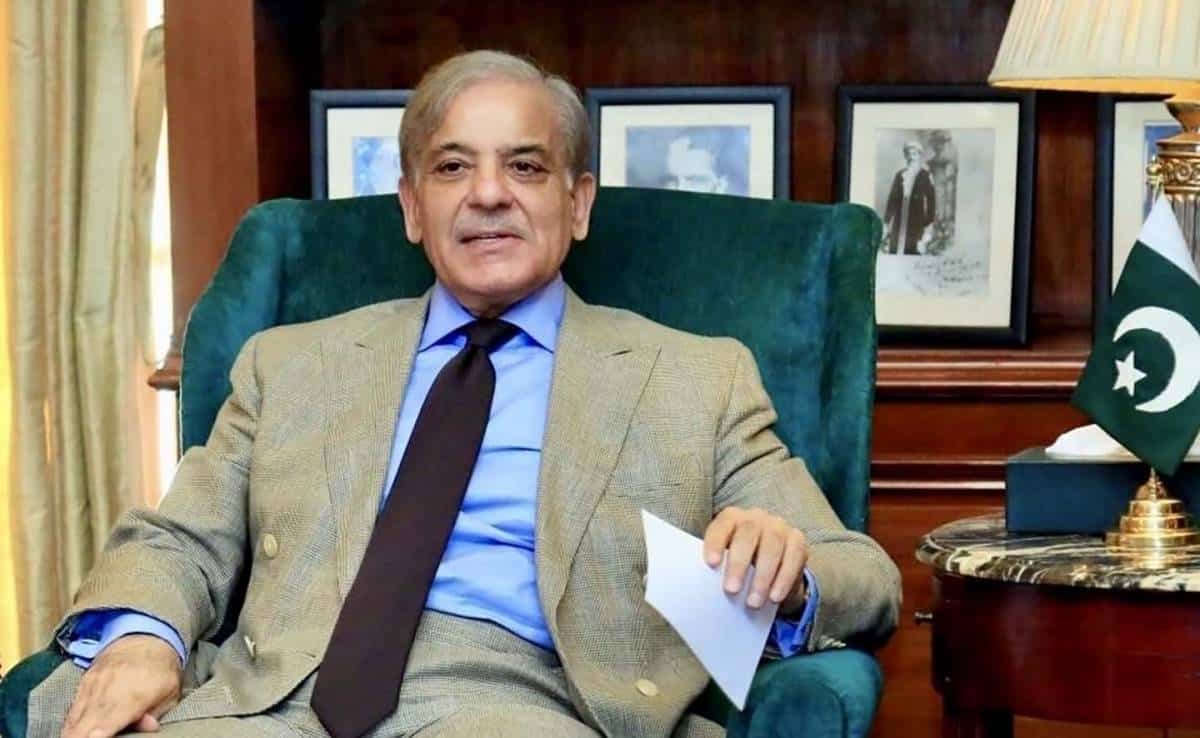
    Prime Minister (PM) Shehbaz Sharif on Monday decided to continue a targeted subsidy on five essential items — wheat flour, sugar, ghee/edible oil, pulses, and rice — at Utility Stores for the next financial year.

    The prime minister also approved the expansion of a network of Utility Stores in Karachi.

    “The small number of Utility Stores in Karachi is not acceptable in any way and a comprehensive plan for raising the number of Utility Stores in the megacity should be presented within two weeks,” tweeted PM Shehbaz.

    The decision was taken at a high-level meeting regarding Utility Stores in the country, with the PM in the chair. Minister for Finance Miftah Ismail, Minister for Industries and Production Murtaza Mahmood, and other senior officials were also in attendance.

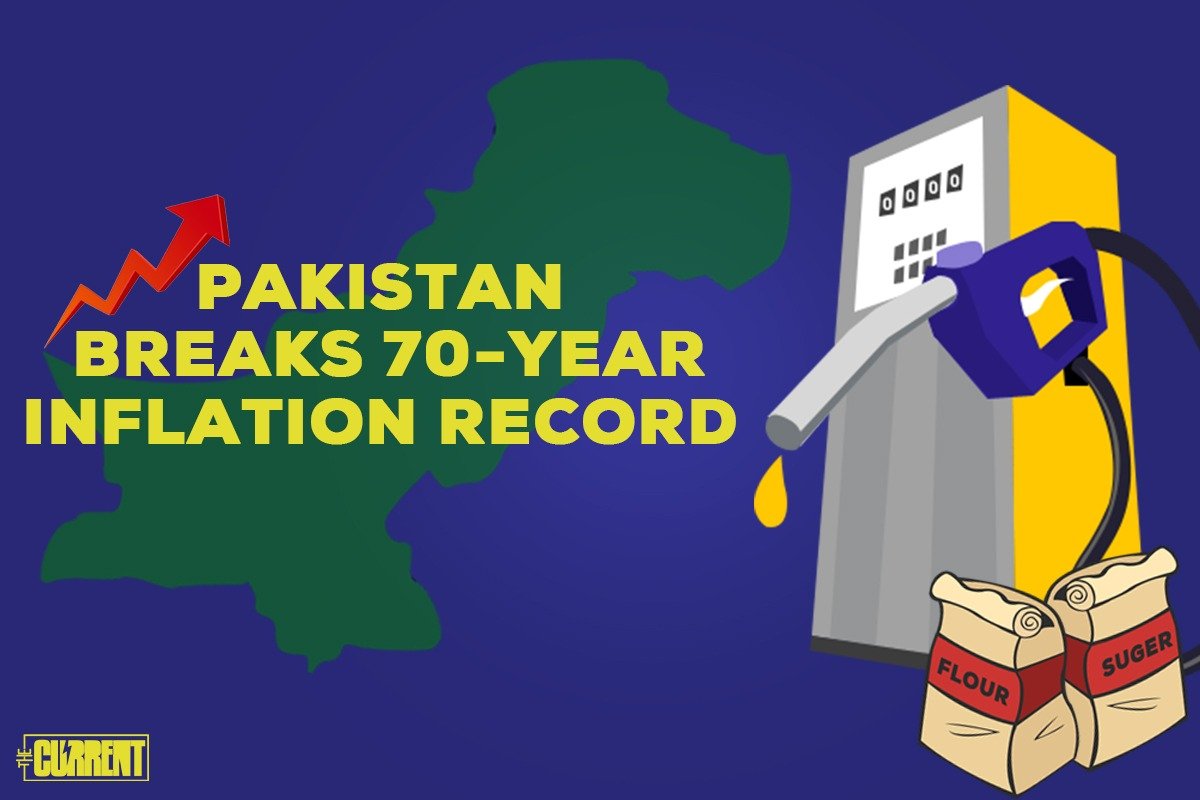
  • Pakistan breaks 70-year inflation record in three years: report

    Pakistan breaks 70-year inflation record in three years: report

    Inflation in Pakistan has broken a 70-year record in the last three years, with food prices doubling, while the prices of ghee, oil, sugar, flour, and poultry have reached historic levels, reports The News.

    According to the Federal Bureau of Statistics (FBS) report, electricity rates have increased by 57 per cent from Rs 4.06 per unit to at least Rs 6.38 per unit, from October 2018 to October 2021.

    “By the first quarter of October, the price of an 11.67 kg cylinder of LPG had gone up by 51 per cent from Rs1,536 to Rs 2,322. Similarly, the price of petrol had gone up by 49 per cent in three years from Rs 93.80 per litre to Rs138.73 per litre,” says the report.

    “The price of edible ghee increased by 108 per cent to Rs 356 per kg.”

    “Sugar has increased by 83 per cent in three years and the price of sugar sold at Rs 54 per kg exceeded Rs100,” according to the report.

    “The price of a 20 kg bag of flour has gone up by 52 per cent to Rs1,196 in three years.”

    “The price of chicken remained at Rs 252 per kg from October 2018 to October 2021, however, chicken meat is being sold at Rs 400 per kg in the markets.”

    “The cost of chicken eggs has also increased by 47 per cent to Rs170 per dozen.”

  • Cabinet rubbishes ECC approval to resume cotton, sugar import from India: report

    Cabinet rubbishes ECC approval to resume cotton, sugar import from India: report

    A meeting of the federal cabinet chaired by Prime Minister (PM) Imran Khan has rejected the Economic Coordination Committee (ECC) approval to import cotton yarn and white sugar from India, reports quoted sources as saying.

    A day earlier, the ECC had approved two summaries of the commerce and textile ministry to lift ban on import of cotton and white sugar from India.

    According to reports, there were 21 items on the agenda of the ECC meeting to be chaired by newly appointed Finance Minister Hammad Azhar. Commerce and Textile divisions had submitted five crucial summaries for approval besides others.

    At the agenda no. 16, the Textile Division summary sought permission from the ECC to lift ban on import of cotton and cotton yarn from India in a bid to bridge raw material shortfall for the value-added textile sector.

    In addition to this, another summary of the commerce ministry at agenda no. 20 also sought permission to allow import of white sugar from India through the Trading Corporation of Pakistan and commercial importers.

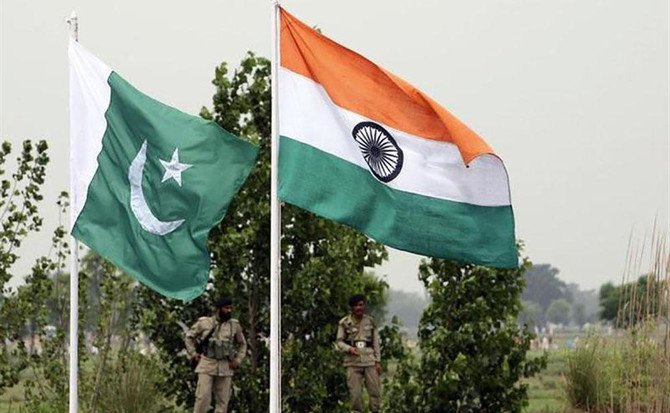
    The resumption of import of these goods was expected to lead to partial revival of trade relations. On Aug 9, 2019 Pakistan downgraded trade relations with India in reaction to the latter’s decision to revoke Article 370 of its Constitution that granted occupied Kashmir a special status.

    In May 2020, Pakistan lifted the ban on import of medicines and raw material from India to ensure there is no shortage of essential drugs amid the COVID-19 pandemic. This was the first step of reversing of complete suspension of trade with India.

    However, Indian premier’s letter to Prime Minister (PM) Imran Khan on Pakistan Day was the first step in the right direction amid reports of UAE Royals brokering peace.

    On Tuesday, PM Imran replied to Modi’s letter, saying Pakistan also desired peaceful relations with India.

    “The people of Pakistan also desire peaceful, cooperative relations with all neighbours, including India,” he said in his reply.

    “I thank you for your letter conveying greetings on Pakistan Day.”

  • ECC allows import of cotton, sugar from India

    ECC allows import of cotton, sugar from India

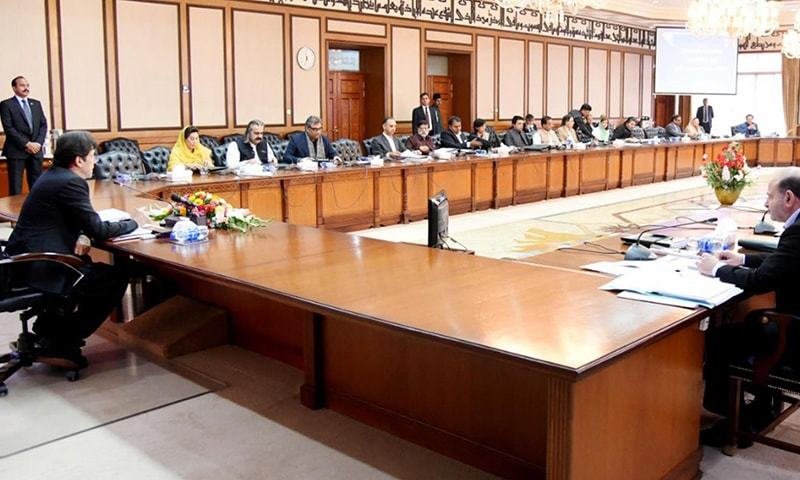
    The Economic Coordination Committee (ECC) of the cabinet has approved two summaries of the commerce and textile ministry to lift ban on import of cotton and white sugar from India.

    According to reports, there were 21 items on the agenda of the ECC meeting to be chaired by newly appointed Finance Minister Hammad Azhar. Commerce and Textile divisions had submitted five crucial summaries for approval besides others.

    At the agenda no. 16, the Textile Division summary sought permission from the ECC to lift ban on import of cotton and cotton yarn from India in a bid to bridge raw material shortfall for the value-added textile sector.

    In addition to this, another summary of the commerce ministry at agenda no. 20 also sought permission to allow import of white sugar from India through the Trading Corporation of Pakistan and commercial importers.

    The resumption of import of these goods will lead to partial revival of trade relations. On Aug 9, 2019 Pakistan downgraded trade relations with India in reaction to the latter’s decision to revoke Article 370 of its Constitution that granted occupied Kashmir a special status.

    In May 2020, Pakistan lifted the ban on import of medicines and raw material from India to ensure there is no shortage of essential drugs amid the COVID-19 pandemic. This was the first step of reversing of complete suspension of trade with India.

    However, Indian premier’s letter to Prime Minister (PM) Imran Khan on Pakistan Day was the first step in the right direction amid reports of UAE Royals brokering peace.

    On Tuesday, PM Imran replied to Modi’s letter, saying Pakistan also desired peaceful relations with India.

    “The people of Pakistan also desire peaceful, cooperative relations with all neighbours, including India,” he said in his reply.

    “I thank you for your letter conveying greetings on Pakistan Day.”