Tag: sugar prices

  • Jahangir Tareen faces tough challenges in Lodhran

    Jahangir Tareen faces tough challenges in Lodhran

    As the nation gears up for the upcoming general elections, political tensions have intensified in Lodhran district, specifically between the Pakistan Muslim League-Nawaz (PML-N) and the newly emerged Istehkam-i-Pakistan Party (IPP).

    Failure to reach a seat adjustment formula between the two parties may result in a challenging electoral battle for Jahangir Tareen, the chief of the IPP, in his native district of NA-155.

    Reports from Dawn indicate that Jahangir Tareen, strategically evaluating the situation, has taken preemptive measures by filing nomination papers for NA-149 in Multan as well.

    Tareen has submitted papers for two National Assembly seats and four Punjab Assembly seats, indicating a readiness for multiple contingencies.

    The primary contender against Tareen, PML-N’s Abdul Rehman Kanju, has publicly opposed any seat adjustment with the IPP. Kanju has urged the party leadership not to impose such an arrangement, potentially setting the stage for fierce competition in Lodhran.

    Amid this uncertainty, 14 candidates have submitted their nomination papers for NA-154 (Lodhran), including notable figures such as Abdul Rehman Kanju and Imtiaz Begum.

    Meanwhile, 14 candidates who submitted their nomination papers from NA-154 (Lodhran) include PML-N divisional president and ex-interior state minister Abdul Rehman Kanju, and his mother Imtiaz Begum, PTI leader Akhtar Khan Kanju (an uncle of Abdul Rehman Kanju), ex-MNA Nawab Amanullah Khan, Ajmal Khan Kanju, Rana Faraz Noon, Rana Afzal Noon, Pir Raza Shah, Imdadullah Abbasi of PPP, Sohail Khan Kanju, Muhammad Zubair, Zafar Iqbal, Irfan Ahmed and Ismat Bibi.

    As many as 20 candidates have filed papers from NA-155, including Jahangir Tareen, former MNA Siddique Khan Baloch, ex-MNA of PTI Muhammad Iqbal Shah, his son, ex-MPA Aamir Iqbal Shah, Mudassar Jahanzeb Shah, Rana Muhammad Rafiq of the Tehreek-i-Labbaik Pakistan (TLP), Shah Nawaz of the PPP, Ziaul Rehman Tamimi of the Jamiat Ulema-e-Islam (JUI), Sajid Iqbal of Pakistan Markazi Muslim League, Saleem Abbas of Saraiki Democratic Alliance, Muhammad Akram Qaiser, Muhammad Qasim, Ghulam Mustafa, Wasim Ahmed, Ahmed Deen Malik, and Nafees Murad Meo.

    A total of 19 candidates have filed papers from provincial assembly constituency PP-225 (Lodhran -1), They include Abdul Rehman Kanju, ex-minister Jail Zawwar Hussain Waraich, ex-MPA Pirzada Jahangir Bhutta, Tahir Hussain Khan, Muhammad Razaq, Muhammad Saleem Akhtar, Ashiq Hussain Baloch, Imran Habib Bhutta, Kaleem Hassan, Ali Hassan, Nadira Hayatullah, Aftab Ali Babar, Muhammad Mubeen, Mumtaz Hussain Baloch, Shazia Hayat Tareen, Intizar Ahmad Attari, Muhammad Yuosuf, Rab Nawaz Khan and Waseem Abbas.
  • Price of 10kg flour bag reaches nearly Rs1,500 

    Price of 10kg flour bag reaches nearly Rs1,500 

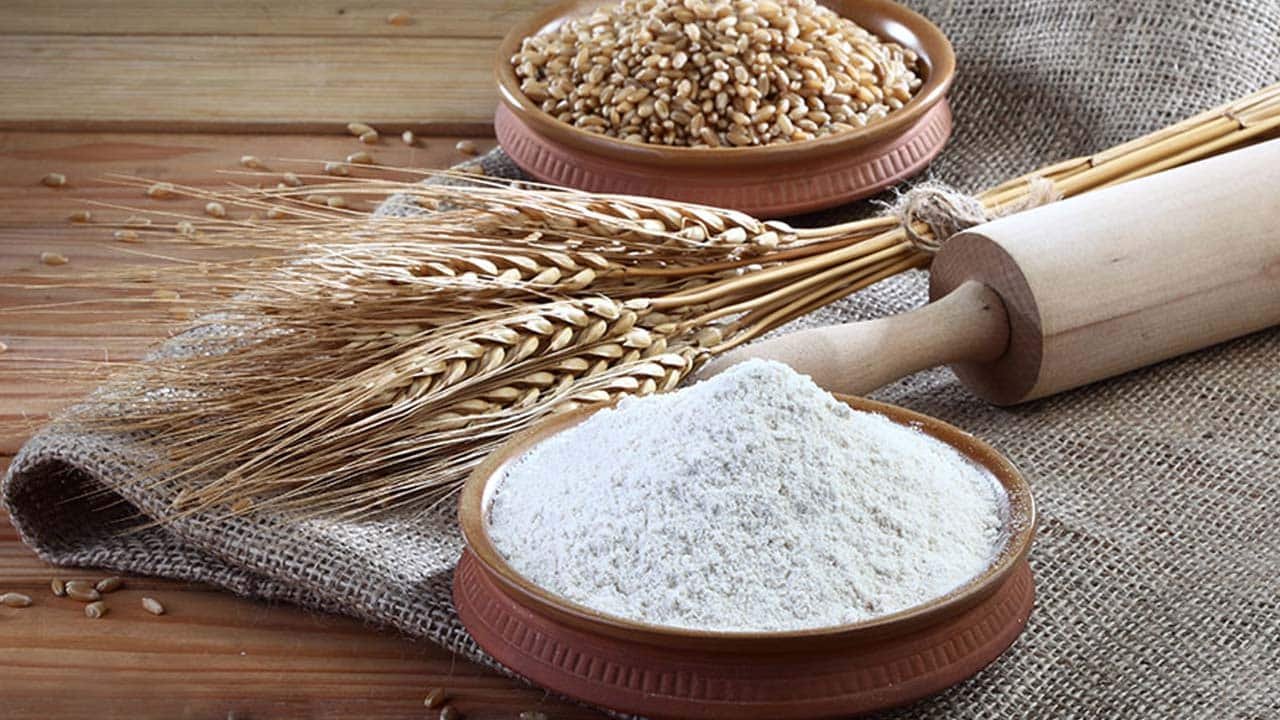
    The price of ‘chakki’ flour has recently experienced an increase of Rs10 to Rs12 per kilogramme in Hyderabad, the second-largest city in the province of Sindh.  

    Consequently, the price of a 10-kg sack of flour has risen from Rs1,350 to Rs1,470.  

    In an official statement, ‘chakki’ owners explained that the surge in prices is attributed to the increased cost of wheat. They clarified that the price of a 100-kg sack of wheat has escalated by Rs3,000, elevating it from Rs8,500 to Rs11,500.  

    According to their assertions, the prevailing market rate for a 100-kg sack of wheat is Rs12,000.  

    Earlier this month in Karachi, the retail price of flour was established at Rs127 per kilogramme following successful negotiations between Karachi Commissioner Salim Rajput and the flour mills association.  

    During the discussions, the association agreed to retail the flour at Rs127 and wholesale it at Rs120 per kilogramme in the city.  

    Furthermore, the wholesale market prices were set at Rs130 per kilogramme for fine flour and Rs134 per kilogramme for retail.  

    Meanwhile, there has been a noticeable increase in prices for sugar, flour, and other essential commodities at utility stores nationwide.   

    The reported prices reveal that sugar is priced at Rs155 in utility stores, compared to Rs142.54 in the open market, representing a Rs12.46 disparity.  

    Similarly, a 20-kg bag of flour is priced at Rs2,840 in utility stores, with an open market price of Rs2,706.32, reflecting a Rs133.68 difference. 

  • Things will get more expensive amidst soaring petroleum prices: Finance Ministry

    Things will get more expensive amidst soaring petroleum prices: Finance Ministry

    Due to the persistent escalation in energy and petroleum prices, it is anticipated that inflation will maintain its elevated trajectory in the months ahead.

    In its latest monthly economic update, the Ministry of Finance has presented a forecast indicating that inflation is poised to remain at an elevated level during the upcoming months. The report projects inflation to fall within the range of 29 per cent to 31 per cent for the month of September 2023, primarily attributing this surge to the notable uptick in prices of petroleum products and electricity.

    Furthermore, the report identifies several contributing factors to this inflationary pressure, including the possibility of surging transportation costs, a dearth of essential services and commodities, and the depreciation of the dollar, which has had a mitigating effect on imported inflation.

    In response to these challenges, the finance ministry has implemented rigorous measures to combat illegal currency exchanges and stockpiling activities while actively working to stabilise the exchange rate.

    The report also highlights a global trend of decreasing food grain prices, albeit with notable exceptions such as rice and sugar, whose prices have surged due to the ongoing conflict between Russia and Ukraine.

  • Karachi wholesale grocers announce market shutdown in protest against alleged illegal raids, fines

    Karachi wholesale grocers announce market shutdown in protest against alleged illegal raids, fines

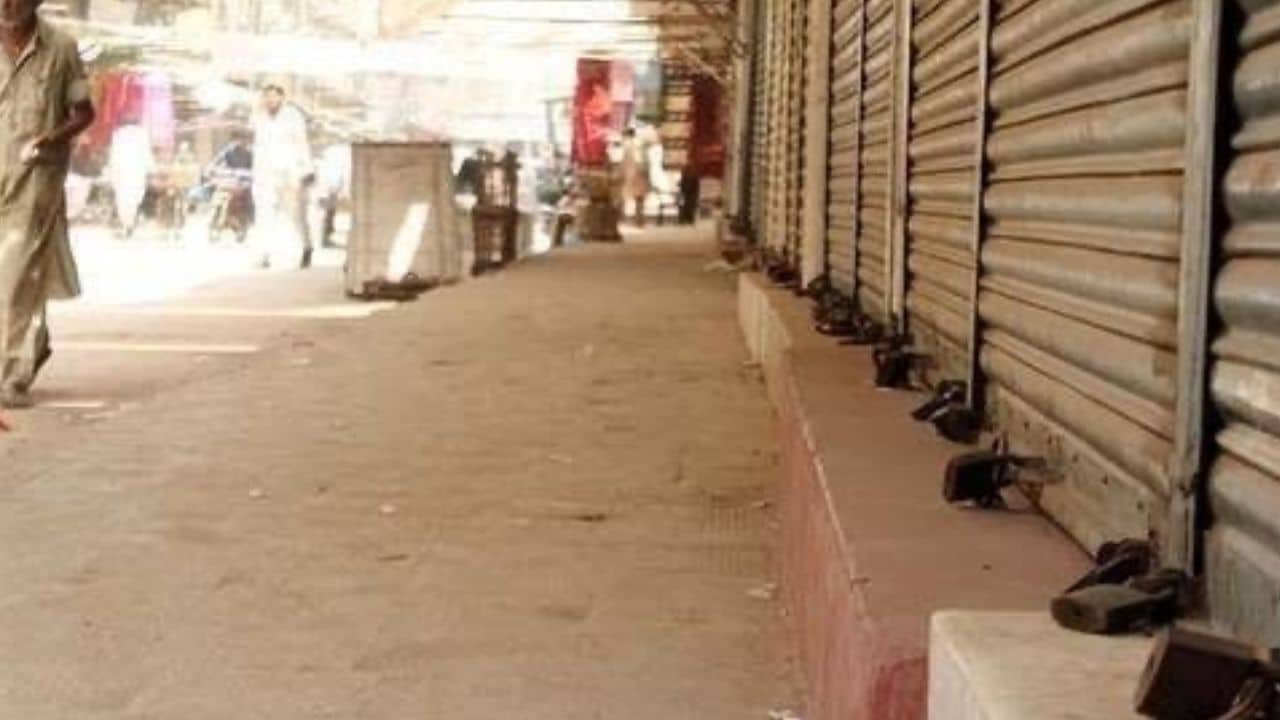
    Wholesalers in Karachi are set to stage a market shutdown on Monday in protest of what they consider unlawful raids and penalties imposed by the district administration in an effort to combat hoarding.

    According to ARY News, Rauf Ibrahim, the Chairman of the Karachi Wholesale Grocers Association (KWGA), held a press conference today, expressing concern that the district administration’s actions have created fear among traders due to shop and go-down closures. 

    He cautioned that they would cease operations at wholesale markets on Monday unless the district administration unseals these establishments. He said if these unjust raids and fines persist, we will suspend commodity markets on Monday.

    Ibrahim alleged that the district administration is sealing shops and go-downs under the pretext of cracking down on hoarding. He cited an instance where a shop owner in Joria Bazar was fined Rs30,000 for storing just two sacks of sugar.

    He criticised the categorisation of wholesalers with 100 to 500 sacks of sugar as hoarders and stressed that traders are willing to cooperate with authorities during hoarding crackdowns.

    Ibrahim urged the administration to take decisive action against genuine hoarders.

    To combat hoarding, federal and provincial governments have initiated operations in various cities, including Lahore, Rawalpindi, Islamabad, Faisalabad, Peshawar, Quetta, and Dera Ismail Khan, resulting in the confiscation of illegally stockpiled sugar.

    Meanwhile, a spokesperson for the Utility Stores Corporation (USC) assured that there is an ample supply of sugar available at controlled prices nationwide.

  • Sugar price expected to drop below Rs150 per kg

    Sugar price expected to drop below Rs150 per kg

    The Punjab caretaker government successfully resolved the issue of high sugar prices in the country through negotiations with sugar mill owners. 

    A delegation from the sugar mill owners met with Punjab Caretaker Chief Minister (CM) Mohsin Naqvi. Both sides agreed to start sugarcane crushing on October 28. 

    According to ARY, sugar mill owners agreed to sell sugar to the Punjab government at Rs140 per kilogramme, and the provincial government planned to distribute the sugar stocks through special stalls in model markets.

    CM Naqvi acknowledged the financial difficulties faced by citizens and promised to lower sugar prices to provide relief.

    Despite the commerce ministry denying any sugar shortages, prices had surged to over Rs200 per kilogramme in various cities across the country. 

    This led citizens in Quetta and Sukkur to buy sugar at Rs220 per kg, while Karachi markets sold it for Rs180 to Rs200 per kg. 

    Similarly, sugar prices rose to Rs195 to Rs200/kg in Lahore, Jhang, and Faisalabad.

    Previously, it was reported that sugar prices reached a record high of Rs220 per kg in Balochistan’s retail markets. 

    Authorities initiated an investigation into the price increase and tightened scrutiny on sugar mill owners and dealers in Lahore. The Punjab government planned to take action to reduce the soaring sugar prices.

  • Sugar prices soar to record highs, adding to woes of inflation-hit masses in Pakistan

    Sugar prices soar to record highs, adding to woes of inflation-hit masses in Pakistan

    Sugar prices across Pakistan have hit an all-time high, casting a cloud of concern and inconvenience among its populace. In a dramatic turn of events, the sugar market landscape underwent significant fluctuations, causing consumers to feel the pinch while traders and policymakers raced to decipher the root cause. 

    Reports from various regions of the country reveal staggering price disparities. In the southwestern province of Balochistan, the town of Chaman witnessed the highest sugar prices, with the sweet commodity soaring to an astonishing PKR 230 per kilogramme. Meanwhile, in the central Punjab town of Arifwala, the price of sugar reached PKR 185 per kilogramme, perplexing both buyers and sellers alike. 

    However, amidst this tumultuous surge in sugar prices, Karachi experienced a minor respite as wholesale prices dropped by PKR 2 to settle at PKR 176 per kilogram. Yet, the relief was not fully passed on to consumers, with the retail price stubbornly clinging to PKR 190 per kilogramme, as reported by the PPI news agency via Dawn. 

    The question on everyone’s mind: What led to this unprecedented rise in sugar prices? 

    The shocking escalation in sugar prices came on the heels of growing concerns expressed by Pakistan’s caretaker government regarding depleting sugar stocks. Dawn’s report identifies rising sugarcane prices and court orders as the primary contributors to the spiralling sugar prices. 

    Furthermore, dealers have attributed the surge to a logistical nightmare, where the supply of sugar was severely disrupted due to vehicles getting stranded on national highways following the suspension of permits.

    Senator Taj Haider added another layer of complexity to the issue, alleging that former minister Rana Sanaullah allowed a massive 1.4 million tonnes of sugar to be smuggled, thus exacerbating the crisis.

    In this blame game, Haider emphasised that Naveed Qamar, Pakistan’s former Commerce Minister, had officially authorised the export of approximately 250,000 metric tonnes of sugar to bolster foreign exchange reserves. He vehemently defended his party colleague, rejecting any implication that Qamar was responsible for the ongoing sugar shortage. 

    Read more: Saudi Arabia to invest $25 billion in Pakistan over five years

    The repercussions of the sudden sugar price surge have further deepened the financial woes of the Pakistani people, who are already grappling with the burdensome weight of inflation. The situation has prompted policymakers, traders, and citizens alike to closely monitor the ever-changing dynamics of the sugar market. 

    As Pakistan grapples with the sugar crisis, the nation remains hopeful for a sweet resolution that can alleviate the hardships faced by its people in these challenging times. 

  • Govt aims to resolve issues of the business community: Finance Minister

    Govt aims to resolve issues of the business community: Finance Minister

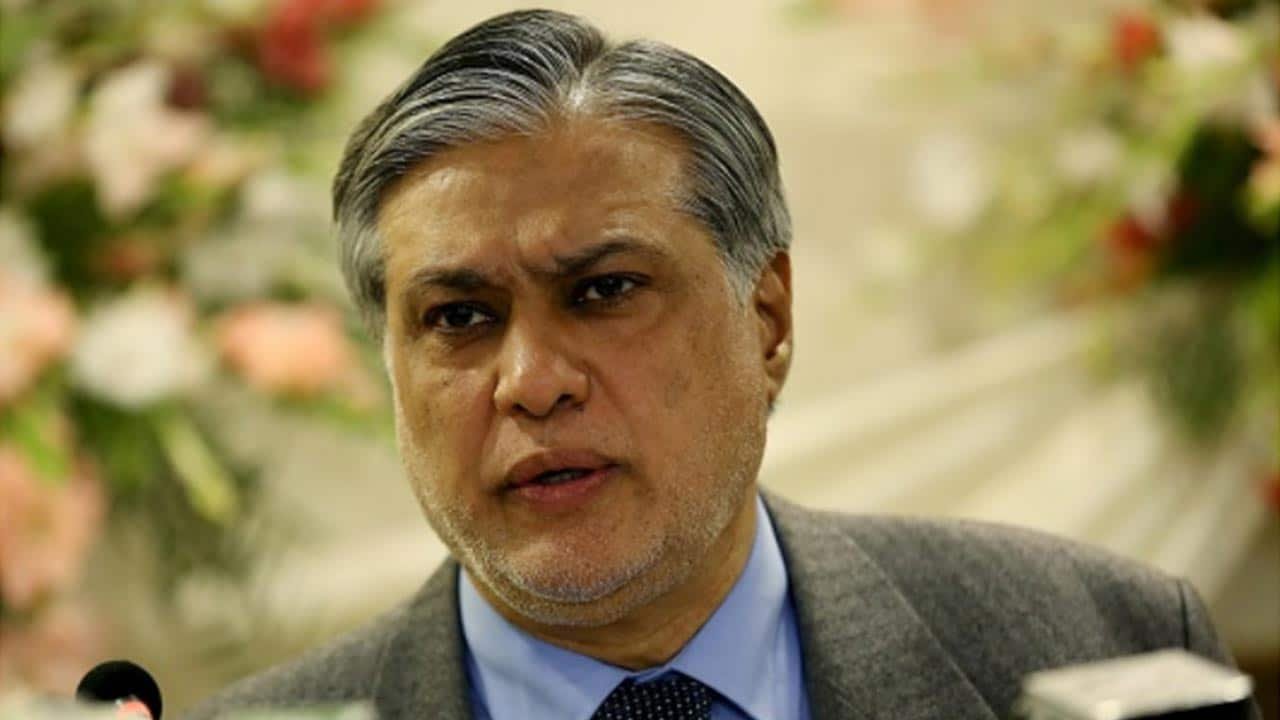
    Federal Minister for Finance and Revenue Ishaq Dar said that the goal of the current administration is to facilitate the business community and maintain the trajectory of the nation’s economy.

    According to a press release, he said this while speaking with a team from the Pakistan Sugar Mills Association (PSMA) led by its chairman, Asim Ghani Usman.

    Senior officers from the Finance Division as well as Federal Ministers for Industries and Production Syed Murtaza Mahmud, National Food Security and Research Tariq Bashir Cheema, SAPM on Finance Tariq Bajwa, Chairman FBR, Vice Chairman PSMA Iskander M. Khan, and Vice Chairman PSMA Ahmed Ebrahim Hasham attended the meeting.

    The Finance Minister was informed about the sugar industry’s contribution to the nation’s overall economic development by PSMA Chairman Asim Ghani Usman.

    He also gave a presentation to the group on the problems the sugar sector is having with the GST, stock availability, and sugar export.

    Senator Ishaq Dar, the minister of finance, highlighted the need of sustaining sugar prices and strategic reserves in order to provide the greatest amount of comfort to the general populace.

    He told Chairman PSMA that the current administration is aware of the problems that Pakistan’s sugar sector and sugar cane farmers are now facing.

    Dar promised the group he would deal with their concerns and find a solution as soon as possible. He also offered them his complete support and collaboration.

  • ‘Didn’t meet Tareen,’ Shahzad Akbar and Ali Zafar deny allegations

    ‘Didn’t meet Tareen,’ Shahzad Akbar and Ali Zafar deny allegations

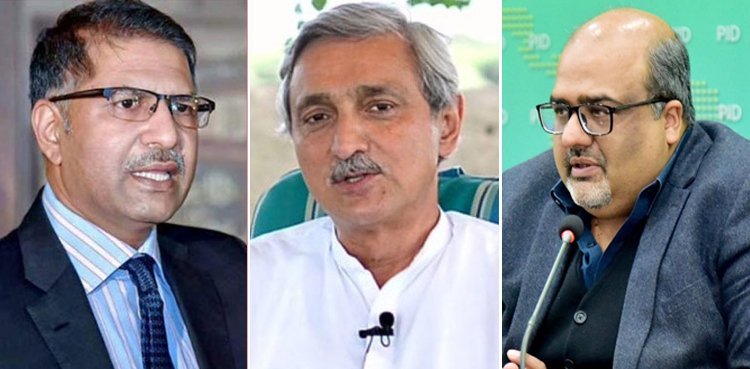
    Prime Minister Imran Khan’s Advisor on Accountability Shahzad Akbar on Wednesday denied reports that he had met disgruntled Pakistan Tehreek-e-Insaf (PTI) leader Jahangir Khan Tareen (JKT).

    Both Shahzad Akbar and Barrister Ali Zafar denied having a joint meeting with Tareen in Islamabad, which was claimed by Raja Riaz, a member of the JKT group.

    Akbar took to Twitter to categorically deny he met Tareen.

    “Contrary to reports/statements on media, there has been no meeting with JKT. Barrister Ali Zafar has already denied any report being associated with him on the issue of pending FIA investigations,” tweeted Akbar.

    “PM Imran Khan’s commitment with the process of accountability and justice remains unshakable,” he added.

    Meanwhile, Senator Ali Zafar said he had meetings with Tareen but did not see him in the presence of Akbar on Tuesday.

    Raja Riaz also claimed that the one-man committee constituted by PM has given a clean chit to Jahangir Tareen.

    “Barrister Zafar had briefed advisor to the prime minister on accountability Shahzad Akbar and Jahangir Tareen in a meeting on Tuesday in Islamabad on his findings of the sugar scam probe. Zafar told them that Tareen had not been found guilty of the charges framed by the FIA Lahore,” said Riaz.

    Barrister Ali Zafar denied this news as well.

    “Some persons/media are busy guessing on what my findings in JKT (Jahangir Khan Tareen) turn out to be. Let me make it clear that there is no report submitted by me,” tweeted Zafar.

    “Any findings, not necessarily in writing, shall be purely internal to the PTI and have no legal value or status nor can the same have any relevance to or affect pending inquiries/investigations against the sugar barons or Tareen,” Zafar said in a series of tweets on Wednesday.

    “I have been tasked to see into complaints of JKT and will be making my recommendations directly and only to the PM once I conclude,” tweeted Zafar.

    The FIA had registered two FIRs against Jahangir Tareen and his son Ali Tareen under Rs5 billion money laundering and fraud charges in the sugar ‘scam’. Both are on interim bail till May 31.

    Last month, PM Khan had formed a one-man committee comprising Barrister Ali Zafar to ascertain whether there was any truth to the concerns that some people holding key positions in the government and the PTI were politically victimising Tareen.

  • Jahangir Tareen announces selling 20,000 tonnes of sugar for Rs67 per kg

    Jahangir Tareen announces selling 20,000 tonnes of sugar for Rs67 per kg

    As sugar prices skyrocket following a severe shortage in major parts of the country, senior Pakistan Tehreek-e-Insaf (PTI) leader and owner of JDW Sugar Mills Limited — the largest white sugar producer in the country –, Jahangir Khan Tareen, has announced to sell whopping 20,000 tonnes of the commodity for just Rs67 per kilogramme (kg).

    Speaking to a private media outlet, Tareen said that Sugar Mills Association, in a bid to control inflating prices of sugar, had decided to provide Utility Stores with 100,000 tonnes of the same at Rs70 per kg. “Out of my share, I will sell 20,000 tonnes at Rs67 per kg,” he added.

    It merits a mention that according to reports, JDW Sugar Mills Limited in January announced its financial results for the first quarter that ended on December 31, 2019, which showed that its revenue went up by 61.45% to Rs13.19 billion during the first quarter as compared to Rs8.17 billion recorded in the same period last year.

    The sugar division comprises three sugar mills units, JDW Unit-I, JDW Unit-II and JDW Unit-III in Rahim Yar Khan and Ghotki districts. It is one of the largest groups in the sugar sector and contributes approximately 15-17% of the country’s sugar production. It is also managing Sugarcane Corporate Farms over an area of 24,000 acres in Punjab and Sindh.

    While people allege that the government had a role to play in scoring Tareen these profits, as of last month, a serious case of sugar shortage emerged as the country already stumbled amid a wheat crisis.

    During the PTI government’s 15 months, sugar prices have shot up to as high as Rs64 a kilogram (kg). However, over the past week, the wholesale rate rose from Rs64 to Rs74 per kg and an acute shortage surfaced in the country. Last year, Pakistan produced 600,000 tonnes of sugar. Now, however, the wholesale rate of sugar is expected to reach Rs80 per kg, The News reported.

    Meanwhile, the Prime Minister (PM) Imran Khan-led PTI government has banned export of sugar and turned down a proposal to import the commodity in order to maintain prices in the domestic market.

  • Jahangir Tareen’s sugar mills post profit of Rs138.92 million in three months: report

    Jahangir Tareen’s sugar mills post profit of Rs138.92 million in three months: report

    Pakistan Tehreek-e-Insaf (PTI) stalwart Jahangir Tareen’s sugar mills have reportedly posted a profit after tax of Rs138.92 million — a 170% increase in gross profits in three months — as compared to a loss of Rs353 million recorded in the same period last year.

    According to media reports, JDW Sugar Mills Limited has announced its financial results for the first quarter that ended on December 31, 2019, which show that the revenue of the largest white sugar producer in the country went up by 61.45% to Rs13.19 billion during the first quarter as compared to Rs8.17 billion recorded in the same period last year.

    The sales have increased mainly due to an increase in average selling prices of sugar, molasses and carryover sugar stocks.

    The sugar division comprises three sugar mills units, JDW Unit-I, JDW Unit-II and JDW Unit-III in Rahim Yar Khan and Ghotki districts. It is one of the largest groups in the sugar sector and contributes approximately 15-17% of the country’s sugar production. It is also managing Sugarcane Corporate Farms over an area of 24,000 acres in Punjab and Sindh.

    While people allege that the government had a role to play in scoring Tareen these profits, it is pertinent to note that as of last week, a serious case of sugar shortage had emerged as the country already stumbled amid a wheat crisis.

    During the PTI government’s 15 months, sugar prices have shot up to as high as Rs64 a kilogram (kg). However, over the past week, the wholesale rate rose from Rs64 to Rs74 per kg and an acute shortage surfaced in the country. Last year, Pakistan produced 600,000 tonnes of sugar. Now, however, the wholesale rate of sugar is expected to reach Rs80 per kg, The News reported.

    Further, if the government does with sugar what it did with wheat-flour and does not halt exporting it, prices could reach up to Rs100 per kg in Pakistan.