Tag: summer

  • What is causing extreme heat in Karachi?

    What is causing extreme heat in Karachi?

    As Karachi grapples with an intense heat wave, meteorological analyst Jawad Memon has devised a reason for the spike in temperatures, attributing the heat to humid winds and moisture from the Arabian Sea.

    Geo reports that Memon has said that instead of experiencing rain during the monsoon in Karachi, temperatures are higher than normal. The sea surface temperature of the Arabian Sea has been above normal for the past few months, absorbing more heat into the atmosphere.

    The meteorological analyst has stated that humid winds are also blowing into the city from the northeast. Due to the moist winds and moisture from the Arabian Sea, temperatures exceed 55 degrees Celsius.

    The abnormally high pressure near Iran prevents the monsoon winds from reaching Karachi, Thatta, and Badin. High pressure is expected to persist for one to two days before likely decreasing.

    The analyst also notes that light to moderate rain is expected in Karachi from July 19 to 21. After July 22, sea breezes are expected to return to normal, with a significant monsoon spell expected in Karachi in August.

  • Dozens of cattle die in Karachi heat

    Dozens of cattle die in Karachi heat

    Karachi Cattle Farms Association spokesperson Shabir Dar has reported that 150 animals have died in a span of three days as temperatures increase in the coastal city, Samaa news has reports.

    Cattle farmers are facing financial losses as timely treatment remains elusive.

    Shabir Dar emphasised that despite the challenges, including the absence of veterinary doctors from the livestock department, it is crucial for the department to ensure the supply of care and medicines.

    Yesterday, following the mercury hitting 41 degrees Celsius in Karachi, concerns among residents escalated. Over the past four days, more than 70 people affected by extreme heat sought treatment at Civil and Jinnah Hospitals.

    Dr. Nizam, AMS Civil Hospital, reported that 67 heat-affected individuals were admitted to the emergency room, predominantly elderly or those suffering from various illnesses.

    Chief Meteorologist Sardar Sarfraz has forecast a partial heatwave in Karachi for the next two days, attributing the intensified heat to changing winds. Temperatures are expected to decrease after two days, with monsoon rains likely starting in the first week of July.

  • Eight patients die in Karachi Civil Hospital amidst extreme heat

    Eight patients die in Karachi Civil Hospital amidst extreme heat

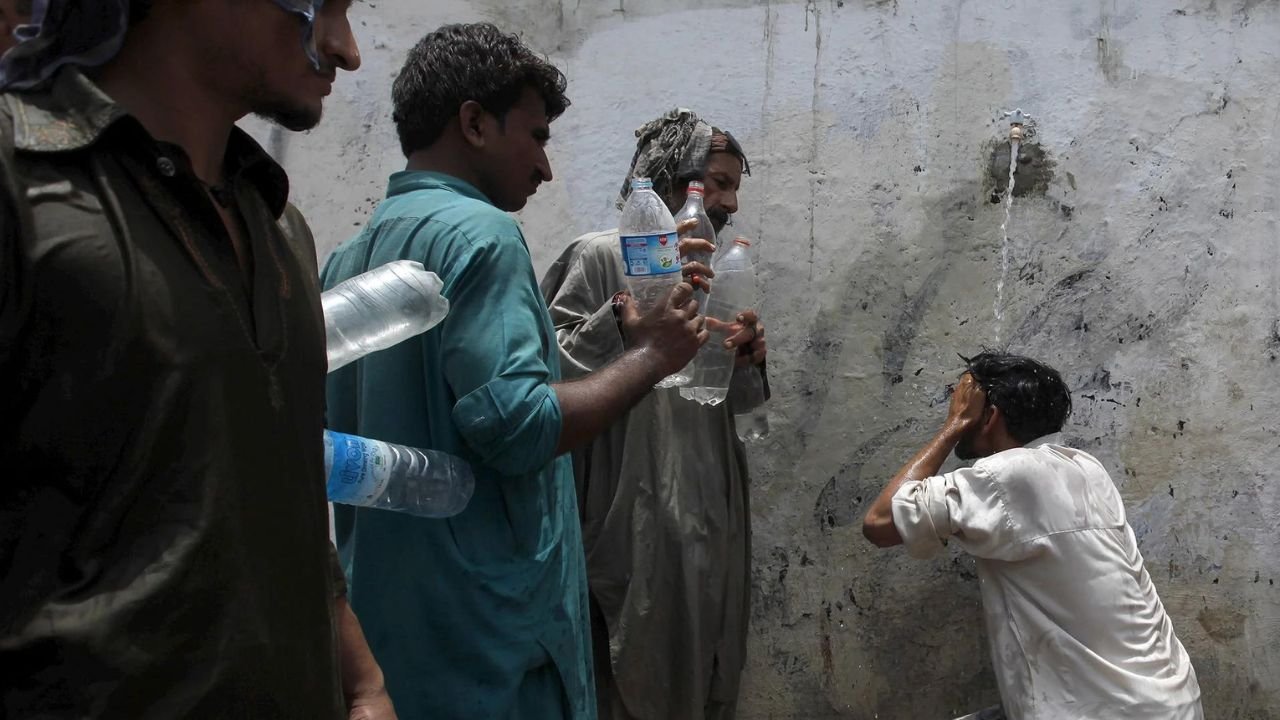
    The administration of Civil Hospital in Karachi has reported the death of eight patients due to severe dehydration among 40 to 45 heat-affected individuals brought to the emergency room. The deceased suffered from co-morbidities such as epilepsy, diabetes, and high blood pressure.

    Meanwhile, the meteorological department has forecasted intense heat for the next two days in Karachi. Health experts have advised citizens to avoid direct sunlight, stay hydrated, and wear light-coloured, loose clothing.

    For the second consecutive day, Karachi experienced scorching temperatures in to the absence of sea breezes during the day, leading to severe heat discomfort among residents.

    Additionally, rescue sources reported the discovery of seven bodies of drug addicts from various parts of the city today, bringing the total to 17 deaths in the last two days.

    Temperatures soared to 42 degrees Celsius, with the ‘Feels Like’ at 50 degrees in some areas such as Gulistan Johar where apartments recorded 43.7 degrees Celsius.

    Furthermore, water supply disruptions were reported across Karachi during the heatwave. Areas like Federal B Area Blocks 19 and 20, as well as Kharadar, faced water shortages. Protests erupted in Baldia Naval Colony and Musa Colony due to the lack of water and electricity.

  • 10 bodies found in Karachi in nine hours: rescue officials

    10 bodies found in Karachi in nine hours: rescue officials

    Geo news has reported that 10 bodies were found in Karachi in a span of nine hours on Sunday.

    Rescue officials revealed that all the individuals were likely drug addicted, adding that three bodies were discovered at the KMC ground in Lyari’s Lashari neighborhood while other were found in Golimar, Jahangir Road, Landhi Godam Chowrangi, Defense Phase Seven, Orangi Town Sector 15, and Khamisu Goth.

    The bodies were initially taken to respective police stations and then to the mortuary.

  • New must-watch dramas this summer

    New must-watch dramas this summer

    Get ready for a summer filled with compelling storytelling, as Pakistani dramas cover family dynamics, politics, mental health, and education. These themes deeply resonate with viewers, drawing them into the characters’ experiences.

    Let’s find out what exciting new stories these upcoming dramas have for us!

    Danish Taimoor and Laiba Khurram Star in ‘Teri Chhaon Mein’

    Danish Taimoor and Laiba Khurram team up for ‘Teri Chhaon Mein.’ Despite its old-fashioned title, the characters are fresh. Danish plays a soft, loving boy, while Laiba plays a family-oriented girl who lacks confidence and independence. The teasers suggest their relationship will face challenges, adding suspense. Danish’s character might show unexpected traits, keeping viewers curious. Let’s see how their story unfolds in this new drama.

    Written by Radain Shah and directed by Abdullah Badini, ‘Teri Chhaon Mein’ is produced by Momina Duraid Productions.

    Asad Siddiqui, Nawal Saeed, Yashma Gill, and Aagha Ali star in a new drama

    Asad Siddiqui, Nawal Saeed, Yashma Gill, and Aagha Ali come together for the first time in this star-studded drama. The teasers suggest a love triangle involving two brothers. Aagha Ali plays the controlling brother, while Asad Siddiqui is the innocent one overshadowed by his sibling. Nawal Saeed plays a character focused on wealth, a departure from her previous roles. Yashma Gill’s character remains a mystery, adding intrigue.

    Written by Zanjabeel Asim Shah and directed by Aabis Raza, this drama is produced by Abdullah Kadwani and Asad Qureshi under 7th Sky Entertainment.

    ‘Ishq Hua’: A Love Story featuring Haroon Kadwani and Komal Meer

    Get ready for a rollercoaster ride as Haroon Kadwani and Komal Meer star in ‘Ishq Hua,’ an intense love story. With cutting-edge visuals and a gripping plot, this drama promises more than just romance. It explores the extreme consequences of passionate love, with every moment full of emotion. The cast also includes Sahar Hashmi, Fazila Qazi, and Sohail Sameer.

    Written by Nooran Makhdoom and directed by Syed Wajahat Hussain, ‘Ishq Hua’ is produced by Abdullah Kadwani and Asad Qureshi under 7th Sky Entertainment.

  • Indian capital records highest-ever temperature of 49.9 Celsius

    Indian capital records highest-ever temperature of 49.9 Celsius

    New Delhi (AFP) – Temperatures in India’s capital have soared to a record-high 49.9 degrees Celsius (121.8 Fahrenheit) as authorities warn of water shortages in the sprawling mega-city.

    The India Meteorological Department (IMD), which reported “severe heat-wave conditions”, recorded the temperatures on Tuesday at two Delhi suburbs stations at Narela and Mungeshpur.

    The weather bureau said the temperatures were nine degrees higher than expected.

    Forecasters predict similar temperatures Wednesday for the city of more than 30 million people, issuing a red alert warning notice for people to take care.

    In May 2022, parts of Delhi hit 49.2 degrees Celsius (120.5 Fahrenheit), Indian media reported at the time.

    India is no stranger to searing summer temperatures.

    But years of scientific research have found climate change is causing heatwaves to become longer, more frequent and more intense.

    ‘Water scarcity’

    New Delhi authorities have also warned of the risk of water shortages as the capital swelters in headache-inducing heat — cutting supplies to some areas.

    Water Minister Atishi Marlena has called for “collective responsibility” in stopping wasteful water use, the Times of India newspaper reported Wednesday.

    “To address the problem of water scarcity, we have taken a slew of measures such as reducing water supply from twice a day to once a day in many areas,” Atishi said, the Indian Express reported.

    “The water thus saved will be rationed and supplied to the water-deficient areas where supply lasts only 15 to 20 minutes a day,” she added.

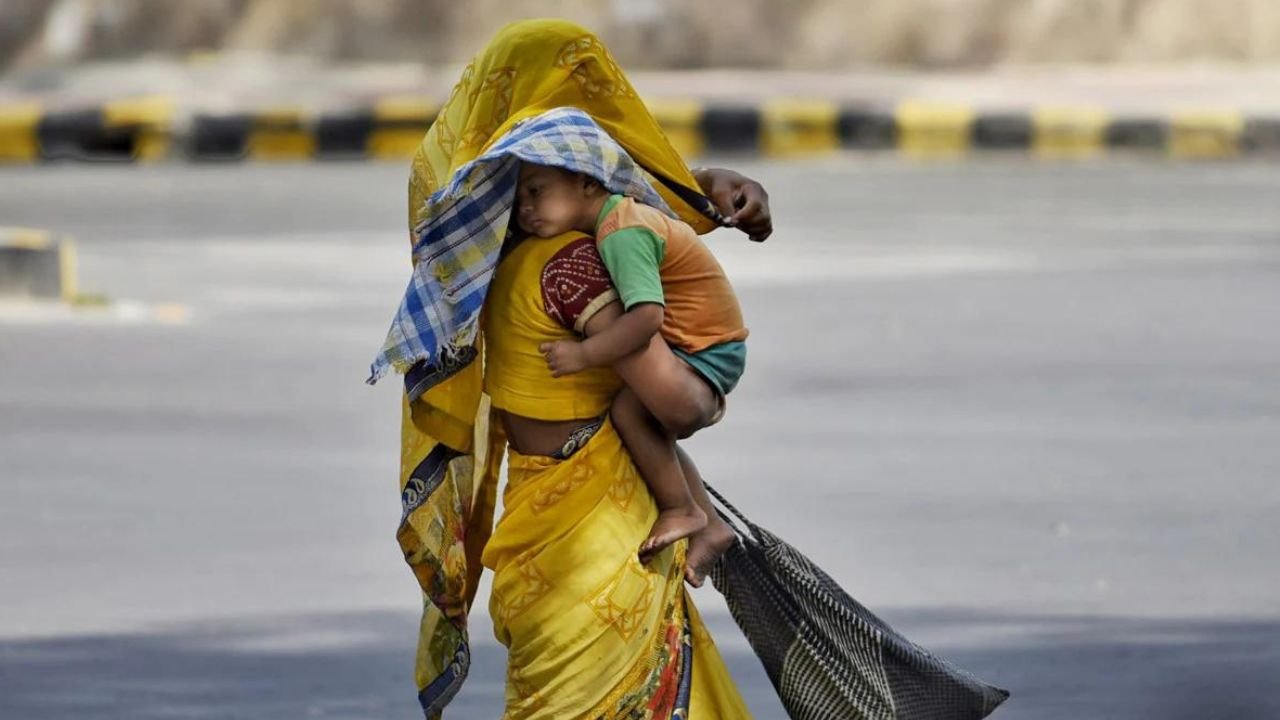
    The IMD warned of the heat’s impact on health, especially for infants, the elderly and those with chronic diseases.

    Many blame the soaring temperatures on scorching winds from Rajasthan state, where temperatures on Tuesday were the hottest in the country, at 50.5 degrees Celsius.

    Rajasthan’s desert region of Phalodi holds the country’s all-time heat record, hitting 51 degrees Celsius in 2016.

    At the same time, West Bengal state and the northeastern state of Mizoram have been struck by gales and lashing rains from Cyclone Remal, which hit India and Bangladesh on Sunday, killing more than 38 people.

    Bangladesh’s Meteorological Department said the cyclone was “one of longest in the country’s history”, blaming climate change for the shift.

  • Why is Pakistan severely hit by heatwaves?

    Why is Pakistan severely hit by heatwaves?

    The Meteorological Department has explained the reason behind the ongoing heatwave in Pakistan.

    Most of the plain areas of the country will continue to be affected by extreme heat in the coming days, while this week in Karachi, temperature is likely to reach 42 degrees Celsius.

    But why is heatwave so severe in Pakistan?

    According to the Department of Meteorology, the phenomenon has stemmed from the combination of meteorological and environmental factors.

    To sum it up, high air pressure in the upper atmosphere and the presence of limited clouds lead to heatwaves.

    This year, scorching heat across the country broke yet another record, with Mohenjo-Daro being the hottest city in the country at 53 degrees on Sunday.

  • India shuts schools as temperatures soar

    India shuts schools as temperatures soar

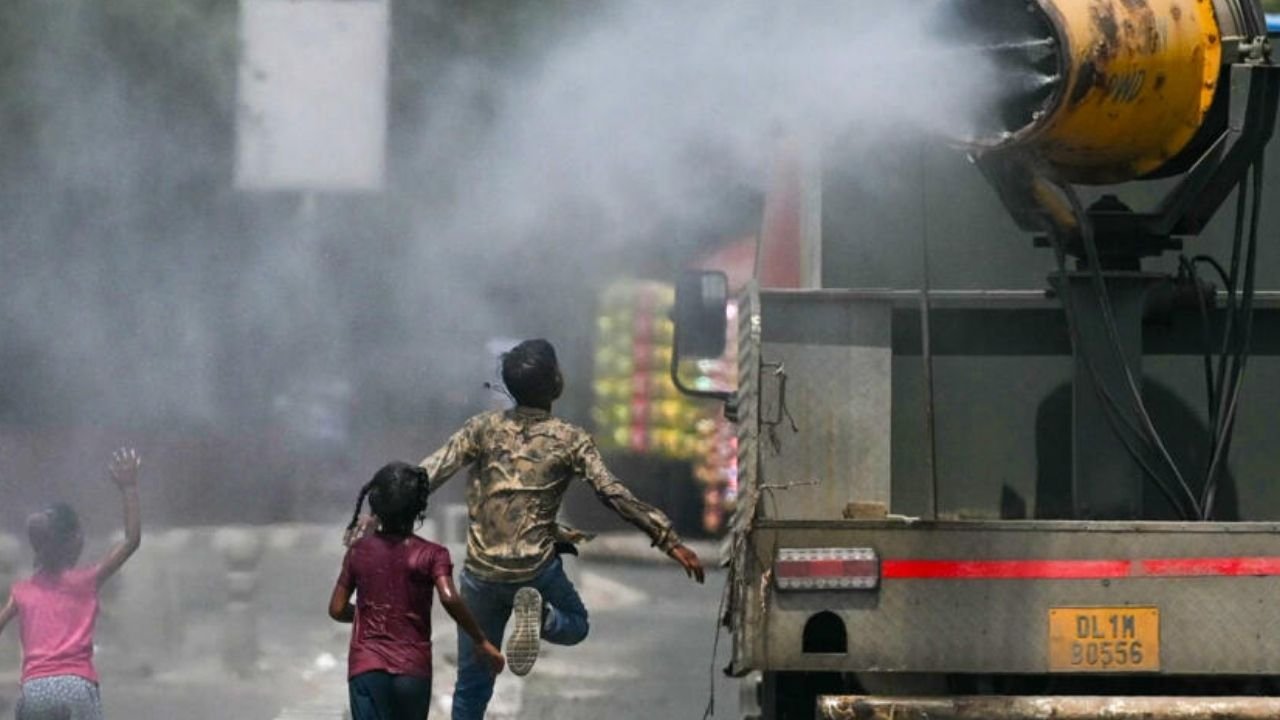
    Indian authorities in the capital have ordered schools shut early for the summer holiday, after temperatures hit 47.4 degrees Celsius (117 degrees Fahrenheit) with Delhi gripped by a “severe heatwave”.

    Delhi city officials asked schools to shut with “immediate effect” due to the blistering heat, according to a government order quoted by the Hindustan Times Tuesday, cutting short the term by a few days.

    India’s weather bureau has warned of “severe heatwave conditions” this week, with the mercury reaching the sizzling peak of 47.4 degrees Celsius in Delhi’s Najafgarh suburb on Monday, the hottest temperature countrywide.

    Authorities in other states — including Haryana, Madhya Pradesh, Punjab and Rajasthan — have also ordered schools close, Indian Today reported.

    India is no stranger to searing summer temperatures.

    But years of scientific research have found climate change is causing heatwaves to become longer, more frequent and more intense.

    The Indian Meteorological Department warned of the impact of the heat on the health especially for infants, the elderly and those with chronic diseases.

    In May 2022, parts of Delhi hit 49.2 degrees Celsius (120.5 Fahrenheit), Indian media reported at the time.

    The next round of voting in India’s six-week-long election takes place on Saturday, including in Delhi.

    Turnout in voting has dipped, with analysts suggesting the hotter-than-average weather is a factor — as well as the widespread expectation that Prime Minister Narendra Modi will easily win a third term.

    India’s election commission has formed a task force to review the impact of heatwaves and humidity before each round of voting.

    At the same time, India’s southern states including Tamil Nadu and Kerala have been lashed by heavy rains over the past few days.

    Severe storms also hit parts of the country last week, including in the financial capital Mumbai, where strong winds flattened a giant billboard that killed 16 people and left dozens more trapped.

    ash/pjm/sn

    © Agence France-Presse

  • Heatwave swells Asia’s appetite for air-conditioning

    Heatwave swells Asia’s appetite for air-conditioning

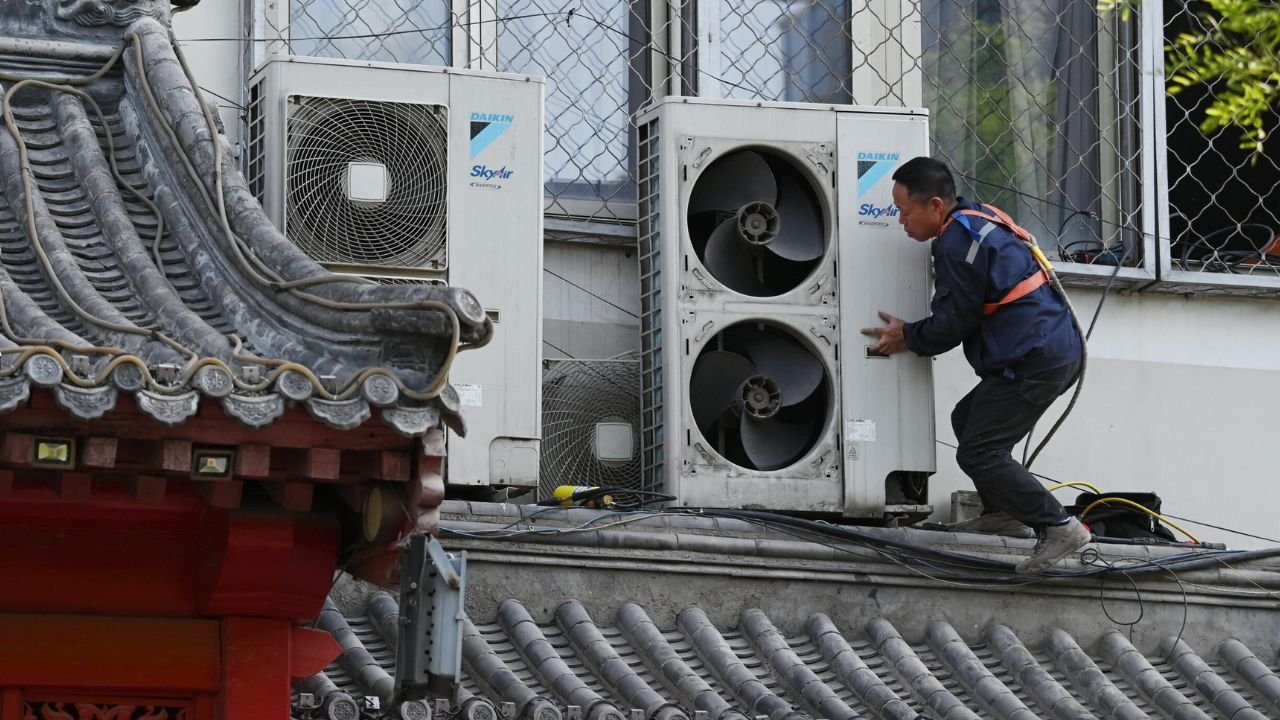
    Hong Kong (AFP) – A record-breaking heatwave is broiling parts of Asia, helping drive surging demand for cooling options, including air-conditioning.

    AC exhaust units are a common feature of urban landscapes in many parts of Asia, clinging like limpets to towering apartment blocks in Hong Kong or tucked in a cross formation between the windows of a building in Cambodia.

    They offer relief from temperatures that have toppled records in recent weeks, with many countries in the region hitting 40 degrees Celsius (104 Fahrenheit) or higher.

    Scientists have long warned that human-induced climate change will produce more frequent, longer and more intense heatwaves.

    Only 15 percent of homes in Southeast Asia have air-conditioning, according to a 2019 report by the International Energy Agency (IEA).

    But that figure obscures vast variations: ranging from around 80 percent installation in Singapore and Malaysia, to less than 10 percent in Indonesia and Vietnam, the IEA said.

    Forecasts suggest that higher temperatures and better wages could see the number of air-conditioning units in Southeast Asia jump from 40 million in 2017 to 300 million by 2040.

    That would stretch local electricity capacity, which is already struggling under current conditions.

    Myanmar is producing only about half the electricity it needs each day, with the junta blaming weak hydropower because of scant rains, low natural gas yields and attacks by its opponents on infrastructure.

    Thailand has seen record power demand in recent weeks, as people retreat indoors to cooled homes or businesses.

    Air-conditioning is already responsible for the emission of approximately one billion metric tons of carbon dioxide per year, according to the IEA, out of a total of 37 billion emitted worldwide.

    Still, cooling options like air-conditioning are a key way to protect human health, especially for those who are most vulnerable to the effects of extreme heat: children, the elderly and those with certain disabilities.

    With demand surging, dozens of countries last year signed up to the United Nations’ Global Cooling Pledge, a commitment to improve the efficiency of air conditioners and reduce emissions from all forms of cooling.

    Some countries have been trying to reduce the impact of cooling for years.

    Since 2005, Japan has encouraged office workers to ditch ties and jackets so air conditioners can be kept at 28 degrees Celsius.

    The annual “Cool Biz” programme took on new significance during power shortages in 2011 following the shutdown of nuclear plants after the Fukushima disaster.
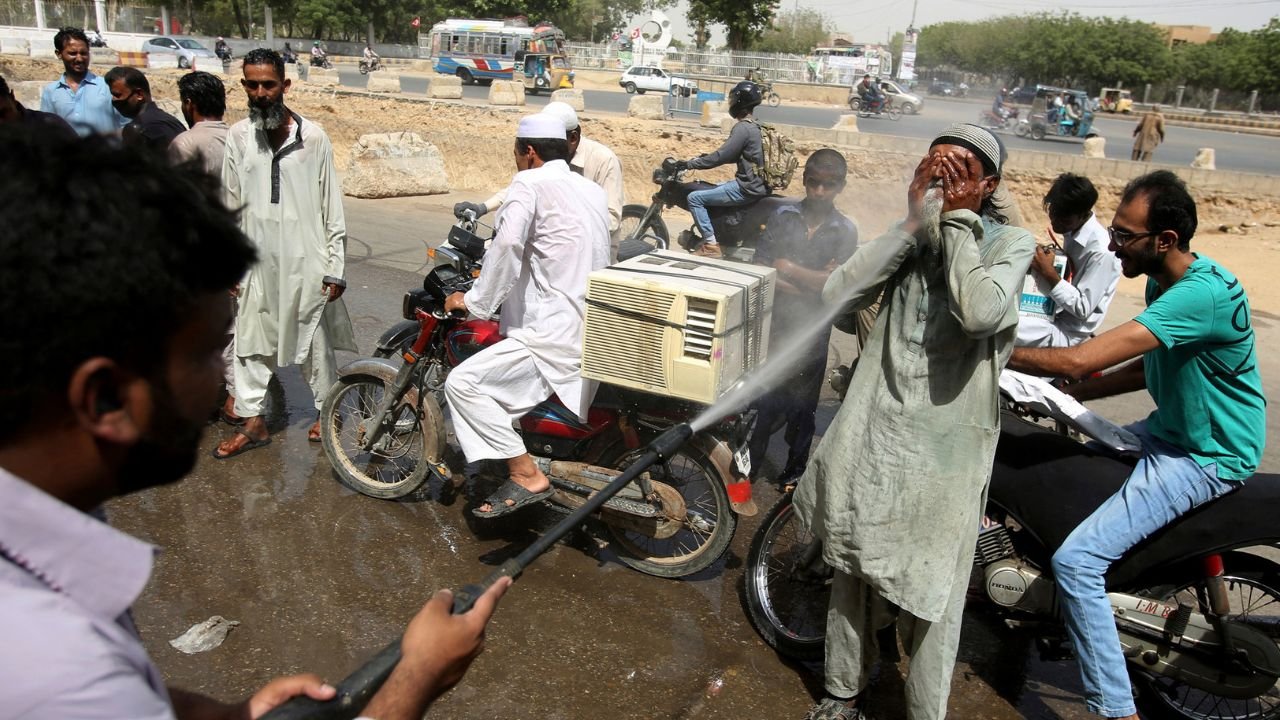

  • Heatwaves to last longer amidst climate change

    Climate change is causing heat waves to slow to a crawl, exposing humans to extreme temperatures for longer than ever before, a study published in Science Advances said Friday.

    While previous research has found climate change is causing heat waves to become longer, more frequent and more intense, the new paper differed by treating heat waves as distinct weather patterns that move along air currents, just as storms do.

    For every decade between 1979 to 2020,  researchers found heat waves slowed down by an average of five miles (eight kilometers) an hour per day.

    “If a heatwave is moving slower, that means heat can stay in a region longer, so that has effects on communities,” senior author Wei Zhang of Utah State University told AFP.

    The researchers divided the world into three dimensional-grid cells and defined heat waves as a million square kilometer zones where temperatures reached at least the 95th percentile of the local historical maximum temperature. They then measured their movement over time in order to determine how fast the hot air was moving.

    They also used climate models to determine what the results would have looked like absent human-caused climate change, and found manmade factors loomed large.

    “It’s pretty clear to us that a dominant factor here to explain this trend is anthropogenic forcing, the greenhouse gas,” said Zhang.

    The changes have accelerated in particular since 1997 and in addition to human causes, weakening upper atmospheric air circulation may play a part, the paper said.

    The duration of heat waves also increased, from an average of eight days at the start, to 12 days during the last five years of the study period.

    “The results suggest that longer-traveling and slower-moving large contiguous heat waves will cause more devastating impacts on natural and societal systems in the future if GHG keep rising, and no effective mitigation measures are taken,” the authors wrote.

    Zhang said he was worried by the disproportionate impacts on less-developed regions.

    “In particular, cities that don’t have enough green infrastructure or not many cooling centers for some folks, in particular for the disadvantaged population, will be very dangerous,” he warned.

    la-ia/mdl

    © Agence France-Presse