Tag: SuperCar

  • Talibans unveil first Afghani ‘supercar’ with Toyota Corolla Altis 1.8 engine

    Talibans unveil first Afghani ‘supercar’ with Toyota Corolla Altis 1.8 engine

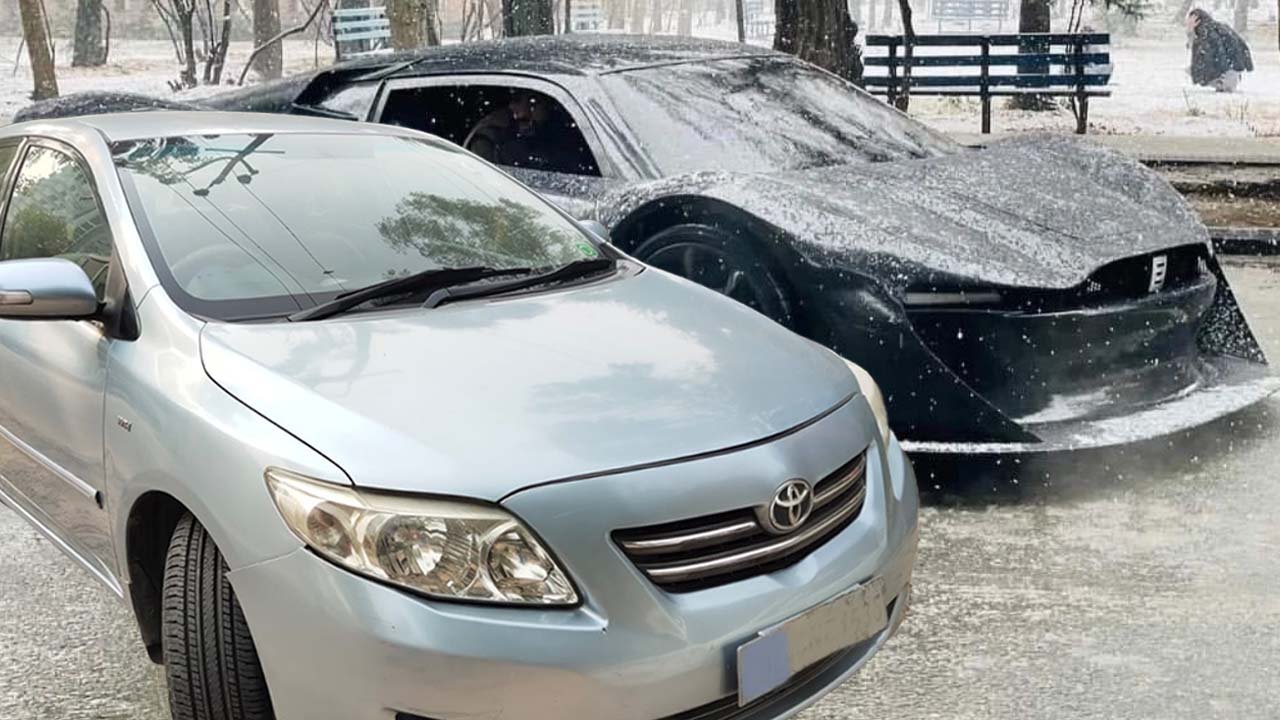
    Even though Afghanistan has recently made headlines for its restrictions on women, its people have now come up with something that is putting it on the map for the right reasons: a homegrown supercar called the Mada 9.

    The five-year design and development process for the sporty-looking Mada 9 prototype sports car was overseen by 30 engineers from the manufacturer ENTOP and Kabul’s Afghanistan Technical Vocational Institute (ATVI).

    The car is mostly always stationary in social media videos that are making the rounds, and ENTOP hasn’t provided any performance information at all, so it’s unclear what it can do on the road.

    Given that the Mada 9 team claims their engine is that of a very underwhelming Toyota Corolla, it is unlikely to compete with brands like Bugatti and McLaren.

    It features the same engine that Toyota employed in the Corolla Altis 1.8 (2005–2011; E140), which is likewise quite well-liked in Pakistan. The stock 1ZZ-FE is capable of producing up to 171 Newton metres (Nm) of torque and 132 horsepower (hp).

    It can produce more than 170 hp thanks to the factory-installed supercharger from Toyota.

    A spokesman for the Taliban Zabihullah Mujahid proudly shared pictures of the car on social media and said that the nation as a whole was “honoured” by its construction.

    The news of the supercar was well received in Afghanistan, and many quickly shared pictures of it on social media, claiming it was evidence of the country’s prowess in science and technology.

    However, many more users brought up the fact that the supercar was introduced as Afghanistan battled one of the worst humanitarian crises in the world and that the Taliban had revoked the rights of the nation’s women to study and work.
  • Bugatti delivers last unit of 1600 HP Chiron Super Sport 300+ unit for Rs82 crore

    Bugatti delivers last unit of 1600 HP Chiron Super Sport 300+ unit for Rs82 crore

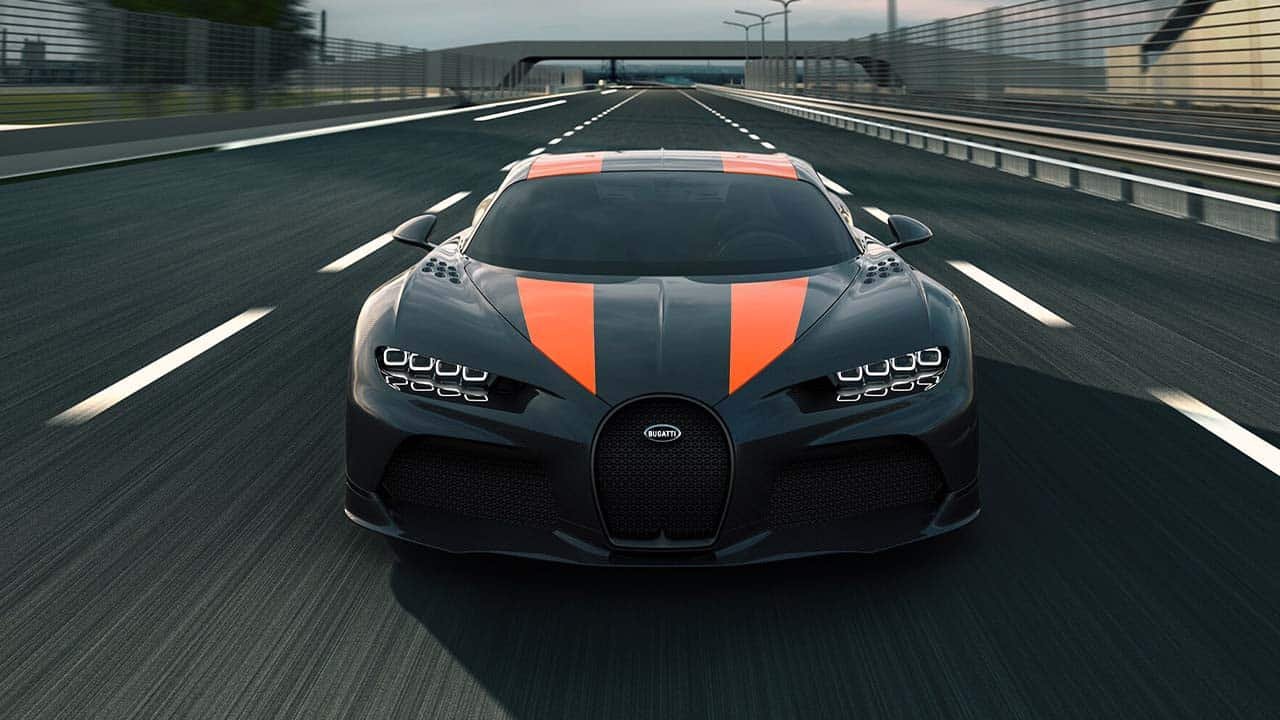
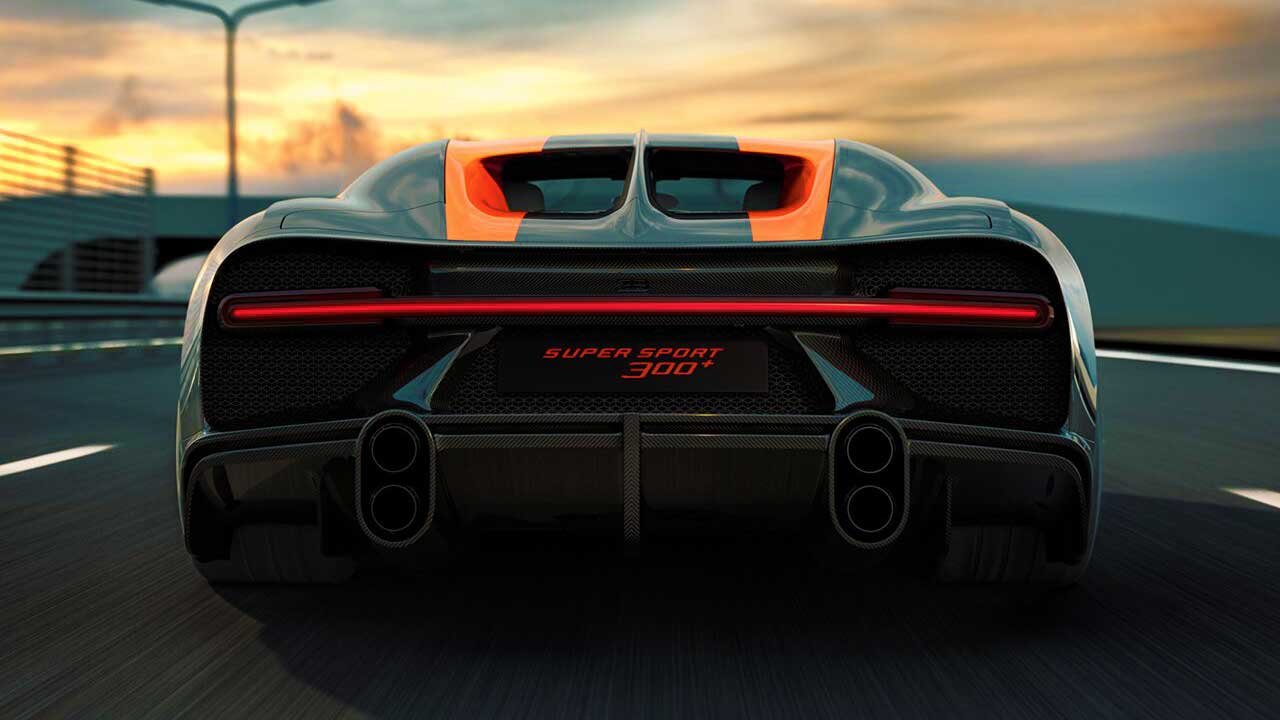
    The last Chiron Super Sport 300+ has been delivered by Bugatti, bringing an end to the first production road car to reach 483 km/h.

    The Molsheim factory of Bugatti only produced 30 of the 300+ vehicles, and each one cost its owner nearly Rs82 crore ($3.6 million) to own.

    At Volkswagen’s Ehra-Lessien testing facility, Andy Wallace, the official nutjob of Bugatti and a former McLaren Le Mans driver, smashed the speed record for the Super Sport 300+ in late 2019.

    In order to achieve that, Bugatti’s engineers modified the gearing, increased the horsepower of the 8.0-liter W16 from 1480 to 1579, and created new longtail bodywork that stretched the Chiron by 9.8 inches (250 mm), lowering the aerodynamic stall by 40 per cent.

    The stock Chiron’s top speed without those upgrades is 420 km/h, but only after you’ve used the second ‘speed key’ to disable the 236 mph (380 km/h) electronic limiter.

  • Here’s a look at the world’s first V12 supercar from ’60s

    Here’s a look at the world’s first V12 supercar from ’60s

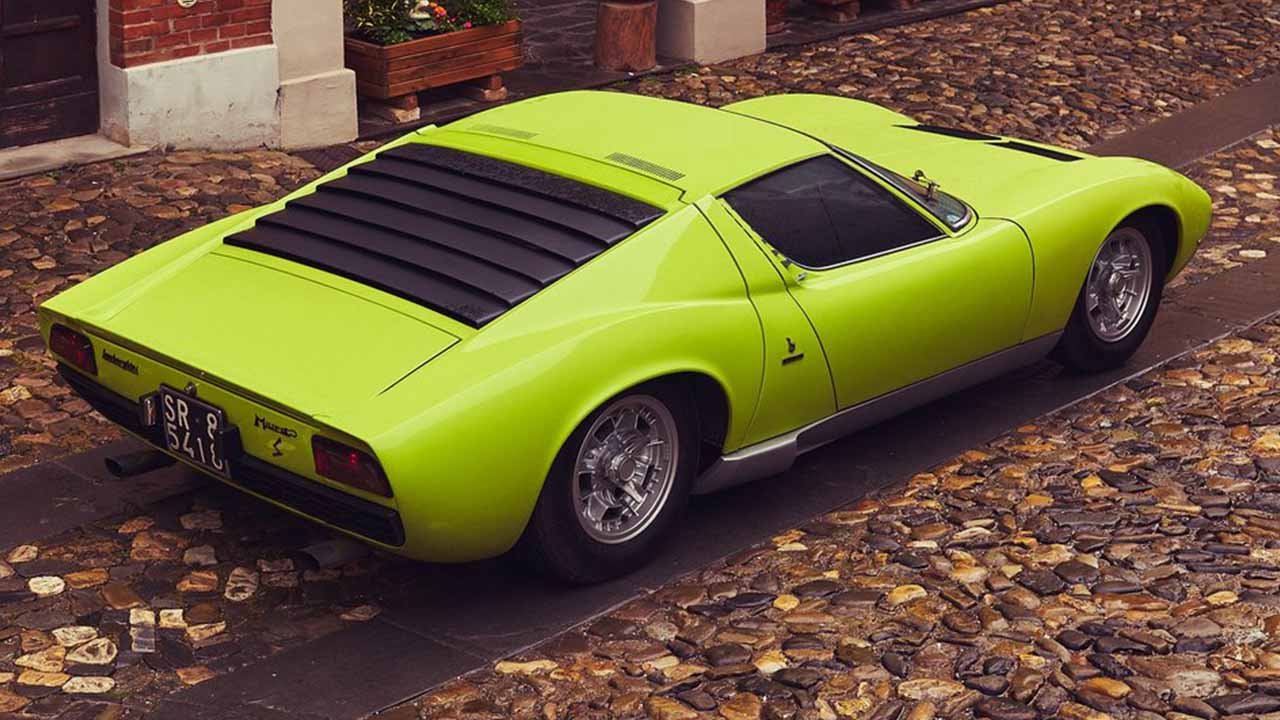
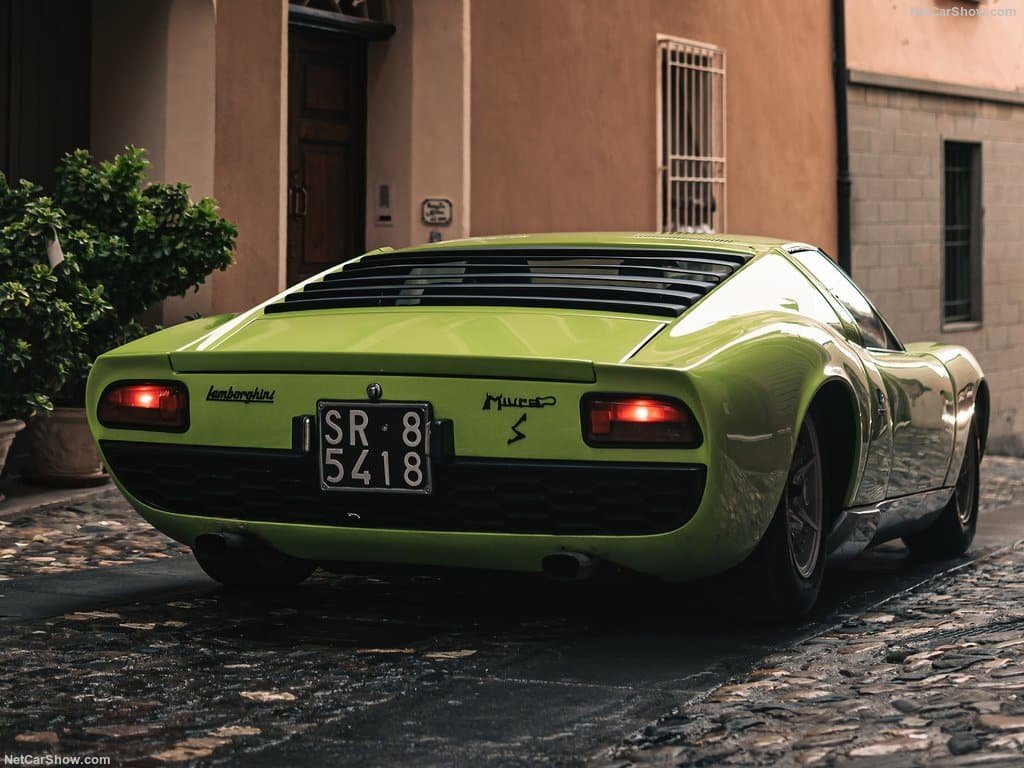
    When the Lamborghini Miura first appeared in 1966, it set new records as the world’s fastest production vehicle. The Miura set the standard for sports cars at the time, achieving a top speed of 280 km/h and accelerating from 0 to 100 km/h in 6.7 seconds. It is widely regarded as the first supercar.

    Ferruccio Lamborghini founded his sports car company in an attempt to compete with Ferrari. His first car, the 350GT, launched in 1964 and was instantaneously praised as a worthy rival to modern Ferrari grand tourers. But it was his second car, the mid-engined Miura, that really hurt Maranello.

    Miura held a unique place in automotive history. It was regarded as the world’s first “supercar,” a term coined by automotive writer LJK Setright to describe this vehicle’s exotic appearance, advanced design, and incredible performance. The latter may have been overstated by Lamborghini, who initially claimed it could reach 300 km/h.

    The Miura was dubbed a supercar for its advanced mid-engined design. At the time, mid-engined setups were thought to be either impossible or unnecessary for road cars (among them included Enzo Ferrari). Prior to the Lamborghini, a few cars attempted to use it on the road, but the majority of them were actually road-legal race cars, such as the 1954 Porsche 550 Spyder or 1964 Ford GT40.

    Only the De Tomaso Vallelunga, which debuted a year before Miura, was a true mid-engined road car. Of course, the 4-cylinder De Tomaso was not a supercar. Lamborghini was the first to use a mid-engine in a serious performance vehicle.

    The most significant contribution Miura made to history was launching a two-horse supercar race between Lamborghini and Ferrari. In 1969, Ferrari reclaimed the world’s fastest car title from Miura with the Daytona 365GTB/4.

    In 1974, Lamborghini responded with the even more ambitious Countach, and Ferrari responded with the 365/512BB. In 2022, the ‘supercar war’ is still going on.

  • These ‘aftermarket’ front panels for Bugatti cost more than one kanal house in DHA

    These ‘aftermarket’ front panels for Bugatti cost more than one kanal house in DHA

    Owning a Bugatti supercar is unquestionably one of the most expensive pleasures a person can enjoy. An oil change, for example, costs more than Rs5.09 million ($25,000). To look at it another way, just the oil change is more expensive than a new Toyota Corolla Altis Grande in Pakistan.

    An oil change is a ‘small’ fraction of the money you have to spend every 12 months to keep the French beauty in great shape. If you break the exterior, things get even worse.

    We’re well aware of the exorbitant price of maintaining a Bugatti, yet the internet continues to surprise us with independent postings of OEM Chiron parts.

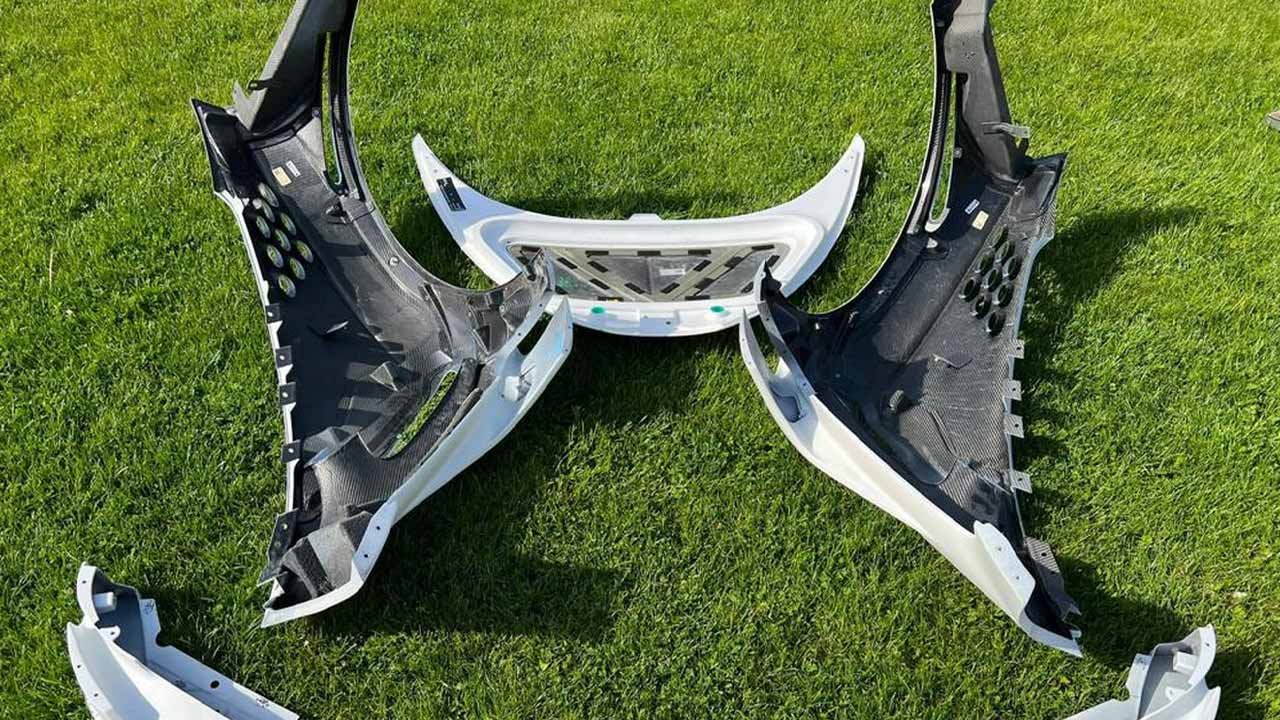
    The most outrageous example seen so far is the front-end component from a Chiron Super Sport 300+ shared by CarScoops, which is priced at Rs81.5 million ($399,999). In Pakistan, you can buy a nice house in Defence Housing Authority, Lahore, and even save some money with this sum.

    It’s important to note that we’re still discussing an OEM part component here.

    Consider the following scenario: you’ve scraped the roof of your gleaming Bugatti Chiron, but you don’t want to go to the brand’s official shop to save some money. Repainting the panel is one option, but if the damage is too extensive, it must be replaced. Finally, if you opt to handle the repair yourself, there are roof components available on the internet to ‘assist’ you.

    SGR Automotive recently posted an ad on Instagram for a Bugatti Chiron roof assembly. It is still unclear where this component originates from, but the seller claims it’s an OEM part in excellent shape. The available photographs show a spotless blue roof assembly with no blemishes on the paint or carbon fiber structure.

    It’s worth noting that the roof component of the Chiron is considerably more than a mere panel covering the passenger compartment. It is a structural element of the Chiron’s chassis and plays an important function in the supercar’s monocoque. Needless to say, even minor flaws in the Chiron’s carbon-fiber structure might significantly impact its cornering performance.

    A roof assembly is priced at Rs11.20 million ($55,000) by SGR Automotive. Well, that’s enough to get you a nice new Toyota Fortuner 2022 in Pakistan, but in the Bugatti world, 55 grand is practically nothing. If this roof piece is an OEM part, it’s definitely well worth the money, since a new fuel tank costs Rs8.96 million ($44,000)  to replace.