Tag: supply

  • National Refinery halts fuel supply to Pakistan State Oil over unpaid dues

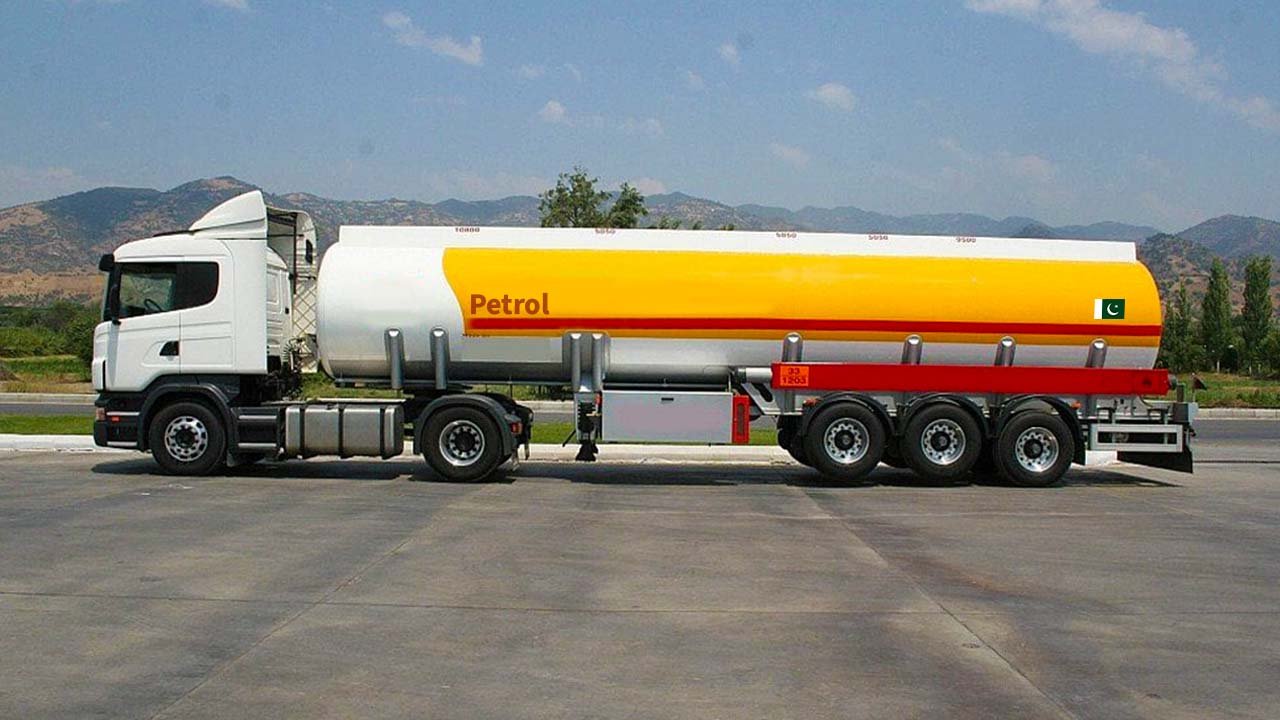
    The National Refinery Limited (NRL) has decided to suspend the supply of fuel to Pakistan State Oil (PSO) due to the state-owned oil marketing company’s failure to make payments to the refinery.

    PSO has encountered a severe financial crisis, leading to outstanding payments owed to various sectors as a result of the supply of petroleum products.

    The amount owed to NRL by PSO is currently Rs3.469 billion. NRL has conveyed its decision to stop the supply of fuel to PSO in writing, according to a report by a national daily.

    Notably, PSO has recently stopped making payments to refineries, including those that supply diesel, gasoline, aviation fuel, furnace oil, and other petroleum products to the state-owned company.

    As per the company’s receivables, Sui Northern Gas Pipelines Limited (SNGPL) is the largest defaulter of PSO, with an outstanding amount of Rs492.102 billion as of March 8, 2023. In response, the Economic Coordination Committee of the cabinet has authorized a sovereign guarantee of Rs50 billion in favor of SNGPL for commercial borrowing on an immediate basis to meet PSO’s liquidity requirement.

    The power sector remains a significant source of difficulty for the state-owned oil marketing company, with outstanding payments of Rs178 billion, followed by Pakistan International Airlines (PIA) and the government of Pakistan, both of which owe PSO Rs92.5 billion. The total receivables, which have risen to Rs762.653 billion, include the most critical payment of Rs124.666 billion in late payment surcharge (LPS).
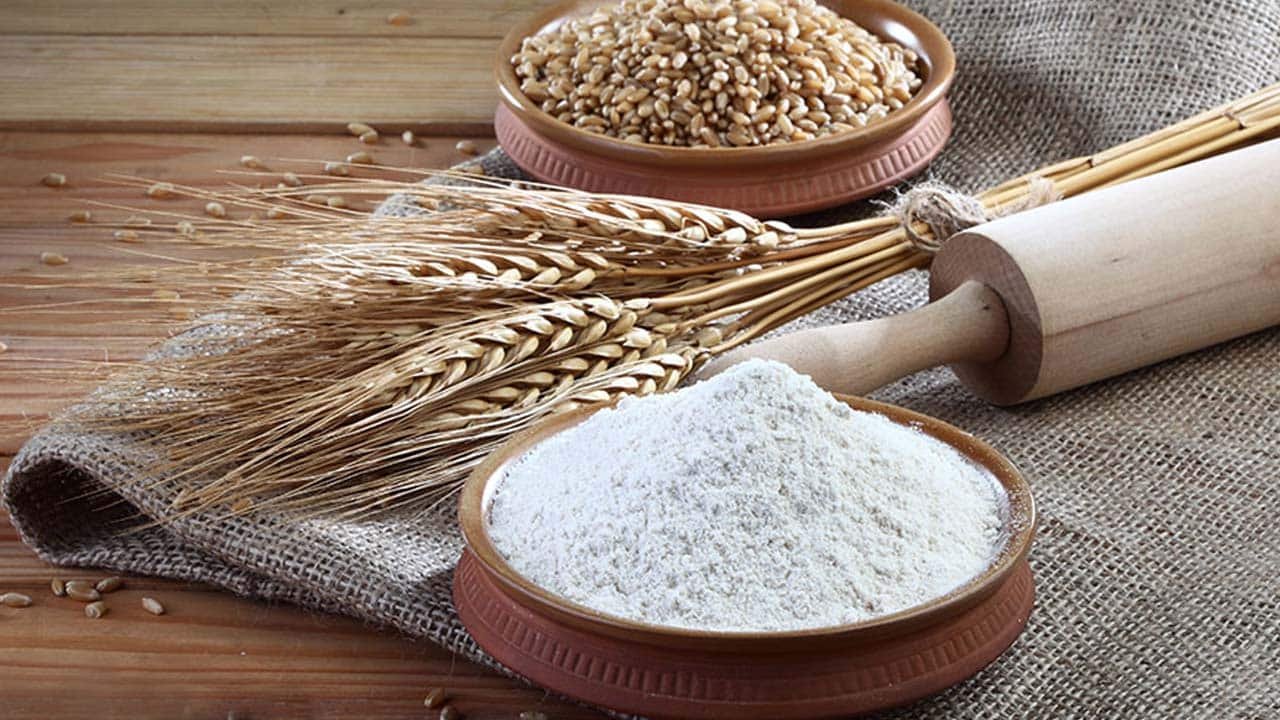
  • Punjab Flour Mills Association declares indefinite strike from today, halts flour supply

    Punjab Flour Mills Association declares indefinite strike from today, halts flour supply

    The Punjab Flour Mills Association has declared an indefinite strike from today, disrupting the supply of flour to the market from February 14th.

    The strike is a response to the suspension of wheat quotas for over 100 flour mills by the Punjab Food Department.

    The ongoing differences between the Flour Mills Association and the Food Department have reached a boiling point following the government’s decision to suspend the quotas.

    The Chairman of the Punjab Flour Mills Association released a statement announcing that the flour mills will no longer receive wheat from the government quota, resulting in the discontinuation of the provision of affordable flour to the market.

    He also requested the Food Department to provide evidence for any alleged malpractice within the association.

    Prior to this development, the open market price of wheat in Punjab experienced a significant decrease of Rs1,200 per maund, due to the increased wheat quota and import. Market dealers report that the price dropped from Rs5,200 per maund to Rs4,000 per maund.

    As a result of a decrease of Rs1,200 per maund, the price of wheat per kilogramme in the open market has fallen to Rs100 from its previous rate of Rs130 per kg, according to ARY News.

  • Gas supply to industrial sites suspended for two days

    Gas supply to industrial sites suspended for two days

    The gas crisis has grown worse in the economic hub of Pakistan as the duration of gas load-shedding in Karachi industries was extended for up to two days.

    The industrial sites in Karachi will be facing two-day gas load-shedding instead of one.

    According to the information obtained, all industrial facilities and captive power plants in Karachi will not be supplied gas for two days.

    From December 17 to December 19, seven industrial zones and captive power plants were instructed to refrain from using Sui Southern Gas Company’s (SSGC) gas supplies on Saturday and Sunday.

    In addition to conducting unannounced raids on all industrial sites, the SSGC surveillance teams will also take legal action against those who violate the rules.

    Imtiaz Shaikh, the energy minister for Sindh, criticised the gas load-shedding on December 13 and claimed that although the province is generating more natural gas than it needs, it is still being denied its legitimate right.

    Imtiaz Shaikh, the energy minister, demanded that Sindh be given preference over other parts of the country in the provision of natural gas.

    “We will take the matter to court if required,” Sindh’s energy minister said. “We are also considering raising the issue in the Council on Common Interest (CCI),” he said.

    He said that the chief minister had discussed Sindh’s case regarding the gas issue during discussions between the state and federal governments. He expressed hope that the prime minister will pay attention to the situation.

    The provincial minister stated that when additional petrol is provided to the province, Karachi’s industry will resume operation.

    The most natural gas-producing province in Pakistan, Sindh, is now experiencing a severe natural gas shortage for home, industrial, and commercial customers.

  • Pakistan has sufficient petrol and diesel to meet domestic demand: Petroleum Division

    Pakistan has sufficient petrol and diesel to meet domestic demand: Petroleum Division

    The Petroleum Division said on Tuesday that the country has sufficient petrol and High-Speed Diesel (HSD) in stock to meet domestic demand after allowing Oil Marketing Companies (OMCs) to recover Rs10 per litre on HSD for the next two months (November-December 2022) by raising the premium limit to $15 per barrel.

    The OCAC had cautioned the federal government about a likely shortage of petrol and HSD in the coming days due to limited imports and limited local availability.

    According to the OCAC’s letter to the Oil and Gas Regulatory Authority (Ogra), the gap is due to limited supply and excessive premiums on fuel stocks on the international market.

    The Economic Coordination Committee (ECC), led by Finance Minister Ishaq Dar, approved the summary proposed by the Ministry of Energy on Friday (Petroleum Division).

    The ministry aimed to secure sustainable HSD imports for November-December 2022 by loading the country’s risk factors of $6 bbl, with an upper limit premium of $15 to the OMCs for pricing computation.

  • Oil industry warns OGRA of looming petrol, diesel shortage

    Oil industry warns OGRA of looming petrol, diesel shortage

    Due to limited imports and constrained domestic supplies, the oil industry has warned the government that the country may witness a shortage of petrol and high-speed diesel (HSD) in the upcoming days.

    The Oil & Gas Regulatory Authority (OGRA) has been written about the shortfall by the Oil Companies Advisory Council (OCAC), an organisation that represents the oil industry.

    The Oil Marketing Companies (OMCs) were given permission to import motor spirit/petrol and HSD in accordance with their demand in the product availability review of products for the month of November 2022, the OCAC stated. This decision followed considerable consideration.

    A shortage of 210,000 MT of HSD and 147,000 MT of gasoline was calculated during the product review. Due to restricted supply on the global market and extremely expensive premiums, it was noted at the meeting that HSD imports in November would be difficult. As a result, only PSO has so far reserved supplies from Flow Petroleum of 220,000 MT and 10,000 MT.

    Alarmingly, though, fuel import that corresponds to the expected sales volume and the stock cover has also not been scheduled. According to the OCAC letter, the importers were supposed to finalise the import plan, but as of now, there is a gap in the import plan.

    The conference with representatives from the industry held on November 1 also brought up this crucial issue, but no clear guarantees have been obtained in writing from the importing OMCs, it stated.

    According to Geo, the OMCs, who were expected to bring imports for use in October, got their shipments in the final week of the month; hence, the product wasn’t ready for usage during the month it was intended for. Similar to how OMCs who were permitted to import goods the month before for usage the following month had already used the shipments, the letter observed.

  • CNG stations in Punjab, KP to remain shut till March 2023

    CNG stations in Punjab, KP to remain shut till March 2023

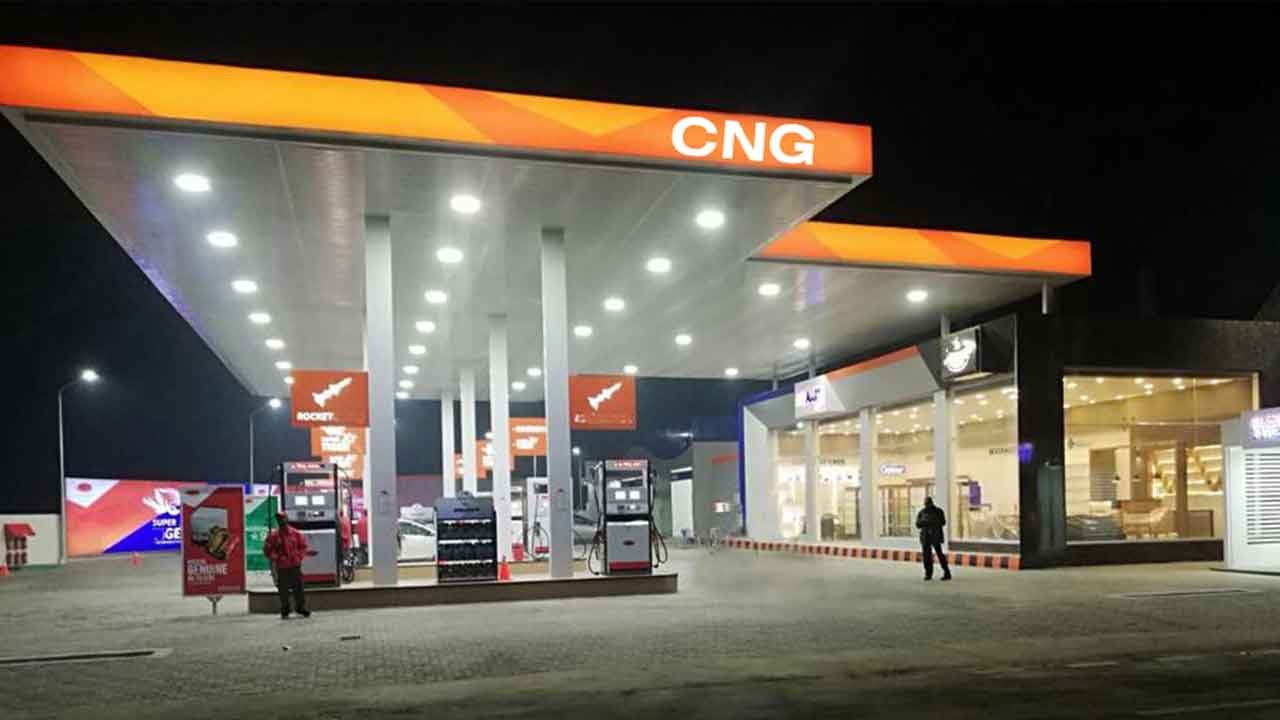
    CNG stations in Punjab and KP will stop operating from November 2022 to March 2023 as the gas crisis increases as a result of the lack of required LNG during the winter.

    While the government is obligated to purchase 12 LNG cargoes each month, Pakistan LNG Limited (PLL) has been unable to do so; as a result, the country will only have 10 LNG cargoes available in December and nine LNG cargoes each month in the following months. Due to the decreased LNG import cargoes, gas utilities will be forced to limit the supply of gas to captive power plants by 50 per cent.

    According to Express, in Punjab and KP, there won’t be any LNG available for CNG stations during the winter. Due to insufficient local gas output, Punjab has also been experiencing a gas crisis.

    According to government officials, the Sui Northern Gas Pipelines Limited (SNGPL) system’s gas supply to the fertiliser sectors won’t be reduced. Due to the probable political reaction this would cause, the government does not intend to reduce supplies of gas for the household sectors, therefore there will always be a supply available.

    As instructed by the federal government, SNGPL has been providing Re-Gasified Liquefied Natural Gas (RLNG) to a number of subsidised industries, including domestic consumers, export-oriented businesses, and fertiliser producers.

    Government payments to SNGPL for RLNG subsidies are Rs199 billion as of this writing. SNGPL’s capacity to pay RLNG suppliers PSO and PLL has been severely hampered by the reduced pricing. The amounts owed to PSO and PLL are now Rs284 billion and Rs135 billion, respectively.

    The power industry pays in full, but because its receivables have grown to over Rs115 billion, payments to suppliers have been significantly delayed.

  • Lahore-based frozen food facility to supply beef products to McDonald’s

    Lahore-based frozen food facility to supply beef products to McDonald’s

    Major meat exporter Al-Shaheer Corporation Limited (ASC) revealed on Tuesday that it had signed a business connection deal with McDonald’s Pakistan for the supply of beef products, making it the first-ever Pakistani company to do so.

    According to Brecorder, the company said that the beef products would be delivered through its Lahore-based plant for frozen foods in a notice to the Pakistan Stock Exchange (PSX).

    “It is our great pleasure to announce that ASC is the first-ever Pakistani company to enter into a business relationship agreement with McDonald’s Pakistan for the supply of beef products,” it said in the PSX notice.

    McDonald’s Pakistan’s interest in the business, according to ASC, “is a testament to its commitment to upholding international standards and producing top-of-the-line products.”

    According to the material on ASC’s LinkedIn page, the business was founded as a partnership in 2008 with the establishment of an abattoir in Gadap Town, Karachi. The company initially solely shipped red meat to Dubai and Saudi Arabia.

    The first red meat brand in Pakistan, Meat One, was founded in 2010 when Al-Shaheer Foods entered the domestic fresh meat market. In 2014, the economy brand Khaas was introduced, aiming its marketing at local butcher shops.

    Dubai, Saudi Arabia, Oman, Kuwait, Bahrain, and Qatar are a few major export markets. Locally, Karachi, Lahore, and Islamabad are where it is most prevalent.

    ASC announced the start of its frozen food facility’s commercial operations last year.

  • Vegetable prices soar amid low supply due to floods

    Vegetable prices soar amid low supply due to floods

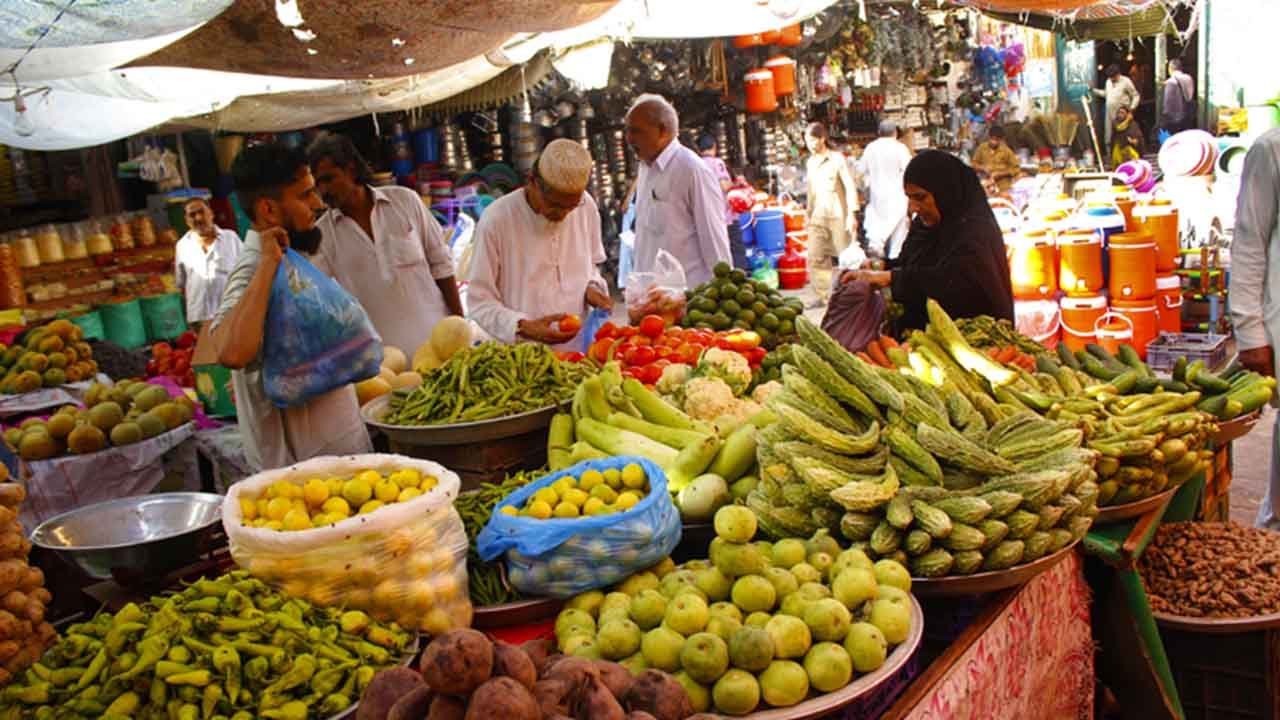
    Extreme flooding has hampered the supply of perishable items from agricultural areas, driving up the prices of onions and tomatoes in city markets.

    While tomatoes cost Rs400-450 per kilogramme (kg), onions cost Rs350-400 per kg. Onion prices rose by Rs75 per kg week over week in the official rate list, while tomato prices rose by Rs234 per kg.

    The supply chain is hampered by road blockages and transportation restrictions in flood-affected areas, according to The News.

    Onion A-grade cost Rs75 more per kg, was fixed at Rs180-190, and was sold for Rs350-400 per kg. Onion B-grade cost Rs160-167 per kg, was sold for Rs235-250 per kg, and onion C-grade was priced at Rs180-200 per kg.

    Tomato A-grade price increased by Rs234 per kg, maintained at Rs320-330 per kg, sold for Rs400-450 per kg, followed by B-grade price increase to Rs290-300 per kg, C-grade price increase to Rs240-250 per kg, and B&C price increase to Rs350 per kg.

    Chinese carrot prices increased by Rs11 per kg, from Rs80 to Rs85 per kg to Rs120 to Rs160 per kg for sale. Fenugreek (Methi) remained constant at Rs250-260 per kg and was sold for Rs400 per kg.

    This week, the price of chicken also climbed by Rs20 per kg, from Rs240 per kg to Rs280–300 per kg, and the price of chicken meat by Rs30 per kg, from Rs362/kg to Rs380–650/kg.

    Cucumber Farm increased its price by Rs50 per kg, fixed at Rs120-125 per kg, sold at Rs150 per kg, and locally sold cucumbers were sold for Rs200 per kg.

    Brinjal price increased by Rs5 per kg, from Rs86 to Rs90 per kg, and was sold for Rs120 to Rs140 per kg.

    Price of bitter gourd rose by Rs10 per kg, fixed at Rs160-165 per kg, and sold at Rs200 per kg.

    Local lemon prices increased by Rs20 per kg, from Rs235-245 per kg to Rs280-320 per kg when sold. Pumpkin remained at Rs60–63 per kg, sold for Rs80–100 per kg, and pumpkin long was sold for Rs140–150 per kg.

  • Pakistan’s exports grew 25% in the last nine months

    Pakistan’s exports increased by 17.3 per cent in March 2021 to $2.773 billion, up from $2.365 billion in March 2021 and 25 per cent in the last nine months.

    The Prime Minister’s Adviser on Commerce and Investment, Abdul Razak Dawood, said that exports increased by 25 per cent to $23.332 billion in the July-March fiscal year 2021-2022, compared to $18.688 billion in the same period last year, implying a $4.644 billion upsurge.

    On the other hand, according to preliminary data from the Pakistan Bureau of Statistics (PBS), exports fell 2 per cent on a month-on-month (MoM) basis to $2.77 billion in March 2022, down from $2.82 billion in February 2022.

    Dawood said in a tweet, “We are glad to share that Pakistan’s exports for Mar-2022 grew by 17.3 per cent to $2.773 billion as compared to $2.365 billion Mar-2021. For Jul-Mar 2022, our exports grew by 25 per cent to $23.332 billion as compared to $18.688 billion in Jul-Mar 2021. This is an increase $4.644 billion”.

    While talking about the target for exports he added that “We expect to achieve our yearly target. The import figures would be shared when finalised by the PBS. We would like to congratulate our exporters for maintaining the momentum of exports under these testing times in the global market”.

    Pakistan’s current account deficit (CAD) decreased by 78.46 per cent to $545 million in February from $2.531 billion in January, owing primarily to a steep drop in imports.

    Read more: FBR records 29.1% growth during July 2021 to March 2022, despite providing ‘massive tax relief’

    Surprisingly, the CAD crossed the $12 billion level in the first eight months of FY22, showing no signs of improvement in the external account. The CAD was only $34 million in February 2021.