Tag: Supply Chain Challenges

  • Toyota manufacturer in Pakistan halts car production amid parts shortage

    Toyota manufacturer in Pakistan halts car production amid parts shortage

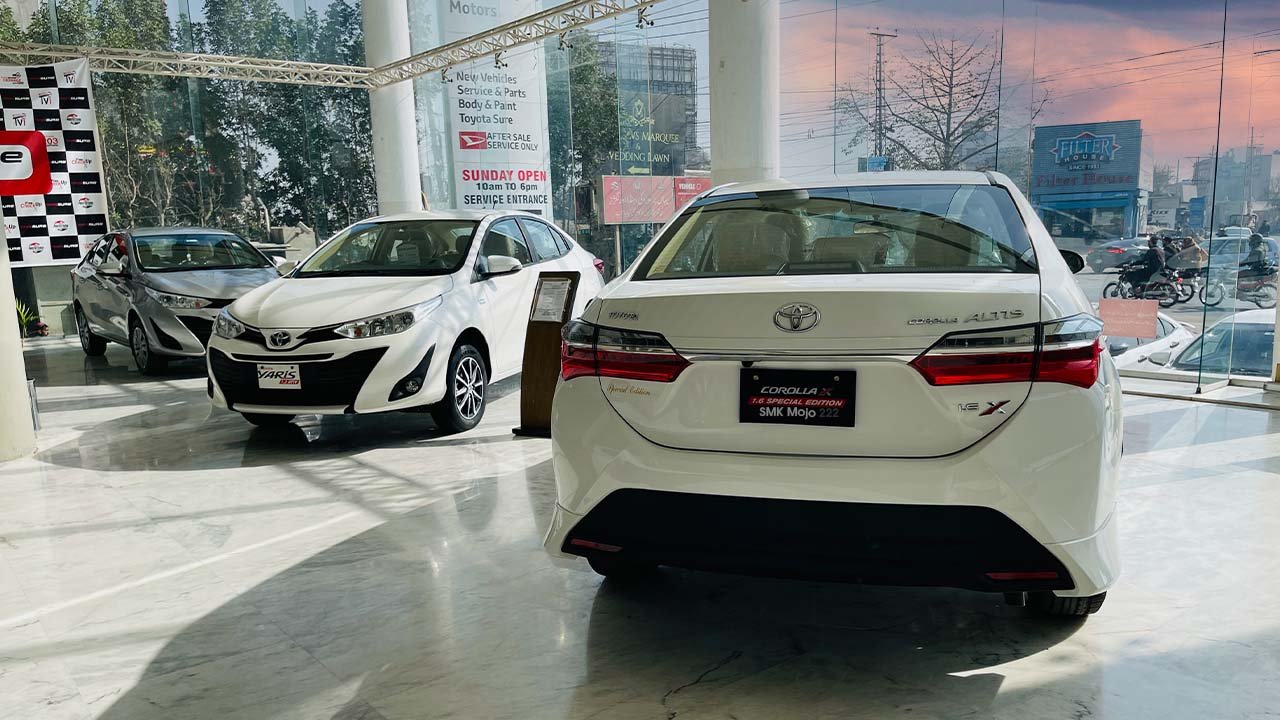
    Indus Motor Company (IMC), the manufacturer of Toyota vehicles in Pakistan, has declared a temporary shutdown of its production plant for a duration of six days.

    The decision stems from the company’s concern over low inventory levels and a shortage of essential components, as disclosed in a formal notice submitted to the Pakistan Stock Exchange (PSX).

    The notice specified, “Based on the current low level of inventory of manufactured vehicles and the shortage of parts and components for vehicle manufacturing, due to supply chain challenges, the company has decided to close its production plant from March 6th, 2024, to March 11th, 2024 (both days inclusive).”

    Pakistan’s automotive sector is grappling with various challenges, including the nation’s sluggish economic growth, surging inflation rates, and elevated borrowing costs, all of which are contributing to a decline in vehicle sales.

    To address these challenges, Indus Motor Company recently announced its board’s approval of an investment of approximately Rs3 billion.

    This investment aims to enhance the localization of production, a crucial step in the company’s broader strategy to consistently increase the localization of parts and components in locally manufactured vehicles. 

    This temporary shutdown underscores the broader challenges facing the automotive industry in Pakistan and reflects IMC’s proactive approach to managing its production in response to current market conditions.
  • Honda Atlas extends production suspension amid an ongoing parts shortage

    Honda Atlas extends production suspension amid an ongoing parts shortage

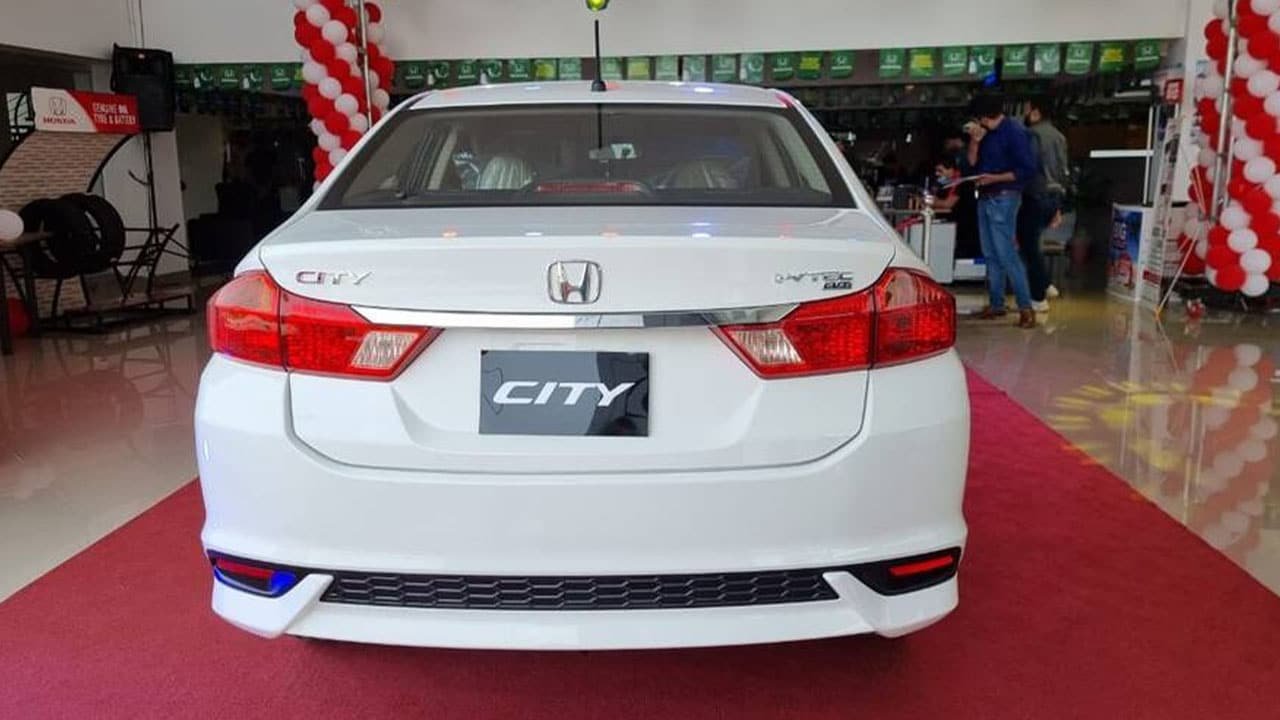
    Honda Atlas Cars (Pakistan) Limited, a subsidiary of Honda Motor Co., Ltd. of Japan, has officially announced a temporary plant shutdown due to supply chain disruptions.

    In line with their communication dated October 30, 2023, the company has made the decision to extend the plant closure from November 8, 2023, to November 9, 2023, as disclosed in their notice to the Pakistan Stock Exchange (PSX).

    The automaker further said that any updates to this plan will be duly communicated.

    The automaker had previously communicated the shutdown of its plant from October 24, 2023, to October 31, 2023, and later extended it to November 7, 2023.

    This decision was attributed to significant inventory levels and disruptions in the supply chain, which have severely affected the company’s production capabilities.

    Earlier this year, Honda Atlas Cars also suspended its production activities from March 9 to May 15, citing adverse economic conditions in the country and government-imposed restrictions on Letters of Credit (LC) issuance.

  • Here’s why Toyota Indus Motor Company is halting car production for one month

    Here’s why Toyota Indus Motor Company is halting car production for one month

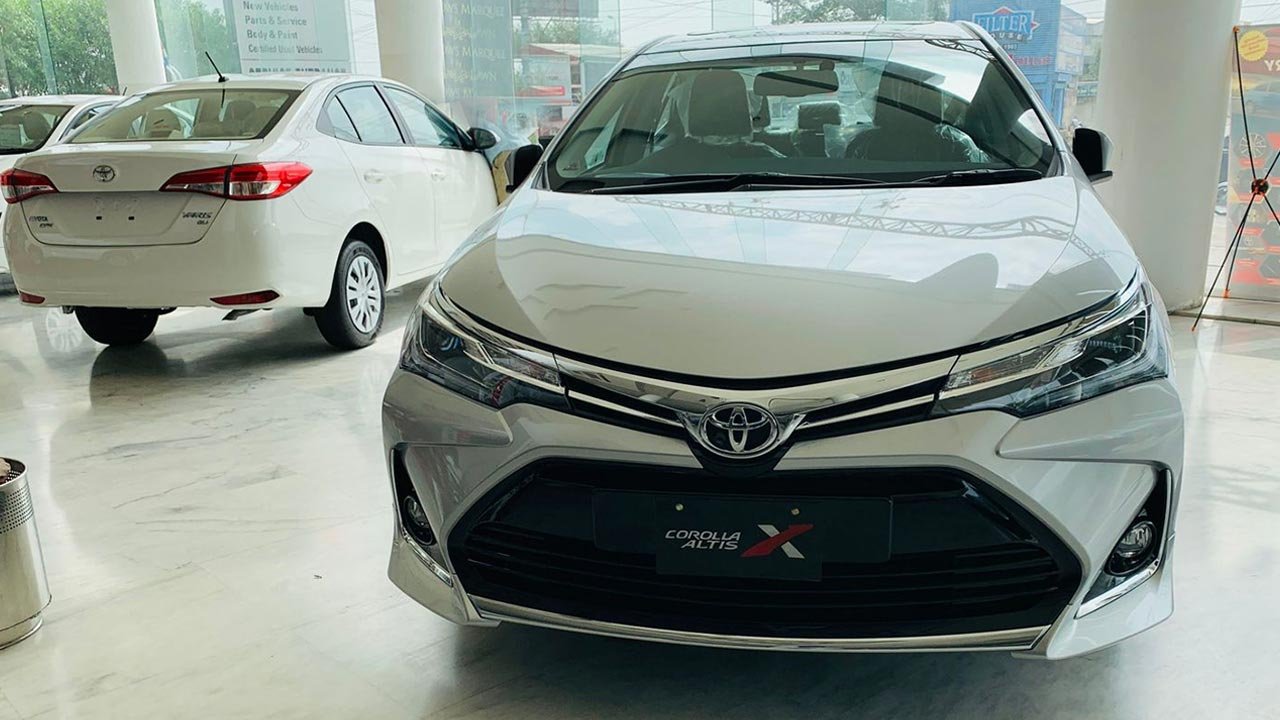
    Indus Motor Company (IMC), the leading manufacturer of Toyota vehicles in Pakistan, has announced a temporary production suspension lasting a month due to inventory shortages.

    The company informed the Pakistan Stock Exchange (PSX) of this development.

    Starting on October 17 and concluding on November 17, 2023, Toyota IMC has chosen to halt production in response to insufficient inventory of vehicles and parts stemming from supply chain challenges.

    The company has stated that they will keep stakeholders informed of any adjustments to this plan. This marks the ninth production closure announcement by Indus Motor this year. In the previous month, the company ceased plant operations from September 28 to October 9 due to similar inventory issues.

    In its most recent financial report, Indus Motor recorded a profit-after-tax (PAT) of Rs9.66 billion for FY23, representing a nearly 39 per cent decline compared to the earnings of Rs15.8 billion in the preceding year’s corresponding period.

    The Pakistani auto sector, heavily reliant on imports, has encountered hardships due to government measures to restrict imports and limit LC issuance. Elevated financing costs and substantial car price hikes have also dampened consumer demand.

    In the first quarter of FY24, sales figures reached 20,983 units, reflecting a 40 per cent decrease compared to the same period in the prior year.

    The Pakistani automotive industry is grappling with dwindling demand, primarily attributed to soaring prices, costly auto financing, and increased taxes, all contributing to a year-on-year decline in sales.