
Tag: supply chain disruption

  • Toyota resumes production after system malfunction halts operations 

    Toyota resumes production after system malfunction halts operations 

    Toyota Motor is set to resume production at its assembly plants in Japan on Wednesday after a recent system malfunction forced a halt in domestic production. The disruption not only affected the world’s largest-selling automaker but also caused disruptions across its supply chain.

    Toyota’s plans to restart operations across 25 production lines in twelve plants within its home market are scheduled to begin on Wednesday morning. The last two plants will come back online in the afternoon.

    The automaker is currently investigating the root cause of the system failure, which prevented Toyota from procuring the necessary components for its production.

    This setback impacted approximately one-third of Toyota’s global production capacity. Toyota’s domestic production was in the process of recovering from output cuts attributed to semiconductor shortages.

    Toyota experienced a 29 per cent increase in output during the first half of the year, marking its first such growth in two years.

    Industry experts have pointed out the challenge Toyota faces in making up for the production loss due to the system outage. One potential strategy could be running extra shifts, although the automaker was already operating at full capacity.

    The system failure also had a cascading impact on other companies within the Toyota Group. Toyota Industries, a group firm, reported partial suspension of operations at two engine plants due to the automaker’s system glitch.

    This incident shed light on Toyota’s reliance on just-in-time inventory management, which aims to minimize costs but leaves the company vulnerable to supply chain disruptions.

    While the exact cause of the malfunction is still being investigated, it underscores the sensitivity of modern manufacturing processes to unforeseen interruptions.

    The broader context in Japan includes reports of harassing phone calls received by businesses and government offices, possibly due to geopolitical factors. These calls have been linked to China and the decision to release treated radioactive water from the damaged Fukushima nuclear power plant into the Pacific Ocean.
  • Commercial importers forced to suspend food and drink imports due to dollar shortage

    Commercial importers forced to suspend food and drink imports due to dollar shortage

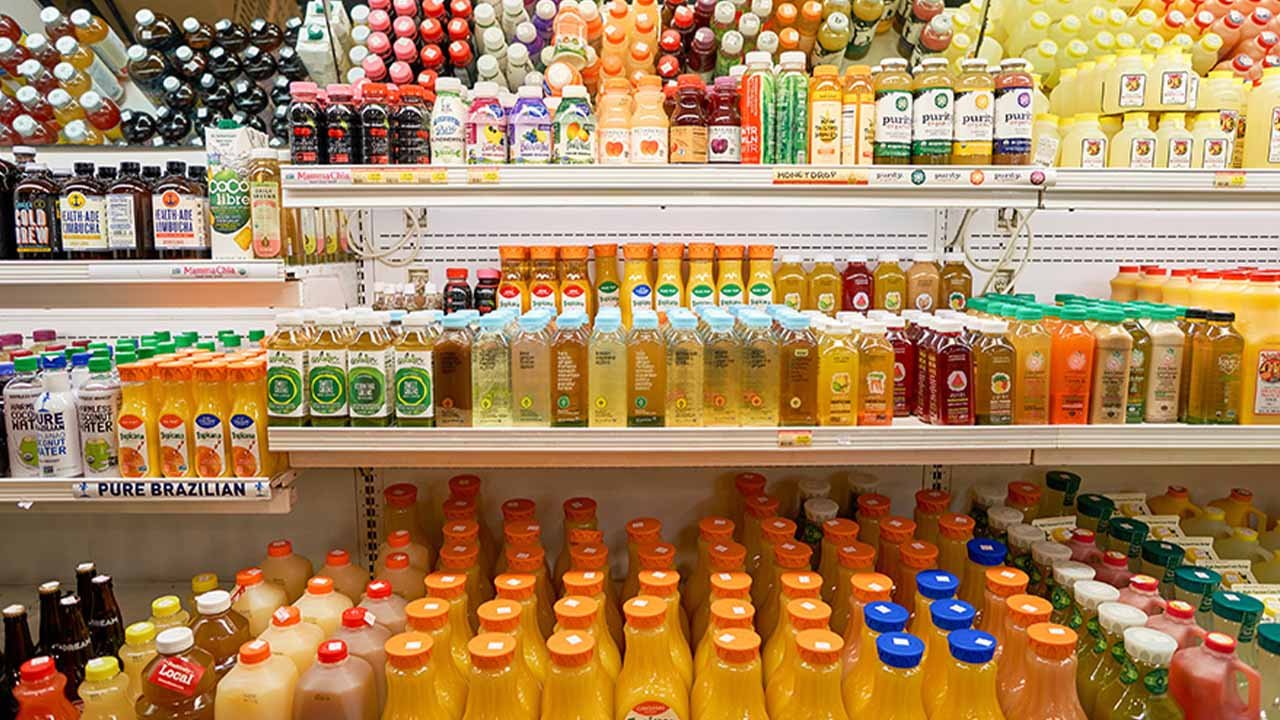
    In a significant development impacting the country’s economy, commercial importers in Pakistan have announced their decision to suspend the import of all eatables and beverages starting from June 25. The move comes as a result of the unavailability of dollars, with banks refusing to provide the necessary foreign currency to importers.

    The decision was taken following a comprehensive discussion among members of the Karachi Wholesale Grocers Association, represented by Secretary Farhat Siddique. In a statement issued by the association, it was revealed that all importers have been instructed to inform their indenters not to dispatch any shipments after June 25. Importers will only be responsible for the clearance of goods that have either arrived at the port or are en route. No shipments dispatched after June 25 will be cleared for entry.

    According to Geo, one of the major concerns highlighted by the association is the mounting number of containers stranded at the port due to the lack of foreign currency. Importers are currently facing fines and other charges as a result. The statement further criticised the State Bank of Pakistan (SBP) for its failure to provide the much-needed foreign exchange, citing its policies as detrimental to the country’s economy.

    This recent development comes at a time when the coalition government is grappling with a balance of payments crisis and striving to combat soaring inflation, which reached a record high of nearly 38 per cent last month. With foreign exchange reserves barely enough to cover a month’s worth of imports, the situation has prompted restrictions on imports and delays in opening letters of credit, severely impacting various sectors across the country. As a result, none of these sectors have been able to meet the growth targets set for the fiscal year 2022-23.

    The implications of the shortage of dollars and the subsequent halt in food and beverage imports are far-reaching, potentially affecting the availability and affordability of essential commodities for consumers. The government and relevant authorities will need to address the foreign currency shortage promptly and implement measures to stabilise the economy, restore confidence, and mitigate the impact on businesses and consumers alike.

    As the situation unfolds, stakeholders and policymakers will be closely monitoring the developments and seeking viable solutions to tackle the ongoing challenges faced by the country’s economy.

  • Pakistan’s oil industry on the brink of collapse, calls for urgent government intervention

    Pakistan’s oil industry on the brink of collapse, calls for urgent government intervention

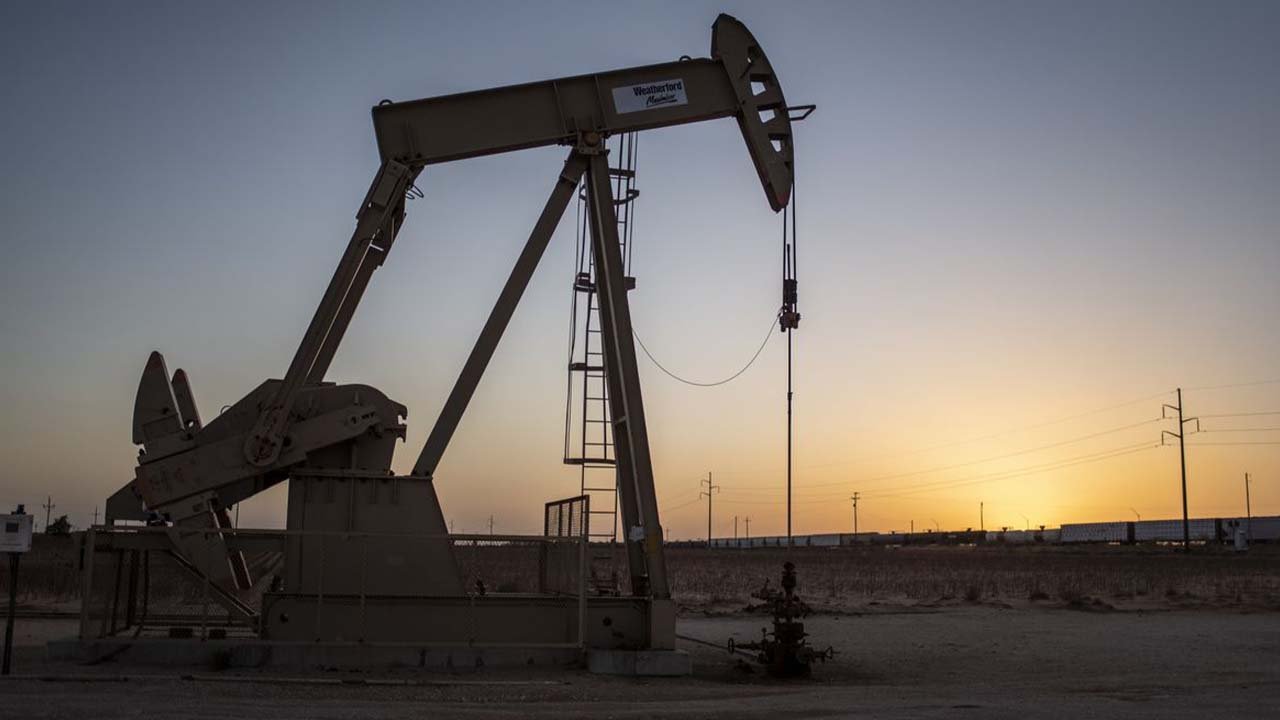
    According to recent reports, the oil industry in the country is facing serious challenges in obtaining crude oil and petroleum products due to foreign exchange constraints and current product pricing. These challenges have been exacerbated by the recent depreciation of the currency and an increase in the central bank’s policy rate.

    The Oil Companies Advisory Council (OCAC), which comprises over three dozen major oil marketing companies (OMCs) and refineries, has expressed concern to the government about the possibility of a major disruption to the already fragile supply chain.

    In a communication to the ministers for finance and energy, the governor of the State Bank of Pakistan (SBP), and the chairman of the Oil and Gas Regulatory Authority (Ogra), the OCAC has urged for urgent engagement to address the “severe impact of the recent depreciation of the rupee.”

    The association has also requested the development and immediate implementation of a transparent mechanism for the recovery of foreign exchange losses in product pricing. If immediate revision of prices based on the current exchange rate is not feasible, the government should at least put a system in place immediately.

    The recent steep depreciation has rendered the existing letter of credit (LC) lines inadequate for the industry, which could lead to import disruption of crude and refined products. The industry has also expressed concern about the cost of opening confirmed LCs, which has gone up many times and adversely impacted profitability.

    Moreover, maintaining the 20 days’ mandatory stock cover as per OMCs license requirement at the current rupee-dollar parity and after the recent increase in the SBP policy rates has resulted in borrowing costs of more than 50 per cent of regulated margins. Additional working capital burdens can raise significant concerns around OMCs’ ability to sustain operations.

    The association has reported that its members have been doubly hit due to the erosion of equity from foreign exchange losses and a reduction in working capital lines due to an increase in the rupee-dollar parity coupled with a rise in international oil prices, particularly high-speed diesel. The OMCs have already reported about Rs35 billion cumulative losses in POL pricing in recent months.

    The international price of petrol has increased by 3 per cent ($2.8 per barrel) to $94.84 per barrel between Jan 1, 2022, and March 2, while HSD prices surged by $15.48 or 18 per cent to $103.53 per barrel. During the same period, the rupee depreciated by over 61 per cent or Rs108.38 against the US dollar. This means that oil prices and exchange rate changes require an increase in the oil industry’s needs by 90 per cent than LC limits in local currency compared with last year to produce the same quantity of HSD.

    Therefore, the oil industry has called upon the government to ensure that the banking sector enhances limits for oil companies and refineries, enabling them to manage the impact of increased oil prices and rupee depreciation that are critical for the survival of the sector and the integrity of the POL supply chain.

    According to Dawn, the OCAC has warned that the industry is on the brink of collapse, as fuel shortages in certain areas earlier this year highlight the fragile condition of the industry. Urgent government intervention is necessary to ensure uninterrupted supplies.