
Tag: supply chain diversification

  • iPhone 16 batteries to be primarily manufactured in India

    iPhone 16 batteries to be primarily manufactured in India

    In a strategic manoeuvre aimed at reducing its reliance on China, Apple has reportedly communicated a strong preference for manufacturing iPhone 16 batteries in India.

    As part of this initiative, an existing Indian battery supplier has been encouraged to scale up production, while Chinese suppliers, including Desay and Simplo Technology, have received directives to establish battery factories within India.

    Additionally, Japanese battery supplier TDK is gearing up for its own production facility in the country.

    This significant shift in strategy deviates from the original decision made by Steve Jobs to centralize most of Apple’s manufacturing operations in China, a move that was previously lauded as a key achievement by Tim Cook during his tenure as COO. 

    The change reflects a growing recognition of the strategic risks associated with being overly dependent on a single country, evident in events such as the COVID-19 pandemic and ongoing geopolitical tensions between the US and China.

    The multifaceted rationale behind this move includes concerns about the impact of global events on manufacturing capacity, the unpredictability of trade relations between major economies, and the reputational challenges posed by close associations with a country facing human rights criticisms.

    Apple’s decision aligns with a broader industry trend of diversifying manufacturing locations to mitigate risks associated with geopolitical and economic uncertainties.

    Notably, the company aims to prioritise Indian production for iPhone 16 batteries, with local government support evident in a Japanese supplier, TDK, establishing a significant facility in Manesar, Haryana.

    While this facility is expected to begin production in 2025, post-iPhone 16 release, it signifies a strategic commitment to bolstering the electronics manufacturing ecosystem in India.

    Apple’s move underlines the industry’s evolving approach to supply chain management in response to a dynamic global landscape.
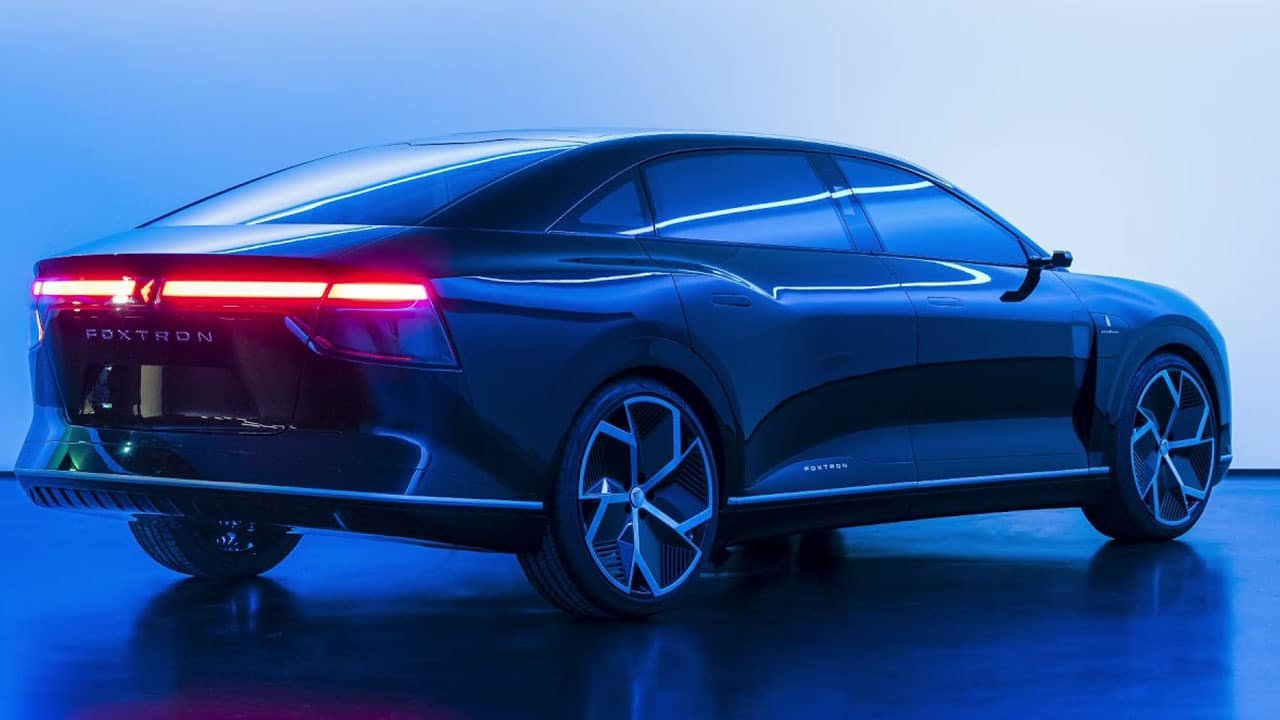
  • iPhone manufacturer Foxconn shifts focus to electric cars amidst US-China strained relations

    iPhone manufacturer Foxconn shifts focus to electric cars amidst US-China strained relations

    Taiwanese manufacturer Foxconn, renowned for its production of iPhones, has announced a strategic shift towards electric vehicles (EVs) amidst the strained relations between the United States and China.

    In an interview with the BBC, Chairman Young Liu conveyed the company’s intent to make substantial investments in the EV sector while concurrently diversifying its supply chains away from China.

    Liu acknowledged the importance of peace and stability between the two nations but emphasised the necessity, from a business standpoint, to consider contingency plans for adverse scenarios.

    In response to the prevailing geopolitical tensions, Foxconn has already commenced the relocation of certain production lines from China to alternative locations in Mexico and Vietnam.

    This decision comes as Foxconn finds itself embroiled in a contentious dispute, with Beijing claiming Taiwan as part of China and President Xi Jingping reiterating commitments to “reunification.” Meanwhile, the United States has expressed unequivocal support for Taiwan’s independence, with the looming specter of invasion having cast a shadow over the island nation for years.

    Having originated in 1974 as a manufacturer of television dials, Foxconn has emerged as a global technology powerhouse, amassing revenues of $200 billion. Responsible for over half of Apple’s product output, including iPhones and iMacs, the company also serves an array of esteemed clients such as Microsoft, Dell, and Amazon.

    Foxconn’s unique position as a company that designs products in the United States while predominantly manufacturing them in China has left it navigating a delicate equilibrium between the two global superpowers.

    Chairman Liu articulated his vision of capturing approximately 5 per cent of the global electric vehicle market within the coming years. He outlined plans for establishing Foxconn EV manufacturing facilities in Ohio, United States, as well as in Thailand, Indonesia, and potentially India.

    By pivoting toward electric cars, Foxconn seeks to leverage its technological prowess and industry influence to secure a significant stake in the evolving EV landscape.