Tag: Supreme court of Pakistan

  • Lahore High Court gave Pervez Musharraf relief which he didn’t even ask for

    Lahore High Court gave Pervez Musharraf relief which he didn’t even ask for

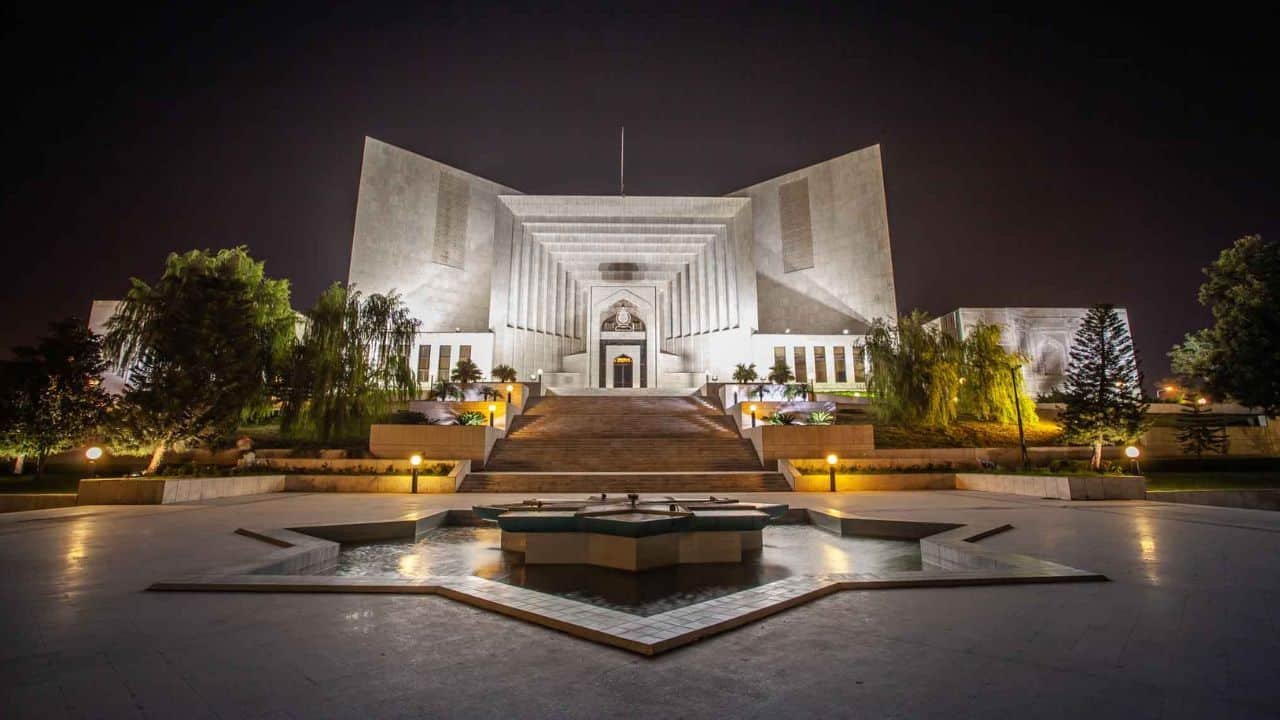
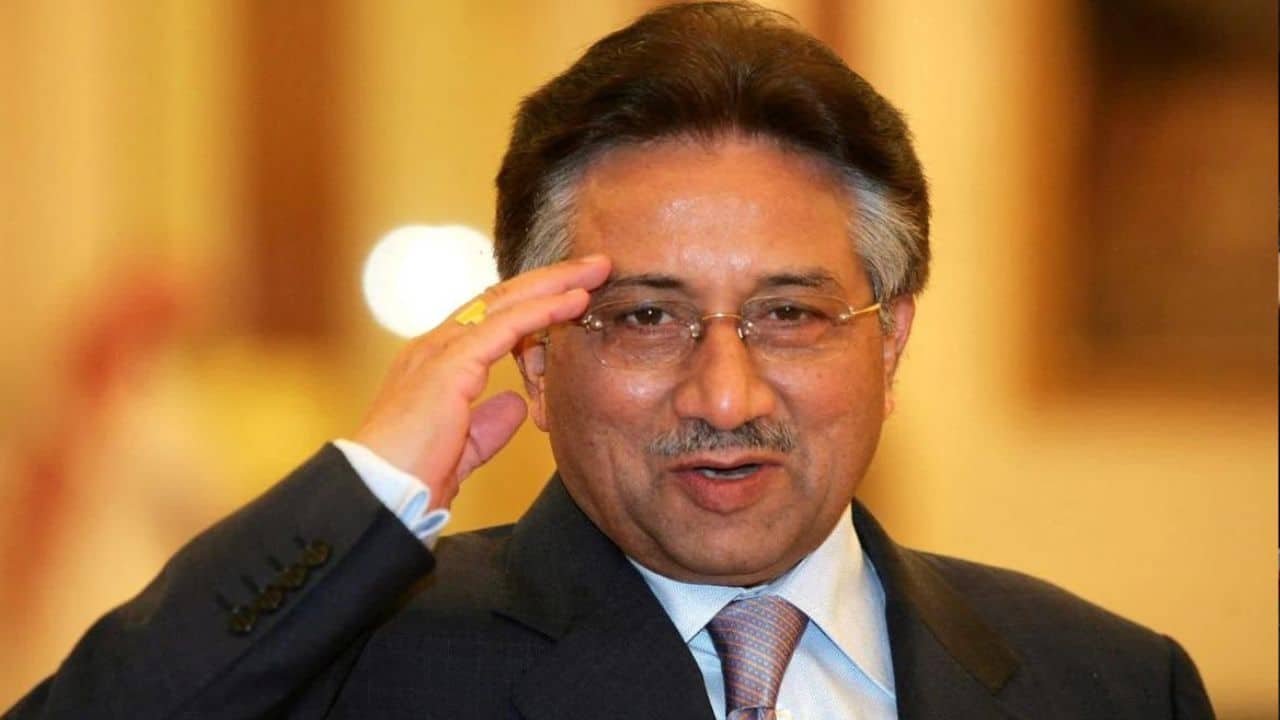
    The Supreme Court of Pakistan has questioned the Lahore High Court’s (LHC) decision to overturn the death sentence of former military dictator Pervez Musharraf.

    The initial death sentence was imposed by a special court in December 2019 on charges of high treason.

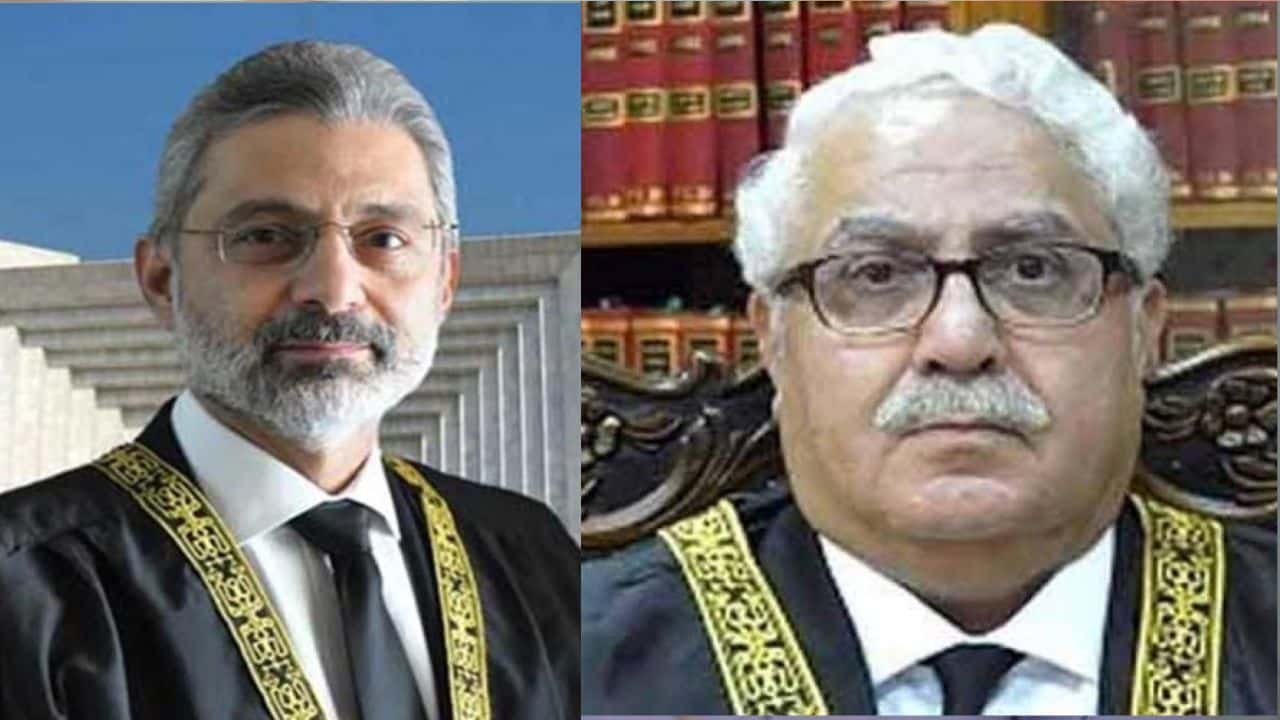
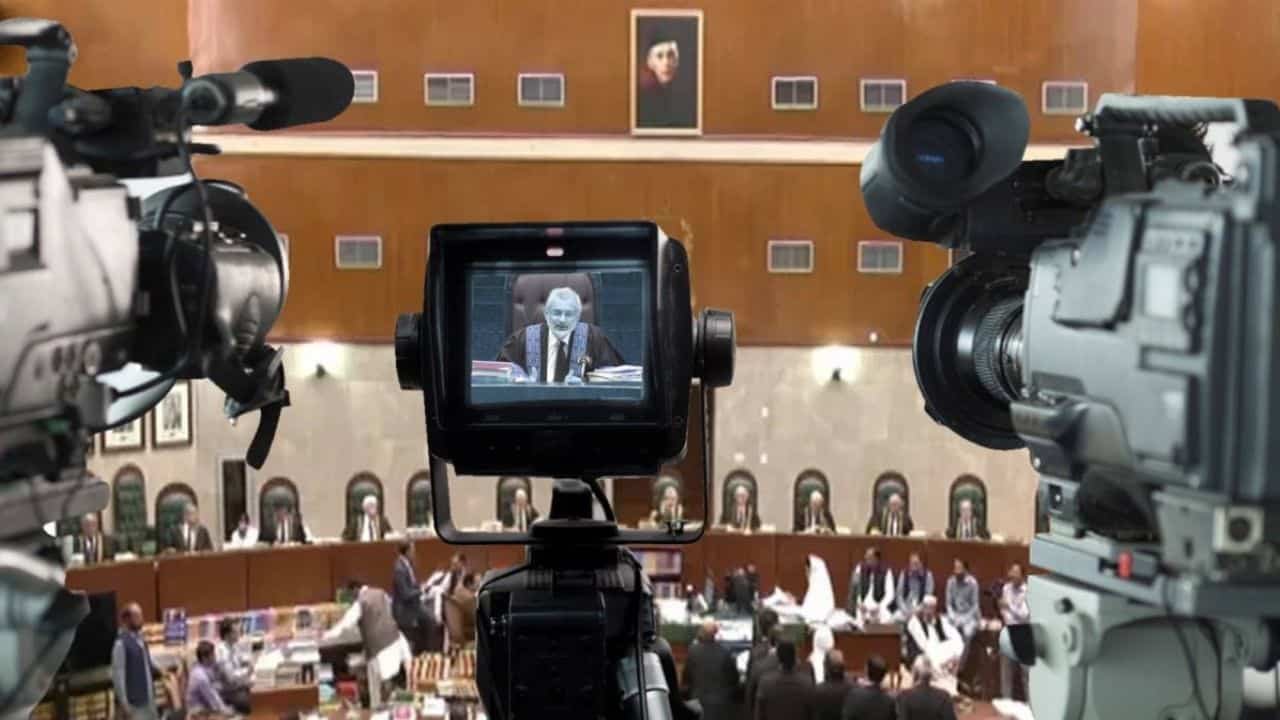
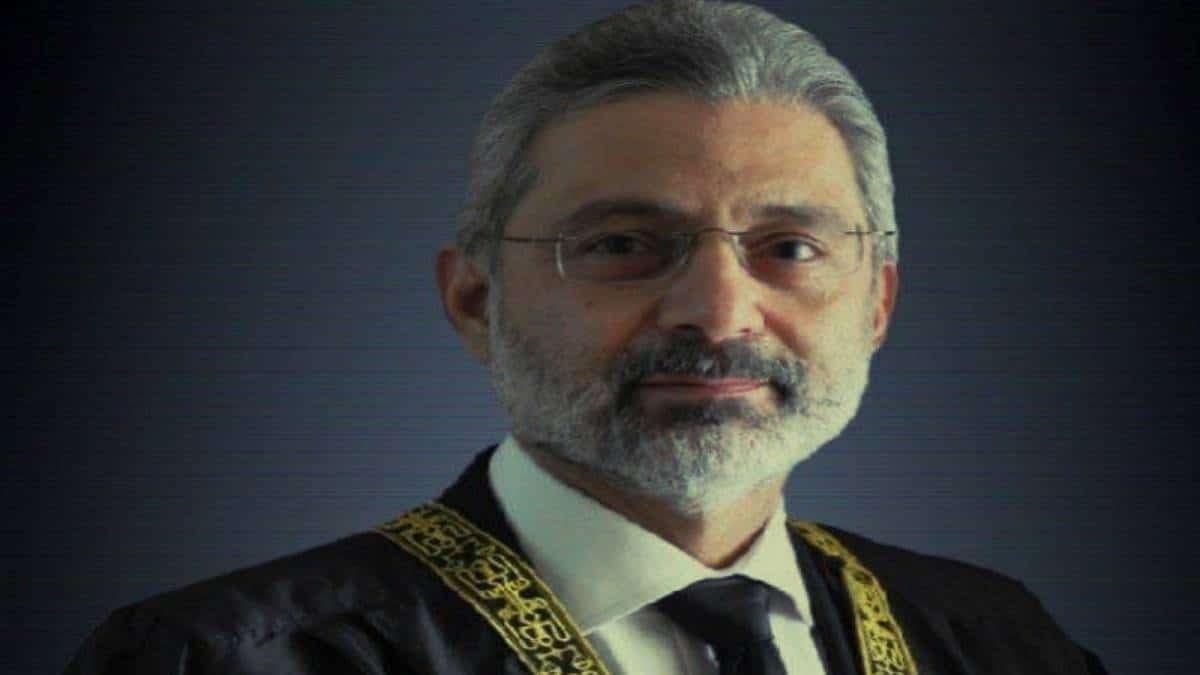
    The Chief Justice of Pakistan, Qazi Faez Isa, leading a four-judge bench, expressed astonishment at the approach taken by LHC, suggesting that it may have exceeded its jurisdiction in the matter.

    “At best, the LHC could do was to allow the prayers sought in the petition, but what the court did was uprooting the special court itself,” Justice Isa said.

    The special court had originally adjudicated the high treason charges against Musharraf.

    A four-member bench, headed by Chief Justice of Pakistan Justice Qazi Faez Isa and comprising Justice Syed Mansoor Ali Shah, Justice Athar Minallah, and Justice Amin-ud-Din Khan conducted the hearing of the appeals of Bar Councils and others against the judgment of a three-member bench of the LHC.

    The Supreme Court’s scrutiny focused on the LHC January 2020 order, which not only declared the special court’s ruling unconstitutional but also entertained Musharraf’s appeal against his death conviction.

    A three-member bench of the LHC, headed by Justice Syed Mazahar Ali Akbar Naqvi, and comprising Justice Muhammad Masood Jahangir and Justice Ameer Bhatti on January 13, 2020, had declared; “The Special Court was established without an iota of doubt that very basis of initiation of proceedings against the petitioner/ General (R) Pervez Musharraf, since its inception to the culmination are beyond the constitutional mandate, ultra vires, coram-non-judice, unlawful, hence, any superstructure raised over it shall fall to ground.”

    It further said; “Trial in absentia is declared as illegal, unconstitutional being repugnant to injunctions of Islam, as well as, Article 2-A, 8 and 10-A of the Constitution.”

    Pervez Musharraf passed away earlier this year, on February 5, after a prolonged illness.

    The Supreme Court’s review also brought attention to concerns about the LHC’s territorial jurisdiction.

    Justice Syed Mansoor Ali Shah noted that the constitution of the special court was never directly challenged.

    The Chief Justice cautioned against labeling Musharraf as an absconder during the hearing, as it could prejudice the ongoing appeal.

    The hearing is set to continue next Tuesday.

    The Supreme Court has asked the petitioner’s counsel to conclude arguments on Musharraf’s petition against the Special Court judgment.
  • Supreme Court bans the use of ‘Sahib’ for government servants

    Supreme Court bans the use of ‘Sahib’ for government servants

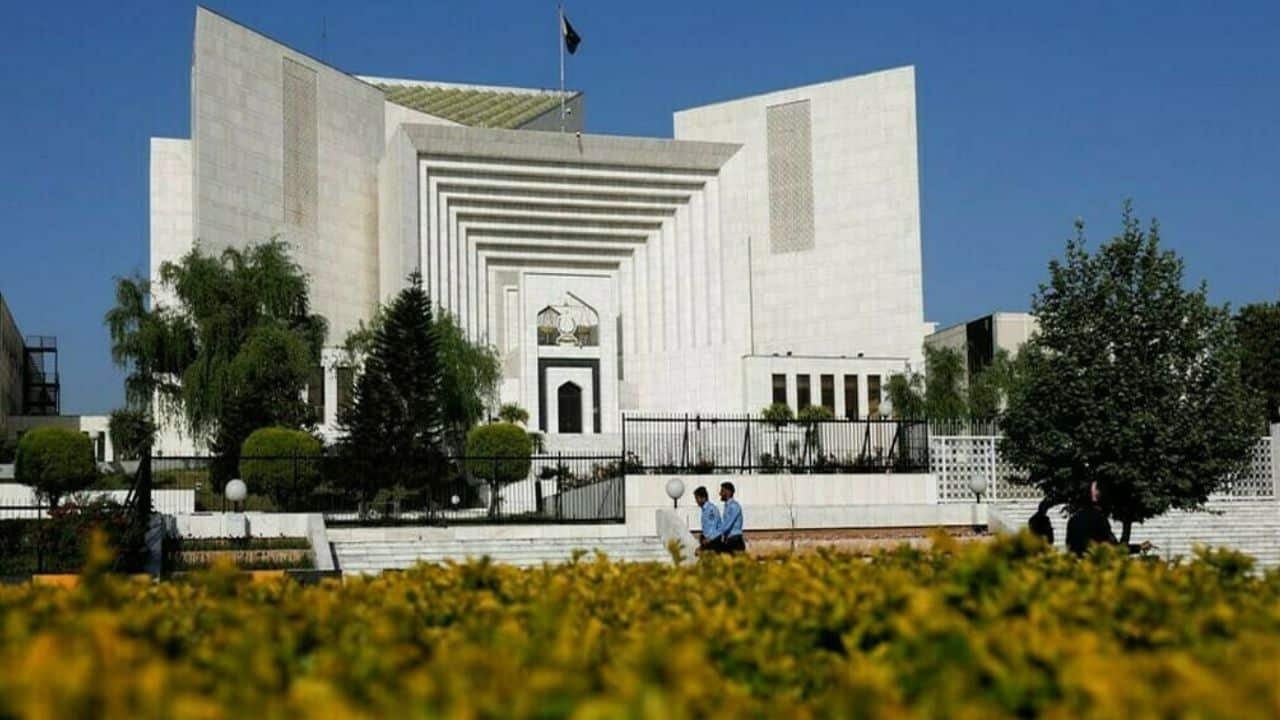
    Supreme Court of Pakistan has banned the use of the word ‘Sahib’ with the titles of government officials, The News reported on Thursday.

    This ruling came about when Additional Advocate General Khyber Pakhtunkhwa presented the case of the murder of a nine-year-old child.

    During the hearing, the apex court expressed its disappointment with the quality of the investigation by the Khyber Pakhtunkhwa Police. Chief Justice Qazi Faez Isa reproached the public prosecutor for calling a deputy superintendent of police “sir”, adding that the titles have addled minds. The official was only a DSP and that too ineligible, he added to that effect.

    Justice Isa remarked, “Supreme Court has been made a court of magistrate. Is it some joke? Should there be no arguments and we go on merely looking at the faces of lawyers. Was one file so heavy that two officers brought it from KP to Islamabad? Petrol and TA, DA free. While getting print from WhatsApp is costly.”

    The court granted bail to the accused.

  • ‘Allegations on Lt Gen Faiz Hameed, if true, would undermine reputation of federal government, armed forces, ISI and Pakistan Rangers’: Supreme Court

    ‘Allegations on Lt Gen Faiz Hameed, if true, would undermine reputation of federal government, armed forces, ISI and Pakistan Rangers’: Supreme Court

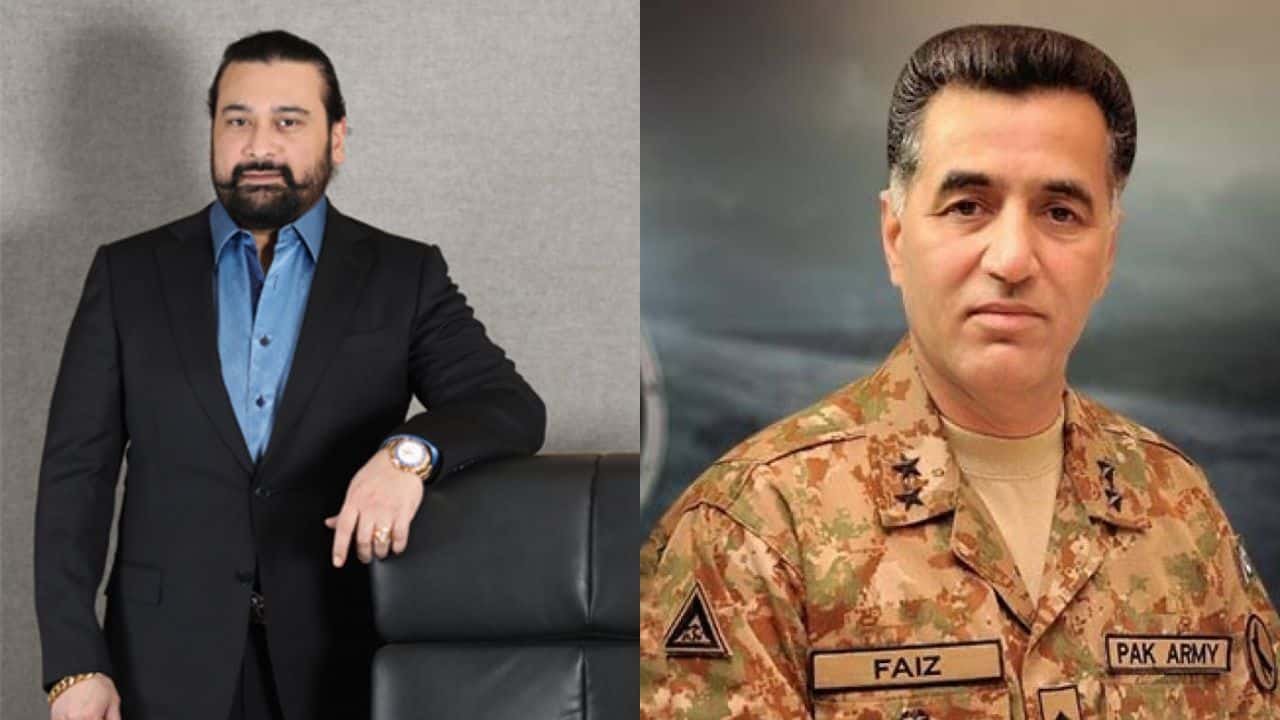
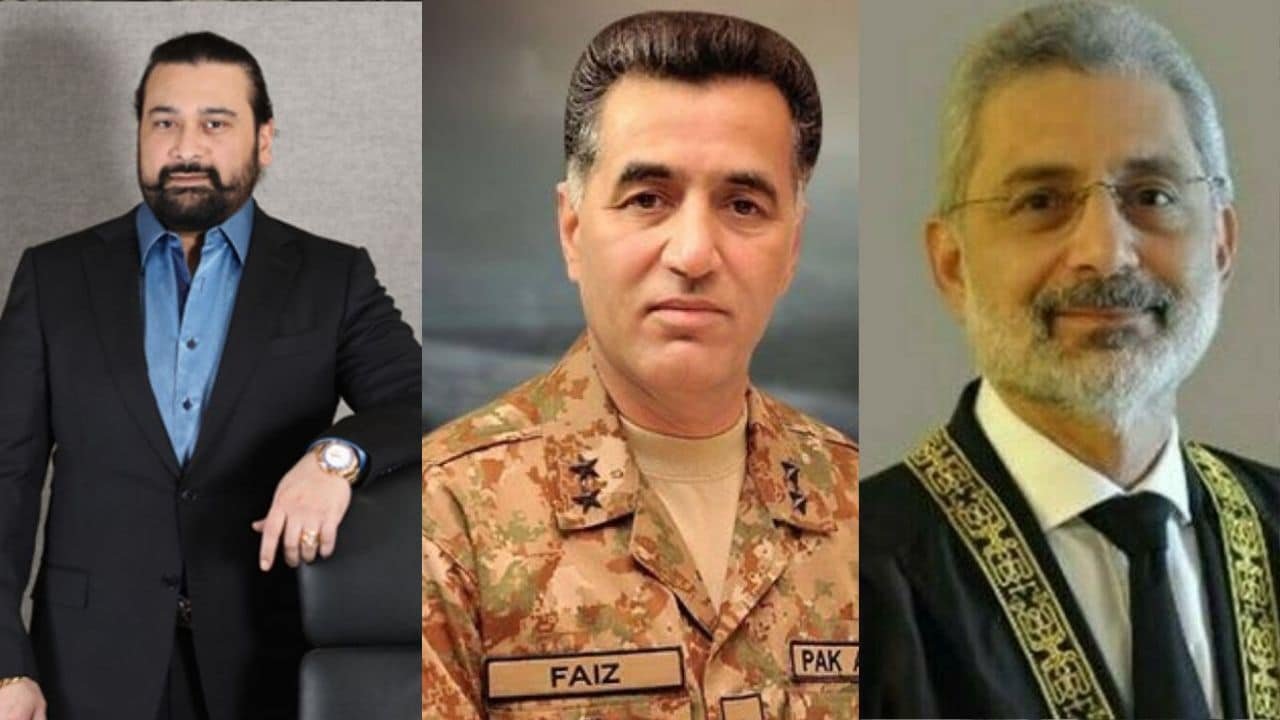
    The Supreme Court of Pakistan has issued a written order addressing the allegations made by the Chief Executive Officer (CEO) of Top City-1 Housing Society against the former Director-General of Inter-Services Intelligence (ISI), Lt Gen (retd) Faiz Hameed.

    The Supreme Court observed that allegations leveled by the private housing society CEO against the former spy chief are of an “extremely serious nature” and would tarnish the reputation of the federal government if proven true.

    The observations come as the top court issued a written order for the November 8 hearing of the petition filed by Moeez Ahmed Khan against the former general.

    The three-member bench, led by Chief Justice of Pakistan (CJP) Justice Qazi Faez Isa, alongside Justice Athar Minallah and Justice Aminuddin Khan, had disposed of the constitutional petition last week.

    The petitioner, Moeez Ahmed Khan, had alleged abduction by retired army officers, including Gen Faiz.

    The written order said: “The allegations are of an extremely serious nature, and if true, undoubtedly would undermine the reputation of the federal government, the armed forces, ISI and Pakistan Rangers, therefore, they cannot be left unattended.”

    The court noted that Moeez may have reservations that a complaint filed in the Ministry of Defence would not be entertained because the accused held senior positions in the armed forces.

    “However, the learned AAG (Additional Attorney General) has assured us that the complaint/grievance will be given due consideration, and we have no reason to doubt this statement made on behalf of the government of Pakistan,” the court noted in its order, adding that the apprehension of the applicant is “misplaced.”

    “Accordingly, if the applicant (Moeez Ahmed Khan) submits a complaint/grievance to the Ministry of Defence of the government of Pakistan, it shall be dealt with in accordance with law,” Chief Justice Isa observed as he disposed of the matter.

    Additionally, the order granted the applicant the liberty to explore other legal remedies as per the established legal procedures.

    The Petition

    As per the petition, on May 12, 2017, the Pakistan Rangers and officials of the ISI raided the office of Top City and Moeez’s residence and took away valuables, including gold and diamond ornaments and money, in connection with a purported terrorism case.

    “On May 12, 2017, my house and office were raided on the orders of General (Rtd) Faiz Hamid. During the raid, valuables and records of our private housing society were stolen,” the petitioner had claimed.

    The petition further stated that Gen Hameed’s brother Sardar Najaf mediated and tried to resolve the issue. After his acquittal, the petition claimed, Gen Hameed contacted Moeez through the latter’s cousin — a brigadier in the army — to arrange a meeting.

    The petition claimed that during the meeting, Gen Hameed told the petitioner that he would return some of the items taken away during the raid except for 400 tola gold and cash.

    The petition claimed that retired brigadier Naeem Fakhar and retired brigadier Ghaffar of the ISI allegedly “forced” the petitioner to “pay 4 crores in cash” and “sponsor a private AAP TV network for a few months”.

    As per the petition, former ISI officials Irtaza Haroon, Sardar Najaf, Wasim Tabish, Zahid Mehmood Malik, and Mohammad Munir were also “involved in the illegal takeover of the housing society”.

  • Supreme Court fines Punjab govt Rs10 Lacs for wasting its time

    Supreme Court fines Punjab govt Rs10 Lacs for wasting its time

    The Supreme Court of Pakistan has imposed a fine of ten lacs (Rs1 million) on the Punjab government for wasting its time by filing a frivolous case, ordering the administration to pay the money to the owner of the land they used without permission.

    The three-membered bench headed by Chief Justice Qazi Faez Isa dismissed the provincial government’s appeal filed against the verdicts of an appellate court along with the high court in favour of the land owner.

    The case was about a piece of land that the Punjab government constructed a road on in Gujranwala in 2007. The nine-marlas were never paid for. Liaqat Ali, the affected man, took to court, challenging the government and both lower courts decided in his favour.

    In the hearing on Monday, the Chief Justice questioned how the state built a road on the land without the permission of its owner and without paying him. “Neither the owner had gifted his land for construction of the road nor the state had acquired the said land,” Justice Qazi Faez Isa remarked and asked the Additional Advocate General Punjab as to why he had filed such a frivolous application in the court. “Is it our job to teach the provincial law officer the constitution,” the CJP reproached.

  • Was General (retd) Faiz Hameed part of ‘Qabza Mafia’?

    Was General (retd) Faiz Hameed part of ‘Qabza Mafia’?

    The Supreme Court of Pakistan has rejected a petition against former Inter-Services Intelligence (ISI) chief Lt Gen (retd) Faiz Hameed, accusing him of land grabbing.

    During a hearing on a human rights case against the former Director General of the Inter-Services Intelligence (ISI), a three-judge bench led by Chief Justice of Pakistan (CJP) Qazi Faez Isa heard the plea.

    Disposing of the petition, the Supreme Court told the petitioner that he had other relevant forums to approach.

    “The Supreme Court has disposed of the petition without discussing the merits of the case,” it added.

    The additional attorney general said that the petitioner can refer to the Ministry of Defence and retired military officers can also be court-martialled, said the top court.

    Justice Athar Minallah emphasized the distinction between the human rights cell and the Supreme Court, stating that the cell lacked legal authority or status.

    The petitioner’s claims centered on the alleged illegal actions of the former spy chief, which were purportedly aimed at gaining control of a housing project.

    The petitioner urged the federal government to take action against Lt Gen (retd) Faiz Hameed and requested the court’s permission to present evidence for his arguments.

    CJP Isa noted the seriousness of the allegations and inquired whether the petitioner would appear in the case personally or through a lawyer.

    The petitioner mentioned that he had recently engaged a lawyer and requested an adjournment to prepare.

    However, CJP Isa remarked that the court will not order an adjournment and instructed the counsel to prepare for the case.

    The Supreme Court ultimately directed the petitioner to seek other appropriate forums for their grievance.

    The court also mentioned the option of approaching the Defense Ministry in the case of allegations against a retired army officer.

    The Petition

    A housing society’s CEO filed a petition with the human rights cell (HRC) of the Supreme Court seeking action against former Inter-Services Intelligence (ISI) director general Lt Gen (retd) Faiz Hameed over alleged land grabbing and stealing valuables.

    “On May 12, 2017, my house and office were raided on the orders of General (Rtd) Faiz Hameed. During the raid, valuables and records of our private housing society were stolen,” said the petitioner Moeez Ahmed Khan.

    In his petition, Khan said that the purpose of illegal proceedings against him was to take control of TopCity-1, a housing society located at Srinagar Highway in Islamabad.

    “After the raid, I along with my five other colleagues were kept in confinement. The federal government should take action against Gen (Rtd) Faiz Hameed, his brother Najaf, and others,” said the petitioner.

  • He’s gone, but Supreme Court to decide death penalty case against Musharraf

    He’s gone, but Supreme Court to decide death penalty case against Musharraf

    The Supreme Court of Pakistan is set to begin hearing a series of appeals on November 10, including those filed by the late former President, retired General Pervez Musharraf, in an attempt to overturn his death sentence, as per Dawn.

    A four-judge bench, headed by Chief Justice of Pakistan (CJP) Qazi Faez Isa, along with Justice Syed Mansoor Ali Shah, Justice Aminud Din Khan, and Justice Athar Minallah, will preside over the hearings.

    Represented by his counsel Salman Safdar, the late General filed an appeal requesting the annulment of the conviction, citing a trial process that was conducted in violation of the Constitution and the Code of Criminal Procedure (CrPC) 1898.

    The appeal seeks a suspension of the judgment in the interest of justice and fair play.

    The petition highlights Musharraf’s military career and claims that the trial for a constitutional crime was conducted in an unconstitutional manner.

    In a separate development, the Sindh High Court Bar Association contested the Lahore High Court’s decision on January 13, 2020, which deemed the Special Court’s decision unconstitutional.

    The association has appealed to the Supreme Court to reinstate the conviction for subverting the Constitution.

    Presented by counsel Rasheed A. Razvi, the appeal argues that the high court’s verdict is legally flawed, alleging a misinterpretation of evidence and failure to appreciate the material presented by the prosecution during the trial.

    Additionally, the appeal asserts that the high court neglected to acknowledge that the material presented by the prosecution before the Special Court was not denied by Gen Musharraf at any stage of the case.

    It further argues that the verdict contradicts established principles of the Qanoon-e-Shahadat Order, stating that unchallenged facts are deemed admitted by the parties and do not require further proof.

    The petition asserts that the high court’s decision contradicts the precedent set by superior courts and the Supreme Court, referencing the 2019 Lahore High Court Bar Association case.

    A special court in Islamabad found former military ruler retired Gen Pervez Musharraf guilty of high treason and handed him a death sentence under Article 6 of the Constitution on December 17, 2019.

    This was the first time in Pakistan’s history that a military chief has been declared guilty of high treason and handed a death sentence. The verdict was split 2-1.

    Article 6 of the Constitution says: “Any person who abrogates or subverts or suspends or hold in abeyance, or attempts or conspires to abrogate or subvert or suspend or hold in abeyance the Constitution by use of force or show force or by any other unconstitutional means shall be guilty of high treason.”

    The three-member bench of the special court was headed by Peshawar High Court Chief Justice Waqar Ahmad Seth and comprising Justice Nazar Akbar of the Sindh High Court (SHC) and Justice Shahid Karim of the Lahore High Court (LHC).

  • Chief Justice calls meeting of Supreme Judicial Council

    Chief Justice calls meeting of Supreme Judicial Council

    The Chief Justice of Pakistan, Qazi Faez Isa, has called a meeting of the Supreme Judicial Council (SJC) on Friday at 11.30 a.m. as per Maryam Nawaz of Geo News.

    The meeting will focus on addressing complaints lodged against several high-ranking judges, including Justice Sayyed Mazahar Ali Akbar Naqvi.

    Notably, this will mark the first SJC meeting under the leadership of CJP Isa, following a gap of over three years since the previous moot. The council, chaired by CJP Isa, includes two other senior judges of the highest court, namely Justice Tariq Masood and Justice Ijaz Ul Ahsan.

    The SJC holds the exclusive authority to dismiss judges from superior courts based on various charges.

    Apart from Justice Naqvi, there have been grievances filed against other judges of the superior court.

    The primary agenda for tomorrow’s meeting is likely to be the consideration of a complaint against Justice Naqvi.

    Justice Masood, senior judge of the Supreme Court and member of SJC, had submitted his legal opinion on the misconduct complaints filed against apex court Justice Naqvi in September this year, according to The News.

    Several misconduct complaints were filed against Justice Naqvi during the tenure of former chief justice Umar Ata Bandial who referred the matter to Justice Tariq Masood for examination and legal opinion.

    Initially, the misconduct complaint against Justice Naqvi was filed with the SJC by a Lahore-based lawyer Muhammad Dawood. Later on, Pakistan Bar Council (PBC) also announced that they were going to file a complaint against the senior judge.

    PBC Vice Chairman Haroon Rashid lodged a misconduct complaint against Justice Naqvi after an audio leak implied discussions regarding the manipulation of a case before a specific bench or judge, involving former Punjab chief minister Pervaiz Elahi.

    Earlier this year, in April, senior judges of the Supreme Court, Justice Isa and Justice Masood, had urged former CJP Bandial to convene an SJC meeting to address the misconduct complaints against Justice Naqvi.

    In a joint letter to all SJC members, the judges emphasized the importance of ensuring the impartial investigation of the complaints to uphold the judiciary’s integrity and the judge’s reputation.

  • ‘Why is Shehbaz happy if the judgment is against Nawaz’ asks Asad Umar

    ‘Why is Shehbaz happy if the judgment is against Nawaz’ asks Asad Umar

    The Supreme Court (SC) has on Wednesday evening issued a verdict in favour of the SC (Practice and Procedure) Act, 2023, dismissing petitions challenging its validity.

    The decision was upheld by 10-5 majority. However, by an 8-7 decision, the majority of judges decided against the provision of law wherein retrospective right of appeal was given in the Act.

    Key Provisions of Act

    The act makes a number of significant changes to the way the Supreme Court operates. These include:

    • Requiring a three-member committee of senior judges, including the CJP, to approve all suo moto notices.
    • Establishing a transparent process for the formation of benches for hearing crucial constitutional issues.
    • Giving parties the right to appeal to the Supreme Court within 30 days of a final order from a lower court.
    • Requiring the apex court to hear applications alleging urgency or requesting interim relief within 14 days of filing.

    Reaction to the decision

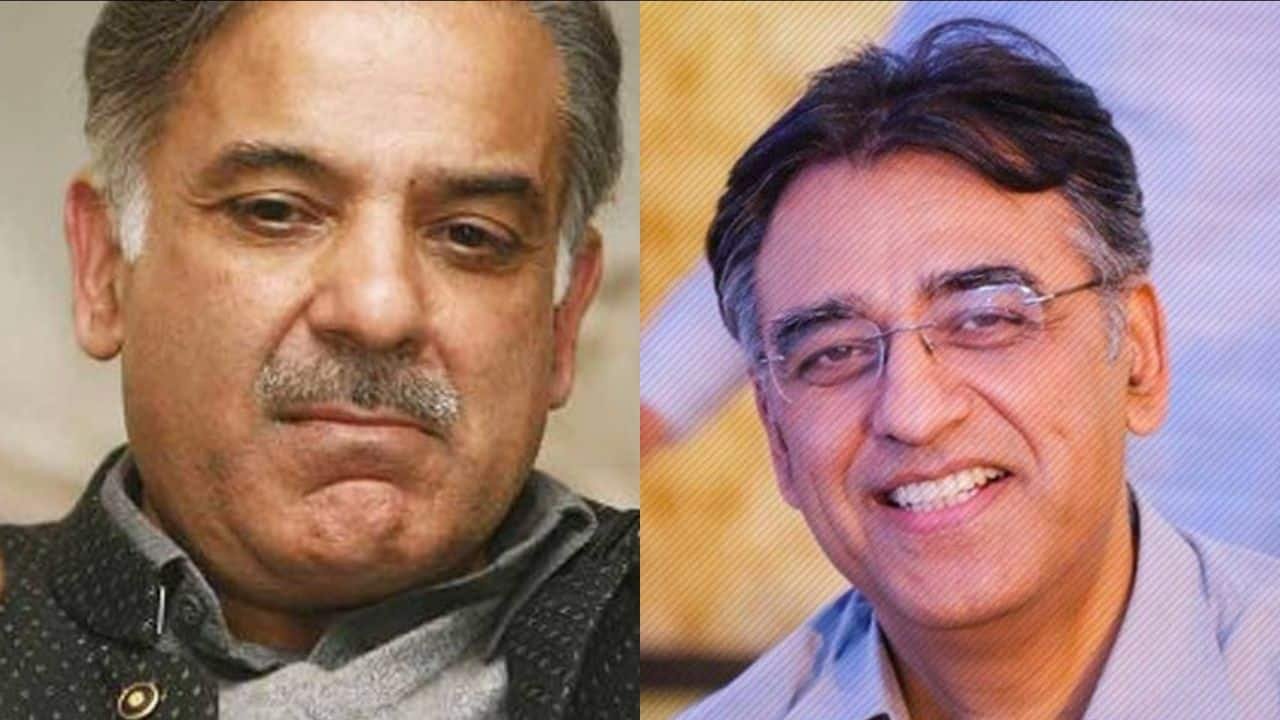
    Former Prime Minister and President of _ (PML-N) Shehbaz Sharif welcomed the decision.

    “The Supreme Court’s verdict regarding the Practice and Procedure Act 2023 is a welcome step,” he wrote on X (formerly Twitter)

    Interestingly, when Asad Umar, PTI’s former secretary general, was asked about the judgment, he stated that it was the right decision but was intrigued to know if Nawaz Sharif would come back after the decision or not.

    “My question is, everyone is saying this is not a good judgment for Nawaz Sharif, why is Shehbaz Sharif liking this decision so much? I’m just asking an innocent question,” he said while talking to the media on Thursday morning.

    The verdict has caused a rift in the legal world. The decision, which involves Article 184(3), has led to intense discussions about what it means for the PML-N leader, Nawaz Sharif.

    As per Dawn, lawyer Mohammad Ikram Chaudhry explained that in cases where no review has been filed, it’s possible to request a “condonation of delay,” which means the court might accept an appeal or application even if it’s late.

    Mohammad Akram Sheikh noted that according to the law, a review must be requested within 30 days of the judgment. He mentioned that in some cases, the highest court has allowed for delays but stressed that the applicant would need to provide a valid reason for the delay.

    Senior lawyer Raja Inam Ameen Minhas mentioned that the Supreme Court Bar Association has an ongoing review petition against the disqualification of politicians. He argued that since the matter of disqualification is still under consideration, it’s “still appealable.”

    Barrister Zafarullah Khan, the former special assistant on law to the ex-PM, pointed out that the Supreme Court’s decision wouldn’t affect Mr. Sharif’s cases because he wasn’t seeking relief from the highest court. Instead, he intends to pursue his appeals against convictions, which would eventually reach the Supreme Court.

    Some lawyers believe that the decision is a setback for Nawaz Sharif, who recently planned to return to Lahore after spending four years in London.

    The decision declared Section 5(2) of an act as ultra vires, meaning that the lifetime disqualification in the Panama case remains in effect.

    Lawyer Abdul Moiz Jafferi questioned who really won in this matter.

    Lawyer Usama Khawar Ghumman argues that Nawaz Sharif and Jehangir Tareen can still contest elections.

    “Despite Supreme Court’s decision to strike down retrospective rights of appeal, Nawaz Sharif & Jehangir Tareen can, in the short run, contest elections due to the PDM-led Parliament’s amendment to Section 232 of the Election Act, 2017,” he wrote on X (formerly Twitter).

  • Supreme Court upholds Practice & Procedure Act 2023

    Supreme Court upholds Practice & Procedure Act 2023

    The Supreme Court (SC) has issued a verdict in favour of the SC (Practice and Procedure) Act, 2023, dismissing petitions challenging its validity.

    Headed by Chief Justice Qazi Faez Isa, the SC full bench consisted of Justice Sardar Tariq Masood, Justice Ahsan, Justice Syed Mansoor Ali Shah, Justice Akhtar, Justice Yahya Afridi, Justice Aminuddin Khan, Justice Naqvi, Justice Jamal Khan Mandokhel, Justice Mazhar, Justice Ayesha, Justice Athar Minallah, Justice Rizvi, Justice Waheed and Justice Musarrat Hilali.

    The decision was upheld by 10-5 majority.

    While reading out the order, CJP Isa noted that five members of the full court bench — Justice Ijazul Ahsan, Justice Munib Akhtar, Justice Sayyed Mazahir Ali Akbar Naqvi, Justice Ayesha A Malik, and Justice Shahid Waheed — had opposed the law.

    The decision on the SC (Practice and Procedure) Act, 2023, case was delivered after the completion of all arguments. Attorney General Mansoor Awan presented a comprehensive case in favor of the act, leading to the full court’s decision in support of the legislation.

    The SC (Practice and Procedure) Act, 2023, has been a subject of considerable debate and legal scrutiny, with various petitions seeking its annulment. However, the apex court has preserved the Act, emphasising its continued relevance in the legal system.

    However, by an 8-7 decision, the majority of judges have decided against the provision of law wherein retrospective right of appeal was given in the Act.

    The Supreme Court (Practice & Procedure) Act, 2023, which has been at the centre of legal debate and judicial proceedings, introduced several crucial provisions, reshaping the functioning of the Supreme Court of Pakistan:

    1. Sou Motu Notice: The Act granted the power of taking suo motu notice to a three-member committee, consisting of senior judges, including the Chief Justice. This provision aimed to facilitate the initiation of legal proceedings in the apex court and ensure transparency. It also included the right to appeal.
    2. Constitution of Benches: According to the Act, every case, matter, or appeal brought before the Supreme Court would be heard and decided by a bench formed by a committee comprising the Chief Justice and the two most senior judges. Decisions of the committee would be made by a majority vote.
    3. Original Jurisdiction: When exercising the apex court’s original jurisdiction, the Act mandated that any matter invoking the use of Article 184(3) must first be presented before the committee.
    4. Interpretation of the Constitution: In cases where the interpretation of the Constitution was necessary, the Act stipulated that the committee would assemble a bench consisting of no fewer than five Supreme Court judges.
    5. Right to Appeal: In instances where a decision was made by a Supreme Court bench exercising Article 184(3) jurisdiction, the Act allowed for an appeal to be filed within 30 days of the bench’s order. This appeal would be scheduled for a hearing within a period not exceeding 14 days.
    6. Retrospective Right of Appeal: The Act also extended the right of appeal retrospectively to individuals who had been affected by an order made under Article 184(3) before the commencement of the SC (Practice and Procedure) Act, 2023, provided that the appeal was filed within 30 days of the Act’s implementation.
    7. Choice of Counsel: Parties involved in legal proceedings were granted the right to select their counsel for filing a review application under Article 188 of the Constitution.
    8. Urgency and Interim Relief: The Act outlined that any application claiming urgency or seeking interim relief in a case, appeal, or matter would be scheduled for a hearing within 14 days from the date of filing.
  • ‘They do love marriages, then become a problem for court’: Chief Justice

    ‘They do love marriages, then become a problem for court’: Chief Justice

    Chief Justice Qazi Faiz Isa has remarked that having a beard does not make a person a Muslim, people themselves marry for love and then it becomes an issue for the court as per Aaj news.

    The case of the extradition of two minor girls was heard in the Supreme Court by a three-member bench headed by Chief Justice Qazi Faez Isa.

    The court ordered the two girls to be handed over to their mother, ordering that the father of the girls will be able to visit the girls on Sundays from 10 am to 5 pm, and if the father violated the court order, contempt of court action will be taken against him.

    The lawyer of the father pleaded with the court that the girls should be with the father, as their mother works at night, and does not have time to take care of them.

    Chief Justice Qazi Faiz Isa expressed his anger and asked whether the lawyer has read the principle of extradition in Islam or not, stressing that according to Shariat, children stay with their mothers.

    The Chief Justice remarked that we are Muslims in name only, our work is not that of Muslims, just having a beard does not make a person a Muslim, action must also be taken. Prayer, fasting, and Hajj are not enough, he observed, adding that humanity and morals are also necessary. If the parents are not divorced, their mutual resentment will spoil the future of the children.

    The Chief Justice asked the children’s father whether he had a love marriage or an arranged marriage.
    Taimur, the father of the children, said that it was a love marriage.

    The Chief Justice remarked that people themselves marry for love, and then they become an issue for the court.

    The Supreme Court disposed of the case with the consent of the parents.