Tag: Supreme Court

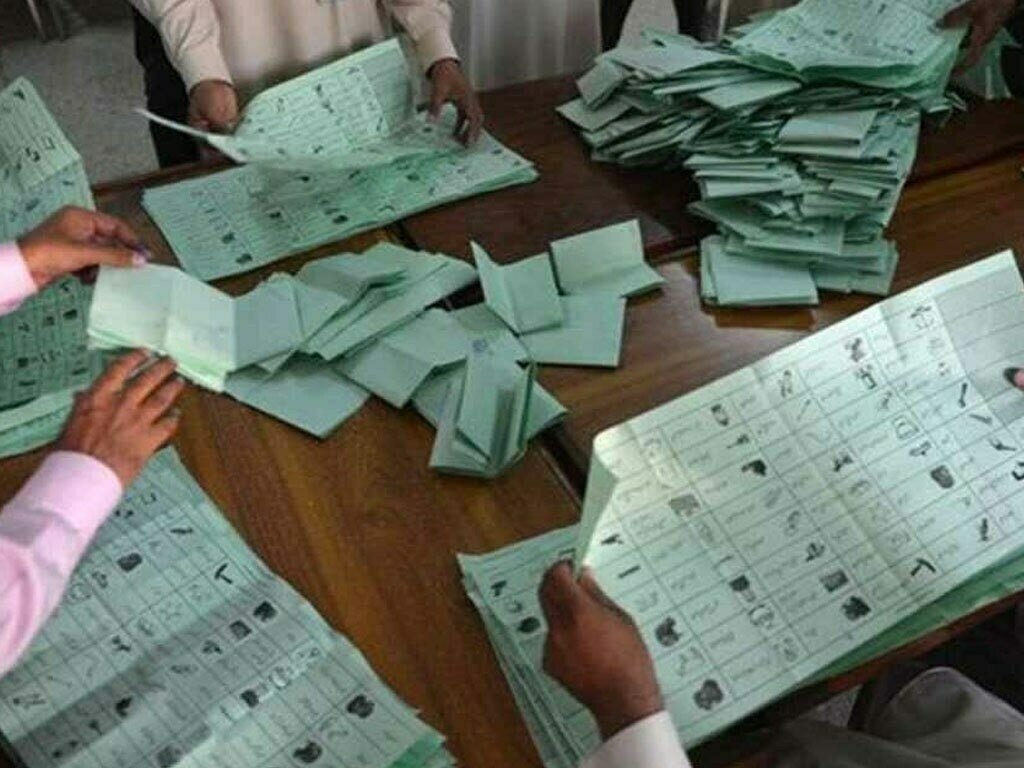
  • ECP completes printing of 260 million ballot papers

    ECP completes printing of 260 million ballot papers

    The Election Commission of Pakistan (ECP) said on Monday that it finished printing 260 million ballot papers for all 859 constituencies across the country, as reported by The News.

    The spokesperson of the electoral body stated that they also completed the reprinting of some ballot papers for a few constituencies on time, as ordered by the Supreme Court (SC).

    He also explained that after printing, the process of delivering ballot papers across the country is in progress and will be completed today.

    The spokesman highlighted that for the 2018 general elections, they printed 220 million ballot papers using 800 tonnes of special security paper. However, for the 2024 general election, they printed 260 million ballot papers, requiring 2,170 tonnes of paper.

    According to the spokesperson, the electoral body faced many challenges during the printing process, but ECP fulfilled its responsibility with honesty and completed the printing of ballot papers on time.

  • ‘I am strongly against stopping criticism, as freedom of the press is enshrined in the constitution,’ Chief Justice Faez Isa

    ‘I am strongly against stopping criticism, as freedom of the press is enshrined in the constitution,’ Chief Justice Faez Isa

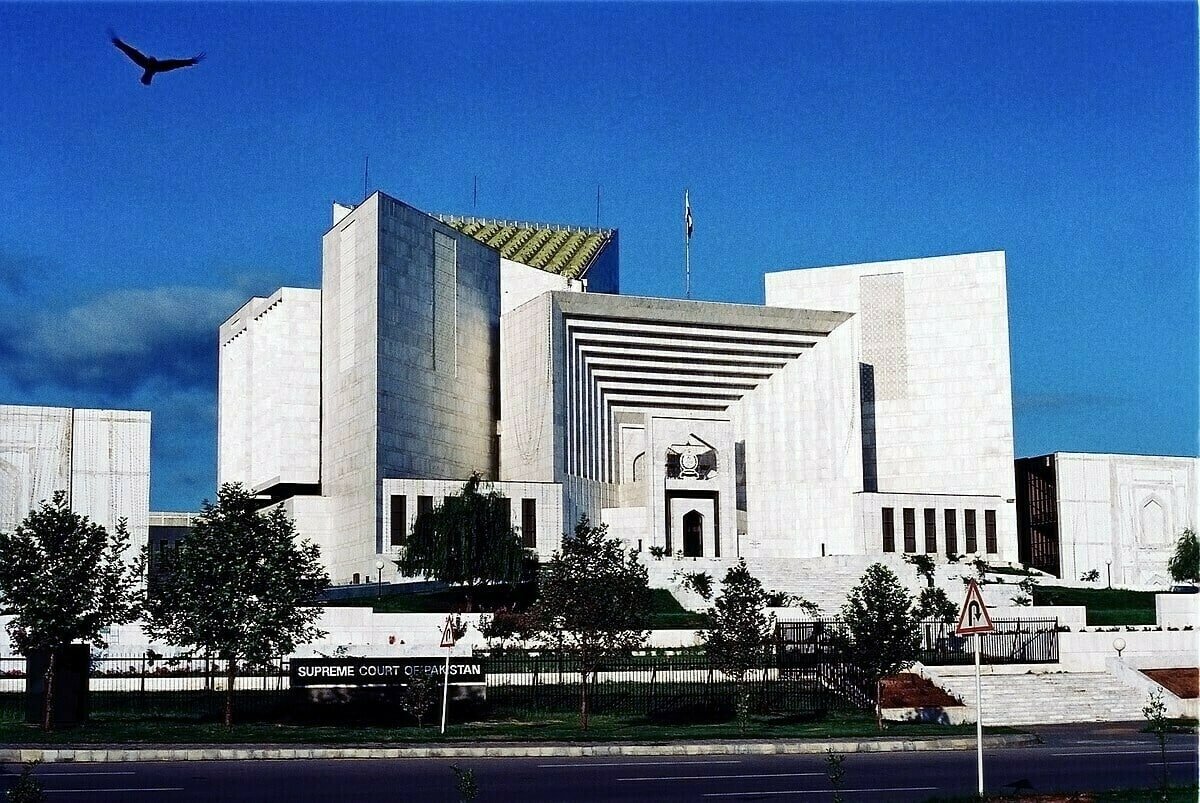
    The Supreme Court (SC) has instructed the Federal Investigation Agency (FIA) to promptly withdraw notices sent to journalists involved in a “malicious campaign” against the judiciary and institutions on social media as per Geo News.

    A three-member bench of the apex court, headed by Chief Justice Qazi Faez Isa, heard the case pertaining to harassment of journalists by FIA.

    CJP ISA told Attorney General of Pakistan (AGP) Mansoor Usman Awan that verbal abuse was a different matter and that the FIA should not take action against journalists, especially on criticism.

    The AGP assured the Chief Justice of Pakistan that journalists would not face any action.

    The chief justice remarked that he is strongly against curtailing criticism, as freedom of the press is enshrined in the Constitution. “I don’t care if you make fun of me, but if you make fun of the judiciary, the country will suffer. You can criticise the Supreme Court, but the Constitution also has some limitations,” he said.

    “If you think that you are benefiting me or the Supreme Court by stopping criticism, then you are harming [the institution],” CJP Isa remarked.

    Qazi Faez Isa also said that media persons are allowed to criticise, but the matter of incitement is different. “We can never restrain a common man or a journalist from criticising.”

    Justice Musarrat Hilali stated that there is no issue with fair criticism, but the language used is wrong.

  • Supreme Court allows Parvez Elahi to contest elections from Gujrat

    Supreme Court allows Parvez Elahi to contest elections from Gujrat

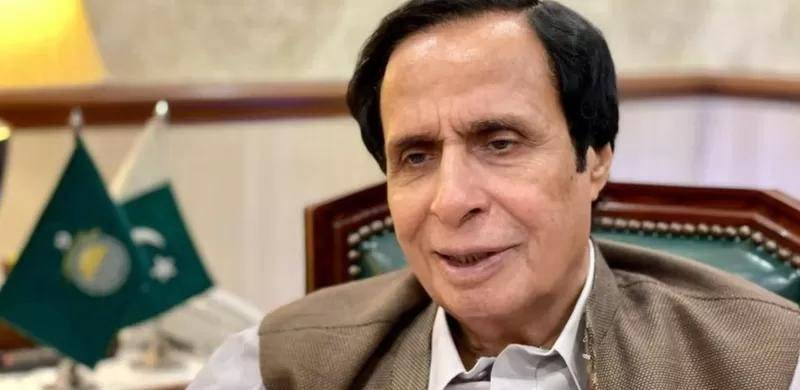
    The Supreme Court (SC) has on Friday granted major relief to the Pakistan Tehreek-e-Insaf (PTI) by allowing three of its frontline candidates, including incarcerated party president Chaudhry Parvez Elahi, to contest the upcoming February 8 elections.

    The top court on Friday approved appeals of PTI candidates Umer Aslam, Major (retd) Tahir Sadiq, and Elahi against Returning Officer decisions to reject their nomination papers from multiple constituencies.

    Chaudhry Parvez Elahi has been allowed to contest from Gujarat district’s PP-32 seat.

    The former chief minister of Punjab had filed a petition in the apex court to challenge the Lahore High Court’s (LHC) verdict of upholding the decision of the Election Tribunal to reject his nomination paper.

    A three-member bench of the SC, comprising Justice Mansoor Ali Shah, Justice Jamal Khan Mandokhail, and Justice Athar Minallah, heard Elahi’s plea.

  • Khan warns candidates of losing party tickets if they don’t launch campaigns

    Khan warns candidates of losing party tickets if they don’t launch campaigns

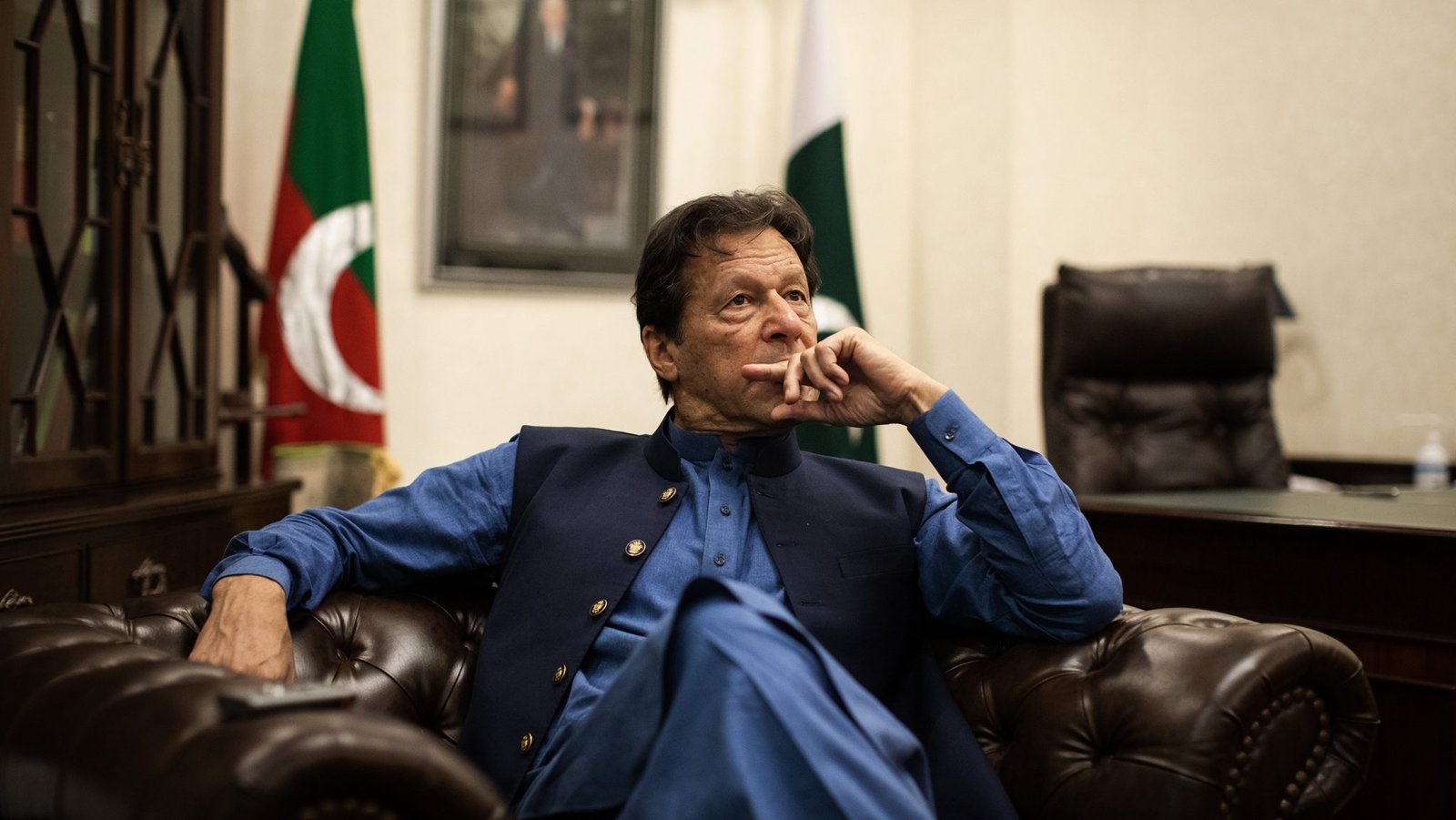
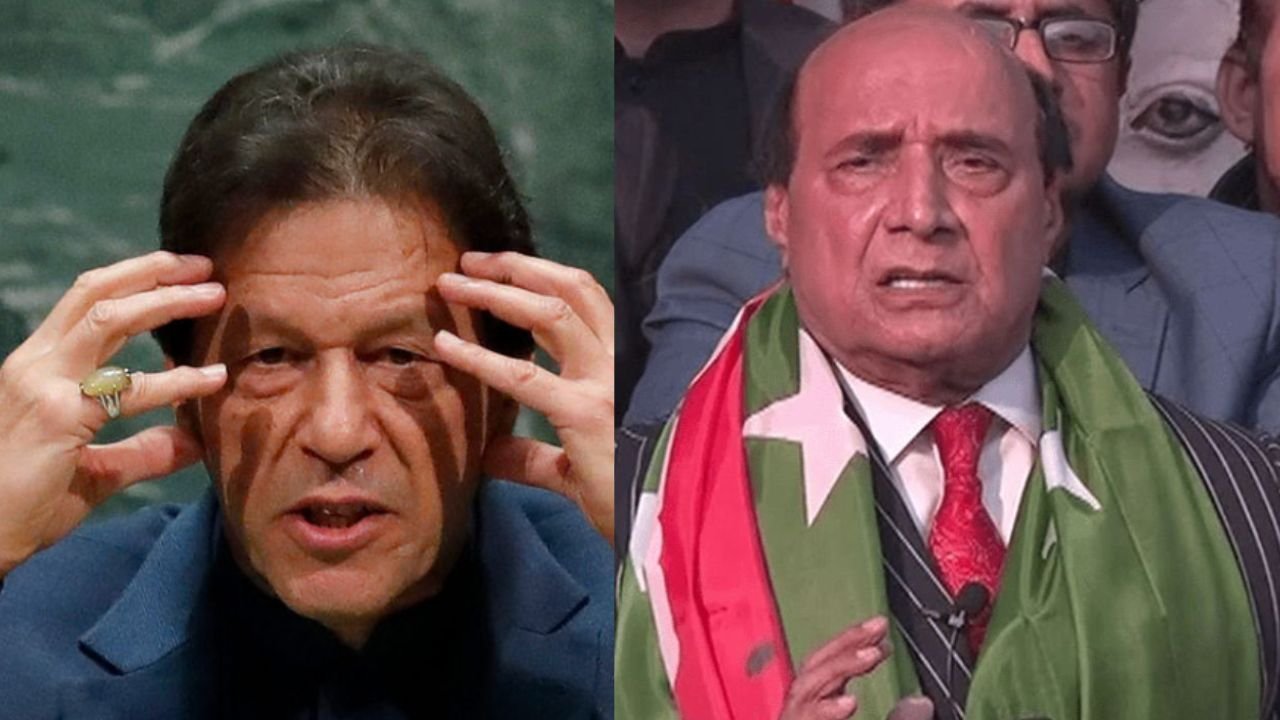
    Pakistan Tehreek-e-Insaf (PTI) founder Imran Khan issued a warning to his party candidates to launch their election campaigns in a peaceful way; otherwise, their tickets will be cancelled for the February 8 elections.

    The former prime minister, who is currently in Adiala jail, said to his ticket holders that those leaders will not come out for the election campaign; their tickets will be replaced.

    Imran Khan gave his remarks while talking to journalists in the Adiala jail courtroom.

    The former prime minister was jailed in May last year, and PTI’s electoral symbol “bat” was taken away this month. Furthermore, the party—PTI-Nazriati — with which it sought an alliance also backtracked from its commitment.

    However, the PTI has vowed to participate in the upcoming elections actively, opting not to boycott them despite the removal of its iconic electoral symbol, the ‘bat.’

    After the Supreme Court’s (SC) decision regarding the bat symbol, the PTI candidates are now contesting elections on multiple symbols.

  • Why shouldn’t court try Qasim Suri for violating Constitution, asks CJP Isa.

    Why shouldn’t court try Qasim Suri for violating Constitution, asks CJP Isa.

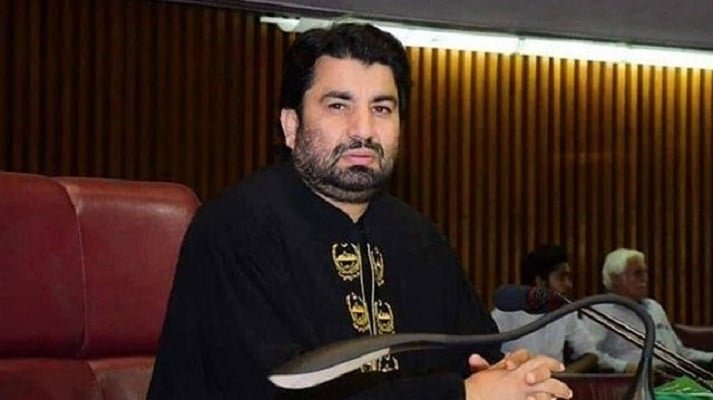
    Chief Justice of Pakistan (CJP) Qazi Faez Isa has asked why the Supreme Court (SC) should not proceed against former National Assembly (NA) deputy speaker and Pakistan Tehreek-e-Insaf (PTI) leader Qasim Suri for violating the Constitution.

    “Qasim Suri did not hold [voting] on the no-confidence motion. He became the cause of the constitutional crisis in the country,” the CJP remarked while referring to the 2022 crisis related to the ouster of then-prime minister Imran Khan via parliamentary vote.

    The CJP also stated that it was suggested that a former NA deputy speaker should be tried under Article 6 for treason. “Then tell us, why we should not proceed against you on abrogation of the Constitution?”

    The CJP passed the remarks during the hearing of Suri’s 2019 petition challenging the election tribunal’s decision to declare his election from NA-265 (Quetta-II) unlawful on September 27, that same year.

    In 2019, a three-member bench of the apex court headed by Umar Ata Bandial rejected the petition of the election tribunal and restored Qasim Suri’s membership.

    Baloch leader Lashkari Raisani had challenged Suri’s victory in the Quetta constituency during the 2018 elections.

  • Former DG ISI Faiz Hameed denies meeting former judge Shaukat Aziz Siddiqui

    Former DG ISI Faiz Hameed denies meeting former judge Shaukat Aziz Siddiqui

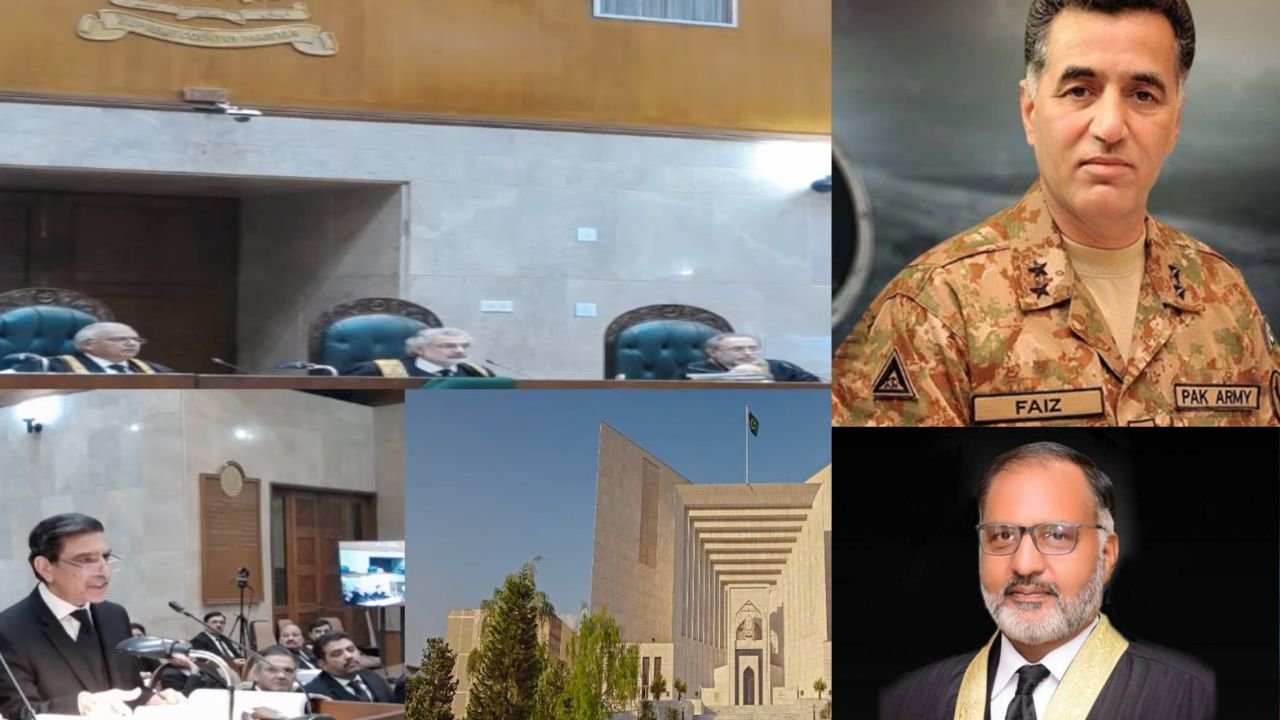
    Lieutenant General (retd) Faiz Hameed, former director general of Inter-Services Intelligence (ISI), has firmly denied allegations of him meeting former Islamabad High Court judge Shaukat Aziz Siddiqui and manipulating the judicial proceedings related to the Panama Papers case, Geo has reported.

    General Hameed labeled the accusations as “absolutely false, frivolous, concocted, and based on an afterthought.”

    He emphasized that he neither contacted Judge Siddiqui nor engaged in any meetings with him, rejecting any involvement in discussions about the appeals filed by Pakistan Muslim League-Nawaz (PML-N) leader Nawaz Sharif in the court.

    IHC former chief justice Muhammad Anwar Khan Kasi also submitted his response to the Supreme Court rejecting Siddiqui’s allegations.

    In addition, Brigadier (retd) Irfan Ramay’s reply has also been submitted to the top court, in which he denies the allegations against him and meeting Siddiqui.

    Contrary to Faiz Hameed’s reply, Siddiqui claims he has concrete evidence of two meetings with Gen (retd) Faiz Hameed at his official residence in 2018.

    Talking to Geo News, Siddiqui says he not only has a list of witnesses but also material evidence to prove his allegation that the then-DG ISI visited him twice when he was a senior serving judge.

    Siddiqui says if required, he can furnish the evidence to the Supreme Court, which is presently hearing an appeal against his dismissal by the Supreme Judicial Council (SJC) in October 2018.

    Referring to the replies of Gen (retd) Faiz and others submitted to the Supreme Court in his case, he says the replies that deny his allegations prove the point that he was dismissed from service by the SJC without inquiring about the matter.

    Siddiqui says a day after his address to the Rawalpindi Bar Association on July 22, he had formally approached the then chief justice Saqib Nisar requesting him to constitute a commission to probe the authenticity and truthfulness of what he had alleged in the address.

    “If an independent commission holds that there’s no reality in the facts presented in the meeting of District Bar Association Rawalpindi, I am ready to face the consequences, but at the same time, I have a right to enquire that if my presented facts proved correct, what would be the fate of those persons, be they the serving army personnel who are involved in manipulating the judicial system,” reads his letter written to the then CJP.

    Siddiqui requested the issuance of directives for open proceedings of an independent commission, allowing media, civil society, and the legal fraternity to attend the inquiry into his allegations.

    Expressing his distress, Siddiqui stated, “It is a matter of concern that the independence of my institution has been compromised by the intervention of a few individuals of the prestigious institution of the Army and its allied agencies.”

    He noted that he had previously pointed out this intervention, leading to the initiation of a reference against him, along with another he deemed fabricated.

    Siddiqui’s troubles began after he addressed the District Bar Association on July 21, 2018, at the invitation of the executive body.

    During this address, he presented facts related to the Constitution’s applicability, the rule of law, the independence of the bar and bench, and the dispensation of justice.

    Following his revelations, Siddiqui claimed that a false and malicious campaign was launched against him on social and electronic media.

    The former judge expressed his disappointment, revealing that he learned of the Supreme Court’s instant annoyance through social media and the press release of the Supreme Court’s Public Relations Officer (PRO). Siddiqui noted that such outbursts of anger from the Supreme Court were not new and unusual in his experience.

    Despite Siddiqui’s request for an independent commission to probe the authenticity of his claims, none was constituted.

    Read more: Supreme Court issues notice to ex-DG ISI Faiz Hameed in Shaukat Aziz Siddiqui plea
  • ‘Judge who is affected by criticism on social media violates his oath’: Justice Athar Minallah

    ‘Judge who is affected by criticism on social media violates his oath’: Justice Athar Minallah

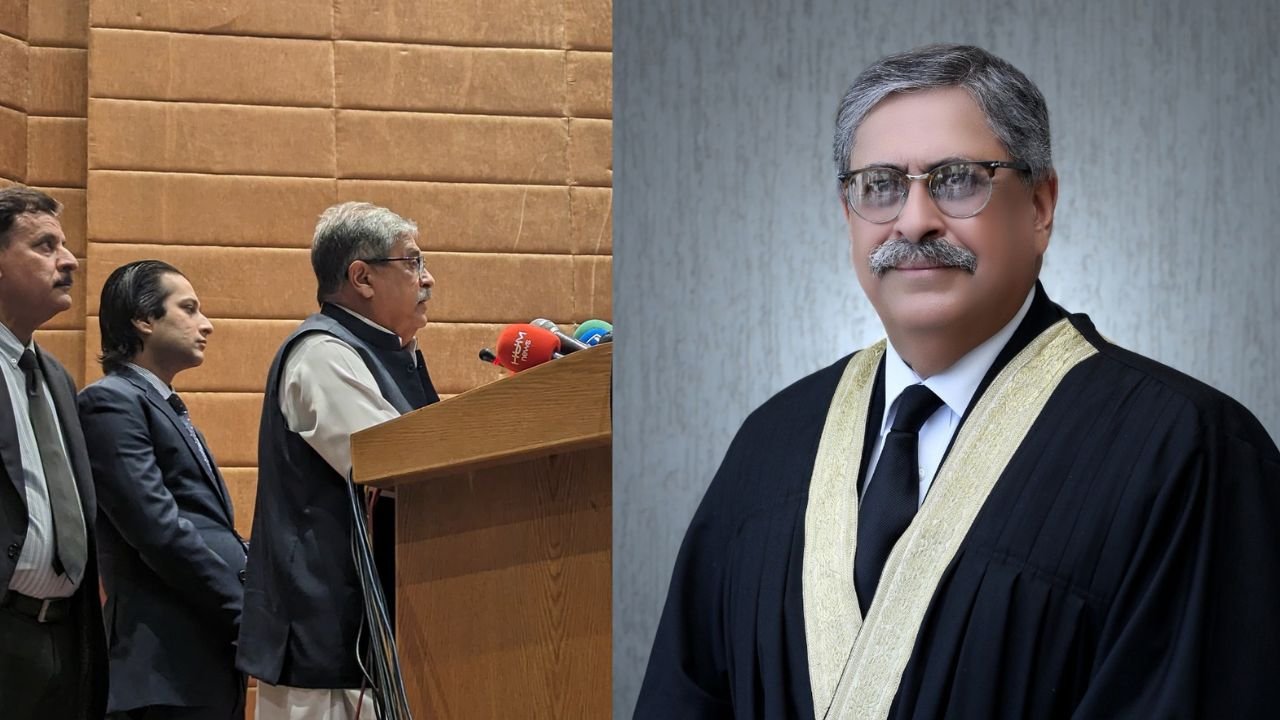
    Supreme Court Justice Athar Minallah, addressed a seminar on the significance of freedom of expression on Saturday, shedding light on its historical context and impact on Pakistan’s trajectory.

    The seminar, a part of the second law bridge workshop on superior court reporting, provided a platform for Justice Minallah to share his insights on the intersection of freedom of expression and judicial independence.

    Expressing his concern over the potential influence of social media on judicial decision-making, Justice Minallah asserted the importance of maintaining judicial independence, stating that any judge swayed by social media violates his/her oath and called upon fellow jurists to remain resolute in upholding justice despite external pressures.

    Addressing the delicate balance between constructive criticism and trust in the judiciary, Justice Minallah emphasized that critics should retain faith in the legal system, considering it a litmus test for its strength.

    He welcomed constructive criticism while underscoring the need to strike a balance in fostering trust in the judiciary.

    Reflecting on the challenges of freedom of speech in the country, the Chief Justice traced the roots of censorship to historical actions following Quaid-e-Azam Muhammad Ali Jinnah’s speech on August 11, 1947. He stressed the necessity of balancing freedom of expression with responsible reporting to navigate these challenges.

    Sharing a personal anecdote from his early days as a judge, Justice Minallah recounted a case involving a 16-year-old accused of displaying a banner against a senior apex court judge.

    He highlighted the importance of judiciously addressing such incidents and cautioned against making blanket judgments without thorough investigations.

    “When the matter of the 18th constitutional amendment was raised, many forces were against it. A reporter asked me, what will the Supreme Court do about the 18th Amendment. I replied ‘In my opinion, the SC should not interfere in the constitutional amendment’,” he said.

    The apex court judge said he had said he would resign if the 18th amendment was annulled and the next day news was published that “Athar Minallah has threatened the court”.

    Citing former Ugandan president and the modern world history’s most brutal dictator, Idi Amin, Justice Minallah said, “A society is ruined, if someone gags freedom of expression like Idi Amin.”

  • Latif Khosa no more part of Imran Khan’s legal team

    Latif Khosa no more part of Imran Khan’s legal team

    In a significant development, former Prime Minister and founding chairman of Pakistan Tehreek-e-Insaf (PTI), Imran Khan, has made changes to his legal team handling National Accountability Bureau (NAB) cases, expressing dissatisfaction during consultations last week.

    As per We News, Imran Khan voiced uncertainty about the effectiveness of his current legal team and directed Barrister Ali Zafar and Sikander Zulqarnain to take charge of NAB cases.

    Particularly raising concerns about the performance of senior lawyer Latif Khosa in handling NAB cases, Khan remarked that he was not confident in the actions taken by the legal team and specifically questioned Khosa’s preparedness in dealing with legal matters.

    Journalist Murtaza Ali Shah took to X (former Twitter) and wrote, “Imran Khan has removed Latif Khosa from his legal team saying he appears before judges without doing proper homework. Imran Khan accepts his legal team was not prepared, behind the loss of BAT symbol. The video below explains.”

    It is worth noting that on Friday, proceedings related to a £190 million NAB reference were postponed until January 24. The action related to the individual case was halted until the mentioned date.

    Imran Khan’s decision to replace his legal team has led to the postponement of the proceedings, with the court granting time for the new legal team, consisting of Barrister Ali Zafar and Sikander Zulqarnain, to prepare for the upcoming hearings. The next hearing is expected to feature appearances by Barrister Ali Zafar, Sikander Zulqarnain, and Osman Gul on behalf of Imran Khan and his wife Bushra BiBi.

  • Murad Saeed is not contesting elections this year

    Murad Saeed is not contesting elections this year

    Pakistan Tehreek-e-Insaf (PTI) leader Murad Saeed withdrew from the general elections 2024 on Thursday.

    During the hearing of the petition filed against his nomination papers in the Peshawar High Court (PHC), Murad Saeed’s lawyer told the court that he had returned the ticket and he was not participating in the elections.

    The Peshawar High Court bench, comprising Justice Ishtiaq Ibrahim, Justice Aijaz Anwar, and Justice Sahibzada Asadullah, entertained a plea regarding the rejection of Murad Saeed’s nomination papers and subsequently rendered its decision.

    However, it was revealed during the proceedings that the petitioner had withdrawn the application, informing the court that the ticket had been voluntarily returned.

    On Wednesday, the bench reserved its decision on the petition against the rejection of the PTI leader’s nomination papers.

    Justice Ishtiaq Ibrahim remarked in yesterday’s hearing regarding what the law says when a person is declared a fugitive and does not surrender before the law.

    When a person does not appear in front of the law, how can the papers be approved, he will be elected again and legislate, he asked.

    The Advocate General said in his arguments that when a person becomes a fugitive, he loses some basic rights and he has no right to vote or contest election.

    The court stated in its remarks that, “It will then be used as a weapon to prevent anyone from the election”.

    While reserving the decision on Murad Saeed’s appeal, the court declared the documents of Shehram Tarkai and Atif Khan to be correct in this regard.

    A three-member bench of PHC upheld the decision of the Election Tribunal and rejected the petitions against the approval of Shahram Tarkai and Atif Khan’s papers.

  • What is going on in PTI as leaders clash publicly?

    What is going on in PTI as leaders clash publicly?

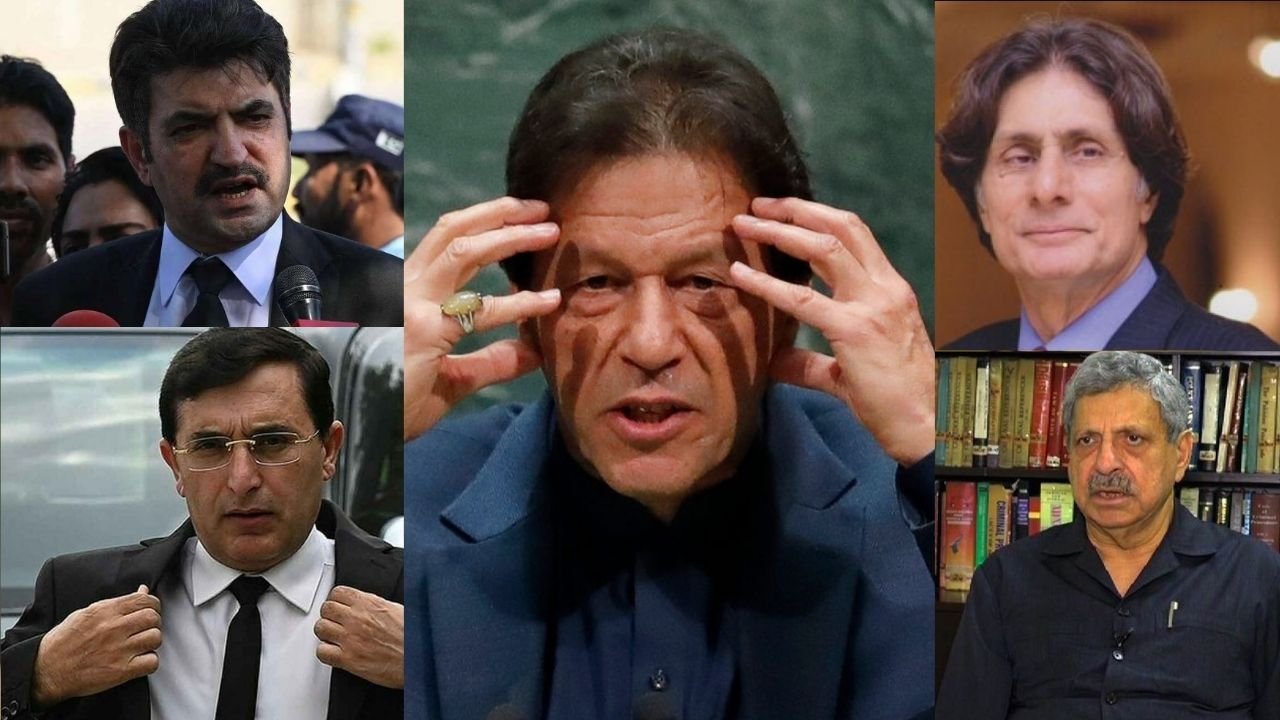
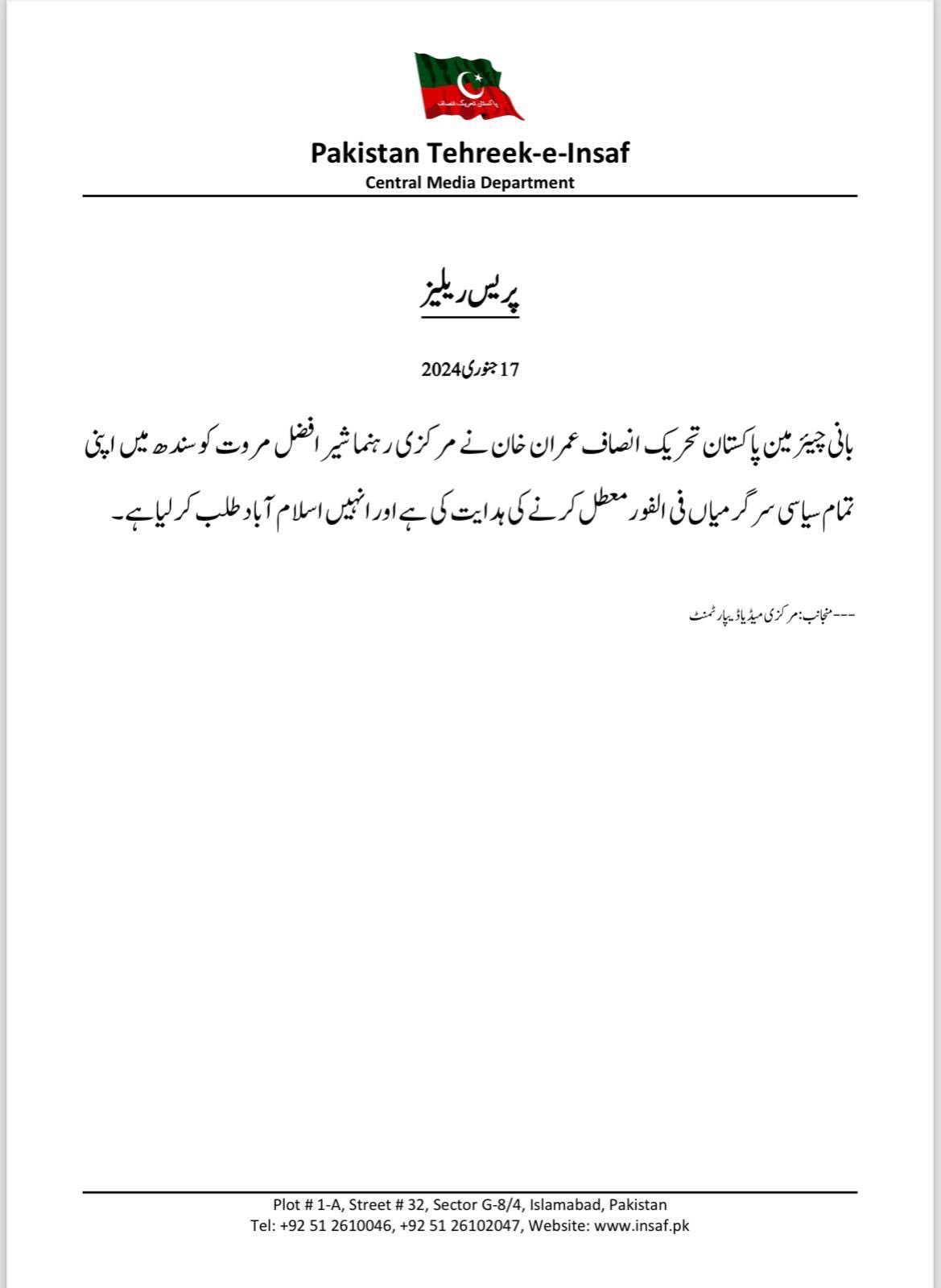
    In a surprising turn of events within the Pakistan Tehreek-e-Insaf (PTI), party founding chief Imran Khan has reportedly instructed senior vice chairman Sher Afzal Marwat to suspend all political activities in Sindh.

    Disagreements between Marwat and other party leaders, including Raoof Hasan and Barrister Hamid Khan, have escalated, leading to a temporary halt in political engagements.

    Hamid Khan endorsed the statements of Raoof Hasan.

    https://twitter.com/BrHamidKhan/status/1747182074191360492?s=20

    The directive from Imran Khan came a day after Marwat initially announced the suspension of the election campaign in Sindh, citing an alleged “attack” by party leaders Raoof Hasan and Hamid Khan.

    “Keeping in view the statements against me by sick-minded people like Hamid Khan and Rauf Hassan, I am calling off my campaign in Sindh,” said Marwat.

    However, conflicting statements emerged later after Marwat declared his intention to continue the polls campaign.

    “Workers are right and I will continue campaigning for PTI in Sindh. I will not be distracted,” wrote Marwat.

    In a social media post, he expressed his determination to continue campaigning for PTI in Sindh, urging party activists to confront what he referred to as “satanic forces” independently.

    The internal strife unfolded after Marwat launched the PTI’s election drive in Sindh but later called it off due to statements against him by party leaders.

    The controversy intensified as Marwat accused President Arif Alvi of being a “wrong number” and alleged a conspiracy against the party.

    In response, Hasan and Hamid disowned Marwat’s statements, asserting that he did not represent the party’s position and had no official post within PTI.

    Barrister Gohar Ali Khan, chairman of PTI, addressed the media, emphasizing the party’s commitment to democratic values and calling for unity among party members. Despite internal disagreements, he expressed confidence in Marwat’s candidacy for the upcoming elections from Lakki Marwat.

    The ongoing disputes raise questions about Marwat’s purported meetings with Imran Khan in jail, with conflicting statements from PTI leaders.

    While Hasan claimed no political leader was allowed to meet Imran, Gohar Ali Khan affirmed Marwat’s continued affiliation with the party.

    As PTI works towards finalizing its candidate list for the February 8 elections, the internal conflicts underscore the challenges inherent in the democratic process. PTI members are urged to set aside personal differences for the party’s success in the upcoming polls.