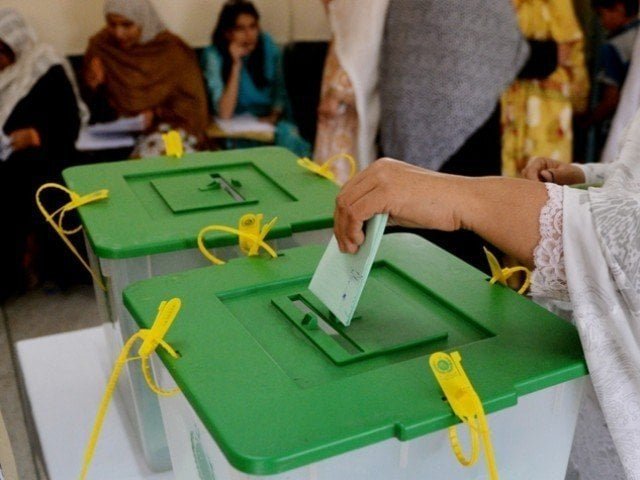
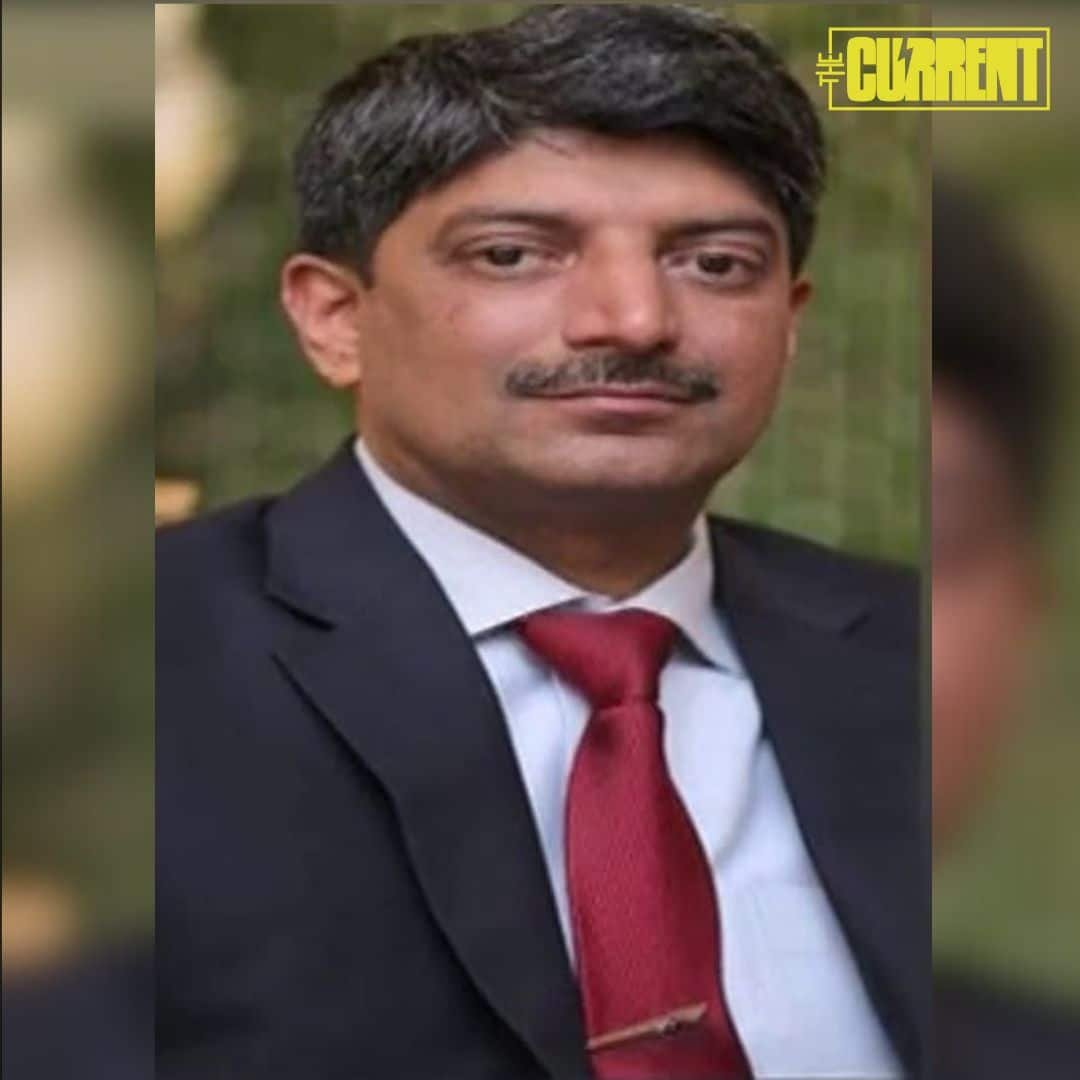
The Election Commission of Pakistan (ECP) has raised concerns over the Peshawar High Court (PHC) order against the appointment of a returning officer (RO) in PK-91 Kohat-II. According to the sources of The News, “it is becoming difficult” for electoral authorities to conduct polls with multiple emerging challenges.
The electoral body showed concerns during the ECP meeting on Wednesday and decided to file a petition in the Supreme Court (SC) against the PHC order rejecting the appointment of Irfanullah as RO for PK-91 Kohat-II.
As per the report, ECP decided to move to SC after consulting with legal experts from the commission.
“The meeting noted that following the PHC order, the very constituency is now technically without a returning officer. In these circumstances, it is becoming difficult for the Election Commission of Pakistan to conduct elections,” sources said, referring to the commission’s huddle here at its secretariat after having received the provincial high court order.
According to Article 218, it is the constitutional authority of the electoral body to conduct free, fair, and transparent elections in the country, and all the state institutions are bound to support the ECP to make polls possible.
The Commission reviewed the matter and decided to hold another meeting on Thursday (today) prior to taking a decision in relation to the PHC order.
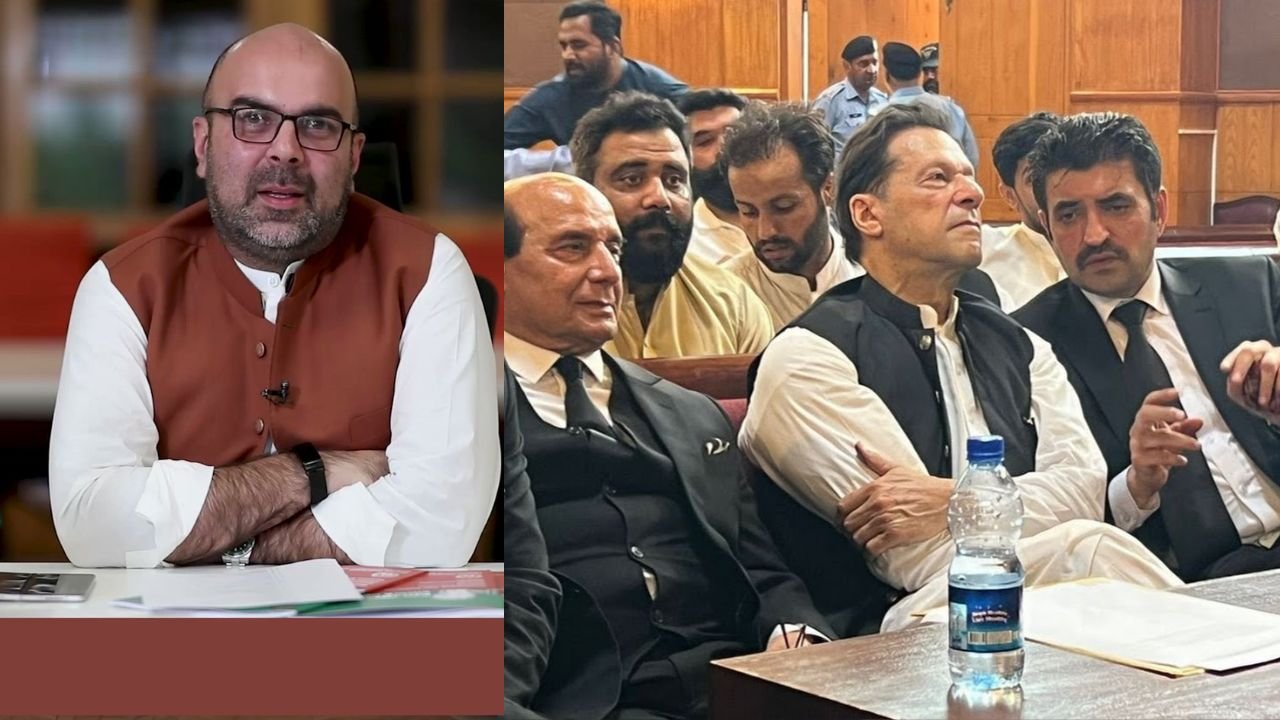
As Pakistan gears up for the upcoming general elections, internal tensions have surfaced within the Pakistan Tehreek-e-Insaf (PTI), notably between leaders Taimur Khan Jhagra and Sher Afzal Marwat.
The disagreement revolves around Marwat’s decision to enter the electoral race in Peshawar.
Jhagra, a prominent PTI leader hailing from Khyber Pakhtunkhwa, has expressed objections to Marwat’s choice to contest the elections scheduled for February 8 next year from the NA-32 constituency in Peshawar.
During a recent statement, Jhagra emphasized, “It would be more fitting if a leader from Peshawar contested from that constituency.”
He underscored that the party, rather than individual leaders, should determine the candidates’ election constituencies.
In response to these objections, Marwat, in an interview with Geo News, stated that he has no personal interest in participating in the elections.”The PTI founder has directed me to contest elections from Peshawar,” he added.
Marwat, who has already submitted his nomination papers, reiterated his commitment to contesting elections from Peshawar as per Imran Khan’s instructions.
The Election Commission of Pakistan (ECP) has reported a significant influx of nomination papers, receiving a total of 28,626 submissions from aspiring candidates across the country vying to participate in the upcoming polls.
As per the ECP’s data seen by Geo News, 7,242 men and 471 women have filed nomination papers for national assembly seats (general), whereas for provincial assemblies, the number stands at 17,744 and 802, respectively.
The ECP is currently scrutinising the nomination papers filed by the candidates with the stage set to culminate on December 30 (Saturday).
Meanwhile, appeals against the acceptance or rejection of nomination papers can be submitted by January 3, and decisions on these appeals will be made by January 10.
The top electoral body will issue the list of candidates on January 11, with candidates having the option to withdraw until January 12 i.e., before the ECP allots electoral symbol on January 13.
As per the data shared by the ECP, a total of 459 and 1,365 nomination papers have been received by the electoral body for the reserved seats for national and provincial legislature, respectively.
Meanwhile, on the reserved seats for non-muslims, 361 men and 32 women have submitted their nomination papers for provincial assemblies. For national assembly seats, the number stands at 140 and 10, respectively.
A total of 7,713 people have submitted their nomination papers for national assembly seats (general), with the number standing at 18,546 for provincial assemblies (general).
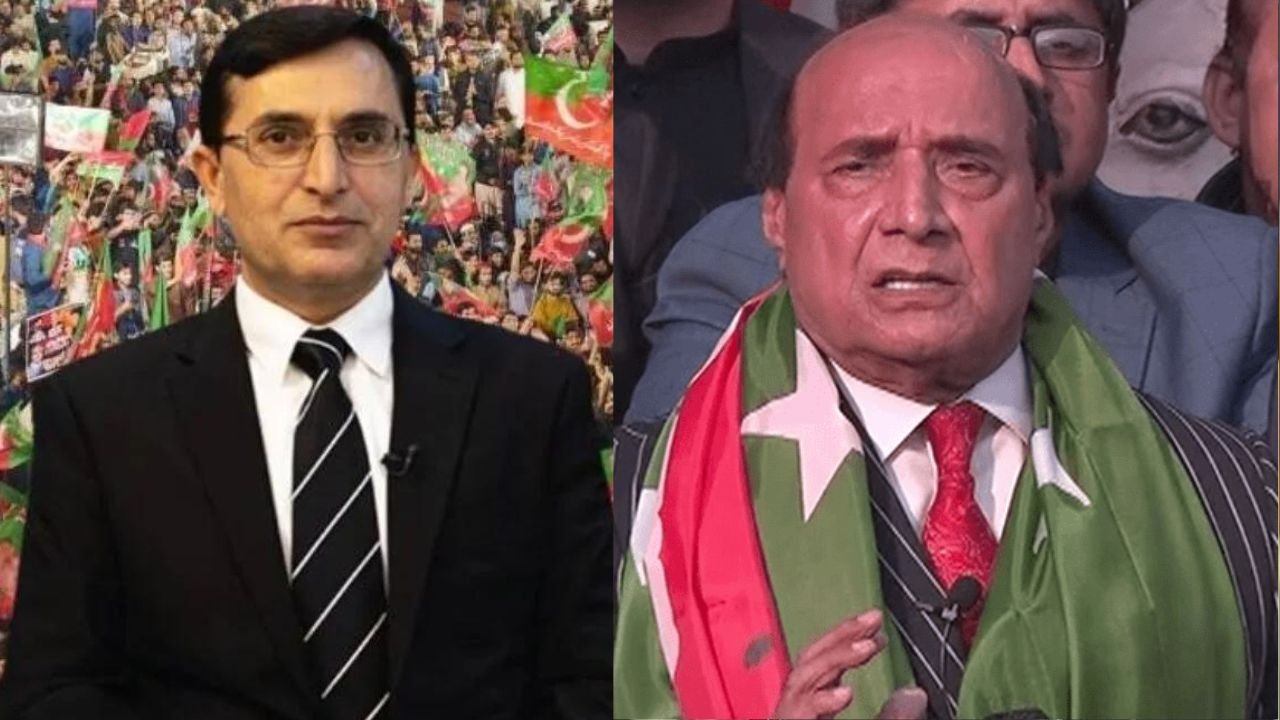
In a recent interview on Geo News’ program ‘Aaj Shahzeb Khanzada Kay Saath,’ senior vice president of Pakistan Tehreek-e-Insaf (PTI), Latif Khosa, took a swipe at the party’s newly appointed chairman Barrister Gohar.
Khosa expressed confidence in assuming a leadership role after Imran Khan.
Directing criticism at Barrister Gohar, Khosa stated that the lawyer lacks the experience that he possesses. He emphasized his role as the senior vice president within PTI, positioning himself as a contender for leadership after Imran Khan.
During the conversation, Khosa emphasized that, unlike the situation with Nawaz Sharif, the judiciary was not biased in favor of PTI.
He highlighted the trial without jurisdiction in the Toshakhana case, stating that the punishment given was incorrect and could be rectified through a review order.
Khosa asserted that the subsequent disqualification of Imran Khan by the Election Commission as a consequence of delaying the sentence was rushed, occurring within three days instead of the stipulated 30 days.
He further stated that the basic rights of Imran Khan were being apprehended by the courts.
Khosa mentioned that the situation is leading to uncertainty and keeping PTI out of elections means that the elections are not free and fair.
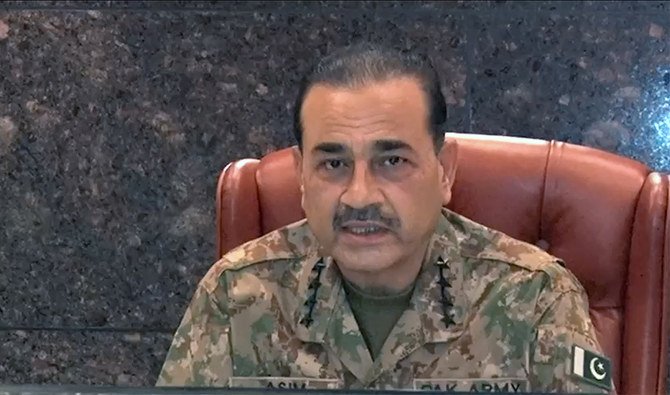
The Chief of Army Staff (COAS), General Asim Munir, said last week while talking to the Pakistani-American business community in the United States that elections in Pakistan “will be held on February 8 next year.”
The army chief gave the statement a few hours before the Supreme Court’s (SC) verdict suspending the Lahore High Court (LHC) staying the appointment of Returning Officers (ROs) from bureaucracy. conduct a general election on February 8, 2024.
A Pakistani-American businessman posted a quote from General Asim Munir. Speaking with Geo News, Tanveer Ahmed, a Texas-based Pakistani businessman, quoted the army chief as saying, “As far as I know, general elections will be held on the 8th of February.”
The businessman also shared the army chief’s words: “If elections get delayed, it won’t be beyond the limit when Senate elections are to be held.”
The next senate elections will be held in March 2024.
The notification to requisition returning officers (ROs) from the bureaucracy, important for the electoral process, was temporarily halted by the LHC on December 13, raising concerns about the timely conduct of elections.
The Election Commission of Pakistan (ECP) will start receiving nomination papers from expected candidates tomorrow as the upcoming general elections are set to take place on February 8 next year in the country, The News has reported.
District Retuning Officers (DROs) and Returning Officers (ROs) will take oaths today as per the Election Act of 2017. After that, the process of receiving nomination papers will start.
A day earlier, at least 859 ROs completed their training for the upcoming polls while 144 DROs will complete their training today. The training of DROs and ROs was halted on December 14 after the stay order of Lahore High Court (LHC) on a Pakistan Tehreek-e-Insaf (PTI) petition against the appointment of officers.
However, the Supreme Court (SC) suspended the LHC order and directed the ECP to release the election schedule as well as restore the training of DROs and ROs.
Candidates who want to take part in the upcoming general elections can submit their nomination papers to their respective ROs from December 20 to December 22.
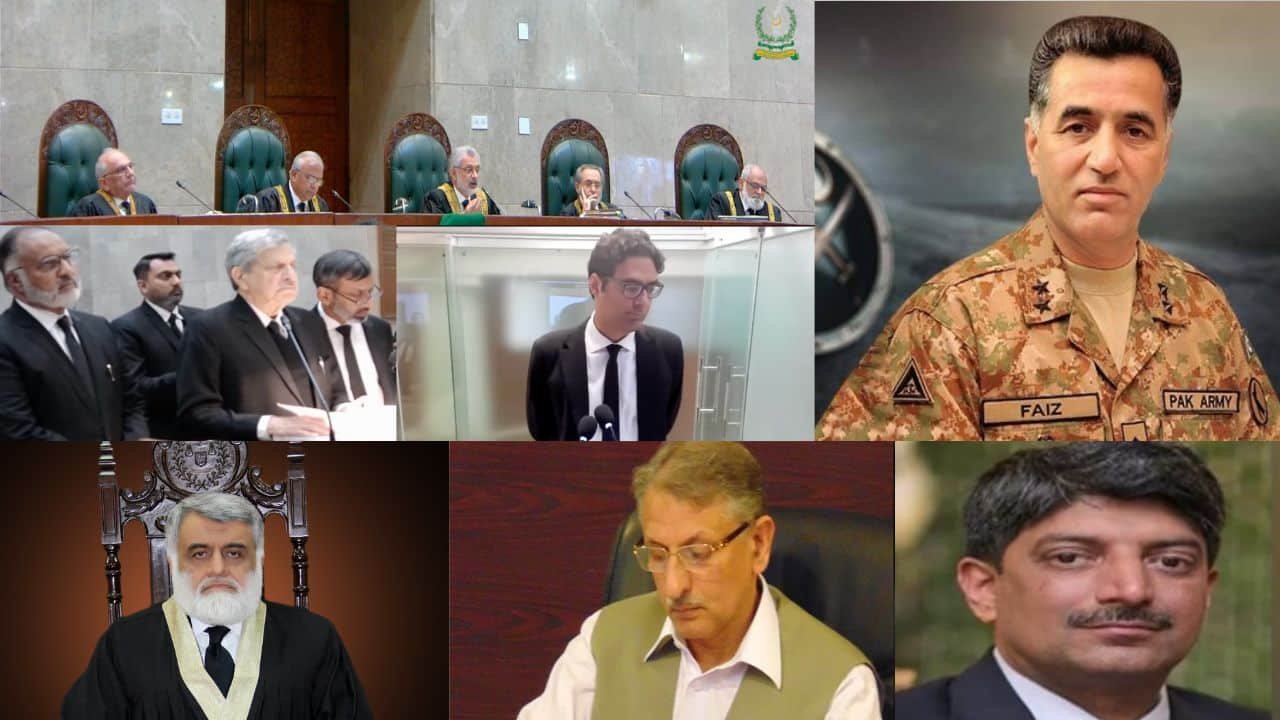
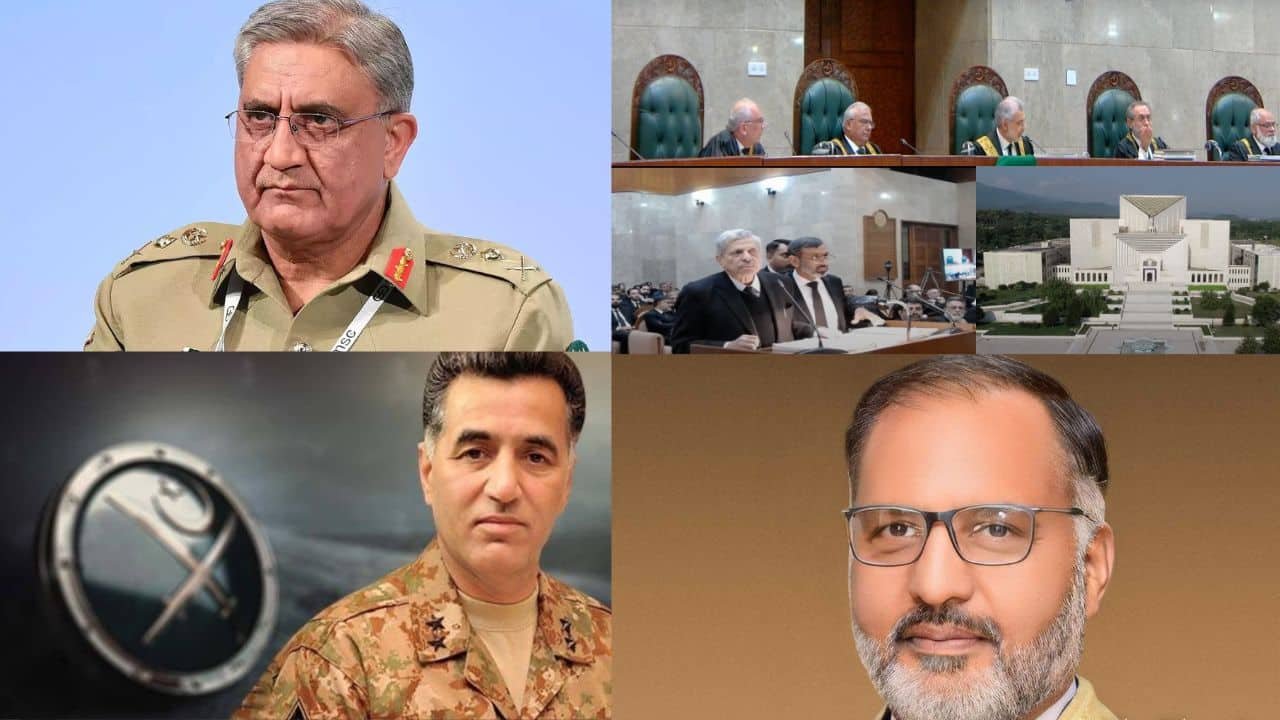
The Supreme Court on Friday issued notices to former Inter-Services Intelligence (ISI) director-general Faiz Hameed and others on former Islamabad High Court (IHC) judge Shaukat Aziz Siddiqui’s petition challenging his removal.
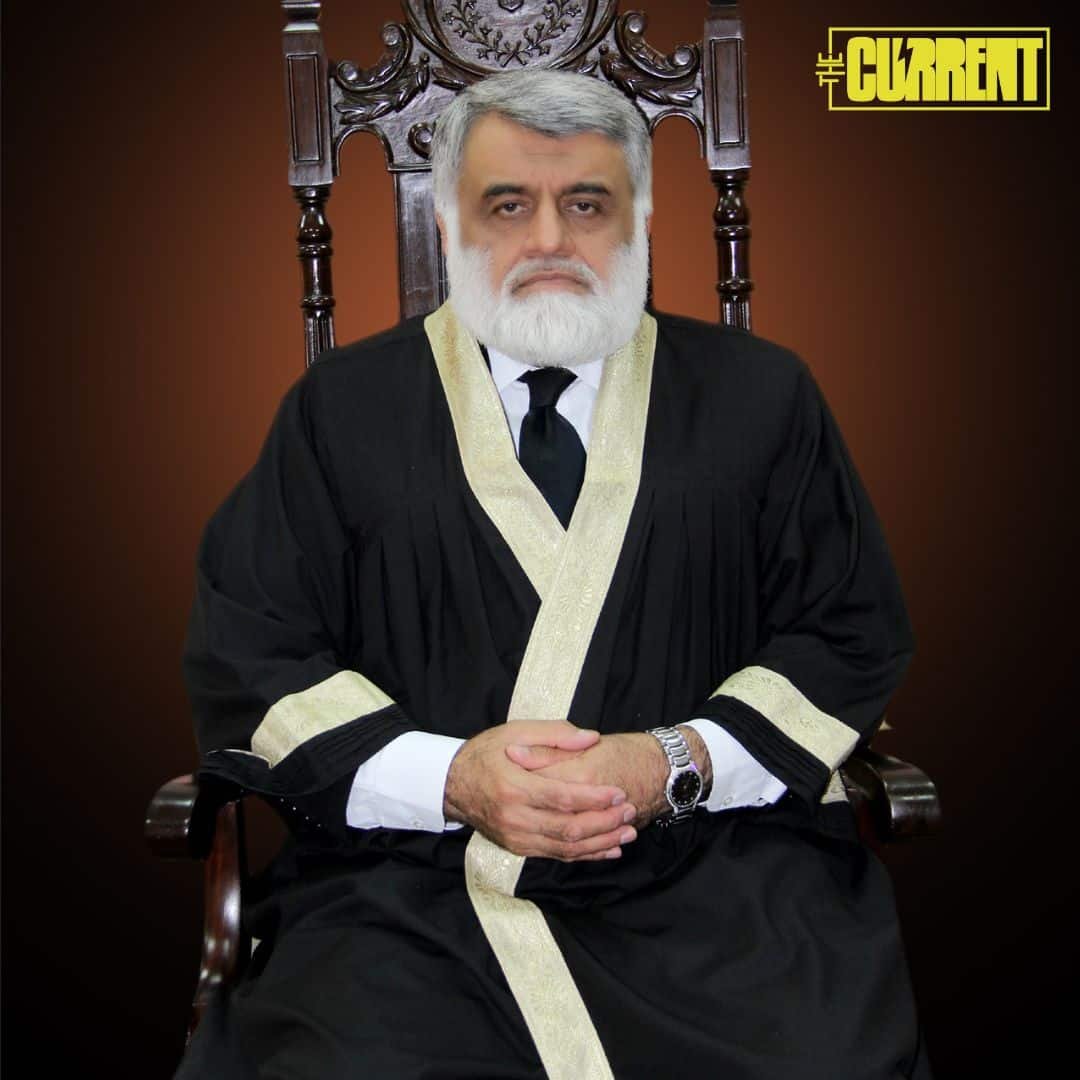
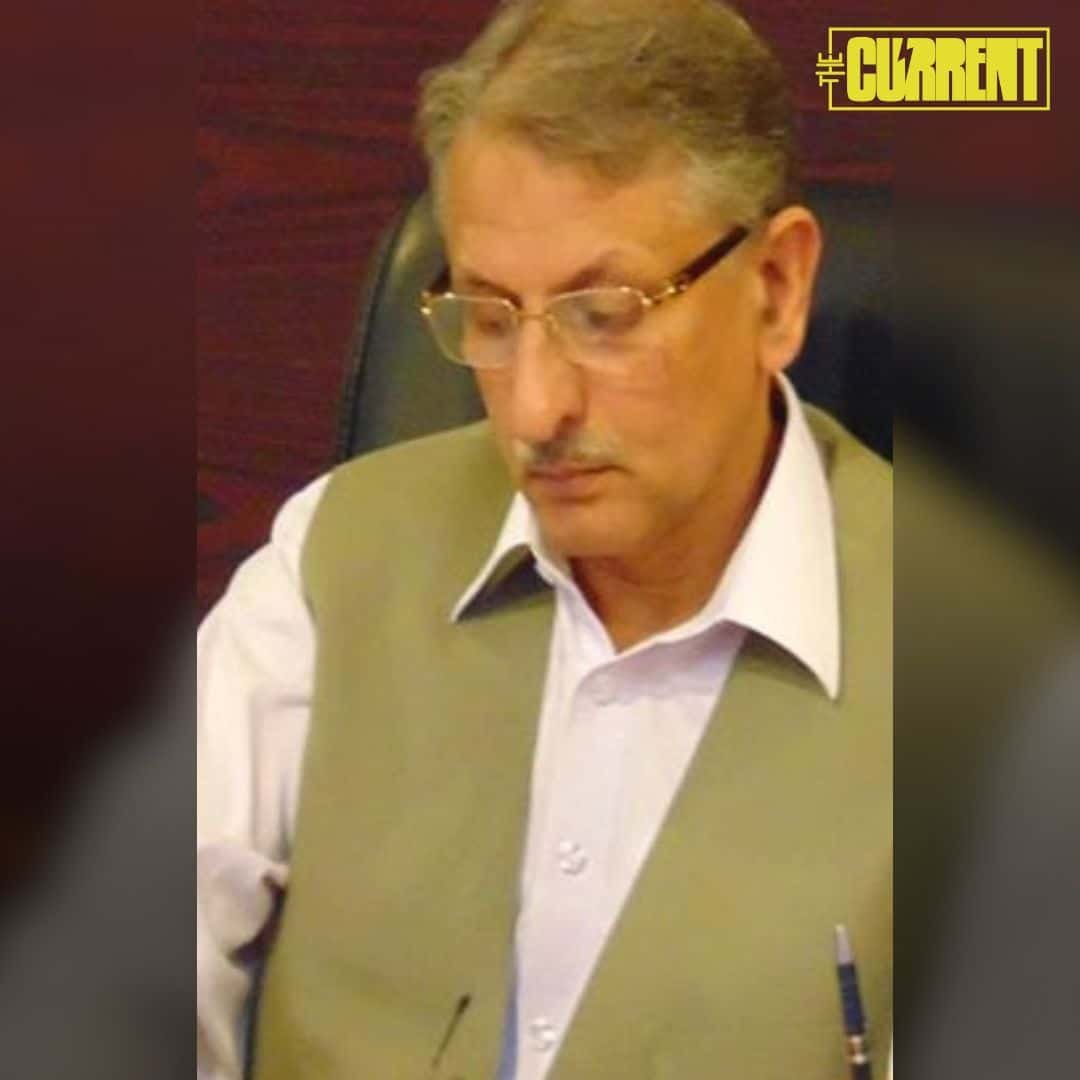
The notices were also issued to former IHC chief justice Anwar Khan Kasi, former registrar of the Supreme Court Arbab Muhammad Arif, and retired brigadier Irfan Ramay.
Former IHC Chief Justice Anwar Khan KasiFormer Registrar of the Supreme Court Arbab Muhammad ArifRetired Brigadier Irfan Ramay
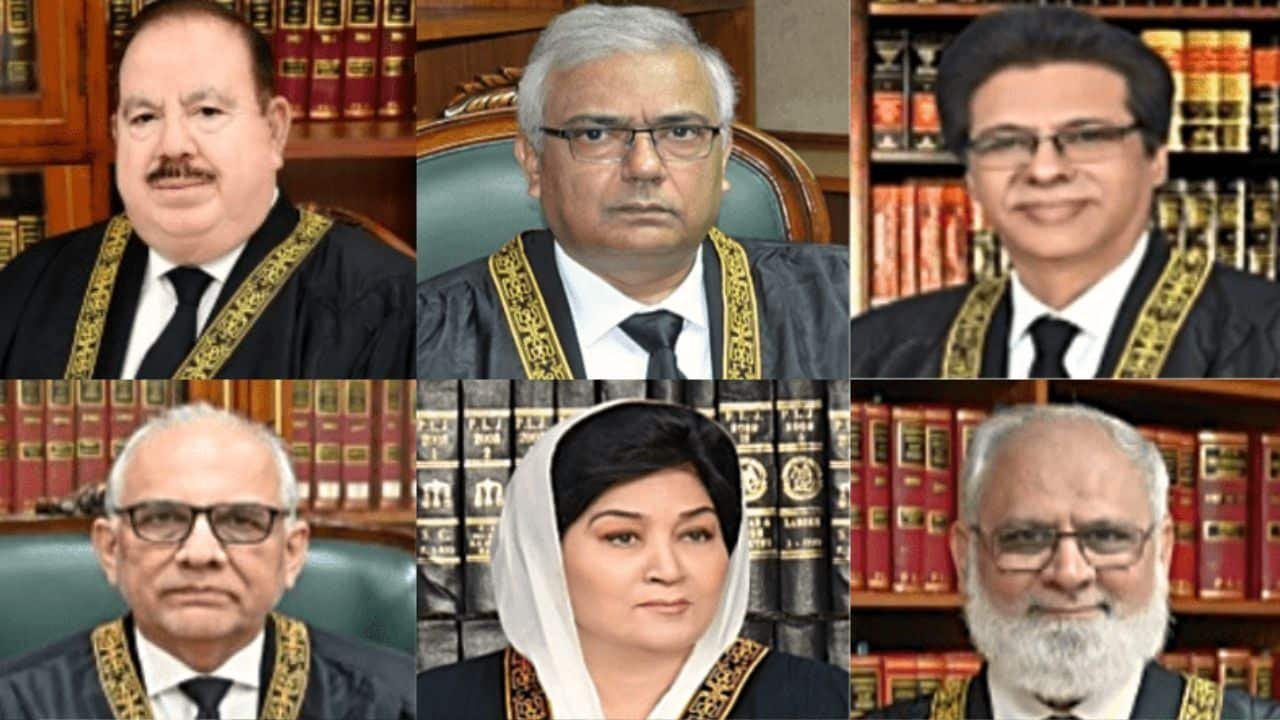
A five-member bench led by CJP Qazi Faez Isa, comprising Justice Amin-ud-Din Khan, Justice Jamal Khan Mandokhail, Justice Hasan Azhar Rizvi, and Justice Irfan Saadat Khan, conducted proceedings on the plea.
Today’s hearing was broadcast live on the apex court’s website as well as on its YouTube channel.
Siddiqui nominated seven individuals in his amended plea, however, the court remarked that three others — former chief of army chief General (retd) Qamar Javed Bajwa, and two retired brigadiers- Faisal Marwat and Tahir Wafai — had no direct connection with the case.
A day earlier, the top court ordered Siddiqui to nominate former spy chief Hameed, former army chief General (retd) Qamar Javed Bajwa, and others in the plea against his dismissal.
Following the order, the former judge requested to make Bajwa and Hameed parties in the case related to his suspension along with IHC chief justice Anwar Khan Kasi, former registrar of the Supreme Court Arbab Muhammad Arif, retired brigadier Irfan Ramay, retired brigadier Faisal Marwat and retired brigadier Tahir Wafai.
The case was fixed for hearing earlier this month after the judge filed a miscellaneous application with the Supreme Court to conduct an early hearing of his plea against the decision by the Supreme Judicial Council (SJC) on his dismissal.
Lawyer Hamid Khan represented the former IHC judge in the case.
The Case
President Arif Alvi on October 11, 2018, removed Justice Shaukat Aziz Siddiqui as judge of the Islamabad High Court (IHC) on the recommendation of the Supreme Judicial Council (SCJ).
The president took the decision under Article 209(5)on the SJC recommendation under Article 209(6) read with Article 48(1) of the Constitution, a notification issued by the Ministry of Law and Justice stated.
The council unanimously opined that while delivering the speech before the District Bar Association in Rawalpindi on July 21, Justice Shaukat Aziz Siddiqui, an IHC judge, displayed conduct unbecoming of a high court judge.
Judges on the panel included: Then Chief Justice of Pakistan Mian Saqib Nisar, Justice Asif Saeed Khosa, Justice Gulzar Ahmad, Lahore High Court’s Chief Justice Yawar Ali, and Chief Justice of the Sindh High Court Justice Ahmed Ali Sheikh.
Justice Khosa said that the judge in question chose to address a meeting of the district bar association, Rawalpindi on July 21 at a time when many inquiries were pending against him before the SJC under Article 209.
In his speech, Siddiqui accused the Inter-Services Intelligence (ISI) of manipulating judicial proceedings, especially in the Panamagate case.
The ex-judge had submitted a plea against the Supreme Judicial Council’s (SJC) decision to dismiss him after a complaint was filed against him for inflammatory speeches.
The Supreme Court (SC) on Thursday resumed the hearing of a plea filed by former Islamabad High Court (IHC) judge Shaukat Aziz Siddiqui and ordered him to nominate former Inter-Services Intelligence (ISI) chief General Faiz Hamid and others in the plea against his dismissal.
A five-member bench led by Chief Justice of Pakistan Qazi Faez Isa heard the case. The other members of the bench are Justice Aminuddin Khan, Justice Irfan Saadat Khan, Justice Jamal Khan Mandokhail, and Justice Syed Hasan Azhar Rizvi.
The proceedings were broadcast live on the apex court’s website as well as on its YouTube channel.
Lawyer Hamid Khan represented the former IHC judge in the case.
Siddiqui has filed a miscellaneous application with the Supreme Court along with the case related to his dismissal from office.
The former judge has requested to make former army chief Gen (retd) Qamar Javed Bajwa and former ISI head Faiz Hameed parties in the case related to his suspension.
Ex IHC judge Shaukat Aziz Siddiqui has made ex army chief General Qamar Javed Bajwa , ex DG ISI Faiz Hameed etc as respondents in his petition challenging his removal by SJC. Will SC issue notice to ex army chief tomorrow ( Friday) ?? pic.twitter.com/xX5k774Me3
The case was fixed for hearing earlier this month after the judge filed a miscellaneous application with the Supreme Court to conduct an early hearing of his plea against the decision by the Supreme Judicial Council (SJC) on his dismissal.
Order
The SC order, issued by the bench, mentioned that allegations were levelled against some personalities who were not present at the case’s hearing. It added that those accused in the case must be made parties.
“How will he, who is not a party, present his position in front of the court?” the order read.
The order also mentioned that the bench will not be available to hear the petition from Monday due to winter vacations.
The case
President Arif Alvi on October 11, 2018, removed Justice Shaukat Aziz Siddiqui as judge of the Islamabad High Court (IHC) on the recommendation of the Supreme Judicial Council (SCJ).
The president took the decision under Article 209(5)on the SJC recommendation under Article 209(6) read with Article 48(1) of the Constitution, a notification issued by the Ministry of Law and Justice stated.
The council unanimously opined that while delivering the speech before the District Bar Association in Rawalpindi on July 21, Justice Shaukat Aziz Siddiqui, an IHC judge, displayed conduct unbecoming of a high court judge.
Judges on the panel included: Then Chief Justice of Pakistan Mian Saqib Nisar, Justice Asif Saeed Khosa, Justice Gulzar Ahmad, Lahore High Court’s Chief Justice Yawar Ali, and Chief Justice of the Sindh High Court Justice Ahmed Ali Sheikh.
Justice Khosa said that the judge in question chose to address a meeting of the district bar association, Rawalpindi on July 21 at a time when many inquiries were pending against him before the SJC under Article 209.
In his speech, Siddiqui accused the Inter-Services Intelligence (ISI) of manipulating judicial proceedings, especially in the Panamagate case.
The ex-judge had submitted a plea against the Supreme Judicial Council’s (SJC) decision to dismiss him after a complaint was filed against him for inflammatory speeches.
The Supreme Court has, by a majority of 5-1, suspended its October 23 order that declared the trials of civilians in military courts null and void regarding the May 9 riots.
The decision came in response to intra-court appeals (ICAs) filed by the federal and provincial governments, as well as the defense ministry, challenging the earlier verdict.
A six-member bench of the Supreme Court, headed by Justice Sardar Tariq Masood and comprising Justice Aminuddin Khan, Justice Muhammad Ali Mazhar, Justice Syed Hasan Azhar Rizvi, Justice Musarrat Hilali, and Justice Irfan Saadat Khan heard the set of intra-court appeals.
Justice Hilali differed with the majority decision.
On October 23, a five-member apex court bench headed by Justice Ahsan unanimously admitted the pleas and nullified the government’s decision to try civilians in military courts in connection with the May 9 riots which erupted after the arrest of Pakistan Tehreek-e-Insaf (PTI)-then chairman Imran Khan.
Four judges out of the five declared that Section 2(1)(d) of the Army Act and 59(4) (civil offences) are “ultra vires the Constitution and of no legal effect”.
“Without prejudice to the generality of the foregoing the trials of civilians and accused persons, being around 103 persons […] shall be tried by criminal courts of competent jurisdiction established under the ordinary and/or special law of the land in relation to such offences of which they may stand accused,” the short order read.
Following its verdict, the federal and the provincial governments along with the defence ministry filed intra-court appeals (ICAs). However, the caretaker government of Sindh refused to file any plea against the SC order.
Justice Masood, who faced objections regarding his inclusion in the bench, refused to recuse himself.
Former Chief Justice Jawwad S Khawaja and others had raised concerns about Justice Masood’s previous expressions on the matter, but the judge maintained his position.
The Supreme Court’s recent decision to suspend the October 23 verdict means that the trials of 103 civilians will continue, with the final ruling conditional upon the Supreme Court’s subsequent orders.
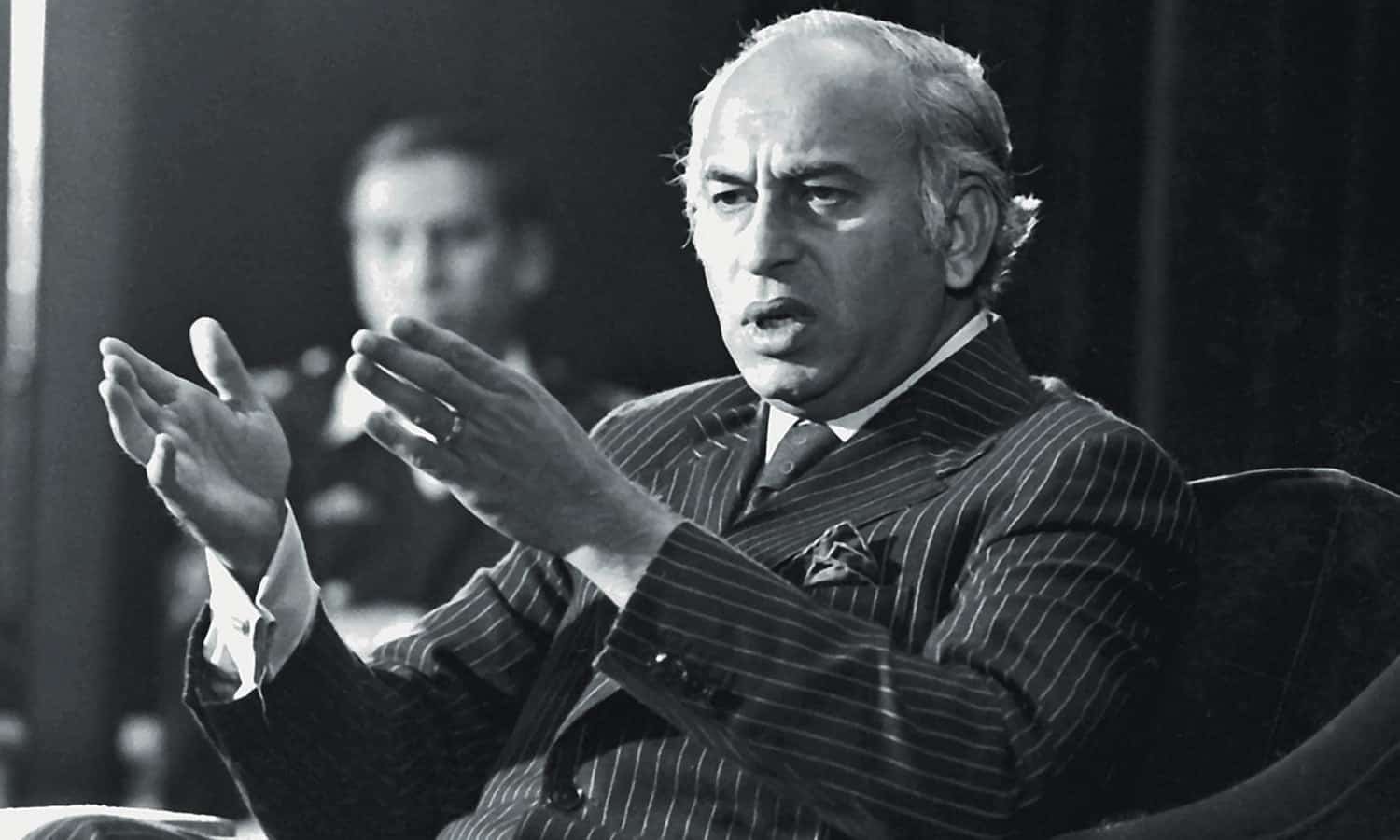
On December 12, a larger bench of the Supreme Court, led by Chief Justice of Pakistan Qazi Faez Isa, comprising nine members, is scheduled to hear on the presidential reference regarding the reconsideration of the judgment on Bhutto’s death sentence.
It has been decided to schedule a presidential reference hearing to declare the execution of Pakistan People’s Party (PPP) founder and former prime minister Zulfikar Ali Bhutto as judicial murder.
According to sources, the presidential reference regarding Zulfiqar Bhutto’s execution is likely to be scheduled for hearing next week.
According to the sources of Geo News, a larger bench will hear the presidential reference related to Zulfikar Ali Bhutto.
Sources also said that the presidential reference will be heard under the chairmanship of Chief Justice of Pakistan (CJP) Qazi Faiz Isa.
It should be remembered that in 2011, the PPP government, through the then President Asif Ali Zardari, filed a reference in the Supreme Court (SC) regarding the execution of Zulfiqar Ali Bhutto.
Now, after a long gap of almost 11 years, the reference is going to be fixed for hearing again.
An application asking to separate Justice Ejazul Ahsan from the Supreme Judicial Council (SJC) on the issue of a complaint against Supreme Court (SC) Justice Mazahir Naqvi in the SJC has been filed.
Mian Dawood Advocate filed a constitutional petition in the SC in which the Federal Government and the Secretary SJC have been made parties, while the order sheet of the case of former CCPO Ghulam Mehmood Dogar is also attached to the petition.
It has been argued in the petition that Justice Ijaz should be removed from the council hearing the complaint against Justice Mazahar, and another senior judge should be made a part of the SJC in his place.
It has been said in the petition that the reference to corruption and misconduct against Justice Naqvi is under hearing in the Judicial Council. On the complaint of the petitioner, the Judicial Council has issued a second show cause notice to Justice Mazahar. In relation to the Ghulam Mahmood Dogar case, Justice Ijaz was part of the bench that heard the case; therefore, legally and in principle, no judge who heard the case of Ghulam Mahmood Dogar can be a member of the Judicial Council.
It has been further stated in the petition that Justice Ejazul Ahsan being a member of the SJC is against Articles 10A and 9 of the Constitution. Justice Ejaz will not be able to meet the demands of justice in the council.