Tag: survey

  • Are Pakistanis sleeping well?

    Are Pakistanis sleeping well?

    Another survey by Gallup Pakistan evaluates the sleep patterns of Pakistanis.

    The results reveal that Pakistanis appear to have good sleep quality.

    An impressive 85 per cent of respondents rated their sleep as excellent, while only 15 per cent reported poor sleep or insufficient rest.

    Comparatively, in global polls, Pakistanis stand out, with 68 per cent of people worldwide rating their sleep as good and 31 per cent as poor.

    Do you sleep well too?

  • Optimism among Pakistanis increases by 10 per cent

    Optimism among Pakistanis increases by 10 per cent

    The number of people in Pakistan expecting financial conditions to improve in the country has increased by 10 per cent compared to the previous quarter.

    A survey conducted by Ipsos Pakistan’s Consumer Confidence Survey – a global market research and public opinion specialist – laid out the latest figures.

    The survey revealed that 35 per cent of Pakistanis expressed hope for improvement in their own financial conditions in the future as the financial conditions in the country improve.

    On the other hand, 35 per cent of Pakistanis are disappointed and believe that the financial conditions will become weaker.

    The rate of Pakistanis expressing disappointment has reportedly increased by two per cent i.e. 43 per cent.

    Pakistanis also expressed concern regarding the overall economic situation of the country. This ratio, however, remains at the same level as of November 2023.

    On the other hand, 88 per cent believe that the country is heading towards a wrong direction, while 60 per cent of Pakistanis said the current state of the country’s economy is weak.

    The percentage of Pakistanis who expect the country’s economy to improve in the future has decreased by six per cent i.e. to 27 per cent.

  • 2023 terror stats: Suicide attacks highest since 2014

    In a report issued by the Pakistan Institute for Conflict and Security Studies (PICSS), it has been revealed that the country has experienced a surge in suicide attacks, reaching the highest level since 2014.

    According to the data released by PICSS, reported by Geo, 29 attacks have been reported in the year 2023, claiming 329 lives. 582 individuals were injured in these attacks. This marks the highest death toll since 2013 when 683 people lost their lives in 47 suicide bombings. 623 militant attacks in 2023, as compared to 380 such attacks in 2022. Among total attacks in 2023, 29 were suicide attacks; whereas in 2022, 15 were suicide attacks.

    Compared to the previous year, 2022, the report shows a tragic 93% increase in the number of suicide attacks, a 226% rise in resultant deaths, and a 101% surge in the number of injured individuals.

    In a comparative analysis of the regions, Khyber Pakhtunkhwa bore the brunt of these attacks, reporting 23 instances that resulted in 254 fatalities and 512 injuries. Within KP, newly merged districts (NMD) experienced 13 suicide attacks, leading to 85 deaths and 206 injuries. Balochistan faced five attacks, causing 67 deaths and 52 injuries, while Sindh witnessed one suicide attack resulting in eight deaths and 18 injuries.

    There was a stark increase in the attacks against military forces, with civilians constituting the second-largest victim category. A visual representation in the form of pie charts illustrates that 48% of deaths (157) and 58% of injuries (340) were inflicted upon security personnel. The number of civilian casualties was close to these statistics with 130 deaths and 242 injured.

    Taking notes from the historical trajectory, PICSS’s militancy database indicates a notable decline in suicide attacks from 30 in 2014 to a mere three in 2019. Contrary to the earlier statement, there was no significant surge in 2020 and 2021, as both years witnessed only four attacks each.

    The year 2022 witnessed a sudden and significant surge, recording 15 attacks resulting in 101 deaths and 290 injuries. This worrisome trend persisted into 2023, reaching a new high with 29 reported suicide attacks.

  • The Current ko kis tarhan ka hona chahiye?

    The Current ko kis tarhan ka hona chahiye?

    Please fill out this survey and let us know what you want from out website.

  • 51 per cent people think that Nawaz’s return will help PML-N win next election

    51 per cent people think that Nawaz’s return will help PML-N win next election

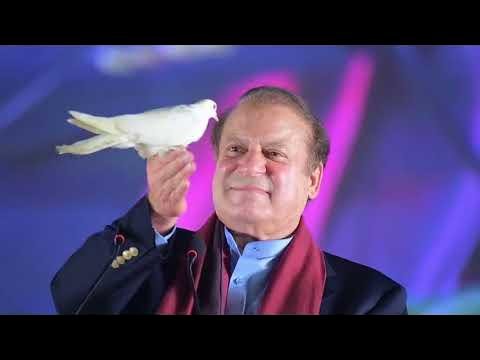
    The political fortunes of Pakistan Muslim League- Nawaz (PML-N) got uplifted after the return of three-time former prime minister and party head Nawaz Sharif, revealed a snap poll conducted by Gallup Pakistan.

    As per a report in The News, a sample of 1000 men and women were selected scientifically from 100 different district across the country.
    The survey included total eight key findings.

    According to the survey, 75 per cent adults of the country said that they have heard about Nawaz Sharif’s return.

    One in three adults said that they have heard the speech of the PML-N supremo, accounting for an audience of 40 million people across Pakistan.

    Thirdly, 80 per cent of the people who heard the speech said that they liked it. On the other hand, 12 per cent said that they didn’t like the speech and eight per cent have mix feelings.

    A total of 50 per cent respondents believed that Nawaz’s comeback to Pakistan would be beneficial for the nation and its people. In contrast, 14 per cent expressed concerns that his return would have a negative impact on Pakistan. Additionally, 18 per cent remained neutral, stating that his return would not affect the lives of the ordinary citizens.

    A key figure of 51 per cent people think that the former prime minister’s return to Pakistan will be helpful for PML-N to win the upcoming general election. On the other hand, 26 per cent people said that Nawaz Sharif’s return will harm PML-N.

    A total of 70 per cent people agreed that Nawaz Sharif should work with other political parties as well, including arch rivals PTI.
    Almost four in 10 respondents believed that Nawaz Sharif’s return to Pakistan was part of a certain deal.

    Lastly, 30 per cent people think that Nawaz Sharif has the ability to take the country out of its current economic situation. Meanwhile, 22 per cent were of the opinion that Imran Khan possessed the capability to alleviate the ongoing crisis in the country.

  • Majority of Pakistanis can’t make ends meet on current income, survey finds

    Majority of Pakistanis can’t make ends meet on current income, survey finds

    In a recent consumer-based study conducted by Pulse Consultant in Pakistan, concerning findings have emerged regarding the financial state of individuals across the country. The study, which encompassed 1,180+ respondents from the top 10 cities of Pakistan, aimed to understand the ability of individuals to meet their monthly expenses in relation to their current income. The results shed light on the economic challenges faced by a significant portion of the population.

    The study revealed that a staggering 60 per cent of respondents reported an inability to fulfill their monthly expenses with their existing income. This indicates a considerable strain on individuals’ finances, leading them to struggle to cover their essential needs. Among these respondents, both male and female participants voiced similar concerns, with 59 per cent of males and 68 per cent of females expressing difficulties in meeting their expenses.

    On the other hand, 40 per cent of the respondents claimed that their current income adequately covered their expenses. However, further analysis of this group revealed some noteworthy insights. Of those who reported their expenses were being met, only 28 per cent claimed to save money from their current income, while the remaining 72 per cent stated that they were unable to save any funds. Interestingly, female respondents seemed to face greater challenges in saving money, with 82 per cent of them reporting an inability to do so, compared to 71 per cent of their male counterparts.

    Among the 60 per cent of respondents who struggled to meet their expenses, several coping mechanisms emerged. For 37 per cent of them, borrowing money became a necessity to bridge the financial gap. Notably, a higher proportion of males (39 per cent) resorted to borrowing, compared to females (29 per cent).

    Additionally, 22 per cent of those facing financial difficulties reported engaging in additional part-time employment to supplement their income. This was more prevalent among males (39 per cent) who often bore the responsibility of supporting their families financially, compared to females (29 per cent).

    Moreover, 40 per cent of respondents stated that reducing expenditures became their only viable option. Nearly half of the women (46 per cent) reported resorting to this measure, while 38 per cent of men followed suit.

    The study’s findings paint a concerning picture of the financial landscape in Pakistan, with a significant portion of the population struggling to make ends meet. The inability to meet monthly expenses can lead to increased financial stress, limited access to basic necessities, and hindered economic growth for individuals and the nation as a whole.

    Addressing these challenges will require comprehensive efforts from both the government and private sector. Policymakers should focus on initiatives that promote economic growth, job creation, and income equality. Additionally, there is a need for financial literacy programs to empower individuals with the knowledge and skills necessary to manage their finances effectively and make informed decisions.

    Furthermore, it is crucial for employers to offer fair wages and employment opportunities that align with the needs of the population. By providing stable jobs and suitable remuneration, individuals can have a better chance of meeting their expenses and improving their overall financial well-being.

    Ultimately, the findings of this consumer-based study highlight the pressing need to address the financial struggles faced by a significant portion of the Pakistani population. Through concerted efforts and targeted interventions, it is possible to alleviate the burden of financial hardship and foster a more financially inclusive and prosperous society for all.

  • Why do you want to leave Pakistan?

    Why do you want to leave Pakistan?

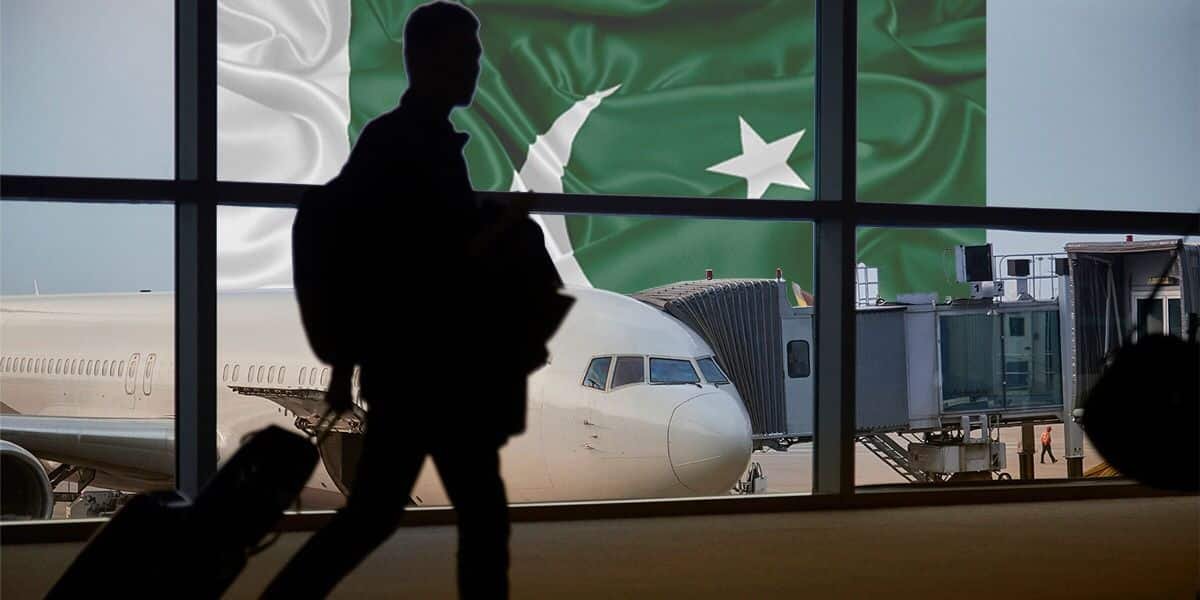
    The Pakistan Institute of Development Economics (PIDE) found that 62 per cent of the male population of Pakistan aged between 15 to 24 years wants to leave the country. The survey reveals that slightly more people in urban Pakistan (40 per cent) than in rural Pakistan (36 per cent) desire to leave the country.

    The question we need to ask is: why do these young men have a desperate urge to leave Pakistan?

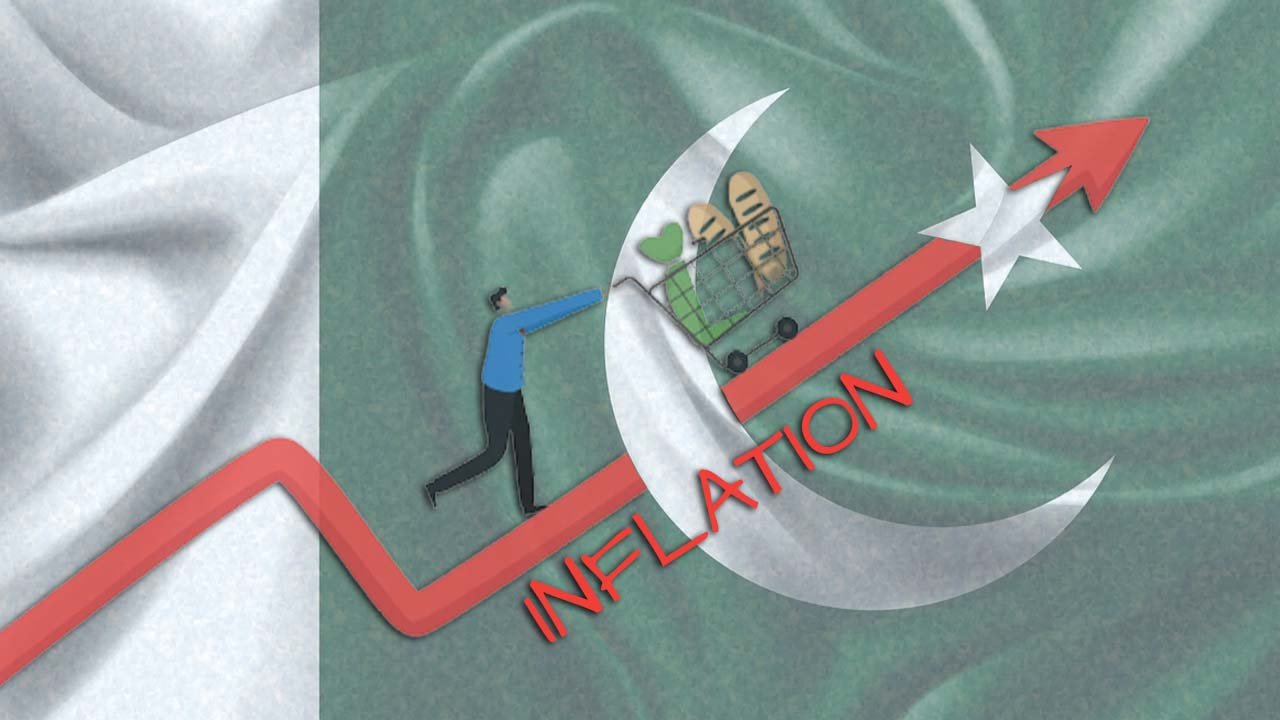
    The thing which is most striking in this scenario is that they are young boys and have a full life ahead of them. Yet the need to leave? The only thing that might make sense is that these young individuals want a better lifestyle and for that they need better opportunities. They want a better chance at life itself. Unfortunately in Pakistan, there are hardly any opportunities available for our younger generation. With a struggling economy, these educated youngsters with college and university degrees are unable to either find jobs in the first place and if they do, those jobs hardly pay well. With rising inflation, it is already difficult to make ends meet for most people but with no jobs in the market, the younger generation’s disillusionment and disappointment with the country is understandable.

    Life in Pakistan is a struggle for everyone now. People want to leave the country to carve out a better financial future for their families. They choose to be away from family, leave their comfort and not live in their own homeland just to ensure that their next generation’s future is secure.

    Pakistan takes pride in its men and women. Yet there is so little the governments have done to improve the quality and standard of the people’s lives. How hard will it be to provide a place filled with opportunity, a strong education system and a strong economy. Is the youth asking too much for survival? Or is it just the bare minimum? From what we see, it’s the bare minimum. Our governments and leaders have an obligation towards the youth. To provide and nurture them. To give them the belief that their motherland holds them near and dear, so that they can grow and become successful in life.

    Despite trying, we are failing the youth. Maybe the problem lies somewhere else. The younger generation deserves leaders who are genuinely willing to invest in their people. We hope the future is better for the young men and women. May they always choose their country above anything else in life. May Pakistan not let the dreams of the young shatter.

  • Number of Pakistanis who think the country’s economy will become worse reduces by 20 per cent

    Number of Pakistanis who think the country’s economy will become worse reduces by 20 per cent

    About 57 per cent of Pakistanis currently hold the opinion that the country’s economic situation will continue to worsen in the future, down from 77 per cent in September. This is a 20 per cent decrease in the percentage of people who think this would happen.

    This information was provided in the quarterly report of the IPSOS Pakistan study 2022 on Consumers Confidence Survey, which included responses from over a thousand participants. In 2022, the survey was carried out between November 29 and December 4th.

    According to The News, for the first time since the PDM-led government took office, the respondents expressed optimism about the improvement of the nation’s economic and general circumstances.

    According to the survey, the per centage of people who believe that the economy will improve in the future has climbed from 10 per cent to 17 per cent, while the per centage of people who hold a moderate view has gone from 10 per cent to 26 per cent.

    Additionally, the per centage of people who are dissatisfied with the country’s present economic position has decreased from 61 per cent to 55 per cent, while the per centage of people who describe it as stable has climbed from 1 per cent to 4 per cent. In the most recent study, the per centage of people who have a moderate opinion of the economic condition in the nation has climbed by 5 per cent to reach 41.

    The IPSOS survey shows that for the first time since the PDM took office, the per centage of Pakistanis who believe their country is heading in the wrong direction has decreased by 2 per cent to 86 per cent, while the per centage who think it is heading in the right direction has increased by 2 per cent to 14 per cent.

    According to the research report, 74 per cent of Pakistanis thought the country was headed in the right direction during the 2018 elections, but the trend continued to drop following the elections.

  • Donkey population in Pakistan increases to 5.7 million: Research

    Donkey population in Pakistan increases to 5.7 million: Research

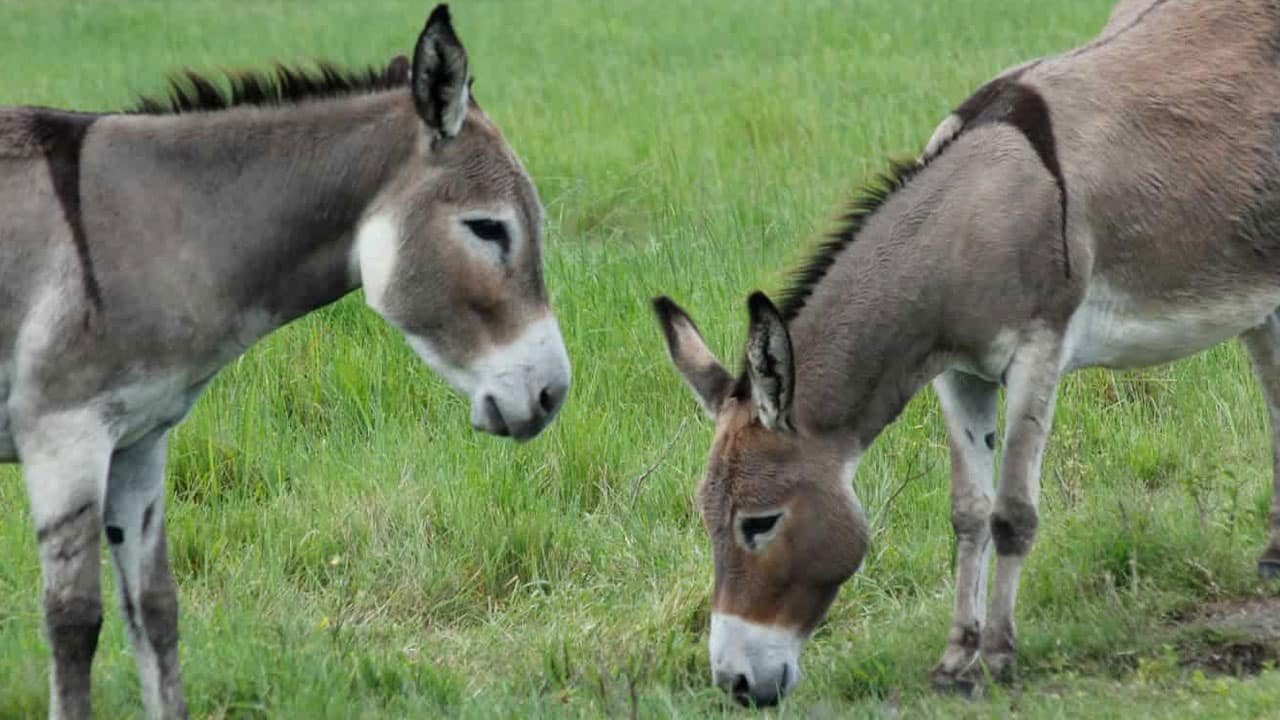
    Pakistan Economic Survey (PES) 2021-22 revealed that the number of horses in Pakistan climbed by 0.4 million, while donkey population increased to 5.7 million in the preceding fiscal year.

    The number of donkeys has been rapidly expanding in recent years, with 5.5 million in 2019-2020 and 5.6 million in 2020-21, Geo reported.

    Pakistan’s cow population remained at the top as it surged to 53.4 million, with buffalo at 43.7 million, sheep at 31.9 million, and goats at 31.9 million, as per the estimated figures provided by the Ministry of National Food Security and Research.

    Pakistan had 1.1 million camels, 0.4 million horses, and 0.2 million mules. It should be noted that these figures have remained unchanged since 2017-18.

    From 2021 to 2022, livestock provided around 61.9 per cent of agriculture value addition and 14.0 per cent of national GDP.

    Animal farming is the most important source of income for Pakistanis living in rural areas. More than 8 million rural families are involved in livestock farming, and this industry accounts for 35-40 per cent of their income.

    The gross value addition of livestock has increased by 3.26 per cent from Rs5,269 billion in 2020-21 to Rs5,441 billion in 2021-22.

    The government has refocused on livestock in order to boost economic growth, food security, and poverty alleviation in the country.

  • 60% of Pakistanis don’t agree with PTI’s long march: survey

    In a public survey by the Institute of Public Opinion and Research (IPOR), 60 per cent of Pakistanis do not like Pakistan Tehreek-e-Insaf (PTI) Chairman Imran Khan’s idea to lead a long march towards Islamabad.

    According to 60 per cent of responders, Khan should run his campaign from the assemblies. On the other hand, only 23 per cent of Pakistanis support the idea of PTI’s long march.

    It has also been revealed that 48 per cent of PTI’s own supporters think that leading a long march is right, while 44 per cent are in favour of a struggle against the government in the assemblies rather than a long march.

    In the survey, more than 2,000 people from across the country participated.

    Meanwhile, 54 per cent of Pakistanis support the idea of holding fresh elections in the country, although 35 per cent of people suggest the assemblies should complete their constitutional term.

    A big majority of 86 per cent of PTI voters backed the idea of early elections, while 57 per cent of Pakistan People’s Party (PPP) voters and 31 per cent of PML-N supporters said they favoured early elections.