Tag: sustainable development

  • Pakistan inks $107 million deals with Saudi Fund for hydropower projects

    Pakistan inks $107 million deals with Saudi Fund for hydropower projects

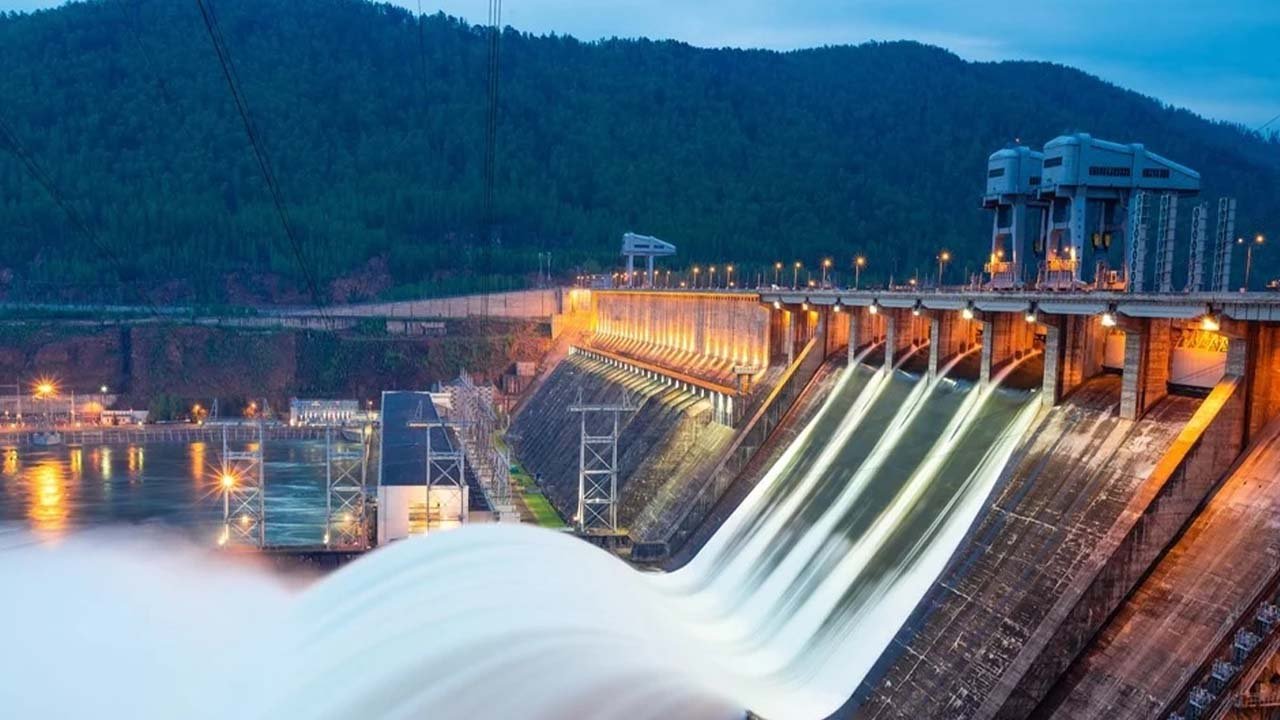
    Pakistan and the Saudi Fund for Development (SFD) have recently finalised significant agreements aimed at bolstering the country’s energy infrastructure.

    In a ceremonial signing event held on Friday, two pivotal loan agreements were formalised.

    The first agreement, valued at $66 million, pertains to the Shounter Hydropower Project, boasting a capacity of 48 MW.

    The second agreement, worth $41 million, is dedicated to the Jagran IV Hydropower Project, with a capacity of 22 MW.

    The signing ceremony, attended by key figures from both parties, including Sultan Bin Abdul Rehman Al Marshad, Chief Executive Officer of SFD, and Ahad Khan Cheema, Minister for Economic Affairs, marks a significant milestone in Pakistan’s pursuit of sustainable energy solutions.

    In a statement issued following the event, Minister Ahad Khan Cheema expressed gratitude towards the SFD delegation and commended their unwavering support in various sectors, including health, energy, infrastructure, and education, particularly amidst recent challenges such as flooding incidents.

    These collaborative efforts are geared towards tapping into Pakistan’s abundant hydropower potential, with the aim of generating an additional 70 MW of electricity to be integrated into the national grid.

    Beyond mere energy production, the projects also seek to address environmental concerns by offering an alternative to deforestation practices.

    By providing electricity as a viable substitute for wood-based energy sources, local communities, predominantly reliant on forest resources, will benefit. This initiative is expected to catalyze economic growth and uplift the socio-economic landscape of Azad Jammu and Kashmir (AJK).

    Minister Ahad Khan Cheema reiterated Pakistan’s appreciation for the pivotal role played by SFD during challenging times and pledged to further strengthen bilateral relations in the future.

    In response, Sultan Bin Abdul Rehman Al Marshad reaffirmed SFD’s steadfast commitment to supporting Pakistan’s development endeavours.


  • Understanding GSP+ status: What it means for Pakistan’s trade relations

    Understanding GSP+ status: What it means for Pakistan’s trade relations

    The Pakistan Tehreek-e-Insaf (PTI) has vehemently dismissed accusations levelled by Federal Information Minister Attaullah Tarar, labelling them as unfounded and baseless.

    In a statement issued today, the PTI refuted claims made by Tarar, asserting that they are nothing but a concoction of falsehoods and rhetoric aimed at maligning the party’s reputation.

    Earlier, Tarar had accused the PTI of plotting to undermine Pakistan’s Generalised Scheme of Preferences Plus (GSP+) status.

    He alleged that the party’s spokespersons were actively engaged in activities detrimental to the country’s interests under the directives issued from confinement.

    Understanding GSP+ and its significance for Pakistan’s economy

    The GSP+ status, a cornerstone of Pakistan’s trade relations with the European Union (EU), holds significant importance for the nation’s economy.

    Under this scheme, selected developing countries, including Pakistan, receive extensive trade concessions aimed at fostering sustainable development and good governance practices.

    The European Union’s GSP+ Scheme is founded on the effective implementation of 27 United Nations conventions covering various aspects such as human rights, labour rights, climate change, narcotics control, and corruption.

    Once granted GSP+ status, beneficiary countries are subject to rigorous monitoring to ensure compliance with the stipulated conventions and reporting requirements.

    The dialogue on GSP+ compliance involves various stakeholders, including international monitoring bodies, civil society, trade unions, and businesses.

    Regular monitoring visits are conducted by the EU to assess the progress of beneficiary countries in addressing the outlined issues.

    The significance of GSP+ for Pakistan’s economy cannot be overstated, particularly for its textile industry and workforce.

    Over the past decade, Pakistan has witnessed a notable increase in exports to the EU, accompanied by a surge in EU imports, owing to the preferential treatment offered under the GSP+ scheme.

  • BYD, global electric vehicle leader, explores investment in Pakistan’s EV sector

    BYD, global electric vehicle leader, explores investment in Pakistan’s EV sector

    BYD, the prominent Chinese automotive conglomerate renowned as the world’s foremost electric vehicle (EV) manufacturer, engaged in discussions regarding the potential of Pakistan’s EV sector.

    This revelation surfaced through a modified series of posts released by the Board of Investment (BoI) on Thursday. Initial posts hinted at BYD’s enthusiastic interest in investing in Pakistan’s EV sector, but these posts have since been removed.

    The development follows a meeting between a delegation from BYD Company China, featuring Cai Xiao Xu, Head of the Dealer Division (South Asia), Lei Jian, Country Head (Pakistan), and Sohail Rajput, Secretary at BoI.

    In a statement shared on X, formerly Twitter, the Fortune 500 company and global EV manufacturing leader BYD Company highlighted its substantial presence in key industries, including automobiles, rail transit, new energy, and electronics.

    The ongoing exploratory visit to Pakistan by the BYD delegation, facilitated by BoI, includes pivotal discussions with potential local partners.

    Secretary BOI, during the meeting, warmly welcomed the company’s interest, underscoring the significance of EVs in Pakistan.

    He reassured the BYD delegation of the Government of Pakistan’s steadfast commitment to facilitating foreign investors.

    BYD, recognised as the world’s largest EV manufacturer, produces a diverse range of vehicles, including battery-electric and hybrid cars, buses, and trucks, as well as battery-powered bicycles, forklifts, solar panels, and rechargeable batteries.

    In the previous month, Dr Gohar Ejaz, the Caretaker Minister for Commerce and Industries, disclosed that BYD is actively considering investment opportunities in Pakistan.

    During this period, the caretaker minister briefed the BYD delegation on government policies and the Special Investment Facilitation Council (SIFC), offering unequivocal support for their new ventures.

    This move aligns with Pakistan’s strategic goal to expand its presence in the renewable energy sector, curtail its energy import expenditure, and fulfil climate change objectives.

    Caretaker Prime Minister Anwaar-ul-Haq Kakar has separately extended an invitation to Chinese businesses to invest in Pakistan’s solar parks.

  • Finance Minister envisions Pakistan’s economy soaring to $2 trillion by 2047 

    Finance Minister envisions Pakistan’s economy soaring to $2 trillion by 2047 

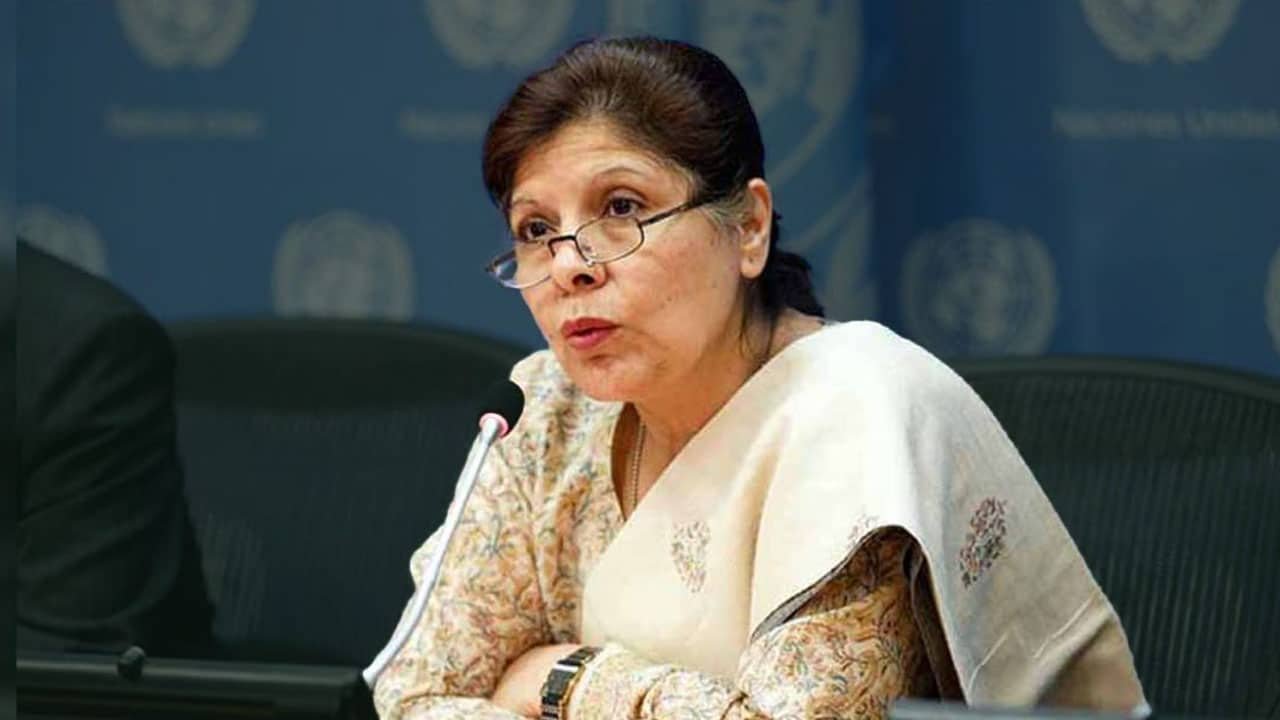
    Dr Shamshad Akhtar, the Caretaker Finance Minister, emphasised Pakistan’s significant economic potential, stating that the country could achieve a $2 trillion economy by 2047, as per a World Bank report.  

    Addressing the Future Summit in Karachi, she underscored the importance of adopting robust economic and sector-specific policies, coupled with a resolute commitment to implementing challenging structural reforms. 

    Dr Akhtar highlighted the need for increased innovation and diversification within the economic framework to ensure sustainable growth.  

    Emphasising the role of Development Finance Institutions (DFIs), she noted that institutions with expertise, efficiency, and flexibility could serve as crucial drivers for the growth and development of the capital market. 

    In a recent meeting with the Chairman of the Securities and Exchange Commission of Pakistan (SECP) and heads of DFIs, Dr Akhtar discussed the progress of establishing a private equity and venture capital (PE and VC) fund.  

    While the DFIs reaffirmed their commitment, they also provided insights into the progress made and challenges encountered in the process. 

    Notably, Pakistan, currently under a caretaker government, successfully reached a staff-level agreement with the International Monetary Fund on the first review of a short-term bailout program.  

    This agreement clears the path for unlocking $700 million, a crucial step in mitigating the looming economic crisis.  

    The caretaker government has implemented various fiscal measures, including an increase in the petrol levy, additional taxes, and significant reforms in the power sector, to address the economic challenges effectively. 

  • Japanese car companies consider establishing hybrid vehicle plants in Pakistan

    Japanese car companies consider establishing hybrid vehicle plants in Pakistan

    Japan has urged Pakistan to allow the import of manufacturing equipment for vehicles due to the shortage of dollars, which has affected the issuance of letters of credit to Japanese companies operating in the country.

    Japanese firms are considering the establishment of hybrid vehicle plants in Pakistan, with plans to export the vehicles from the country in the future.

    During a meeting between Ambassador Wada Mitsuhiro and Finance Minister Senator Ishaq Dar at the Finance Division, the Ministry of Finance issued an official statement. The Vice Chairman of Toyota, Shinji Yanagi, SAPM on Finance Tariq Bajwa, finance secretary, and senior officers were also in attendance.

    The finance minister briefed the envoy on the economic challenges and priorities of the government and emphasized that Japan is one of its major development partners. The cooperation between the two countries will strengthen in multiple fields for mutual benefit. The finance minister also welcomed the investment plans of Japanese companies in Pakistan.

    Ambassador Mitsuhiro praised the government’s pragmatic policies and actions and expressed confidence in the country’s economic policies. Meanwhile, a World Bank delegation led by Mamta Murthi, Vice President of the World Bank for Human Development, met with Dar at the Finance Division.

    Murthi emphasized the importance of investing in human capital, particularly in education, health and nutrition, social protection, population control, and women’s development. She also highlighted the importance of local ownership and community participation in implementing development projects.

    The finance minister briefed Murthi on the government’s policies and programs related to key areas of human development to uplift the masses and eliminate poverty in the country. He expressed the government’s commitment to work with the World Bank to achieve their shared goals of sustainable development in Pakistan.

  • Pakistan’s energy transition gets a boost with $240 million loan from Saudi Fund for Development

    Pakistan’s energy transition gets a boost with $240 million loan from Saudi Fund for Development

    On Friday, the Saudi Fund for Development (SFD) signed a loan agreement worth $240 million to support Pakistan’s energy transition through the Mohmand Multipurpose Dam Project.

    The project, which is co-financed by the SFD, OPEC, the Islamic Development Bank, and the Kuwait Fund for Arab Economic Development, is expected to contribute to Pakistan’s energy security, increase sustainable water supply for agriculture and human consumption, and improve resilience to floods.

    The agreement was signed by the SFD CEO, Mr Sultan Abdulrahman Al-Marshad, and the Federal Secretary for the Ministry of Economic Affairs, Dr Kazim Niaz. According to a statement from the Ministry of Economic Affairs, the loan aims to promote sustainable development in Pakistan and achieve the Sustainable Development Goals (SDGs).

    The statement further highlighted that the Mohmand Multipurpose Dam Project will be of great assistance to the people of Khyber Pakhtunkhwa (KP), where almost 80 per cent of the population resides in rural areas. The project will enhance water and food security, improve the standard of living for people, and boost the region’s socioeconomic development by creating employment opportunities and reducing poverty levels.

    The project will also generate 800 MW of electricity production capacity by using renewable energy sources, contributing to Pakistan’s energy security. Additionally, the storage of 1.6 million meter cube of water will support sustainable agricultural practices, enable irrigation of 6,773 hectares of new land, and increase the total cropping area from 1,517 hectares to 9,227 hectares in the province, facilitating agricultural activities.

    During the agreement-signing ceremony, the SFD CEO emphasised the strong developmental ties between Saudi Arabia and Pakistan and highlighted the significance of joint cooperation between development funds.