Tag: Sweden

  • Sweden offers immigrants $34,000 to leave country

    Sweden offers immigrants $34,000 to leave country

    Sweden plans to boost payments to up to $34,000 to immigrants who leave the nation that has been a haven for the war-weary and persecuted, the right-wing government said on Thursday.

    The Scandinavian country was for decades seen as a “humanitarian sup­erpower” but, over the years, has struggled to integrate many of its newcomers. Immigrants who voluntarily return to their countries of origin from 2026 would be eligible to receive up to 350,000 Swedish kronor, the government, which is prop­ped up by the anti-immigration Swe­d­en Democrats, told a press conference.

    “We are in the midst of a paradigm shift in our migration policy,” Migration Minister Johan Forssell told reporters as the government presented its latest move to crack down on migration.

    Currently, immigrants can receive up to 10,000 kronor per adult and 5,000 kronor per child, with a cap of 40,000 kronor per family. Immigr­ants groups could not immediately be reached for comment on the change.

    “The grant has been around since 1984, but it is relatively unknown, it is small and relatively few people use it,” Ludvig Aspling of the Sweden Democrats told reporters.

    Forssell said only one person had accepted the offer last year. Aspling added that if more people were aware of the grant and its size was increased, more would likely take the money and leave.

    He said the incentive would most likely appeal to the several hundred thousand migrants who were either long-term unemployed, jobless or whose incomes were so low they needed state benefits to make ends meet. “That’s the group we think would be interested,” Aspling said.

    A government-appointed probe last month advised the government against significantly hiking the amount of the grant, saying the expected effectiveness did not justify the potential costs.

    The Nordic nation has struggled for years to integrate immigrants, and the head of the inquiry, Joakim Ruist, said that a sizeable financial inc­rease would send a signal that mig­rants were undesirable, further hampering integration efforts. Other European cou­ntries also offer grants as an ince­ntive for migrants to return home.

    Denmark pays more than $15,000 per person, compared to around $1,400 in Norway, $2,800 in France and $2,000 in Germany.

    Sweden’s Prime Min­i­ster Ulf Kris­t­e­r­sson came to power in 2022 with a minority government propped up by the Sweden Democrats, vowing to get tough on immigration and crime. The Sweden Democrats emerged as the second-largest party. Sweden has offered generous foreign development aid since the 1970s and has taken in large numbers of migrants since the 1990s.
  • Sweden charges Quran burners with hate crime

    Sweden charges Quran burners with hate crime

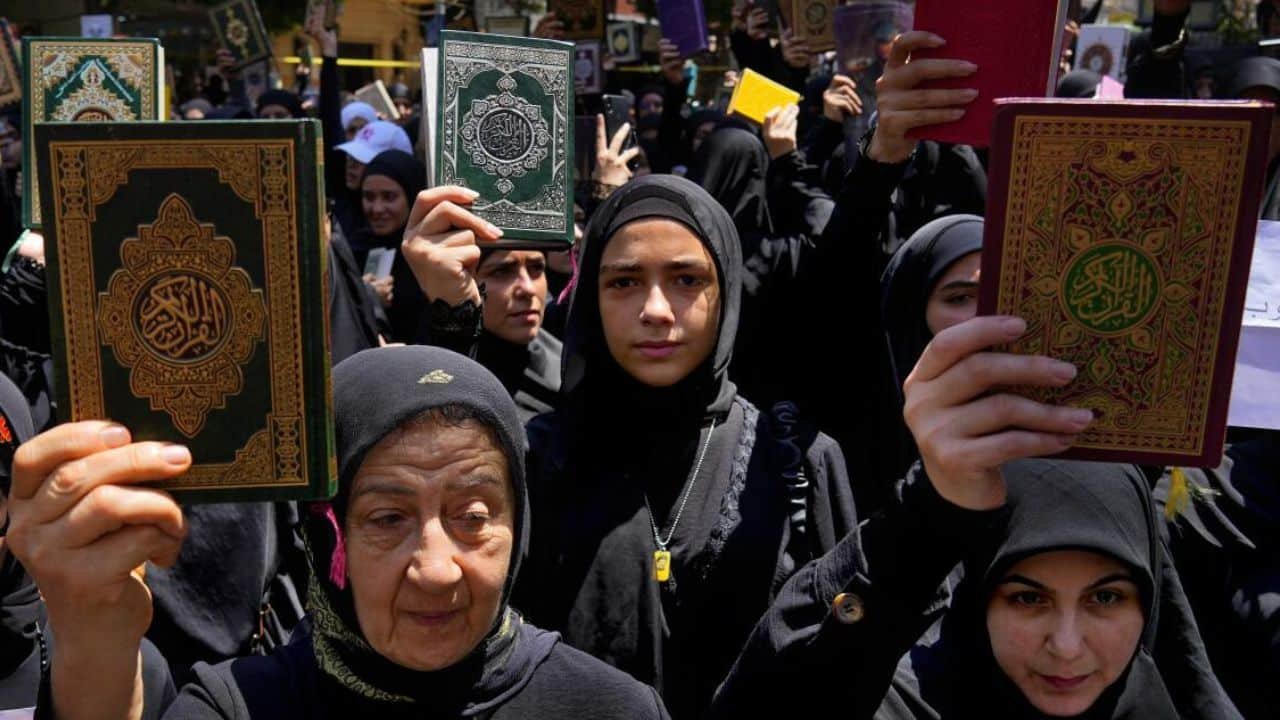
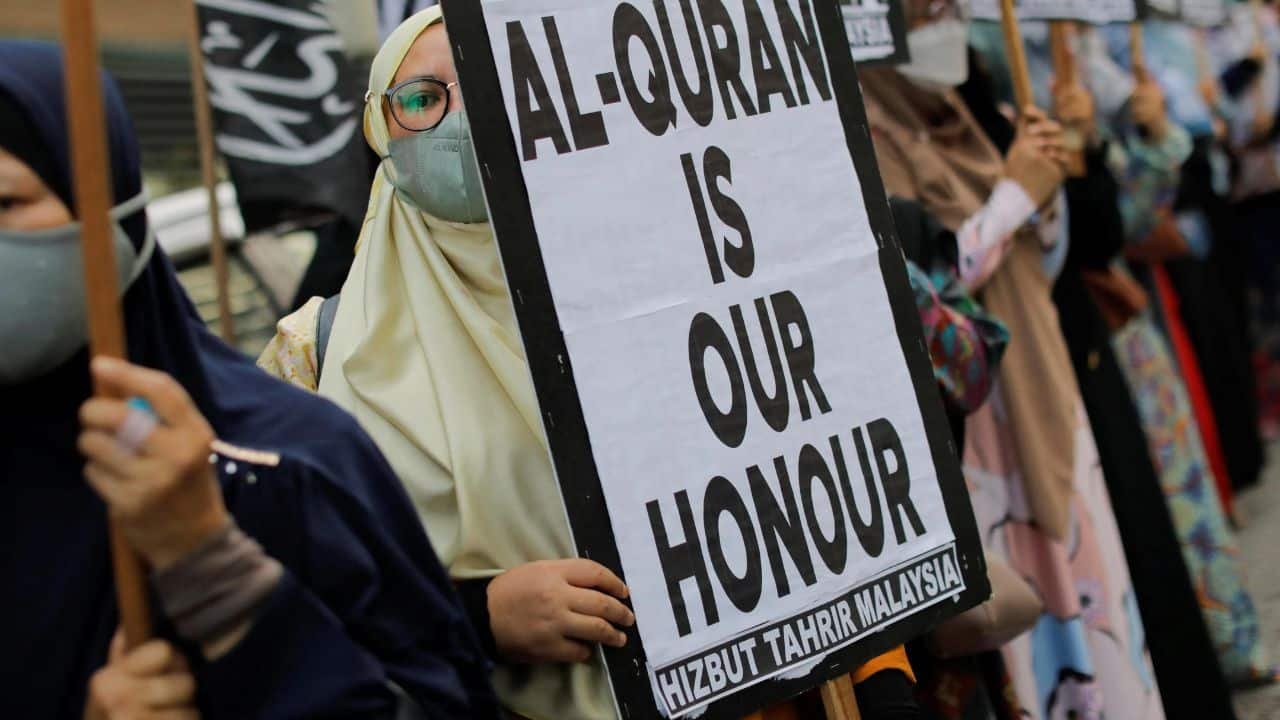
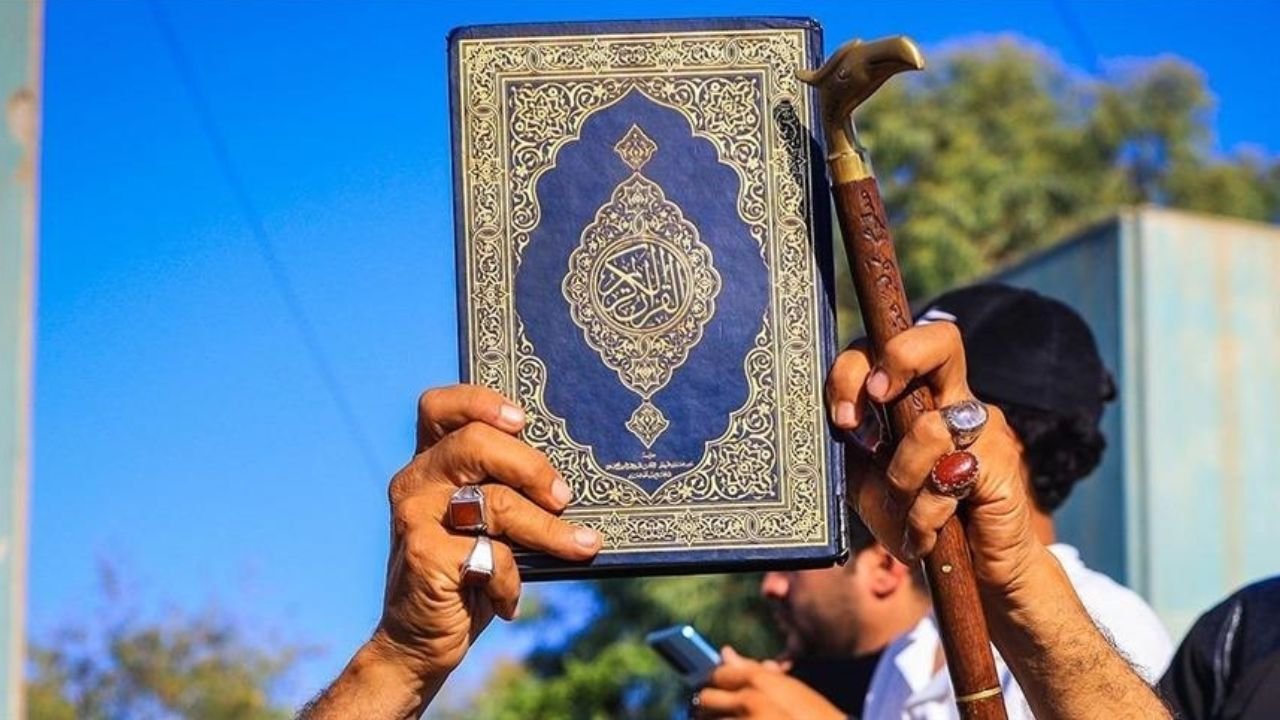
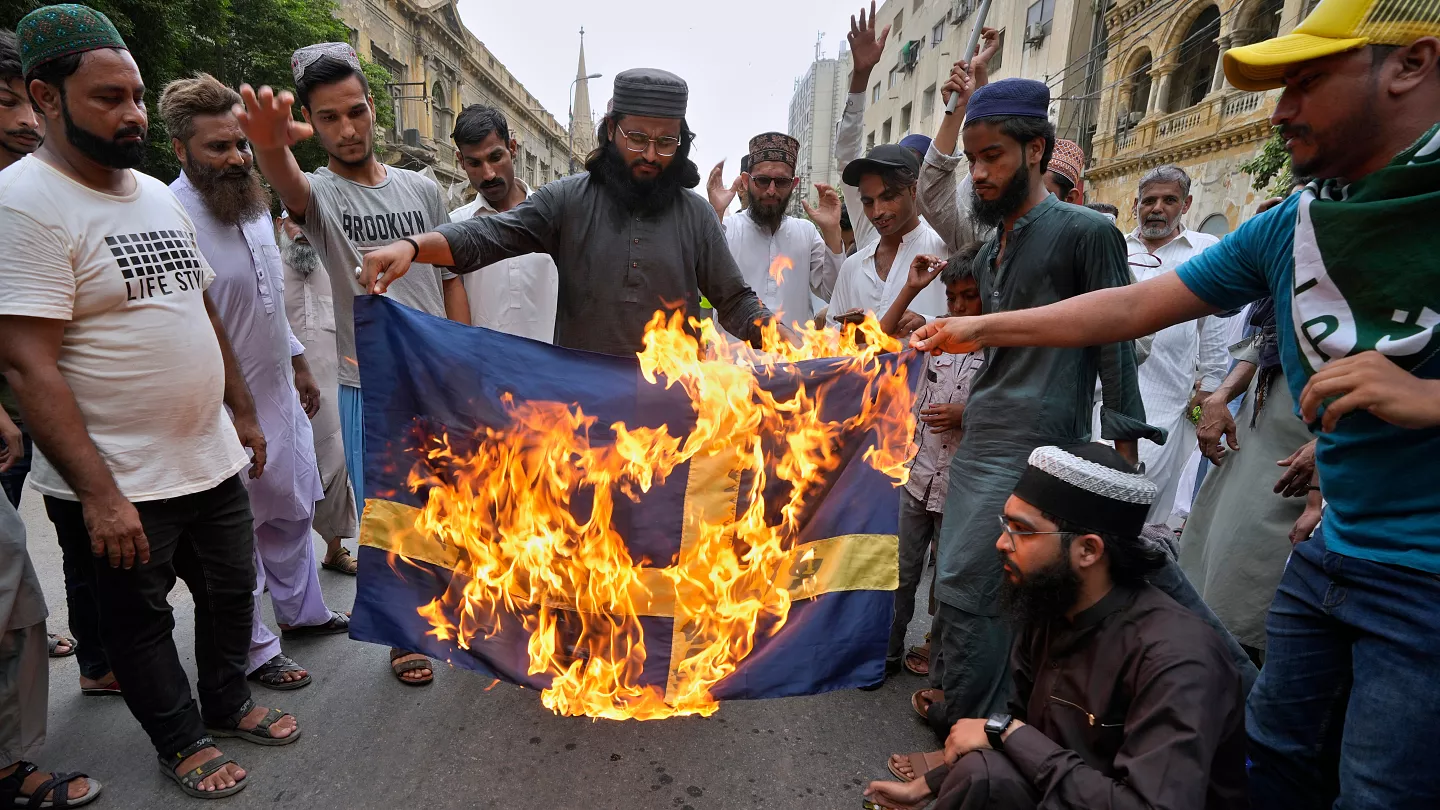
    Swedish prosecutors on Wednesday charged two men with inciting ethnic hatred over several protests involving the burning of Qurans in 2023, which sparked widespread outrage in Muslim countries.

    Salwan Momika, a Christian Iraqi who burned the Quran at a slew of protests, and co-protester Salwan Najem were charged with “agitation against an ethnic group” on four occasions in the summer of 2023.

    “Both men are prosecuted for having on these four occasions made statements and treated the Quran in a manner intended to express contempt for Muslims because of their faith,” senior prosecutor Anna Hankkio said in a statement.

    According to the charge sheet, the duo desecrated the Quran, including burning it, while making derogatory remarks about Muslims — in one case, outside a Stockholm mosque.

    “In my opinion, the men’s statements and actions fall under the provisions on agitation against an ethnic or national group, and it is important that this matter is tried in court,” the prosecutor added.

    Relations between Sweden and several Middle Eastern countries were strained by the pair’s protests.

    Iraqi protesters stormed the Swedish embassy in Baghdad twice in July 2023, starting fires within the compound on the second occasion.

    In August last year, Sweden’s intelligence service Sapo raised its threat level to four on a scale of five after the Koran burnings had made the country a “prioritised target”.

    The Swedish government condemned the desecrations while noting the country’s constitutionally protected freedom of speech and assembly laws.

    Earlier this month, prosecutors charged Swedish-Danish right-wing activist Rasmus Paludan with the same crime over a 2022 protest in the southern city of Malmo, which also included burning the Koran.

    In October 2023, a Swedish court convicted a man of inciting ethnic hatred with a 2020 Quran burning, the first time the country’s court system had tried the charge for desecrating Islam’s holy book.

    Prosecutors have previously said that under Swedish law, the burning of a Quran can be seen as a critique of the book and the religion and thus be protected under free speech.

    However, depending on the context and statements made at the time, it can also be considered “agitation against an ethnic group.”

  • 10 easiest European citizenships

    10 easiest European citizenships

    Many people from developing countries aspire to acquire citizenship in European states. Some countries offer relatively straightforward paths to citizenship, while others present significant challenges. Sweden stands out as the easiest country in Europe for obtaining citizenship, whereas Estonia and Latvia are the most challenging.

    A recent study by CIS analysed Eurostat immigration data from 2009 to 2021 to identify which countries have the highest and lowest rates of non-EU residents acquiring citizenship.

    The analysis revealed that the nine most challenging countries to obtain citizenship are located in Central Europe. Estonia ranks as the most difficult country for non-EU citizens to naturalise, with the lowest average acquisition rate—approximately one in 200 residents. Additionally, the acquisition rate for men in Estonia is lower at 0.58 percent compared to 0.69 percent for women.

    Latvia, the Czech Republic, and Lithuania also have acquisition rates of less than 1 percent for non-Europeans, contrasting sharply with the average of 3.56 percent across European countries. Austria, Liechtenstein, Slovakia, Slovenia, and Germany follow, granting citizenship to about one in fifty non-EU residents. Denmark, outside Central Europe, presents the next highest hurdle with an acquisition rate of 2 percent.

    Over the past decade, six of the ten most challenging countries have seen an increase in citizenship grants year-on-year, particularly Denmark, which experienced a notable rise. Germany’s acquisition rate remained stable, while Latvia, Lithuania, and Slovenia saw declines.

    Many countries implement various programs aimed at attracting foreigners, including opportunities for investment, as well as citizenship and tax benefits.

    Individuals seeking migration often favour Golden Visa and Golden Passport routes, terms that are sometimes used interchangeably despite minor distinctions.

    10 Easiest European Countries to Get Citizenship

    According to the report, Sweden ranks as the easiest country, with nearly one in ten (9.3 Perce) non-EU residents obtaining citizenship—more than double the EU average.

    Sweden boasts the highest acceptance rates for both genders, with women experiencing a slightly higher acceptance rate of 10.02 percent compared to 8.66 percent for men.

    Norway, the Netherlands, Portugal, and Iceland follow as the second to fifth easiest countries to acquire citizenship, with an acquisition rate of one in 25 (4 percent).

    Data shows that northern European countries generally have the highest citizenship acquisition rates, with Sweden, Norway, Iceland, and Finland leading the pack.

    In southern Europe, Portugal emerges as the easiest, while the Netherlands, Ireland, and the United Kingdom are the most accessible Western European states for citizenship. The UK ranks eighth, with nearly three in 50 (3.2 percent) residents granted citizenship.

    Poland and Croatia are the easiest countries in Central Europe for changing nationality, with acquisition rates of 4 percent and 3.9 percent respectively. Northern and Western Europe present the most accessible regions for nationality changes, with an acquisition rate of 5.9 percent compared to 1.9 percent in Central Europe and 3.6 percent in the South.

  • Finland is world’s happiest country for seventh year: study

    Finland is world’s happiest country for seventh year: study

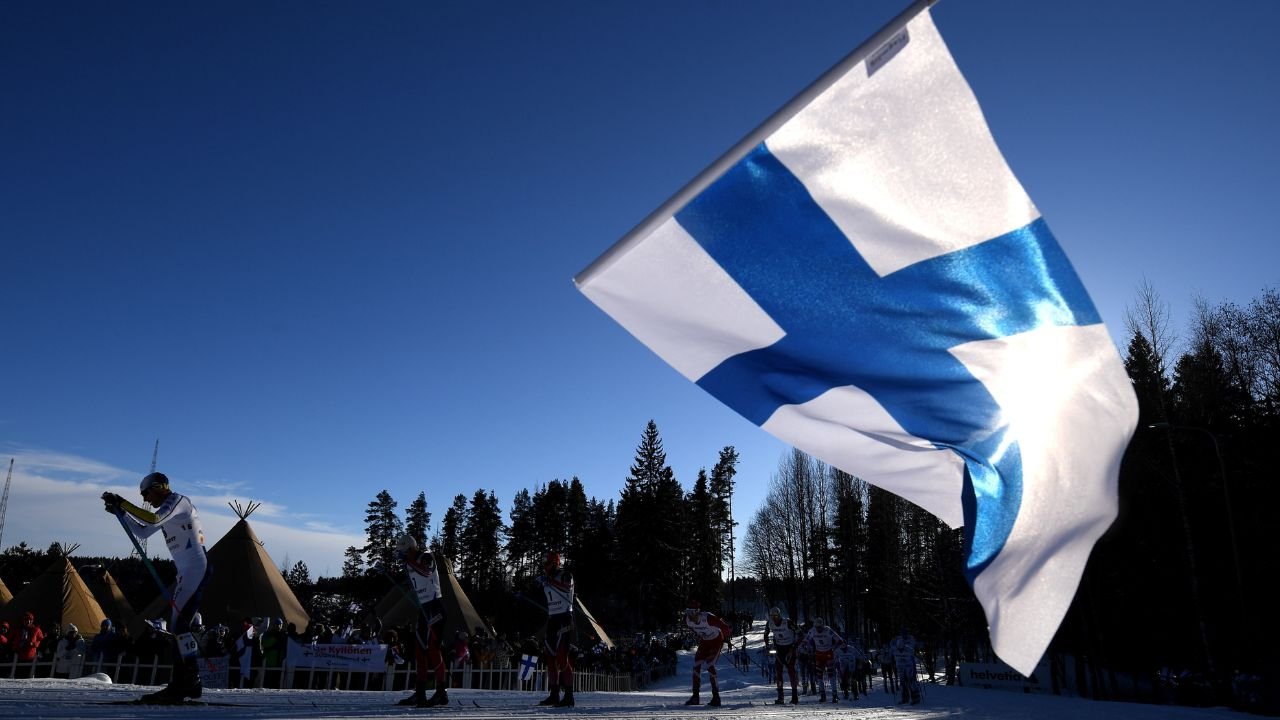
    Helsinki (AFP) – Finland remained the world’s happiest country for a seventh straight year in an annual UN sponsored World Happiness Report published on Wednesday.

    And Nordic countries kept their places among the 10 most cheerful, with Denmark, Iceland and Sweden trailing Finland.

    Afghanistan, plagued by a humanitarian catastrophe since the Taliban regained control in 2020, stayed at the bottom of the 143 countries surveyed.

    For the first time since the report was published more than a decade ago, the United States and Germany were not among the 20 happiest nations, coming in 23rd and 24th respectively.

    In turn, Costa Rica and Kuwait entered the top 20 at 12 and 13.

    The report noted the happiest countries no longer included any of the world’s largest countries.

    “In the top 10 countries only the Netherlands and Australia have populations over 15 million. In the whole of the top 20, only Canada and the UK have populations over 30 million.”

    The sharpest decline in happiness since 2006-10 was noted in Afghanistan, Lebanon and Jordan, while the Eastern European countries Serbia, Bulgaria and Latvia reported the biggest increases.

    The happiness ranking is based on individuals’ self-assessed evaluations of life satisfaction, as well as GDP per capita, social support, healthy life expectancy, freedom, generosity and corruption.

    Growing inequality

    Jennifer De Paola, a happiness researcher at the University of Helsinki in Finland, told AFP that Finns’ close connection to nature and healthy work-life balance were key contributors to their life satisfaction.

    In addition, Finns may have a “more attainable understanding of what a successful life is”, compared to for example the United States where success is often equated with financial gain, she said.

    Finns’ strong welfare society, trust in state authorities, low levels of corruption and free healthcare and education were also key.

    “Finnish society is permeated by a sense of trust, freedom, and high level of autonomy,” De Paola said.

    This year’s report also found that younger generations were happier than their older peers in most of the world’s regions — but not all.

    In North America, Australia and New Zealand, happiness among groups under 30 has dropped dramatically since 2006-10, with older generations now happier than the young.

    By contrast, in Central and Eastern Europe, happiness increased substantially at all ages during the same period, while in Western Europe people of all ages reported similar levels of happiness.

    Happiness inequality increased in every region except Europe, which authors described as a “worrying trend”.

    The rise was especially distinct among the old and in Sub-Saharan Africa, reflecting inequalities in “income, education, health care, social acceptance, trust, and the presence of supportive social environments at the family, community and national levels,” the authors said.

  • Pakistani passport once again least powerful

    Pakistani passport once again least powerful

    Henley & Partners‘ Passport Index has published a list portraying the world’s travel access hierarchy.

    Top on the list of countries that encourage travelling are France, Germany, Italy, Japan, Singapore, and Spain, whose citizens can visit an astounding 194 destinations without requiring arduous visa procedures. This group of countries offer passport-to-plane experience, setting the bar high for unmatched worldwide mobility.

    With access to 193 locations, Finland, South Korea, and Sweden share second place. Many visa-free or visa-on-arrival options are available to their well-travelled inhabitants, providing access to a variety of cultures and environments.

    Austria, Denmark, Ireland, and the Netherlands take third place with access to 192 destinations. These nations serve as entry points to a wide range of travel opportunities.

    The long list goes on, honouring countries that place a high priority on global connection. Among the notable entries are the United States, Canada, Greece, Switzerland, and New Zealand, all of which provide their inhabitants with an abundance of travel options.

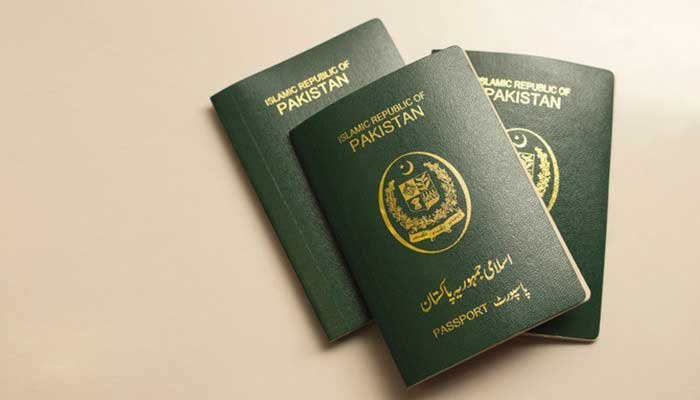
    On the other hand, the Passport Index identifies states with more limited travel options. Afghanistan, Syria, Iraq, and Pakistan are among the least accessible, offering their passport holders entry to just 34 countries that require no visa or one upon arrival.

    The London-based company, which offers residency and citizenship consultancy services, teamed together with the International Air Transport Association to create a unique ranking that takes into account passport holders’ access to countries without a visa or with one upon arrival.

  • Fully funded scholarship in Sweden; Here’s how you can apply

    Fully funded scholarship in Sweden; Here’s how you can apply

    Sweden has announced a scholarship opportunity supported by the Swedish Government, aimed at achieving and contributing to the United Nations’ 2030 Agenda for Sustainable Development.

    Swedish Institute Scholarships for Global Professionals encompass extraordinary opportunities. Participants become lifelong members of the Future Global Leaders, developing relationships within the Swedish Alumni Networks. This scholarship program is fully funded by the Swedish Ministry of Foreign Affairs.

    Course Duration:

    Master’s Degree Programs for 1-2 years.

    Fields of study:

    For a comprehensive list of eligible master’s programs for the academic year 2024/2025, the link to the details of the program is https://si.se/app/uploads/2017/10/updated.-sisgp_eligible_master_programmes_2024_2025.pdf

    Eligibility Criteria for the Scholarship

    1. The candidate must have work experience of a minimum of 3000 hours.
    2. The candidate must have demonstrated leadership experience from the employment.
    3. The candidate must be engaged as a leader in civil society engagements.
    4. The candidate must be able to get admission to an SI Scholarship-eligible master’s program.

    How to Apply?

    1. Visit UniversityAdmissions.se and apply for your master’s program(s) by January 15, 2024. After submitting your application, you will receive an eight-digit personal application number. Keep this number for your SI Scholarship application to ensure accuracy and avoid disqualification.
    2. The candidate has to apply for SI scholarships separately after completing the admission application.
    3. You can apply for up to 4 master’s programs for SI Scholarship in Sweden 2024.
    4. Once an applicant submits his or her admission application, he or she will receive a personal application number.
    5. A candidate must save this application number for applying to the Global Professional Program (Swedish Institute Scholarship).

    Benefits of the Scholarship:

    1. The scholarship will cover the full tuition fee.
    2. The living expenses will be covered and a monthly stipend of SEK 12,000 will be given.
    3. Medical insurance will be covered.
    4. A travel grant of SEK 15,000 will be provided for the entire period of study.
    5. The fellows will get membership in the SI Network for Future Global Leaders.

      Required documents for the scholarship:
      1. Motivation letter
      2. CV
      3. Letters of reference
      4. Valid and completed proof of work and leadership experience
      5. Copy of your valid passport

      Deadline:
      Applicants can apply for the Global Professional Scholarship from 10 February to 28 February 2024.

  • Denmark’s parliament passes law banning Quran burning

    Denmark’s parliament passes law banning Quran burning

    Denmark’s Parliament on Thursday passed a law widely known as the Quran Law, banning the “inappropriate treatment” of religious texts. Offenders now face a fine or up to two years in jail after a vote followed a five-hour debate in parliament and 94 members voted in favour, 77 against.

    During Thursday’s heated debate in Denmark’s 179-strong parliament, The Folketing, many opposition MPs argued against the bill but the country’s center-right coalition government of Prime Minister Mette Frederiksen argued that criticising religion would remain legal, as the bill would only have a marginal impact.

    It follows a series of burnings of Islam’s holy book that led to uproar in Muslim countries.

    Denmark and neighbouring Sweden have recently seen several street protests over such incidents, raising security concerns in Scandinavia.

    Sweden is also considering a similar bill.

  • Sweden convicts man over Quran burning in 2020 in historical first

    Sweden convicts man over Quran burning in 2020 in historical first

    A Swedish court on Thursday convicted a man of inciting ethnic hatred with a sacrilegious act he committed in 2020, the first time the country’s courts have tried someone for desecrating the Holy Quran.

    The conviction comes after a wave of desecrations earlier this year that stoked international outrage and made Sweden a “prioritised target”, prompting the country’s intelligence agency to heighten its terror alert level.

    The Swedish government condemned the acts, but repeatedly upheld the country’s extensive freedom of expression laws.

    The Linkoping district court in central Sweden found the 27-year-old man guilty of “agitation against an ethnic group”, saying his action had “targeted Muslims and not Islam as a religion”, and “can hardly be said to have encouraged an objective and responsible debate”.

    In September 2020, the man had recorded a video clip outside the Linkoping cathedral showing the holy scripture and bacon being burned on a barbecue, with a pejorative remark about the Holy Prophet (peace be upon him) written on a sign under the barbecue. The man published the video on social media platforms X (formerly Twitter) and YouTube.

    The song “Remove Kebab” was used in the video, a song popular among far-right groups that calls for the religious cleansing of Muslims.

    The court said “the music is strongly associated with the attack in Christchurch”, New Zealand, in 2019 in which an Australian white supremacist killed 51 people at two mosques.

    The man had denied any wrongdoing, arguing that his action was a criticism of Islam as a religion. But the court rejected that argument.

    “The court finds that the chosen music to a film with such content cannot be interpreted any other way than as a threat against Muslims with an allusion to their faith,” the court wrote in a statement.

    “The film’s content and the form of its publication are such that it is clear that the defendant’s primary purpose could not have been other than to express threats and contempt,” it said.

  • Stockholm to ban petrol, diesel cars in city centre from 2025

    Stockholm to ban petrol, diesel cars in city centre from 2025

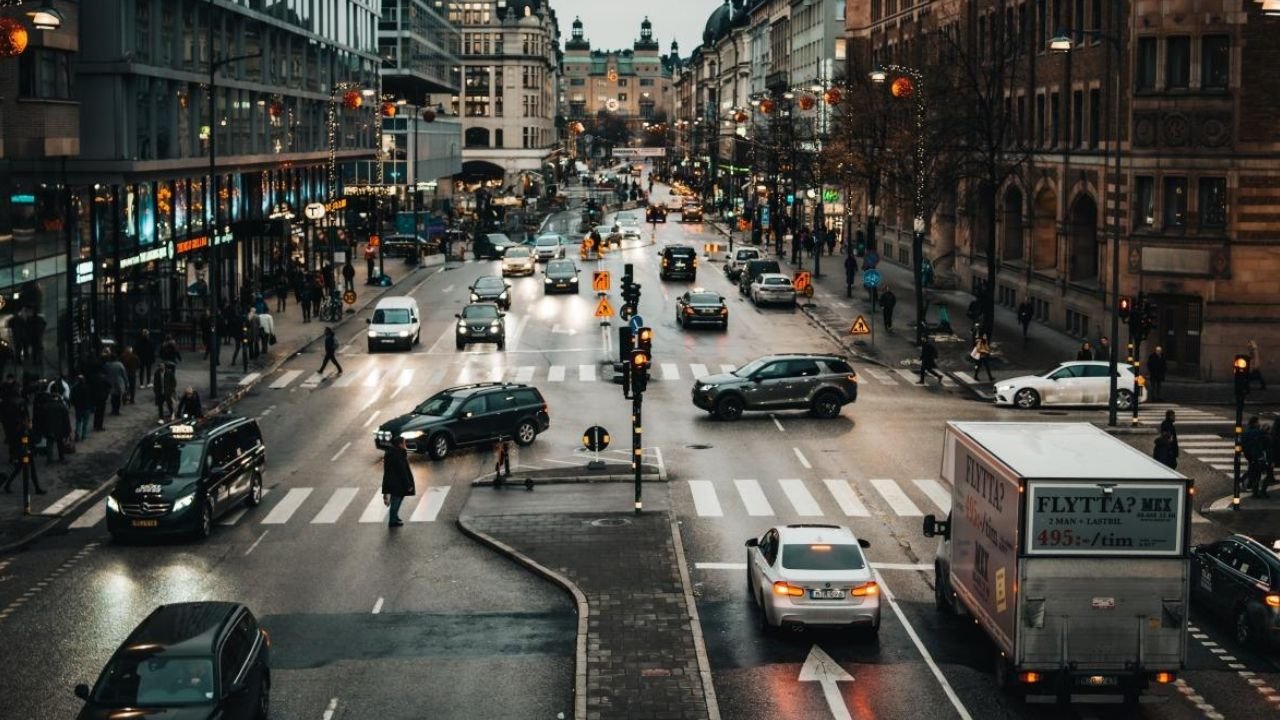
    The capital of Sweden, Stockholm, will ban the presence of petrol and diesel cars by 2025 in a central 20-block area of the city in order to achieve better air quality.

    The city’s vice-mayor for transport and urban environment, Lars Stromgren, said in a statement, “Nowadays the air in Stockholm causes babies to have sick lungs and the elderly to die prematurely. It is a completely unacceptable situation,”
    He added that there is a need to “limit the harmful exhaust gases from petrol and diesel cars,”

    The 20-block area of the city is a bustling part of Stockholm with a shopping district, office buildings, and eateries. And according to Stromgren, this area “has a lot of pedestrians and cyclists, where the air quality needs to be better,”

    “This is also a part of the city where we see that there is a lot of interest in a faster electrification, with actors that can spearhead the transition,” he added.

    The ban will come into effect on December 31, 2024. However, police cars, ambulances and other security services will be exempted.

  • Love online: Swedish woman flies to KP to marry Pakistani lover

    Love online: Swedish woman flies to KP to marry Pakistani lover

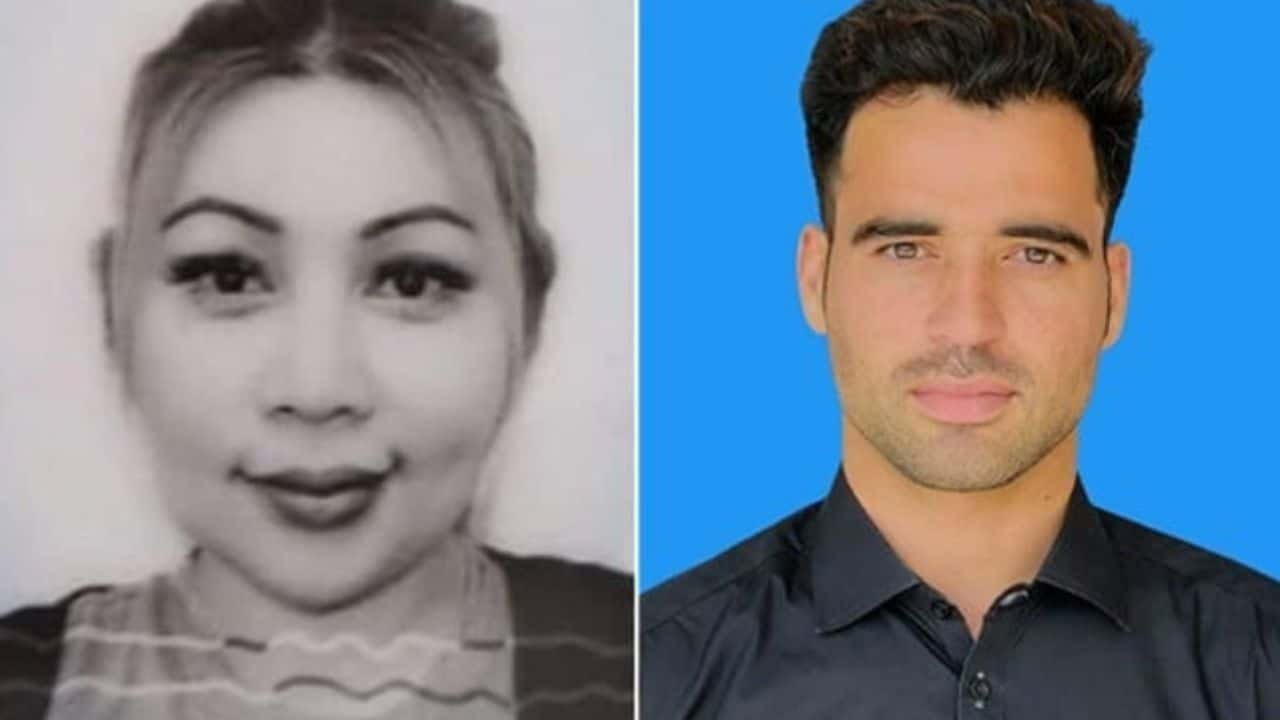
    A 41-year-old woman from Sweden has flown to Khyber Pakhtunkhwa to marry 23-year-old Ahmed whom she met online.

    Tianarat and Ahmed wed in a simple ceremony in Charbagh with only their family present.

    Ahmed Shah resides in Charbagh and is studying English Literature at a university, while Tianarat has embraced Islam after marrying him.

    In recent months, a spate of foreign women have travelled to Pakistan to marry men whom they had formed connections with online. In July, several cases emerged of women from different countries who had met Pakistani men on social media, fallen in love and later arrived in the province to marry them while converting to Islam. Mexican national Rosa married 18-year-old Izaz Ali after becoming friends on Facebook, and converted to Islam after marrying him.

    Read more: Ye KP mein kya ho raha hai: Mexican woman flies to Pakistan to marry Facebook lover

    In Sindh, another online romance case emerged when a Filipino woman Mikona married a man from Larkana, Oshaq, whom she met on Facebook. Their ceremony took place on video call with friends and family members present.

    Read more: Love online: Yet another foreign woman marries Pakistani man