Tag: symptoms

  • New Covid symptom only occurs at night

    New Covid symptom only occurs at night

    A leading immunologist has warned that a new Covid variant can cause a different symptom that only occurs at night.

    BA.5 was first discovered in South Africa earlier this year. It is a highly-contagious subvariant that can cause night sweats. The variant is contributing to a fresh wave of infections across the world.

    Professor Luke O’Neill from Trinity College Dublin called this symptom “strange”.

    “One extra symptom from BA.5 I saw this morning is night sweats.”

    “The disease is slightly different because the virus has changed. But if you are vaccinated and you’re boosted, it doesn’t progress into the severe disease,” Professor O’Neill added.

    BA.5’s ability to reinfect is concerning to healthcare professionals. It is pertinent to mention that previously, if a person had been infected with SARS-CoV-2, they were considered safe from the virus after one cycle ended. With the subvariants, this is not the case anymore.

  • US man gets COVID-19 twice with a severe second infection

    US man gets COVID-19 twice with a severe second infection

    A man from the US state of Nevada has caught COVID-19 twice with the second hit more serious.

    According to the details, the 25-year-old, had no known health conditions or immune problems that would have made him particularly vulnerable.

    Doctors said the man needed hospital treatment after his lungs weakened during the second infection, which was much worse than the first.

    According to the study in The Lancet Infectious Diseases journal, the man experienced initial symptoms – a sore throat, cough, headache, nausea and diarrhoea on 25 March.

    He tested positive for the first time on 18 April and his symptoms were resolved by 27 April.

    On 9 and 26 May he tested negative on two occasions, but he developed symptoms again on May 28 including fever, headache, dizziness, cough, nausea and diarrhoea.

    On 5 June, he tested positive for the second time and went on to suffer low blood oxygen and shortness of breath.

    Scientists said that the genetic codes of the two illnesses were different, meaning it was not a case of the first infection being dormant and then reappearing.

    The study said the case was the first known COVID-19 reinfection in North America, with other single cases reported in Hong Kong, the Netherlands, Ecuador, and Belgium.

    The patients in those places showed no increase in symptom severity the second time, with the exception of the patient in Ecuador.

    It is unclear what had caused the second infection in Nevada.

    The study suggested one possibility was a “very high dose of virus (which) might have led to the second time infection and induced a more severe disease”.

    Another suggestion was that reinfection was caused by a “version of the virus that was more virulent, or more virulent in this patient’s context”.

    A third possibility was a “mechanism of antibody-dependent enhancement… a means by which specific Fc-bearing immune cells become infected with virus by binding to specific antibodies”.

    The study’s authors said: “Previous exposure to SARS-CoV-2 might not guarantee total immunity in all cases.

    “All individuals, whether previously diagnosed with COVID-19 or not, should take identical precautions to avoid infection with SARS-CoV-2.

    “The implications of reinfections could be relevant for vaccine development and application.”

    Reinfections also have implications for concepts such as herd immunity.

    It had been assumed that the body would learn to fight the virus during an initial infection, meaning that later infections would be minor or even without symptoms.


  • All you need to know about dengue

    All you need to know about dengue

    Dengue fever is one of the world’s leading mosquito-borne illnesses and infects millions across the globe annually.

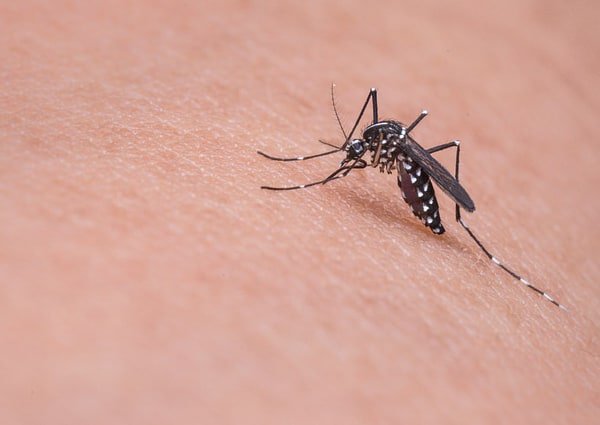
    Dengue is transmitted by one of the types of mosquito, which thrives in densely-populated tropical climates and breeds in stagnant pools of water. The mosquitoes pick up the virus from infected humans and pass it along to other people through bites.

    Symptoms

    Headache

    Muscle, bone and joint
    pain

    Nausea

    Vomiting

    Pain behind the eyes

    Swollen glands

    Rash

    Though most people recover within a week or so, in some cases, symptoms worsen and can become life-threatening.

    Symptoms of severe dengue fever include:

    Severe abdominal pain

    Persistent vomiting

    Bleeding from your gums
    or nose

    Blood in your urine,
    stools or vomit

    Bleeding under the skin,
    which might look like bruising

    Difficult or rapid breathing

    Precautions

    Make sure there is no
    stagnant water in your house or street.

    Apply mosquito repellent to the exposed skin.

    Wear long-sleeves and long pants to cover your arms and legs.

    Use mosquito nets while sleeping.

    Treatment

    If you experience any of the above symptoms, get a blood test immediately and visit your doctor. Timely action can prevent the disease from spreading or becoming fatal.