Tag: Syria

  • Turkey arrests 67 after mob attacks Syrian properties

    Turkey arrests 67 after mob attacks Syrian properties

    Turkish police were holding 67 people Monday after a mob went on the rampage in a central Anatolian city after a Syrian man was accused of harassing a child.

    A group of men targeted Syrian businesses and properties in Kayseri on Sunday evening, with videos on social media showing a grocery store being set on fire.

    President Recep Tayyip Erdogan condemned the latest bout of violence against Turkey’s large community of Syrian refugees.

    “No matter who they are, setting streets and people’s houses on fire is unacceptable,” he said, warning that hate speech should not be used for political gains.

    Interior Minister Ali Yerlikaya said the Syrian national, identified only by his initials as I.A., was caught by Turkish citizens and delivered to the police.

    Yerlikaya said on X that the Syrian man was suspected of harassing a Syrian girl, who was his relative.

    He said Turks who gathered in the area acted “illegally” and in a manner “that does not suit our human values”, damaging houses, shops and cars belonging to Syrians.

    Sixty-seven people were detained after the attacks, he said.

    “Turkey is a state of law and order. Our security forces continue their fight against all crimes and criminals today, as they did yesterday.”

    In one of the videos a Turkish man was heard shouting: “We don’t want any more Syrians! We don’t want any more foreigners.”

    Local authorities called for calm and revealed the victim was a five-year-old Syrian national.

    Turkey, which hosts some 3.2 million Syrian refugees, has been shaken several times by bouts of xenophobic violence in recent years, often triggered by rumours spreading on social media and instant messaging applications.

    In August 2021, groups of men targeted businesses and homes occupied by Syrians in the capital Ankara, after a brawl which cost the life of a 18-year-old man.

    The fate of Syrian refugees is also a burning issue in Turkish politics, with Erdogan’s opponents in last year’s election promising to send them back to Syria.

  • Oil jumps, equities fall as Israeli attacks fan MidEast fears

    Oil jumps, equities fall as Israeli attacks fan MidEast fears

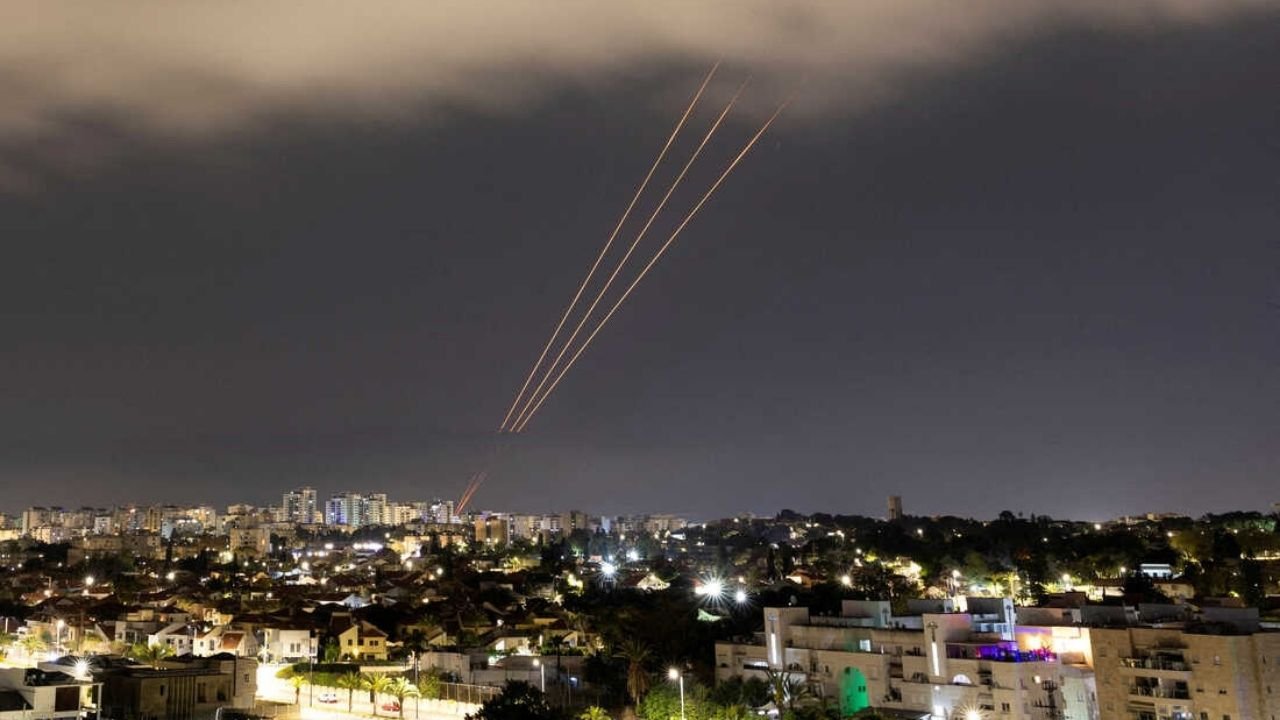
    Hong Kong, China – Oil prices rallied and equities fell Friday as reports said explosions had been heard in Iran and Syria, fuelling fears of an escalation of the Middle East crisis after last weekend’s retaliatory missile attack on Israel by Tehran.

    The reports followed another batch of data indicating the US economy remained in rude health and compounded concerns that the Federal Reserve will hold off cutting interest rates this year or even hike them again.

    Traders have been on edge since Saturday’s barrage by Iran, which Israel’s army chief General Herzi Halevi warned would be met with a response.

    Leaders in Tehran said the strike was a legitimate response to a deadly attack on an Iranian embassy building in Damascus that it blames on Israel.

    Iran’s Fars news agency reported “three explosions” were heard near Qahjavarestan, near Isfahan airport and the 8th Shekari army airbase, while space agency spokesman Hossein Dalirian said “several” drones had been “successfully shot down”.

    Dalirian said on social media platform X there were “no reports of a missile attack”.

    Nuclear facilities in Isfahan were reported to be “completely secure”, the Tasnim news agency said.

    ABC and CBS News reported the strikes had been carried out by Israel, quoting US officials.

    There was no immediate comment from the White House or Pentagon, and the Israeli military told AFP: “We don’t have a comment at this time.”

    The news sent shivers through markets, with crude briefly surging as much as four percent on worries about supplies from the oil-rich region, while fears of a regional conflict saw equities tumble.

    However, the gains were pared as Iran appeared to play down the matter. Tasnim denied the reports and said the Isfahan nuclear facility was safe, while the International Atomic Energy Agency added that it had not been damaged.

    Asia equities fell but were well off their early lows.

    Tokyo plunged more than two percent and Taipei shed more than three percent, while there were also losses in Hong Kong, Sydney, Shanghai, Singapore, Seoul, Wellington, Manila, Mumbai, Bangkok and Jakarta.

    London, Paris and Frankfurt were also in the red.

    The rush for safety also saw the yen rally against the dollar and gold jump back past $2,400, while US Treasuries climbed.

    “It is now clear that the escalating shadow warfare between Israel and Iran… has finally ignited the powder keg in the Middle East, and we have moved decisively out of the shadows and into the glaring light of open conflict,” said Stephen Innes of SPI Asset Management.

    “It should be noted that this is not a staged response to an Iranian drone attack but rather an indication that we have entered a new phase of this conflict, one that is likely to have significant and far-reaching consequences for Middle East peace and least of all risk markets.”

    The mood among traders was already downbeat as they contemplated the prospect of the Fed staying pat on interest rates this year following data showing jobless claims came in below expectations while a gauge of business activity hit a two-year high.

    Meanwhile, Atlanta Fed boss Raphael Bostic said inflation is “too high” and he felt there was no need to cut borrowing costs until later in the year.

    “I’m comfortable being patient,” he added.

    New York Fed chief John Williams and governor Michelle Bowman also said they saw fewer reductions than expected, if at all, this year.

    Michael Landsberg, of Landsberg Bennett Private Wealth Management, said: “We are firmly in the camp of no rate cuts in 2024.

    “We believe investors should prepare for a higher-for-longer regime when it comes to both inflation and interest rates.”

    Key figures around 0810 GMT

    West Texas Intermediate: UP 1.4 percent at $83.85 per barrel

    Brent North Sea Crude: UP 1.1 percent at $88.10 per barrel

    Tokyo – Nikkei 225: DOWN 2.7 percent at 37,068.35 (close)

    Hong Kong – Hang Seng Index: DOWN 1.0 percent at 16,224.14 (close)

    Shanghai – Composite: DOWN 0.3 percent at 3,065.26 (close)

    London – FTSE 100: DOWN 0.7 percent at 7,825.73

    Dollar/yen: DOWN at 154.40 yen from 154.67 yen on Thursday

    Euro/dollar: DOWN at $1.0643 from $1.0645

    Pound/dollar: DOWN at $1.2429 from $1.2438

    Euro/pound: UP at 85.64 pence from 85.57 pence

    New York – Dow: UP 0.1 percent at 37,775.38 (close)

    – Bloomberg News contributed to this story –

    dan/sco

    © Agence France-Presse

  • Pakistan officially bans shia militant organization Zainebiyoun Brigade

    Pakistan officially bans shia militant organization Zainebiyoun Brigade

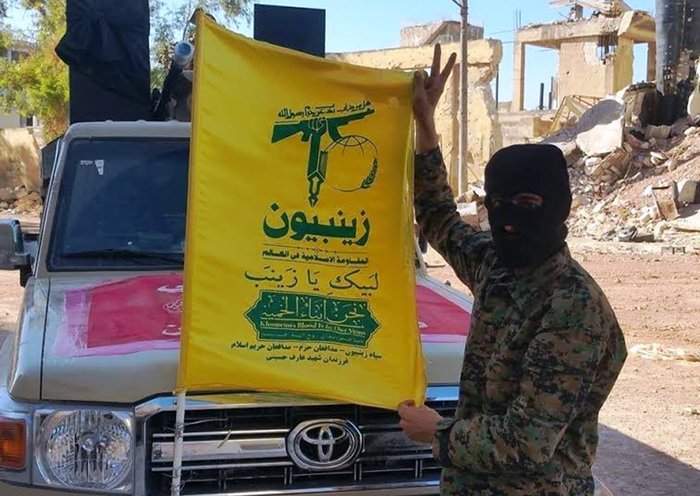
    The Pakistani government has officially proscribed the Zainebiyoun Brigade, a Shia faith militant organization, as a threat to the security of Pakistan.

    The Khorasan Diary reported that the banned militant organization has backing from Iran as well.

    Interestingly, former Senator Faisal Raza Abidi had said in a talk show on GTV that, “40,000 fighters from Hezbollah and Zainebiyoun Brigade have reached Jerusalem out of which 233 are Pakistani fighters who came from areas of Parachinar.”

    In a notification issued on March 29 by the Interior Ministry of Pakistan, it was said that “Zainebiyoun Brigade is engaged in certain activities which are prejudicial to the peace and security of the country”.

    Under the Anti-terrorism Act of 1997, the government has made it a proscribed organization.

    The banned group is known for its involvement in the Middle East conflict and provided support to the Bashar-ul-Asad forces in Syria.

    The group had come under scrutiny from the authorities about its capabilities.

  • Israel on alert after Iranian threat as genocide in Gaza grinds on

    Palestinian Territories – Israel was on alert Thursday after Iran threatened reprisals over a strike in Syria this month that killed two Iranian generals, and as genocide in Gaza continues.

    Days after Israel strengthened its air defences and paused leave for combat units, the United States also warned of the risk of an attack by Iran or its allied groups at a time Middle East tensions have soared.

    Iran is “threatening to launch a significant attack on Israel,” US President Joe Biden said Wednesday, pledging “ironclad” support for its top regional ally despite diplomatic tensions over Israel’s military conduct in Gaza.

    Israel was widely blamed for an April 1 attack that destroyed Iran’s consulate building in Damascus and killed seven Revolutionary Guards, including two generals.

    Iran’s supreme leader, Ayatollah Ali Khamenei, warned Wednesday that Israel “must be punished and will be punished”, days after one of his advisers said Israeli embassies are “no longer safe”.

    Israeli Foreign Minister Israel Katz swiftly replied on social media site X that “if Iran attacks from its territory, Israel will respond and attack Iran”.

    Biden said he had told Israeli Prime Minister Netanyahu that “our commitment to Israel’s security against these threats from Iran and its proxies is ironclad”.

    US Central Command chief Michael Kurilla was in Israel on Thursday to discuss the situation with Defence Minister Yoav Gallant, the Pentagon said.

    “We warned Iran,” Press Secretary Karine Jean-Pierre told a briefing without elaborating.

    During a visit to an airbase in central Israel, Netanyahu spoke of “challenging times” on multiple fronts.

    “We are in the middle of the war in Gaza which continues in full force… but we are also preparing for scenarios of challenges from other arenas,” he said in comments released by his office.

    Moscow called on both Iran and Israel to exercise restraint.

    German Foreign Minister Annalena Baerbock urged “maximum restraint”, and Lufthansa said it had extended a temporary suspension of Iran flights until Saturday.

    Iranian Foreign Minister Hossein Amir-Abdollahian said he had received phone calls Thursday from Baerbock as well as her British and Australian counterparts.

    In a post on X, he said he had told them that “when the Zionist regime breaches the immunity of diplomatic persons and places” and the UN Security Council fails to condemn it, “legitimate defence… is a necessity”.

    Israel and the United States have long faced off against Iran and its so-called “Axis of Resistance” allies based in Lebanon, Iraq, Syria and Yemen.

    ‘Panic among children’

    Regional tensions have been stoked following October 7 attack in Israel left.

    Israeli genocide in Gaza has killed at least 33,545 people, mostly women and children, according to the Hamas-run territory’s health ministry.

    Hamas said 20 people were killed in Israeli bombardments on Thursday. It said two schools and two mosques were among the buildings hit and an imam was among the dead.

    In the Nuseirat area, which took the brunt of the bombing, Imad Abu Shawish, 39, said “the situation is dire and still getting worse. Bombardment hasn’t stopped and is still happening now.”

    Much of Gaza has been reduced to a bomb-cratered wasteland, with yet more bodies feared under the rubble.

    An Israeli siege has deprived Gaza’s 2.4 million people of most food, water, fuel and medicines, the dire shortages only alleviated by sporadic aid deliveries.

    Israeli war cabinet member Benny Gantz said Wednesday “Hamas is defeated” militarily but pledged to keep fighting “what remains of it” in the years to come.

    An Israeli air strike on Wednesday killed three sons of Hamas’s Qatar-based leader Ismail Haniyeh.

    Haniyeh insisted their deaths would not influence Hamas’s position in ongoing talks in Cairo for a truce and hostage release deal.

    Those talks, which started Sunday, have brought no breakthrough on a plan presented by US, Qatari and Egyptian mediators, which Hamas said it was studying.

    The framework plan would halt fighting for six weeks and see the exchange of about 40 hostages for hundreds of Palestinian prisoners, as well as more aid deliveries.

    Biden said that “it’s now up to Hamas, they need to move on the proposal that’s been made”.

    Israel accused Hamas Thursday of “walking away” from what government spokesman David Mencer called “a very reasonable offer on the table”.

    Hamas official Bassem Naim said only a ceasefire could provide “enough time and safety” to locate Israeli hostages held across the territory and ascertain their fate because they are held by different groups.

    ‘Destabilising Middle East’

    Washington has ramped up pressure on Netanyahu to agree to a truce, increase aid flows and abandon plans to send troops into Gaza’s far-southern city of Rafah where about 1.5 million civilians are sheltering.

    Rafah is the last Gazan city yet to face a ground incursion.

    Gallant promised Israel would “flood Gaza with aid”, using an Israeli crossing point, streamlined checks and two new routes organised with Jordan.

    He said they expected to reach 500 aid trucks a day, the pre-war average.

    However, a UN Security Council statement Thursday said “more should be done to bring the required relief given the scale of needs in Gaza”.

    Israel has faced a chorus of international criticism over its handling of the war.

    Spain is among several Western nations, including Ireland and Australia, to have suggested they would recognise a Palestinian state as a starting point for wider peace talks.

    Spanish Prime Minister Pedro Sanchez warned that Israel’s “disproportionate response” in Gaza risked “destabilising the Middle East and, as a consequence, the entire world”.

    burs-jd/srm/kir

    © Agence France-Presse

  • Iran vows to punish Israel for deadly strike on embassy compound

    Iran vows to punish Israel for deadly strike on embassy compound

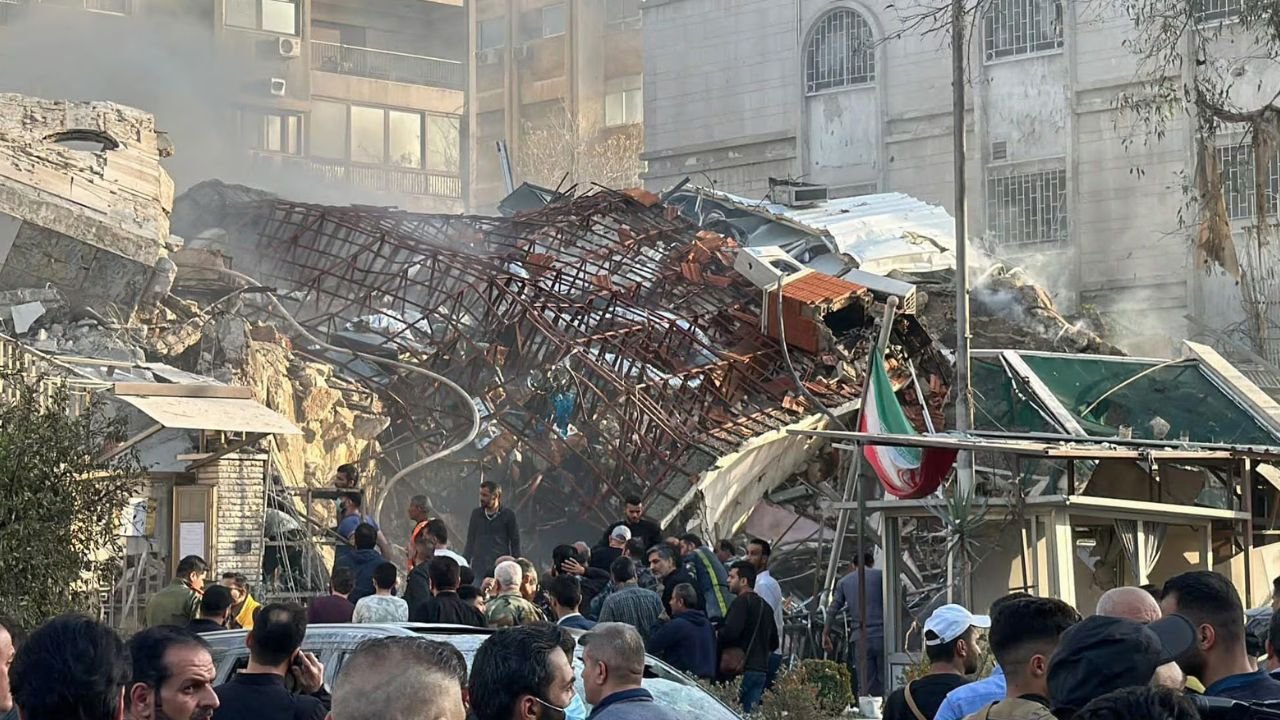
    Tehran (AFP) – Iran warned arch foe Israel on Tuesday that it will punish an air strike that killed seven Revolutionary Guards, two of them generals, at its consular annex in Damascus.

    Four other people were also reported killed in Monday’s strike which levelled the five-storey building adjacent to the Iranian embassy and further stoked tensions already running high as the Gaza war nears the end of its sixth month.

    Israel declined to comment on the strike, which fuelled Middle East tensions.

    Iran’s supreme leader Ayatollah Ali Khamenei vowed that Israel would be punished.

    “The evil Zionist regime will be punished at the hands of our brave men. We will make them regret this crime and the other ones,” Khamenei said in a message published on his official website.

    President Ebrahim Raisi condemned the attack as a “clear violation of international regulations” which “will not go unanswered”.

    “After repeated defeats and failures against the faith and will of the Resistance Front fighters, the Zionist regime has put blind assassinations on its agenda in the struggle to save itself,” Raisi said on his office’s website.

    The UN Security Council is to discuss the strike later Tuesday at a meeting requested by Syrian ally Russia.

    The strike on the annex killed seven Revolutionary Guards, including two commanders of its Quds Force foreign operations arm, Brigadier Generals Mohammad Reza Zahedi and Mohammad Hadi Haji Rahimi, Iranian offiials said.

    Zahedi, 63, had held a succession of commands in the force in a Guards career spanning more than four decades.

    A Britain-based monitor of the more than decade-old conflict in Syria, the Syrian Observatory for Human Rights said the strike killed “eight Iranians, two Syrians and one Lebanese — all of them fighters.”

    Iran’s ambassador to Syria, Hossein Akbari, told Iranian state TV that the attack “was carried out by F-35 fighter jets” which fired six missiles at the building.

    Only the gate of the building was left standing after the attack, with a sign reading “the consular section of the embassy of Iran”.

    Windows were shattered within a 500-metre (550 yard) radius and many parked cars were damaged by the blast.

    The adjacent facade of the Iranian embassy is decorated with a large portrait of Qasem Soleimani, a longtime Quds Force chief who was killed in a US drone strike just outside Baghdad airport in January 2020.

    ‘Important message to US’

    Iran’s foreign minister said Israel’s main backer the United States also bore responsibility for the strike, even though an unidentified US official quoted by Axios insisted Washington “had no involvement” or advanced knowledge of it.

    Amir-Abdollahian said on X that the ministry had summoned a diplomat from the Swiss embassy, which looks after US interests in Iran, to hear its protest.

    “An important message was sent to the American government as the supporter of the Zionist regime. America must be held accountable,” he said in the post.

    Iran’s allies around the region and beyond voiced support for its position.

    “China condemns the attack,” foreign ministry spokesperson Wang Wenbin said, adding “the security of diplomatic institutions cannot be violated, and Syria’s sovereignty, independence and territorial integrity should be respected”.

    The Iraqi foreign ministry condemned the attack as a “flagrant violation of international law” and warned of “more chaos and instability” in the region.

    Lebanon’s Iran-backed Hezbollah group warned Israel would pay for killing Guards commanders. “This crime will not pass without the enemy receiving punishment and revenge,” Hezbollah said in a statement.

    Russia blamed the Israeli air force for the “unacceptable attack against the Iranian consular mission in Syria”.

    Palestinian group Hamas condemned the strike, which it described as a “dangerous escalation”.

    Israeli genocide in Gaza has killed nearly 33,000 people in Gaza, mostly women and children, according to the territory’s health ministry.

    Iran-backed groups in Iraq, Lebanon, Syria, and Yemen have since carried out a series of attacks on Israeli and Western targets.

  • Syria war death toll over 507,000, 13 years on

    Syria war death toll over 507,000, 13 years on

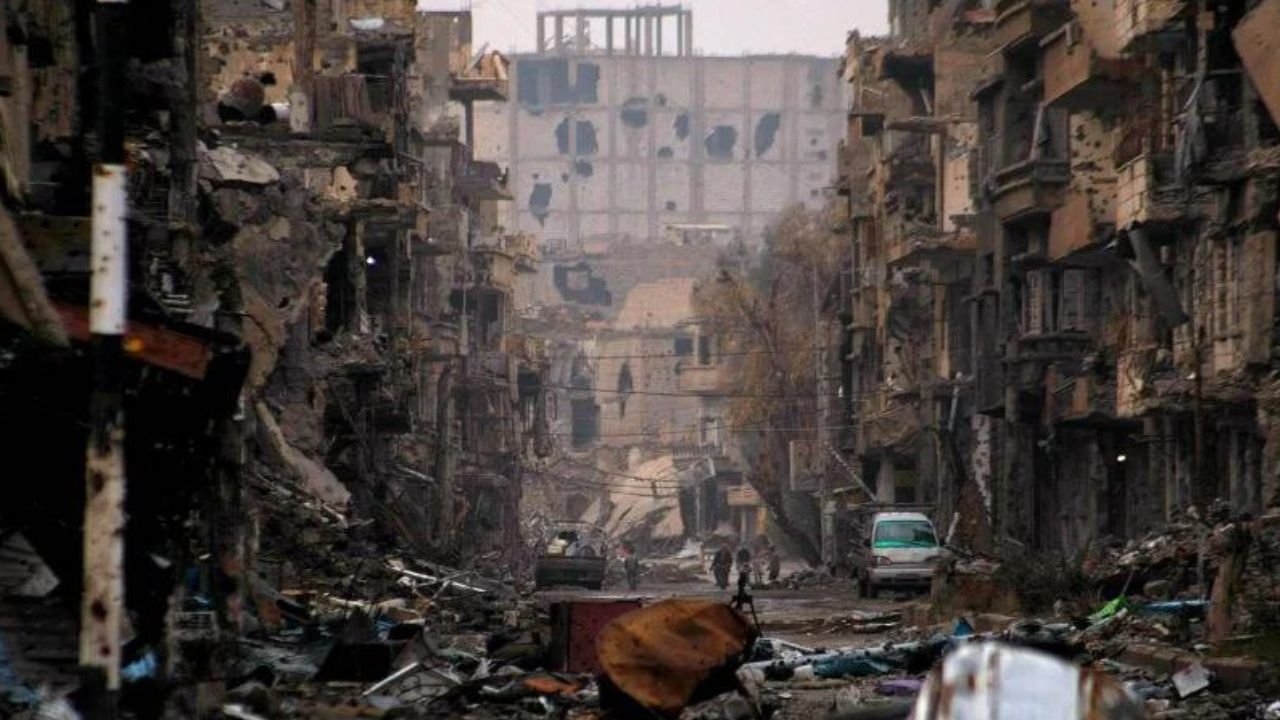
    Syria’s war has killed more than 507,000 people, a war monitor said Thursday ahead of the 13th anniversary of the conflict which has displaced millions at home and abroad.

    The government’s brutal suppression of an uprising that erupted on March 15, 2011, triggered a full-scale civil war that drew in foreign armies and international jihadists.

    The Syrian Observatory for Human Rights, a Britain-based monitor, said more than 164,000 civilians, including more than 15,000 women and 25,000 children, have been killed.

    More than 343,000 combatants, including army soldiers, fighters from pro-Iran groups, Kurdish-led forces and Islamic State group jihadists, are also among the dead, added the Observatory, which has a network of sources across the country.

    The overall figure has risen from around 503,000 last March, with the frontlines mostly quietening in recent years.

    Syrian President Bashar al-Assad has gradually clawed back territory lost early in the fighting with help from allies Iran and Russia, but large swathes of the north remain outside government control.

    The United Nations has said that this year, 16.7 million people in Syria require some type of humanitarian assistance or protection, “the largest number since the beginning of the crisis in 2011”.

    The war has ravaged Syria’s economy, infrastructure and industry, while Western sanctions have added to the country’s woes.

    Syria is home to around 7.2 million internally displaced people, the UN says, with a devastating earthquake that struck Turkey and Syria in February last year compounding the problem.

    Ninety percent of the population is living in poverty, but UN humanitarian official David Carden said last week that funding challenges could affect aid deliveries and services.

    Suhair Zakkout, Damascus-based spokesperson for the International Committee of the Red Cross, said 13 years of war have had “devastating consequences” on Syrians across the country, causing “unimaginable pain”.

    “Syria has a full generation… who has only witnessed the loss, the displacement, the war, and they know nothing but these things,” Zakkout said.

    Humanitarian organisations are working “to sustain the minimum level of the basic services” such as water and health so that “they don’t collapse”, Zakkout said.

    UN-facilitated efforts towards a political process remain stalled.

    Special envoy Geir Pedersen said last month that Moscow and Damascus had rejected holding talks in Geneva, the venue for previous negotiations aimed at forging a new constitution for Syria.

    Last year, Syria returned to the Arab League, marking Assad’s return to the regional fold after a suspension of more than a decade.

  • ‘If you harm an American, we will respond,’ says Biden after launching airstrikes in Syria and Iraq

    ‘If you harm an American, we will respond,’ says Biden after launching airstrikes in Syria and Iraq

    The President of the United States of America, Joe Biden, has cautioned, “If you harm an American, we will respond,” as US forces attacked more than 80 targets in Iraq and Syria in a wide-ranging air assault on sites belonging to Iran-linked fighter groups and Tehran’s Revolutionary Guard.

    The US president said the strikes had been launched in retaliation for the drone strike that killed three US troops in Jordan earlier in the week, adding: “Our response began today. It will continue at times and places of our choosing,” reports The Guardian.

    The US military’s Central Command said it had struck with more than 125 bombs in an attack that took place around midnight local time in what was described as the first of multiple attacks against the groups.

    “US military forces struck more than 85 targets, with numerous aircraft to include long-range bombers flown from the United States,” Centcom said in a statement. The raids were aimed at facilities believed to be controlled by Iran’s Islamic Revolutionary Guards Corps (IRGC) Quds Force and affiliated militia groups.

    John Kirby, the White House national security spokesman, said the strikes lasted about 30 minutes. “These responses began tonight. They’re not going to end tonight. So there will be additional responses. There will be additional action that we will take, all designed to put an end to these attacks and to take away capability by the IRGC.”

    The 85 targets were grouped in seven different locations: four in Syria and three in Iraq, according to US officials. Lt Gen Douglas Sims, director for operations on the joint staff, said the timing of the strikes was determined by the weather.

    “The initial indications are that we hit exactly what we meant to hit with a number of secondary explosions associated with the ammunition and logistics locations,” Sims said, although this could not be verified.

    On Thursday, the US said it blamed Islamic Resistance in Iraq, a coalition of Iran-linked militias, for the deadly drone attack last weekend on the remote Tower 22 logistics base in Jordan, near the border with Syria and Iraq. Three US army reservists were killed after living quarters were struck at night and more than 80 wounded.

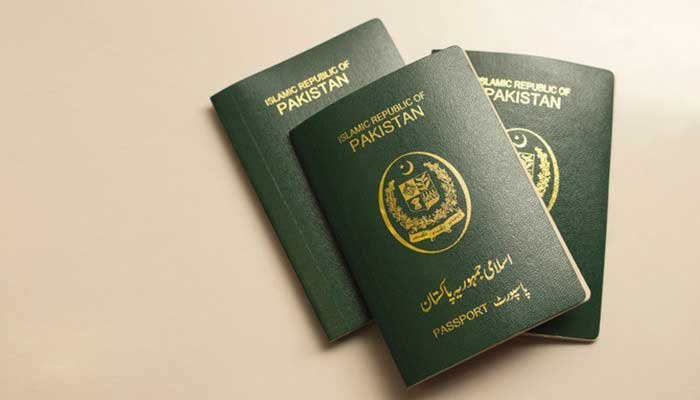
  • Pakistani passport once again least powerful

    Pakistani passport once again least powerful

    Henley & Partners‘ Passport Index has published a list portraying the world’s travel access hierarchy.

    Top on the list of countries that encourage travelling are France, Germany, Italy, Japan, Singapore, and Spain, whose citizens can visit an astounding 194 destinations without requiring arduous visa procedures. This group of countries offer passport-to-plane experience, setting the bar high for unmatched worldwide mobility.

    With access to 193 locations, Finland, South Korea, and Sweden share second place. Many visa-free or visa-on-arrival options are available to their well-travelled inhabitants, providing access to a variety of cultures and environments.

    Austria, Denmark, Ireland, and the Netherlands take third place with access to 192 destinations. These nations serve as entry points to a wide range of travel opportunities.

    The long list goes on, honouring countries that place a high priority on global connection. Among the notable entries are the United States, Canada, Greece, Switzerland, and New Zealand, all of which provide their inhabitants with an abundance of travel options.

    On the other hand, the Passport Index identifies states with more limited travel options. Afghanistan, Syria, Iraq, and Pakistan are among the least accessible, offering their passport holders entry to just 34 countries that require no visa or one upon arrival.

    The London-based company, which offers residency and citizenship consultancy services, teamed together with the International Air Transport Association to create a unique ranking that takes into account passport holders’ access to countries without a visa or with one upon arrival.

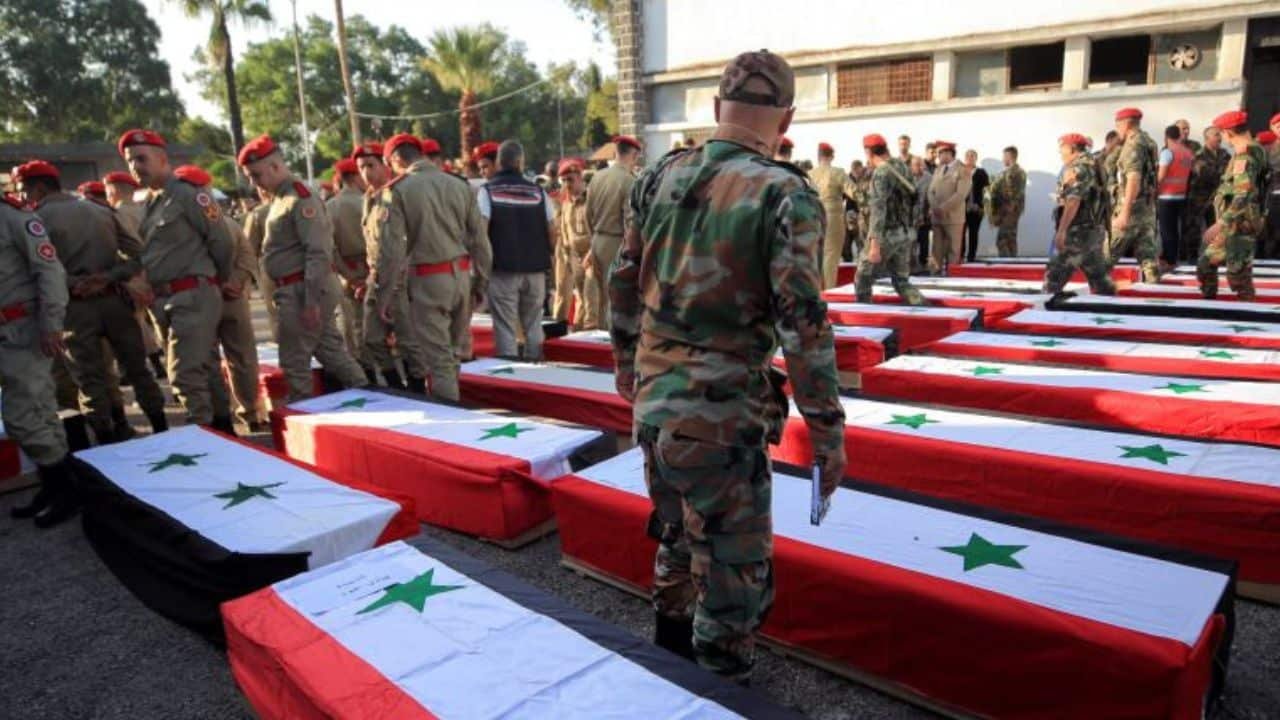
  • 100 killed in drone strike at Syrian military academy passing-out ceremony

    100 killed in drone strike at Syrian military academy passing-out ceremony

    100 people were killed and 240 injured in a drone attack on a military academy in the Syrian city of Homs on Thursday.

    According to Arab media, the drone attack was carried out during the passing-out parade ceremony at the military academy.

    Among the killed and wounded in the attack are military officers, personnel and Syrian civilians.

    The Syrian defense minister left the ceremony shortly before the attack.

    No militant group has yet claimed responsibility for the attack.

  • Saudi court orders media to publicly disclose identity of harasser doctor

    Saudi court orders media to publicly disclose identity of harasser doctor

    A Saudi court has sentenced a doctor to five years in prison after he was found guilty of harassing a nurse, ordering the media to publicise the case and expose the harasser.

    The doctor was reportedly a Syrian who sexually harassed a Filipino nurse.

    Hospital management sent the issue to Public Prosecution which led to an extensive investigation, proving the doctor guilty of misconduct.

    The arrest was made without any delay after solid proof against the doctor and legal proceedings were initiated right away.

    In criminal court, the doctor was initially ordered to to pay SR5,000 in fine and sentenced to one year in prison but then the Court of Appeal increased the sentence to five years.

    In addition to the prison sentence, the Saudi court also issued an order to publicly disclose the doctor’s name.