Tag: Taliban Government

  • Taliban government welcomes Muhammad Ali’s ex-wife

    Taliban government welcomes Muhammad Ali’s ex-wife

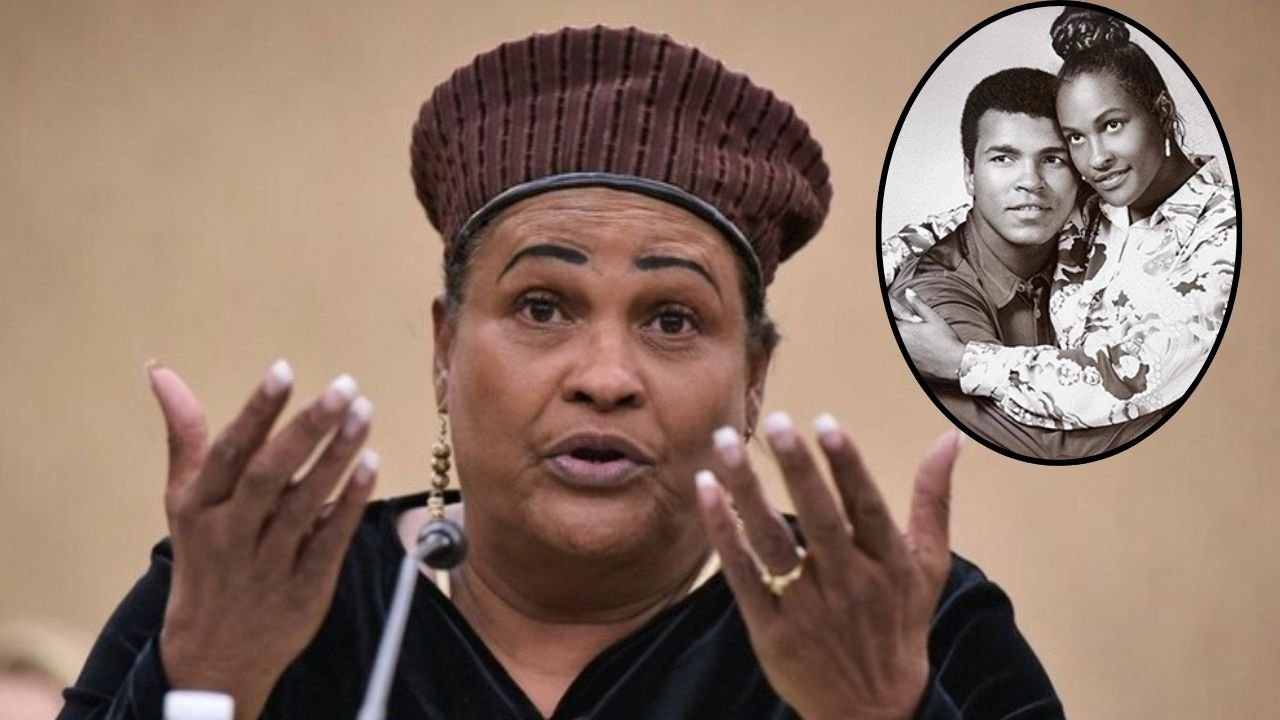
    A former wife of legendary US boxer Muhammad Ali arrived in the Afghan capital, a Taliban government official said Friday, to reportedly open a stadium in a country where women are barred from sports.

    The head of the Taliban government’s sports directorate, Ahmadullah Wasiq, told AFP that Khalilah Camacho-Ali, who was married to the boxer for a decade from 1967, had arrived in Kabul.

    State media cited the directorate as saying she was in the city “to build a sports stadium to be named ‘Pirozi’ (victory in Dari) and a sports association named after Muhammad Ali”.

    Born Belinda Boyd in 1950 in the United States, Camacho-Ali, like her world champion boxer ex-husband, converted to Islam after they married.

    Muhammad Ali himself visited Kabul in 2002, a year after the US forces overthrew the first Taliban government, visiting a girls’ school in his role as a United Nations peace ambassador.

    Since the Taliban government came to power in Afghanistan in 2021, they have imposed a strict interpretation of Islamic law, with women bearing the brunt of restrictions the United Nations have called “gender apartheid”, including blocking women from participating in sports.

    During the Taliban’s first rule from 1996 to 2001, public executions in sports stadiums were common.

    Public corporal punishment has continued since their return to power and at least two public executions have been held in a sports stadium.

    The authorities have recently set restrictions on combat sports as well, saying free fighting such as in Mixed Martial Arts was un-Islamic.

    Camacho-Ali is a martial artist, as well as an actress and author, according to her website.

    Ali was born Cassius Clay in the southeastern state of Kentucky and is known as both a sporting great and for his role in fighting for civil rights for African Americans. He died in 2016.
  • Life in Afghanistan: Two years since the Taliban takeover

    Two years since the Taliban stormed back to power on 15 August 2021 after two decades of war against the US and its allies, life has changed dramatically for many Afghans. A businesswoman, a former Taliban fighter and a farmer tell AFP how the changes have impacted them.

  • Afghan women protest beauty parlour ban, Taliban hit protestors with tasers

    Afghan women protest beauty parlour ban, Taliban hit protestors with tasers

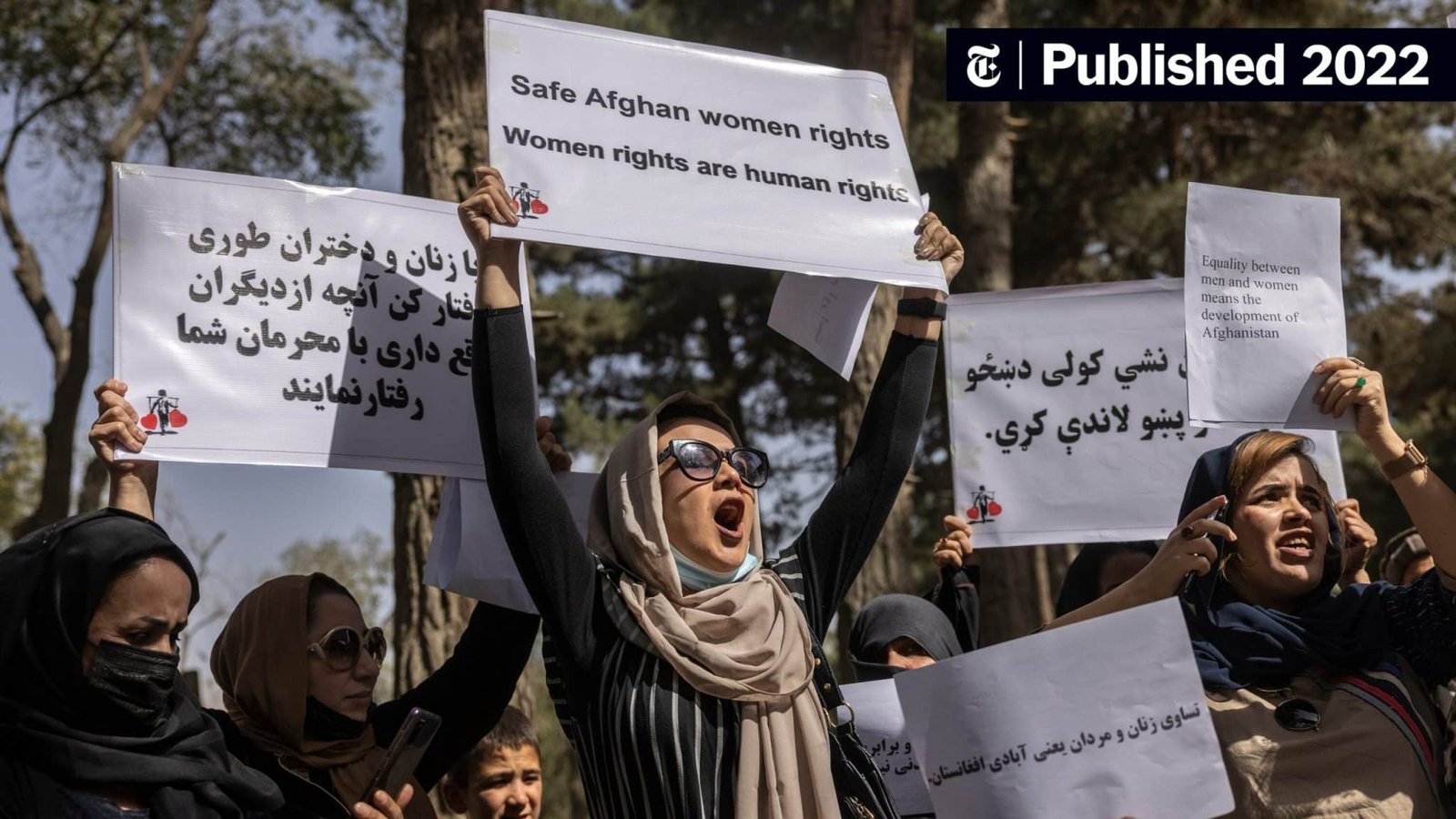
    In a rare occurrence, Afghan women took to the streets in Kabul to protest another draconian law imposed on the demographic by the ruling Taliban. Earlier this month, the Taliban banned women’s beauty parlours in Afghanistan, another decisive step in slashing women’s rights in the country. 

    Women shouted “work, bread and justice” while they were gathered in the capital city, Kabul. Around 50 women took part in the protest on Wednesday, BBC reports. Security forces dispersed the demonstration by using fire hoses, tasers, and shooting their guns into the air. Some protestors told Al-Jazeera that stun guns were also used against them.

    The Taliban have given beauty parlours one month from the 2nd of July to shut down operations completely, and the order has been sent across the country. According to BBC, they said the wearing of wigs and the practice of eyebrow-plucking were against Islamic values, further stating that beauty parlours are a ‘waste of money’ when couples are getting married. 

    The closure of all beauty salons will lead to the loss of 60,000 jobs, Afghanistan’s Chamber of Commerce said. 

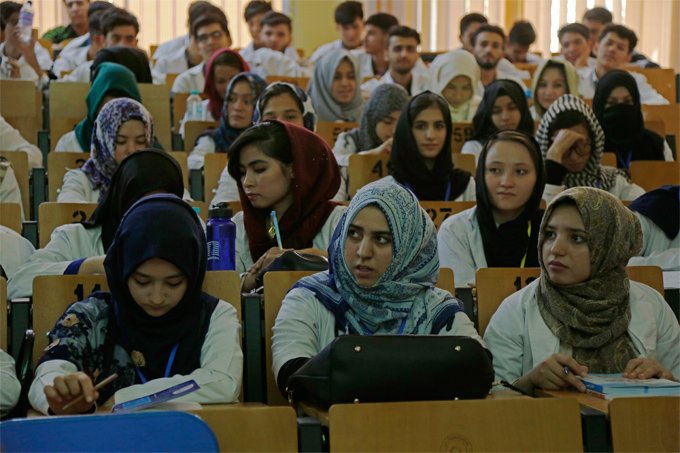
    Women’s rights and access to public spaces have been systematically struck down since the Taliban returned to power in 2021. Afghan women were already barred from attending secondary school and college, from entering gyms or parks, and now they are unable to continue their predominantly female-run beauty parlour businesses.

    The Taliban continue to impose restrictions on women, despite widespread international condemnation. They have prohibited women from working for the United Nations (UN), in spite of the UN having a commission in Kabul.

    There have been minor sporadic protests against measures introduced by the Taliban, but any form of dissent is being crushed, BBC reports.

  • Taliban threaten to fire govt employees for not keeping a beard

    The Taliban government in Afghanistan has threatened all government employees that they will be laid off if they do not comply with the new orders of keeping a compulsory beard and maintaining the dress code.

    Employees were instructed not to shave their beards and to wear loose trousers and shirts with a hat or turban. They were also instructed to make certain that they offer their five prayers on time.

    According to media reports, the Ministry for the Propagation of Virtue and Prevention of Vice were seen patrolling the entrance gate of government offices to inspect if everyone was following instructions on Monday. If any employee violated the order, he was not allowed to enter the office premises and would eventually get fired.

    Recently, the Taliban government barred women to travel alone on planes unless they were accompanied by their male guardian. If women have to travel abroad to study, they have to be accompanied by a male relative.

    Prior to this, the Taliban government also banned girls’ education above 6th grade. The announcement came only a few hours after they reopened for the first time in nearly seven months.

  • Taliban to reopen universities, silence on female students maintained

    Taliban to reopen universities, silence on female students maintained

    The Taliban acting Higher Education Minister Shaikh Abdul Baqi Haqqani has made an announcement that the public universities will be opened next month, i.e. February, across the country without specifying whether female students would be able to return or not.

    According to Reuters, the minister said universities in warmer provinces will reopen from February 2, while those in colder areas would reopen on February 26.

    The minister did not say what arrangements, if any, would be made for female students. However, earlier this month, government officials said that they hope to open all schools for girls and women in the country after March 21 but stressed that girls and boys must be completely segregated in schools.

    Since Taliban’s takeover in August, girls in most of Afghanistan have not been allowed back to school beyond grade seven. However, private universities in Kabul are still operating.

    Western governments have made education for female students a part of their demands as the Taliban seek more foreign aid and the unfreezing of overseas assets for which they have called Muslim countries to recognise them and made a recent visit to Oslo, Norway, where they presented their demands.

  • No transport for women travelling without hijab, male relative: Taliban

    Afghanistan’s Taliban leadership has announced that women who seek to travel long distances should not be offered transport if they are not wearing hijab and are not accompanied by a close male relative, reports Agence France-Presse (AFP).

    The guidance was issued on Sunday by the country’s Ministry for the Promotion of Virtue and Prevention of Vice. The ministry spokesman Sadeq Akif Muhajir told AFP: “Women travelling for more than 72 kilometers (km) should not be offered a ride if they are not accompanied by a close family member.”

    Previously, the government had also called on women TV journalists to wear hijabs while presenting. They also directed people to stop playing music in their vehicles.

    Taliban also banned women from acting in dramas due to which they received immense backlash.

    Since August, the Taliban have been imposing severe restrictions for women in the country despite promising the fulfillment of their rights.

    However, activists hope that the Taliban’s battle to gain international recognition and get aid flowing back into Afghanistan will lead to them making concessions to women.

  • Kabul’s last Jew fearing Taliban divorces wife to be in Israel

    Kabul’s last Jew fearing Taliban divorces wife to be in Israel

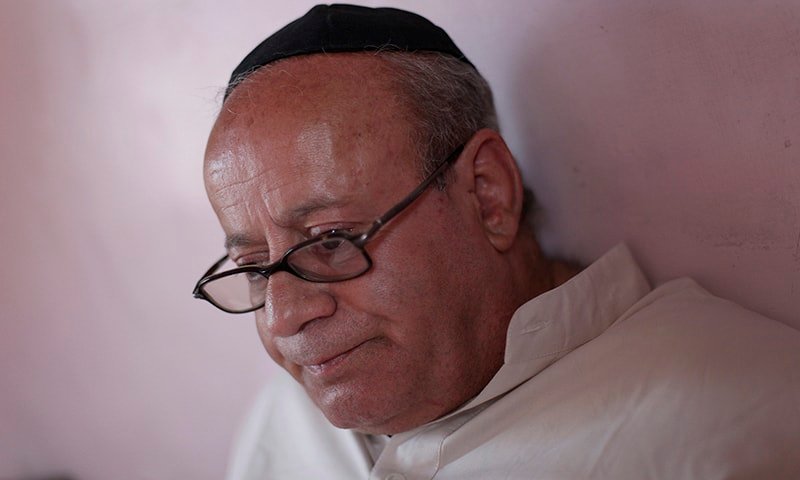
    Zebulon Simentov, who is known as the last Jew of Kabul, divorced his wife over a Zoom call so that he can be allowed to enter his Holy Land, reports Dawn.

    Under Jewish religious law, a husband must agree to grant his wife divorce, which Simentov had refused to do for many years. But last month, he finally agreed to avoid any legal procedures from his wife, who lives in Israel.

    Simentov fled Afghanistan last month after the Taliban takeover and landed in Turkey on Sunday on what his rescuers say is a final stop before travelling to Israel.

    Rabbi Moshe Margaretten, whose non-profit group Tzedek Association funded Simentov’s journey, said he had spent the last few weeks living quietly in Pakistan.

    “We are relieved we were successful in helping Zebulon Simentov escape from Afghanistan and now into safety in Turkey. His life was in danger in Afghanistan,” said Margaretten.

    He said his group had looked into bringing Simentov to the United States (US) but decided that Israel was a better destination as he has many relatives, including five siblings and two daughters, already in Israel.

    Rabbi Mendy Chitrik, chairman of the Alliance of Rabbis in the Islamic States, greeted Simentov at the airport in Istanbul upon his arrival.

    He said he had an appointment to take Simentov to the Israeli consulate to arrange his entry to Israel. Under Israel’s “Law of Return”, any Jew is entitled to Israeli citizenship.

    Simentov was born in Herat, Afghanistan, in 1959 and used to run a kebab shop.

  • #DoNotTouchMyClothes: Afghan women reject Taliban’s dress code for women

    #DoNotTouchMyClothes: Afghan women reject Taliban’s dress code for women

    Afghan women have started an online campaign using the hashtag #DoNotTouchMyClothes to challenge the Taliban’s conservative female clothing rules. Many Afghan women shared pictures of their colourful traditional dresses.

    Dr Bahar Jalali, a former history professor at the American University in Afghanistan, used hashtags #DoNotTouchMyClothes and #AfghanistanCulture to reclaim Afghan women’s traditional clothes.

    While posting a picture of herself on Twitter in a green Afghan dress, she stated: “This is Afghan culture. I am wearing a traditional Afghan dress.”

    Referring to the women who wore long, fully veiled black gowns, covering their faces and hands at pro-Taliban rally, she tweeted: “No woman has ever dressed like this in the history of Afghanistan. This is utterly foreign and alien to Afghan culture. I posted my pic in the traditional Afghan dress to inform, educate, and dispel the misinformation that is being propagated by the Taliban.”

    After that, women across Afghanistan started posting pictures of themselves.

    This campaign was also in reaction to a video in which many women holding a pro-Taliban rally in the capital were seen saying that Afghan women wearing make-up and in modern clothes do not represent the Muslim Afghan women and we don’t want women’s rights that are foreign, reports BBC.

    Afghanistan’s Higher Education Minister Abdul Baqi Haqqani said that universities will be segregated and veils made mandatory for all female students. Earlier this month, the Taliban announced an all-male interim government.

  • Australia warns of cancelling Afghanistan Test if Taliban ban women’s cricket

    Australia warns of cancelling Afghanistan Test if Taliban ban women’s cricket

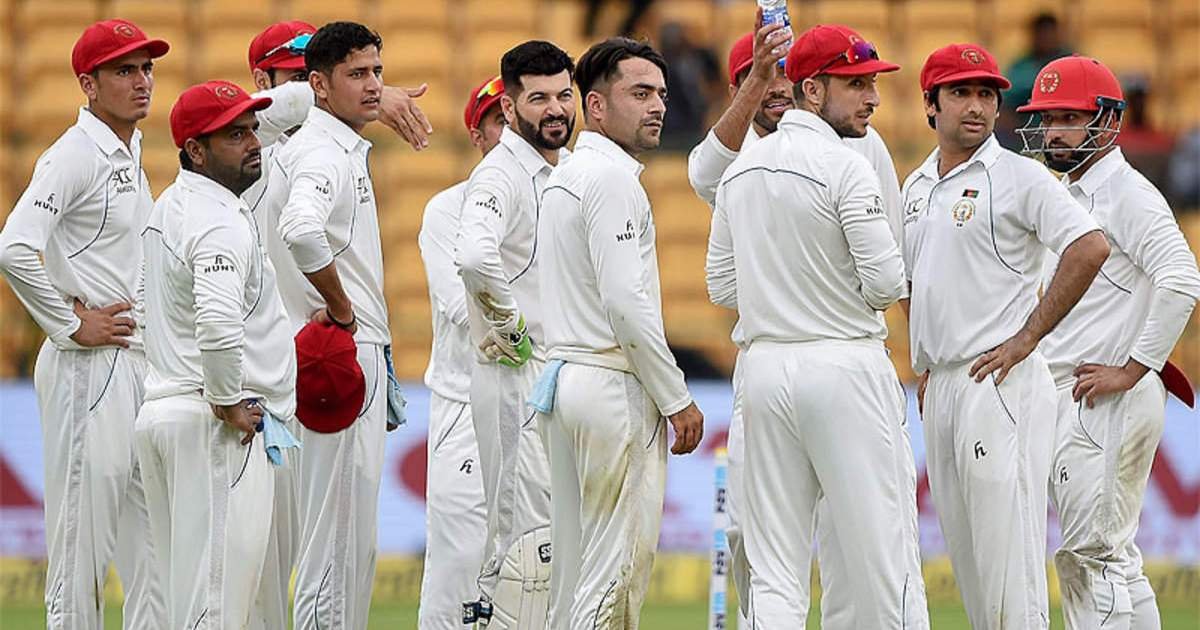
    Cricket Australia (CA) warned to cancel the Test match against Afghanistan in November if women are not allowed to play the sport under the Taliban regime.

    The updated stance from CA follows the developments on Wednesday where the Taliban indicated that women would not be able to participate in sport, including cricket.

    In a statement released on Thursday, Cricket Australia confirmed it would be unable to proceed with the planned Test at Hobart’s Blundstone Arena from November 27 if news reports of Taliban views on the women’s game were true.

    “Driving the growth of women’s cricket globally is incredibly important to Cricket Australia,” the statement said.

    “Our vision for cricket is that it is a sport for all and we support the game unequivocally for women at every level.”

    “If recent media reports that women’s cricket will not be supported in Afghanistan are substantiated, Cricket Australia would have no alternative but to not host Afghanistan for the proposed Test Match due to be played in Hobart,” it added.

    The ICC has said that Afghanistan’s status in the international game will be discussed at their next board meeting but that is not scheduled until November, which raises further questions about their participation in the T20 World Cup.

    Afghanistan is the only Full Member to have received that status without having an operational women’s team in place. Last year, the Afghanistan Cricket Board had announced their first contracts for women as they looked to build a team.