Tag: Taliban

  • Afghan Taliban capture 200 anti-Pakistan militants

    Afghan Taliban capture 200 anti-Pakistan militants

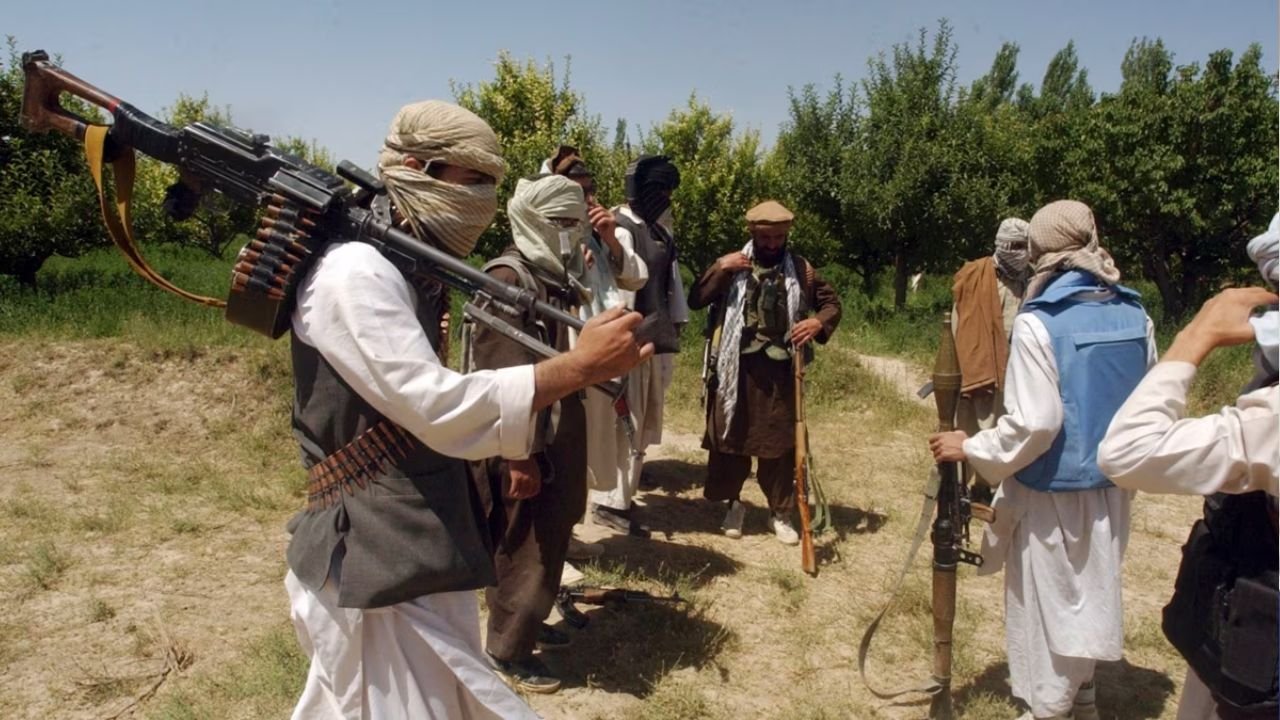
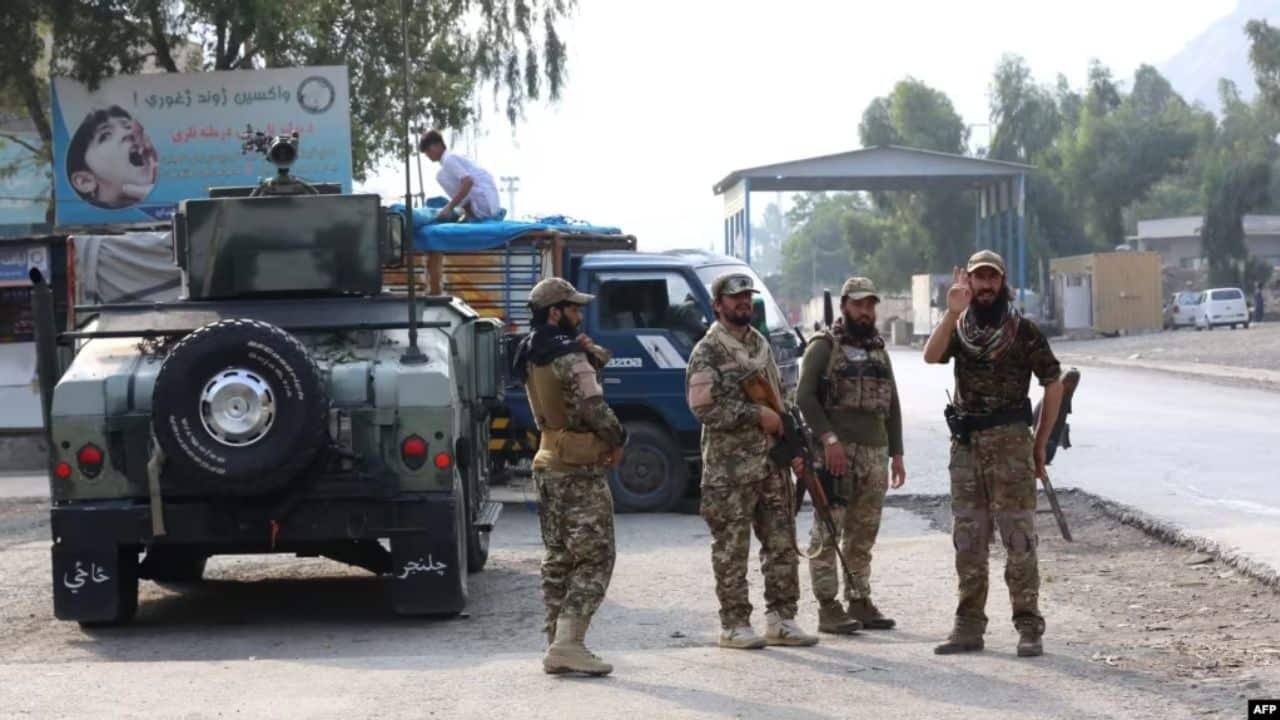
    The Afghan Taliban claim to have arrested 200 suspected militants for carrying out cross-border attacks against Pakistan.

    The news was reported as a delegation from Islamabad visited Kabul where the Afghan government hosted bilateral talks last week.

    They expounded on the crackdown against the proscribed Tehrik-i-Taliban Pakistan (TTP).

    Earlier this month, heavily armed militants attacked two Pakistani security posts in Chitral. The raid of September 6th killed four soldiers and 12 assailants for which TTP claimed responsibility.

    VoA spoke with Pakistani officials who said that Taliban leader Hibatullah Akhundzada has “forbidden his forces from launching cross-border attacks against Pakistan, calling them haram or un-Islamic”.

    Moreover, he has also “ordered Afghans not to collaborate with or give donations to the TTP for its so-called jihad against Pakistan and barred the militants from running donation collection campaigns in Afghanistan”.

    The Pakistani officials claimed that according to their assessment, the Taliban are “consciously distancing” themselves from groups they were previously with at the time of insurgency. These groups are now involved in criminal activities in Afghanistan — extortion, kidnapping for ransom, and terrorism.

    The officials highlighted that Taliban leaders are now in control and responsible for the country and must show the world that they do not function like an insurgent group.

  • American retailer sells Pakistani Servis Cheetahs as ‘Taliban’s favourite shoe,’ priced over Rs30,000

    American retailer sells Pakistani Servis Cheetahs as ‘Taliban’s favourite shoe,’ priced over Rs30,000

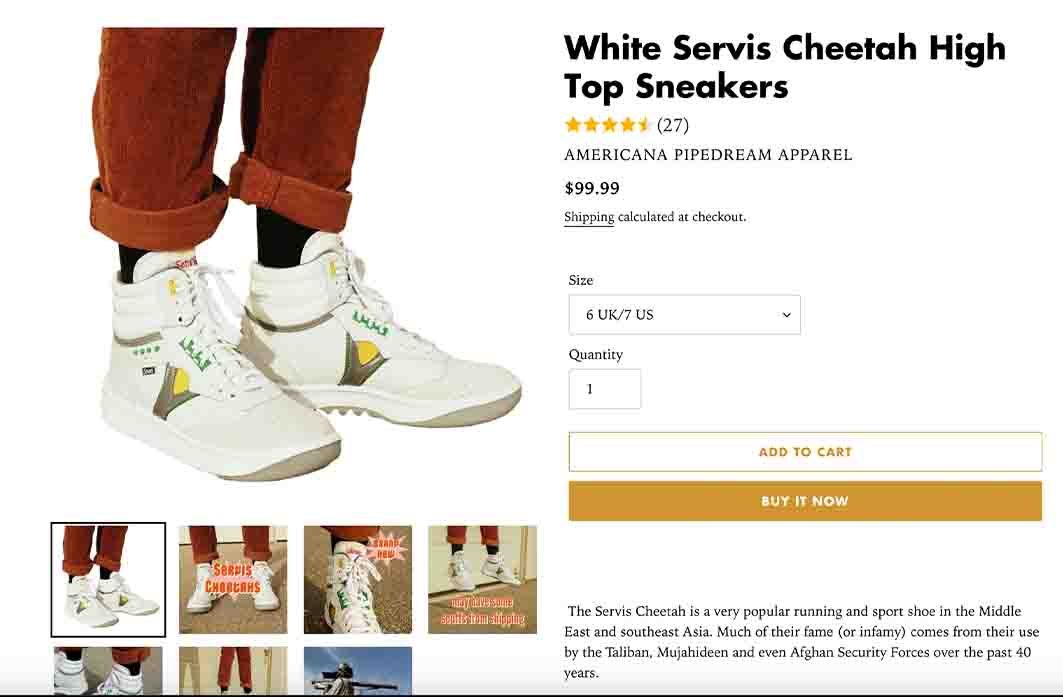
    An American online shopping platform known as “Americana Pipedream” is offering Pakistani Servis Cheetah high-top shoes, which are advertised as “The Taliban’s Favourite Shoe” and are priced at approximately Rs30,500 ($99). 

    Screenshot from Americana Pipedream Website

    The website lists these shoes for individuals who wish to emulate the Taliban’s style, and the company claims that “the Servis Cheetah is a highly popular running and sports shoe in the Middle East and Southeast Asia. Much of its notoriety stems from its use by the Taliban, Mujahideen, and even Afghan Security Forces over the past 40 years. 

    These Servis Cheetahs are brand new and originate from Pakistan, a shoe brand that is not commonly found in the American market. 

    Interestingly, despite the platform’s strong promotion of these shoes as the “Taliban’s favourite,” the details section acknowledges that they are rare to come by in the United States and suggests that the quality may not be top-notch due to their Pakistani origin. 

    Furthermore, upon conducting research, it was discovered that the exact same shoes are sold by Servis Pakistan for Rs2,799. 

    Screenshot from official Servis Pakistan Website

    The website appears to specialise in promoting clothing and accessories associated with the Taliban and similar themes. Other products featured on the website include Afghan War Rugs & Accessories, new apparel and accessories, books, camping and outdoor gear, axes and knives, tactical gear, pipes and accessories, vintage clothing, Phantomleaf camouflage, clearance items, night vision devices, and various military surplus items categorised by style and country of origin, including Swiss Surplus, Balkan Surplus, Greek Surplus, German & Austrian Surplus, Romanian Surplus, Vintage US Military Clothing, and British Surplus. 

  • Activist Malala Yousafzai sends support to Afghanistan women’s football team

    Women’s rights activist and Noble Prize winner Malala Yousafzai has expressed her support for the women’s football team from Afghanistan, who were banned by the current Taliban government from playing the sport after the takeover in 2021. Currently, the team resides in Melbourne, Australia, where they escaped to in 2021, but right now the football team is not recognised by the government or the FIFA organisation.

    “I’m very sad. I was expecting a lot more for football’s governing body,” said Khalida Popal, who was the former captain of the women’s football team.

    “[Fifa needs] to stand with these women. We want leadership – we need a strong voice to stand with us. Don’t keep silent.”

    Currently, the Afghanistan Women’s Football team is being sponsored by the Australian professional football club Melbourne Victory, and now activist and Nobel Prize winner Malala Yousafzai has joined the ranks in calling for the team to be recognised by FIFA.

    The producer behind ‘Joyland’ was in Melbourne to watch the Women’s World Cup and shared a post of her meeting the team members of the Afghanistan women’s football team, writing that she was inspired by their bravery and determination.

    “I came to Melbourne because of a story. The New York Times published an incredible account of the keeper for the Afghanistan Women’s Team and how its founder @khalida_popal_girlpower helped the players escape near-certain death after the Taliban gained control and banned women’s sports. I was inspired by their bravery and determination. They were so proud to play for their national team and now they were burying their jerseys to avoid being caught and killed.

    Today, I finally met the AWT in person— including Fatima and Khalida — to continue to support their campaign to be recognised by FIFA. This is the power of stories and why we must continue to share them. You never know who could be listening.”

    The Pakistan-born activist urged her followers to read more about the football team and to donate funds to help support them as they live in exile and away from their families

  • Afghan women under Taliban rule: two years later

    Afghan women under Taliban rule: two years later

    15 August 2023 marked two years of the fall of Kabul when the Taliban seized the capital, capturing the government in Afghanistan in 2021.

    While the Afghan government tried to ward off the assault for the longest time, the inevitable took place, leaving many sections of society devastated. Among them were women who knew what the Taliban takeover would mean for their freedom.

    “We are going to allow women to study and work within our framework. Women are going to be very active in our society,”, the Taliban had promised in their first press conference following their takeover. But as many feared, these words never became a reality.

    So, what have the Afghan girls and women endured since 15 August 2021?

    In March 2022, a ban on girls’ secondary education was imposed moments after the education ministry reopened schools for both girls and boys. The ban further barred girls from joining universities.

    Women were denied entry in the job market. This includes exclusion from NGOs as well as the government sector. Ban on beauty salons left women even more helpless. While Afghanistan’s economy has been in shambles, families have been struggling to make ends meet and with women’s exclusion from the job market, especially sole breadwinners like widows or single mothers, are in serious financial crisis. Out of options and desperation, some women have resorted to the profession of nursing and midwifery just to escape the four walls of their house and earn.

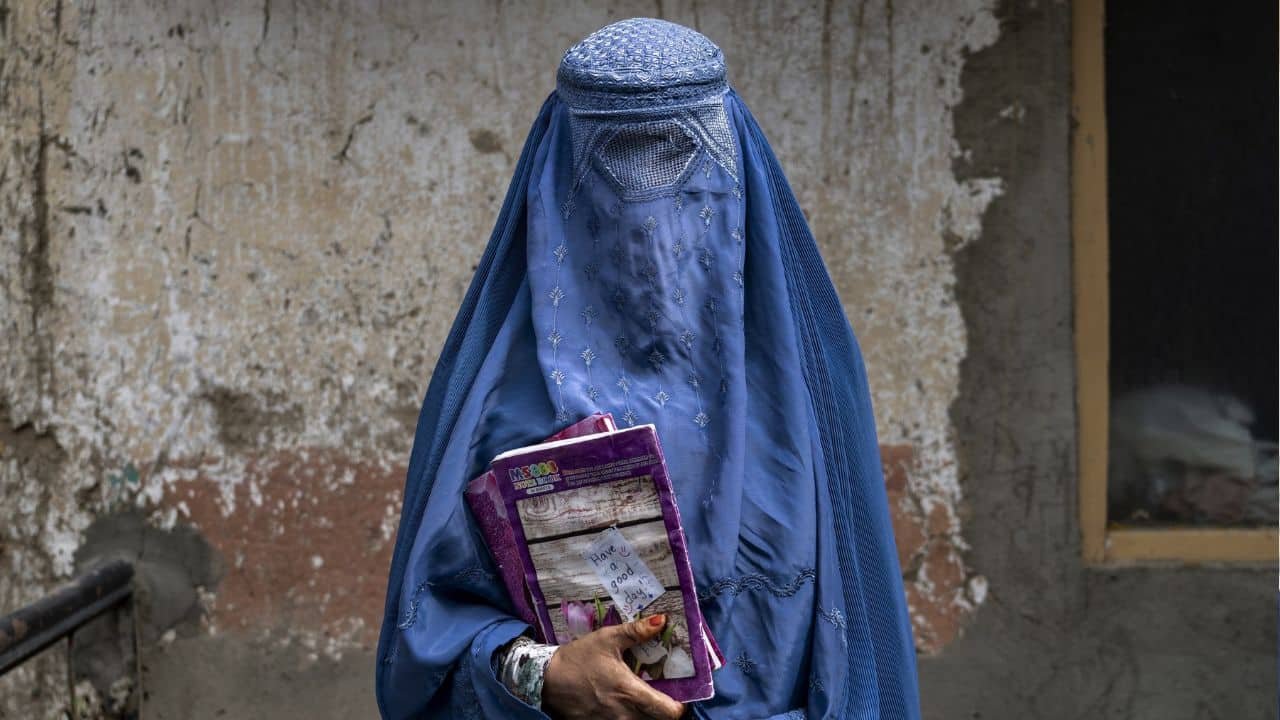
    Not only Afghan women cannot leave their house without a male chaperone (a mahram), but it is mandatory for them to wear burqas. They are also not allowed to wear make-up or heels, and are barred from accessing public places such as parks, gyms, marketplace etc.

    Having nothing to do with their lives as a result of numerous socio-political restrictions, young girls are forced into marriage. Others are sold in order to cover finances or compensate for debts. Parents fear for their daughters’ lives as they often know little about the families they are married into or sold to, but they find themselves to be powerless.

    There is a sense of fear and trauma amongst young girls and women which is leading to mental health issues.

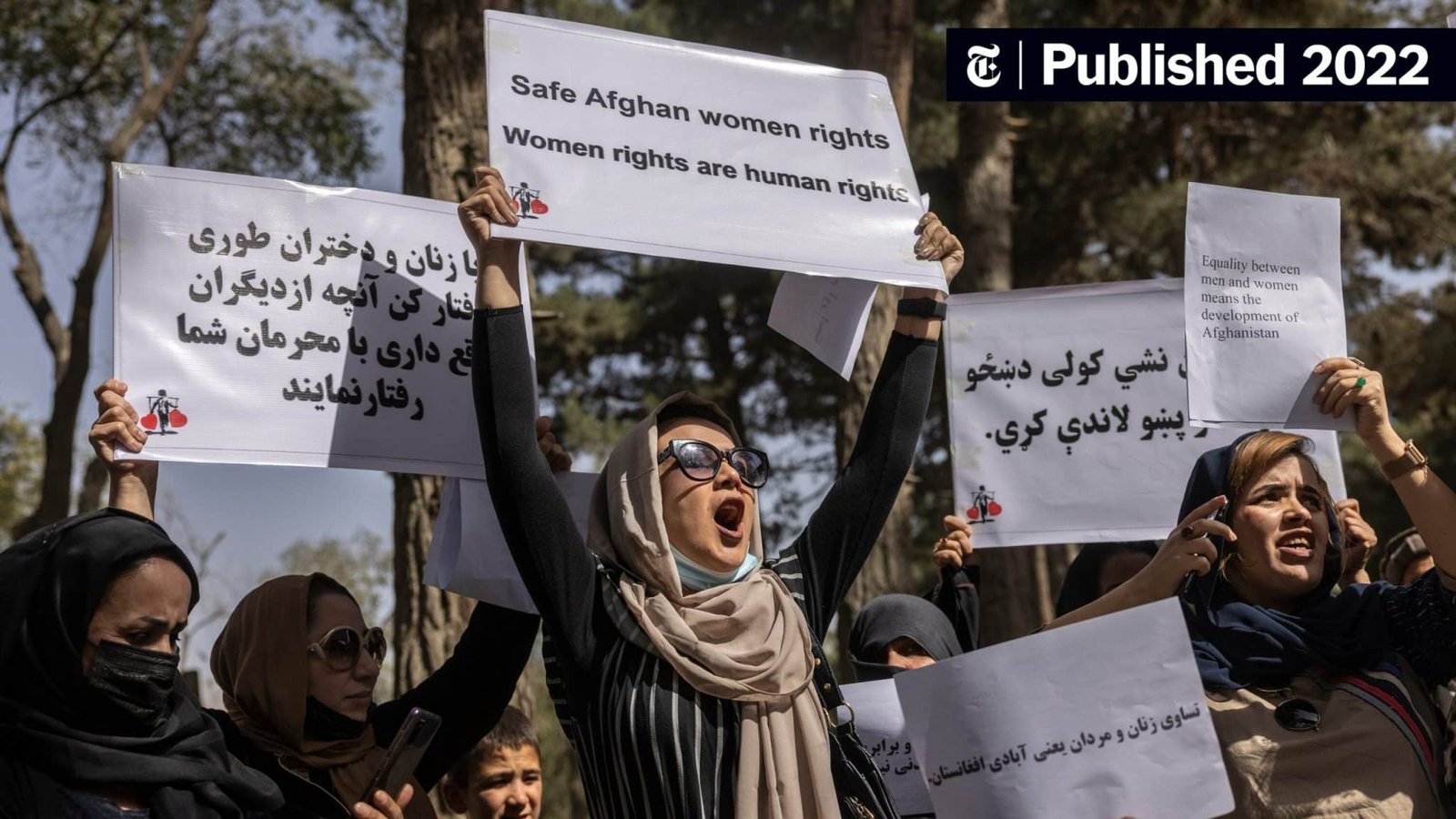
    Following the takeover, valiant Afghan women have, nonetheless, taken their fight to the streets and have protested time and again. Resultantly, they have been threatened and even beaten, but two years on, their anger trumps fear and their struggle continues.

  • ‘Necktie is a cross’: senior Taliban official says bow ties are Christian symbol, wants ban

    ‘Necktie is a cross’: senior Taliban official says bow ties are Christian symbol, wants ban

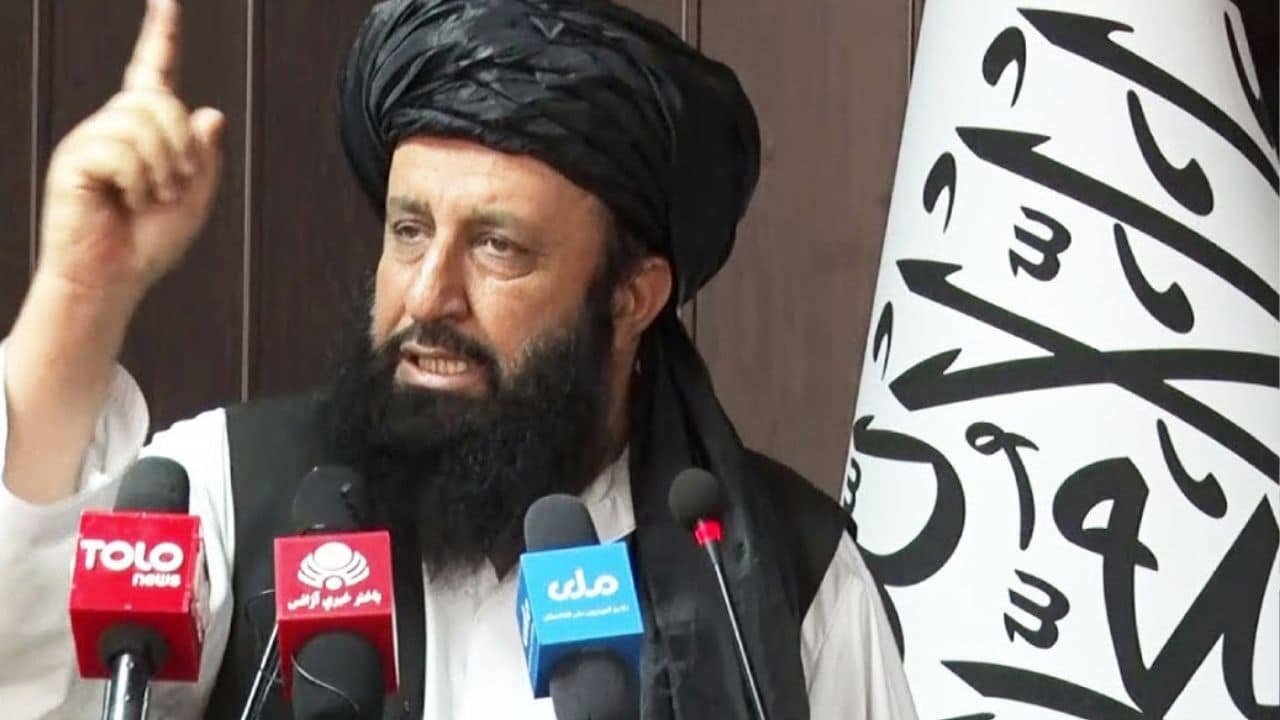
    In a recent announcement, a prominent Afghan Taliban official has declared neckties to be representative of the Christian cross, calling for their removal from public realm.

    Mohammad Hashim Shaheed Wror, the head of the Invitation and Guidance Directorate—an organization dedicated to directing individuals towards ‘proper’ Islamic paths—expressed his disapproval of Afghan Muslims, particularly professionals such as doctors and engineers, who wear neckties.

    During his speech broadcasted by Tolo TV, Wror stated, “Sometimes, when I go to hospitals and other areas, an Afghan Muslim engineer or doctor wears a necktie.” He proceeded to emphasize the religious implications of the accessory, declaring, “What is a tie? It is the cross. It is ordered in Sharia that you should break it and eliminate it.”

    Neckties, a Christian symbol or merely official garb?

    Neckties have a long and complex history, dating back to the 17th century. Originating from a piece of cloth worn around the necks of Croatian soldiers hired by King Louise XIII of France, neckties soon became a fashion staple at royal gatherings.

    As the trend was adopted by the French elite, it quickly spread throughout Europe. Over the years, the design and style of ties have seen many transformations. Today, ties come in various fabrics, cuts, widths, and patterns, enabling wearers to express their personal style.

    The typical attire for Taliban officials consists of shalwar kameez, a waistcoat, and a turban. While Western fashion has become increasingly rare following the Taliban’s ascension to power, neckties can still be spotted occasionally, especially among professionals.

  • Afghan women protest beauty parlour ban, Taliban hit protestors with tasers

    Afghan women protest beauty parlour ban, Taliban hit protestors with tasers

    In a rare occurrence, Afghan women took to the streets in Kabul to protest another draconian law imposed on the demographic by the ruling Taliban. Earlier this month, the Taliban banned women’s beauty parlours in Afghanistan, another decisive step in slashing women’s rights in the country. 

    Women shouted “work, bread and justice” while they were gathered in the capital city, Kabul. Around 50 women took part in the protest on Wednesday, BBC reports. Security forces dispersed the demonstration by using fire hoses, tasers, and shooting their guns into the air. Some protestors told Al-Jazeera that stun guns were also used against them.

    The Taliban have given beauty parlours one month from the 2nd of July to shut down operations completely, and the order has been sent across the country. According to BBC, they said the wearing of wigs and the practice of eyebrow-plucking were against Islamic values, further stating that beauty parlours are a ‘waste of money’ when couples are getting married. 

    The closure of all beauty salons will lead to the loss of 60,000 jobs, Afghanistan’s Chamber of Commerce said. 

    Women’s rights and access to public spaces have been systematically struck down since the Taliban returned to power in 2021. Afghan women were already barred from attending secondary school and college, from entering gyms or parks, and now they are unable to continue their predominantly female-run beauty parlour businesses.

    The Taliban continue to impose restrictions on women, despite widespread international condemnation. They have prohibited women from working for the United Nations (UN), in spite of the UN having a commission in Kabul.

    There have been minor sporadic protests against measures introduced by the Taliban, but any form of dissent is being crushed, BBC reports.

  • America, Pakistan both agree: Taliban need to make sure Afghanistan isn’t used for deshatgardi

    America, Pakistan both agree: Taliban need to make sure Afghanistan isn’t used for deshatgardi

    The United States of America has reiterated that the Taliban administration is responsible for ensuring that Afghanistan is not used for terrorist activities against other countries.

    The development comes as Pakistan blames the Taliban government of harbouring terrorists linked to the banned Tehreek-e-Taliban Pakistan (TTP).

    “Taliban has the responsibility to prevent Afghanistan from being used as a safe haven for launching terrorist attacks,” US State Department spokesperson Matthew Miller said during a press briefing.

    Earlier, in an unusual statement, the Pakistan Army slammed the sanctuaries available to TTP in Afghanistan for harming Pakistan’s security.

    At the 258th Corps Commanders Conference (CCC) under the chairmanship of Chief of Army Staff (COAS) General Syed Asim Munir, the army noted that the TTP had obtained access to the latest weaponry due to their sanctuaries in Afghanistan.

    The military also threatened to take an “effective response” after 12 soldiers were martyred in two attacks.

  • Factcheck: Is Afghan singer Hasiba Noori dead?

    Factcheck: Is Afghan singer Hasiba Noori dead?

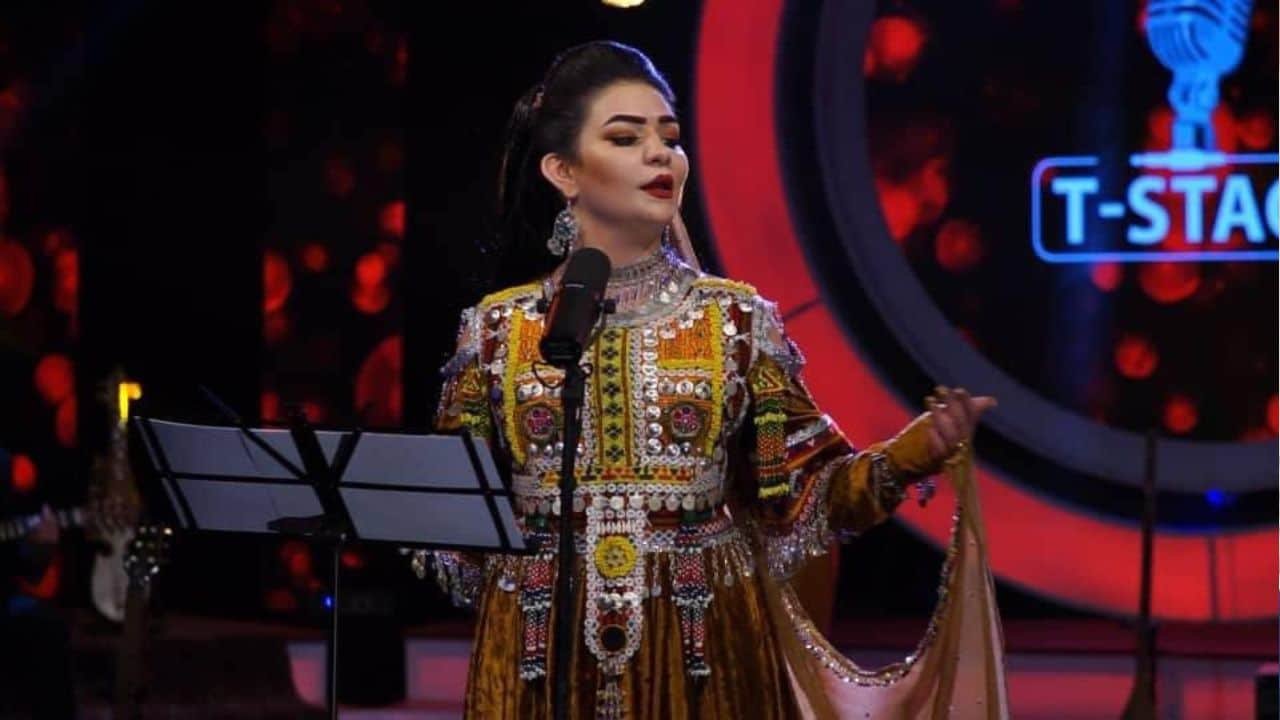
    Claim: Afghan singer Hasiba Noori had been killed in Peshawar

    On Monday, social media was ablaze with news that Afghan singer Hasiba Noori had passed away in Pakistan under mysterious circumstances, having taken refuge here after the takeover of the Taliban in Afghanistan. Conflicting news reports emerged on social media where accounts said she had passed away in Peshawar, while others said that she had been killed in Quetta.

    A journalist, Izharullah, shut down rumors of Noori’s death in Peshawar, saying that there was no such information available with the police.

    However it was senior journalist Iftikhar Firdous who took to his Twitter account to say that the news was fake, and the Afghani singer is alive and well in Quetta.

    The Current spoke with Firdous on how he reached out to the Afghan singer, and he revealed that he had managed to get in touch with Noori after contacting at least 300 people for 12 hours. Firdous had a video call with Noori, which confirmed that his source was reliable and the news that she died was fake.

    On the viral picture of Noori’s alleged corpse lying in a hospital bed, Firdous revealed that it was taken after a surgery in Karachi, the singer had clarified.

    Currently, Noori is in Quetta, and has informed Firdous that she will post a video to squash these rumors.

    The claim is false.

    The singer also shared a video on her TikTok account to silence the rumors.

  • Taliban praises Twitter’s freedom of speech and credibility amidst Threads launch

    Taliban praises Twitter’s freedom of speech and credibility amidst Threads launch

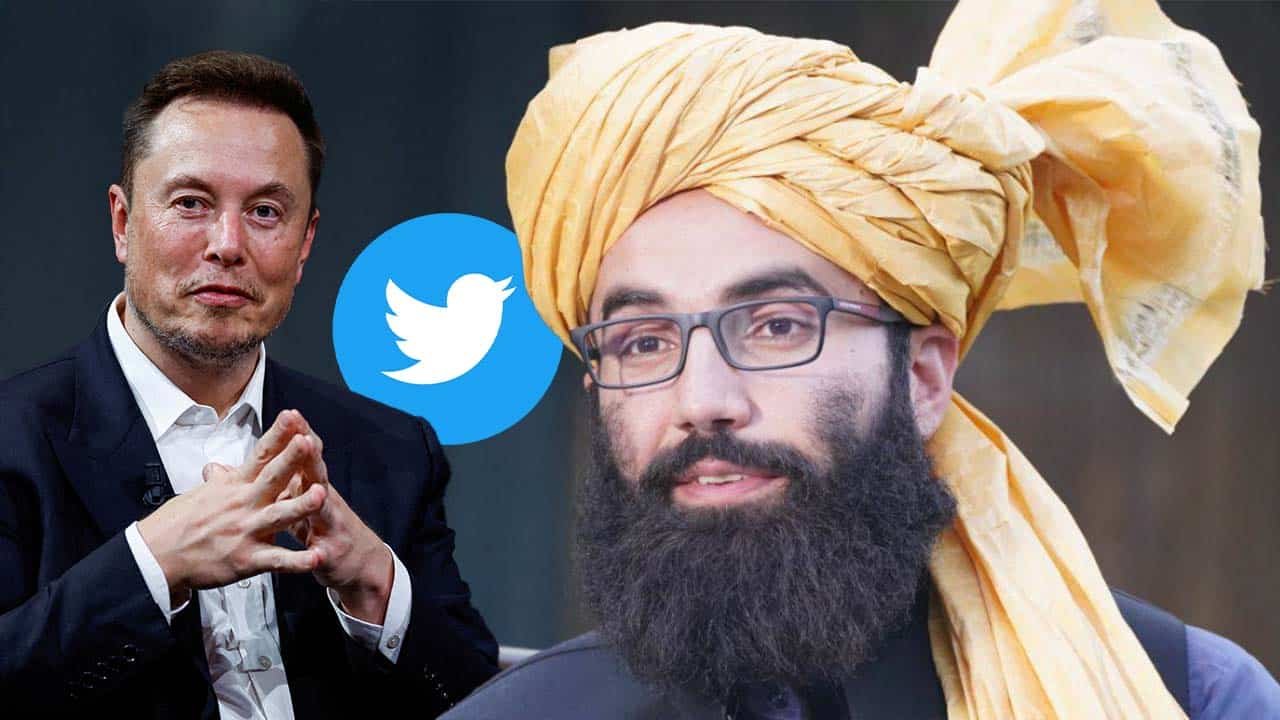
    Twitter’s challenges in attracting advertisers, maintaining site functionality, and retaining users have been widely discussed. However, amidst these struggles, an unexpected endorsement has emerged from an unlikely source—the Taliban. Anas Haqqani, a prominent figure within the Taliban, recently expressed his appreciation for Twitter in light of Meta’s Threads, a rival platform that gained over 100 million users within a few days of its launch.

    Haqqani, in justifying his decision to remain active on Twitter, highlighted two key advantages the platform offered. “The first privilege is the freedom of speech,” he stated. “The second privilege is the public nature & credibility of Twitter. Twitter doesn’t have an intolerant policy like Meta. Other platforms cannot replace it.”

    Meta, the parent company of Threads, has made it clear that the new platform will adhere to the same content guidelines as its sister app, Instagram. This includes a stipulation that explicitly prohibits support or praise for terrorism, organised crime, or hate groups.

    Elon Musk’s involvement in Twitter’s operations has been marked by a series of seemingly arbitrary policy decisions, the loosening of moderation guidelines and enforcement capabilities, resulting in chaotic circumstances, and a focus on prioritising paying users. Under Musk’s leadership, instances of hate speech have surged, and ad sales for the platform have experienced a significant decline of 59% since the previous year.

    It is difficult to argue that having members of the Taliban celebrate the extent to which they can exploit the platform does not present a compelling case for potential ad buyers. Twitter, grappling with these challenges, must now confront the task of restoring confidence in its ability to provide a safe and appealing environment for both users and advertisers alike.

  • Taliban refuse to let women work and go to school

    Afghan Taliban have once again rejected international calls to lift the ban they imposed on women’s work and education, after the United Nations sanctions committee concluded in Doha without formally recognising the administration in Afghanistan.

    Suhail Shaheen, head of the Taliban political office in Doha pointed out that the meeting’s decisions cannot be accepted or implemented when the government in Afghanistan is not part of the process.

    In a meeting where over 20 countries’ representatives were present, the Taliban administration was not invited.

    When asked by a journalist if there will ever be a situation when he will meet the Taliban directly, UN Chief António Guterres said: “If the time is right, I will not deny the possibility.”

    Afghan Foreign Minister (FM) Amir Khan Muttaqi will reportedly visit Pakistan in a couple of days.