Tag: Taliban

  • Protesting terror: Swat Valley has had enough

    Protesting terror: Swat Valley has had enough

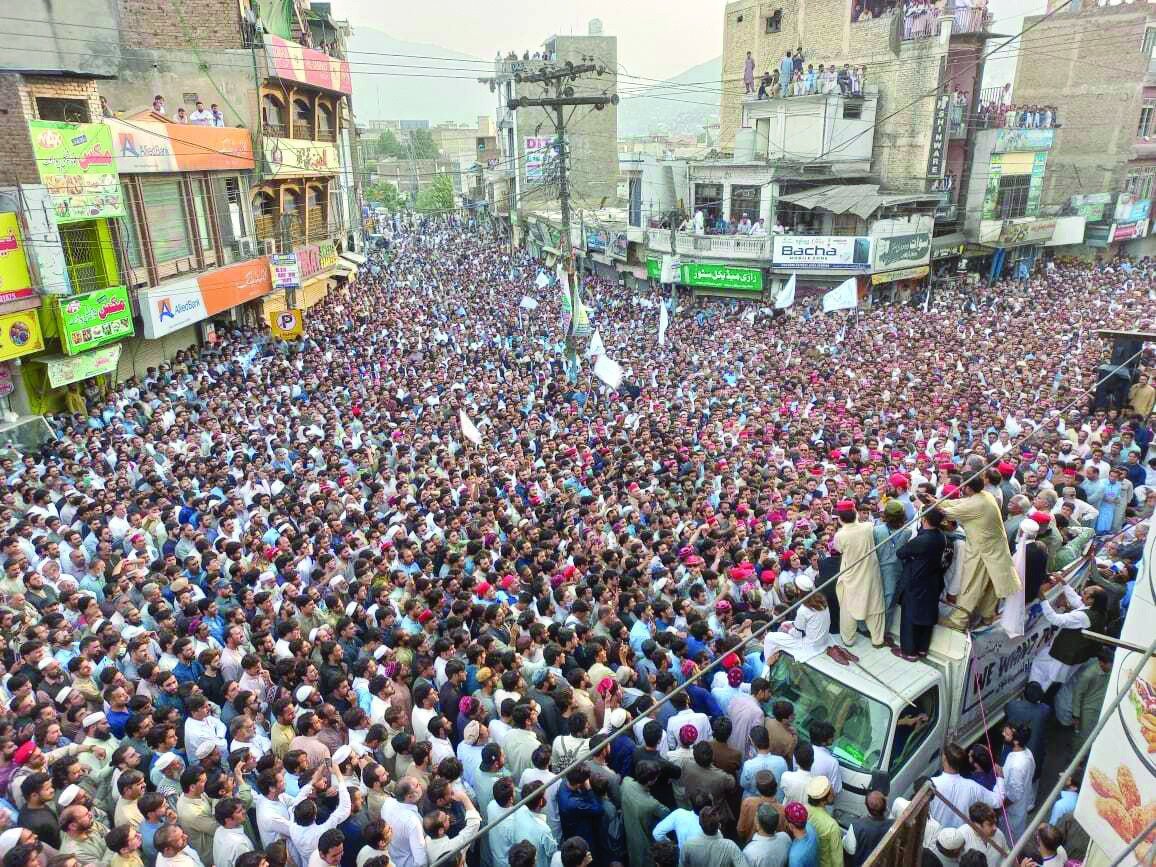
    The people of Swat have already witnessed enough bloodshed. The people of Swat were displaced. Peace returned in 2009. In the blink of an eye, the situation turned into chaos where despite the presence of a large number of security forces, the Taliban entered, resettled, and sabotaged peace in the region.

    Earlier this month, one man was killed while two students were injured when unidentified militants opened fire on a school van in Charbagh tehsil. This incident of violence gripped the valley, prompting citizens to take to the streets against the rising tide of insurgency. The incident brought back memories of the attack on the then-school girl Malala Yousafzai, on October 9, 2012, who survived a gun attack by Taliban gunmen nearly a decade ago. Though militants had been behind the attack on the Nobel Prize winner, the authorities are tight-lipped about the latest incident, while no group has claimed responsibility yet.

    The outfit known as the Tehreek-i-Taliban Pakistan (TTP) is gaining ground across Swat Valley once again. The people of Swat and other areas of KP must be commended for courageously demanding their right to live in peace. They have witnessed firsthand the bloody rule of the militants, and the associated pain of conflict and dislocation. No one can say for certain how and why TTP members have now resurfaced in Swat as well as several other adjoining tribal districts. This is the main reason for the unease among the people of Swat and is sure to give many a sleepless night to officials, both in the civilian setup as well as the military. And what have the latter done to allay the fears of the people? Not much, unfortunately.

    The return of TTP militants to their respective areas is part of the TTP-government negotiations being held in Kabul, Afghanistan, but no agreement has been reached to this effect. It, therefore, remains unclear who, if anyone for that matter, allowed the militants to return before a formal deal had been reached. It would not be wrong if we say the ghosts of the past are coming back to haunt the residents of Swat Valley. The valley has seen enough bloodshed, we hope and pray peace prevails in the region.

    Pakistan has lost 80,000 lives in the war on terror. We fought bravely to get rid of terrorism on our soil. The return of terrorism is a bad omen for peace in the country and the region.
  • Swap deal: Taliban leader Noorzai released in exchange for US hostage

    Haji Bashir Noorzai, a senior Taliban figure, has been released after decades of detention by the United States (US) and arrived in Kabul on Monday, a Taliban spokesperson said.

    “Honorable Haji Bashir was released after two decades of imprisonment and arrived in Kabul today,” said Mohammad Naeem, a Taliban spokesperson.

    An American navy veteran detained in Afghanistan since 2020 was released by the Taliban on Monday in exchange for an ally, Noorzai, who spent 17 years in a US jail for heroin smuggling, Afghanistan’s foreign minister said.

    After long negotiations, US citizen Mark Frerichs was handed over to an American delegation which then handed over (Bashar Noorzai) to us today at Kabul airport,” Afghan Foreign Minister Amir Khan Muttaqi said at a press conference.

    “We are happy that at Kabul International Airport, in the capital of Afghanistan, we witnessed the wonderful ceremony of one of our compatriots returning home,” he said.

    “My release in exchange for an American will be a source of peace between Afghanistan and Americans.”

    “We have been persistent in our efforts to free [Noorzai], and now he is with us in his own country,” Muttaqi continued. He said the two men were swapped at Kabul’s international airport.

    Noorzai is the second Afghan inmate released by the United States in recent months. In June, Assadullah Haroon was released after 15 years of detention in the United States’ notorious Guantanamo Bay prison.

  • Today marks one year since Afghan girls were banned from attending school

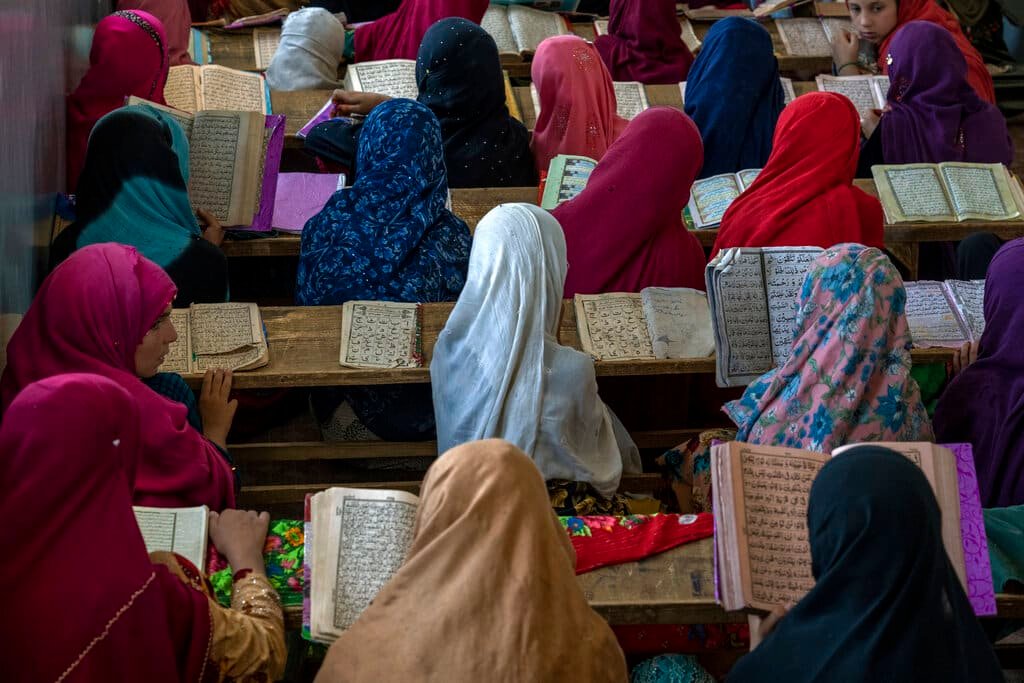
    Today marks one year since Afghan girls were banned from attending school

    United Nations (UN) Secretary-General Antonio Guterres took to Twitter to urge Taliban authorities in Afghanistan to revoke the ban on girls’ education that was implemented a year ago.

    He said, “Sunday marks one year since girls were banned from attending high school in Afghanistan. A year of lost knowledge and opportunity that they will never get back. Girls belong in school. The Taliban must let them back in.”

    “It is profoundly damaging to a generation of girls and to the future of Afghanistan itself”, said Markus Potzel, the acting head of the United Nations Assistance Mission in Afghanistan (UNAMA). The UN has called the ban ‘tragic and shameful.

    According to UNAMA, more than a million teenage girls have been deprived of education across the county.

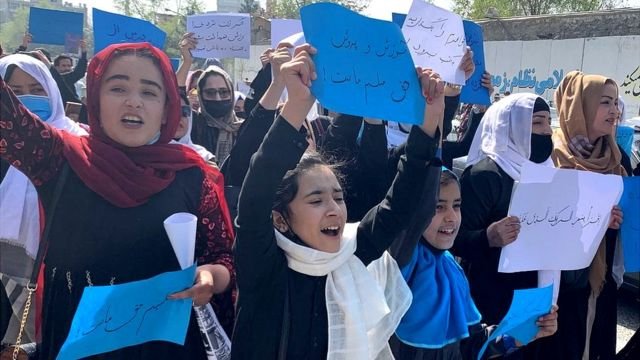
    Earlier this month, dozens of girls protested in an eastern Afghan city due to the closure of schools for girls.

    When the Taliban seized power in August last year, they did reopen high schools for boys on September 18 but banned secondary school girls from attending classes.

    Education Minister Noorullah Munir termed this act a “cultural issue”. He said that many rural people do not want their teenage daughters to attend school.

    Earlier this year, the Taliban said that schools for girls would be opened after March 21 with the caveat that girls and boys must be completely segregated in schools

    However, schools were opened for a small period of time and again were shut down

    At the time, the Ministry of Education said that the schools would be closed until a plan was drawn up in accordance with Islamic law and Afghan culture.

    Despite the fact that the international community has on multiple occasions made the education of girls a key demand for any future recognition of the Taliban administration, the group has barred Afghan girls and women with certain restrictions including covering themselves from head to toe and not to travelling alone.

  • Video: Afghan Girls protest the closure of schools

    Video: Afghan Girls protest the closure of schools

    The Taliban government of Afghanistan has closed secondary schools just days after classes began. Dozens of girls protested on Saturday in an eastern Afghan city. Photographs shared on social media show locals and business owners watching the girls march through the city’s core.

    Following demands from hundreds of girls and tribal leaders, five government secondary schools in the eastern province of Patkia resumed classes last week. However, when the students showed up for class on Saturday, they were instructed to go home.

    “This morning when they did not allow girls to enter schools, we held a protest,” said activist Yasmin, one of the organisers of the rally.

    “The Taliban did not allow anyone to take footage of the protest. In fact, they broke some protesters’ mobile phones,” Yasmin told AFP by telephone.

    “The students protested peacefully, but soon the rally was dispersed by security forces,” one Gardez resident who asked not to be named told AFP.

    The Taliban administration this year in March announced that girls’ high schools in Afghanistan will be closed, and no female child above the sixth grade will be allowed to attend school. The announcement came only a few hours after they reopened for the first time in nearly seven months.

  • ‘Everyone was fleeing the site’: At least six people killed in Kabul bombing

    ‘Everyone was fleeing the site’: At least six people killed in Kabul bombing

    The Russian Foreign Ministry and Afghan officials have confirmed that two Russian embassy staff members were among six people who were killed in a suicide bombing near the entrance of the Russian embassy in Kabul.

    The attack was claimed by the Islamic State militant group.

    “As a result of the attack, two employees of the diplomatic mission were killed and there are also victims among Afghan citizens,” the ministry said.

    “I went to the Russian embassy to get a visa. We were sitting outside. The consul came and we showed him our papers, he guided us towards the entrance door of the embassy. Suddenly the blast occurred and I fell to the ground, “a man called Faiz Mohammad told Reuters.

    Ahmad Samir, a boy who suffered head injuries in the blast, said “There were so many injured people around, everyone was fleeing the site”.

    According to the police, the attacker was recognised and he was shot. “The suicide attacker, before reaching the target, was recognised and shot by Russian embassy [Taliban] guards,” said Mawlawi Sabir, the head of the police district.

    Police said the attacker was shot dead by armed guards as he approached the embassy gate.

    The bombing appeared to be the first to target a foreign diplomatic mission in Kabul since the Taliban takeover in 2021.

    Russia is one of the few countries to have maintained an embassy in Kabul after the Taliban took over the country more than a year ago.

    It is pertinent to mention that Moscow does not officially recognise the Taliban’s government, however, they have been in talks with officials over an agreement to supply gasoline and other commodities.

  • TTP leader Omar Khalid Khorasani killed in Afghanistan

    TTP leader Omar Khalid Khorasani killed in Afghanistan

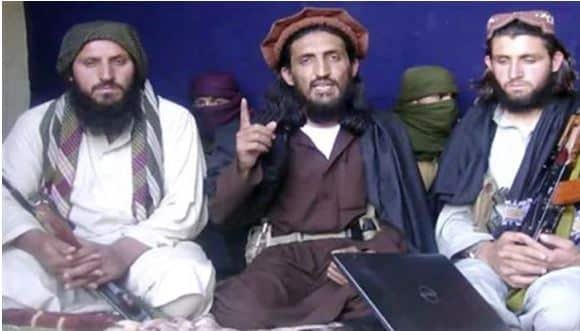
    Tehreek-e-Taliban Pakistan’s (TTP) senior commander Omar Khalid Khorasani has been killed in the Paktika province of Afghanistan.

    “A vehicle reportedly carrying TTP Mohmand chief Omar Khalid Khorasani, aka Abdul Wali Mohmand, Mufti Hassan, and Hafiz Dawlat Khan, was targeted in Sharki village, near Margha, in Bermal district of Paktika province,” one Afghan official told The Express Tribune.

    Omar’s real name was Abdul Wali Mohmand and he previously headed the TTP in the Mohmand Agency bordering Afghanistan.

    It is pertinent to mention here that Omar was a member of the TTP team involved in negotiations with Pakistani officials, Pashtun jirgas, and recently with religious scholars over the past few weeks.

    According to Dawn, in July 2017, one of the UN Security Council’s sanctions committees, upon Pakistan’s request, approved the addition of Jamaat-ul-Ahrar to the list of entities and individuals subject to the assets freeze, travel ban, and arms embargo.

    The United States added Omar’s name to the US State Department’s Rewards for Justice wanted list in March 2018. The US had announced a reward of up to $3 million for information on him.

  • ‘Justice delivered’: Biden says Al Qaeda leader Zawahiri killed in US drone strike in Afghanistan

    United States (US) President Joe Biden has confirmed that Al Qaeda leader Ayman al-Zawahiri was killed in Kabul, Afghanistan, over the weekend by a US drone strike.

    In a televised address, Biden said the strike in Kabul had been carried out on Saturday.

    “I gave the final approval to go get him,” he said, adding that there had been no civilian casualties.

    “Justice has been delivered and this terrorist leader is no more,” Biden said.

    Zawahiri, an Egyptian surgeon who had a $25 million bounty on his head, helped coordinate September 11, 2001, attacks on US soil.

    A senior US administration official said Zawahiri’s presence in the Afghan capital Kabul was a “clear violation” of a deal the Taliban had signed with the US in Doha in 2020 that paved the way for the US withdrawal from Afghanistan.

    In a statement, Taliban spokesman Zabihullah Mujahid confirmed that a strike took place and strongly condemned it, calling it a violation of “international principles”.

    Saturday’s drone attack is the first known US strike inside Afghanistan since the US withdrawal in August 2021.

  • Mullah Omar’s buried car found after 21 years

    Mullah Omar’s buried car found after 21 years

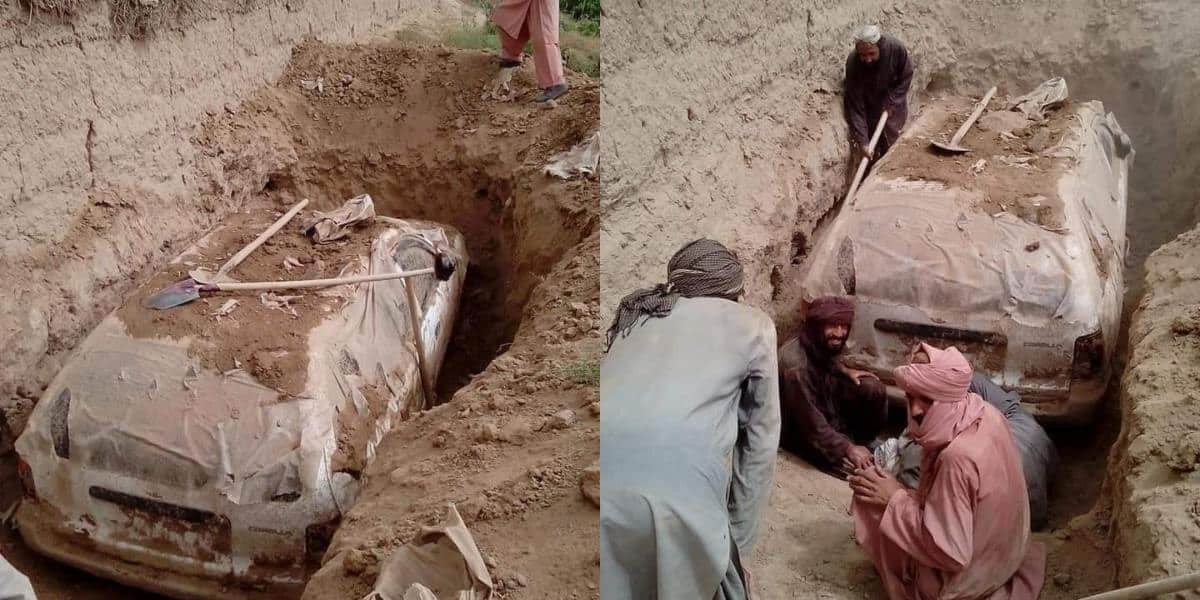
    The Taliban have discovered a white Toyota of Mullah Omar, the founding leader of the Taliban, which was buried 21 years ago. When the US forces invaded Afghanistan in 2001 as a response to the 9/11 attacks, Mullah Omar hid his personal vehicle by burying it.

    The car was discovered mostly unharmed and wrapped in plastic. However, the front mirror of the car was broken.

    Senior officials have demanded that the car should be placed in Kabul’s national museum.

    Omar died in 2013 reportedly due to illness. However, the news of his death was not revealed by the Afghan Taliban until July 2015.

  • Sikh Gurdwara in Kabul attacked, Daesh claims responsibility

    Sikh Gurdwara in Kabul attacked, Daesh claims responsibility

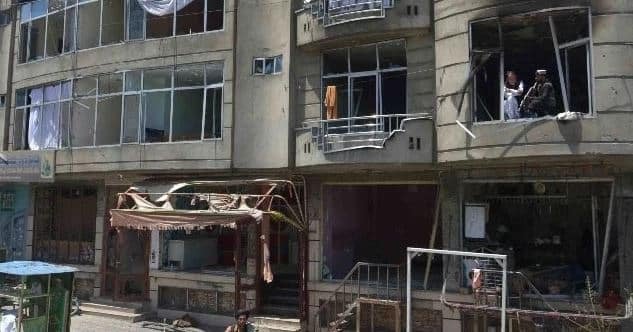
    The Islamic State (IS), also known as Daesh, has claimed responsibility for an attack on a Sikh Gurdwara in Kabul that killed at least two people and injured seven on Saturday (June 18). Reuters reported that on an affiliated Telegram channel, the local branch of Daesh said the attack was in response to the derogatory remarks against Prophet Mohammad (PBUH) by BJP spokespersons in India.

    The attack on Karteparwan Gurdwara killed one Sikh worshipper and a Taliban fighter. A Taliban interior ministry spokesman told Reuters that the attackers had laden a car with explosives but it had detonated before reaching its target.

    Karteparwan Gurdwara was the only operational Sikh temple in Kabul of the four Gurudwaras in the Afghan capital. This is not the first attack by Daesh on a Gurdwara. In 2020, the militant group attacked a 400-year-old Gurudwara in Kabul, which left 25 dead.

    Read more- ‘We will hunt you down and make you pay’: Biden reacts to 85 killed in Kabul blasts

    There has been a rise in attacks on religious minorities in Afghanistan. Most of these attacks have been claimed by the Islamic State Khorasan Province, ISKP (ISIS-K), the regional branch of ISIL/Daesh.

  • Famous Afghan anchor forced to sell street food after Taliban takeover

    Afghan journalist Musa Mohammadi was spotted selling street food in order to make ends meet. After the Taliban takeover, the country has experienced economic turbulence, forcing professionals like Mohammadi into a state of poverty.

    Kabir Haqmal, lecturer at Kabul University and former journalist, shared Mohammadi’s picture on Twitter with the caption, “Mohammadi worked for years as an anchor and reporter on different TV channels. He now has no income to feed his family and sells street food to earn some money.”

    In another tweet, Haqmal added, “It is also important to look at how the well-to-do people in a country have reached this stage, and what will happen to the poor. We don’t know what to call the change.“

    The viral post drew the attention of Ahmadullah Wasiq, Director of the National Radio and Television, who ensured Mohammadi’s employment in his response.

    Wasiq’s responded: “Unemployment of Musa Mohammadi, a spokesman for a private television station, was highlighted on social media. As the director of the National Radio and Television, I assure him that we will appoint him within the framework of the National Radio and Television. We need all Afghan professionals.”

    https://twitter.com/WasiqAhmadullah/status/1537122260212977665?s=20&t=7i3XCpZ0jBaS_7mpTMgEdA

    Like Mohammadi, Afghan journalists have been facing never-ending challenges since the Taliban’s takeover. Last month, Afghan female TV presenters were forced to cover their faces while appearing on air.

    This ruling was widely criticised by many, calling it another step by the Taliban to promote extremism.