Tag: tariff hike

  • Nepra approves Rs7.056 per unit hike for power consumers

    Nepra approves Rs7.056 per unit hike for power consumers

    In a setback for the already burdened public grappling with inflation, the National Electric Power Regulatory Authority (Nepra) has greenlit a fuel cost adjustment, paving the way for a Rs7.0562 per unit increase in tariffs for March 2024.

    This decision grants state-run power distribution companies the authority to impose additional charges, projecting a staggering financial burden of around Rs56 billion on consumers.

    This figure could potentially soar to nearly Rs66 billion, taking into account the 18 per cent general sales tax (GST).

    It’s important to note that this tariff adjustment is applicable across all consumer categories, except for electric vehicle charging stations (EVCS) and lifeline consumers.

    The Central Power Purchasing Agency (CPPA), representing the distribution companies, had initially sought Rs7.13 per unit in its petition.

    Earlier this month, The News highlighted the plea from ex-Wapda distribution companies (XWDiscos) seeking Nepra’s approval for the Rs7.13 per unit increase.

    This was attributed to a significant drop in hydropower production and systemic constraints, such as the incapacity of the high-voltage direct current (HVDC) transmission line to efficiently transport economically viable power from southern producers to the north.

    Amidst these developments, commentators express concern over the substantial surge in fuel costs, reaching Rs14.6206/kWh for January 2024.

    In response, Nepra has taken decisive action, initiating an investigation under Section 27-A of the NEPRA Act to uncover the reasons behind this significant fuel cost, as claimed by CPPA-G for January 2024.
  • NEPRA greenlights Rs1.52 per unit hike in power tariff for Karachi residents

    The National Electric Power Regulatory Authority (NEPRA) has granted approval for an increase in the electricity tariff by Rs1.52 per unit for consumers of K-Electric.

    In accordance with the directive from the Economic Coordination Committee (ECC) in June 2023, NEPRA has issued a notification officially declaring a rise of Rs1.52 per unit in electricity charges, according to a press release.

    These adjustments will be reflected in the monthly electricity bills spanning from December 2023 to November 2024.

    A spokesperson for K-Electric clarified that NEPRA’s notification aligns with a previous ECC decision related to charges from the preceding tenure.

    In a statement, the spokesperson mentioned, “The prolonged duration in finalising KE’s tariff has contributed to the current circumstances, resulting in lower charges from Karachi compared to other regions in the country. Operating within the regulated framework of Pakistan’s power sector, KE, like other DISCOS, adheres to decisions made by the government of Pakistan and NEPRA concerning power tariffs.”

    It is noteworthy that lifeline consumers are exempted from the recent increase in charges, providing relief to this specific consumer group, the statement added.

    In a previous development this month, the Economic Coordination Committee (ECC) made a decision regarding the uniform quarterly tariff adjustments for K-Electric consumers, approving a hike of Rs1.72 per unit.

    The decision entails that the tariff rationalization guidelines previously issued to the National Electric Power Regulatory Authority (NEPRA) shall be applicable to the consumption of July, August, and September 2023, to be recovered from K-Electric consumers in December 2023, January 2024, and February 2024, respectively.

    Subsequent to this decision, the electricity tariff for K-Electric consumers will experience an increase of Rs1.72 per unit.

    Sources indicate that there will be a hike of Rs1.25 per unit in terms of quarterly adjustment from January to March 2023, while Rs0.47 per unit will be increased in terms of quarterly adjustment from October to December 2023.

    These measures are taken to ensure uniform electricity tariffs across the country, as per sources familiar with the matter.

  • Govt plans to increase gas and electricity prices in January

    Govt plans to increase gas and electricity prices in January

    The interim Finance Minister, Dr Shamshad Akhtar, announced during a press conference that the caretaker government is planning to increase electricity and gas tariffs in January to address the circular debt issue, in line with the International Monetary Fund’s (IMF) Stand-By Arrangement (SBA). 

    The circular debt in the power and gas sectors, currently exceeding 4 per cent of the Gross Domestic Product, requires urgent action for reduction. 

    Dr Akhtar also discussed tariff revisions with the IMF and the potential imposition of additional taxes on sectors like real estate and retail, emphasizing that final decisions are pending. 

    She highlighted the necessity for a new short-term IMF program and anticipated a medium-term program under the Extended Fund Facility (EFF) after the SBA concludes. 

    Regarding the external financing gap, Finance Secretary Imdad Bosal expressed optimism that a successful IMF review would unlock programme and project loans from multilateral lenders. 

    He anticipated approvals in December for loans from the World Bank, Asian Development Bank, Asian Infrastructure Investment Bank, and Islamic Development Bank. 

    Bosal assured that there is no external financing gap, and the improved ratings post-review would attract foreign loans. 

    Dr Akhtar stated that the World Bank is expected to disburse $2 billion during the current fiscal year, contributing to foreign exchange reserves along with the $700 million tranche approval from the IMF, bringing the total disbursement under the SBA to $1.9 billion out of $3 billion. 

    The approval for the second tranche from the IMF’s Executive Board is anticipated within a month.

  • Electricity tariff for K-Electric consumers increased by Rs4.45 per unit 

    Electricity tariff for K-Electric consumers increased by Rs4.45 per unit 

     
    Residents of Karachi are set to see an increase in their electricity bills, as the National Electric Power Regulatory Authority (Nepra) has recently decided to raise the power tariff by Rs4.45 per unit for consumers of K-Electric (KE).  

    The decision to elevate electricity rates, as outlined in a notification from the Power Division, was made during the initial quarterly adjustment of the preceding fiscal year. 

    Moreover, additional charges from KE consumers will be applied to their October and November 2023 bills, as specified in the notification. 

    Simultaneously, in response to a request from KE, Nepra has granted approval for the inclusion of actual or prudent expenses associated with the temporary operation of Unit-3 of Bin Qasim Power Station (BQPS-I) from May 1 to August 15, 2021, in the cost calculations. 

    Consequently, prior determinations made by the Authority on September 15, 2021, and May 12, 2022, concerning this matter have been adjusted to accommodate this modification. 

    “In view of the foregoing, the Authority hereby decides to accede to the request of KEL [K-Electric Limited] and allows the actual/prudent cost relating to the interim operation of Unit-3 of BQPS-I (from May 1, 2021, to August 15, 2021). Accordingly, the earlier decisions of the Authority (dated September 15, 2021, and May 12, 2022) in this regard stand modified to this extent,” stated the power regulator. 

    However, a member of the authority, Mathar Niaz Rana, expressed in an additional note that under the Multi-Year Tariff (MYT) plan, KE was obligated to have both phases of BQPS-III operational by December 2019, a deadline they failed to meet. 

    Consequently, they resorted to utilising Unit 3 of BQPS-I, resulting in additional fuel expenses. The cost stemming from this inefficiency should not be passed on to consumers. 

    Nepra conducted a public hearing on January 25, 2023, during which KE was given an opportunity to present its case. 

    According to The News, in the hearing, the utility company asserted that they chose to temporarily utilise Unit-3 of BQPS-1 to meet Karachi’s peak summer demand instead of resorting to more costly power generation methods or implementing power outages, all in the best interest of consumers, as per Nepra Act Sections 31(2) and 32(3). 

  • Power sector’s circular debt surpasses Rs2 trillion despite massive tariff increase 

    Power sector’s circular debt surpasses Rs2 trillion despite massive tariff increase 

    Despite raising tariffs significantly, Pakistan’s power sector debt grew to Rs2.31 trillion by June 2023, up from Rs2.25 trillion in the previous fiscal year (FY22). This increase of Rs57 billion (about 3 per cent) over 12 months is quite different from FY22 when the debt actually decreased by Rs27 billion. 

    Here’s a breakdown of the key points: 

    1. In FY22, the debt was Rs2.25 trillion, but by June 2023, it had risen to Rs2.31 trillion. 

    2. In FY22, power producers were owed Rs1,351 billion, generation companies owed Rs101 billion to fuel suppliers, and Rs800 billion was held in Pakistan Holding Limited (PHL).  

    3. In FY22-23, the debt to power producers increased to Rs1,434 billion, while the debt to PHL decreased to Rs765 billion in FY23. 

    4. In FY22, some subsidies were reduced by Rs12 billion, but in FY23, there were no subsidies left. 

    5. The interest charges on delayed payments by independent power producers (IPPs) increased to Rs105 billion in FY22 but dropped to Rs100 billion by the end of FY23. 

    6. The markup paid on IPPs’ claims by PHL increased from Rs29 billion in FY22 to Rs43 billion in FY23. 

    7. The pending generation cost, including tariff adjustments and fuel charges, decreased from Rs414 billion in FY22 to Rs250 billion in FY23. 

    8. K-Electric’s outstanding dues went from Rs107 billion in FY22 to an excess payment of Rs53 billion in FY23. 

    9. However, power distribution companies (Discos) saw their losses due to inefficiency rise from Rs133 billion to Rs160 billion in FY23. 

    Read more: Pakistan to launch digital rupee to reduce printing and distribution costs 

    In simple terms, even though the government raised tariffs to collect more money for the power sector, the debt continued to increase. This debt is owed to various power-related entities, and some subsidies and charges also changed over the years. Additionally, while some costs went down, the losses due to inefficiencies in power distribution increased. 

  • Nepra approves Rs1.46 per unit fuel charge adjustment

    Nepra approves Rs1.46 per unit fuel charge adjustment

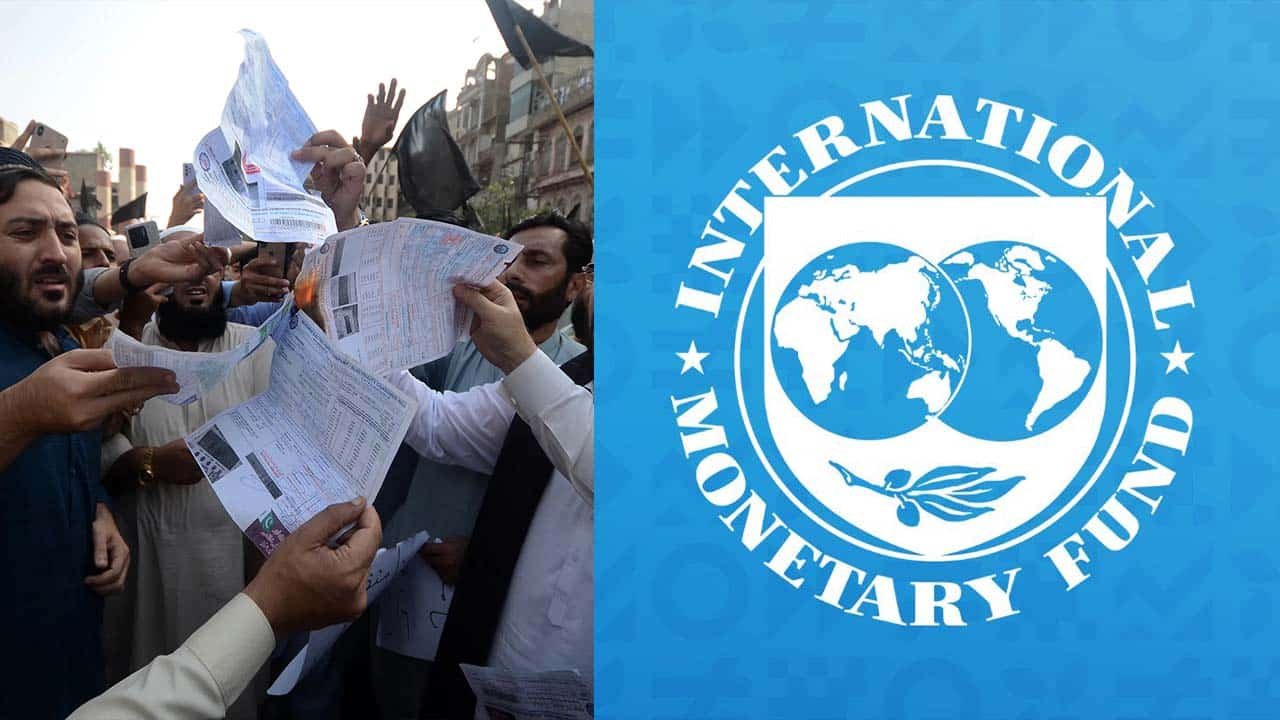
    In the midst of widespread protests over surging electricity bills in Pakistan, the National Electric Power Regulatory Authority (Nepra) has taken a significant step.

    They have given the green light for power distribution companies to impose an additional charge of Rs1.46 per unit on consumers in the form of a fuel charge adjustment (FCA) for the month of July.

    This decision, rooted in the Regulation of Generation, Transmission, and Distribution of Electric Power Act of 1997, comes as an attempt to address financial challenges in the power sector.

    The FCA, however, excludes electric vehicle charging stations (EVCS) and lifeline consumers. This means that this adjustment will be itemised separately on consumers’ bills based on their electricity usage in July 2023. The billing for this adjustment is scheduled for September 2023.

    The background to this move involves costly imported coal inventory held by coal-based power plants, particularly the Sahiwal coal power plant, and limitations in the power transmission system. The latter includes issues such as the HVDC transmission line’s inability to efficiently transport cost-effective power from southern generators. These factors have placed a considerable financial burden on power consumers.

    This tariff increase compounds the woes of consumers, who are already grappling with record inflation, high fuel prices, and elevated electricity rates. As a result, consumers are expected to bear a cumulative burden of Rs24.76 billion in their September 2023 bills due to over 14 billion units sold in July.

    In response to public protests and growing dissatisfaction, the interim government, led by Prime Minister Anwaar-ul-Haq Kakar, has sought assistance from the International Monetary Fund (IMF) to provide immediate relief to electricity consumers.

    According to Geo News, Pakistan is under an IMF programme, making any relief or subsidy contingent upon IMF approval. Negotiations between the government and the IMF have been intense, resulting in some relief for consumers using up to 200 units, allowing them to pay electricity bills in installments.

    However, the IMF rejected the government’s plan to provide relief to those consuming up to 400 units of electricity per month, which could have benefited 32 million consumers. Instead, the IMF stressed the need to address electricity and gas theft and improve revenue collection.

    Furthermore, the IMF has proposed a 45 to 50 per cent increase in gas tariffs starting July 1, pending approval by the federal cabinet. These developments reflect a challenging situation in Pakistan’s energy sector as the government grapples with the need for reform amid rising consumer discontent.

  • IMF approves relief plan for 4 million consumers with monthly power usage below 200 units

    IMF approves relief plan for 4 million consumers with monthly power usage below 200 units

    After extensive negotiations prompted by widespread protests against soaring electricity bills, the International Monetary Fund (IMF) has reportedly granted approval to a relief proposal targeting consumers with monthly electricity consumption of up to 200 units, allowing authorities to implement an installment-based billing system, according to sources cited by Geo News.

    Sources indicated that the final authorisation for implementing the installment billing system will require approval from the federal cabinet. 

    Approximately 4 million electricity consumers are expected to benefit temporarily from this initiative.

    Regrettably, the interim government’s proposal to extend relief to consumers using up to 400 units of electricity per month was rejected by the IMF. This decision means that approximately 32 million consumers would have benefited if the proposal had been accepted.

    Additionally, sources disclosed that the IMF stressed the importance of combating electricity and gas theft while also focusing on improving revenue collection.

    Furthermore, the sources revealed that the IMF had requested an increase of 45 to 50 per cent in gas tariffs, effective from July 1. However, the approval of this tariff hike remains contingent upon federal cabinet approval.

    In response to persistent protests by citizens and traders who have taken to the streets to denounce the steep increases in power bills and additional taxes, the caretaker government led by Prime Minister Anwaar ul Haq Kakar in Islamabad has been actively engaging with the IMF to secure immediate relief for electricity consumers in the economically challenged nation, where the populace is grappling with soaring inflation.

    It is crucial to note that Pakistan is currently operating under an IMF programme, making any relief or subsidy subject to IMF approval.

  • NEPRA approves Rs5.40 per unit power tariff increase for quarterly adjustment

    NEPRA approves Rs5.40 per unit power tariff increase for quarterly adjustment

    The National Electric Power Regulatory Authority (NEPRA) has given its approval for a quarterly adjustment, resulting in an increase of Rs5.40 per unit in the power tariff.

    This adjustment comes as NEPRA recognises the limitations of the current structure of electricity distribution companies in providing relief to consumers. However, it’s important to note that this revised tariff won’t apply to Lifeline and K-Electric consumers.

    According to Samaa, NEPRA’s decision to revise the tariff comes after a thorough review of requests from distribution companies to raise the tariff by Rs5 per unit for the fourth quarter of the fiscal year 2022–23. Among these requests, FESCO, GEPCO, HESCO, and IESCO sought increases of Rs23.49 billion, Rs16.13 billion, Rs9 billion, and Rs9 billion, respectively.

    Additionally, LESCO requested a substantial increment exceeding Rs31 billion, while MEPCO, PESCO, QESCO, SEPCO, and TESCO collectively proposed tariff hikes totaling Rs27 billion, Rs9 billion, Rs7 billion, Rs5 billion, and Rs4 billion.

    Consumers should be aware that this tariff adjustment will be gradually recovered during September, October, and November, resulting in an added financial burden of Rs5.40 per unit.

    Distribution companies, in their submissions, highlighted revenue challenges stemming from decreased industrial demand. Particularly, LESCO faced a deficit of three billion units of electricity due to climate-related issues and industrial shutdowns. Both LESCO and HESCO faced higher capacity charges due to industry closures and reduced demand.

    Presently, there’s a backlog of approximately 350,000 pending connections with distribution companies. To recover revenue and address declining demand, the Central Power Purchasing Agency imposed surcharges amounting to Rs7.91.

  • Load shedding and unbearable hike in electricity prices hit Pakistani homes and businesses

    Load shedding and unbearable hike in electricity prices hit Pakistani homes and businesses

    Pakistan is facing an ongoing and unbearable increase in electricity tariffs, causing hardships for the majority of the population. The government justifies these price hikes by claiming they are under pressure from the International Monetary Fund (IMF) to generate more revenue. However, the tariff increase is mainly due to fuel price adjustments and high taxes imposed by the government.

    Consumers, especially low- to middle-class households, are struggling to pay their electricity bills, which have more than doubled. The rise in fuel price adjustments and government taxes further exacerbates the burden on consumers. The government’s commitment to the IMF to implement a fifty per cent increase in the base tariff from July to October contributes to the escalating bills.

    Unfortunately, the increase in electricity prices is expected to continue, and there is no progress in essential power sector reforms to reduce system losses, corruption, power theft, and reliance on imported fuels. As a result, the National Electric Power Regulatory Authority (NEPRA) has raised the average tariff to ensure funds for loss-making power distribution companies, putting additional financial strain on consumers.

    The government claims that the tariff increase is necessary to meet the IMF’s requirements and support energy sector viability. However, the business community also suffers, fearing a loss of competitiveness and increased costs. Industries have cut down production due to high energy prices and inflation, affecting economic growth and job creation.

    Many argue that successive governments have failed to implement essential structural reforms, leading to Pakistan’s economic predicament. The solution proposed by economists involves fixing the energy sector’s deep-rooted issues, taxing sectors adequately, and implementing a credible privatization plan to reduce pressure on the budget.

    In conclusion, Pakistan’s never-ending increase in electricity tariffs has become a major burden for the population, and without significant reforms, the situation is unlikely to improve. The government’s need to meet IMF requirements clashes with the urgency of boosting industrial activity and economic growth, leaving the country in a challenging economic predicament.

  • Big power consumers to face increased tariff due to IMF conditions

    Big power consumers to face increased tariff due to IMF conditions

    The Economic Coordination Committee (ECC) of the Cabinet approved the removal of subsidies in electricity tariffs for the export-oriented sector and the Kissan package in order to meet one of the International Monetary Fund’s (IMF) preconditions for reaching a staff-level agreement.

    Federal Minister for Finance and Revenue Senator Ishaq Dar presided over the meeting, where the revenue and fiscal measures were discussed to fulfill the IMF’s demands.

    The recently concluded 10-day IMF mission in Islamabad had energy sector reforms and reducing the circular debt as the main focus of the talks. However, the IMF team left without signing an agreement and requested that Pakistan take corrective measures. The ECC meeting was convened to evaluate the situation and implement necessary steps.

    The government approved a revised Circular Debt Management Plan (CDMP) that includes quarterly tariff adjustments, a deferred fuel price adjustment, and a surcharge of Re1 per unit for large power consumers. The approved tariff hike ranges from Rs7-8 per unit until August 2023, with the consumer base tariff expected to increase from Rs15.28 per unit in June 2022 to Rs23.39 per unit by June 2023.

    According to sources, the IMF had requested the government to raise the base tariff by Rs4.06 per unit, but this request was not approved under the revised CDMP. It is yet to be determined how the IMF’s demand was incorporated into the Memorandum of Economic and Financial Policies (MEFP) that was presented to Pakistan on February 10, 2023.

    If the IMF continues to insist on a higher base tariff, it is estimated that the Pakistani authorities will have to raise the tariff by a range of Rs9 to 11 per unit.

    The government has so far protected electricity users consuming 300 units or less from a planned tariff increase. However, the revised Circular Debt Management Plan (CDMP) does not address the IMF’s demand for a higher base tariff in order to reduce the need for an additional subsidy of Rs335 billion.

    In accordance with IMF directives, the additional subsidy requirement has been reduced from Rs675 billion to Rs335 billion, and the government has indicated that it will be included as part of the circular debt management plan.