Tag: tax controversy

  • PIA’s controversial decision: UK staff appointments on high salaries amid financial crisis

    PIA’s controversial decision: UK staff appointments on high salaries amid financial crisis

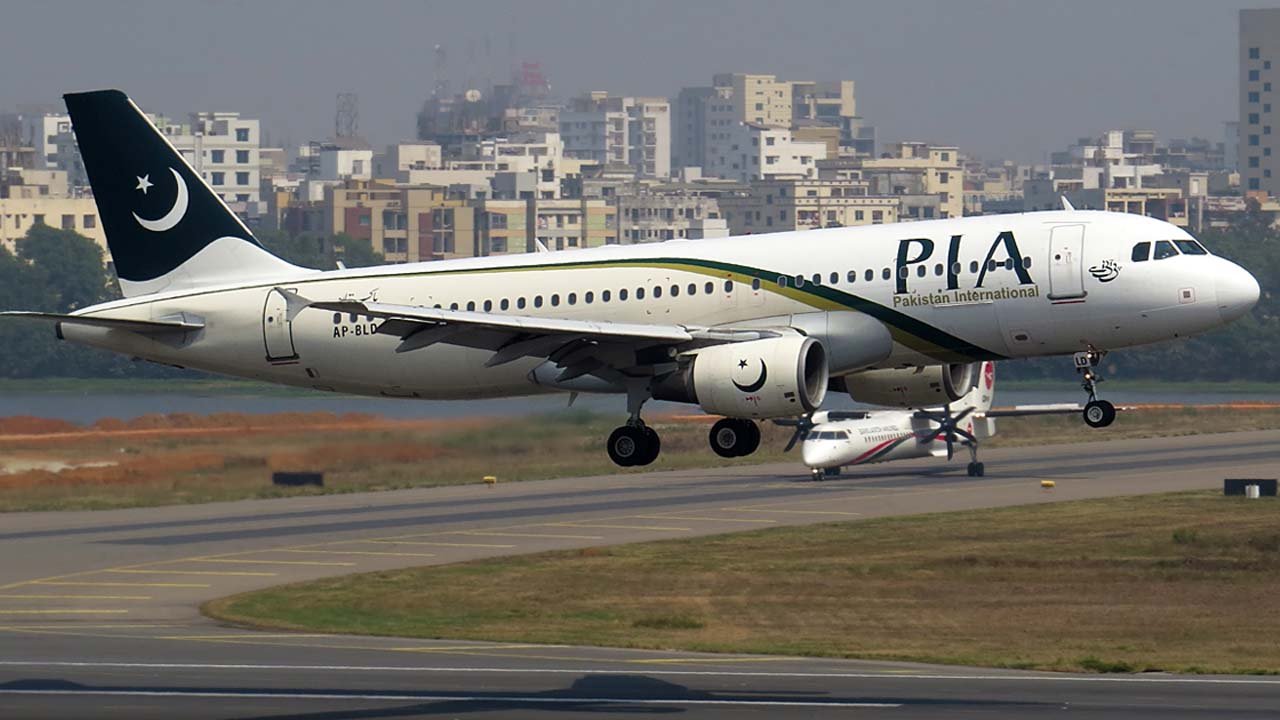
    In a recent development, Pakistan International Airlines (PIA) has come under scrutiny for making new staff appointments in the United Kingdom (UK) despite grappling with a severe financial crisis and a three-year ban on direct flights to the United Kingdom (UK).

    According to ARY News, the national flag carrier, PIA, has faced mounting challenges in recent years, with the ban on direct flights to the UK being a significant blow to its operations. Despite these challenges, the airline has proceeded to appoint officers and staff members with substantial salaries.

    Notably, the PIA country manager has been appointed with an annual salary of £70,000, while the passenger sales manager and finance manager will each receive £55,000 annually. Furthermore, a manager has been assigned to the Manchester station with a yearly compensation package of £55,000, coupled with other perks.

    Responding to these appointments and the ongoing financial crisis, a PIA spokesperson explained that the airline has continued its flight operations in the UK by collaborating through code-sharing agreements with Turkish Airlines, which generates an annual revenue of £14 million. The spokesperson emphasised that a mere 1.8% of these earnings are allocated to PIA staff in the UK.

    The PIA spokesperson also expressed optimism about the resumption of direct flight operations between Pakistan and the UK, citing this as a reason for the recent appointments of the country manager and sales manager.

    However, the controversy surrounding PIA deepened when the Federal Board of Revenue (FBR) froze the airline’s bank accounts due to non-payment of more than Rs8 billion in taxes. A total of 26 bank accounts belonging to the national carrier have been locked by the FBR.

    The FBR revealed that PIA had pledged to settle Rs2 billion in dues under Federal Excise Duty in August, but it failed to honour this commitment, leading to the account freeze.

    Despite this financial setback, the PIA spokesperson reassured the public that the closure of bank accounts would not disrupt Pakistan International Airlines’ flight operations. The airline remains committed to maintaining its services in the UK while navigating this challenging period.

    As the situation unfolds, stakeholders and industry observers continue to monitor PIA’s financial stability and the progress towards the resumption of direct flights between Pakistan and the UK.
  • FBR freezes PIA’s bank accounts for not paying Rs2.8 billion in taxes

    FBR freezes PIA’s bank accounts for not paying Rs2.8 billion in taxes

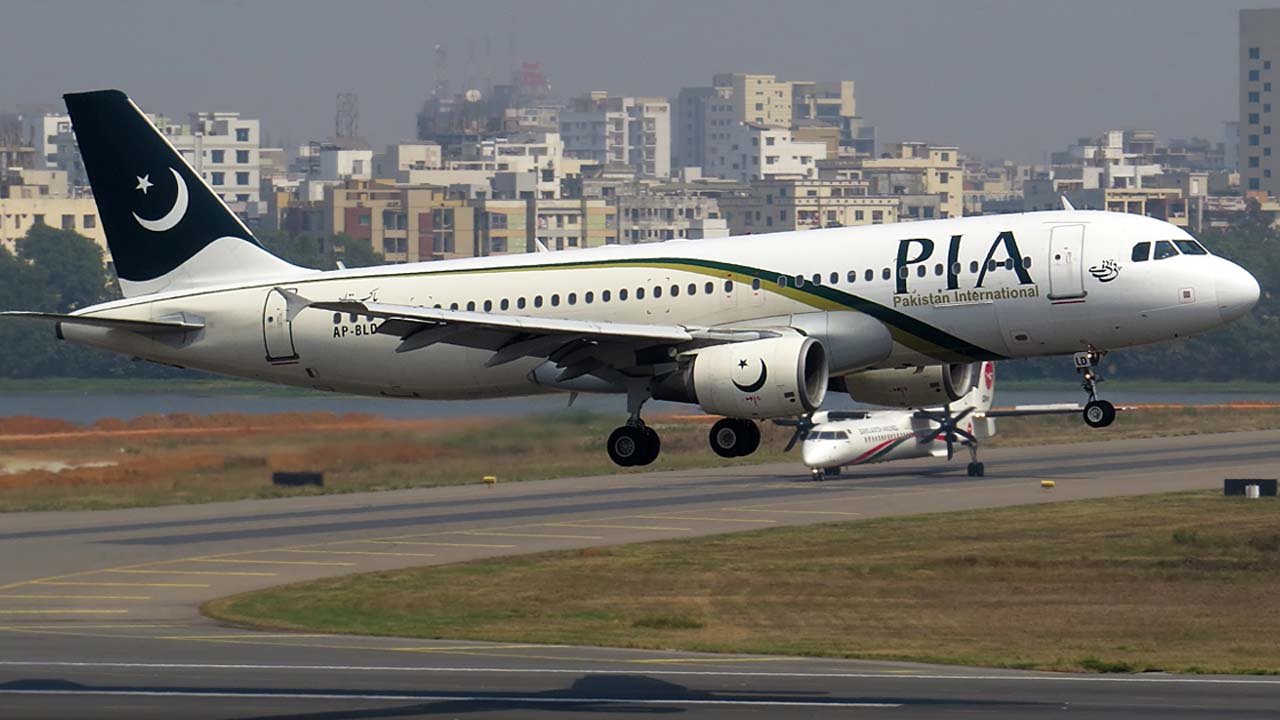
    Pakistan International Airlines (PIA), the national flag carrier, has found itself embroiled in a tax dispute as the Federal Board of Revenue (FBR) took the drastic step of freezing the airline’s bank accounts. This move comes at a critical time when the government has shifted the burden of revenue generation onto the general public, leading to growing concerns about the fairness of the taxation system.

    According to the FBR, PIA owes approximately Rs2.8 billion in taxes. However, the airline disputes this figure, claiming that the amount owed stands around Rs1.3 billion. A PIA spokesperson confirmed the ongoing communication between the airline’s management and the FBR, expressing hope that the bank accounts would be unblocked in the near future.

    Despite the harsh measure taken by the FBR, the PIA spokesperson reassured the public that the airline’s flight operations and other activities were continuing to function smoothly.

    The situation with PIA not paying taxes raises questions about the government’s tax collection policies. A recent report from the Finance Division revealed that government expenditure was on the rise in FY23, largely due to increased revenue collection through non-tax measures and indirect taxes. This indicates a failure to effectively broaden the tax base and implement direct taxation for various sectors.

    Critics argue that the government’s approach seems to focus on imposing indirect taxes on the masses, while offering some protection to the wealthier classes, even amid the current financial crunch. The freezing of PIA’s bank accounts further reinforces this perception, leaving the public questioning the fairness of the taxation system.

    Meanwhile, the report also highlighted that the government’s interest rate hikes policy is facing opposition, particularly from the business community. The State Bank of Pakistan has been unwilling to reverse the rate hikes, despite continuous protests and grave consequences faced by the public.

    As the PIA tax dispute continues, the government is under pressure to address the broader issues surrounding taxation and revenue generation to create a more equitable and sustainable financial framework.