Tag: tax evasion

  • Tax evaders beware: Finance minister cracks down to boost tax revenues by $21 billion

    Tax evaders beware: Finance minister cracks down to boost tax revenues by $21 billion

    Pakistan is losing out on approximately $21 billion annually to tax evasion. As Finance Minister Muhammad Aurangzeb tightens the metaphorical noose around tax evaders with his crusade, law-abiding citizens could expect better times.

    This is because, as per the latest federal budget, the interest payments of the debt incurred to finance the fiscal deficit of $30.6 billion will be financed using taxpayer funds. However, if Aurangzeb successfully expands the tax net, this fiscal deficit will fall massively to just a mere $9.6 billion.

    Simply put, there are two ways to narrow a fiscal deficit: either the government can cut down on expenditures, or tax collections can be increased. In a bid to reduce the deficit, the finance minister plans to hold corrupt FBR officials accountable. This is to be done by implementing strict punishments: 10-year prison sentences and hefty fines. And with FBR agents raiding non-taxpaying businesses, the government budget deficit is likely to see a turn for the better.

    The primary culprits of tax evasion are big companies that are responsible for 50 per cent of all unpaid taxes, a figure that translates into an annual loss of PKR 3.4 trillion in revenue for the FBR. With Aurangzeb taking strict action against corporate tax fraud, it is only a matter of time before every non-compliant business is paying its fair tax rate of 29%.

    The motivation behind people skipping out on paying taxes stems from an economic concept known as the “free rider effect”. In simple words, people who don’t pay taxes have just as much a right to enjoy security from the police or acquire free healthcare at a public hospital as opposed to people who do pay their taxes.

    Is this morally right? Perhaps not. However, compliance with tax legislation does not seem attractive—not when selling morality can net non-taxpayers $21 billion per annum by withholding taxes.

    Regardless of morality, though, tax evasion is a crime, and Aurangzeb is not playing softball with people who cross him.
  • Reducing financial burden on low-income groups remains top priority for govt: Aurangzeb

    Reducing financial burden on low-income groups remains top priority for govt: Aurangzeb

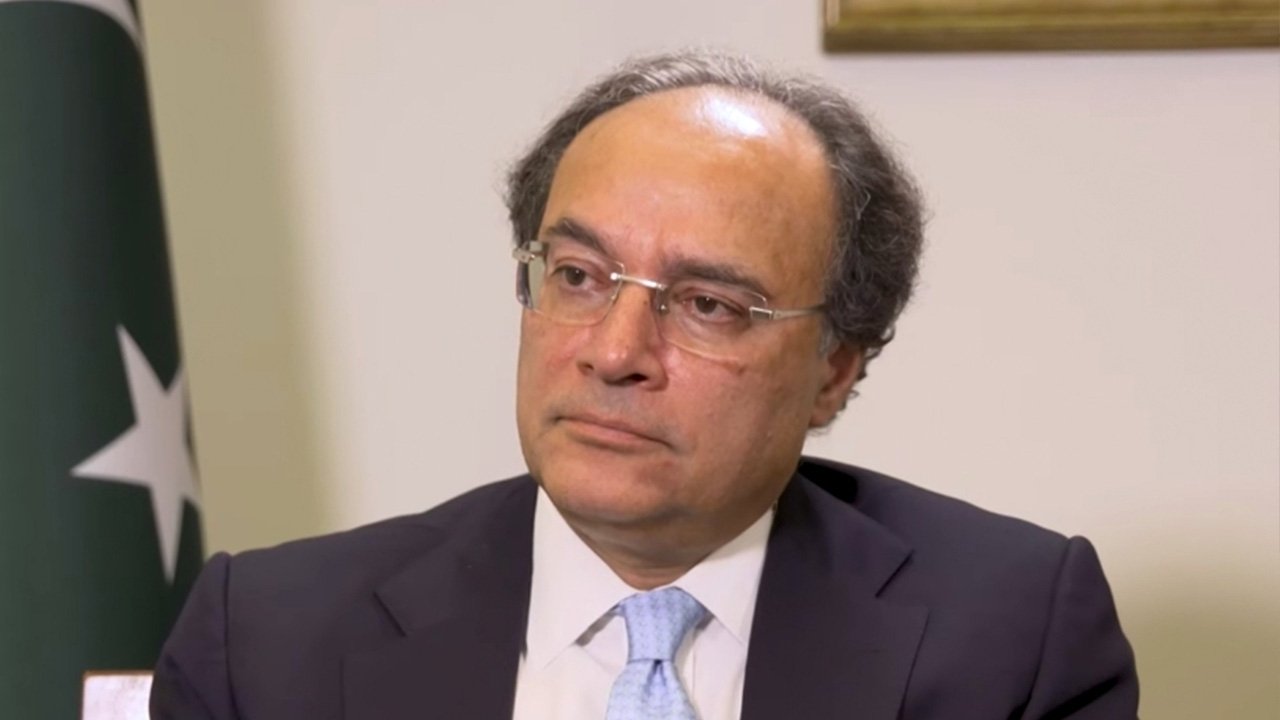
    Finance Minister Muhammad Aurangzeb said Sunday that the government is taking robust measures to improve the country’s economy.

    Addressing a press conference in Islamabad, he said reforms are being done in the Federal Board of Revenue (FBR) to increase revenue collection.

    He said weekly meetings are being held under the chair of Prime Minister Shehbaz Sharif. He said that putting less burden on the lower-income class is the government’s top priority.

    Expressing gratitude to the Chief Ministers of all four provinces for supporting the government’s tax reforms agenda, he expressed hope that they will introduce tax legislation for the inclusion of the Agricultural sector in the taxation regime.

    He said without including the untaxed and under-taxed community in the tax regime, we cannot achieve certainty and ease of collection which is vital for economic stability.

    Regarding facilitation to the business community, Aurangzeb said claims worth 68 billion rupees have so far been now refunded.

    The Minister said notices will be sent through a centralized system, while field formations will be authorized to collect taxes accordingly.

    Mentioning the details of tax evasions and frauds, he said we have identified a tax potential worth 600 billion rupees that was not collected, out of which one billion rupees has been recovered so far.

    In customs, through misclassification, tax worth around 50 to 200 billion rupees has been identified.

    He urged the media to start a campaign against the under-tax and un-taxed community.

    The Minister said the government is also working on the simplification of the tax processes to facilitate the business and salaried persons.

    Through this simplified process, they will be able to respond to our system in a very simple and easy manner without the involvement of any tax consultant.

    Stressing the importance of rightsizing, the Minister said five ministries, including Kashmir and Gilgit Baltistan, SAFRON, Industries and Production, IT and Telecom, and Health have been short-listed in this regard.

    He said Prime Minister Shehbaz Sharif will take the final decision to this effect, he said.

  • PM Shehbaz urges FBR to modernise tax system without burdening honest taxpayers

    PM Shehbaz urges FBR to modernise tax system without burdening honest taxpayers

    Prime Minister Muhammad Shehbaz Sharif has directed the Federal Board of Revenue (FBR) to implement a strategy using the latest technology to expand the tax base without imposing additional burdens on honest taxpayers.

    During his visit to the FBR Headquarters, the Prime Minister underscored the government’s commitment to steering Pakistan towards economic progress and stability.

    Prime Minister Sharif highlighted the necessity of collective and individual efforts, sincerity, and sacrifices to prioritise national interests over personal gains.

    He described the recent staff-level agreement with the International Monetary Fund (IMF) as a positive development for the country’s economy and expressed optimism that the IMF board would endorse it.

    He urged the FBR to work diligently to ensure this IMF programme is the last one needed, paving the way for a prosperous future.

    Sharif emphasised the importance of taxing those who evade payments to alleviate the repeated financial strain on honest taxpayers, including government employees. He advocated for leveraging modern technologies, such as artificial intelligence, to digitise FBR operations, which he viewed as crucial for broadening revenue sources without unfairly burdening compliant taxpayers.

    The Prime Minister criticised the reliance on foreign debts, stressing that sustainable nation-building requires self-reliance and effective tax collection. He insisted that current FBR reforms be conducted objectively and transparently, prioritising national interests. Sharif also instructed FBR Chairman Malik Amjad Zubair Tiwana to bring any departmental issues to light promptly.

    Acknowledging FBR’s success in collecting 30% more revenue compared to the previous year, Sharif insisted that tax enforcement should focus on achieving set targets without causing undue difficulties for compliant businesses and industrialists.

    He recalled the introduction of agricultural tax in Punjab 27 years ago, which was subsequently adopted by other provinces, highlighting the need to address general sales tax collection issues.

    Upon his arrival at FBR Headquarters, Sharif was welcomed by key government officials, including Finance Minister Muhammad Aurangzeb and Minister of State for Finance Ali Pervaiz Malik. The Prime Minister paid homage to the FBR’s fallen heroes by laying a wreath and offering Fateha. He reiterated that the automation and digitisation of FBR are government priorities and authorised the immediate release of Rs2 billion to enhance the Web-Based One Customs System (WeBOC).

    The meeting, attended by several ministers and senior officials, included a briefing on ongoing FBR reforms and the progress of the digitisation strategy.

    The Prime Minister was informed of the completion of the first phase of the FBR Tajir Dost Mobile application, which simplifies tax return processes. Additionally, the use of advanced technology has identified approximately 4.9 million potential taxpayers.

    Sharif instructed the FBR to expand the tax net to include these identified individuals and to address the legitimate demands of flour mill owners through direct engagement.

  • PM Shehbaz orders immediate action to tax 4.5 million non-filers

    PM Shehbaz orders immediate action to tax 4.5 million non-filers

    Prime Minister Shehbaz Sharif has mandated immediate action to bring 4.5 million identified non-filers into the tax net.

    Chairing a review meeting on Federal Board of Revenue (FBR) reforms, he stressed the need for swift implementation of measures to ensure these potential taxpayers are registered and contributing their due share.

    During the meeting, officials updated the prime minister on the ongoing reforms and digitisation efforts within the FBR. The implementation of Sharif’s directives is progressing rapidly, with a comprehensive review of the FBR’s existing systems and manpower nearing completion.

    Initial steps have already led to the identification and cessation of fraudulent sales tax refund claims by approximately 4,000 companies.

    The prime minister underscored the importance of ending discretionary powers of customs appraisers, instructing the FBR chairman to ensure compliance and report back within 24 hours. He highlighted that more than 300,000 new taxpayers have submitted their returns in recent weeks, a testament to the government’s initiatives.

    PM Shehbaz also called for strict action against individuals and officials involved in tax evasion, emphasising that those who facilitate such crimes will be punished. Conversely, taxpayers who comply with their obligations will be acknowledged.

    To enhance transparency and reduce corruption, the prime minister directed the installation of modern, international-quality scanners at ports. He reiterated that the digitisation of the tax system is a top government priority to prevent billions in tax evasion.

    PM Shehbaz also recommended the creation of a dashboard to monitor the progress of digitisation and reforms.

  • Major seizure: RTO Rawalpindi destroys 25 million smuggled cigarettes

    Major seizure: RTO Rawalpindi destroys 25 million smuggled cigarettes

    The Regional Tax Office (RTO) Rawalpindi carried out a significant operation on Thursday to destroy a large quantity of illicit, smuggled, counterfeit, and non-duty-paid cigarettes. The estimated value of the destroyed products was approximately Rs194 million.

    The event, held at Chakbeli Road in Rawalpindi, involved the destruction of 2,585 packrites, which equates to 25,580,000 cigarette sticks.

    Chief Commissioner of RTO Rawalpindi, Tehmina Aamer, presided over the ceremony as the Chief Guest.

    The event was attended by several key stakeholders, including members of the World Health Organization (WHO) and officers from the Federal Board of Revenue (FBR).

    During the ceremony, the participants were briefed on the entire process, from the initial confiscation of illicit tobacco and tobacco products to their eventual destruction, in accordance with the law.

    Following the briefing, the distinguished guests collectively set fire to the seized cigarettes, effectively destroying them.

    This operation underscores the RTO Rawalpindi’s commitment to combatting the illegal trade of tobacco products and ensuring compliance with national and international regulations.

    The destruction of these illicit cigarettes also serves as a reminder of the ongoing efforts to protect public health and maintain the integrity of the country’s tax and revenue system.

  • PM orders rapid action against tax evaders

    PM orders rapid action against tax evaders

    In a meeting held on Monday, Prime Minister Shehbaz Sharif has authorised that swift action be taken against tax evaders and defaulters. He tasked the committee to identify all obstacles and delays in the implementation of Trace and Track System (TTS) in tobacco, sugar, cement and fertilizer industries.

    The PM also said that action should be taken within seven days against tax evaders. PM Shehbaz emphasized that all legal obstacles in the implementation of trace and track system should be removed and that this system should be enforced at all production lines of cement factories. Those factories who refuse to follow the rules, should be immediately sealed, the Premier ordered.

    He was of the opinion that besides an increase in revenue, the trace and track system could also be used for identification of counterfeit products.
    The premier also called for an end to fake and unregistered cigarettes. The meeting was apprised that TTS was fully operational in 14 tobacco factories whereas 12 other factories had been sealed for non-compliance.

    The system faced problems in sugar and cement industries due to technical issues while it was working in fertilizer industry. The PM also stressed action against smuggling that was causing serious loss to the national exchequer.

  • Senators propose discontinuation of Rs5,000 currency note to fight corruption

    Senators propose discontinuation of Rs5,000 currency note to fight corruption

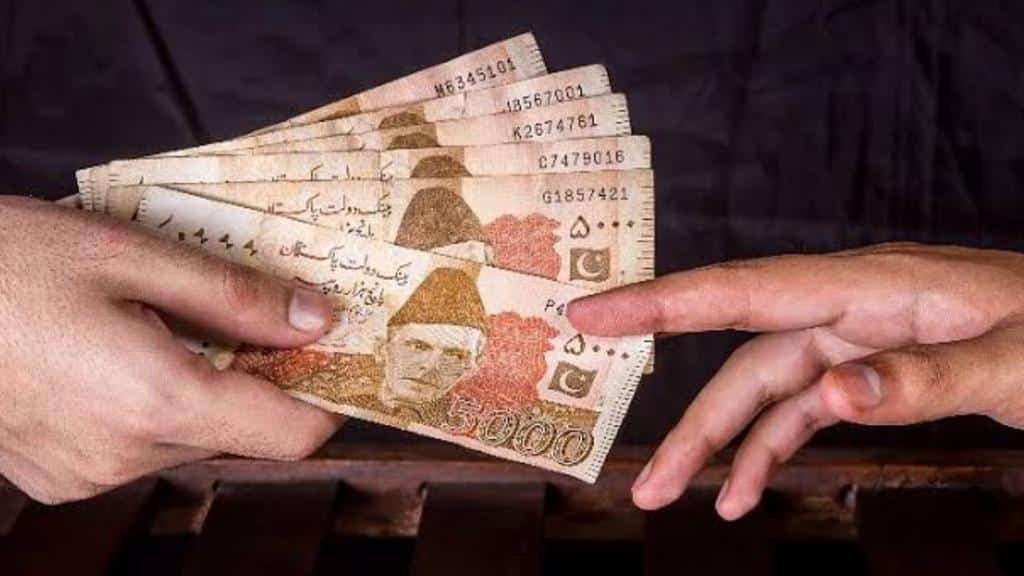
    Pakistan Tehreek-e-Insaf (PTI) senators are advocating for the discontinuation of the Rs5,000 currency note as a strategic move to combat corruption and inflation.

    On Monday, Senator Mohsin Aziz presented a resolution in the Upper House of Parliament urging the prohibition of the highest-denomination currency.

    According to Senator Aziz, the Rs5,000 note is frequently associated with corruption, terrorism, and smuggling.

    Providing details, Senator Aziz revealed that Rs5,000 currency notes totaling Rs3.5 trillion have been issued to date.

    Notably, he emphasised that Rs2 trillion worth of Rs5,000 notes are not currently in circulation but are securely stored in “safe deposit,” which he alleges is linked to money laundering, tax evasion, and smuggling.

    Senator Aziz called for a specific timeframe during which individuals should surrender the highest denomination notes.

    Supporting this initiative, another PTI Senator, Waleed Iqbal, echoed Senator Aziz’s call to discontinue the Rs5,000 currency note.
    He suggested that promoting digital payments would be instrumental in reducing reliance on physical currency.

    Responding to these claims, Caretaker Information Minister Murtaza Solangi stated that Rs5,000 currency notes totaling 905 million have been issued thus far, with Rs4.5 trillion currently in circulation.

    Solangi attributed the autonomy granted to the State Bank of Pakistan (SBP) by the previous government as a contributing factor to the situation. He asserted that the SBP operates within the confines of its laws.

    This isn’t the first time that officials have targeted the highest denomination note for its alleged role in fostering corruption.

    In September of this year, former Federal Board of Revenue (FBR) chief Shabbar Zaidi emphasised the importance of discontinuing Rs5,000 notes and imposing restrictions on the physical movement of dollars as crucial steps in curbing the cash economy in the country.

  • IMF pressures Pakistan for tax reforms, calls for intensified recovery efforts

    IMF pressures Pakistan for tax reforms, calls for intensified recovery efforts

    The International Monetary Fund (IMF) is urging Pakistan to intensify efforts towards tax recovery. 

    Specifically, the IMF calls for increased income tax collection from retailers and the real estate sector, alongside a heightened focus on agriculture income. 

    The IMF emphasises collaborative actions between the federal government and provinces to enhance tax recovery, considering the imposition of a fixed tax on retailers in case of collection shortfalls after December. 

    Additionally, the IMF recommends consultations with provinces for taxing agriculture and real estate. Proposals for tax policy amendments and addressing taxation flaws have been extended to the Federal Board of Revenue (FBR) by the IMF mission, emphasising effective taxation policies and enforcement in sectors with insufficient tax recovery. 

    The FBR has presented a revenue projection report to the IMF team for the current fiscal year, with the IMF expected to respond by Saturday. During the discussions, the FBR briefed the IMF on the task force dedicated to tax policy and administration. 

    As part of an agreement with the IMF, Pakistan commits to sharing data on tax evaders through collaboration with the FBR, banks, and NADRA, aiming to enhance overall tax collection. 

    This agreement was reportedly reached during policy review talks, facilitating the release of a $700 million loan tranche under the Standby Agreement (SBA).

  • PTA and FIA collaborate to bust illegal internet service providers 

    PTA and FIA collaborate to bust illegal internet service providers 

    The Pakistan Telecommunication Authority (PTA), in collaboration with the Federal Investigation Agency (FIA), executed two highly effective operations in Sargodha targeting unauthorised internet service providers.

    The initial operation unfolded in the RB Block of Rose Valley Society, while the second operation was conducted at Burj-e-Umar Plaza on Mian Khan Road, as detailed in an official press release issued on Friday.

    During these operations, law enforcement apprehended one individual, and a range of equipment used by these illicit internet service providers, such as switches, routers, laptops, antennas, and more, was seized. These entities had been offering internet services without the requisite licence from PTA, both in Sargodha and its adjoining regions.

    These successful crackdowns against unauthorised ISPs became possible due to the unwavering commitment and persistent efforts of the PTA in monitoring and addressing the issue of illegal internet services. According to ARY News, this proactive approach aims to reduce financial losses to the national Treasury caused by tax evasion and revenue misreporting.