Tag: tax

  • iPhone 13 buyers will now pay Rs132,000 for PTA approval

    iPhone 13 buyers will now pay Rs132,000 for PTA approval

    The Pakistan Telecommunications Authority (PTA) has made it nearly impossible for Apple fans to get iPhones in the country by significantly raising the tax on the overall iPhone 13 series.

    It is worth noting that the PTA approval costs for the iPhone 13 have been raised at a time when the iPhone 14 is likely to be released at the beginning of next month. However, it is unclear what prices the PTA will set for the approval of newer iPhones.

    The following are the latest PTA approval rates for the iPhone 13 lineup:

    Apple iPhone 13 Mini

    Tax Payable:

    Rs108,000 for passport holders

    Rs132,000 for CNIC holders

    Apple iPhone 13

    Tax Payable: 

    Rs108,000 for passport holders

    Rs132,000 for CNIC holders

    Apple iPhone 13 Pro

    Tax Payable: 

    Rs108,000 for passport holders

    Rs132,000 for CNIC holders.

    Apple iPhone 13 Pro Max

    Tax Payable: 

    Rs108,000 for passport holders

    Rs132,000 for CNIC holders

    Read more: 12 important things you need to know before buying a used iPhone

    These taxes must be paid within 30 days after importation if the phone is registered on a passport, and within 60 days if it is registered on the national identity card.

  • Govt lifts import ban on luxury goods with heavy duties

    Govt lifts import ban on luxury goods with heavy duties

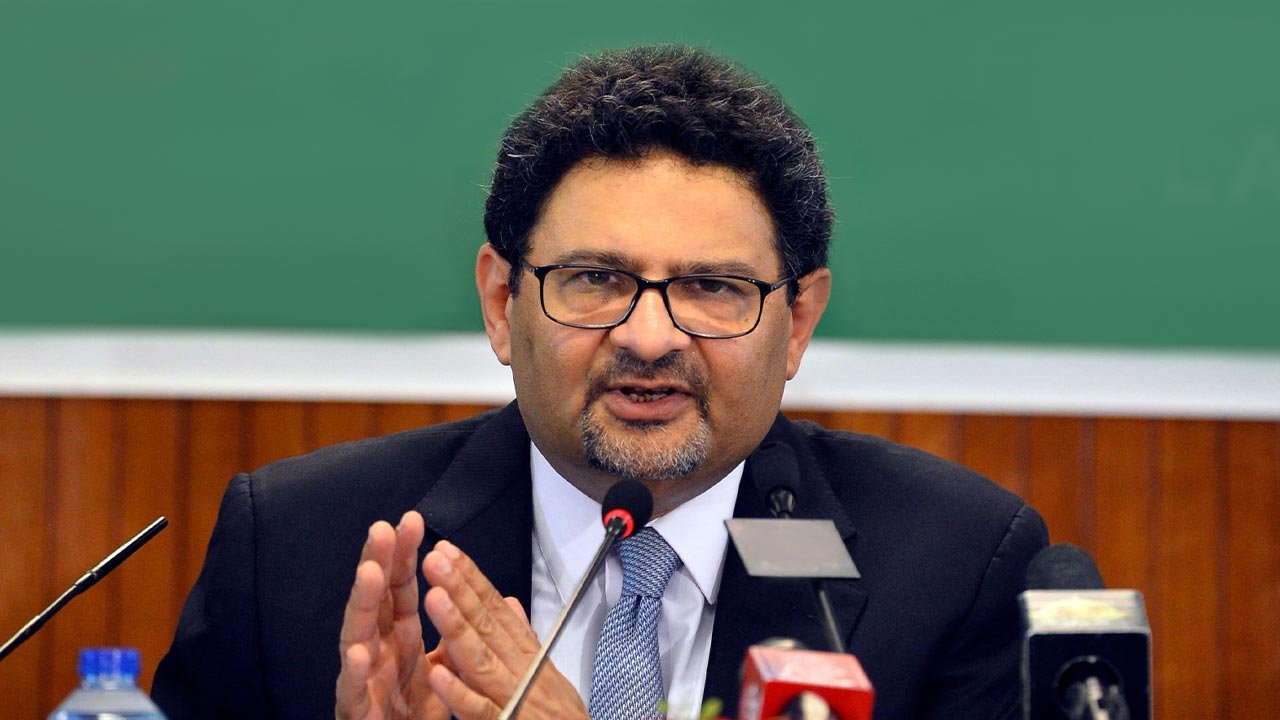
    On the recommendation of the International Monetary Fund (IMF), the Federal Minister for Finance and Revenue, Miftah Ismail, announced lifting of the ban on the import of luxury and non-essential goods on Thursday. He added, however, that the Regulatory Duties (RDs) would be increased significantly to deter the import of such items.

    “It is requirement of the international community that there should be no ban so we are lifting ban on all products. But simultaneously the duties I am going to impose would not let these commodities to enter into Pakistan as finished goods,” according to Finance Minister.

    According to the minister, RDs would be increased three times, or to the highest degree conceivable, and may potentially increase by up to 400 to 600 per cent or more.

    Keeping in view his duty to offer basic and vital goods to the nation’s citizens, he said that the prime minister was against the importation of luxury goods, according to APP.

    To comply with the IMF, international agreements, and World Trade Organization, he claimed the restriction had been lifted. Although import taxes would be applied on expensive food, clothing, and other items, anyone still wishing to import is free to do so.

    He said that the available resources will be used to give the people of the country grain, wheat, cotton, and edible oil rather than iPhones or fancy cars. He claimed that Pakistan did not have a lot of money to spend on the import of opulent things.

    The finance minister stated in response to a question that the levies on completely built-up (CBU) automobiles, appliances, imported meat and salmon, as well as other luxuries, would increase. He explained that the government’s goal was to limit imports while adhering to the requirements of the International Monetary Fund (IMF) and other international accords, not to promote the import of such goods.

    On the other hand, since the Completely Knocked Down (CKD) kits are not considered luxury items, their import will resume without any caveats. However, its positive impact on the sales figures will be seen after a few months.

    According to the finance minister, Pakistan and the fund have been in lengthy negotiations. The IMF board is due to convene on August 29 and will decide whether to accept Pakistan’s programme because it has already complied with all requirements and performed all necessary preliminary steps.

    He said that friendly nations like Saudi Arabia, Qatar, and the United Arab Emirates helped arrange the $4 billion cash for strengthening the nation’s foreign exchange reserves. China also agreed to roll over $2 billion in loans, and Saudi Arabia agreed to roll over its own assets. According to him, the finance need has been satisfied.

    According to the minister, the requirement for the electricity tariff has also been met, thus there won’t be any non-funding subsidies.

    In addition, he said that the government was expected to get Rs42 billion from retail tax, but when the decision was reversed, the objective was cut to Rs27 billion, and the Rs15 billion shortfall will be filled by increasing the tax on tobacco and cigarettes.

    Moreover, taxes on tobacco and cigarettes will bring in Rs36 billion. Tier-2 cigarettes’ tax will rise from Rs1,850 to Rs2,050 per 1,000 cigarettes, while Tier-1 cigarettes’ tax would rise from Rs5,900 to Rs6,500 per 1,000 cigarettes. The green leaf Cess has also been raised from Rs10 per kg to Rs380.

    According to Bloomberg’s report, the Pakistani Rupee was the best performing currency in the world during August, and the Pakistan Stock Exchange continued to be the top performing stock market in the world, therefore the minister believed that the country’s economy was strengthening.

    The minister stated that the government was implementing a policy of self-reliance in order to stay within its means, reduce the fiscal deficit, and raise imports to a level equal to exports plus remittance in order to control the current account deficit.

  • IMF to send Letter of Intent soon to release $1.17 billion tranche

    IMF to send Letter of Intent soon to release $1.17 billion tranche

    The International Monetary Fund’s (IMF) agreement with Pakistan to release two tranches totaling $1.17 billion as part of a loan facility that was stalled is nearing completion, as the Letter of Intent (LoI) from the fund may arrive in a few days.

    Pakistan is likely to receive the LoI, which the governor of the State Bank of Pakistan (SBP) and the Finance Minister, Miftah Ismail, will jointly sign, according to The News.

    The IMF mission leader had to rush to Australia for a personal engagement, according to senior officials at the Finance Ministry, thus the Fund was likely to submit the LoI “anytime soon.”

    The IMF board would also discuss adding $1 billion to a $6 billion programme agreed upon in 2019 at its meeting scheduled for August 24.

    The government may impose higher taxes on cigarettes, tobacco leaves, fertiliser, and other items in order to appease the IMF.

    Additional taxes are being considered for a variety of sectors. Through a Presidential Ordinance, tax rates on cigarettes and the processing of tobacco leaf might be increased.

  • Miftah assures to address the issues of business community

    Miftah assures to address the issues of business community

    Finance Minister Miftah Ismail has assured the business community that their problems related to electricity bills and taxation will be resolved soon.

    He made this announcement during a meeting at the Finance Division with a Markazi Tanzeem-Tajaran Pakistan delegation led by its president, Muhammad Kashif Chaudary.

    Miftah tweeted on Sunday that he would meet with business leaders to discuss their concerns. “The Prime Minister has also called me and instructed me to ensure that small traders are completely satisfied with the new tax law,” Ismail tweeted.

    According to him, the government will exempt stores with invoices of less than 150 units from the tax in an effort to appease small enterprises.

    The government would charge Rs3,000 to retailers who are not registered with the FBR, and neither tax notices nor FBR officers’ visits to their stores will be made.

    Additionally, a new fixed income and sales tax scheme for small business or retailers was suggested. The coalition government in power declared in the budget for 2022–2023 that fixed income and sales taxes would also be collected in addition to electricity bills.

    The amount of this tax, according to Finance Minister Miftah Ismail, will range from Rs3,000 to Rs10,000.

    According to Kashif Chaudary, the business sector is crucial to the nation’s economic growth. Ismail also acknowledged the situation and gave his word that the government will take every necessary action to assist and support the neighbourhood.

    Previously, the business community urged that the federal government immediately stop collecting the “fixed tax” through electricity bills.

    Hasnain Khurshid Ahmad, president of the Sarhad Chamber of Commerce and Industry, stated that the government has been able to collect sales tax from Rs3,000 to Rs20,000 through power bills, which is incomprehensible to local business owners.

    The forced system of “fixed” sale tax on commercial power metres, which did not distinguish between small and large firms or godowns, was a reflection of the government’s anti-business policies and amounted to the economic murder of the community of merchants, according to Khurshid.

  • ECC lifts import ban on goods except CBU vehicles, mobiles and appliances

    ECC lifts import ban on goods except CBU vehicles, mobiles and appliances

    The Cabinet’s Economic Coordination Committee (ECC) has decided to lift the import ban on all items other than completely built units (CBUs) of automobile, mobile, and home appliances and to permit the import of 200,000 metric tonnes of wheat.

    The increase in petroleum dealers’ margin from Rs4.90 per litre and Rs4.13 per litre, respectively, to Rs7 per litre was also approved at the meeting chaired by Finance Minister Miftah Ismail.

    The Pakistan Petroleum Dealers Association (PPDA), according to sources, has asked the government for an immediate revision of their margins due to inflation, increases in staff salaries and utility costs, etc.

    They have asked that the margins be revised to Rs6.90 per litre including 15 per cent profit (effectively Rs7.94 per litre). The PPDA then used the media to announce a nationwide strike that would begin on July 18, 2022, with the demand that their margins be increased to 6 per cent of the current selling price (effectively, Rs13.81 per litre for MS and Rs4.16 per litre for HSD).

    On the orders of the prime minister, Musadik Malik, the minister of state for petroleum, and Shahid Khaqan Abbasi, the former minister for petroleum, immediately began communication with the PPDA. On July 16 and 17, 2022, several rounds of negotiations took place in Karachi.

    During negotiations, the Secretary of Petroleum and the Chairman of OGRA both remained present. The PPDA changed its position during negotiations and requested that the margins be raised to Rs9.23 and Rs9.46/litre on MS and HSD, respectively, with immediate effect.

    The negotiating team acknowledged that a dealer with daily sales of less than 200,000 litres cannot operate the business profitably on current margins, and that such losses serve as a motivator for dishonest behaviour.

    After lengthy negotiations, the PPDA finally agreed to margins of Rs7 per litre for both MS and HSD. Based on this agreement and the promise that the revised margins will take effect in August 2022, the PPDA cancelled its call for a strike on July 18, 2022.

    The commitment made to the dealers in November 2021 is still less than this agreed-upon margin (4.4 per cent of sales price).

    The 4th international wheat tender for 2022, which was announced and opened on July 25, has prompted the Ministry of National Food Security and Research to ask for urgent advice. The Trading Corporation of Pakistan (TCP) issued its fourth tender on May 19, 2022, in order to secure 200,000 metric tonnes of imported wheat on a CFR basis, it was announced at the meeting.

    The ECC has approved the direct payment of $11.6 million as compensation/goodwill to the company M/s China Gezhouba Group International Engineering Co. Ltd (CGGC) through the Ministry of Foreign Affairs in response to a proposal from the Ministry of Water Resources for a compensation package for the Chinese casualties at the Dasu Hydro Power project.

    The ECC determined that the compensation/goodwill package’s amount, which is US$ 11.6 million, will remain the same as per the ECC’s earlier decision from January 21, 2022.

    it also approved the proposal to switch both the Fatima Fertilizer (Sheikhupura Plant) and Agritech plants to domestic gas on a summary moved by the Ministry of Industries and Production.

    According to the ministry, RLNG is provided to both SNGPL-based plants on a cost-sharing basis, and the gas rate for running these plants is calculated using a variable contribution margin (VCM).

    Both plants have asked the Ministry to revise the VCM and cap the GST at the price paid by the plants due to rising fuel prices and other factors. The proposal to switch both plants to domestic gas was approved by the ECC following discussion in accordance with the Federal Cabinet’s and ECC’s earlier decision.

    The Ministry of Petroleum, Ministry of Finance, Ministry of Food Security, and Ministry of Industries & Production were further instructed by the ECC to determine the gas price/VCM for the fertilisers The ECC also decided that sales tax could be applied to the actual gas cost that the company is paying.

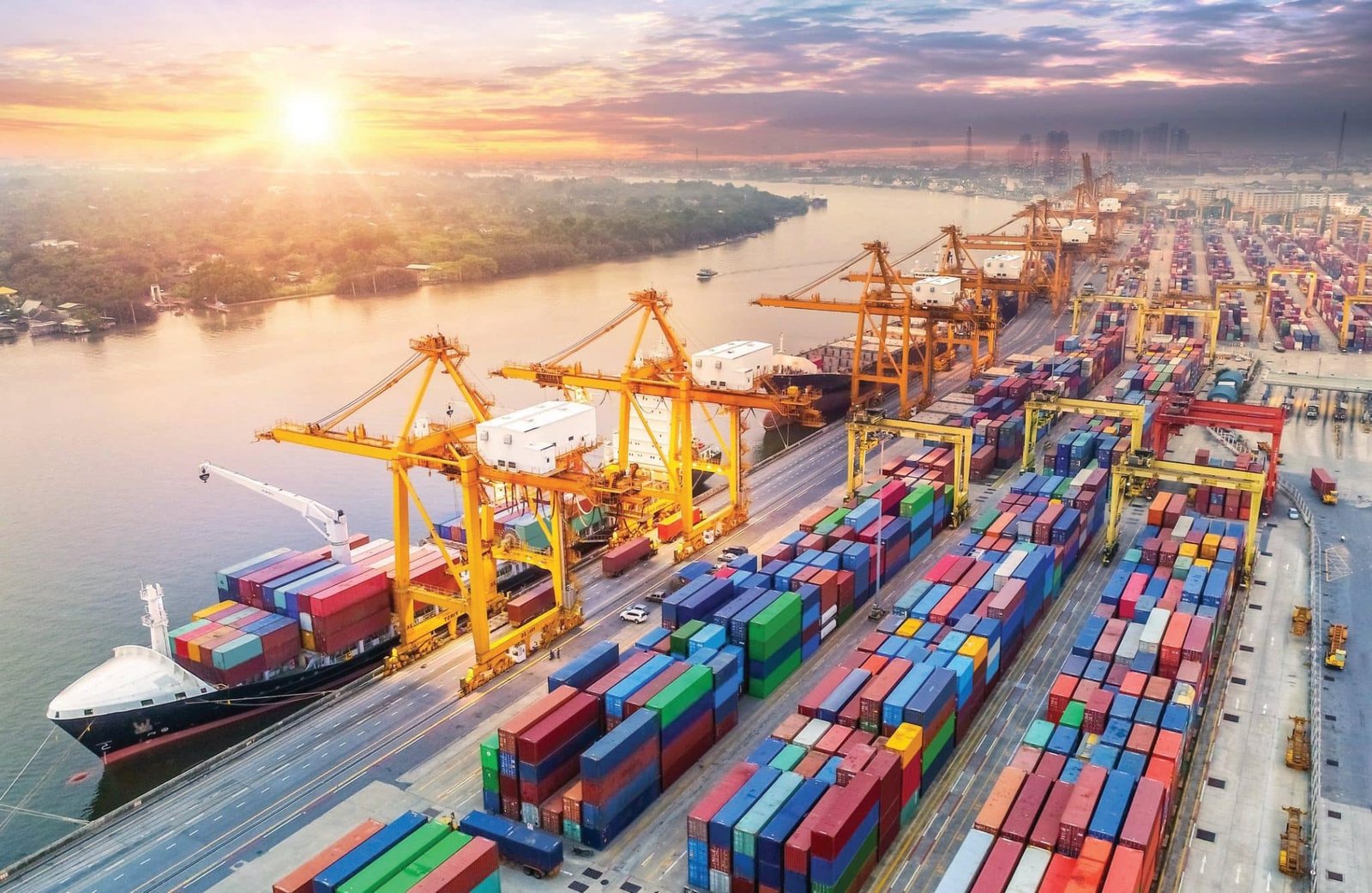
    The Ministry of Commerce also provided a summary stating that the Cabinet approved the ban on the import of approximately 33 classes/categories of goods in order to reduce the current account deficit (CAD), which was on the rise.

    The decision caused an overall decrease in imports of the prohibited goods of over 69 per cent, or from $399.4 million to $123.9 million. Due to serious concerns expressed by significant trading partners regarding the imposition of the ban and taking into account the fact that the ban has had an impact on supply chains and the domestic retail industry, a review meeting was also held to review the ban after two months.

    The government’s ongoing efforts have resulted in a significant decrease in imports, so the ECC decided to lift the ban on imported goods other than auto, mobile, and home appliance CBUs.

    Additionally, all held-up shipments (aside from those that still fall under the banned category) that arrived at the ports after July 1, 2022, may be cleared with the payment of a 25 per cent surcharge.

  • Pakistani mobile manufacturing businesses are laying off workers due to economic challenges

    Pakistani mobile manufacturing businesses are laying off workers due to economic challenges

    There has been significant upheaval in the economy as a result of the new tax structure, rising inflation, and the power shortage.

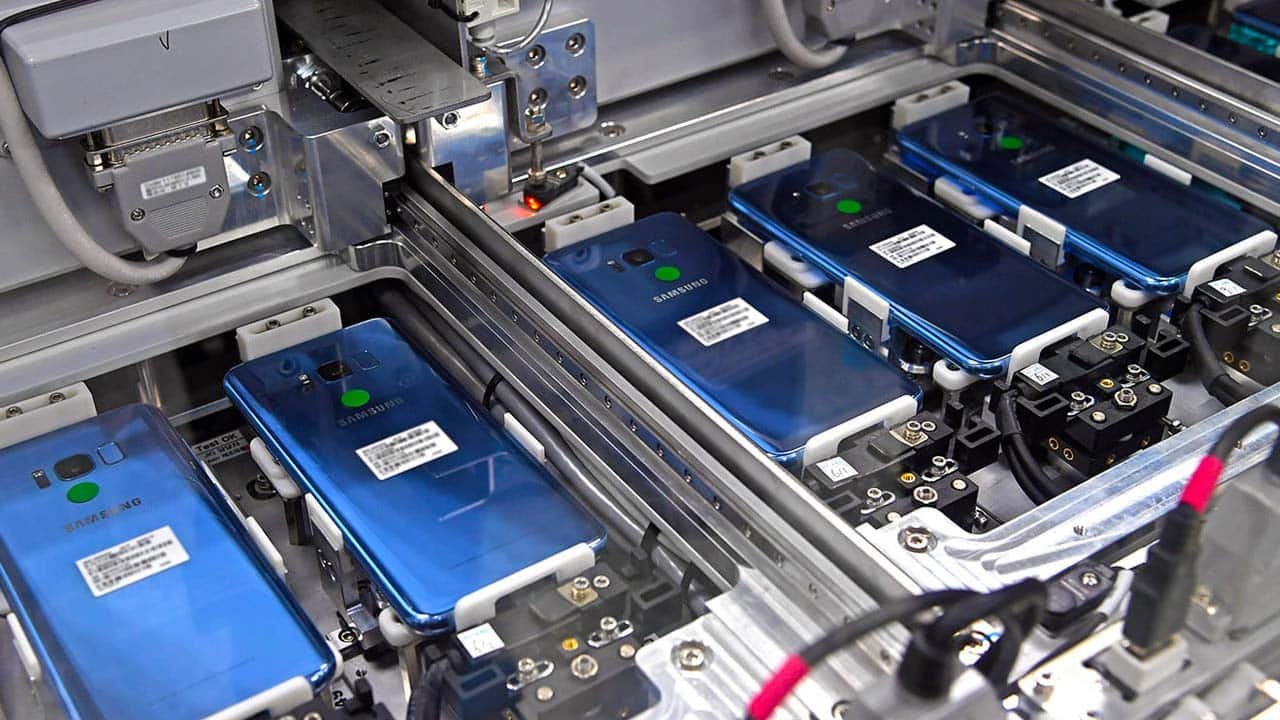
    The Samsung mobile factory, which is owned by Lucky Motors, experienced a similar situation when it had to lay off a number of employees because Pakistan was short on raw materials.

    In addition to Samsung, there have also been reports of firing close to 1,000 workers at the Vivo mobile factory.

    Lucky Motor Corporation was permitted by PTA to manufacture Samsung mobile devices in August 2021, which sounded like a great news in terms of job creation and GDP contribution, among other things.

    In various economic sectors, each economic measure can have numerous impacts. As per economic theory, a nation’s high rate of inflation discourages investment since it makes it less certain that those investments will be lucrative. Humongous unemployment is being caused by this, along with an import ban and a recently implemented “super tax” in Pakistan.

    Additionally, businesses like Careem and Airlift recently stopped operating in some sectors and let go of a number of employees.

    In the year 2020, Careem fired 31 per cent of its workforce due to a pandemic. A number of the staff members at SVWL, Airlift, and Careem Food were let go in 2022. limited their operations or nearly shut down.

  • Petroleum levy of Rs50 per liter approved in Finance Bill 2022–23

    Petroleum levy of Rs50 per liter approved in Finance Bill 2022–23

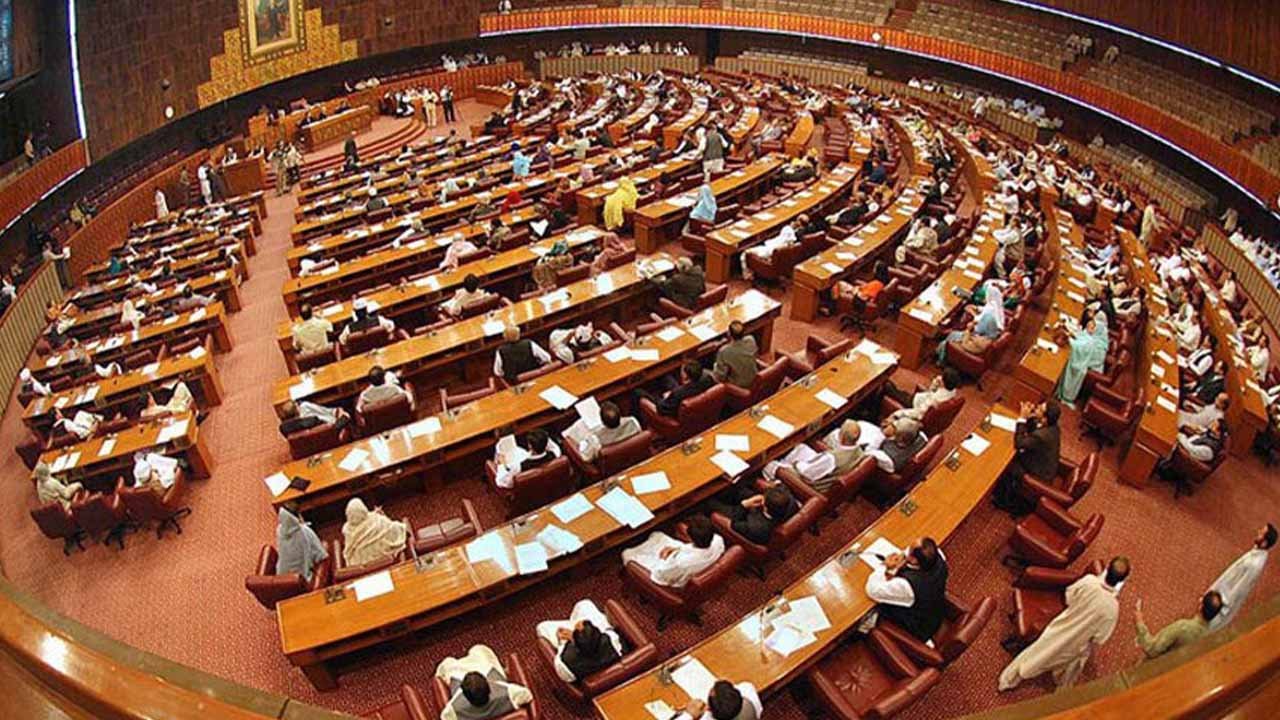
    On Wednesday, the National Assembly approved an amendment to the Finance Bill 2022 that will allow the government to increase the fuel levy to Rs50 per liter.

    During the National Assembly session held to discuss the amendments to Finance Bill 2022, Finance Minister Miftah Ismail made it clear that the amendment grants the government the authority to impose a tax of no more than Rs50 per liter. The levy will not be implemented instantly, he said.

    He went on to say that the levy had been temporarily kept at zero by the government. Throughout the upcoming fiscal year, the levy will be gradually implemented.

    According to The News, about 80 per cent of the amendments to the finance bill, according to State Minister for Finance and Revenue Ayesha Ghous Pasha, were tax-related.

    She emphasised that the government’s objective was to burden the wealthy while sparing the rest of us.

    The participants also agreed to impose a 5 per cent tax on the services of IT and software consultants in addition to the collection of sales tax through shopkeeper utility bills.

    Additionally, a change to revoke the salary class’s relief was approved. Individuals earning between zero and Rs600,000 annually would not be subject to income tax, per the initial budget proposals (where salary income exceeds 75 per cent of taxable income). The following slab would have had a nominal deduction of Rs100 per year (those earning between Rs600,000 and Rs1.2 million per year).

    With the new rates, those making between Rs0.6 and Rs1.2 million annually will now be required to pay 2.5 per cent in income tax.

    Furthermore, a 10 per cent super tax on 13 high-income sectors was approved by the National Assembly. The 10 per cent super tax on large industries was announced by Prime Minister Shehbaz Sharif on Friday in his “bid to relieve the general public of tax pressures.”

    “The revenue generated by this tax will be used to alleviate poverty in Pakistan, and it will be funded by high-income earners,” he said following a meeting with the government’s economic team.

    The tax will be levied on the cement, steel, sugar, oil and gas, fertiliser, LNG, textile, banking, automobile, beverages, chemicals, and tobacco industries. Later, Miftah Ismail, the finance minister, added airlines to the list, bringing the total to 13 sectors.

    Miftah went on to explain that the indirect tax (super tax) was intended to help the state accumulate funds under the heading of tax collection and reduce the budget deficit. He also stated that the fee was a one-time levy.

    The government’s proposed 1-4 per cent super tax on high-income individuals’ salaries was also approved by the National Assembly.

    The leadership levied a 1 per cent tax on those making up to Rs150 million annually, a 2 per cent tax on those making up to Rs200 million annually, a 3 per cent tax on those making up to Rs250 million annually, and a 4 per cent tax on those making up to Rs300 million annually.

    Additionally, a change was approved that imposes a tax on imported mobile phones that ranges from Rs100 to Rs16,000 depending on their value.

    Late Tuesday night, new amendments were added to the Finance Bill, 2022, including a potential reduction in the sales tax rate on the import of pharmaceutical raw materials from 17 per cent to 1 per cent, a tax exemption for theatres and production companies, and a change in the definition of “deemed rental income” by replacing the words “immovable properties” with “capital assets” and other changes.

    Under the revised Finance Bill 2022, the FBR also decreased the capital value tax (CVT) on vehicles from 2 per cent to 1 per cent.

  • ‘Tough decisions’: PM Shehbaz announces 10 per cent super tax on large-scale industries

    ‘Tough decisions’: PM Shehbaz announces 10 per cent super tax on large-scale industries

    Prime Minister (PM) Shehbaz Sharif announced that the coalition government plans to impose a 10 per cent super tax on large-scale industries, and that “tough decisions” have been taken to protect the economy in budget 2022-23.

    Addressing the nation, PM Shehbaz announced the imposition of a 10 per cent super tax on cement, steel, sugar, oil and gas, fertiliser, banking, textile, chemical, beverage, and automobile industries, adding that it it has been done to save the common man from taxes.

    PM said that people whose annual income exceeds Rs150 million will be subject to one per cent tax; for Rs200 million, two per cent; Rs250 million three per cent; and Rs300 million will be taxed four per cent of their income.

    PM Shehbaz said the steps taken in the budget were designed to ease the burden on the poor. “And the classes who are blessed, today, this nation is demanding of them to also work hard, to come forward and to make Pakistan prosperous, progressive and with its head held high,” he added.

    The premier called on the wealthy to distribute some of their wealth and “relive the memory of Ansar-i-Madina”. “This is your responsibility, and the nation demands it of you,” he said.

  • PTA temporarily unblocks non-compliant smartphones

    PTA temporarily unblocks non-compliant smartphones

    A number of Pakistani users have regained cellular connectivity on smartphones that are not PTA compliant. This led many customers and sellers to believe that the PTA had unblocked all non-PTA-approved phones.

    Unfortunately, all of the reports claiming that the PTA has unblocked non-tax compliant phones are false as the majority of imported phones with unpaid taxes, are still blocked by the Pakistan Telecommunication Authority (PTA) and cannot work with any cellular networks in the country.

    They can, however, continue to use Wi-Fi connections like before. Some people with unapproved phones had their phones unblocked at random in recent weeks, allowing them to reconnect to cellular networks.

    The telecommunications authority has made clear that it has unblocked an undefined number of non-approved phones solely to motivate people to pay taxes and have their phones properly unblocked.

    According to PTA spokesperson Khurram Ali Mehran, this was just a persuasive drill to get people to authenticate their phones and pay taxes, no matter how expensive they are.

    He stated that the PTA chose to unblock the phones at random and that they will all be blocked again within two months.

  • Punjab’s ePay system collects over Rs90 billion tax revenue through 17 million transactions

    Punjab’s ePay system collects over Rs90 billion tax revenue through 17 million transactions

    Since its launch in October 2019, e-Pay Punjab, an online payment solution developed by the Punjab Information Technology Board (PITB) and the Punjab Finance Department, has collected over Rs90 billion in tax revenue through 17 million transactions.

    As per details released by the PITB on Friday, e-Pay Punjab has collected a total of Rs57 billion in sales tax, Rs11.5 billion in token tax, Rs9 billion in property tax, Rs4 billion in traffic challans, and Rs440 million in vehicle transfers.

    It’s worth noting that e-Pay Punjab now accepts online payments for 23 taxes and levies from ten different departments. Its 1-Link network integration with the State Bank of Pakistan (SBP) and all scheduled banks makes it a secure and dependable payment channel.

    The e-Pay Punjab application, which has over 1 million downloads, generates a unique PSID number that is accepted by banks across Pakistan through their various channels, including Internet and Mobile Banking, ATMs, and physical branch visits.

    It is also a secure, smart, and fast online payment option for the annual Token Tax. Vehicle owners can use e-Pay Punjab to pay their Token Tax from the comfort of their own homes.

    The app’s primary objective is to make it convenient for the government to gather revenue in the form of taxes through a simple solution. With Pakistan’s first digital tax aggregator, the app demonstrates how Pakistan and its government are rapidly integrating financial technology (fintech) into their processes.