Tag: tax

  • IMF rejects proposed tax relief for the salaried class

    IMF rejects proposed tax relief for the salaried class

    The International Monetary Fund (IMF) has rejected the government’s proposed tax cut in the Personal Income Tax (PIT) to the tune of Rs47 billion, leaving the government with no choice but to reconsider amendments in order to revive the remaining funds.

    According to The News, the Federal Board of Revenue (FBR) granted relaxation to salaried workers earning up to Rs1.2 million annually, top official sources claim that the IMF has expressed strong misgivings about the planned PIT rate.

    To assist the urban middle class, the International lender recommends that the assistance be limited to persons earning up to Rs0.2 million per month, and that tax rates in other slabs be raised afterward.

    Compensation in PTI’s tenure

    During the sixth review under the PTI-led government, the FBR offered compensation to those making up to one million rupees per month in salary in the budget for 2022-23 through Finance Bill 2022 in Parliament, which was set as a structural benchmark under the Fund agreement. If the proposed PIT rates are not adjusted, it could become a major roadblock to reaching an agreement with the IMF at the staff level.

    The international lender intended to improve tax collection by Rs125 billion by putting PIT in a progressive manner, but the government went the other way, making it impossible for both parties to get a staff-level agreement under the $6 billion Extended Fund Facility (EFF) with the current PIT proposal.

    Proposed tax for salaried class in Finance Bill 2022

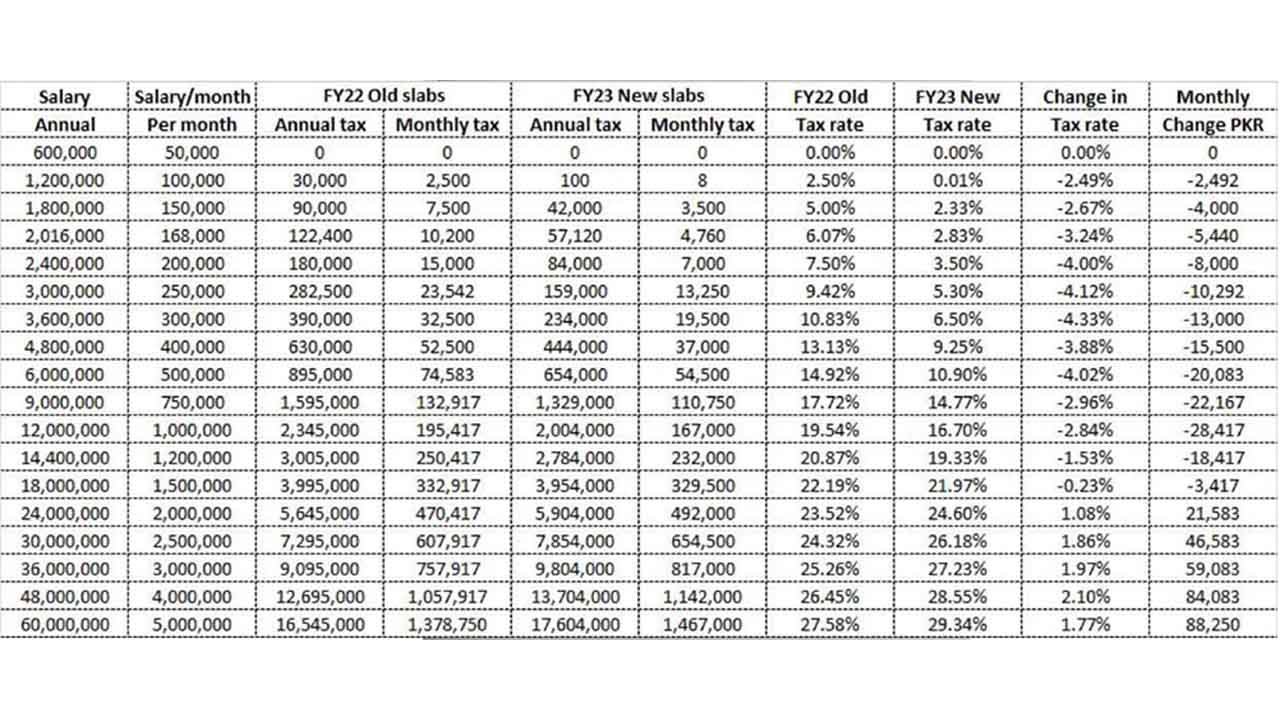
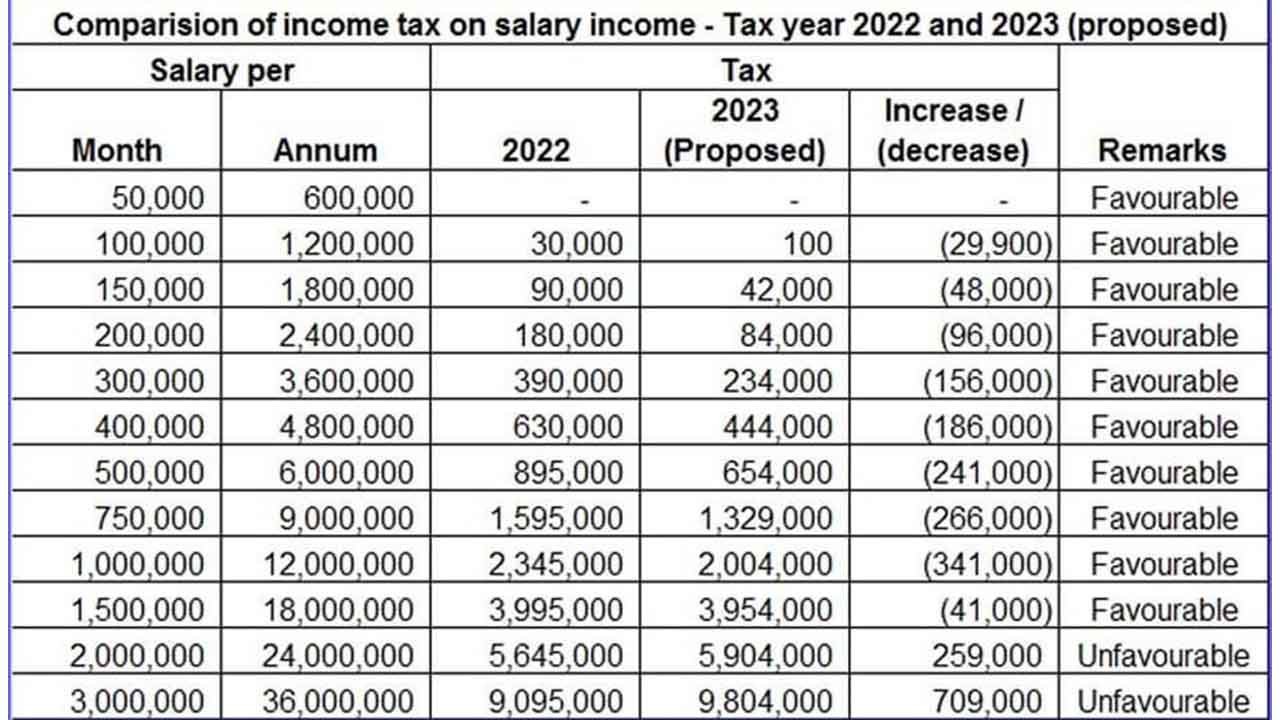
    According to the Finance Bill 2022, those earning up to Rs1.2 million will pay only Rs100 in tax. Previously, those earning up to Rs800,000 per year had to pay Rs10,000, those earning up to Rs1.2 million Rs30,000, and those earning up to Rs2 million Rs120,000. According to the suggested rate, a salary employee earning Rs2 million per year will only have to pay Rs56,000.

    The tax burden for salary earners up to Rs3 million was formerly Rs282,000 per year, but now it is projected to be Rs159,000. Up to Rs4 million in salary, a salary earner had to pay Rs470,000 in income tax, but under the proposed rate, the tax payment is reduced to Rs304,000. The tax due for a salary earner earning up to Rs5 million was Rs670,000, but it was cut to Rs479,000 under the proposed rate.

    The Finance Bill 2022 recommends providing relief up to Rs one million in salary earner who had to pay Rs1.845 million in tax, but now the tax burden has been lowered to Rs1.554 million for salary income up to Rs one million per month under the proposed Finance Bill 2022. The planned tax rates were amended upward in the remaining slabs up to Rs20 million, Rs40 million, Rs60 million, and Rs80 million.

    Increased taxable limit

    The FBR increased the taxable ceiling limit from Rs600,000 to Rs1,200,000 in the Finance Bill 2022, and the number of slabs in the PIT regime was decreased from 12 to 7.

    Where the taxable income does not exceed Rs600,000, there would be no tax, according to new slabs imposed for the salaried class. A tax of Rs100 would be levied on taxable income exceeding Rs600,000 but not exceeding Rs1,200,000.

    There would be a 7 per cent tax on the amount beyond Rs1,200,000 if the taxable income exceeds Rs1,20,000 but not Rs2,400,000.

    If an individual’s taxable income is over Rs2,400,000 but not over Rs3,600,000, you would be charged Rs84,000 plus 12.5 per cent of the amount over Rs2,400,000 per year. The FBR will levy a tax of Rs234,000 plus 17.5 per cent of the amount over Rs3,600,000.

    If the taxable income is more than Rs6,000,000 but not more than Rs12,000,000, the FBR will deduct Rs654,000 plus 22.5 per cent of the amount over Rs6,000,000.

    When taxable income reaches Rs12,000,000, the FBR will assess a tax of Rs2,004,000 plus 32.5 per cent of the amount over Rs12,000,000 every year.
  • Here are the latest income tax rates and slabs for salaried class

    Here are the latest income tax rates and slabs for salaried class

    In the budget for fiscal year 2022-23, the government has exempted those earning up to Rs100,000 per month from paying income tax, up from Rs50,000 last year.

    For the salaried income group, the latest budget is a mishmash as the government reduced tax rates and the number of slabs while eliminating available credit through the omission of deductible allowance for profit on debt and tax credit for investment in shares, health insurance, and pension funds.

    Moreover, the government has released a revamped list of income tax brackets for salaried employees. There were previously 12 slabs, which have now been shrunk to seven.

    Here are the new slabs:

    1. For annual incomes less than Rs600,000 (below Rs50,000 per month)
    2. For a yearly income of Rs600,000-Rs1.2 million (Rs50,000 to Rs100,00 per month).
    3. For annual earnings of Rs1.2m-2.4m (Rs100,000 to Rs200,000 per month)
    4. For annual earnings of Rs2.4m-3.6m (Rs200,000 to Rs300,000 per month)
    5. For earnings of Rs3.6m-6m (Rs300,000 to Rs500,000 per month)
    6. For annual earnings of Rs6m-12m (Rs500,000 to Rs10,00,000 per month)

    For annual earnings of more than $12 million (more than $100,000 per month), income tax is not to be levied on people earning between 0 and Rs600,000 per year (where income from salary exceeds 75 per cent of taxable income). A nominal amount of Rs100 will be subtracted per year from those earning between Rs600,000 and Rs1.2 million.

    Employees getting paid more than Rs1.2 million but less than Rs2.4 million per year will be levied 7 per cent of the amount that exceeds Rs1,200,000 in the third slab.

    An employee getting paid Rs1,400,000 per year will be levied 7 per cent of Rs200,000 (Rs1,400,000 minus Rs1,200,000 since that is the amount exceeding Rs1,200,000).

    As per the latest budget resolution, the government recommended an income tax rate of 20 per cent on small business earnings, 42 per cent on banking, and 29 per cent on related companies.

  • Energy sector to get a massive portion of the Rs699 billion subsidy

    Energy sector to get a massive portion of the Rs699 billion subsidy

    The government has proposed allocating Rs699 billion to multiple sectors in order to provide relief to the masses during the new fiscal year 2022-23.

    According to budget estimates, the government plans to boost subsidies by Rs17 billion to Rs699 billion for the next fiscal year, up from Rs682 billion in the previous fiscal year.

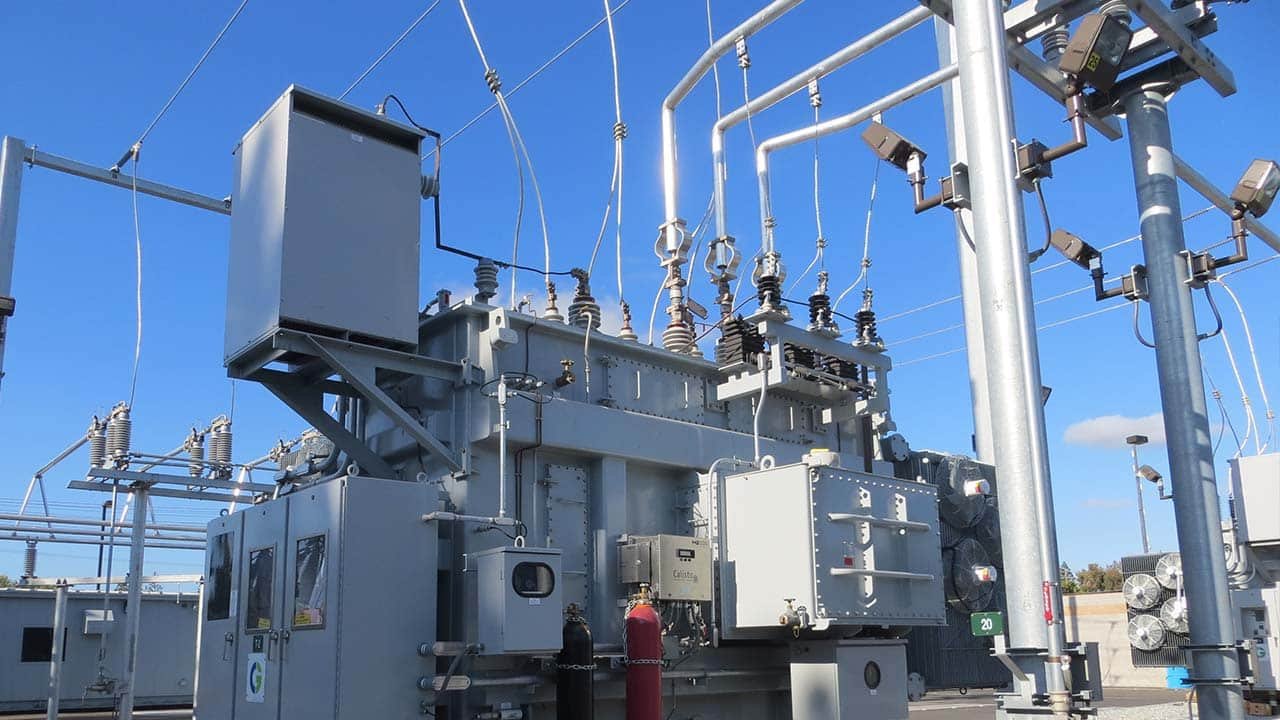
    The government has reduced power sector subsidies by Rs26 billion to Rs570 billion for the next fiscal year, down from Rs596 billion in the previous fiscal year and proposed increasing the total subsidy for the power sector for PEPCO by Rs18 billion to Rs275 billion. The budget 2022-23 proposed reducing the subsidy amount for K-Electric by Rs5 billion to Rs80 billion.

    Moreover, subsidies for Independent Power Producers (IPPs) are slashed by Rs39 billion to Rs215 billion for the coming fiscal year.

    The amount of petroleum subsidy has been upped from Rs51 billion to Rs71 billion. During the next fiscal year, the Utility Stores Corporation (USC) will receive a Rs17 billion subsidy. PASSCO will also receive Rs7 billion subsidy.

    During the next fiscal year, Rs8 billion has been set aside for wheat subsidies to Gilgit-Baltistan. For the coming fiscal year, the subsidy for the metro bus service has been increased to Rs4 billion. Similarly, the fertiliser plant subsidy has been increased to Rs15 billion.

    Read more: Govt unveils Rs9.5 trillion budget 22-23, focused on sustainable growth

    The new government has reduced the Naya Pakistan Housing and Development Authority (NAPHDA) subsidy amount to Rs500 million for the next fiscal year, down from Rs30 billion in the previous fiscal year. NAPHDA’s markup subsidy has also been reduced, from Rs.3 billion to Rs.500 million for the coming fiscal year.

  • Elimination, reduction of withholding taxes in budget 22-23

    On June 10, 2022, Pakistan will present its federal budget for 2022-2023. A number of new taxes measures are expected to be announced in the budget to raise additional income.

    It has been learned that a number of withholding taxes would be removed or lowered in the coming budget.

    The Federal Board of Revenue (FBR) will choose those withholding taxes that have lower revenue implications without jeopardising the goal of documenting as part of the budget planning process.

    According to Brecorder, to document future withholding transactions, a new Directorate-General for Synchronized Withholding Agents System would be developed.

    Withholding taxes cause inconsistencies will be reduced by the FBR, as all withholding taxes will be examined to see whether there are any distortions produced by income tax withholding, and adjustments will be made to correct them.

    This will be accomplished by making modifications to guarantee that all withholding tax received is either claimed or reimbursed in the return filed in response to the tax demand.

    Elimination of Taxes in budget 21-22

    The government had eliminated multiple withholding taxes, including the tax on royalty payments to residents during budget 21-22 such as cash withdrawals, banking tools, money transfers other than cash, tax collection from persons remitting funds abroad via credit, debit, or prepaid cards, tax collection on domestic and international air travel, mineral extraction, tax collection by a stock exchange registered in Pakistan, tax collection on marginal financing by NCCPL, CNG stations, and tax collection on certain petroleum products.

    Income Tax Ordinance

    The Income Tax Ordinance of 2001 contained 38 withholding tax measures. This large number of requirements adds to the complexity and places an excessive strain on different withholding agents to comply. It also has an impact on a country’s ease of doing business rating. In the last budget, 12 withholding taxes were eliminated in an effort to improve company ease and simplify tax rules.

    The Overseas Investors Chamber of Commerce and Industry (OICCI) advocated that the withholding tax (WHT) structure be overhauled and reduced from its current twenty-six rates to just five for filers.

    Only inactive taxpayers should be subject to this tax. Alternatively, the 8% WHT rate on services is a minimum tax that applies regardless of the service provider’s actual taxable revenue. This tax effectively becomes an indirect tax, raising the cost of doing business for service providers; as a result, service tax should be flexible.

    Withholding Tax Regime

    The Withholding Tax Regime (WHT) is a worldwide phenomena, and it is the primary source of federal revenue received at the national level in Pakistan. The collection of withholding taxes, as well as the reliance on them, has increased throughout time. Various Withholding Taxes, which are distinguished by their adjustable and presumptive nature, collected Rs422(b) out of total Direct Taxes collection of Rs740(b) for the financial year 2012, accounting for 57 per cent of total Direct Taxes collection.

    Since the imposition of direct taxes by governments and taxpayers on two counts, the withholding tax regime has been a feature of the tax system in some form or another:

    1. The government receives revenue on a consistent basis throughout the year to fund its expenditures and operations.
    2. Provides taxpayers with the opportunity to pay down their debts in affordable installments.

    Many countries have been obliged to change their economies in recent years as a result of globalisation, in order to unify tax laws and align them with new trade and investment policies represented in free trade agreements. “Hang Together” is more relevant today than it has ever been. Neither countries’ borders nor their economies can be closed. Tax policies are also inextricably linked to foreign economies.

    Due to the requirement for an entity to oversee and manage the Withholding Tax Regime in such a competitive climate, the Directorate General of Withholding Taxes was established by the Finance Act of 2008 under section 230A of the Income Tax Ordinance 2001.

  • PANAH suggests tobacco taxes be raised even higher

    PANAH suggests tobacco taxes be raised even higher

    Pakistan National Heart Association (PANAH) has proposed that the government increase tariffs on unnecessary and harmful tobacco products. Increased tobacco-related levies will lessen diseases and healthcare expenses while also helping to generate tax revenue.

    Sanaullah Ghumman, PANAH’s General Secretary, announced this at a news conference held by the Pakistan National Heart Association on Wednesday at a local hotel.

    Smoking, according to Sanaullah Ghumman, is not healthy for human health in any aspect, and it is the first step toward addiction. Health experts and civil society groups have also urged the Prime Minister to increase tobacco goods taxes.

    A significant number of health experts and civil society representatives attended the event. Tobacco kills 8 million people worldwide each year, according to a global study, and more than 1.5 million individuals in Pakistan lose their lives each year owing to smoking.

    On World Food Safety Day, PANAH proposed that tariffs on sugary drinks be increased as well, as these beverages are harmful to children and cause a variety of health problems.

    Sanaullah Ghumman spoke at the event, urging a 30 per cent rise in tobacco product taxes to protect minors from tobacco usage.

    “This will be a win-win situation for us,” he continued, “since it will lower the health burden while also dramatically increasing revenue”. PANAH, he claimed, had been educating the public about a variety of dangerous diseases, including heart disease and its causes, for 39 years.

  • Direct taxes target predicted at Rs2,560 billion for FY 22-23

    In an attempt to meet the Federal Board of Revenue’s (FBR) revenue collection target of Rs7,255 billion for the upcoming fiscal year, the direct taxes target has been predicted at Rs2,560 billion, up from Rs2,182 billion in 2021-22.

    According to Brecorder, the indirect taxes (net) estimates were predicted at Rs4,695 billion in the macroeconomic framework for 2022-23. Direct taxes forecasts included income tax and withholding taxes, whereas indirect taxes projections included sales tax, customs duty, and Federal Excise Duty (FED).

    The indirect tax goal for 2022-23 has been set at Rs4,695 billion, up from Rs3,647 billion in 2021-22, representing a Rs1,048 billion rise. The indirect tax revenue for the fiscal year 2021-22 was Rs3,440 billion.

    The entire collection of indirect taxes in 2020-21 was Rs3,008.2 billion. Direct taxes are expected to reach Rs2,560 billion in the next fiscal year, up from Rs2,182 billion in 2021-22, a Rs378 billion increase.

    Read more: PM Shehbaz directs to eliminate taxes on raw materials used by export industries

    During the first 11 months of the current fiscal, the FBR collected roughly Rs1.9 trillion in direct taxes. In the fiscal year 2020-21, direct tax collections totalled Rs1,726.0 billion. Withholding taxes account for 72 per cent of the total direct tax collection.

  • PM Shehbaz directs to eliminate taxes on raw materials used by export industries

    PM Shehbaz directs to eliminate taxes on raw materials used by export industries

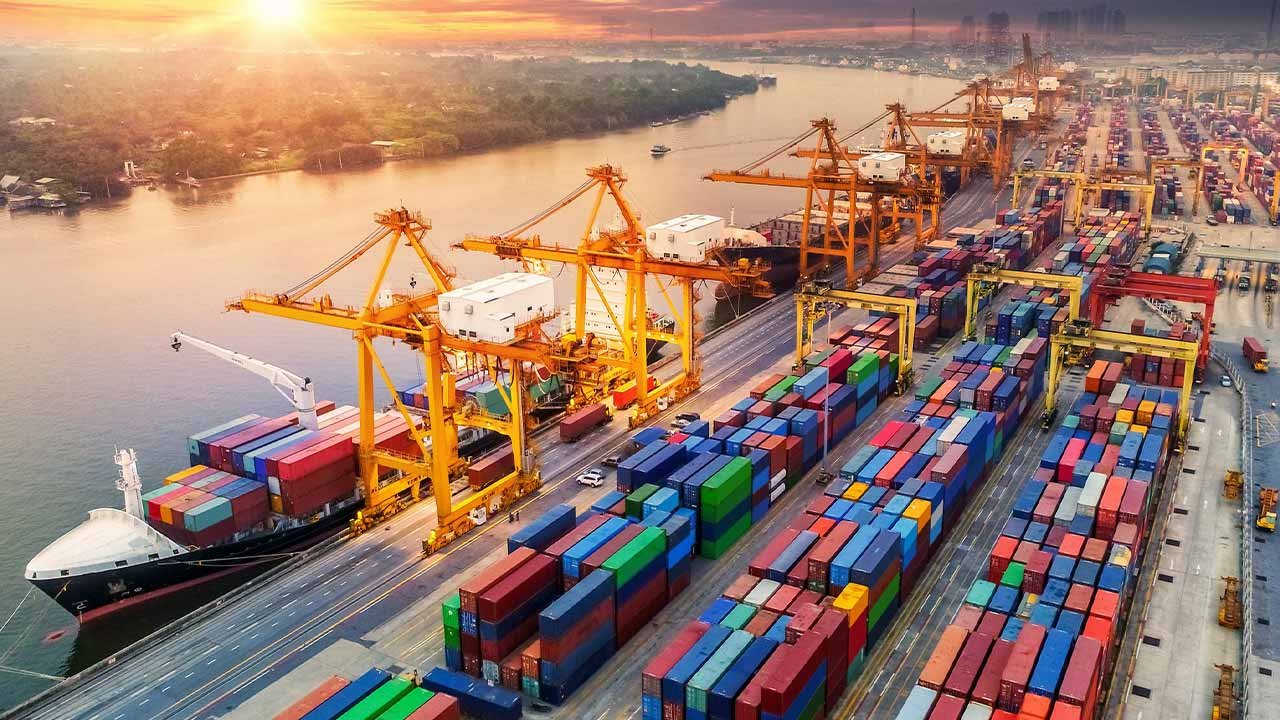
    Prime Minister (PM) Shehbaz Sharif, urged authorities to abolish all taxes on raw materials used in the export industry and to set up task teams to attract investment in a variety of local industries.

    The new government has been attempting to put in place a long-term plan to resuscitate Pakistan’s struggling economy, with the premier reaffirming his plea for increased exports to alleviate the country’s growing cash constraint yesterday.

    The premier met with a team from the American Business Council, which included officials from the pharmaceuticals, food processing, IT, e-commerce, retail, textile, sports, and logistics sectors, according to APP.

    Federal ministers Syed Naveed Qamar, Makhdoom Murtaza Mahmood, and Marriyum Aurangzeb were also present at the meeting.

    Task groups were constituted by the prime minister to solicit investments in a variety of areas. Tourism, pharmaceuticals, information technology, e-commerce, large-scale manufacturing, and agriculture will all have task teams constituted.

    He reminded the team that the government was working hard to guarantee that high-quality agricultural products were produced for export. The government was pushing for policy consistency for the first time, he said, because “subjects of the national economy and public welfare are above politics”.

    Shehbaz Sharif also asked the secretary of trade and the secretary of the Board of Investment to guarantee that the investors’ concerns were addressed immediately, and he requested a compliance report within a week.

    Business representatives, on the other hand, told state media that government initiatives had helped them regain investor confidence, and that the pre-budget dialogue with stakeholders was a “positive step”.

    PM Shehbaz has called all stakeholders to get together on Tuesday, ahead of the budget declaration on June 10, to finalise a long-term plan to rebuild the ailing economy. Top businessmen, agriculturists, and economists attended the day-long pre-budget meeting, where they offered advice on how to lift the country out of its unparalleled economic crisis.

    During the meeting, the premier pledged that their suggestions would be taken into consideration and that separate plans for agricultural, industrial, and financial expansion would be developed.

    PM Shehbaz also stated that political stability cannot be attained without economic stability and that it was past time for the elite class to make sacrifices and for non-productive assets such as real estate to be taxed. He advised businesses to invest in renewable power rather than relying on the country’s vast coal reserves for power generation.

    The prime minister also emphasised the importance of reducing imports while increasing exports, assuring attendees of the government’s full support in expanding local business and eradicating any barriers.

  • Pakistan records 13.8 per cent inflation in May

    Pakistan records 13.8 per cent inflation in May

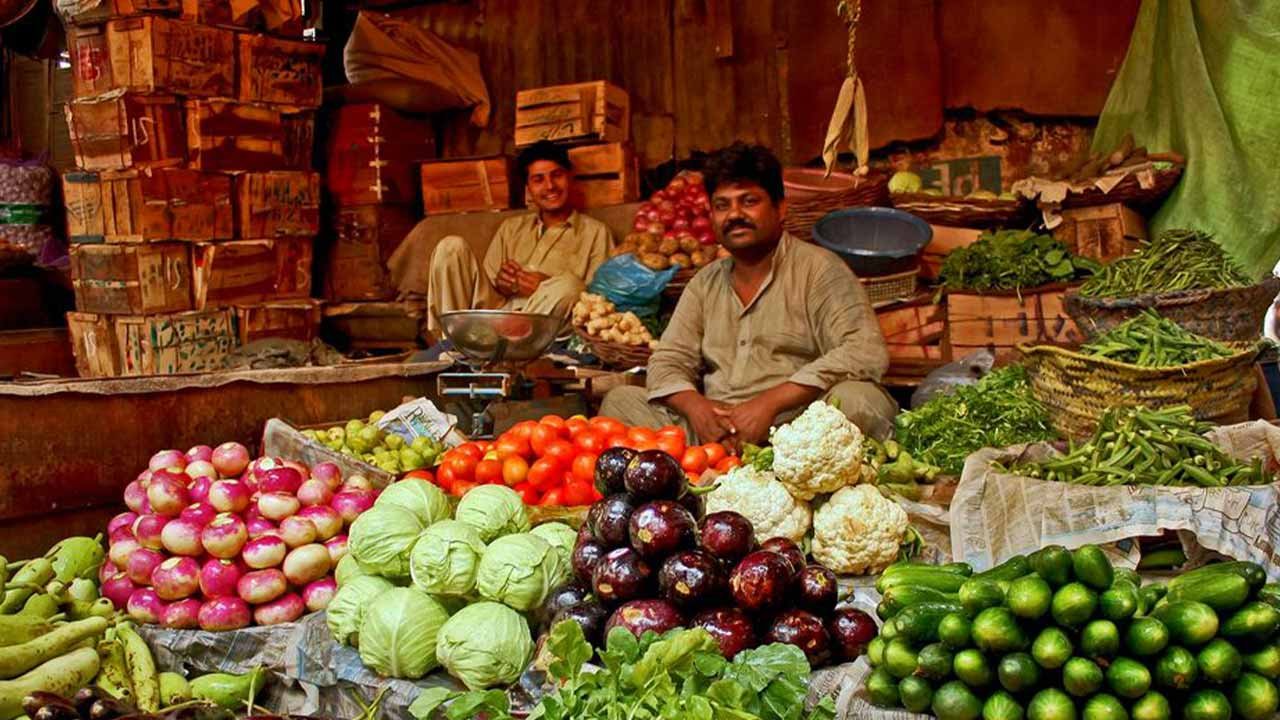
    The latest data provided by the Pakistan Bureau of Statistics (PBS) on June 1, inflation continued to rise in May 2022, with the Consumer Price Index (CPI)-based reading coming in at 13.8 per cent year on year, up from 13.4 per cent the previous month and 10.9 per cent in May 2021.

    In May 2022, inflation climbed by 0.44 per cent month over month, compared to 1.6 per cent the previous month and 0.1 per cent in May 2021. This brings average inflation in 11MFY22 to 11.29 per cent year over year, up from 8.83 per cent in 11MFY21.

    Rising prices have emerged as a major source of concern for the economy of the South Asian country, which is grappling with dwindling foreign exchange reserves and a growing import bill.

    The State Bank of Pakistan (SBP) hiked the main interest rate by 150 basis points to 13.75 per cent last month in an attempt to combat economic headwinds.

    The existing administration, on the other hand, has indicated that it will partially remove subsidies by raising petroleum product tariffs by Rs30 per liter, a move that is projected to raise inflation.

    As per a report from Brecorder, on a month-on-month basis, Inflation in Urban areas increased by 0.3 per cent in May 2022 as compared to an increase of 1.6per cent in the previous month and increase of 0.2per cent in May 2021.

    In the meantime, CPI inflation in urban areas grew 12.4 per cent year over year in May 2022, compared to 12.2 per cent the previous month and 10.8 per cent in May 2021.

    It climbed by 0.3 per cent month over month in May 2022, compared to a 1.6 per cent increase the previous month and a 0.2 per cent increase in May 2021.

    In rural areas, CPI inflation climbed by 15.9per cent year over year in May 2022, compared to 15.1 per cent the previous month and 10.9 per cent in May 2021. It climbed by 0.6 per cent month over month in May 2022, compared to an increase of 1.6 per cent the previous month and a fall of -0.03 per cent in May 2021.

    In May 2022, the SPI inflation grew by 14.1 per cent year over year, compared to 14.2 per cent a month earlier and 19.7 per cent in May 2021. On a month-over-month basis, it climbed by 0.6 per cent in May 2022, compared to 1.5 per cent a month earlier and 0.8 per cent in May 2021.

  • Govt considers imposing special levy in the upcoming budget

    Govt considers imposing special levy in the upcoming budget

    The government is considering imposing a specific levy or increasing the tax burden on paid and non-salaried classes earning more than Rs20 million per year in the upcoming budget 2022–23.

    Prime Minister Shehbaz Sharif presided over a high-level meeting to discuss the next budget’s essential components. The premier will have to decide whether to increase tax revenue and thus increase subsidies or cut the tax revenue objective.

    The administration is considering increasing the tax burden on the rich and affluent instead of increasing the percentage of indirect taxes. Top government officials admitted, “Yes, we are considering hiking taxes on the rich.” One of the proposals is to impose a tax modelled after the super tax, which was originally imposed at a rate of 5% on income earners earning Rs50 million per year but was gradually reduced and then repealed.

    For the approaching budget 2022-23, PM Shehbaz will have to choose either increasing subsidies and increasing the FBR’s tax collection target or reducing subsidies and lowering the FBR’s tax collection target.

    The government will have to choose between these two options in order to comply with the IMF’s proposed fiscal framework.

    After talks with the international lender ended inconclusively the day before, Pakistan’s government increased local fuel prices on Friday to meet a major condition imposed by the International Monetary Fund for resuming its bailout programme.

    Miftah Ismail, Pakistan’s finance minister, said on Tuesday that if offered, Pakistan would buy oil and food at reduced costs from Russia, if Moscow did not impose sanctions on Islamabad. He added, though, that Russia had not made such an offer so far.

    Mr Ismail told CNN’s Becky Anderson that Moscow had not responded to the previous government’s letter requesting cheaper oil from Russia.

    The finance minister also stated that if the economy had let it, the current government would have called early elections, but that in the current situation, the government’s first priority is to stabilise the country’s finances.

  • Additional tax to be levied on high-earning businesses

    Additional tax to be levied on high-earning businesses

    In the budget (2022-23), the government intends to impose a time-limited levy or additional income tax on the yearly income earned by the steel industry, pharmaceutical business, and other profit-generating segments, as well as increase the minimum tax from two to six percent on the import of edible oil

    According to reliable sources, the government has made the decision to increase the rate of least tax on the import of edible oil from two to six percent in the next fiscal budget to boost the occurrence of levy on this large profit-earning sector. The steel sector’s minimum tax rate will be raised in the new budget.

    It is worth noting that the fresh charge will only be levied on industries and sectors that make massive profits, and it would only be in place for a limited time.

    According to Brecorder, the steel sector’s profits have increased by 20-30 per cent, but they are not paying the requisite tax bills. As a consequence, an extra income tax or levy on the yearly earned income by the steel industry, pharmaceutical sector, and other sectors earning windfall profits has been proposed for 1-2 years.

    Added income taxor levy will be paid in conjunction with the filing of tax records. The levy would be time-limited and could be imposed for one or two years.

    The Federal Board of Revenue (FBR) levies a two per cent least tax on edible oil imports, which is decided to ascend to six per cent beginning with the next fiscal year. Earnings in the edible oil industry are very high, with massive profits, but tax payments are consistent or on the low side.

    The Federal Board of Revenue (FBR) is updating a list of high-profit industries based on tax financial records, annual financial statements, and third-party data.

    A new section in the Income Tax Ordinance 2001 would be introduced through the new Finance Bill 2022 for the imposition of the said levy on high profit earning sectors.