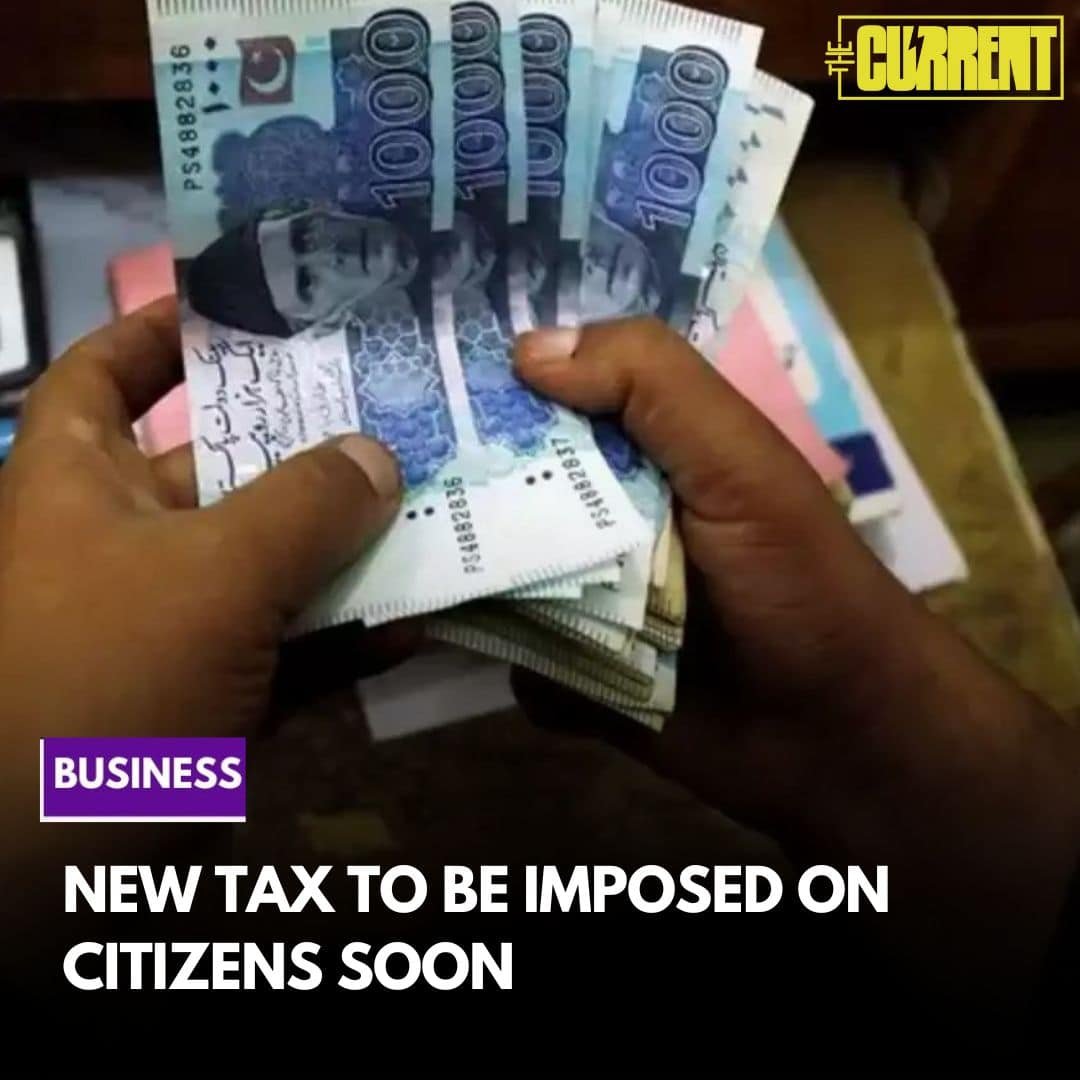
The local government has unveiled a new tax that has drawn mixed reactions from citizens.
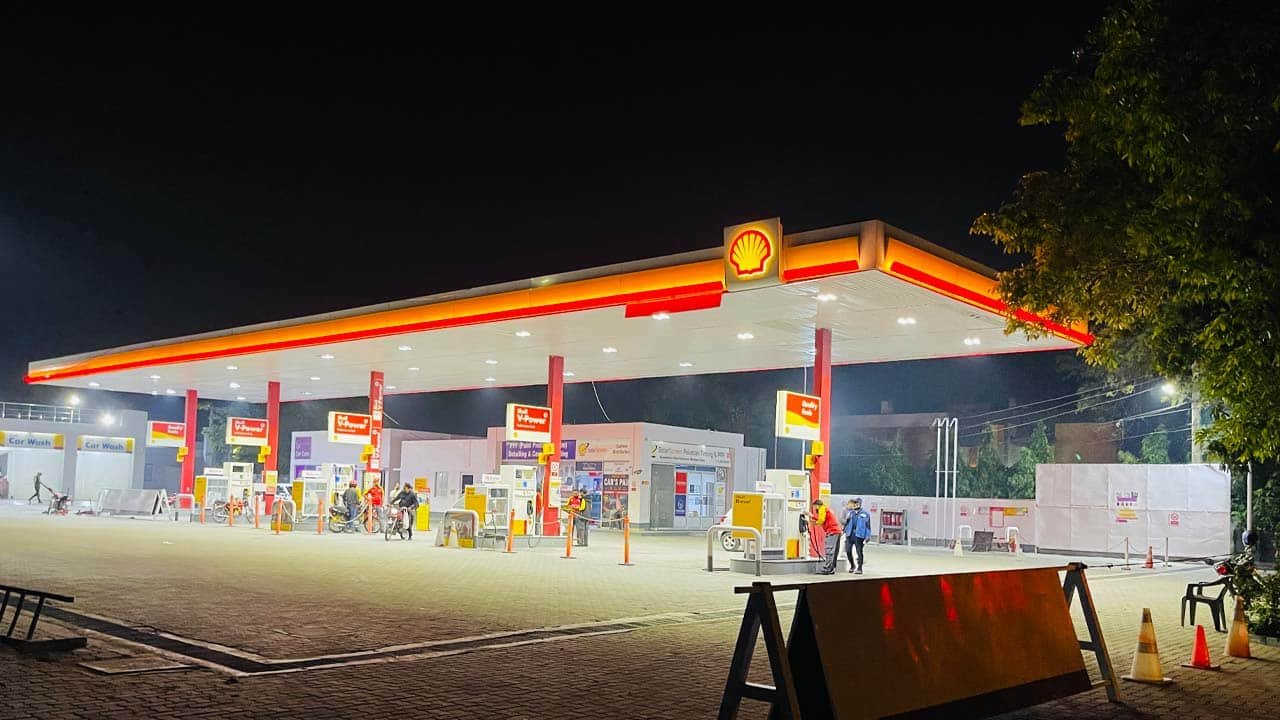
This latest tax, to be imposed in lieu of garbage collection, will be collected from households, shops, petrol pumps, and industrial units on a monthly basis.
Starting from October, Multan and its neighboring areas will see this sanitation tax in effect. The tax rates are set at Rs50 for houses, Rs200 for shops, Rs1,000 for petrol pumps, and Rs2,000 for industrial unit owners on a monthly basis.
The government anticipates an annual revenue boost of approximately Rs4.28 billion through this tax initiative. However, the move has not been met with unanimous approval among citizens, many of whom have criticised it.
Meanwhile, amid ongoing discussions concerning the surging costs of electricity production in Pakistan, the Kot Addu Power Company has submitted an application to the National Electric Power Regulatory Authority (Nepra), seeking approval for what could potentially become the country’s most expensive electricity generation tariff.
The proposal suggests an electricity tariff of Rs77.31 per unit, a significant increase from the current rate of twenty-eight rupees per unit. The power company attributes this substantial hike to rising production costs.
Notably, the Kot Addu Power Company recently secured a sixteen-month extension during the Pakistan Tehreek-e-Insaf (PTI) administration. However, this extension has not escaped controversy, as the Senate Power Committee has declared it illegal, further fueling the debate over electricity tariffs in the country.
The World Bank has issued a grave warning regarding Pakistan’s economic state, urging the nation to take swift action. They propose taxing key sectors like agriculture and real estate while reducing wasteful expenditures to stabilise the economy. This endeavour aims for a significant fiscal adjustment, equivalent to over 7 percent of Pakistan’s economic size.
The World Bank also revealed alarming statistics, with poverty levels surging to 39.4 percent in the last fiscal year, pushing an additional 12.5 million people below the poverty line. Currently, nearly 95 million Pakistanis live in poverty.
To address these challenges, the World Bank has drafted a set of policy recommendations in collaboration with stakeholders, focusing on low human development, unsustainable fiscal practices, overregulation in the private sector, and issues in the agriculture and energy sectors.
Immediate measures include raising the tax-to-GDP ratio by 5 percent and reducing expenditures by about 2.7 percent of GDP, primarily targeting previously protected sectors.
Tobias Haque, the lead country economist at the World Bank, underscores the need for substantial policy changes, given Pakistan’s economic and human development crises.
According to Express Tribune, the World Bank’s recommendations encompass a range of fiscal reforms, including the removal of tax exemptions, increased taxation on real estate and agriculture, and mandatory use of CNIC for transactions.
Furthermore, the institution advises cutting energy and commodity subsidies, implementing a single Treasury account, and adopting temporary austerity measures for short-term savings. Medium-term savings entail streamlining federal spending and enhancing the quality of development expenditures.
Najy Benhassine, the country director for Pakistan at the World Bank, emphasises the importance of political consensus and domestic solutions to address Pakistan’s challenges.
The World Bank highlights the need to address the human capital crisis, reduce energy subsidies, and promote inclusive, sustainable, and climate-resilient development in Pakistan. These measures are imperative to stabilise the nation’s precarious economic situation and alleviate the growing poverty crisis.
International Monetary Fund (IMF) Managing Director (MD) Kristalina Georgieva has urged Pakistan to increase taxation for the rich and safeguard the well-being of the less privileged. She said that these actions align with the desires of the people in Pakistan.
According to Geo News, speaking on the sidelines of the 78th United Nations General Assembly (UNGA) session in New York, she stated, “What we are asking in our programme is that you please collect more taxes from the wealthy and please protect the poor people of Pakistan. I do believe this is in line with what people in Pakistan would like to see for the country.”
In a separate social media post after a meeting with Pakistan’s caretaker prime minister, Anwaar ul Haq Kakar, Georgieva stated, “Very good meeting with Pakistan’s PM today on Pakistan’s economic prospects. We agreed on the vital need for strong policies to ensure stability, foster sustainable and inclusive growth, prioritise revenue collection, and provide protection for the most vulnerable in Pakistan.”
Furthermore, the Prime Minister’s Office (PMO) released a statement expressing gratitude for the IMF’s approval of a $3 billion stand-by agreement (SBA) to support Pakistan’s economy. The arrangement, approved by the IMF’s Executive Board in July, is set for its second review in November.
The statement mentioned that Kakar briefed the MD IMF on various measures taken by the Government of Pakistan to stabilise and revive the country’s economy, with a focus on creating a stable environment for sustainable economic growth and investment, particularly for vulnerable segments of society.
Kristalina Georgieva commended Pakistan’s concerted efforts in implementing policies and reforms to revive the economy and assured continued engagement with Pakistan.
In July, Pakistan secured a last-minute SBA with the IMF, providing relief to its economy, which had long grappled with a boom-and-bust cycle due to the absence of meaningful structural reforms. High inflation and a balance-of-payments crisis have led to economic distress, prompting the Asian Development Bank (ADB) to revise its growth outlook for the country.
Low foreign exchange reserves have resulted in import restrictions as debt payments remained high and avenues for dollar inflows were limited.
Anwaar-ul-Haq Kakar also called upon the international community to find a lasting solution to the debt issues faced by 59 countries in debt distress, emphasising the need for global and regional cooperation to achieve sustainable development goals.
He highlighted the importance of resources for developing countries and reiterated Pakistan’s commitment to supporting the Global Development Initiative. Kakar also noted the significance of China’s Belt and Road Initiative (BRI) and China-Pakistan Economic Corridor (CPEC) in achieving sustainable development goals.
The Federal Board of Revenue (FBR) has announced important amendments to the Income Tax Ordinance, 2001 through Finance Act 2023, bringing significant changes to the Super Tax structure. According to the latest income tax circular (2 of 2023), banks will now be required to pay a 10 per cent Super Tax if their income exceeds Rs300 million.
The Super Tax was initially introduced through the Finance Act of 2022, imposing graduated tax rates ranging from 1 per cent to 4 per cent on income slabs starting from Rs150 million to Rs300 million and above. Certain specified business sectors were subject to a higher Super Tax rate of 10 per cent if their income surpassed Rs300 million.
New Super Tax slabs
To enhance the scope of the Super Tax and ensure progressivity and uniformity in the tax rate structure, the Finance Act 2023 has introduced additional income slabs. These new slabs are as follows: Rs350 million to Rs400 million, Rs400 million to Rs500 million, and Rs500 million and above, with corresponding Super Tax rates of 6 per cent, 8 per cent, and 10 per cent, respectively. These new Super Tax rates will apply to all taxpayers across the board for the Tax Year 2023 and beyond.
Addressing a significant concern, the Finance Act 2023 has also clarified the payment procedure for the Super Tax. The ambiguity surrounding whether the Super Tax under section 4C of the Ordinance should be paid as a lump sum at the time of filing income tax returns or in monthly/quarterly installments of advance tax under section 147 of the Ordinance has been resolved.
The introduction of a new sub-section (5A) in section 4C now requires Super Tax liability to be paid in conjunction with monthly/quarterly advance tax installments, depending on the taxpayer’s circumstances. Corresponding amendments have been made in section 147 of the Ordinance to facilitate this process.
This move is aimed at broadening the scope of the Super Tax and making it a more progressive and comprehensive tax measure. The FBR expects these changes to contribute significantly to the country’s revenue collection efforts while ensuring a fair and equitable tax system for all taxpayers.
The Federal Board of Revenue (FBR) has taken a significant step to discourage the outflow of foreign exchange reserves by raising the withholding tax (WHT) on payments to non-resident individuals through debit and credit cards. The move aims to curtail the substantial impact of such payments on the country’s foreign exchange reserves.
The FBR recently issued Circular Number 2 of 2023, which outlines the amendments to the Finance Act 2023. As per the circular, the Finance Act 2022 had introduced section 236Y, subjecting payments to non-residents through debit/credit cards to a 1 per cent withholding tax rate for Active Taxpayer List (ATL) persons and 2 per cent for Non-ATL persons.
However, considering the considerable foreign exchange outflows resulting from these transactions, the FBR has implemented a drastic increase in withholding tax rates through the Finance Act 2023. According to The News, for ATL persons, the withholding tax rate has been elevated from 1 per cent to 5 per cent, and for Non-ATL persons, it has been raised from 2 per cent to 10 per cent. This means a fourfold increase in tax rates for both categories of taxpayers as well as non-filers.
According to estimates shared by the State Bank of Pakistan (SBP) with parliamentarians before the 2023-24 budget, monthly payments made through credit cards or debit cards amounted to approximately $70 to $100 million, resulting in an annual outflow of around $1 billion.
In line with the Finance Bill, the FBR has been granted powers under Section 236Y to levy advance tax on individuals remitting amounts abroad through credit, debit, or prepaid cards. As per the Finance Bill 2022, the proposed advance tax rate on such remittances was set at 1 per cent of the gross amount remitted abroad.
The implementation of the increased withholding tax is expected to have a considerable impact on curbing unnecessary foreign exchange outflows and strengthening the country’s forex reserves. It also serves as a measure to encourage individuals to transact responsibly and ensure the stability of the country’s economic landscape.
As the FBR takes these steps to address forex challenges, stakeholders and taxpayers await the outcomes and potential adjustments in the overall economic landscape. The move also highlights the government’s efforts to strike a balance between promoting foreign investments and managing capital outflows to ensure sustainable economic growth in the country.
In the fiscal year 2022-23, Pakistan’s salaried class emerged as the leading contributor to the nation’s income tax, making a substantial contribution of Rs264.3 billion. Astonishingly, this amount was nearly 200 per cent higher than the combined income tax paid by the country’s exporters and largely undertaxed retailers.
Data collected and released by the Federal Board of Revenue (FBR) unveiled that salaried individuals paid a total of Rs264.3 billion in taxes during the fiscal year, marking an impressive increase of over Rs75 billion or 40 per cent compared to the previous year. This rise was attributed to the imposition of up to a 35 per cent tax rate on their earnings.
Ranked as the fourth-largest contributor to withholding taxes, following contractors, bank depositors, and importers, the salaried class has faced increased taxation in the latest budget. Despite grappling with this added burden alongside historically high inflation rates, the government once again raised taxes on salaried individuals earning more than Rs200,000 per month in the recent budget. In a surprising move, around 5,000 retailers were relieved from stricter registration conditions.
It is noteworthy that during the preceding fiscal year, the FBR managed to collect over Rs2 trillion through withholding taxes, accounting for 61 per cent of the total income tax generated in the same period. However, concerns were raised over the ease of collecting withholding taxes, especially from non-filers at double rates, which has become a reliable revenue source for the FBR.
The Salaried Class Alliance expressed apprehension over the prioritisation of additional taxation on existing taxpayers while allowing the informal sector to thrive. The highest income tax collections came from contractors, savings account holders, importers, salaried individuals, non-filers’ electricity bills, telephone & mobile phone users, and dividend income. According to Express Tribune, other significant contributors included taxes on property transactions, exports, foreign income fees, brokerage commissions, and car registrations.
Comparatively, provisional figures revealed that exporters and retailers combined paid Rs175 billion less in taxes compared to the salaried class. Despite earning $27.7 billion during the last fiscal year, exporters contributed only Rs74 billion in taxes. Although their tax contribution increased by 17.4 per cent from the previous year, it did not match the rise in their income in rupee terms. Retailers, subject to a 0.5 per cent advance tax on sales, contributed a mere Rs15.6 billion, reflecting the lowest contribution among income groups. Surprisingly, despite accounting for approximately 19 per cent of the economy, retailers and wholesalers only contributed 0.4 per cent to the total income tax collection.
The approach of the International Monetary Fund (IMF) came under criticism for disproportionately burdening the salaried class, which lacks representation in the corridors of power, unlike exporters and retailers.
Lastly, tax collection from contractors and service providers reached an impressive Rs391 billion in the last fiscal year, marking the largest single-income tax collection head over which the FBR has no control. Additionally, profits on debt witnessed a remarkable 106 per cent increase, amounting to Rs320 billion, reflecting higher interest rates and increased savings. Importers also contributed significantly, paying Rs290 billion in income tax on various types of imports, ranking as the third-largest contributor to withholding taxes.
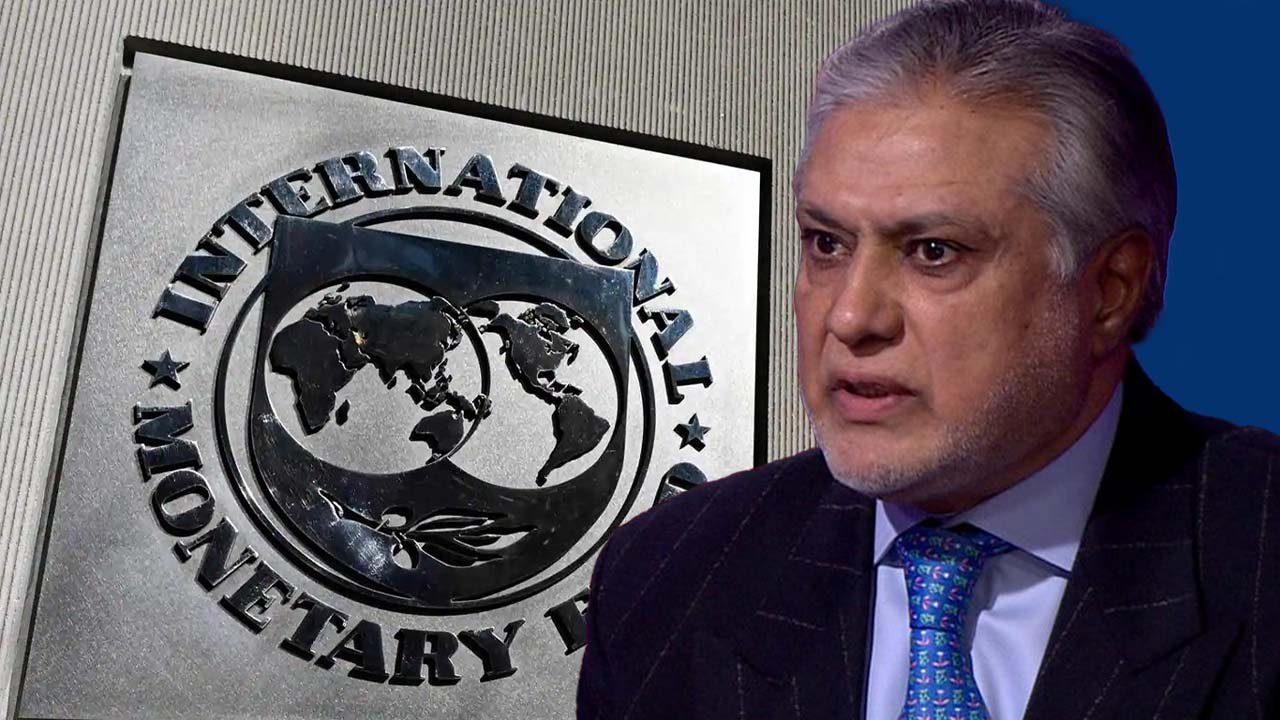
Finance Minister Ishaq Dar made a resolute declaration on Thursday, assuring the public that the coalition government, despite having taken stern measures that burdened the masses, has no intentions of imposing additional taxes on the agriculture and real estate sectors.
Speaking passionately on the floor of the National Assembly, Dar firmly stated, “I want to state categorically […] that no new tax will be imposed on agriculture or real estate. We have endured much pain in meeting the IMF’s conditions.”
This assurance comes in the wake of the International Monetary Fund (IMF) approving a $3 billion bailout program for Pakistan, with $1.2 billion already disbursed to help stabilise the nation’s struggling economy.
Media reports had indicated that the IMF requested a plan from the government to impose taxes on the real estate and agricultural sectors as a condition to release the remaining funds. The news caused concern among those associated with the agriculture sector, especially since the government had expanded the loan volume to support it in the budget.
Dar emphasised that all prior actions demanded by the lender had been successfully completed, and the agreement with the IMF was carried out in a transparent manner. He reassured the public, “No further burden will be passed on to the people. All the commitments made with the IMF are available on the finance ministry’s website.”
The positive effects of the deal are already evident, with investors in the country experiencing relief in the stocks, exchange rate, and bonds markets. Additionally, longstanding allies Saudi Arabia and the United Arab Emirates have recently deposited $3 billion in Pakistan’s central bank, while China rolled over $5 billion in loans over the past three months to prevent the country from defaulting.
In light of the IMF’s observation that both agriculture and construction sectors are under-taxed in Pakistan, economist Khaqan Hassan Najeeb stressed their significance in broadening the tax base and promoting progressivism.
Regarding the real estate sector, Najeeb advocated for a genuine capital gains tax, levied at the marginal income tax rate of the individual making the capital gains over the years, to encourage investment from unproductive real estate to more productive sectors like manufacturing.
However, Najeeb acknowledged that such reforms would be better suited for implementation by a long-term new government after the upcoming elections. Moreover, he highlighted that provincial governments hold authority over agriculture income tax, which presently contributes only insignificantly. He urged provinces to contemplate a progressive income tax on agriculture, considering the size of farm holdings.
With Minister Dar’s assurance and the IMF’s support, Pakistan’s economic prospects seem brighter, but the road ahead calls for careful consideration and judicious decision-making to ensure a sustainable and progressive financial future.
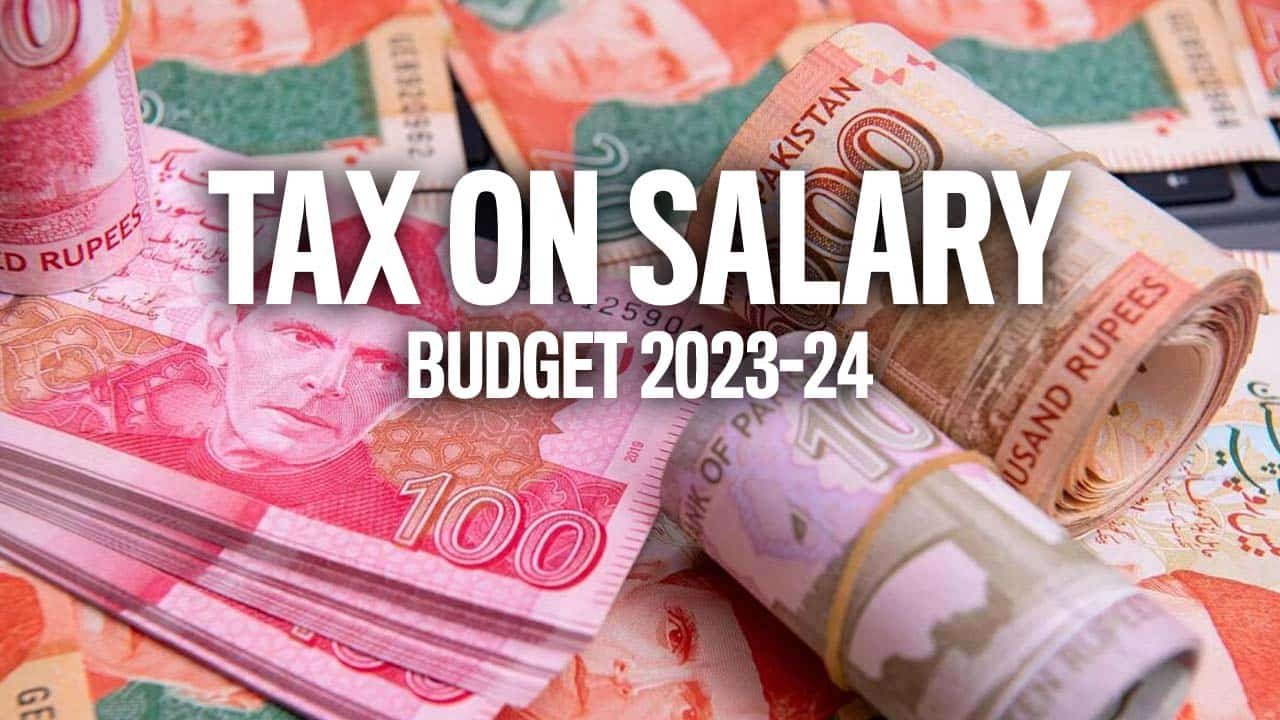
Finance Minister Ishaq Dar presented a comprehensive budget proposal of Rs14.46 trillion for the fiscal year 2023-24, emphasising an expansionary approach. One of the key highlights of the proposal was a substantial increase in the salaries of government employees, aimed at providing much-needed relief.
In order to ensure that the burden on the salaried class remained unchanged, the coalition government decided not to make any alterations to the existing tax slabs, which were approved in the previous year’s Finance Bill of 2022.
Outlined below are the tax slabs for different income brackets:
1. Income below Rs600,000 per year (Rs50,000 per month):
– No tax will be deducted.
2. Income between Rs600,000 to Rs1.2 million per year (Rs50,000 to Rs100,000 per month):
– Tax will be levied at a rate of 2.5 per cent on the amount exceeding Rs600,000.
3. Income between Rs1.2 million to Rs2.4 million per year (Rs100,000 to Rs200,000 per month):
– Tax will be levied at a rate of Rs15,000 plus 12.5 per cent on the amount exceeding Rs1.2 million.
4. Income between Rs2.4 million to Rs3.6 million per year (Rs200,000 to Rs300,000 per month):
– Tax will be levied at a rate of Rs165,000 plus 20 per cent on the amount exceeding Rs2.4 million.
5. Income between Rs3.6 million to Rs6 million per year (Rs300,000 to Rs500,000 per month):
– Tax will be levied at a rate of Rs405,000 plus 25 per cent on the amount exceeding Rs3.6 million.
6. Income between Rs6 million to Rs12 million per year (Rs500,000 to 1,000,000 per month):
– Tax will be levied at a rate of Rs1.005 million plus 32.5 per cent on the amount exceeding Rs6 million.
7. Income exceeding Rs12 million per year (exceeding Rs1,000,000 per month):
– Tax will be levied at a rate of Rs2.955 million plus 35 per cent on the amount exceeding Rs12 million.
These tax slabs have been carefully designed to ensure a fair and balanced approach to income taxation, considering various income brackets. By maintaining consistency with the previous year’s tax slabs, the government aims to alleviate the burden on the salaried class while still generating the necessary revenue for public welfare and development initiatives.
Overall, the budget proposal presented by Finance Minister Ishaq Dar reflects the government’s commitment to supporting government employees and maintaining a progressive tax system that promotes economic growth and fairness.
Tax slabs
Annual income
Monthly income
Tax rate
Slab 1
Below Rs600,000
Below Rs50,000
No tax deducted
Slab 2
Rs600,000 – Rs1.2 million
Rs50,000 – Rs100,000
2.5 per cent of the amount exceeding Rs600,000
Slab 3
Rs1.2 million – Rs2.4 million
Rs100,000 – Rs200,000
Rs15,000 + 12.5 per cent of the amount exceeding Rs1.2 million
Slab 4
Rs2.4 million – Rs3.6 million
Rs200,000 – Rs300,000
Rs165,000 + 20 per cent of the amount exceeding Rs2.4 million
Slab 5
Rs3.6 million – Rs6 million
Rs300,000 – Rs500,000
Rs405,000 + 25 per cent of the amount exceeding Rs3.6 million
Slab 6
Rs6 million – Rs12 million
Rs500,000 – Rs1,000,000
Rs1.005 million + 32.5 per cent of the amount exceeding Rs6 million
Slab 7
Above Rs12 million
Above Rs1,000,000
Rs2.955 million + 35 per cent of the amount exceeding Rs12 million
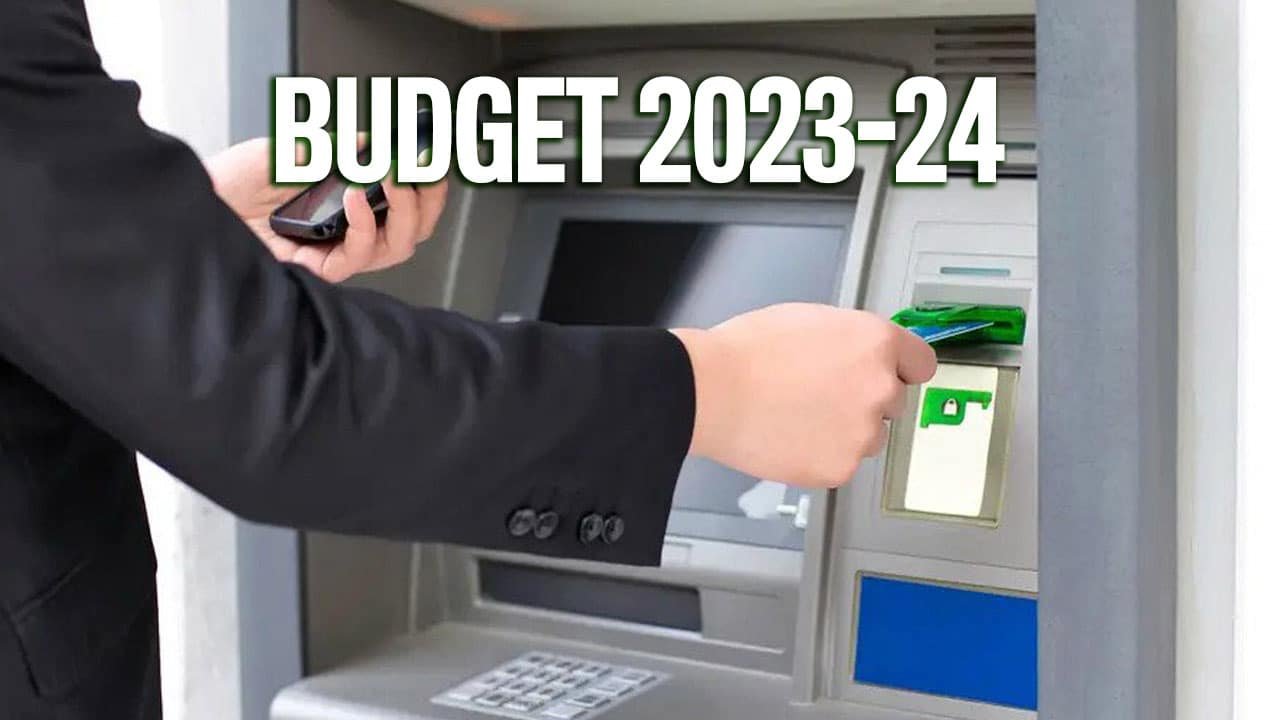
The federal government has announced the implementation of a flat 0.6 per cent tax for individuals who are not listed on the Federal Board of Revenue’s (FBR) Active Taxpayer List (ATL). This taxation policy, as outlined in the budget documents, aims to facilitate the documentation of the economy.
As per the official document, the government has chosen to impose a tax rate of 0.6 per cent on cash withdrawals exceeding Rs50,000.
The primary objective behind this initiative is to record the cash withdrawal data of individuals who are not on the ATL and encourage them to increase their transactional expenditure. The intention is to attract more individuals to become part of the tax system.
It is important to note that this legislation was previously in effect but was repealed by the previous administration through the Finance Bill 2021. However, certain significant measures introduced under the Finance Act 2022 to address non-compliance were not effectively enforced.
Consequently, the government has now made the decision to strictly enforce these measures in order to enhance the country’s tax revenue.
Petroleum prices are expected to jump by approximately Rs10-14 per litre for the upcoming two weeks. Credible industry sources suggest that the government may contemplate increasing the prices of petroleum products in response to the increasing oil prices in the global markets.
If the government considers compensating for exchange rate losses, as opposed to the previous review where the authorities did not transfer the impact of rupee devaluation to the public, the hike in prices could increase to as much as Rs14 per litre.
The ex-depot price of petrol in the country is currently Rs272 per litre, and according to the workings of the oil sector, it is expected to reach Rs286.77 per litre in the next review if the government passes on the impact of global oil prices and exchange rate losses. However, even if the government does not adjust for exchange losses, petrol prices are still likely to increase due to higher global oil prices. The anticipated increase in the price of petrol is based on the current rate of taxes, with the government levying an Rs50 per litre charge on petrol and zero general sales tax.
The expected rise in petrol prices is based on the Rs5 per litre exchange loss adjustment of Pakistan State Oil (PSO), which the government did not include in the past to keep petrol prices low. The prices of petroleum products would have been higher following the massive depreciation of the rupee against the dollar in the last two and a half months when, under International Monetary Fund (IMF) conditions, the market-based exchange rate was allowed.
On the other hand, the price of high-speed diesel (HSD) is expected to remain unchanged in the next review of prices, as the current ex-depot price of HSD is the same as the expected price for the next fortnightly period. The anticipated unchanged price of HSD is based on the Rs17.50 exchange loss adjustment of PSO, which was pending when the dollar price increased massively in the last few weeks. Sources suggest that if the government does not adjust for exchange rate losses, the diesel price may decrease by Rs15 per litre.
The government raised the petroleum levy on HSD to Rs50 per litre under IMF conditions in the last review of prices and charged no GST on it. According to sources, while the oil sector’s workings reflect a rise in petrol prices and no change in HSD, it is up to the government to decide. In the current scenario, the government has no option but to increase the price of petrol, as its financial space is already squeezed. Additionally, the government is making desperate efforts to revive the IMF program to shore up forex reserves.