Tag: taxes

  • ‘Sans par bhi tax ley lein,’ Sindh to tax Netflix subscriptions

    ‘Sans par bhi tax ley lein,’ Sindh to tax Netflix subscriptions

    If you’re a Netflix user in Pakistan, get ready to pay more for the streaming service. The Sindh Revenue Board (SRB) has added new taxes to your subscription fees.
    Starting now, Netflix users will have to pay a 3% sales tax on IT services. Additionally, if you’re making an international transaction to pay for your subscription and you’re a tax filer, there’s a five percent advance tax. On top of that, there’s a four percent card transaction charge when using debit or credit cards, plus a federal excise duty.

    Out of all the over-the-top (OTT) streaming services, Netflix continues to be the most well-known. It offers highly regarded TV series, films, documentaries, and other original material in various genres.
    The platform allows viewers to stream content on-demand over the internet to a variety of devices, including PCs, mobile phones, tablets, TVs, and consoles. While Pakistanis consume a lot of free content, many are happily paying for premium OTT services like Netflix.

    Recently, a new Finance Bill was introduced in 2024 that imposes tax on tech companies like Netflix that earn income in Pakistan through digital means and presence, even without a physical establishment.
    Last month The Federal Board of Revenue (FBR) has served a notice to Netflix for recovery of over Rs. 200 million in income tax.
    Effective immediately, subscribers will see additional charges on their Netflix subscriptions. Here’s how the new taxes will affect the current subscription rates:

    Mobile Plan: PKR 250
    Basic Plan: PKR 450
    Standard Plan: PKR 800
    Premium Plan: PKR 1,100

    Here are the Netflix subscription plans and their rates in Pakistan after the new taxes:

    Mobile Plan: PKR 324.80
    Basic Plan: PKR 584.64
    Standard Plan: PKR 1,039.36
    Premium Plan: PKR 1,429.12

    These new taxes are part of the government’s efforts to generate more revenue from digital services. So, the next time you settle down for a Netflix binge, be prepared for these extra charges on your bill.
    This new taxes significantly increase the total cost of Netflix subscriptions in Pakistan. This is something users need to be aware of when budgeting for their monthly entertainment expenses.

  • No plans for fixed tax on solar power, says Power Division

    No plans for fixed tax on solar power, says Power Division

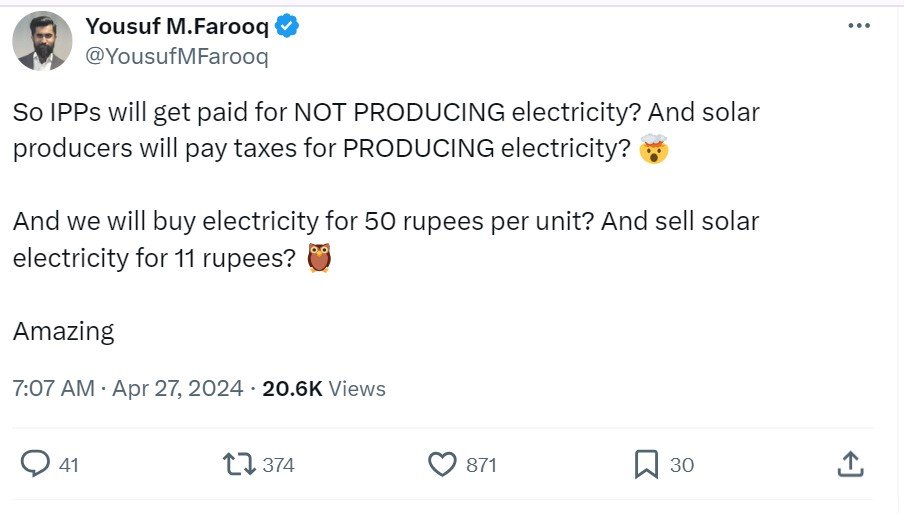
    The Power Division has dismissed recent media reports suggesting that the government is imposing a fixed tax on solar power.

    According to a notification released by the Information Ministry today, these reports are unfounded and inaccurate.

    The Power Division clarified in a statement that there is no substance to the claims about a fixed tax on solar power.

    It highlighted that neither the Central Power Purchasing Agency nor the Power Division has submitted any summary to the government proposing such a measure.

    The statement highlighted that the Net Metering Policy of 2017 was designed to encourage the use of alternative energy sources, contributing to a significant increase in solar energy adoption.

    This rapid solarization is seen as a positive trend, aligning with the government’s objectives to promote clean energy.

    The Power Division also mentioned that any proposed changes or amendments to current policies are aimed at alleviating financial burdens on the economically disadvantaged.

    It stressed that protecting the interests of the 152,000 net metering consumers remains a priority.

  • Ab solar panels pr bhi tax lage ga? Awaam furious at govt

    Ab solar panels pr bhi tax lage ga? Awaam furious at govt

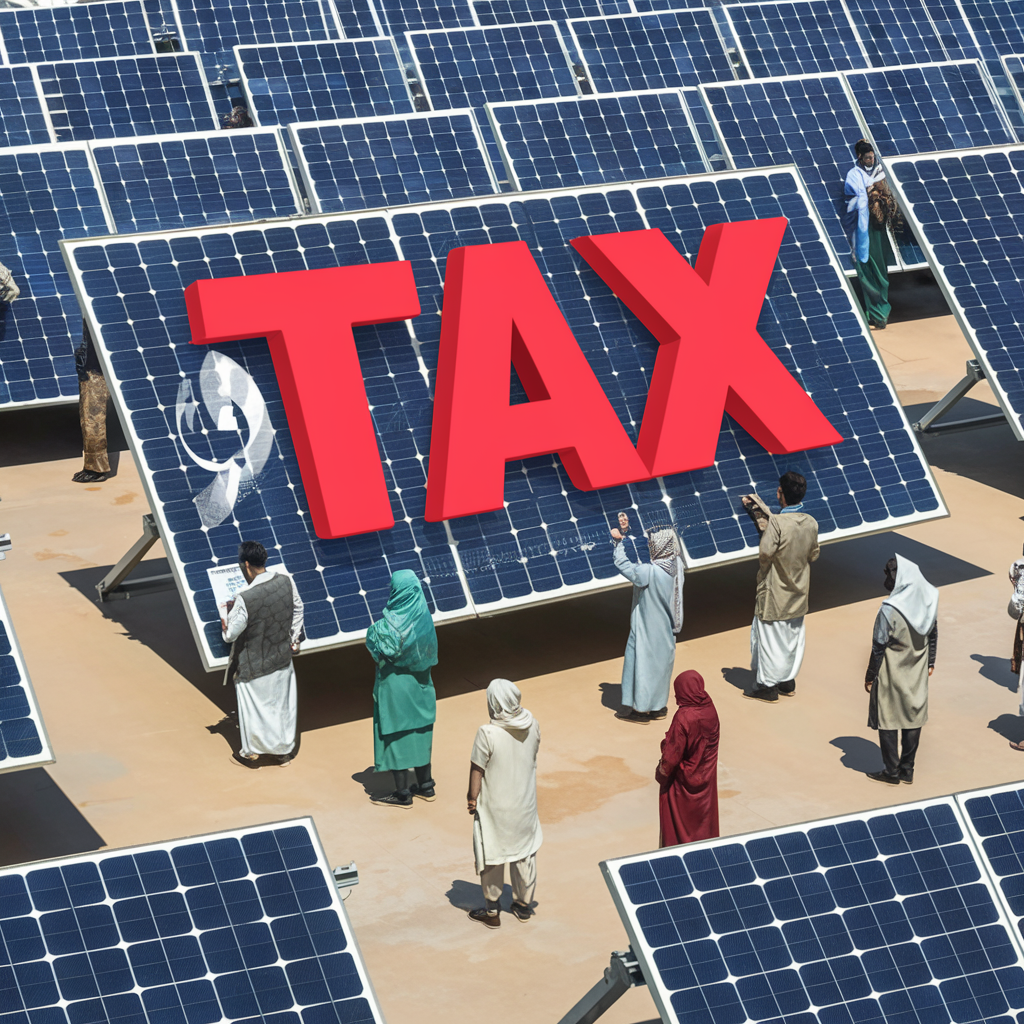
    The Central Power Purchasing Agency (CPPA) has sent a summary to the Ministry of Energy, proposing to impose taxes on domestic and commercial solar panels.

    Geo reported that it has been proposed to collect a tax of Rs. 2000 per Kilowatt from domestic and commercial solar panels that are in use.

    Furthermore, the summary suggested that tax be levied on 12 Kilowatt solar panel grids. According to sources, Rs. 24,000 would be charged to customers who are using a 12-kilowatt solar panel.

    It is not clear as yet whether this tax will be a one-time expense or a monthly expense.

    The summary has been sent to the Prime Minister for approval.

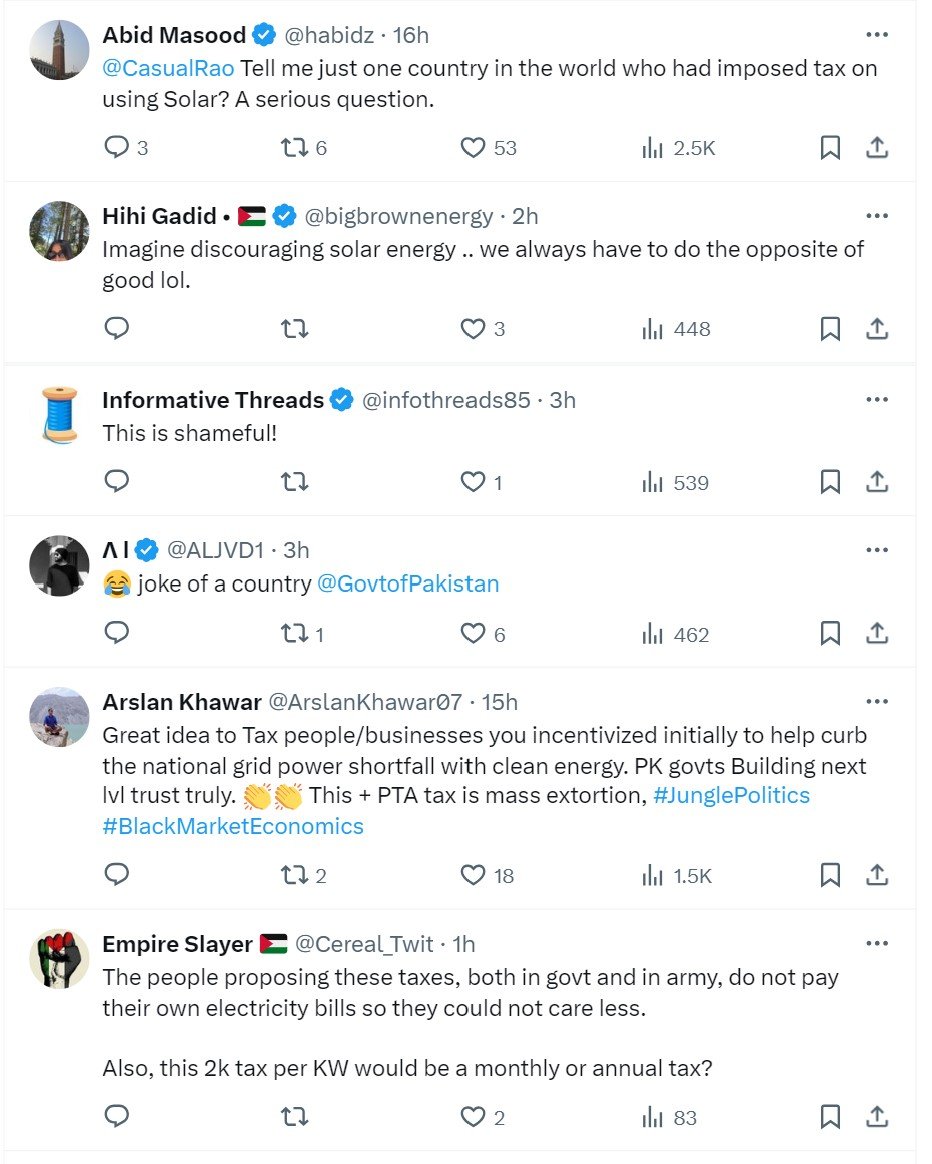
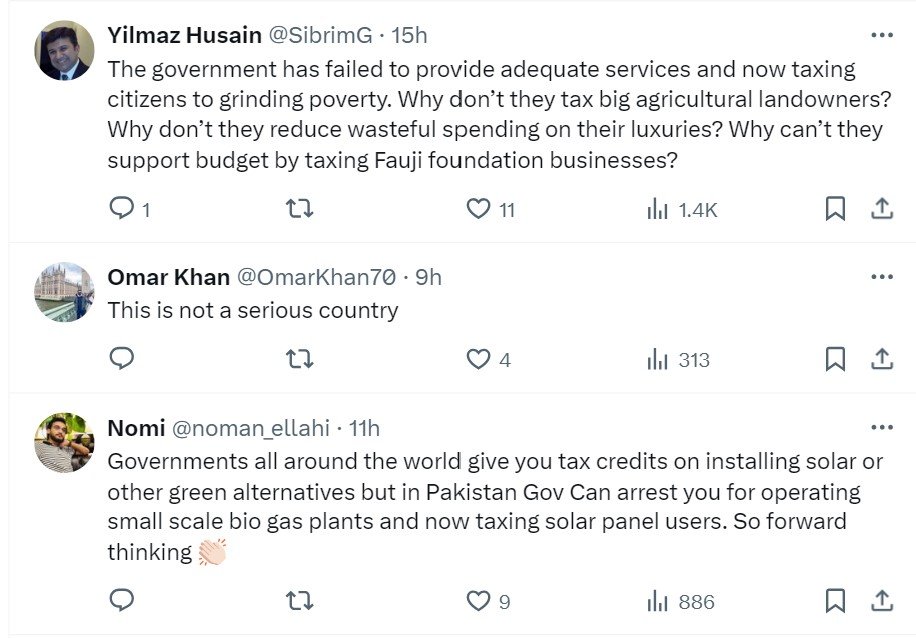
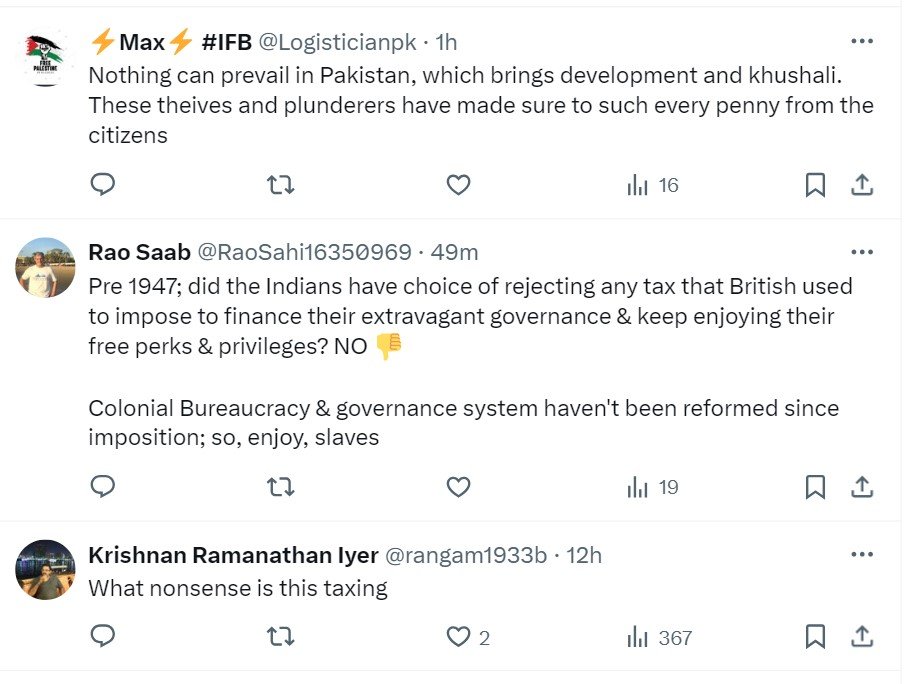
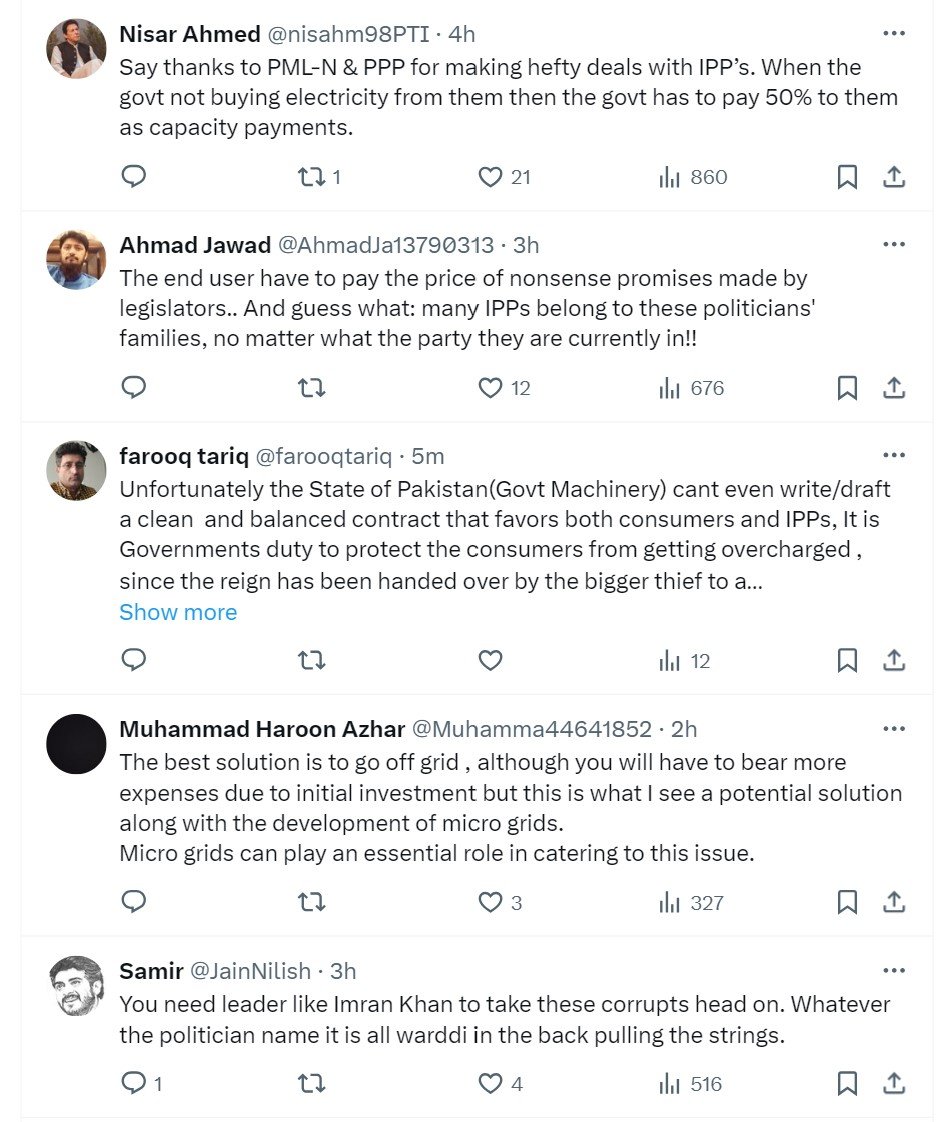
    Social media reacted angrily to the news.

    Meanwhile, reportedly the rates of solar panels are also under consideration and if the summary is approved, NEPRA will be requested to reduce the rates of solar panels further.

  • New tax to be imposed on citizens soon

    New tax to be imposed on citizens soon

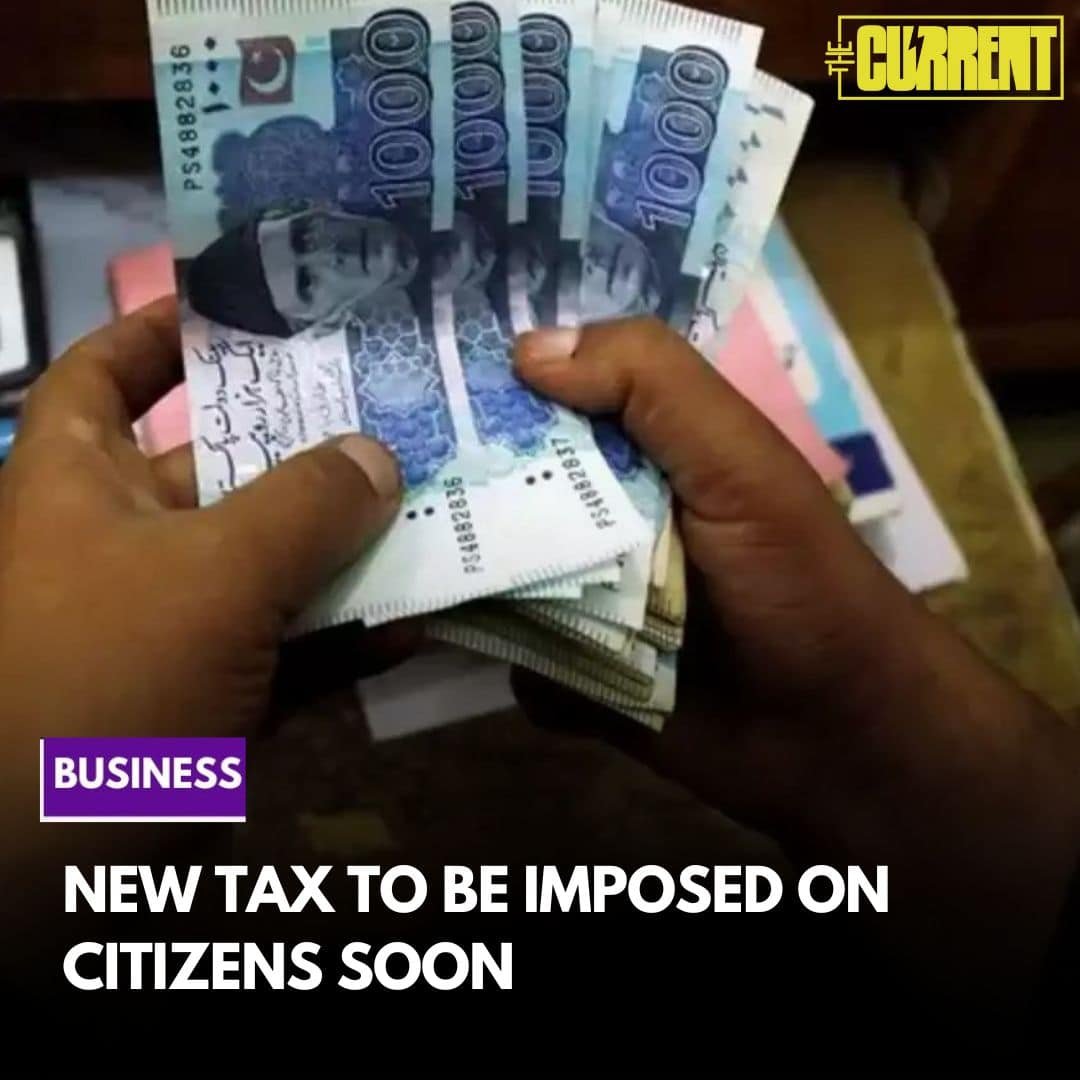
    The local government has unveiled a new tax that has drawn mixed reactions from citizens. 

    This latest tax, to be imposed in lieu of garbage collection, will be collected from households, shops, petrol pumps, and industrial units on a monthly basis.

    Starting from October, Multan and its neighboring areas will see this sanitation tax in effect. The tax rates are set at Rs50 for houses, Rs200 for shops, Rs1,000 for petrol pumps, and Rs2,000 for industrial unit owners on a monthly basis. 

    The government anticipates an annual revenue boost of approximately Rs4.28 billion through this tax initiative. However, the move has not been met with unanimous approval among citizens, many of whom have criticised it. 

    Meanwhile, amid ongoing discussions concerning the surging costs of electricity production in Pakistan, the Kot Addu Power Company has submitted an application to the National Electric Power Regulatory Authority (Nepra), seeking approval for what could potentially become the country’s most expensive electricity generation tariff.

    The proposal suggests an electricity tariff of Rs77.31 per unit, a significant increase from the current rate of twenty-eight rupees per unit. The power company attributes this substantial hike to rising production costs.

    Notably, the Kot Addu Power Company recently secured a sixteen-month extension during the Pakistan Tehreek-e-Insaf (PTI) administration. However, this extension has not escaped controversy, as the Senate Power Committee has declared it illegal, further fueling the debate over electricity tariffs in the country.

  • High interest rates and taxes lead to 20.90% drop in car financing in Pakistan

    High interest rates and taxes lead to 20.90% drop in car financing in Pakistan

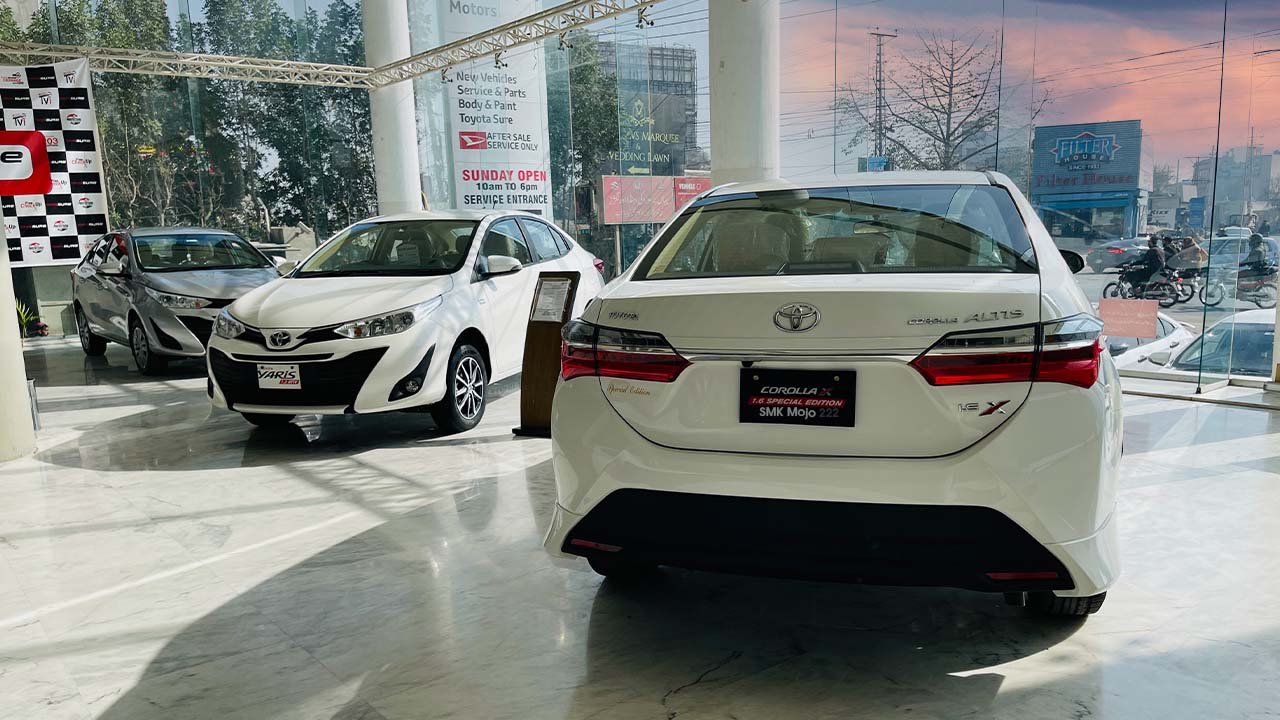
    In a notable shift, the landscape of automobile financing in Pakistan has undergone a substantial transformation, with figures from the State Bank of Pakistan (SBP) indicating a significant decline. The data, released by SBP, unveils a marked decrease in car financing, plummeting to Rs285.19 billion in July 2023. This represents a notable 20.90 per cent year-on-year (YoY) decrease and a 2.91 per cent month-on-month (MoM) decrease when compared to the figures from July 2022, which stood at Rs360.55 billion, and June 2023, which registered at Rs293.73 billion.

    The primary contributors to this downward trajectory are multi-faceted. Firstly, the imposition of higher interest rates has played a pivotal role in reshaping the car financing landscape. Additionally, the surge in car prices has also contributed significantly to this downturn. Moreover, regulatory restrictions governing the acquisition of loans have created a notable barrier, further impacting the market. Furthermore, the imposition of elevated taxes on the import of automobiles and their integral parts has compounded the challenges faced by the automobile financing sector.

    Contrastingly, in a separate but related sphere, consumer financing for house building displayed a contrasting narrative. SBP’s data reveals that by the conclusion of July 2023, consumer financing for house building registered at Rs211.11 billion, marking a commendable 4.82 per cent YoY increase. According to Mettis Global, this uptick can largely be attributed to SBP’s proactive measures to stimulate the housing and construction sector within the nation. However, in terms of monthly changes, the figures remained relatively static, with a minor decline of 0.57 per cent.

    Meanwhile, financing for personal use, amounting to Rs250.24 billion, experienced a marginal 0.09 per cent YoY decrease. Similarly, on a monthly basis, financing within this category saw a slight downturn of 0.95 per cent. Consequently, the cumulative credit extended to consumers in various segments reached Rs851.22 billion during the assessment month. This overall credit value reflected a notable 4.70 per cent YoY decline and a 0.99 per cent MoM reduction.

    Furthermore, the credit scenario within the private sector depicted a nuanced picture. Outstanding credit to the private sector encountered a minor 0.06 per cent YoY decrease and a slightly more pronounced 1.12 per cent MoM reduction, resting at Rs8.19 trillion in July 2023. In contrast, loans granted to the manufacturing sector exhibited an encouraging 1.12 per cent YoY increase, amounting to Rs4.48 trillion during the review period. However, on a monthly scale, the loans within the manufacturing sector dipped by 1.44 per cent MoM.

    In summation, the marked decline in car financing, as evidenced by SBP’s recent data, underscores the multifaceted challenges that the automobile financing sector in Pakistan is currently grappling with. While interest rates, car prices, and regulatory curbs have contributed to this downward trend, other sectors such as house building and manufacturing loans have demonstrated distinct trajectories. As the nation navigates through these financial dynamics, stakeholders remain vigilant in monitoring and adapting to these evolving circumstances.

  • Taxes in your electricity bill: What Pakistanis are paying and what for?

    Taxes in your electricity bill: What Pakistanis are paying and what for?

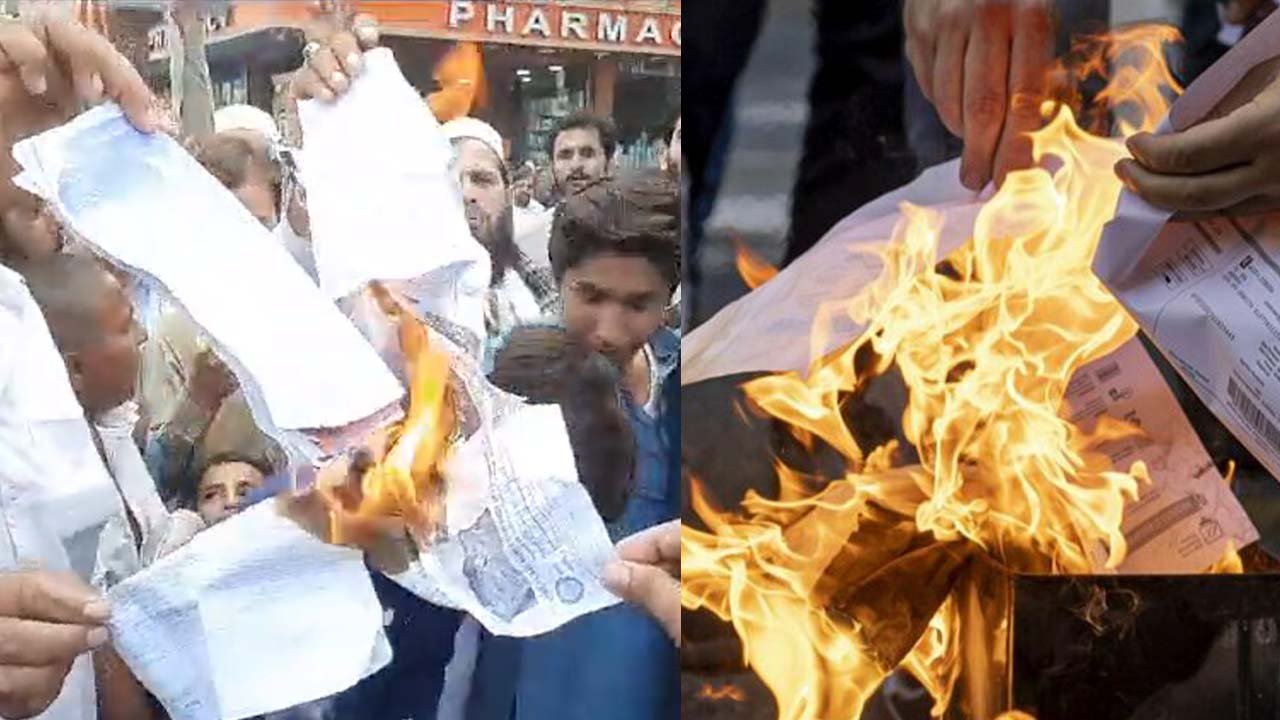
    Protests against exorbitant electricity prices continued to grip Pakistan as consumers from all corners of the country voiced their frustration by burning electricity bills and chanting slogans denouncing overcharging. With Pakistan facing a severe economic crisis and inflation rates surging to a staggering 29 per cent, citizens are grappling with the overwhelming impact of inflated electricity costs.

    The outcry has intensified as incumbent authorities adhering to an IMF deal have slashed power sector subsidies, resulting in unprecedented price hikes that have burdened already inflation-weary citizens. The new pricing structure has set electricity rates at a record high, significantly affecting the cost of living for the nation’s over 240 million inhabitants.

    Central to the grievances is the manner in which electricity bills are calculated. The basic charge is linked to kilowatt-hours (kWh) or units consumed, a component that carries an array of additional taxes. These taxes, directly borne by the masses, have contributed to the mounting frustration felt by the population.

    An individual from Gujranwala recently shared an eye-opening example of the impact of these charges. Despite consuming around 212 units in the previous month, he received an electricity bill of Rs10,500, while the cost of the electricity consumed was merely around Rs6,400. The disparity between consumption and billing has drawn attention to the various components contributing to the final cost.

    For those consuming slightly over 200 units, the Fuel Price Adjustment (FPA) accounts for approximately Rs250. This adjustment is contingent on the price of the fuel used in electricity generation. If the cost of fuel rises during power generation, WAPDA (Water and Power Development Authority) levies an additional charge in subsequent billing cycles.

    Breaking down the bill further, it reveals a complex web of charges. An electricity duty of around Rs100 is imposed, accompanied by a General Sales Tax (GST) of Rs1,316.

    Additional charges include Income Tax amounting to Rs900 and Extra Taxes totaling Rs366. The bill also features a peculiar charge of Rs227 labeled as ‘Further Taxes,’ which has prompted criticism from citizens questioning its purpose and transparency.

    Additional charges on the bill encompass Rs365 for Sales Tax, Rs680 for Financing Cost Surcharge (FC Surcharge), and Rs115 designated as ‘Taxes on FPA.’ Notably, non-filers of income tax are subjected to supplementary charges on their utility bills.

    As confusion mounts among consumers regarding the breakdown of charges, it is imperative for electricity consumers to comprehend the various taxes levied on their monthly bills. Diverse categories of consumers are subject to a range of taxes, duties, and surcharges, contributing to the complex structure of electricity pricing in Pakistan.

    Below is a list of the taxes and levies imposed on electricity consumers in Pakistan:

    Electricity Duty: Ranging from 1.0 per cent to 1.5 per cent of Variable Charges, this provincial duty is levied on all consumers.

    General Sales Tax (GST): At a rate of 17 per cent of the electricity bill, GST is levied on all consumers under the Sales Tax Act 1990.

    PTV License Fee: Domestic consumers pay Rs35, while commercial consumers pay Rs60 as PTV license fee in their electricity bills.

    Financing Cost Surcharge: This surcharge of Rs0.43 per kWh applies to all consumer categories except lifeline domestic consumers.

    Fuel Price Adjustment (FPA): FPA represents the difference between actual fuel charges and reference fuel charges. Positive variation leads to a charge, while negative variation benefits the consumer.

    Extra Tax: Imposed on industrial and commercial consumers not registered in the active taxpayer list, rates range from 5 per cent to 17 per cent based on different bill amount slabs.

    Further Tax: Levied at a 3 per cent rate on all consumers without a Sales Tax Return Number (STRN), except for domestic, agriculture, bulk consumers, and street light connections.

    Income Tax: Charged at varying rates depending on the applicable tariff and the electricity bill amount.

    Sales Tax: Commercial consumers face a 5 per cent sales tax on bills up to Rs20,000 and a 7.5 per cent tax on bills exceeding Rs20,000.

    With public discontent on the rise, authorities are urged to address the concerns of citizens and seek a balanced approach that mitigates the impact of these charges on the already struggling populace.

    As the nation grapples with economic uncertainties, finding a solution that eases the burden on citizens while ensuring the sustainability of the power sector remains a pressing challenge.

  • Over 500 personnel deployed by Rawalpindi police to provide security for IESCO and WAPDA employees amid protests

    Over 500 personnel deployed by Rawalpindi police to provide security for IESCO and WAPDA employees amid protests

    Large-scale protests erupted across Pakistan on Friday as traders’ associations and the general public voiced their frustration over skyrocketing electricity bills and heavy taxes. The demonstrations, which gained momentum in cities like Karachi and Islamabad, highlighted the widespread discontent with the financial burden faced by the population.

    In Karachi, a significant protest gathered steam with the backing of the Jamaat-e-Islami (JI) party. The focal point of the protest was a call for a reduction in the surging electricity prices and the additional taxes added to power bills.

    Rawalpindi saw its own protest against added electricity charges, with citizens chanting slogans against the Islamabad Electric Supply Company. Protesters in various cities also directed their chants against the Water and Power Development Authority (WAPDA) while symbolically burning electricity bills.

    The backdrop of these protests is the recent approval by the federal cabinet to increase the national average tariff. This move led to an increase of up to Rs7.5 per unit in the national uniform electricity tariff starting July 1, 2023. This pushed the total cost of electricity, including extra charges and taxes, beyond Rs55 per unit for certain categories of consumers.

    520 police officers deployed to secure IESCO and WAPDA offices

    The growing protests have also raised concerns about the safety of power company employees, prompting calls for enhanced security measures. In Rawalpindi, over 500 police personnel have been deployed to address potential public unrest.

    Here is a letter from IESCO requesting the police to enhance security at electricity offices:

    Amidst the escalating situation, the IESCO (Islamabad Electric Supply Company) has taken steps to secure their offices and installations. The Superintendent Engineer of Rawalpindi sent a request to the Central Police Officer (CPO) of Rawalpindi for additional security. According to Express Tribune, this step was taken due to agitated consumer groups visiting IESCO offices and staging protests, putting the safety of IESCO employees at risk during work hours.

    Following the request, the Rawalpindi police have taken action by assigning over 500 personnel to enhance security at electricity offices. A police spokesperson has confirmed that 520 officers and personnel are now in charge of keeping IESCO and WAPDA employees safe.

    The authorities are closely monitoring the situation, and the police officials are on high alert to ensure everything runs smoothly.

  • FBR freezes PIA’s bank accounts for not paying Rs2.8 billion in taxes

    FBR freezes PIA’s bank accounts for not paying Rs2.8 billion in taxes

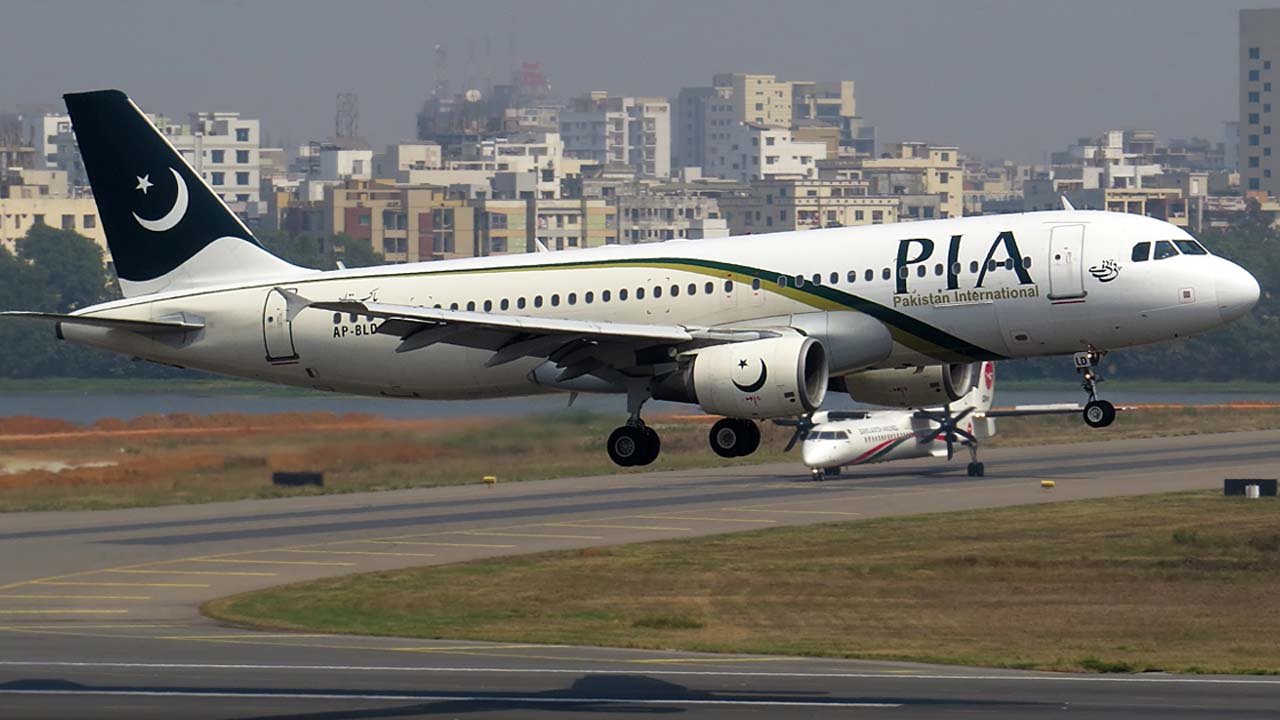
    Pakistan International Airlines (PIA), the national flag carrier, has found itself embroiled in a tax dispute as the Federal Board of Revenue (FBR) took the drastic step of freezing the airline’s bank accounts. This move comes at a critical time when the government has shifted the burden of revenue generation onto the general public, leading to growing concerns about the fairness of the taxation system.

    According to the FBR, PIA owes approximately Rs2.8 billion in taxes. However, the airline disputes this figure, claiming that the amount owed stands around Rs1.3 billion. A PIA spokesperson confirmed the ongoing communication between the airline’s management and the FBR, expressing hope that the bank accounts would be unblocked in the near future.

    Despite the harsh measure taken by the FBR, the PIA spokesperson reassured the public that the airline’s flight operations and other activities were continuing to function smoothly.

    The situation with PIA not paying taxes raises questions about the government’s tax collection policies. A recent report from the Finance Division revealed that government expenditure was on the rise in FY23, largely due to increased revenue collection through non-tax measures and indirect taxes. This indicates a failure to effectively broaden the tax base and implement direct taxation for various sectors.

    Critics argue that the government’s approach seems to focus on imposing indirect taxes on the masses, while offering some protection to the wealthier classes, even amid the current financial crunch. The freezing of PIA’s bank accounts further reinforces this perception, leaving the public questioning the fairness of the taxation system.

    Meanwhile, the report also highlighted that the government’s interest rate hikes policy is facing opposition, particularly from the business community. The State Bank of Pakistan has been unwilling to reverse the rate hikes, despite continuous protests and grave consequences faced by the public.

    As the PIA tax dispute continues, the government is under pressure to address the broader issues surrounding taxation and revenue generation to create a more equitable and sustainable financial framework.

  • Amended Finance Bill 2023: How much tax will you pay on your income?

    Amended Finance Bill 2023: How much tax will you pay on your income?

    The National Assembly has passed an amended Finance Bill 2023, marking a significant milestone in the country’s ongoing financial saga. With the revised bill meeting the rigorous conditions set forth by the International Monetary Fund (IMF), hopes are high that this last-ditch effort will unlock a vital infusion of bailout funds.

    The IMF had previously voiced its disappointment with the country’s initial budget, deeming it a missed opportunity to implement a more progressive and comprehensive tax framework.

    However, determined to rectify this setback, Finance Minister Ishaq Dar introduced a series of new taxes and expenditure cuts, which were instrumental in garnering the Assembly’s approval.

    Undoubtedly, the standout feature of this momentous bill is the introduction of fresh taxation measures projected to generate an impressive Rs215 billion in revenue.

    In a bold move towards fairness and equity, the Finance Bill also sanctions an increase in tax rates for higher income brackets within both the salaried and non-salaried classes.

    Outlined below are the revised income tax slabs for the year 2023, reflecting a more balanced approach to income taxation:

    Taxable income range Tax rate
    Not exceeding Rs600,000 0% (Tax-free)
    Rs600,001 – Rs1,200,000 2.5% of the amount exceeding Rs600,000
    Rs1,200,001 – Rs2,400,000 Rs15,000 + 12.5% of the amount exceeding Rs1,200,000
    Rs2,400,001 – Rs3,600,000 Rs165,000 + 22.5% of the amount exceeding Rs2,400,000
    Rs3,600,001 – Rs6,000,000 Rs435,000 + 27.5% of the amount exceeding Rs3,600,000
    Exceeding Rs6,000,000 Rs1,095,000 + 35% of the amount exceeding Rs6,000,000

    1. Tax-free threshold:

    Individuals with a taxable income not exceeding Rs600,000 are exempt from income tax obligations.

    2. Progressive tax rates:

    For those with taxable incomes exceeding Rs600,000 but not surpassing Rs1,200,000, a tax rate of 2.5 per cent will be levied on the amount exceeding Rs600,000.

    3. Unchanged tax rate for salaried individuals:

    Salaried individuals with taxable incomes ranging from above Rs1,200,000 to Rs2,400,000 will continue to face a tax rate of Rs15,000 plus 12.5 per cent of the amount exceeding Rs1,200,000.

    4. Moderate income brackets:

    Taxpayers with taxable incomes exceeding Rs2,400,000 but not surpassing Rs3,600,000 will experience a tax rate of Rs165,000 plus 22.5 per cent of the amount exceeding Rs2,400,000.

    5. Higher income brackets:

    Individuals falling within the income range of Rs3,600,000 to Rs6,000,000 will face a tax rate of Rs435,000 plus 27.5 per cent of the amount exceeding Rs3,600,000.

    6. Top earners:

    Those with taxable incomes exceeding Rs6,000,000 will be subject to a tax rate of Rs1,095,000 plus 35 per cent of the amount exceeding Rs6,000,000.

    With this bold and progressive tax structure, the Finance Bill 2023 promises to forge a more equitable financial landscape.

    As the nation eagerly awaits the release of the much-needed bailout funds, this resolute step taken by the National Assembly stands as a testament to the government’s determination to safeguard the country’s economic well-being and chart a path towards sustainable growth.

  • Proton increases car prices by more than Rs2.1 million in Pakistan

    Proton increases car prices by more than Rs2.1 million in Pakistan

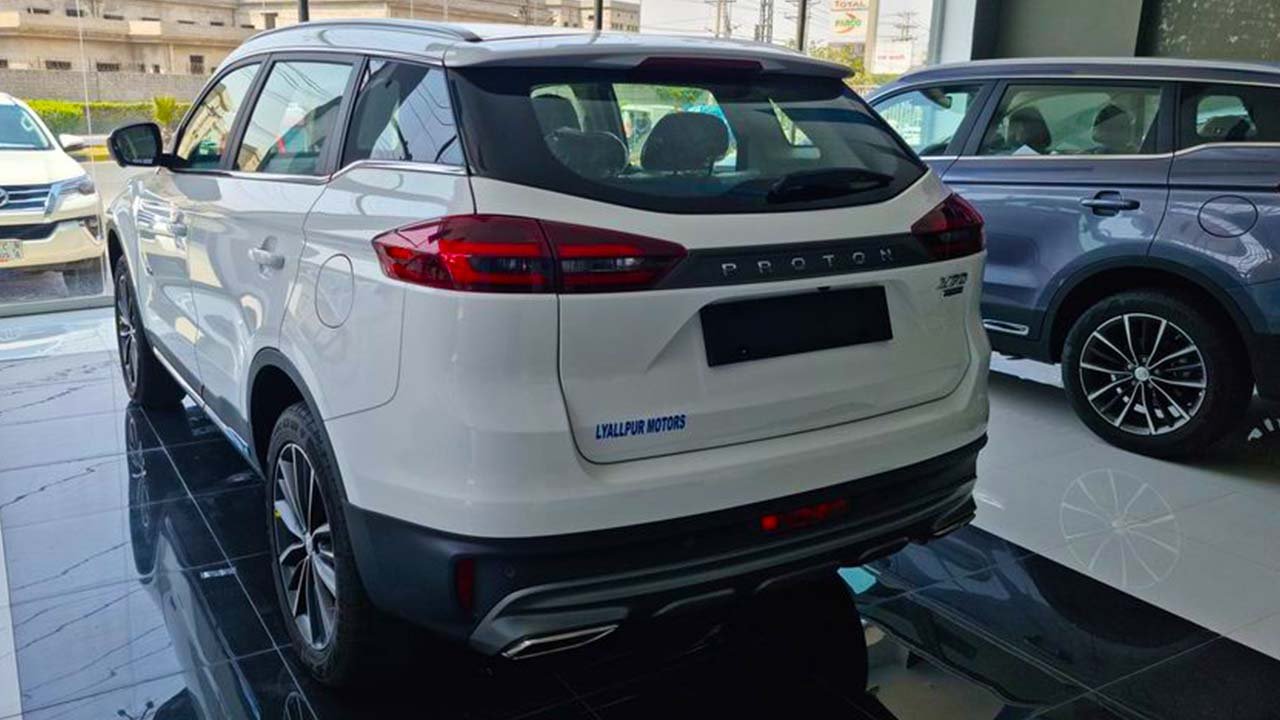
    In what has already been a challenging year for Pakistan’s car industry, Al-Haj Automotive, the assembler and seller of Proton cars in the country, has announced a significant price hike across its vehicle lineup. The move comes as the industry continues to grapple with production halts and a series of factors contributing to a worsening crisis.

    Throughout 2022, Al-Haj Automotive had refrained from increasing its prices, with the exception of the Saga Standard Automatic variant in February. However, the company’s recent announcement indicates a substantial shift in its pricing strategy, leaving customers in shock and further dampening the already struggling car market.

    The ongoing crisis in the Pakistani car industry has been attributed to several key factors. First and foremost, the depreciation of the Pakistani rupee against major currencies has led to increased costs for automakers who rely on imported components. Import restrictions imposed by the government have also played a role in limiting the availability of crucial parts and components.

    Furthermore, the industry has faced challenges due to the increase in taxes levied on automobile manufacturers. The rising freight charges have further added to the financial burden faced by car companies, affecting their ability to maintain reasonable pricing for consumers.

    In addition to these factors, the Pakistani car industry has been hit hard by escalating raw material prices, making it increasingly difficult for automakers to sustain production and keep prices affordable. Logistical hurdles and supply chain disruptions have only compounded the challenges faced by manufacturers, resulting in prolonged production halts and delivery delays.

    Against this backdrop, Al-Haj Automotive has released its updated price list, effective immediately. The new prices for the Proton vehicle lineup are as follows:

    Saga Standard Manual: PKR2,824,000 (old price) to PKR3,749,000 (new price), representing an increase of PKR925,000.

    Saga Standard Automatic: PKR3,299,000 (old price) to PKR3,949,000 (new price), reflecting an increase of PKR650,000.

    Saga ACE Automatic: PKR3,149,000 (old price) to PKR4,099,000 (new price), marking a significant rise of PKR950,000.

    X70 Executive AWD: PKR6,740,000 (old price) to PKR8,799,000 (new price), indicating a staggering increase of PKR2,059,000.

    X70 Premium FWD: PKR7,190,000 (old price) to PKR9,299,000 (new price), representing a substantial hike of PKR2,109,000.

    These price hikes by Al-Haj Automotive are expected to further burden potential car buyers and impact the demand in an already beleaguered market. The company, like other automakers in Pakistan, has attributed the need for such price increases to the challenging economic conditions and various hurdles faced by the industry.

    As Pakistan’s car industry continues to grapple with the ongoing crisis, consumers and stakeholders are anxiously awaiting measures from the government and industry leaders to stabilise the market and provide relief to both manufacturers and customers alike.