Tag: tech industry

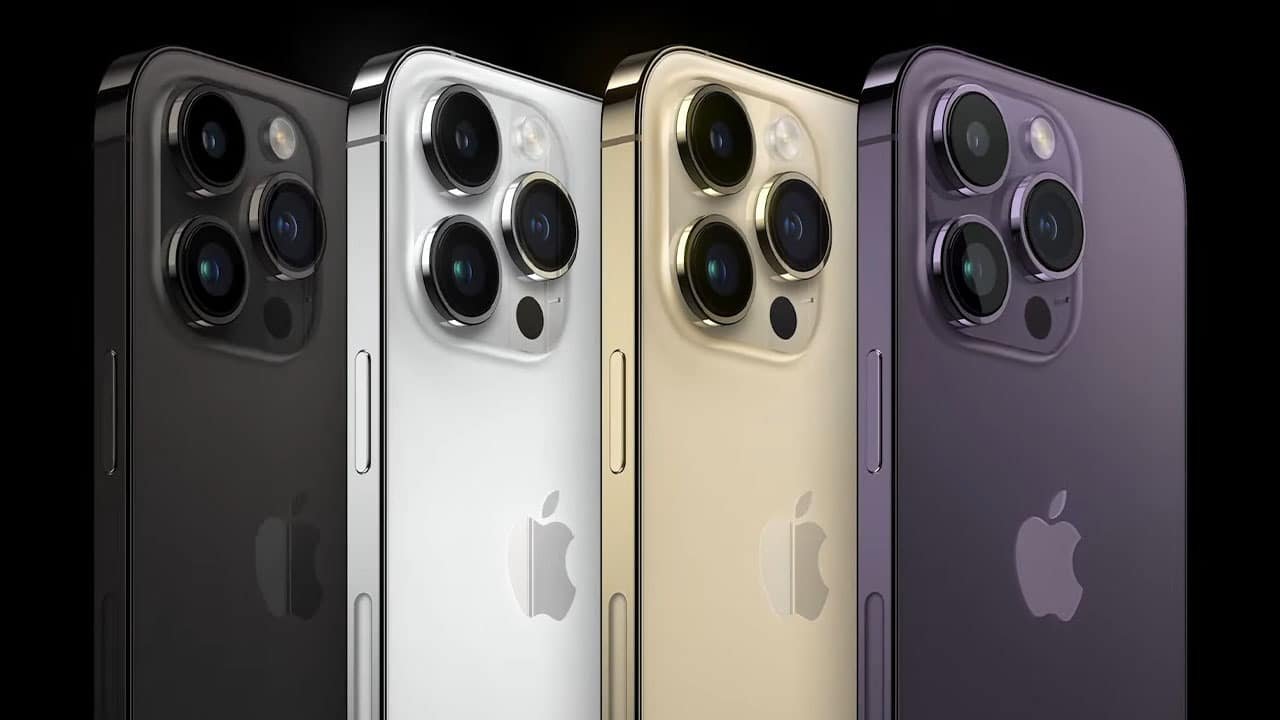
  • Apple’s iPhone sales decline by 24% in China, while Huawei’s sales surge

    Apple’s iPhone sales decline by 24% in China, while Huawei’s sales surge

    In the first six weeks of 2024, Apple experienced a significant downturn in iPhone sales in China, facing a 24 per cent year-on-year decrease, according to a report by research firm Counterpoint.

    The decline was attributed to heightened competition from local rivals, notably Huawei, which witnessed a remarkable 64 per cent increase in unit sales during the same period.

    Apple, once holding the second position in the Chinese smartphone market in 2023 with a 19 per cent market share, now finds itself in fourth place with a reduced share of 15.7 per cent.

    On the other hand, Huawei climbed to second place, expanding its market share from 9.4 per cent to 16.5 per cent year-over-year.

    Counterpoint’s senior analyst, Mengmeng Zhang, explained the dynamics, stating that Apple faced formidable competition from a resurgent Huawei at the high end while also encountering pricing pressures from domestic brands like OPPO, Vivo, and Xiaomi in the middle segment.

    To counteract the decline, Apple initiated measures such as subsidising certain iPhone models by up to 1,300 yuan ($180.68) through flagship stores on Tmall, Alibaba’s major marketplace platform.

    Earlier, the company had offered discounts of up to 500 yuan on its official sites.

    Huawei’s resurgence in premium smartphone sales was attributed to the successful release of its Mate 60 series in August.

    Overcoming years of challenges posed by US restrictions on key component exports, Huawei managed to reclaim its position in the market.

    Additionally, Honour, the smartphone brand that separated from Huawei in 2020, witnessed a 2 per cent increase in unit sales, making it the only other top-five brand to experience growth in the first six weeks of the year.

    Contrastingly, Chinese brands Vivo, Xiaomi, and Oppo faced declines of 15 per cent, 7 per cent, and 29 per cent, respectively, highlighting the fiercely competitive landscape in the Chinese smartphone market.

    Overall, the report indicates a 7 per cent shrinkage in the country’s smartphone market during this period.
  • AI’s disruptive power hits tech industry: Job cuts and demand for AI experts

    AI’s disruptive power hits tech industry: Job cuts and demand for AI experts

    The rise of artificial intelligence (AI) has sparked concerns about job displacement in the future. However, it is already having an impact in the tech industry, where employees once seemed secure in their positions. 

    A growing number of tech companies are attributing layoffs and reevaluations of new hires to AI advancements happening right in Silicon Valley.

    For example, Chegg, an education technology company, recently announced in a regulatory filing that it would be cutting 4 per cent of its workforce, around 80 employees. The reason given was to align the company with its AI strategy and create sustainable value for students and investors.

    IBM’s CEO, Arvind Krishna, stated in a May interview with Bloomberg that the company plans to pause hiring for roles that could be potentially replaced by AI in the future. However, in a subsequent interview with Barrons, Krishna clarified that his comments were taken out of context, emphasising that AI will generate more jobs than it eliminates.

    In late April, Dropbox, a file-storage service, revealed that it would be reducing its workforce by approximately 16 per cent, or 500 employees, also citing AI as a factor. Outplacement firm Challenger, Gray & Christmas reported that in May alone, 3,900 individuals were laid off due to AI, marking the first time job cuts were specifically attributed to this factor. All of these layoffs occurred within the tech sector.

    These developments in Silicon Valley not only demonstrate its leadership in AI development but also provide insight into how businesses might adapt to these tools. Rather than rendering entire skill sets obsolete overnight, AI is currently compelling companies to redirect resources to maximize its potential. Consequently, workers with AI expertise are in high demand.

    Dropbox CEO Drew Houston, in a note announcing the job cuts, acknowledged that AI has captured people’s imagination and expanded the market for AI-powered products. He highlighted the need for a different skill set, particularly in AI and early-stage product development, for the company’s future growth.

    Dan Wang, a professor at Columbia Business School, believes AI will lead to organizational restructuring but does not foresee machines entirely replacing humans just yet. He suggests that AI enhances human work rather than replaces it. Wang argues that the real competition lies in human specialists who can effectively leverage AI tools.

    Overall, the influence of AI is already evident in the tech industry, prompting companies to adapt their strategies and prioritize workers with AI expertise, rather than causing immediate job obsolescence.

  • Apple may launch a cheaper version of Vision Pro next year

    Apple may launch a cheaper version of Vision Pro next year

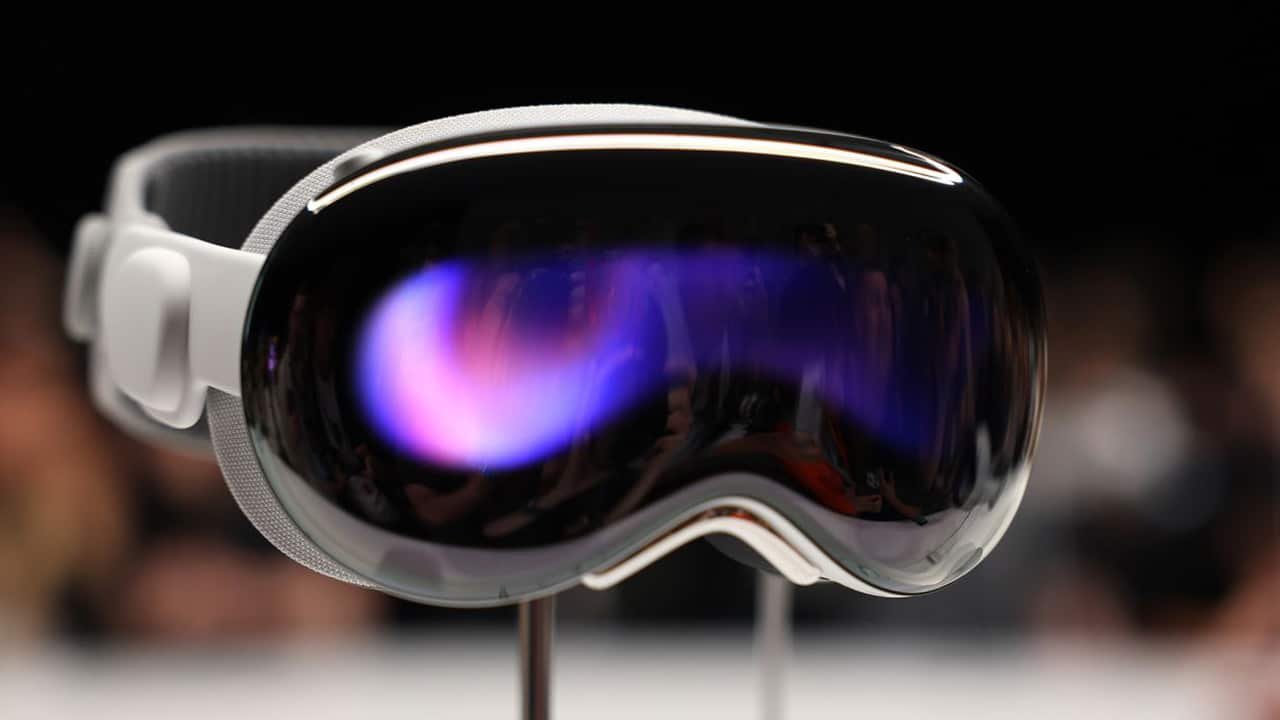
    Apple made a grand announcement at WWDC this week, unveiling their revolutionary Vision Pro spatial computer. With a hefty price tag of $3,500, this cutting-edge device won’t hit the shelves until early 2024. However, Apple isn’t stopping there; they’re actively developing a more affordable version of this futuristic product.

    According to Mark Gurman, Apple has set its sights on releasing an affordable AR/VR spatial computer by the end of 2024. As expected, Apple is simultaneously working on an upgraded version of the Vision Pro, promising an even faster processor for mind-boggling performance.

    Now that the Vision Pro name is out in the open, speculation runs wild about the potential name for its cheaper counterpart. Gurman suggests “Apple Vision” or perhaps “Apple Vision One.” But the burning question remains: how will Apple manage to slash the price? Gurman’s got a few intriguing ideas up his sleeve.

    In the initial Vision Pro model, the costliest components are the M2 and R1 chips, the remarkable 4K micro-LED displays, and the advanced camera and sensor hardware. To trim costs, Apple might opt for lower-quality screens, a slightly less powerful processor, and a reduced number of cameras and sensors. Additionally, the spatial audio speakers within the headset could be omitted, with users encouraged to rely on their trusty AirPods Pro for an immersive audio experience.

    But that’s not all. Apple could also simplify the headband design, insist on AirPods for spatial audio instead of including speakers within the Vision Pro strap, switch to a physical adjustment mechanism for IPD (the distance between eye pupils), and even eliminate features like the 3D camera. When combined with refined production methods, economies of scale, and a more cost-effective frame, one can imagine Apple knocking off a significant chunk from the price tag.

    Yet, Gurman astutely points out that there are certain aspects where Apple won’t compromise. The external EyeSight screen, responsible for showcasing the wearer’s eyes, along with the essential eye- and hand-tracking system, are intrinsic to the Apple Vision experience—akin to how a touchscreen is inseparable from an iPhone. So, it’s highly likely that these captivating features will be retained in the more affordable model, ensuring a mesmerizing and immersive journey for users.

  • Godfather of AI resigns from Google, issues warning on dangers of AI development

    Godfather of AI resigns from Google, issues warning on dangers of AI development

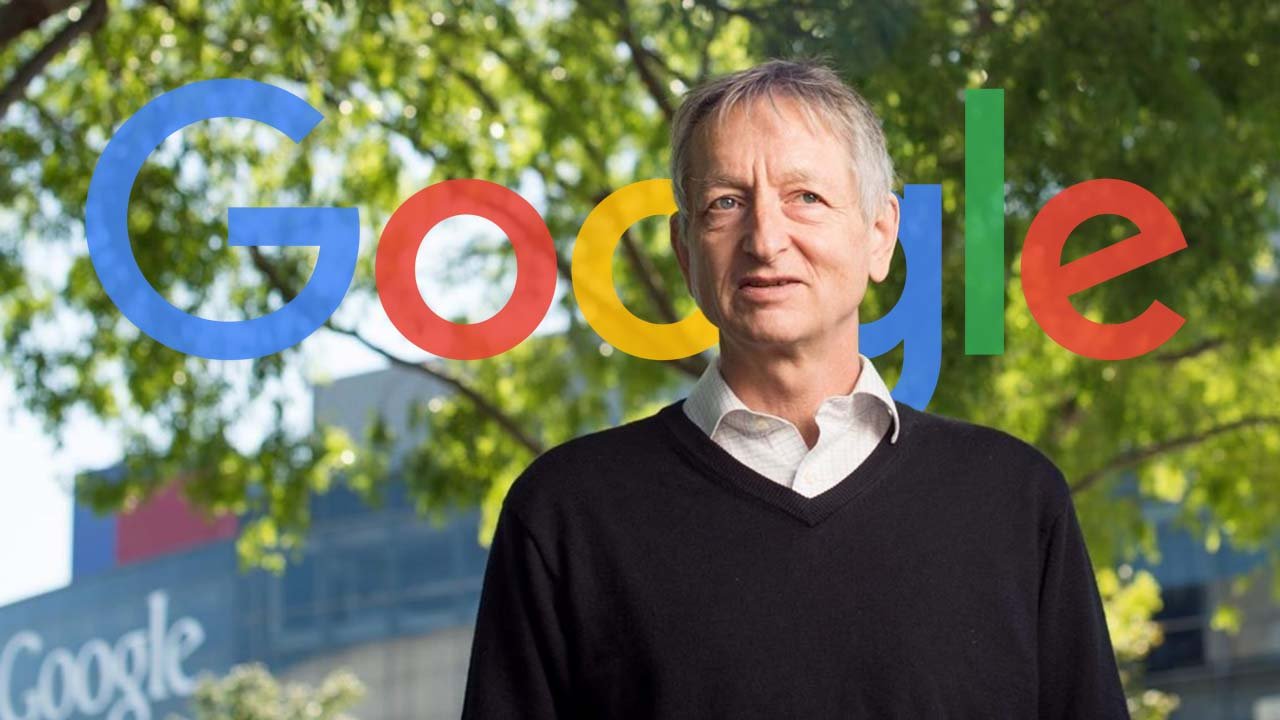
    Geoffrey Hinton, known as “the Godfather of AI,” has spent most of his career promoting the benefits of artificial intelligence, but now he is concerned about its potential dangers. He recently spoke to the New York Times about his decision to leave Google, where he co-founded Google Brain, a research team developing AI systems, citing concerns about the difficulty of preventing bad actors from using the technology for malicious purposes. Hinton is not alone in his apprehension about AI’s future, as other AI pioneers have expressed similar concerns.

    One of Hinton’s primary concerns is the spread of misinformation enabled by AI, such as deepfakes and AI-generated fake news, which can confuse people and blur the lines between reality and fiction. He worries that people will no longer be able to distinguish what is true from what is not.

    Hinton is also concerned about the rapid pace of AI technology advancement, which has been fueled by competition among major tech companies like Google and Microsoft. He is worried that the technology will become more advanced than the human brain, something he once believed was decades away from happening.

    Now 75, Hinton is dedicating the rest of his life to ensuring that the technology he helped create won’t lead to the destruction of civilization. He acknowledges the possibility that others would have developed AI had he not done so, but he still feels a sense of responsibility to help mitigate the potential negative consequences of its use.