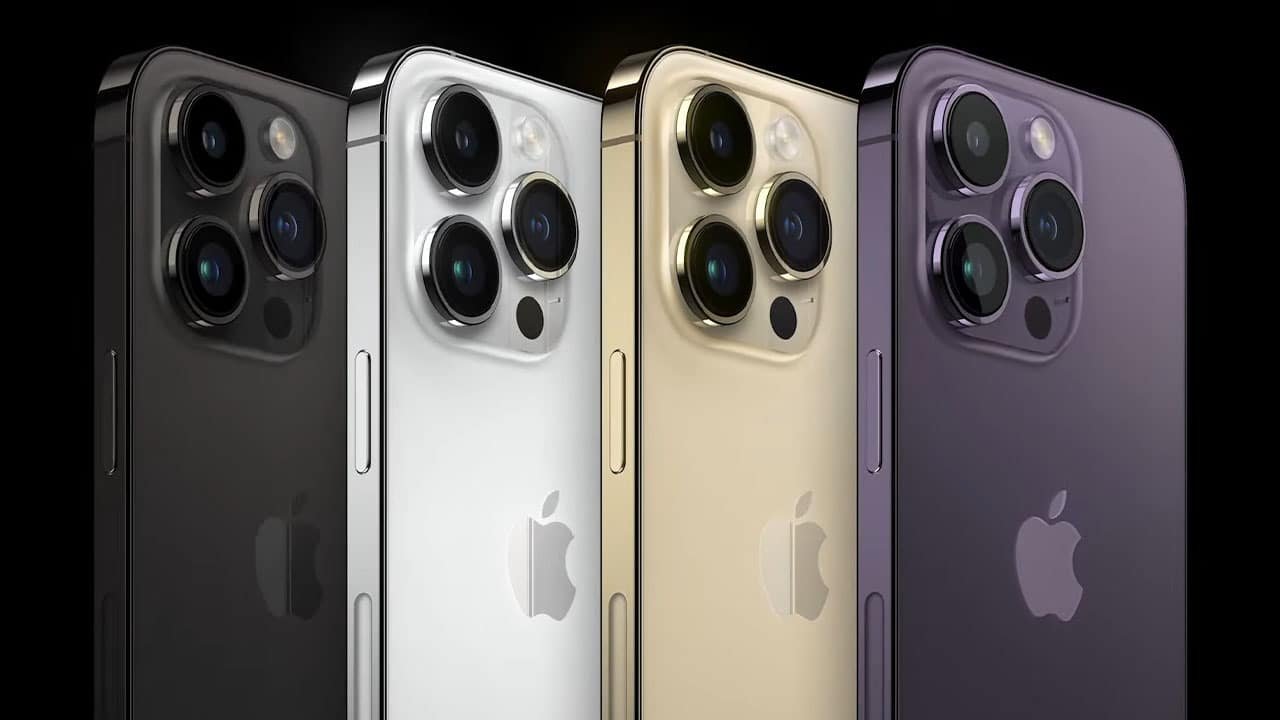
Tag: tech news

  • Apple Watch import ban goes into effect in US patent clash

    Apple Watch import ban goes into effect in US patent clash

    A US import ban on certain Apple smartwatch models came into effect Tuesday, after the Biden administration opted not to veto a ruling on patent infringements.

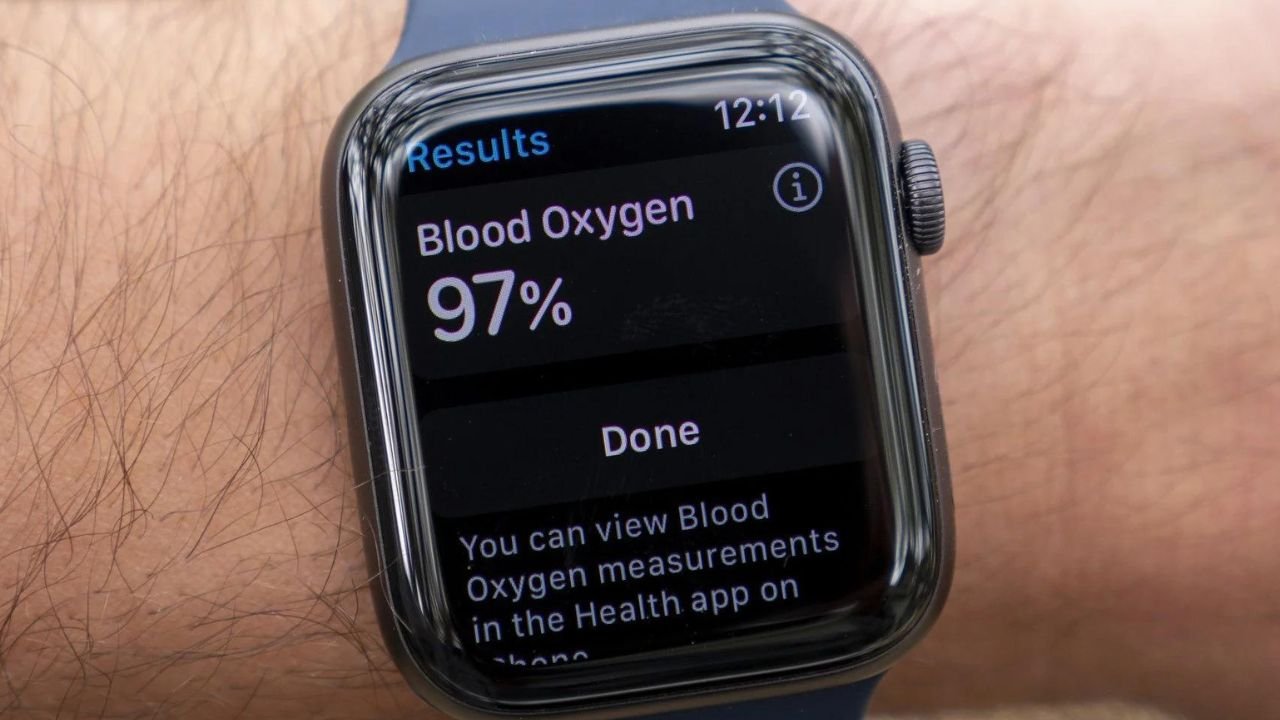
    The United States International Trade Commission (ITC) decided in October to ban Apple Watch models over a patented technology for detecting blood-oxygen levels.

    Apple contends that the ITC finding was in error and should be reversed, but last week paused its US sales of Apple Watch Series 9 and Apple Watch Ultra 2.

    The order stemmed from a complaint made to the commission in mid-2021 accusing Apple of infringing on medical device maker company Masimo Corp’s “light-based oximetry functionality.”

    “After careful consultations, Ambassador (Katherine) Tai decided not to reverse the… determination and the ITC’s decision became final on December 26, 2023,” the president’s executive office said in a statement on Tuesday.

    Apple has been steadily ramping up fitness and health features with each generation of its Apple Watch, which dominates the smartwatch category.

    In September, Apple released its Apple Watch Series 9, touting increased performance along with features such as the ability to access and log health data.

    “Our teams work tirelessly to create products and services that empower users with industry-leading health, wellness and safety features,” Apple said when the ITC ban was issued.

    “Masimo has wrongly attempted to use the ITC to keep a potentially lifesaving product from millions of US consumers while making way for their own watch that copies Apple.”

    In May, a trial of Masimo’s allegations ended in a mistrial after jurors failed to reach a unanimous verdict.

    Late last year, Apple filed two patent infringement lawsuits accusing Masimo of copying Apple Watch technology.
  • Meta issues apology for labelling pro-Palestinian users as terrorists on Instagram 

    Meta issues apology for labelling pro-Palestinian users as terrorists on Instagram 

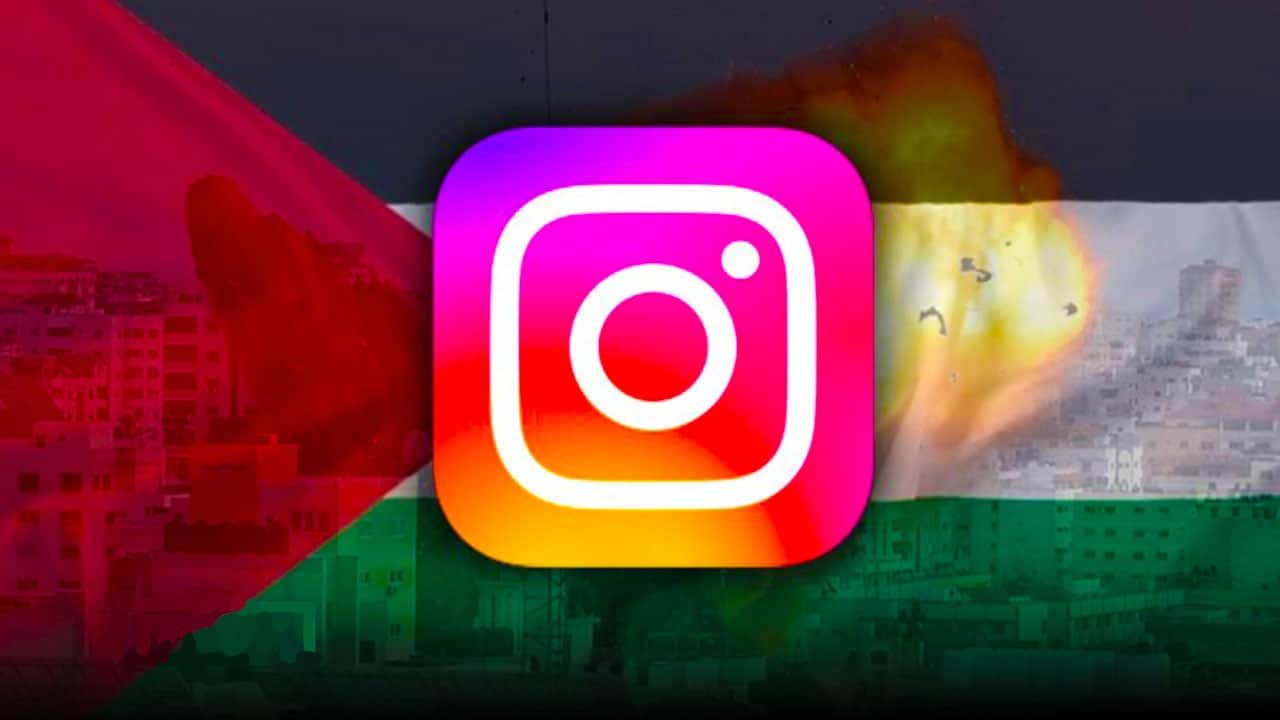
    Meta, the parent company of Instagram, has issued an apology for an incident where the term “terrorist” was added to the profile bios of certain Instagram users identifying themselves as Palestinian.

    The issue arose when the word “Palestinian” was written in English on their profiles, along with the Palestinian flag emoji and the Arabic phrase “Alhamdulillah” (which translates to “Praise be to God”). 

    Upon auto-translation to English, the phrase read: “Praise be to God, Palestinian terrorists are fighting for their freedom.”

    “We fixed a problem that briefly caused inappropriate Arabic translations in some of our products. We sincerely apologise that this happened,” a Meta spokesperson said.

    This translation error was pointed out by a TikTok user, khanman1996, who tested various combinations and found that they all translated to “terrorist.” It’s worth noting that @khanman1996, although not Palestinian himself, discovered this issue after being informed by a Palestinian friend. 

    Meta has acknowledged and rectified the problem, stating that it was a technical error rather than an intentional action. Additionally, the platform has faced accusations of suppressing content expressing support for Palestinians, particularly during the Israel-Gaza conflict.

    Some users reported being “shadow banned,” a practice where posts are intentionally made less visible to others, allegedly due to their pro-Palestinian content. 

    Meta responded to these accusations, clarifying that a bug affecting Stories (a feature on Instagram) occurred, reducing the reach of posts, but insisted that it was unrelated to the content’s subject matter.

    The company stated that new measures have been implemented to tackle harmful content on their platforms, particularly during times of conflict, and denied deliberately suppressing anyone’s voice.

    This follows previous accusations of Instagram suppressing pro-Palestinian content, raising concerns about social media platforms’ handling of sensitive political topics. 

  • Apple faces competition as Google releases Pixel 8 and AI-powered smartwatch

    Apple faces competition as Google releases Pixel 8 and AI-powered smartwatch

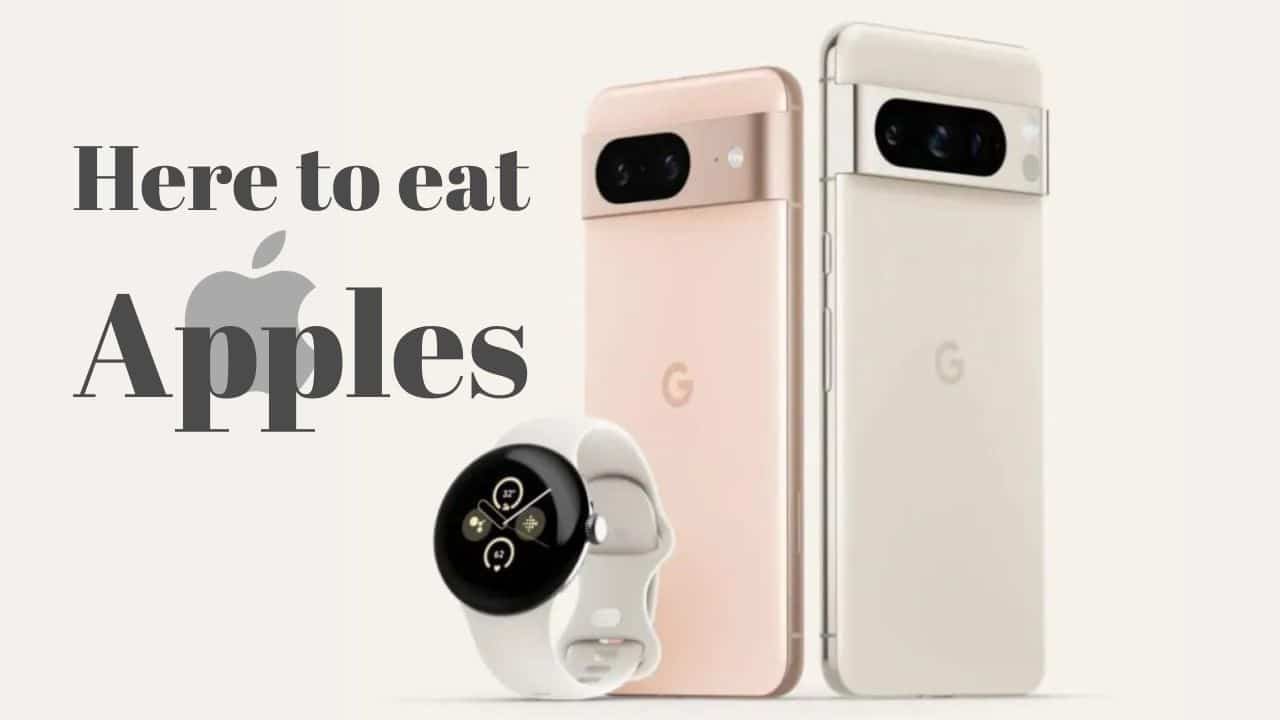
    The Apple iPhone 15 series now faces fresh competition as Google introduced its latest smartphone, the Pixel 8, on Wednesday, alongside a new smartwatch that seamlessly integrates advanced artificial intelligence (AI) technology into its core consumer devices.

    The enhancements made to the Pixel phones, which are particularly popular among photography enthusiasts and those who prefer a pure Android experience, have the potential to make them more appealing to shoppers as they plan their holiday season purchases.

    Google has upgraded the Pixel lineup by equipping it with the Tensor G3 mobile processor, which includes native machine learning and generative AI models. These AI features can assist users in various ways, such as improving photography, summarising web content, and blocking unwanted spam calls. This announcement was made during the Made by Google event held in New York.

    Additionally, the higher-end Pixel 8 Pro now features a temperature sensor, and Google has applied for approval from the Food and Drug Administration to enable a thermometer app for measuring body temperature.

    The Pixel 8 is priced starting at $699, while the Pixel 8 Pro starts at $999, making it $100 more expensive than the previous generation models. Both models will be available for purchase starting on October 12th.

    At the event, Google emphasized its commitment to mobile AI, a direction that IDC analyst Ryan Reith noted could have a significant impact on the industry, especially in the US, if accompanied by strong marketing efforts.

    Notably, in the previous month, Apple launched a new series of iPhones that included improvements in design and performance but did not increase prices, reflecting the ongoing challenges in the global smartphone market.

    According to IDC, Google’s Pixel ranks 12th globally in terms of smartphone shipments, holding a 0.9 per cent market share. The largest market for Pixel devices is the United States, accounting for approximately 39 per cent of global shipments, followed by Japan at 29 per cent and the UK at 9 per cent.

    In addition to the smartphone and smartwatch announcements, Google also revealed plans to integrate generative AI capabilities into its virtual assistant, enabling it to assist users with tasks like trip planning and email management while also asking follow-up questions.

    Furthermore, Google introduced the Google Watch 2, an upgraded version of its first smartwatch released in October of the previous year. It is priced at $349 and comes with a digital crown and advanced health tracking features powered by AI.

  • Google to tighten security against spammers targeting Gmail users

    Google to tighten security against spammers targeting Gmail users

    Google announced on Tuesday that it is implementing stricter measures to combat spam messages targeting Gmail users. Under these new measures, senders who exceed a daily threshold of 5,000 messages to Gmail users will be required to include a one-click unsubscribe button in their emails.

    Additionally, they must undergo email address authentication to confirm ownership of their domain name and prevent IP address spoofing.

    Furthermore, Google has introduced a policy where it may withhold delivery of messages from senders whose emails consistently receive a high spam marking rate, falling below a “clear spam rate threshold” of 0.3 per cent, as assessed by Google’s Postmaster Tools. Google has also enlisted Yahoo to adopt these changes, which are set to take effect in February 2024.

    These actions underscore the ongoing battle between major tech companies and spammers who exploit open systems like email for fraudulent purposes, causing annoyance to users. While machine learning has been employed for years to combat spam, it remains a constant struggle as spammers continuously develop new tactics to bypass filters.

    In a blog post, Google’s product manager, Neil Kumaran, likened these changes to a necessary tune-up for the email ecosystem, emphasising that email security, user-friendliness, and spam prevention require ongoing collaboration and vigilance from the entire email community.

    It’s worth noting that Google’s adjustments may also impact legitimate marketers who rely on email for customer engagement, particularly the requirement for a convenient unsubscribe option. In 2022, approximately half of all emails sent were estimated to be spam, according to Kaspersky Anti-Virus.

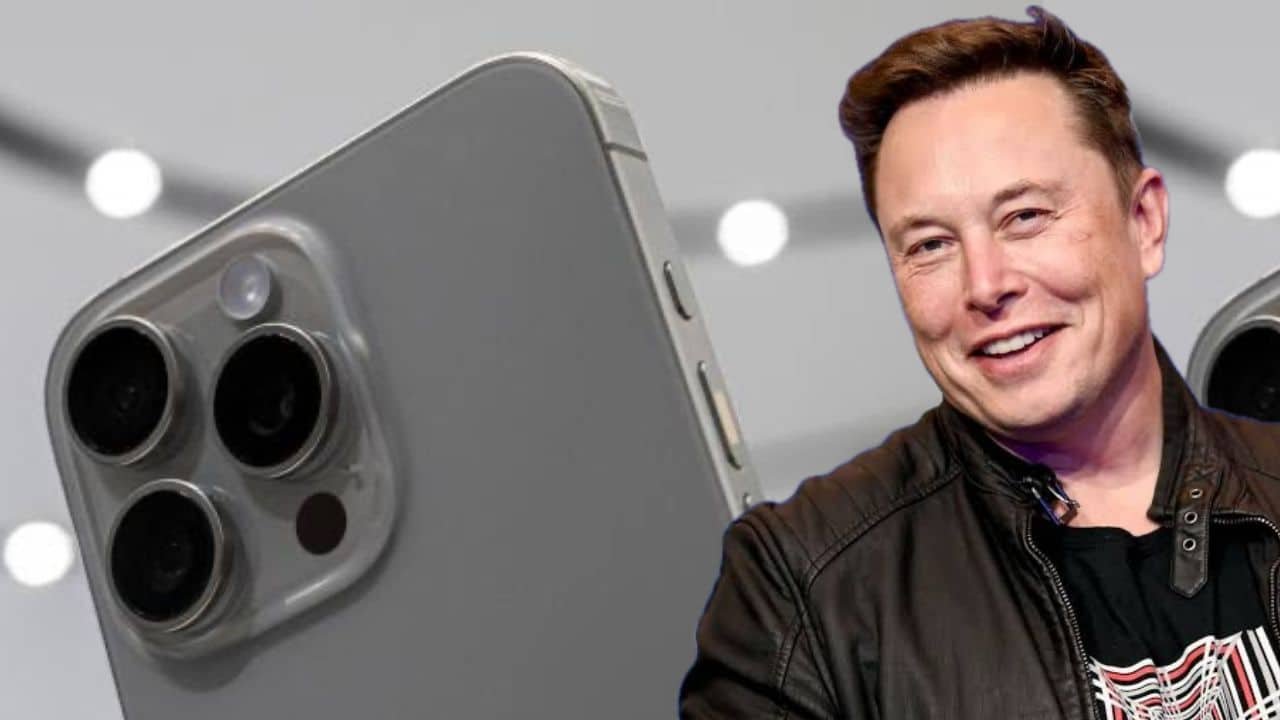
  • Tesla CEO Elon Musk is buying an iPhone 15 due to its ‘incredible’ camera

    Tesla CEO Elon Musk is buying an iPhone 15 due to its ‘incredible’ camera

    Apple’s latest flagship, the iPhone 15, made headlines after its debut at the company’s Wonderlust event on September 12. It became available to eager customers on September 22, causing long queues at Apple stores worldwide. Billionaire Elon Musk has announced his intention to purchase the iPhone 15, a sentiment shared by many.

    Apple’s CEO, Tim Cook, took to X (formerly Twitter) to share images featuring renowned photographers Stephen Wilkes and Reuben Wu. One image depicts the photographers presenting their work to Cook, demonstrating the limitless creative potential of the iPhone 15 Pro Max. The vibrant photos capture breathtaking scenes, from the beauty of summer in Rhode Island to the otherworldly landscapes of Utah. Cook expressed his appreciation, saying, “Thank you for showing me your work.”

    In response, Elon Musk praised the iPhone’s incredible capabilities, stating, “The beauty of iPhone pictures & video is incredible.”

    Cook also shared images of Apple’s new product launches at the Fifth Avenue store in New York, celebrating the latest iPhone 15 family, the first carbon-neutral Apple Watch models, and the latest AirPods. Musk, impressed by these new offerings, exclaimed, “I’m buying one!”

    Musk’s announcement sparked curiosity among social media users. One person wondered about his choice of model and color, while another playfully questioned if he was buying a single unit or the entire company. Some users even joked about Musk promoting Apple products.

    Apple’s latest flagship, the iPhone 15, made headlines after its debut at the company’s Wonderlust event on September 12. It became available to eager customers on September 22, causing long lines at Apple stores worldwide. 

    Billionaire Elon Musk has announced his intention to purchase the iPhone 15, a sentiment shared by many.

    Apple’s CEO, Tim Cook, took to X (formerly Twitter) to share images featuring renowned photographers Stephen Wilkes and Reuben Wu. One image depicts the photographers presenting their work to Cook, demonstrating the limitless creative potential of the iPhone 15 Pro Max. The vibrant photos capture breathtaking scenes, from the beauty of summer in Rhode Island to the otherworldly landscapes of Utah. Cook expressed his appreciation, saying, “Thank you for showing me your work.”

    In response, Elon Musk praised the iPhone’s incredible capabilities, stating, “The beauty of iPhone pictures and video is incredible.”

    Cook also shared images of Apple’s new product launches at the Fifth Avenue store in New York, celebrating the latest iPhone 15 family, the first carbon-neutral Apple Watch models, and the latest AirPods. Musk, impressed by these new offerings, commented, “I’m buying one!”

    Musk’s announcement sparked curiosity among social media users. One person wondered about his choice of model and colour, while another playfully questioned if he was buying a single unit or the entire company. Some users even joked about Musk promoting Apple products.

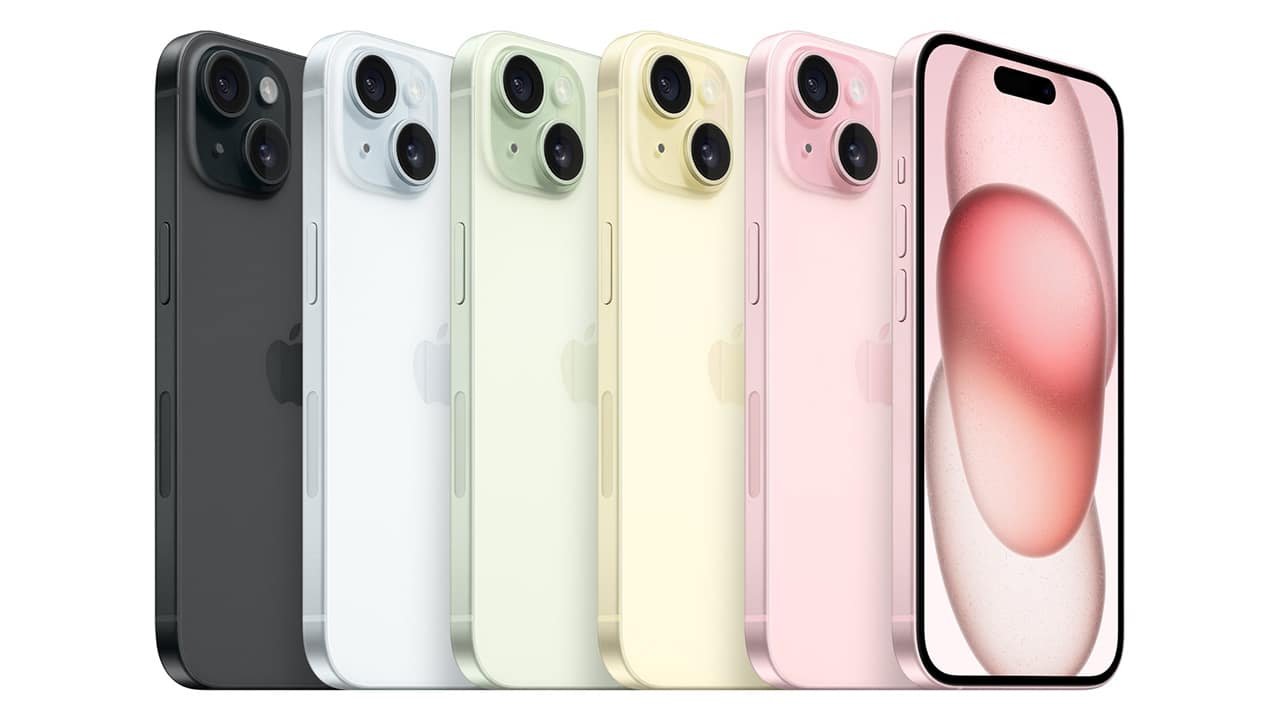
    Meanwhile, the iPhone 15 series boasts four models: the iPhone 15, the iPhone 15 Plus, the iPhone 15 Pro, and the iPhone 15 Pro Max. The iPhone 15 and iPhone 15 Plus come in three storage options (128GB, 256GB, and 512GB) and five colours (pink, yellow, green, blue, and black).

  • Microsoft set to reveal three new Surface laptops and advanced AI features

    Microsoft set to reveal three new Surface laptops and advanced AI features

    Microsoft is gearing up for a “special event” in New York City, set to debut new Surface devices and AI-powered features across its ecosystem. This event comes right after the unexpected resignation of Panos Panay, the former head of Windows and Surface.  

    Here’s what you need to know about this event: 

    Event details 

    The event is scheduled for Thursday, September 21st, marking the first in-person Surface event since the pandemic. 

    While Panos Panay won’t be presenting, we can expect to hear from Yusuf Mehdi, head of consumer marketing, and Microsoft CEO Satya Nadella. 

    New Surface devices 

    Microsoft is rumoured to unveil three new Surface devices. The Surface Laptop Studio 2 is among them, featuring Intel’s 13th Gen processors, Nvidia’s RTX 4060, a microSD card slot, and a USB-A port. It retains the familiar design with a versatile display that transforms from a laptop to a tablet. 

    Notably, it’s rumoured to ship with 64GB of RAM and is expected to be available starting October 3rd. 

    The Surface Go 4 and Surface Laptop Go 3 are also anticipated, likely maintaining the design of their predecessors but with upgraded internals and Intel’s 12th Gen CPUs. 

    Windows AI features 

    Microsoft will unveil AI-powered features for Windows, including Windows Copilot, an AI “personal assistant.” This update is set to ship by the end of September, enhancing Windows 11 with various improvements. 

    Expect more AI integration in Windows apps, such as the Snipping Tool and Photos app, offering new functionalities like text copying from screenshots and background blur for photos. 

    Apps like Paint and Photos are rumoured to get AI enhancements for generating images from text prompts and identifying objects or people in photos. 

    Surface AI features

    Microsoft has been integrating AI into its Surface lineup with features like Windows Studio Effects, which debuted on the Arm-powered Surface Pro X. 

    These features rely on dedicated neural processing units (NPUs), which may be included in the upcoming Surface Laptop Studio 2. 

    AMD’s Ryzen 7000 mobile processors and Intel’s Meteor Lake chips are expected to support AI capabilities, potentially shaping future AI experiences on Windows. 

    Office and Bing AI features

    The event won’t be limited to Surface and Windows, as Microsoft is likely to share more about Copilot plans for Microsoft 365 and Office apps. 

    Copilot in Office apps aims to streamline document summarization, email generation, and Excel analysis using AI, competing with Google Workspace, Zoom, and Slack’s AI-powered features. 

    There may also be updates regarding Bing Chat Enterprise, including its exit from preview and additional features for both consumer and enterprise versions. 

    Microsoft’s “special event” promises exciting new Surface devices and a deep dive into AI-powered features across Windows, Office, Bing, and more, setting the stage for a future where AI revolutionises how we interact with Microsoft’s products and services. 

  • X considers monthly fee for all users as a countermeasure against fake accounts 

    X considers monthly fee for all users as a countermeasure against fake accounts 

    Renowned technology billionaire Elon Musk hinted on Tuesday that users of the social media platform X, formerly known as Twitter, may face a monthly fee. Musk stated, “We’re moving to having a small monthly payment for use of the system,” during a conversation with Israeli Prime Minister Benjamin Netanyahu. 

    Musk’s proposal is driven by the need to combat the issue of bots and fake accounts on social media, with the idea of charging for verification. However, it remains unclear whether this was a spontaneous comment or a signal of more concrete plans. 

    The new owner of the social media giant X, who assumed control last year, is encouraging users to subscribe to X Premium, which offers paid subscribers additional features like longer posts and increased visibility. Currently, users can still access X for free. 

    While Musk insists that the primary objective is to combat bots, it is apparent that there is a financial interest for the company in charging users, according to the BBC. Musk explained, “A bot costs a fraction of a penny to make. But if somebody even has to pay a few dollars or something, some minor amount, the effective cost to bots is very high.” 

    Read more: iOS 17 update is here: Try these fun features today

    The world’s richest person is also exploring options for lower pricing tiers for X Premium, which currently costs $8 (£6.50) per month in the US, with variations depending on the subscriber’s location. He stated, “We’re actually going to come up with lower-tier pricing. So we just want it to be a small amount of money.” 

    Musk emphasised, “This is a longer discussion, but in my view, this is actually the only defence against vast armies of bots.” 

    However, there is a concern that placing X behind a paywall could result in a significant loss of users, potentially affecting the company’s primary source of income, advertising revenue. 

  • Cracked iPhone 15 Pro’s glass? Here’s how much you’ll pay for repairs 

    Cracked iPhone 15 Pro’s glass? Here’s how much you’ll pay for repairs 

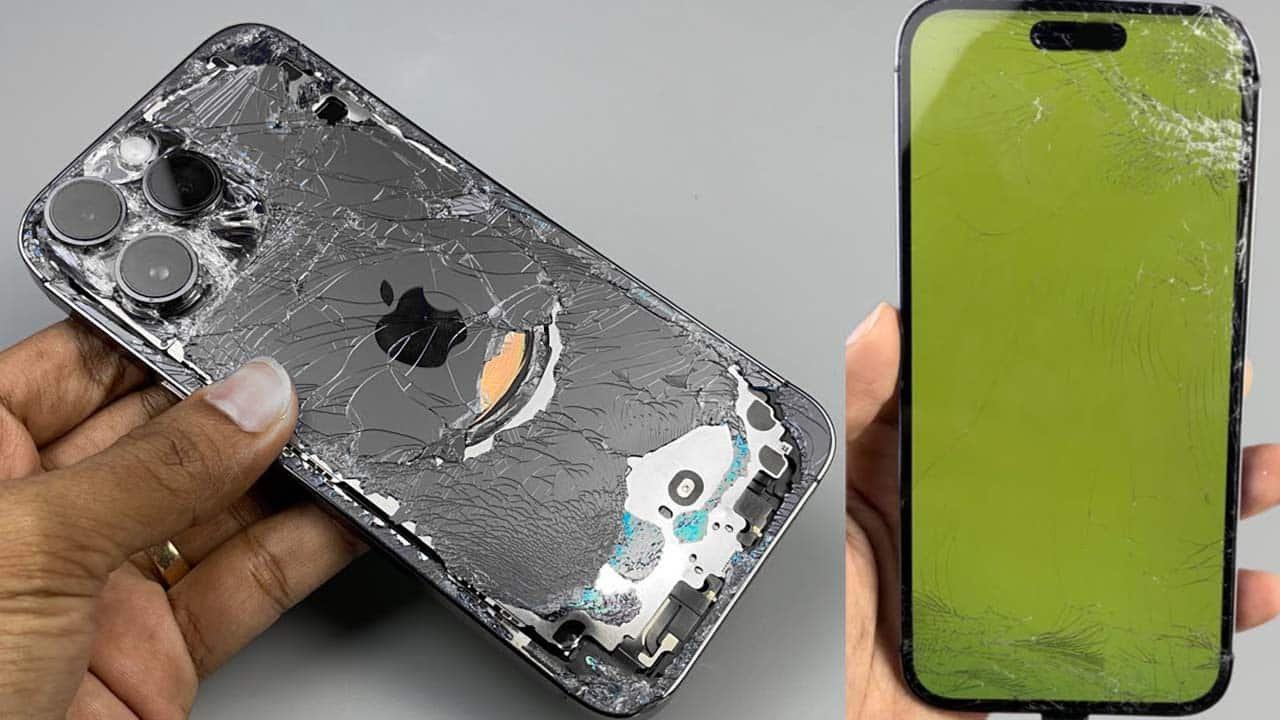
    The Apple iPhone 15 Pro and iPhone 15 Pro Max now boast a more repair-friendly internal design, featuring a redesigned frame that facilitates easy removal of the back glass panel from the devices. This modification initially debuted with the iPhone 14 and iPhone 14 Plus last year and has now been extended to this year’s Pro models. 

    At that time, reports indicated that the ability to remove the back glass would likely lead to significantly reduced repair costs for iPhone 15 Pro models with cracked back glass, particularly for customers without AppleCare+ coverage. This information has now been confirmed. 

    As reported by Ian Zelbo, Apple has updated its US website with the repair fees for iPhone 15 models, revealing that it will charge $169 (PKR 51,000) to $199 (PKR 59,000) to repair an iPhone 15 Pro or iPhone 15 Pro Max with back glass damage. In comparison, these fees were set at $499 or $549 for the iPhone 14 Pro or iPhone 14 Pro Max. 

    Read more: Top 10 high-paying online jobs for introverts with anxiety

    These lower fees have also been confirmed by 9to5Mac. Customers who have AppleCare+ coverage for their iPhone can have their back glass damaged for just $29 (PKR 8,600). 

    In the US, Apple’s battery replacement fee remains unchanged at $99 for all four iPhone 15 models, consistent with the pricing for the iPhone 14 series. For additional iPhone 15 repair fees, such as for the rear camera or other types of damage, you can visit Apple’s website. 

  • Here’s why you should think twice before buying the Apple iPhone 15

    Here’s why you should think twice before buying the Apple iPhone 15

    In 2023, Apple’s iPhone 15 lineup presents consumers with a challenging decision. Despite Apple’s claims of the iPhone 15 being a “significant leap,” the improvements over the iPhone 14 are subtle, and the iPhone 14 itself closely resembled the iPhone 13. 

    With a $200 (PKR 59,300), price difference between the iPhone 15 and the iPhone 15 Pro, recommending the base iPhone 15 becomes a tough call. Here’s why:

    Display difference

    The iPhone 15 features a slightly updated display with a dynamic island cutout and improved brightness. However, the core display remains unchanged—it’s a 6.1-inch Super Retina XDR OLED screen with the same resolution and a standard 60 Hz refresh rate. 

    This becomes a noteworthy drawback when compared to the 15 Pro’s impressive 120Hz LTPO OLED display, which also retains the exclusive Always-On Display (AOD) feature. Additionally, the 15 Pro sports slimmer bezels, enhancing its overall sleekness compared to the vanilla 15.

    Performance gap

    Under the hood, the iPhone 15 is powered by the A16 chipset, which is an evolutionary update over the A15 found in the previous two generations. It includes a 6-core CPU (2 performance and 4 efficiency cores), a 5-core GPU, and a 16-core neural engine. While it’s manufactured using a more advanced 4nm process compared to the older 5nm A15 in the iPhone 14, real-world performance gains, as seen in last year’s iPhone 14 Pro, are subtle at best.

    On the flip side, the 15 Pro introduces the groundbreaking 3nm Apple A17 Pro chip, a first in the market. It promises a 10% boost in CPU performance and a 20% improvement in GPU capabilities. Apple also aims to enhance gaming on the 15 Pro series with titles like Resident Evil Village and Assassin’s Creed Mirage, benefiting from hardware-accelerated Ray Tracing.

    RAM matters

    Notably, there’s a 2GB RAM difference between the base iPhone 15 and the Pro models. The iPhone 15 is equipped with 6GB of RAM, while the 15 Pro boasts 8GB. This discrepancy should result in better long-term support and multitasking capabilities for the Pro models.

    While the iPhone 15 enjoys a 48MP main camera sensor upgrade, the best camera features are reserved for the Pro models. The 15 Pro features a larger 48MP main sensor with advanced features like pre-binned pixels, a wider aperture, and superior stabilization. It also exclusively supports ProRAW image capture, maximising the sensor’s potential with Apple’s computational photography enhancements.

    Furthermore, the 15 Pro includes a telephoto module with 3x optical zoom, a feature missing from the vanilla iPhone 15. The Pro also offers versatile digital zoom modes for portrait shots, with the option to choose a default focal length. Selfies on the 15 Pro benefit from OIS on the 12 MP front-facing camera.

    Advanced capabilities

    The new A17 chip equips the 15 Pro models to capture impressive 4K 60fps video in ProRes RAW, along with support for the ACES colour profile and 3D spatial videos, enhancing compatibility with the Vision Pro headset.

    USB-C speed disparity

    Both models embrace USB-C, but the base iPhone 15 disappointingly retains USB 2.0 speeds, offering a maximum transfer rate of 480 Mbit/s. In contrast, the 15 Pro features a USB Type-C 3.0 connector, delivering speeds of up to 10 Gbps, more than 20 times faster. 

    This becomes particularly significant for transferring large video files and shooting 4K 60 fps ProRes videos directly onto an external SSD, a valuable addition for videographers. However, it’s worth noting that Apple supplies USB 2.0 Type-C cables with all new iPhone 15 models.

    If price plays a pivotal role in your decision, you can still opt for the iPhone 13, available from Apple at a reduced starting price of $599.

  • Is Apple considering a massive RAM and storage upgrade for the iPhone 15?

    Is Apple considering a massive RAM and storage upgrade for the iPhone 15?

    In recent months, there has been a flurry of information and speculation regarding the storage and RAM specifications of the forthcoming iPhone 15 Pro. This situation has been marked by conflicting reports.

    MacRumors, a popular source, has recently verified the storage configurations that Apple tested for the iPhone 15 Pro and iPhone 15 Pro Max, which encompass 256 GB, 512 GB, and 1 TB options. Interestingly, Apple has sourced NAND storage components from multiple vendors, including SK Hynix, Western Digital, Kioxia, and Samsung. 

    Despite earlier rumours circulating about a potential 2TB storage variant, there is no substantiated evidence to support its inclusion. Additionally, a Weibo leak that suggested the iPhone 15 Pro would commence with a 256GB storage capacity has proven inaccurate, as the available storage options will align with the tiers seen in the iPhone 14 Pro.

    Turning to the RAM specifications, Apple intends to equip the iPhone 15 Pro with LPDDR5 DRAM, consistent with the RAM utilised in previous flagship devices. Testing has been conducted on two RAM configurations, specifically 6GB and 8GB, sourced from Samsung, Micron, and SK Hynix. 

    The final RAM configuration for mass production units remains undisclosed, but it is conceivable that Apple may adjust the RAM based on the storage capacity of the device, potentially granting 8GB to higher-capacity models. 

    TrendForce’s recent report suggests that Apple may indeed opt for 8GB in the iPhone 15 Pro, implying that the 6GB configuration could be abandoned.

    In addition to these internal components, the iPhone 15 Pro is set to feature an upgraded A17 SoC, manufactured using TSMC’s cutting-edge 3nm process. The A17 chip is anticipated to incorporate an extra GPU core, promising enhanced graphics performance. 

    Furthermore, the performance cores are expected to operate at an increased clock speed of 3.70 GHz, a notable improvement over the A16’s 3.46 GHz clock speed.

    Beyond these technical enhancements, the iPhone 15 Pro is poised to introduce several notable features, including an entirely new titanium frame, USB-C connectivity, and the incorporation of a periscope zoom lens in the iPhone 15 Pro Max variant.