Tag: tech news

  • Apple is not replacing iPhone 15 Pro Max with iPhone 15 Ultra: Leaks

    Apple is not replacing iPhone 15 Pro Max with iPhone 15 Ultra: Leaks

    According to a recent report by Bloomberg’s Mark Gurman, Apple’s flagship smartphone for this year is expected to be named the iPhone 15 Pro Max rather than the previously speculated iPhone 15 Ultra. The upcoming iPhone lineup will also comprise the standard iPhone 15, iPhone 15 Plus, and iPhone 15 Pro models.

    Gurman had previously hinted at the possibility of Apple using the Ultra branding for its highest-tier iPhone, akin to the Apple Watch Ultra. However, this nomenclature shift is more likely to be reserved for the anticipated iPhone 16 Ultra, featuring a larger 6.9-inch display, slated for next year. 

    For the time being, it seems that the Pro Max branding will persist for at least another year.

    As for the iPhone 15 Pro Max, it is rumoured to introduce several notable enhancements, including an advanced telephoto lens offering up to 6x optical zoom, a substantial upgrade from the 3x limit seen in the iPhone 14 Pro models. 

    Additionally, the device is expected to feature a titanium frame, a customizable action button, a speedier A17 Bionic chip, slimmer bezels, support for Wi-Fi 6E, and more. Pricing for the iPhone 15 Pro Max is rumoured to begin at $1,199 in the United States, marking a $100 increase compared to its predecessor, the iPhone 14 Pro Max.

    Apple is scheduled to unveil its iPhone 15 series during the “Wonderlust” event on Tuesday, September 12, commencing at 10 a.m. Pacific Time. Stay tuned for comprehensive coverage of Apple’s announcements, including on-site reporting from the iconic Steve Jobs Theatre.

  • Can Huawei’s Mate 60 Pro finally kill the iPhone’s dominance?

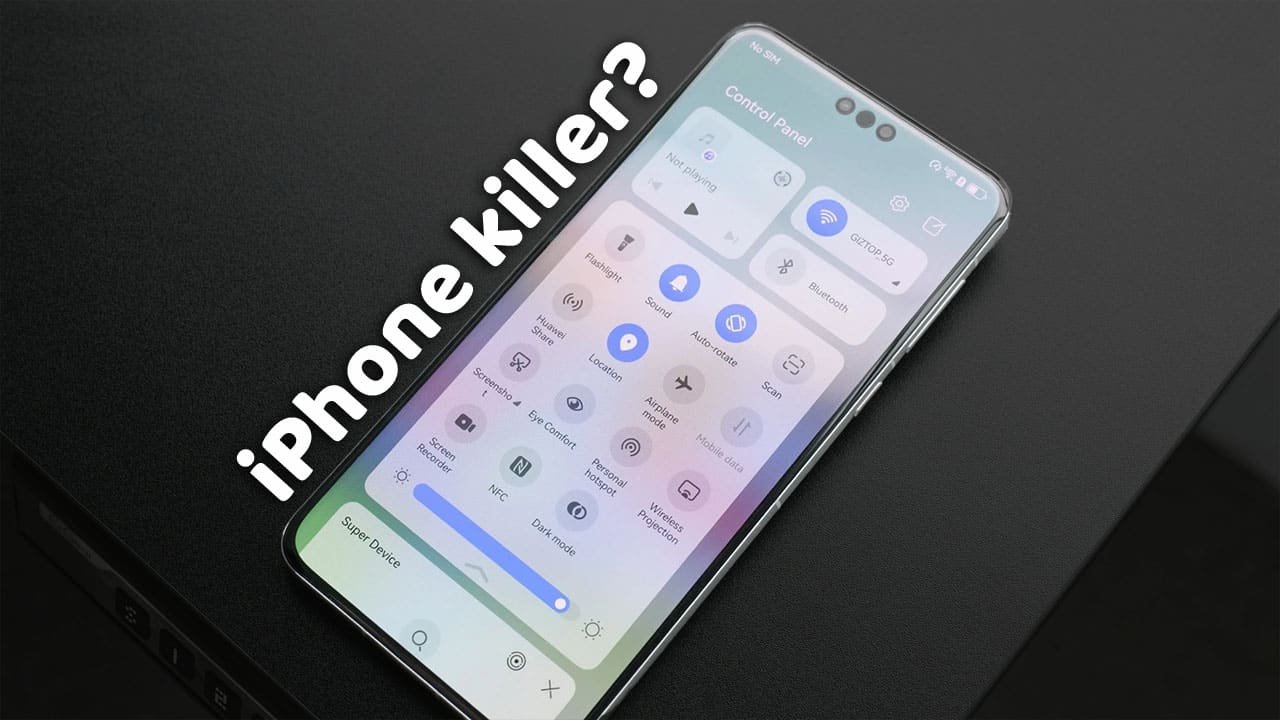
    Can Huawei’s Mate 60 Pro finally kill the iPhone’s dominance?

    Huawei’s tenacity in the smartphone market, despite grappling with the challenges of the US embargo, has been nothing short of remarkable. Undeterred by adversity, the company has fervently strived to regain its foothold in the realms of both hardware and software.

    The latest chapter in Huawei’s resurgent narrative is embodied in the Huawei Mate 60 and Mate 60 Pro, devices that have ignited widespread intrigue and earned global user acclaim. In a mere five days following their debut, these smartphones remarkably achieved nearly 800,000 unit sales, signifying a triumphant comeback. 

    Within the confines of China, the Huawei Mate 60 series has emerged as a resounding success story. Officially launched on August 29th, these devices rapidly gained traction in the market, boasting sales figures that approached the 800,000-unit milestone within the initial five days.

    This achievement stands as a substantial improvement over the sales performance of their predecessors in the Mate series, which managed to muster approximately 500,000 units. Such resounding success is undoubtedly a testament to meticulous planning and unwavering commitment. 

    In the wake of challenging years, Huawei’s aspiration for resurgence led to the creation of a technological marvel. Powered by the cutting-edge Kirin 9000S processor, it reigns supreme as the swiftest mobile processor available in China. Notably, the Mate 60 series is equipped with a novel triple-lens rear camera system, featuring a 50MP main sensor, a 48MP ultrawide sensor, and a 12MP telephoto sensor. 

    The fervor surrounding the Huawei Mate 60 series extends beyond the Chinese borders, capturing the enthusiasm of international consumers. For instance, Japanese consumers have been keen to acquire the 12GB + 512GB version of the Huawei Mate 60 Pro, which is priced at approximately 70,000 Chinese yuan in the Chinese market, translating to around 140,000 Japanese yen (PKR 292,800).

    Interestingly, local dealers in Japan have been pricing the same smartphone model at levels exceeding 200,000 Japanese yen, roughly equivalent to 10,000 Chinese yuan, underscoring its immense popularity in the Japanese market. 

    Key Specifications: 

    Huawei Mate 60 

    – Display: 6.69-inch LTPO OLED display with a 1-120 Hz variable refresh rate 

    – Processor: Kirin 9000S 

    – RAM: 12GB 

    – Storage: 256GB, 512GB, or 1TB 

    – Rear Cameras: 50MP main camera with variable aperture (f/1.4 to f/4.0), 48MP telephoto camera, 12MP ultrawide camera 

    – Front Camera: 13MP 

    – Battery: 5000mAh 

    – Charging: 88W wired charging, 50W wireless charging 

    Huawei Mate 60 Pro 

    – Display: 6.82-inch LTPO OLED display with a 1-120 Hz variable refresh rate 

    – Processor: Kirin 9000S 

    – RAM: 12GB 

    – Storage: 256GB, 512GB, or 1TB 

    – Rear Cameras: 50MP main camera with variable aperture (f/1.4 to f/4.0), 48MP telephoto camera, 12MP ultrawide camera 

    – Front Camera: 13MP 

    – Battery: 4750mAh 

    – Charging: 88W wired charging, 50W wireless charging 

  • Elon Musk’s X to launch audio and video calls soon

    Elon Musk’s X to launch audio and video calls soon

    In a significant development for the social media landscape, Elon Musk, the owner of Twitter (now known as X), has officially announced the imminent launch of audio and video call features on the platform. 

    This revelation marks a departure from the platform’s previous attempts, which were either delayed or abandoned. Now, it appears that users can finally anticipate the long-awaited feature.

    The unveiling of this groundbreaking feature came directly from Elon Musk himself, who detailed that audio and video calls will be accessible on a wide range of devices, encompassing Android, iOS, Windows, and MacOS platforms. 

    Remarkably, this feature is designed to function seamlessly without the necessity of traditional phone numbers. Instead, X will serve as a global address book, relying on user-generated usernames. In Musk’s words, “This set of factors is unique,” emphasising the distinctive nature of this forthcoming addition.

    However, Elon Musk has remained tight-lipped regarding a specific launch date for this exciting feature, simply indicating that it is “coming soon. This cryptic announcement has left users eagerly anticipating its arrival.

    Notably, this isn’t the first time Twitter (X) has teased the possibility of audio and video calls. Just last month, the company’s designer shared tantalising screenshots of what users can expect from the feature. 

    One such preview showcased a phone receiver icon prominently positioned at the top right corner of Twitter (X) direct messages (DMs), signalling the impending arrival of the functionality. Upon tapping this icon, users will be presented with the choice to initiate audio or video calls, promising a more immersive and interactive communication experience.

    As the tech world eagerly awaits further updates and a definitive release date, Twitter (X) users can anticipate a transformative shift in their social media interactions, thanks to Elon Musk’s ambitious vision for the platform’s future.

  • Meta set to unveil web version of Threads, challenging X

    Meta set to unveil web version of Threads, challenging X

    Meta is getting ready to launch the web version of Threads, which is its rival to X (previously known as Twitter). This launch is expected to happen early this week, according to a report from The Wall Street Journal. Threads, which offers short-form posts, has been missing a web version since its start.

    Mark Zuckerberg, who is the CEO of Meta, mentioned that they’re working on adding this feature along with a better search function. Right now, the search function is quite limited; you can only search for usernames. These changes are expected to be ready in a few weeks.

    However, The Wall Street Journal’s sources say that the exact launch plans are not set in stone and could change. Adam Mosseri, who posted on Threads, shared that they’ve been testing an early version internally for a short time. But before it’s released widely, some more work is needed.

    Threads started as a basic version similar to Twitter just about a month and a half ago. Surprisingly, it quickly gained over 100 million users and attracted celebrities and brands. However, it has been missing some important features. The company has been slowly adding improvements, like a follow feed and the ability to verify a link using a Mastodon profile. This suggests that Meta might be considering integrating with the decentralised social network protocol Activity Pub.

  • SECP strikes down 120 illegal personal loan apps

    SECP strikes down 120 illegal personal loan apps

    Securities and Exchange Commission of Pakistan (SECP) has taken measures to protect the public from falling into debt traps of illegal loan apps. Collaborating with Google, Apple and Pakistan Telecommunication Authority (PTA), SECP has succeeded in removal of 120 illegal loan apps that were previously available online.

    The largely ignored scam of illegal personal loan apps came to light recently when last month, a resident of Rawalpindi, died by suicide after being threatened by a lender who gave him loan through one such app. This incident raised serious concerns about misuse of data privacy violations, and coercive recovery practices by the illegal loan apps. The SECP has not only tightened its regulatory framework for licensed Non-Banking Finance Companies (NBFCs) but has also initiated effective steps with the relevant authorities to shut down unauthorized and illegal loan apps.

    SECP has also referred the 120 blocked apps to the FIA for further action in accordance with the Prevention of Electronic Crimes Act of 2016. SECP regularly checks the Google Play Store and the Apple App Store for the presence of any illegal apps.

    Recently Google has introduced Pakistan’s Personal Loan App Policy, according to which Google only allows SECP-approved Personal Loan Apps for placement on its Google Play Store.

    Personal loan borrowers have been advised by SECP to obtain loans only from licensed NBFCs. The SECP’s regulatory framework for approved Apps requires transparent disclosure of fees, loan duration, instalments, and charges. Moreover, SECP has also initiated inspections of licensed NBFCs providing loans through Apps to verify that these are not engaged in miss-selling, breaches of data privacy, or coercive recovery practices etc.

  • Here’s when Apple will launch the iPhone 15

    Here’s when Apple will launch the iPhone 15

    Tech enthusiasts worldwide are eagerly awaiting the arrival of the much-rumoured iPhone 15, as speculations on its features and release date continue to circulate. Apple’s last iPhone 14 lineup has been a hit, and now fans are looking forward to the potential enhancements that the iPhone 15 may bring.

    While Apple has not officially announced the release date for the new iPhones, insiders have revealed that the company plans to unveil the iPhone 15 lineup during the third week of September. Multiple mobile carriers have reportedly instructed employees not to take days off on September 13, hinting at a major smartphone announcement on that day.

    Historically, Apple has held its iPhone events in September, and it appears that this year won’t be an exception. While most past announcements took place on Tuesdays, last year’s iPhone 14 event occurred on a Wednesday, similar to September 13’s potential date.

    If the speculated date holds true, pre-orders for the iPhone 15 are expected to start on September 15, with the official release slated for September 22. However, analysts predict possible delays for some models due to supply chain challenges, as has happened in previous years.

    Rumours have been swirling about the iPhone 15’s design and features. According to 9to5Mac, it’s suggested that the new models will sport slightly curved edges and thinner bezels around the display, enhancing the overall aesthetic. Notably, all four new models are expected to incorporate Dynamic Island and USB-C, replacing the Lightning port.

    For the Pro models, Apple is rumoured to replace the stainless steel frame with a titanium one, adding a touch of elegance and durability. The iPhone 15 and 15 Plus will reportedly be powered by the A16 Bionic chip found in the iPhone 14 Pro, while the iPhone 15 Pro and 15 Pro Max will feature the new A17 chip, offering improved performance.

    Photography enthusiasts may be delighted to learn that the larger Pro model is expected to come equipped with a new periscope lens for enhanced optical zoom capabilities.

    As for pricing, there’s speculation that the new iPhones could come at a premium. Reports suggest that prices may increase by up to PKR 56,000 ($200) compared to the current generation.

    While Apple enthusiasts are excited about the potential features of the iPhone 15, they will have to wait for the official announcement to confirm the rumours. Until then, anticipation will continue to build as the tech giant prepares for what could be another groundbreaking iPhone launch.

  • Apple to launch its first 15-inch MacBook Air with M2 chip at WWDC next week

    Apple to launch its first 15-inch MacBook Air with M2 chip at WWDC next week

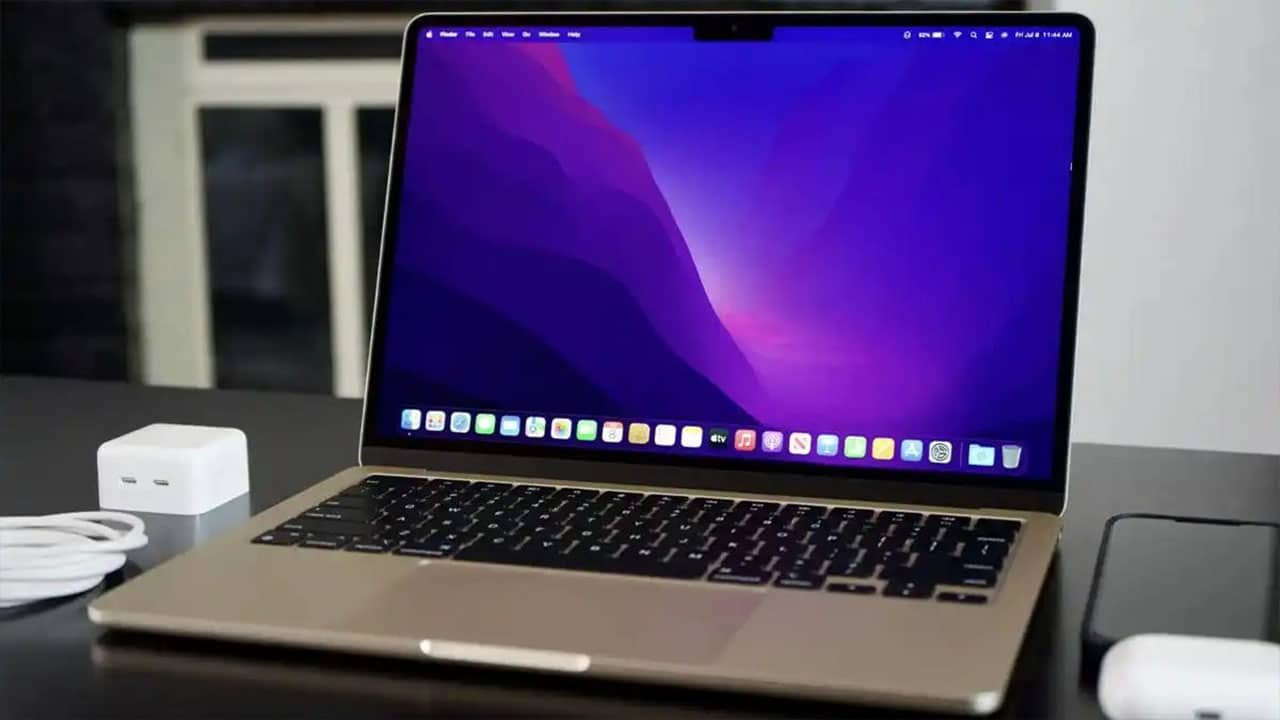
    Apple is set to make a major announcement at this year’s Worldwide Developers Conference (WWDC), as Bloomberg’s Mark Gurman reports that the tech giant plans to introduce a new MacBook Air model with a larger 15-inch display. The highly anticipated unveiling is scheduled to take place during Apple’s event on Monday, June 5 at 10 AM Pacific Time.

    The upcoming MacBook Air will mark a significant departure from its predecessors, as it is expected to feature a 15.5-inch display, as revealed by reliable display industry analyst Ross Young.

    This represents a notable increase in screen size compared to the current MacBook Air’s 13.6-inch display. While the laptop had previously been offered in an 11-inch variant, Apple appears to be shifting towards larger displays to cater to user preferences.

    What’s new?

    According to renowned Apple supply chain analyst Ming-Chi Kuo, the new MacBook Air will be equipped with the highly acclaimed M2 chip, which has been widely praised for its enhanced performance. The M2 chip boasts an 18 per cent faster CPU, a 35 per cent faster GPU, and a 40 per cent faster Neural Engine when compared to the previous M1 chip. These improvements make the new MacBook Air an enticing option for users considering an upgrade from the 2020 MacBook Air.

    In addition to the improved performance, the larger chassis of the 15-inch MacBook Air will accommodate a bigger battery, potentially offering users a longer battery life. Apple’s current 13-inch MacBook Air with the M2 chip can last up to an impressive 18 hours per charge. With the larger form factor, it is anticipated that the 15-inch model may even approach the 20-hour mark, reaffirming Apple’s commitment to providing industry-leading performance-per-watt.

    Another anticipated upgrade in the new MacBook Air is the inclusion of Wi-Fi 6E, as seen in other recent Apple releases. While the 13-inch MacBook Air is currently limited to Wi-Fi 6, the 15-inch model is likely to benefit from the faster speeds, lower latency, and reduced signal interference provided by Wi-Fi 6E. Users will need to connect their devices to a Wi-Fi 6E router from brands like TP-Link, Asus, or Netgear to fully harness these advantages.

    Moreover, the new MacBook Air could potentially support Bluetooth 5.3, following Apple’s recent integration of the technology into its latest devices. Bluetooth 5.3 brings improvements in reliability and power efficiency compared to its predecessor, Bluetooth 5.2, enhancing the overall wireless experience for users.

    With the upcoming announcement of the 15-inch MacBook Air, Apple aims to cater to the demands of its user base by offering a larger display, superior performance with the M2 chip, extended battery life, and cutting-edge wireless connectivity. The unveiling at WWDC is eagerly anticipated by Apple enthusiasts and tech enthusiasts alike, and it further solidifies Apple’s commitment to innovation and delivering exceptional products to its customers.

  • Mother almost falls for $1 million kidnapping hoax after daughter’s voice is cloned by AI

    A mother from Arizona almost fell for a kidnapping hoax after the culprits used Artificial Intelligence (AI) to clone her daughter’s voice.

    According to People magazine, Jennifer DeStefano shared that her daughter, Briana, was on a ski vacation with her friends when the mother received a phone call from an anonymous number, where she heard her daughter crying and pleading for help.

    “I heard my daughter’s voice crying and sobbing, saying, ‘Mom.’ And I’m like, ‘OK, what happened?’ She’s like, ‘Mom, these bad men have me. Help me, help me.’ “

    A man then talked to her and demanded that she pay $1 million to free her daughter.

    “This man gets on the phone and he’s like, ‘Listen here. I’ve got your daughter. This is how it’s going to go down. You call the police, you call anybody, I’m going to pop her so full of drugs. I’m going to have my way with her and I’m going to drop her off in Mexico,’” she said. “And at that moment, I just started shaking. In the background, she’s going, ‘Help me, Mom. Please help me. Help me,’ and bawling.”

    DeStefano, who was at a dance studio when she received the call, negotiated with the man to take the ransom down to $500,000, while her acquaintance contacted the police and her husband contacted Briana, who revealed that she was safe and in her room.

    “She was upstairs in her room. Then I get angry, obviously, with these guys. This is not something you play around with.”

    DeStefano shared that she was truly shocked how similar her daughter’s voice sounded to the voice she had heard on the phone, which had been cloned by AI.

    “It was completely her voice. It was her inflection. It was the way she would have cried. I never doubted for one second it was her. That’s the freaky part that really got me to my core.”

    Briana also revealed how terrifying this situation could have gotten, had her mother not confirmed her whereabouts:

     “I started to wonder, like, if these people were asking to track my mom and pick her up, they could have obviously been putting some information together to try and track me or some of my siblings to actually make this a reality. So it definitely scared me.”

  • We asked Chat GPT to write a Pakistani horror story and this was the result

    We asked Chat GPT to write a Pakistani horror story and this was the result

    Chat GPT has swept the world up in its wake, generating responses to all kinds of topics and triggering a debate on how good it is or isn’t at its job. By simply entering a few keywords and prompts, the artificial intelligence chatbot can be used to write letters, college application essays and even novels, with Amazon already enlisting books where the co-author includes the AI bot.

    We were curious about ChatGPT’s storytelling capabilities, wondering if it is good enough to write a Pakistani story? We have all grown up listening to horror stories like Karsaaz ki Dulhan, the wandering woman at Mohatta Palace, so can Chat GPT give us something equally eerie and chilling?

    The result is printed here and we leave it to our audience to decide whether this was a good spooky story or not:

    “Once upon a time in Karachi, there was a family named Ahmed. They lived in a big house, where multiple generations of the family resided. The house was luxurious with plenty of large rooms, but there were always rumors about mysterious things that happened inside the house at night.

    One day, a new family moved next door to the Ahmeds. They had a daughter named Aisha who was just six years old. Aisha was a curious little girl who could be found playing in the front yard of her house every day. One day while playing, Aisha caught sight of the house next door. She couldn’t take her eyes off the house, so she walked up to the fence separating their properties.

    Suddenly, she saw a ghostly apparition with long hair and an old-fashioned dress in the window of the house next door. Terrified, Aisha ran back to her parents and told them everything. They didn’t believe her, thinking it was just her imagination.

    That night, the Ahmeds also noticed something unusual: the sound of footsteps could be heard from within the house. It sounded like someone was walking down the hallway. They were all very scared, and some members of the family started to believe the rumors they had heard about the house.

    Finally, the elder members of the Ahmed family decided to investigate. They searched the entire house but found nothing. But the very next night, the footsteps became louder and the ghostly apparition again appeared in the window. This time, everyone saw it.

    They decided to approach the local priest to help them with this situation. The priest told them that the house was built on an ancient burial ground, and the person buried there had been murdered. The restless soul of that victim was haunting the house, and it had now become more active because of Aisha’s presence.

    The family was very scared, but the priest performed an exorcism and recited some holy verses to calm the spirit. Soon the house was free of the ghostly presence, and the family members were able to live there in peace.

    From that day on, the Ahmed family knew that they should never underestimate the power of spirits and the potential for paranormal activity. They lived on, never forgetting what had happened and always being careful to not disturb the burial grounds next door.”

  • WhatsApp to let users message without their phones

    WhatsApp to let users message without their phones

    Messaging application WhatsApp has announced the launch of a trial aimed at freeing its users from smartphones.

    Read More – WhatsApp clarifies privacy policy update, says no effect on privacy of messages

    In a blog post on Wednesday, Facebook engineers said the new feature would allow for the hugely popular service to be used on multiple “non-phone” devices without needing to connect to the smartphone app.

    “With this new capability, you can now use WhatsApp on your phone and up to four other non-phone devices simultaneously – even if your phone battery is dead,” the blog post said.

    Since its launch in 2009 as a smartphone messaging app, WhatsApp has amassed more than two billion users around the world and been acquired by Facebook.

    WhatsApp can already be used on “companion devices”, such as computers, but exchanges are routed in such a way that if a person’s smartphone is offline or has zero battery, it won’t work.

    Other issues can arise as well, such as frequent disconnection.

    “The new WhatsApp multi-device architecture removes these hurdles” by no longer requiring a smartphone to perform every operation,” the company said.

    The new capability will be expanded more broadly as it is refined, Facebook added.

    It also made assurances that WhatsApp’s security measures will still work under the new system.

    “Each companion device will connect to your WhatsApp independently while maintaining the same level of privacy and security through end-to-end encryption that people who use WhatsApp have come to expect.”