
Tag: technological advancements

  • SBP seeks design ideas from students, designers for new banknotes

    SBP seeks design ideas from students, designers for new banknotes

    In a significant move to enhance security features and align with technological advancements, the State Bank of Pakistan (SBP) has kicked off the process of designing and issuing a new series of banknotes covering all existing denominations.

    The SBP, in an official statement released on Tuesday, emphasised the complexity of the issuance process, which involves multiple meticulous steps and stages that demand careful planning and coordination among various stakeholders. Despite the general timeline of 2-3 years for launching a new banknote series, the SBP aims to expedite the process and complete it within the next two years.

    As an initial step towards the design process, the SBP has organised an art competition for the new banknote series. This competition is expected to yield diverse and creative ideas and themes that will form the basis for the subsequent phases of development.

    The finalised concepts will be shared with renowned professional banknote designers, who will be selected through a competitive process to transform these ideas into the final printable designs for each denomination.

    The final designs will then undergo scrutiny by the federal government for approval, ensuring that they meet the necessary standards and security features. The SBP assured the public that the existing banknote series would continue to remain in circulation even after the introduction of the new series.

    Any decision regarding the withdrawal of the existing banknotes will be executed gradually and in a phased manner, contingent upon the successful issuance and sufficient circulation of the new banknotes.

    The central bank highlighted that the periodic introduction of new banknote series, occurring approximately every 15–20 years, is a common practice among central banks. This practice aims to bolster the integrity of banknotes and integrate the latest technological developments in design and security features, ensuring a secure and reliable currency system for the nation.
  • IMF analysis reveals AI’s potential to disrupt 40% of jobs globally

    IMF analysis reveals AI’s potential to disrupt 40% of jobs globally

    In a recent comprehensive analysis, the International Monetary Fund (IMF) sheds light on the extensive impact of artificial intelligence (AI), unveiling its potential to disrupt nearly 40 per cent of all jobs worldwide.

    Kristalina Georgieva, the Managing Director of the IMF, expresses deep concerns about the consequences of widespread AI adoption, emphasising the likelihood of exacerbating existing inequalities.

    Georgieva underlines the urgency for policymakers to address this alarming trend, cautioning that unchecked deployment of AI could further widen social disparities and intensify tensions.

    The analysis indicates that the influence of AI on employment is expected to be particularly pronounced in advanced economies, with an estimated impact on approximately 60 per cent of jobs.

    While in about half of these cases, employees are poised to benefit from AI integration by enhancing their productivity and work capabilities, in other instances, AI may assume critical roles traditionally performed by humans.

    This shift in labour dynamics could lead to reduced demand for human workers, potentially affecting wages and, in some cases, resulting in job displacement.

    Contrary to the more significant impact projected for advanced economies, the IMF’s projections suggest that low-income countries may experience a comparatively lower impact, with AI affecting only around 26 per cent of jobs in these regions.

    Ms. Georgieva points out that many of these nations lack the necessary infrastructure or skilled workforces to harness the benefits of AI, raising concerns that the technology could exacerbate inequality among nations over time.

    This analysis aligns with a 2023 report by Goldman Sachs, estimating that AI has the potential to replace the equivalent of 300 million full-time jobs.

    However, the report also highlights the possibility of new job opportunities emerging along with a substantial increase in productivity.

    As the rapid proliferation of AI continues to spark intense debate, the global community faces the critical challenge of balancing the benefits and risks associated with this transformative technology.

  • Suzuki Motor Corp teams up with SkyDrive to manufacture ‘flying cars’

    Suzuki Motor Corp teams up with SkyDrive to manufacture ‘flying cars’

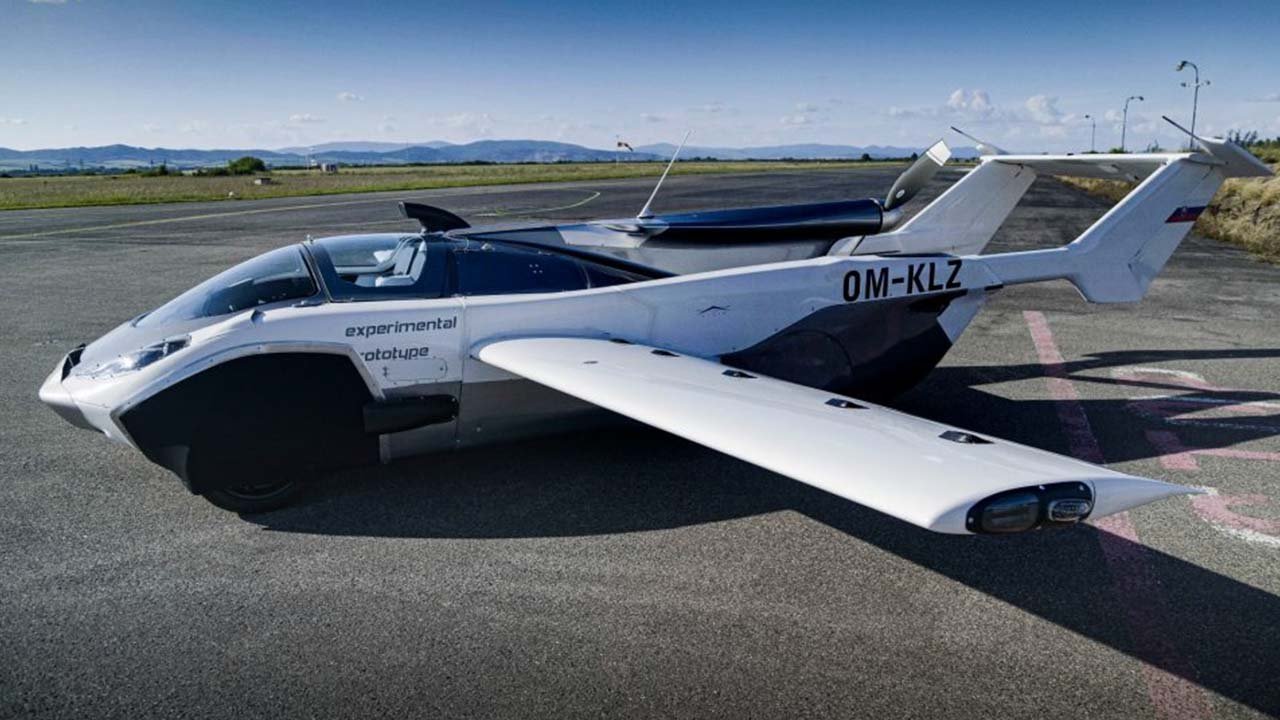
    In an exciting development for the automotive industry, Suzuki Motor Corp, the renowned Japanese automaker, has announced its partnership with SkyDrive Inc to produce “flying cars.” The collaboration aims to utilise a Suzuki Group factory located in central Japan to manufacture electric vertical take-off and landing (eVTOL) aircraft, with production set to commence by spring next year.

    Suzuki Motor Corp released a statement detailing the agreement with SkyDrive, highlighting their shared vision for the future of transportation. The company plans to establish a wholly owned subsidiary focused on the production of these innovative aircraft. Suzuki will play a crucial role in facilitating the manufacturing process by assisting in talent acquisition and other necessary preparations.

    Headquartered in Toyota, central Japan, SkyDrive boasts an impressive list of shareholders, including trading house Itochu Corp, tech firm NEC Corp, and a subsidiary of energy company Eneos Holdings Inc. This collaboration builds upon a previous agreement signed by the two companies in March of the previous year, which outlined their commitment to jointly explore research, development, and marketing opportunities in the field of flying cars.

    The emergence of eVTOL aircraft represents a significant leap forward in the realm of urban air mobility. These vehicles are designed to take off and land vertically, enabling efficient transportation in congested urban areas and reducing travel times significantly. By harnessing electric propulsion, eVTOL aircraft offer the potential for zero-emission travel, making them environmentally friendly alternatives to traditional modes of transportation.

    Suzuki’s entry into the flying car market signifies the company’s dedication to staying at the forefront of technological advancements in the automotive sector. With a rich history of producing high-quality vehicles, Suzuki’s involvement in the manufacturing process will undoubtedly contribute to the production of reliable and efficient flying cars.

    The partnership with SkyDrive aligns with Suzuki’s commitment to sustainable practices and innovative solutions. By exploring the possibilities of aerial mobility, the company aims to revolutionise transportation and redefine the way people commute within and between cities. The combination of Suzuki’s manufacturing expertise and SkyDrive’s pioneering technology is expected to result in cutting-edge eVTOL aircraft that meet the highest safety and performance standards.

    As the collaboration progresses, it is likely that Suzuki and SkyDrive will continue to leverage their respective strengths to overcome the unique challenges associated with manufacturing flying cars. These challenges include regulatory hurdles, infrastructure requirements, and public acceptance. However, with the commitment and resources of both companies, they are well-positioned to overcome these obstacles and drive the development of this exciting new industry forward.

    The successful implementation of flying cars has the potential to revolutionise urban transportation, alleviating congestion on the ground and opening up new possibilities for efficient, eco-friendly travel. It represents a significant step towards a future where aerial mobility is a viable and sustainable mode of transportation.

    As Suzuki and SkyDrive embark on this joint venture, the automotive industry eagerly anticipates the first batch of eVTOL aircraft to roll off the production line. Their collaboration serves as a testament to the boundless potential of human ingenuity and highlights the relentless pursuit of technological advancements that continue to shape our world.