Tag: technology

  • 57-year-old Tesla driver collides with truck while relying on driver assistance technology

    57-year-old Tesla driver collides with truck while relying on driver assistance technology

    Trigger Warning: Content includes details of a fatal car collision.

    The National Highway Traffic Safety Administration (NHTSA) has launched a crucial inquiry into a fatal incident involving a Tesla Model Y. The collision occurred on July 19, when a Tesla collided with a tractor-trailer truck in Virginia, resulting in the death of the Tesla’s 57-year-old driver. It is suspected that the driver had been relying on Tesla’s advanced driver assistance programmes at the time.

    The Fauquier County Sheriff’s Office provided additional details, revealing that the collision transpired as the tractor-trailer attempted to turn onto a highway from a truck stop, leading the Tesla to slide underneath the trailer. The Tesla driver was pronounced dead at the scene, and the truck driver was issued a summons for reckless driving.

    While authorities initially attributed the incident to the truck driver, the NHTSA is investigating Tesla’s assistance programme due to its supposed capability to account for errors caused by other road users. This investigation is part of a broader series of inquiries, with over thirty investigations into accidents involving Tesla vehicles and their advanced assistance systems, which are suspected to have contributed to 23 deaths since 2016.

    In 2021, the National Transportation Safety Board (NTSB) called on the NHTSA to establish stricter regulations for autonomous driving, citing concerns about limited oversight and reporting requirements for Tesla’s technology.

    Tesla’s Autopilot technology, designed to handle steering, acceleration, and braking within a lane, along with lane changes on highways, requires human supervision. However, the company has not responded to inquiries about the recent incident or the ongoing investigation by Reuters. The NHTSA’s examination raises critical questions about the evolving landscape of autonomous driving and the delicate balance between technological innovation and safety.

  • Loch Ness Monster quest embarks on its largest search

    A significant high-tech quest is about to launch in Scotland with the aim of unearthing the enduring mystery of the Loch Ness Monster, as reported by BBC.

    The search, slated for August 26 and 27, marks the most considerable effort since the extensive study carried out by the Loch Ness Investigation Bureau in 1972.

    The Loch Ness Centre and a group of passionate volunteers collectively known as Loch Ness Exploration are spearheading the ambitious project, aiming to utilize cutting-edge technology, including drones equipped with infrared cameras and hydrophones for detecting unusual underwater sounds.

    The use of these high-tech tools in the pursuit of the mythical creature, popularly known as Nessie, signifies a level of sophistication not seen in previous searches. Volunteers will also watch from safe vantage points onshore, scanning the water for any signs of the reputed beast.

    Interest in the Loch Ness Monster was sparked in the 1930s when Aldie Mackay, a hotel manageress, reported seeing a creature that resembled a whale, with the loch’s water “cascading and churning” around it. Despite the absence of concrete evidence, the legend has held a firm grip on the public’s imagination, with the myth tracing its roots back to the middle ages.

    In addition to the search effort, the organizers are also offering trips on the loch during the month’s investigation for those willing to participate in this intriguing quest.

  • Here’s when Apple will launch the iPhone 15

    Here’s when Apple will launch the iPhone 15

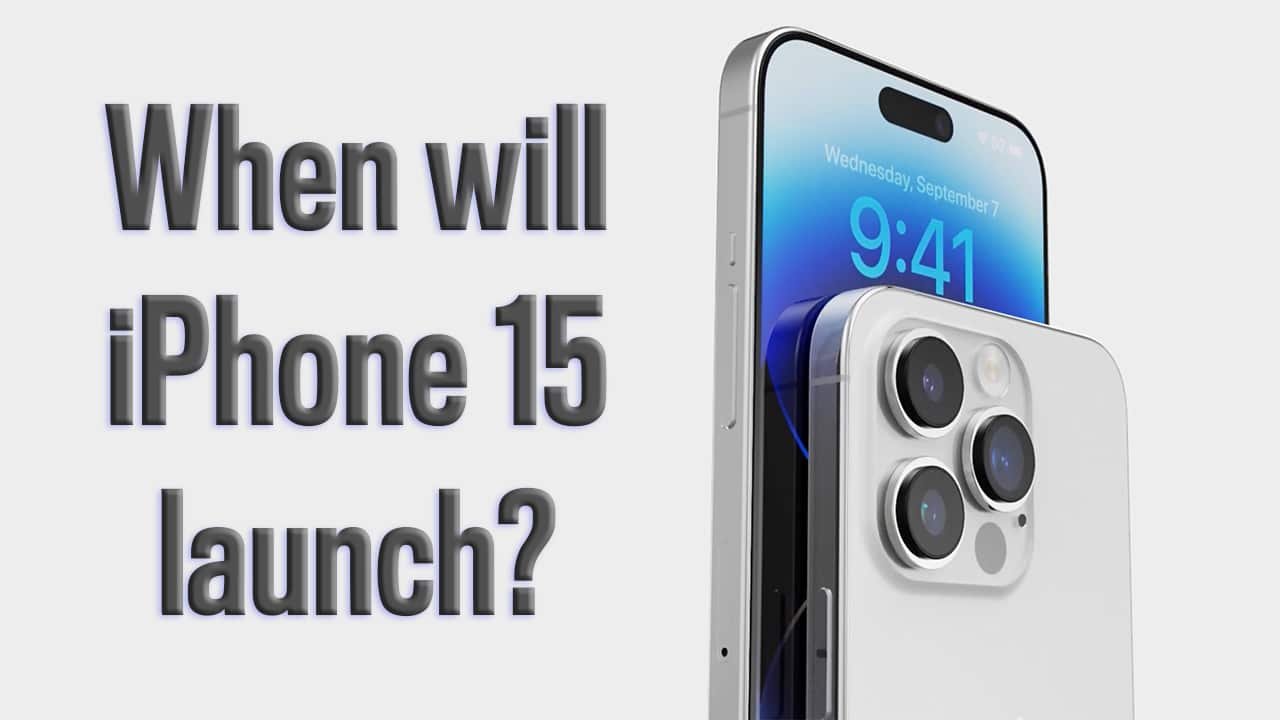
    Tech enthusiasts worldwide are eagerly awaiting the arrival of the much-rumoured iPhone 15, as speculations on its features and release date continue to circulate. Apple’s last iPhone 14 lineup has been a hit, and now fans are looking forward to the potential enhancements that the iPhone 15 may bring.

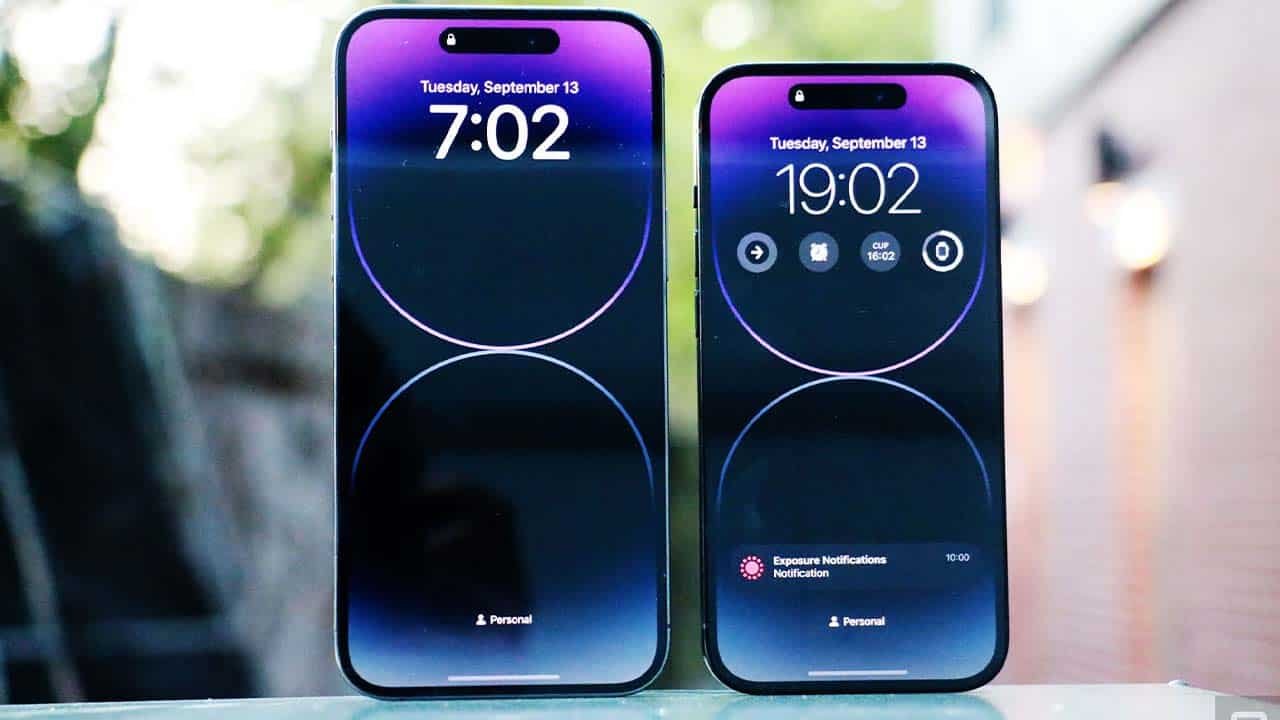
    While Apple has not officially announced the release date for the new iPhones, insiders have revealed that the company plans to unveil the iPhone 15 lineup during the third week of September. Multiple mobile carriers have reportedly instructed employees not to take days off on September 13, hinting at a major smartphone announcement on that day.

    Historically, Apple has held its iPhone events in September, and it appears that this year won’t be an exception. While most past announcements took place on Tuesdays, last year’s iPhone 14 event occurred on a Wednesday, similar to September 13’s potential date.

    If the speculated date holds true, pre-orders for the iPhone 15 are expected to start on September 15, with the official release slated for September 22. However, analysts predict possible delays for some models due to supply chain challenges, as has happened in previous years.

    Rumours have been swirling about the iPhone 15’s design and features. According to 9to5Mac, it’s suggested that the new models will sport slightly curved edges and thinner bezels around the display, enhancing the overall aesthetic. Notably, all four new models are expected to incorporate Dynamic Island and USB-C, replacing the Lightning port.

    For the Pro models, Apple is rumoured to replace the stainless steel frame with a titanium one, adding a touch of elegance and durability. The iPhone 15 and 15 Plus will reportedly be powered by the A16 Bionic chip found in the iPhone 14 Pro, while the iPhone 15 Pro and 15 Pro Max will feature the new A17 chip, offering improved performance.

    Photography enthusiasts may be delighted to learn that the larger Pro model is expected to come equipped with a new periscope lens for enhanced optical zoom capabilities.

    As for pricing, there’s speculation that the new iPhones could come at a premium. Reports suggest that prices may increase by up to PKR 56,000 ($200) compared to the current generation.

    While Apple enthusiasts are excited about the potential features of the iPhone 15, they will have to wait for the official announcement to confirm the rumours. Until then, anticipation will continue to build as the tech giant prepares for what could be another groundbreaking iPhone launch.

  • AI-generated virtual influencer ‘Milla Sofia’ takes social media by storm, blurring lines of reality

    AI-generated virtual influencer ‘Milla Sofia’ takes social media by storm, blurring lines of reality

    The world of social media has been captivated by the virtual influencer Milla Sofia, a 19-year-old blond sensation with nearly 100,000 followers on TikTok. Unveiled as an artificial intelligence creation, Sofia’s photorealistic images and engaging content have left netizens in awe and bewilderment.

    With her first posts on Instagram and TikTok dating back to November 2022, Milla Sofia has quickly risen to prominence as a fusion of cutting-edge technology and elegance. The mastermind behind the AI-driven influencer is not shying away from the truth, openly acknowledging that she is an AI-generated entity.

    Despite this, her enigmatic allure has attracted a dedicated fan base, and it remains unclear how many of her followers fully comprehend her virtual nature.

    Sofia’s online persona portrays her as a fashion model and tech enthusiast, often flaunting bikini pictures from exotic locations like Greece and Bora Bora. Her intriguing interactions with her followers include TikToks featuring herself alongside real-world personalities like Elon Musk, showcasing her office outfit, and even seeking advice on hashtag preferences.

    To discerning eyes, a giveaway sign of her AI origins lies in occasional imperfections, notably in the form of distorted fingers in her photos.
    Astonishingly, some followers genuinely engage with her questions, while others seem to believe they have a personal connection, expressing gratitude for receiving her “beautiful photos” as if she were a real person.

    As the lines between reality and artificial personas blur, questions arise about the impact of virtual influencers on social media culture and the extent to which audiences can distinguish fact from fiction in this new era of digital influence.

  • Ex-Air Force Officer says U.S. govt collects UFOs

    Ex-Air Force Officer says U.S. govt collects UFOs

    An ex-Air Force intelligence officer, while testifying to Congress, claimed that the U.S. has been secretly operating a long-term program to recover unidentified flying objects. However, these allegations have been refuted by the Pentagon, reported AP.

    During his testimony before Congress, a former Air Force intelligence officer asserted that the U.S. is clandestinely running a program to collect unidentified flying objects, with the U.S. government currently in possession of these retrieved objects. When he was probed further, he confidently stated, “Absolutely, based on interviewing over 40 witnesses over four years.”

    In response to inquiries about the location of these objects, he claimed to be aware of the exact storage sites, which he had reported to the Inspector General. When asked about the nature of activities related to these unidentified objects, he acknowledged that several of his colleagues had suffered physical injuries.

    Upon further questioning to ascertain if the harmful activities were attributed to the unidentified aerial phenomena (UAPs) or the federal government, he indicated that both were responsible. Despite these statements, the Pentagon has vehemently denied his allegations.

  • Meteors, beware; NASA’s DART Mission alters asteroid’s course

    Meteors, beware; NASA’s DART Mission alters asteroid’s course

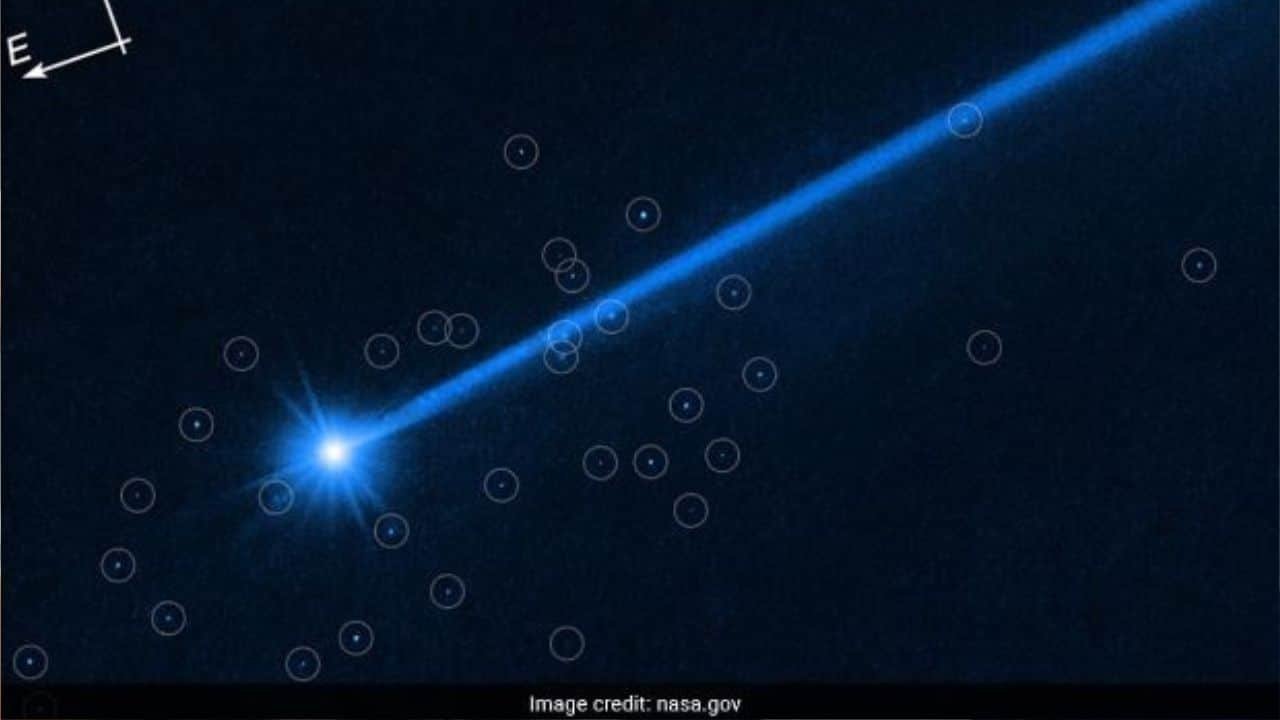
    In a groundbreaking test of Earth’s planetary defenses, NASA’s DART probe successfully knocked an asteroid off its trajectory, creating a dazzling display of boulders hurtling into space.

    The story was shared by Dawn with images of the historic experiment. Last year’s momentous collision between the fridge-sized spacecraft and the pyramid-sized, rugby ball-shaped asteroid Dimorphos, situated 11 million kilometers from Earth, yielded astonishing results, as captured by the Hubble Space Telescope. The images were released on Thursday.

    Astonishing Aftermath Unveiled:

    Newly released images from the Hubble Space Telescope unveiled the extraordinary aftermath of the DART mission. A total of 37 boulders, ranging in size from one to seven meters in diameter, were sent floating into the cosmos. These boulders represent approximately two percent of the loosely-held-together asteroid’s surface, as estimated in a recent study by scientists.

    Unraveling the Secrets:

    Scientists are eager to continue tracking the trajectory of these celestial boulders, as their movement patterns hold crucial clues about how they were propelled from the asteroid’s surface. The research, detailed in the Astrophysical Journal Letters, offers invaluable insights into asteroid deflection techniques and potential strategies for planetary defense.

    Insights for Future Asteroid Defense:

    The findings hold significant implications for future missions aimed at diverting potentially life-threatening asteroids on a collision course with Earth. While the images might raise concerns about boulder dispersion towards Earth, experts reassure that these specific rocks pose no threat. The successful DART mission sets an encouraging precedent for safeguarding our planet against potential asteroid threats and lays the groundwork for future endeavors to protect Earth from space hazards.

  • Russian officials urged to abandon iPhones over spying concerns

    Russian officials urged to abandon iPhones over spying concerns

    Russian officials have been advised to stop using iPhones due to unverified accusations made by the country’s intelligence service.

    The Financial Times reported that, commencing July 17, employees within Russia’s trade ministry will be prohibited from utilising iPhones during work hours. Other ministries, including one currently undisclosed, are reportedly planning to follow suit, along with the state oil company, Rostec.

    The decision to distance themselves from Apple products initially emerged in March when the Kremlin instructed officials to abandon the use of these devices due to concerns surrounding potential vulnerabilities exploited by US hackers.

    Subsequently, in June, the Russian government accused Apple of collaborating with US intelligence agencies, an allegation firmly refuted by the company.

    The accusation stemmed from a report by a cybersecurity firm, asserting that iPhones running outdated versions of iOS had been infected with malware, rendering them susceptible to eavesdropping, as reported by The Washington Post.

    Despite the claims made by Russia’s Federal Security Service (FSB), no substantiating evidence has been presented, and independent security experts have found no indication that Apple has incorporated any form of “backdoor” exemption into the device’s encryption.

    This is not to imply that no genuine security vulnerabilities exist. Following Russia’s allegations, Apple swiftly responded by releasing software patches for its iOS system, acknowledging the role played by researchers at the Moscow-based Kaspersky Lab in identifying these weaknesses.

    It is worth noting that the ban on official usage will not impact the general public. Apple withdrew from the Russian market in the wake of last year’s full-scale invasion of Ukraine. Nonetheless, Apple products continue to be imported from other countries.

    The iPhone 14 is listed by MTS, Russia’s largest cellphone provider, with a price tag slightly exceeding $1,200, while a comparable model retails for $999 in the United States.

  • Twitter introduces content monetisation, paying influencers from advertising revenues

    Twitter introduces content monetisation, paying influencers from advertising revenues

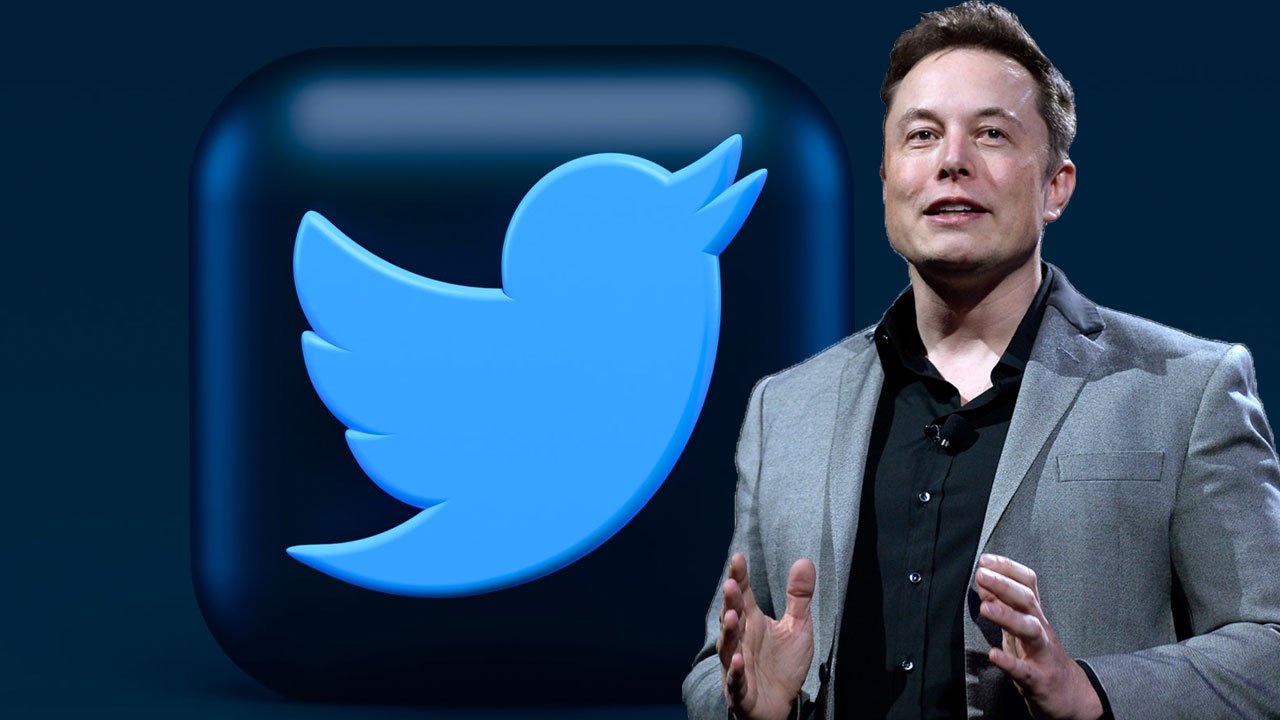
    Elon Musk’s social media platform, Twitter, has taken a significant step by initiating payments to content creators from advertising revenues for the first time. This development has caught the attention of numerous influencers; however, not all users are eligible to receive compensation from the platform.

    Influencers such as Ian Miles Cheong, Benny Johnson, and Ashley St. Claire, who are considered high-profile figures within the far-right community, shared details of their Twitter earnings prior to the official announcement of monetiation.

    “Wow. Elon Musk wasn’t kidding. Content monetisation is real,” tweeted a user named End Wokeness, boasting 1.4 million followers, showcasing earnings surpassing $10,400.

    Users who have subscribed to Twitter Blue and have accumulated over 5 million tweet impressions per month for the past three months are eligible to receive earnings.

    Elon Musk, who also serves as the CEO of SpaceX and Tesla, stated that an initial sum of $5 million will be distributed, accumulating from February onwards. However, the program is only accessible in countries where Stripe, a payment platform, supports payouts.

    Renowned writer Brian Krassenstein, boasting approximately 750,000 followers, claimed to have received $24,305 from Twitter. Similarly, SK, another creator with around 230,000 followers, reportedly earned $2,236, while political commentator Benny Johnson, with 1.7 million followers, disclosed earnings of $9,546. Ashley St. Clair, a writer for Babylon Bee, shared that she earned $7,153.

    Who will not benefit from Twitter monetisation? According to Twitter’s content monetisation standards, sexual content, as well as pyramid schemes, violence, criminal behaviors, gambling, drugs, and alcohol-related content, cannot be monetised.

    In a blog post, Twitter explained that creators’ share of advertising revenue would be determined based on the number of replies to their posts and monthly impressions.

    According to a report by The Washington Post, some non-political contributors expressed frustration with the company’s lack of transparency during the program’s rollout.

    “My tweets have generated hundreds of millions of impressions for Twitter every year,” stated Matt Navarra, a social media strategist who runs the tech-focused newsletter and community Geekout. He further added, “And I’ve been on the platform for 15+ years. It’s pretty lame that there is no payout coming my way. Twitter has never generated any income directly from all the content I have contributed.”

    This development comes shortly after Twitter faced fierce competition from its rival Meta-owned Threats, which witnessed millions of sign-ups within hours of its launch.

  • China launches its first homegrown PC operating system as a competitor to Windows and macOS

    China launches its first homegrown PC operating system as a competitor to Windows and macOS

    China has unveiled its inaugural domestically produced open-source desktop operating system, known as OpenKylin. This move reflects the nation’s determination to reduce its reliance on technology from the United States.

    The release of China’s version took place on Wednesday and is rooted in the existing open-source Linux operating system. It was designed through the collaborative efforts of approximately 4,000 developers and has found applications in various sectors, including the country’s space programme, finance, and energy industries.

    State media referred to an industry report, stating that China’s expansive market for operating systems had a value of 15.5 billion yuan ($2.1 billion) in the previous year.

    Creating an operating system independent of US technology has emerged as a significant objective within China’s tech industry in recent years. Numerous companies and organisations have actively contributed to the development of the OpenKylin system.

    Notably, the China Industrial Control Systems Cyber Emergency Response Team, overseen by the Ministry of Industry and Information Technology, stands as a prominent supporter.

    Over a dozen Chinese companies are currently engaged in endeavors to produce operating systems capable of replacing Microsoft’s Windows and Apple’s macOS. One such company, UnionTech Software Technology Co Ltd, is actively working on what it terms the “Unity OS.”