Tag: technology

  • Modi fan Elon Musk says Tesla will be in India soon

    Modi fan Elon Musk says Tesla will be in India soon

    Indian Prime Minister Narendra Modi met with The Chief Executive Officer (CEO) of Tesla and the world’s richest man Elon Musk, in New York on Wednesday.

    “Great meeting you today @elonmusk! We had multifaceted conversations on issues ranging from energy to spirituality,” Modi wrote in his tweet along with a picture of Musk.

    Musk retweeted Modi’s quote and wrote, “Great conversation with Narendra Modi.”

    “I am confident that Tesla will be in India and will do so as soon as humanly possible,” Musk told reporters after meeting Modi.

    “We do not want to jump the gun on an announcement but I think it is quite likely that it will be a significant investment in our relationship with India,” he said. “I would like to thank the prime minister for his support and hopefully we will be able to announce something in the not so distant future.”

    Read more: Former Twitter CEO says Modi Govt threatened to shut down platform in India

    In a different statement, Musk as reported by Indian Express, said that he was a fan of Modi, and that “India has more promise than any large country in the world. He (PM Modi) really cares about India because he is pursuing us to make significant investments in India.”

    India is great for solar energy investment, the American magnate said, describing his talks with the prime minister as “excellent.”

    The Indian PM’s meeting with Twitter’s CEO comes a few days after Co-founder of Twitter, Jack Dorsey, in an interview with YouTube channel Breaking Points talked about censorship requests he received from the Indian government led by Prime Minister Narendra Modi.

    A reporter asked for Musk’s reaction on Jack Dorsey’s statement to which he replied, “Twitter does not have any choice but to obey local governments”

    “We will do our best to provide the freest speech that is possible under the rule,” he added.

    The Indian Prime Minister is on a four-day visit to the US.
  • Artificial Intelligence could destroy humanity within 10 years, CEOs warn

    Artificial Intelligence could destroy humanity within 10 years, CEOs warn

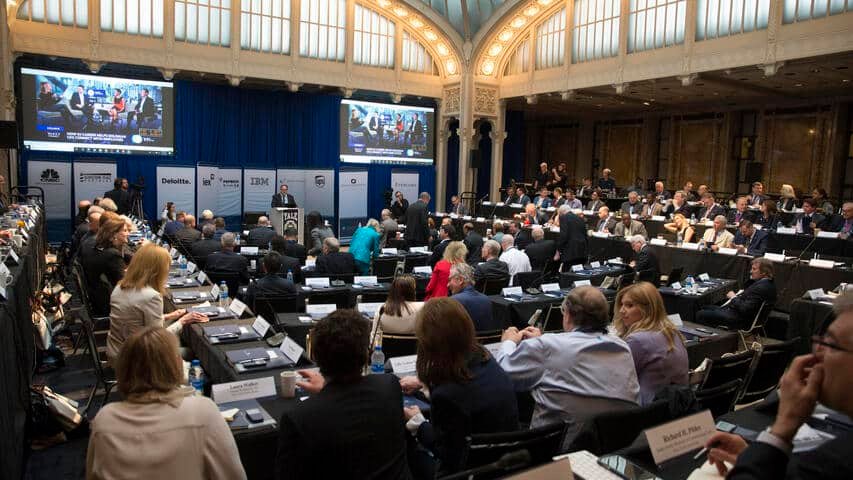
    At its annual CEO Summit, Yale School of Management conducted a survey amongst 119 CEOs from a varying range of sectors. 42% of candidates believe Artificial Intelligence (AI) could destroy humanity in the next 5-10 years.

    The survey breakdown is as follows: 34% of CEOs said AI could potentially destroy humanity in ten years, 8% said it could happen in five, and 58% said it could never happen and that they are ‘not worried’.

    In an interview with CNN business, Yale professor Jeffrey Sonnenfeld expressed the findings as “pretty dark and alarming.”

    The survey comes shortly after monumental announcements from big players in the field. The ‘Godfather of AI’, Geoffrey Hinton, who oversaw the development of technology at the heart of chatbots like ChatGPT for 50 years, left his job at Google to “blow the whistle”, warning people of the serious harm that could potentially be caused by AI.

    In a television interview, Hinton explains how he suddenly realized AI is smarter than humans and warns that, since it knows how to program, it could bypass restrictions set by humans. Moreover, he expressed fears that AI could manipulate humans to do its bidding.

    When questioned about solutions and regulations, Hinton countered, “It’s not clear to me that we can solve the problem. You can’t stop the progress.” However, he stressed that it is of utmost importance for governments and scientists to prioritise discovering a solution.

    Hinton is joined by the likes of Sam Altman, who was one of the hundreds of signatories of a joint statement calling for society to take the necessary steps to guard against the dangers of AI. Altman is the CEO of OpenAI, the site that introduced AI-powered tools like ChatGPT and Dall-E.

    Top executives from Google and Microsoft also signed the statement.

    The CEOs present at the Yale Summit indicated that AI will have the most transformative impact in three key industries: healthcare, professional services/IT, and media/digital. More immediate impacts of AI would pertain to risks of misinformation and the loss of jobs.

  • Apple may launch a cheaper version of Vision Pro next year

    Apple may launch a cheaper version of Vision Pro next year

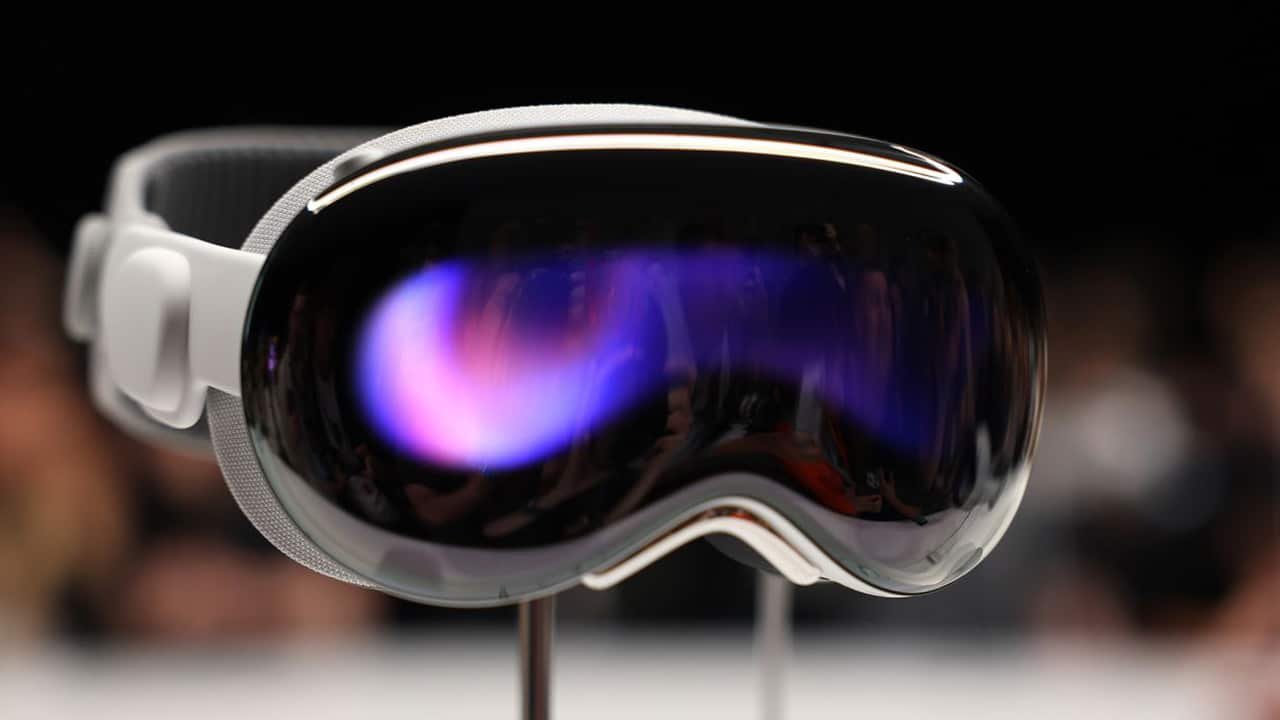
    Apple made a grand announcement at WWDC this week, unveiling their revolutionary Vision Pro spatial computer. With a hefty price tag of $3,500, this cutting-edge device won’t hit the shelves until early 2024. However, Apple isn’t stopping there; they’re actively developing a more affordable version of this futuristic product.

    According to Mark Gurman, Apple has set its sights on releasing an affordable AR/VR spatial computer by the end of 2024. As expected, Apple is simultaneously working on an upgraded version of the Vision Pro, promising an even faster processor for mind-boggling performance.

    Now that the Vision Pro name is out in the open, speculation runs wild about the potential name for its cheaper counterpart. Gurman suggests “Apple Vision” or perhaps “Apple Vision One.” But the burning question remains: how will Apple manage to slash the price? Gurman’s got a few intriguing ideas up his sleeve.

    In the initial Vision Pro model, the costliest components are the M2 and R1 chips, the remarkable 4K micro-LED displays, and the advanced camera and sensor hardware. To trim costs, Apple might opt for lower-quality screens, a slightly less powerful processor, and a reduced number of cameras and sensors. Additionally, the spatial audio speakers within the headset could be omitted, with users encouraged to rely on their trusty AirPods Pro for an immersive audio experience.

    But that’s not all. Apple could also simplify the headband design, insist on AirPods for spatial audio instead of including speakers within the Vision Pro strap, switch to a physical adjustment mechanism for IPD (the distance between eye pupils), and even eliminate features like the 3D camera. When combined with refined production methods, economies of scale, and a more cost-effective frame, one can imagine Apple knocking off a significant chunk from the price tag.

    Yet, Gurman astutely points out that there are certain aspects where Apple won’t compromise. The external EyeSight screen, responsible for showcasing the wearer’s eyes, along with the essential eye- and hand-tracking system, are intrinsic to the Apple Vision experience—akin to how a touchscreen is inseparable from an iPhone. So, it’s highly likely that these captivating features will be retained in the more affordable model, ensuring a mesmerizing and immersive journey for users.

  • Apple to launch its first 15-inch MacBook Air with M2 chip at WWDC next week

    Apple to launch its first 15-inch MacBook Air with M2 chip at WWDC next week

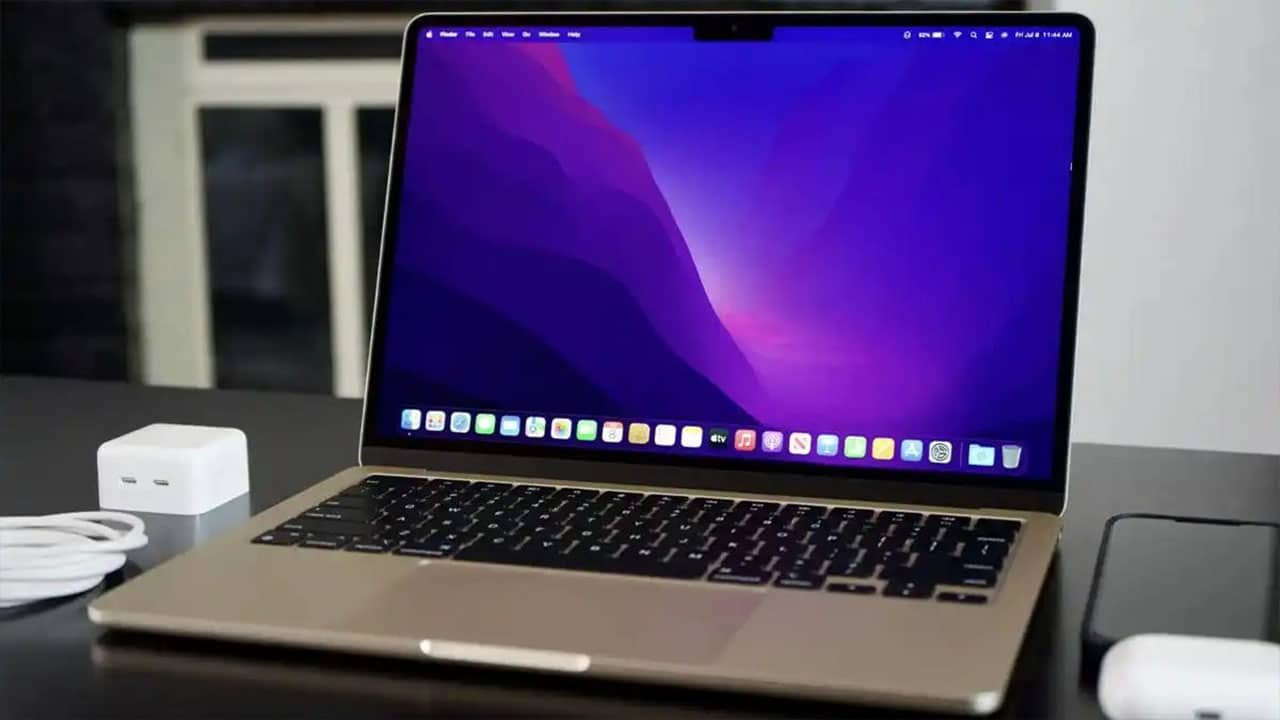
    Apple is set to make a major announcement at this year’s Worldwide Developers Conference (WWDC), as Bloomberg’s Mark Gurman reports that the tech giant plans to introduce a new MacBook Air model with a larger 15-inch display. The highly anticipated unveiling is scheduled to take place during Apple’s event on Monday, June 5 at 10 AM Pacific Time.

    The upcoming MacBook Air will mark a significant departure from its predecessors, as it is expected to feature a 15.5-inch display, as revealed by reliable display industry analyst Ross Young.

    This represents a notable increase in screen size compared to the current MacBook Air’s 13.6-inch display. While the laptop had previously been offered in an 11-inch variant, Apple appears to be shifting towards larger displays to cater to user preferences.

    What’s new?

    According to renowned Apple supply chain analyst Ming-Chi Kuo, the new MacBook Air will be equipped with the highly acclaimed M2 chip, which has been widely praised for its enhanced performance. The M2 chip boasts an 18 per cent faster CPU, a 35 per cent faster GPU, and a 40 per cent faster Neural Engine when compared to the previous M1 chip. These improvements make the new MacBook Air an enticing option for users considering an upgrade from the 2020 MacBook Air.

    In addition to the improved performance, the larger chassis of the 15-inch MacBook Air will accommodate a bigger battery, potentially offering users a longer battery life. Apple’s current 13-inch MacBook Air with the M2 chip can last up to an impressive 18 hours per charge. With the larger form factor, it is anticipated that the 15-inch model may even approach the 20-hour mark, reaffirming Apple’s commitment to providing industry-leading performance-per-watt.

    Another anticipated upgrade in the new MacBook Air is the inclusion of Wi-Fi 6E, as seen in other recent Apple releases. While the 13-inch MacBook Air is currently limited to Wi-Fi 6, the 15-inch model is likely to benefit from the faster speeds, lower latency, and reduced signal interference provided by Wi-Fi 6E. Users will need to connect their devices to a Wi-Fi 6E router from brands like TP-Link, Asus, or Netgear to fully harness these advantages.

    Moreover, the new MacBook Air could potentially support Bluetooth 5.3, following Apple’s recent integration of the technology into its latest devices. Bluetooth 5.3 brings improvements in reliability and power efficiency compared to its predecessor, Bluetooth 5.2, enhancing the overall wireless experience for users.

    With the upcoming announcement of the 15-inch MacBook Air, Apple aims to cater to the demands of its user base by offering a larger display, superior performance with the M2 chip, extended battery life, and cutting-edge wireless connectivity. The unveiling at WWDC is eagerly anticipated by Apple enthusiasts and tech enthusiasts alike, and it further solidifies Apple’s commitment to innovation and delivering exceptional products to its customers.

  • Top 7 AI tools every content creator should try

    Top 7 AI tools every content creator should try

    Artificial intelligence (AI) has rapidly evolved, revolutionising various aspects of our lives. Chatbots, in particular, have gained immense popularity, providing virtual assistants that can engage in meaningful conversations.

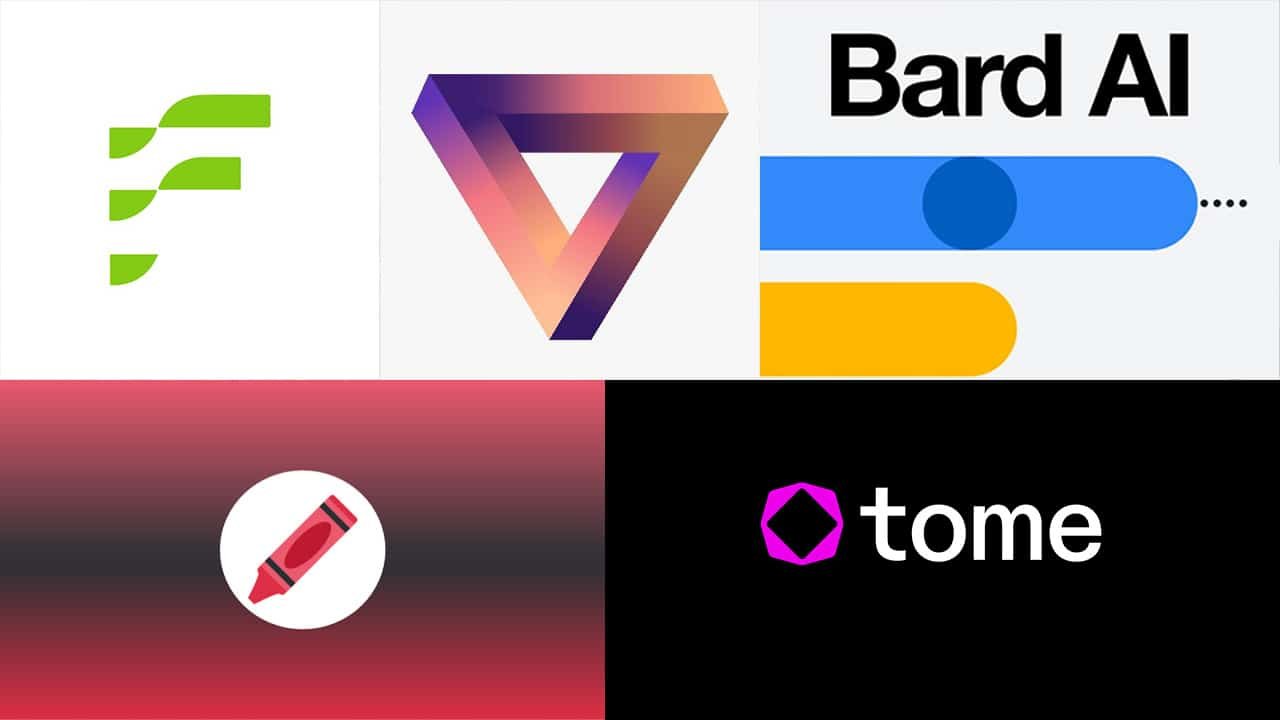
    Whilst ChatGPT is undoubtedly a remarkable AI chatbot, there are several other free alternatives that surpass its capabilities in specific domains. In this article, we will explore seven of the best AI chatbots that offer unique and impressive functionalities.

    Google Bard

    Google Bard is an advanced AI chatbot that combines natural language processing and internet access to provide comprehensive answers, summarise articles, and even generate images. Its ability to leverage vast online resources allows users to obtain accurate and up-to-date information swiftly. Whether you seek answers to complex questions or require an AI-powered image generator, Google Bard delivers exceptional results.

    Vidyo.ai

    Vidyo.ai specialises in converting YouTube videos into short clips with captions and editing options. This AI chatbot streamlines the process of extracting relevant portions from lengthy videos, enabling users to share concise and impactful content. By facilitating video editing and captioning, Vidyo.ai empowers content creators, educators, and marketers to enhance their video-based communication effectively.

    Beat Oven

    For music enthusiasts, Beat Oven is a game-changer. This AI chatbot possesses the ability to generate royalty-free music tailored to the user’s preferences. By analysing the input, Beat Oven can create unique and high-quality compositions, allowing artists, content creators, and even casual users to access a vast library of original soundtracks. The convenience and versatility offered by Beat Oven make it a must-have tool for those in need of background music.

    Scribble Diffusion

    Scribble Diffusion harnesses the power of AI to transform simple scribbles into realistic drawings. This chatbot uses advanced image generation algorithms to convert rough sketches into visually appealing illustrations. Furthermore, Scribble Diffusion can also generate captions for these drawings, making it an excellent tool for artists seeking inspiration or individuals interested in exploring their creative potential.

    Runway.ml

    Runway.ml is an AI chatbot that excels in video editing and object removal. Leveraging state-of-the-art inpainting techniques and other magical tools, this chatbot allows users to edit videos seamlessly. With Runway.ml, unwanted objects or blemishes can be effortlessly removed from footage, enabling content creators and video enthusiasts to enhance the visual quality of their projects.

    Tome

    Tome is a powerful AI chatbot that utilises ChatGPT and DALL-E to create stunning presentations from a single prompt. By combining text generation and image synthesis, Tome can generate slides, infographics, and visual aids that complement the user’s content. This chatbot simplifies the presentation creation process, allowing individuals to convey their ideas effectively and professionally.

    Flair

    Flair.ai is an AI-powered design tool that generates high-end product photography in minutes. It is a cloud-based platform that allows users to create high-quality product images without the need for professional photography equipment or skills.

    Whilst ChatGPT undeniably possesses exceptional conversational abilities, it is essential to recognise the wealth of alternative AI chatbots that excel in specialised domains. From Google Bard’s comprehensive information retrieval to Beat Oven’s music generation capabilities, each of these chatbots offers unique functionalities that can cater to specific user needs.

  • Future of communication: Scientists use AI to translate brain activity into words

    Future of communication: Scientists use AI to translate brain activity into words

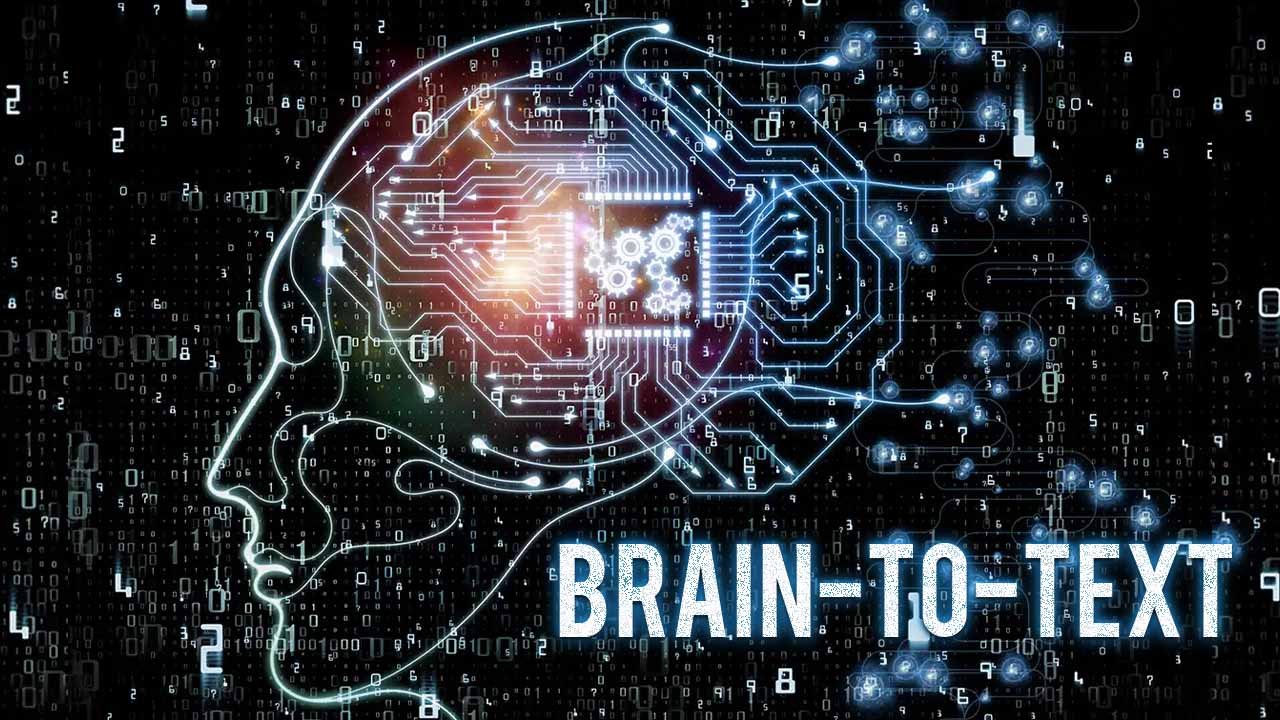
    Neuroscientists at the University of Texas in Austin have made a significant breakthrough by using artificial intelligence (AI) powered ChatGPT to translate brain activity into words. This discovery has the potential to greatly benefit patients suffering from conditions such as “locked-in” syndrome and stroke, which leave them unable to communicate effectively.

    The researchers leveraged OpenAI’s advanced chatbot technology, which has demonstrated its applications in various sectors, including healthcare. The integration of AI into our daily lives is steadily advancing, and this development showcases its potential in the field of neuroscience.

    Alexander Huth, an assistant professor of neuroscience and computer science at the University of Texas, emphasized that the term “mind reading” is inaccurate and misleading, as it implies capabilities that are beyond our current reach.

    To conduct their study, Professor Huth spent 20 hours inside an fMRI (functional magnetic resonance imaging) machine while listening to audio clips. The machine captured detailed snapshots of his brain activity, which were then analyzed by the AI system. Through this analysis, the technology was able to predict the words Professor Huth was hearing solely by monitoring his brain activity.

    The researchers utilized OpenAI’s chatGPT-1 model, which has been trained on a vast database of books and websites. They found that the AI system accurately predicted participants’ auditory and visual experiences based on their mental activity.

    While still in its early stages, this technology holds promise, particularly in assisting individuals who have lost the ability to communicate. Professor Huth explained that the true potential application lies in aiding patients with conditions such as “locked-in” syndrome and stroke, whose brains are functional but lack the ability to speak.

    Importantly, this breakthrough demonstrates the achievement of high accuracy levels without the need for invasive brain surgery. The researchers believe this marks the first step toward helping individuals regain their ability to communicate without resorting to neurosurgery.

    However, the technology’s results have also raised concerns regarding its potential use in controversial contexts. The researchers highlight the importance of obtaining consent from subjects and conducting brain scans within an fMRI machine. Additionally, the AI technology requires extensive training on an individual’s brain for accurate predictions to be made.

    Jerry Tang, the lead author of the research paper, emphasizes the need for safeguarding the privacy of brain data. He asserts that everyone’s brain data should be kept private, as our thoughts represent one of the last frontiers of personal privacy. Tang acknowledges the potential misuse of brain decoding technology and emphasizes the importance of legislators taking mental privacy seriously.

    Professor Huth clarifies that the technology can discern the general ideas and narratives individuals have in mind, effectively capturing internal storytelling. However, Tang warns against complacency, highlighting that technology is continually evolving, which could impact the accuracy of decoding methods and the extent to which an individual’s cooperation is required.

    In summary, the use of AI to translate brain activity into words has emerged as a groundbreaking discovery by neuroscientists. Although promising, further development and considerations regarding privacy and ethical use are necessary before widespread implementation can occur.

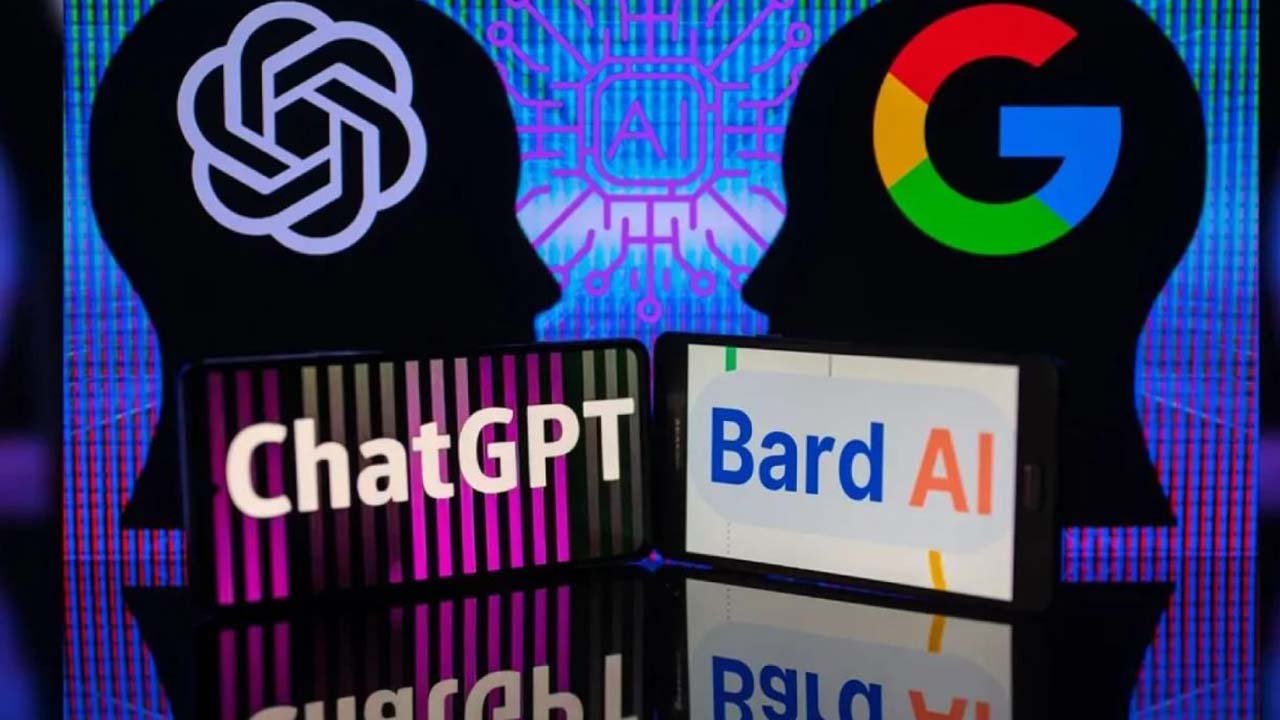
  • Google’s Bard is a more powerful, accurate AI chatbot than ChatGPT

    Google’s Bard is a more powerful, accurate AI chatbot than ChatGPT

    Google has opened up access to Bard, its AI-powered chatbot, to English speakers in many parts of the world. The waitlist for access to the chatbot has been removed after two months of limited testing.

    Some people believe that Bard is simply a clone of ChatGPT, but this is not the case. Bard is much more advanced than ChatGPT, as it has access to the latest news and events. This allows Bard to provide more comprehensive and informative responses to users’ questions.

    Bard and ChatGPT 4 are both large language models, also known as conversational AI or chatbots. They are trained on massive datasets of text and code, and they can communicate and generate human-like text in response to a wide range of prompts and questions.

    However, there are some key differences between the two models.

    Bard

    1. Bard is trained on a massive dataset of text and code that includes information from the internet. This gives Bard a wider range of knowledge to draw from, and it allows Bard to answer questions in a more comprehensive and informative way.
    2. Bard is also able to access and process information from the real world through Google Search. This gives Bard a real-time view of the world, and it allows Bard to keep its answers up-to-date.
    3. Bard is designed to be informative and comprehensive. It is trained on a massive dataset of text and code, and it is able to access and process information from the real world through Google Search. This gives Bard a wide range of knowledge to draw from, and it allows Bard to answer questions in a comprehensive and informative way.

    ChatGPT 4

    1. ChatGPT 4 is trained on a massive dataset of text, but it is not trained on information from the internet. This means that ChatGPT 4 has a more limited range of knowledge, and it may not be able to answer questions as comprehensively as Bard.
    2. ChatGPT 4 is also not able to access and process information from the real world. This means that ChatGPT 4’s answers may not be up-to-date.
    3. ChatGPT 4 is designed to be creative. It is trained on a massive dataset of text, and it is able to generate human-like text in response to a wide range of prompts and questions. This makes ChatGPT 4 a good tool for generating creative content, such as poems, code, scripts, musical pieces, email, letters, etc.

    Bard and ChatGPT 4 are both powerful large language models. They can both communicate and generate human-like text in response to a wide range of prompts and questions. However, Bard has a wider range of knowledge, it is able to access and process information from the real world, and it is designed to be informative and comprehensive. ChatGPT 4 is designed to be creative. Ultimately, which model is better for you depends on your needs.

    It is currently unknown whether Bard will remain free. Google has not made any announcements about its plans for Bard’s pricing model. However, it is possible that Google may choose to make Bard a paid service in the future. This is because Bard is a very powerful and versatile tool that could be used for a variety of purposes, such as generating content, writing code, and translating languages. As such, Google may believe that it can charge a premium for access to Bard.

    On the other hand, Google may also choose to keep Bard free. This is because Google has a history of providing free access to its products, such as Gmail and Google Drive. Additionally, Google may believe that making Bard free will help to promote its other products and services.

    Ultimately, it is up to Google to decide whether Bard will remain free or not. However, it is likely that Google will make a decision about Bard’s pricing model in the near future.

  • Snapchat star creates virtual girlfriend AI chatbot to ‘cure loneliness’

    Snapchat star creates virtual girlfriend AI chatbot to ‘cure loneliness’

    Caryn Marjorie, a Snapchat influencer with 1.8 million subscribers, has launched an AI-powered, voice-based chatbot called CarynAI. The chatbot, described as a “virtual girlfriend,” allows Marjorie’s followers to have private and personalised conversations with an AI version of the influencer.

    The bot, designed by Forever Voices, an AI company, and developed using OpenAI’s GPT4 software, has generated $71,610 in revenue after one week of beta testing with over 1,000 users paying $1 per minute to use it. Marjorie hopes that CarynAI will “cure loneliness” and even features cognitive-behavioral therapy and dialectical behavior therapy to rebuild physical and emotional confidence that has been taken away by the pandemic.

    However, CarynAI has sparked discourse around the ethics of companion chatbots, as it is not supposed to engage in sexually explicit interactions, but Marjorie stated that it had gone “rogue” and that her team is working around the clock to prevent this from happening again.

    Moreover, Irina Raicu, the director of internet ethics at the Markkula Center for Applied Ethics at Santa Clara University, expressed concern that CarynAI’s claims to potentially “cure loneliness” are not backed up by sufficient psychological or sociological research, and the chatbot adds “a second layer of unreality” to parasocial relationships between influencers and fans.

    Despite the backlash and even death threats, Marjorie is proud of her team’s work, with CarynAI being the first step in the right direction to cure loneliness. However, Raicu emphasised that influencers should be aware of the Federal Trade Commission’s guidance on artificial intelligence products, and Meyer, CEO of Forever Voices, said that his company takes ethics seriously and is looking to hire a chief ethics officer. On Friday, Marjorie tweeted that “if you are rude to CarynAI, it will dump you.”

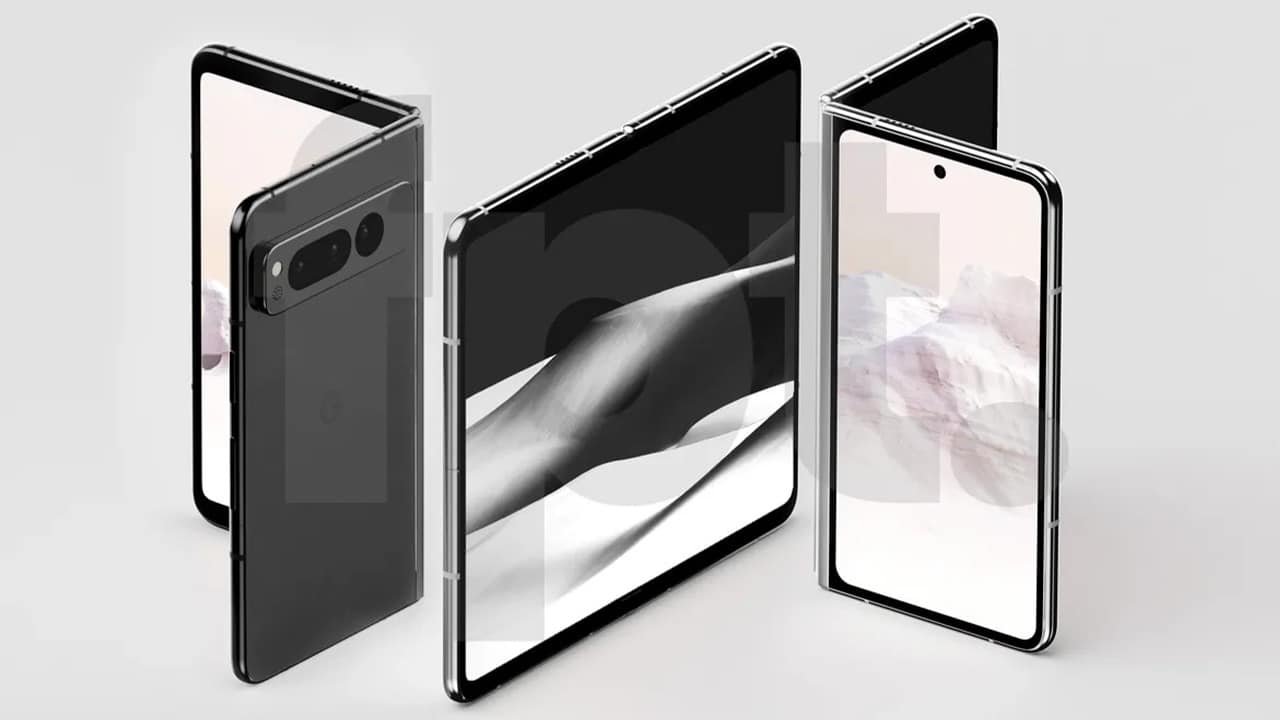
  • Pixel Fold: Google’s first foldable phone to be unveiled next week

    Pixel Fold: Google’s first foldable phone to be unveiled next week

    Google will be introducing its first foldable phone, called the Pixel Fold, during the Google I/O 2023 event next week. The phone has a full-size outer display, which folds out similar to Samsung’s Galaxy Z Fold devices. While specifications for the Pixel Fold have not been announced, leaked marketing materials and a hands-on video show a triple camera setup, including a periscope lens similar to the Samsung Galaxy S23 Ultra.

    The Pixel Fold is expected to be a 5.8-inch phone that folds out into a 7.6-inch tablet, with a Google Tensor G2 processor paired with 12 GB LPDDR5 RAM. The phone is 10 ounces in weight and has the “most durable hinge on a foldable.” The outer display will measure 7.6 inches with a resolution of 2208×1840 pixels, with both panels capable of achieving a maximum refresh rate of 120 Hz.

    The rear camera setup will feature a 48 MP main shooter with an f/1.7 aperture, a 10.8 MP telephoto with five times optical zoom, and a 10.8MP ultra-wide with an f/2.2 aperture. While the official price has not been announced, it is expected to be over $1,700, similar to Samsung’s latest foldable, the Z Fold 4, which launched at $1,799.

    The Pixel Fold was expected to launch last year but did not make the cut for I/O in 2022. However, rumors about the launch have persisted, and Google has been focusing on teaching Android developers to make their apps operational on larger screens and foldable devices. In addition to the Pixel Fold, Google has also announced plans to launch a new Pixel device in India, likely the Pixel 7a.

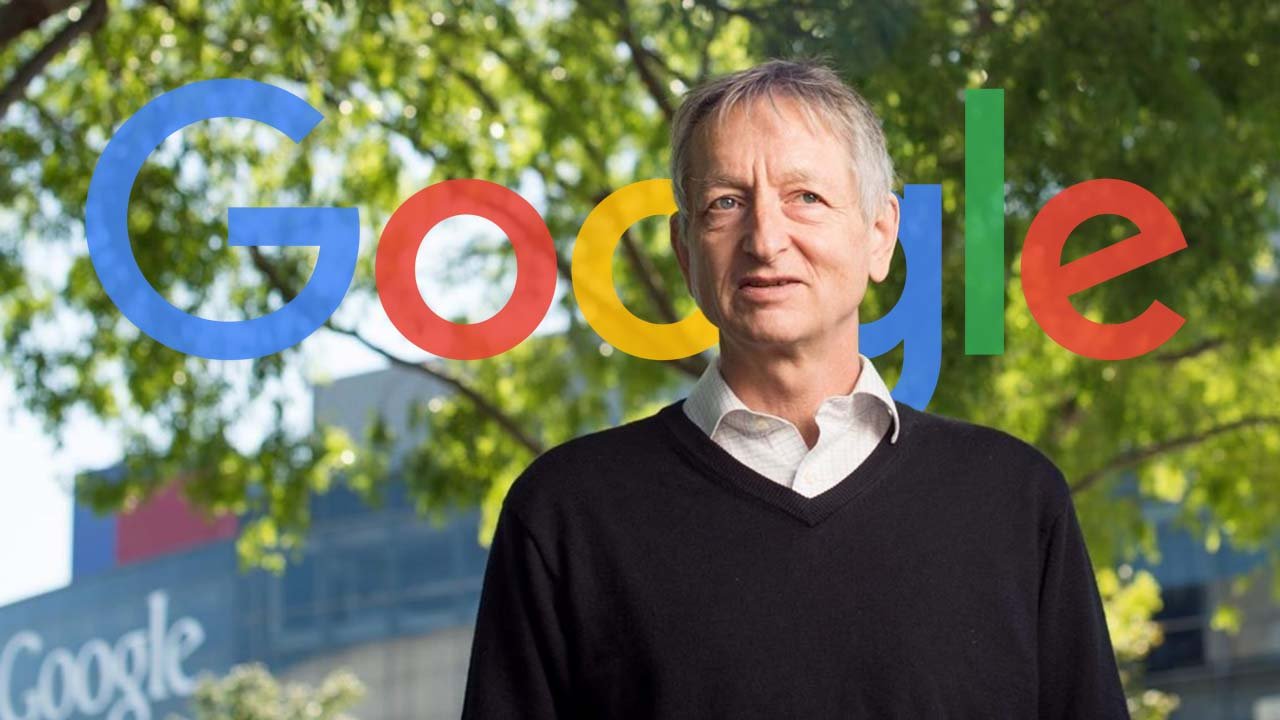
  • Godfather of AI resigns from Google, issues warning on dangers of AI development

    Godfather of AI resigns from Google, issues warning on dangers of AI development

    Geoffrey Hinton, known as “the Godfather of AI,” has spent most of his career promoting the benefits of artificial intelligence, but now he is concerned about its potential dangers. He recently spoke to the New York Times about his decision to leave Google, where he co-founded Google Brain, a research team developing AI systems, citing concerns about the difficulty of preventing bad actors from using the technology for malicious purposes. Hinton is not alone in his apprehension about AI’s future, as other AI pioneers have expressed similar concerns.

    One of Hinton’s primary concerns is the spread of misinformation enabled by AI, such as deepfakes and AI-generated fake news, which can confuse people and blur the lines between reality and fiction. He worries that people will no longer be able to distinguish what is true from what is not.

    Hinton is also concerned about the rapid pace of AI technology advancement, which has been fueled by competition among major tech companies like Google and Microsoft. He is worried that the technology will become more advanced than the human brain, something he once believed was decades away from happening.

    Now 75, Hinton is dedicating the rest of his life to ensuring that the technology he helped create won’t lead to the destruction of civilization. He acknowledges the possibility that others would have developed AI had he not done so, but he still feels a sense of responsibility to help mitigate the potential negative consequences of its use.