Tag: temperature

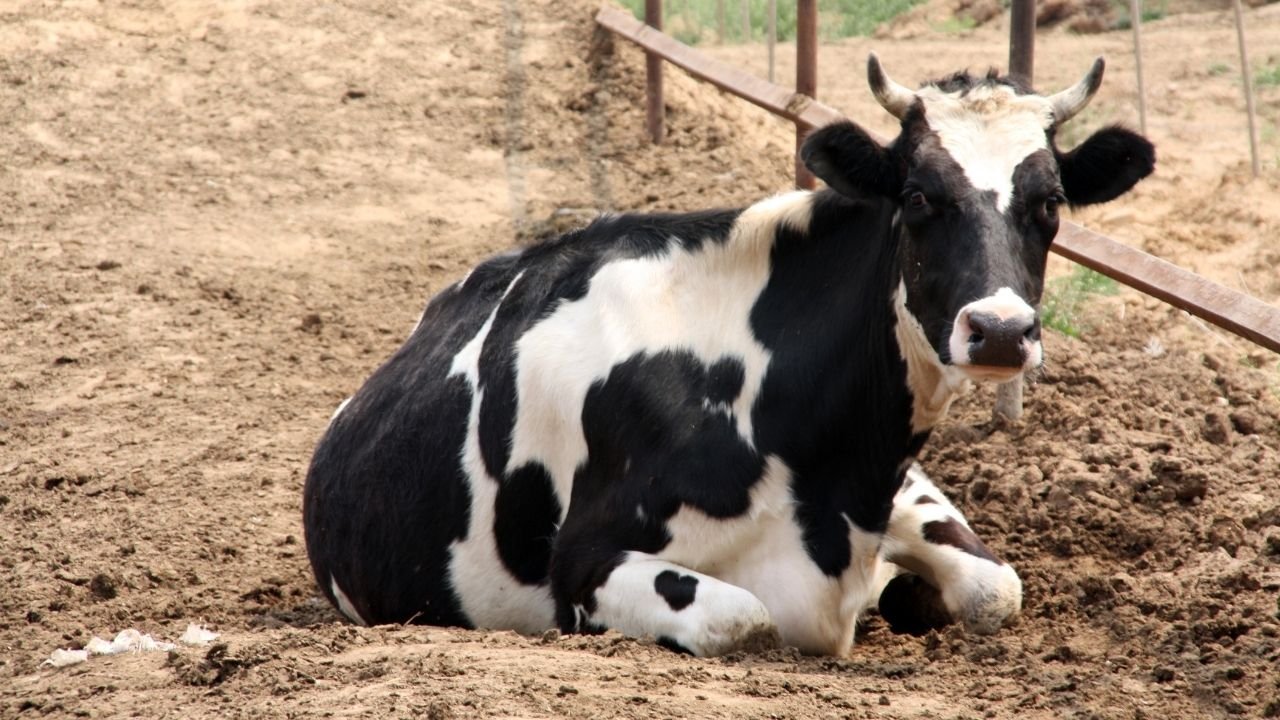
  • Dozens of cattle die in Karachi heat

    Dozens of cattle die in Karachi heat

    Karachi Cattle Farms Association spokesperson Shabir Dar has reported that 150 animals have died in a span of three days as temperatures increase in the coastal city, Samaa news has reports.

    Cattle farmers are facing financial losses as timely treatment remains elusive.

    Shabir Dar emphasised that despite the challenges, including the absence of veterinary doctors from the livestock department, it is crucial for the department to ensure the supply of care and medicines.

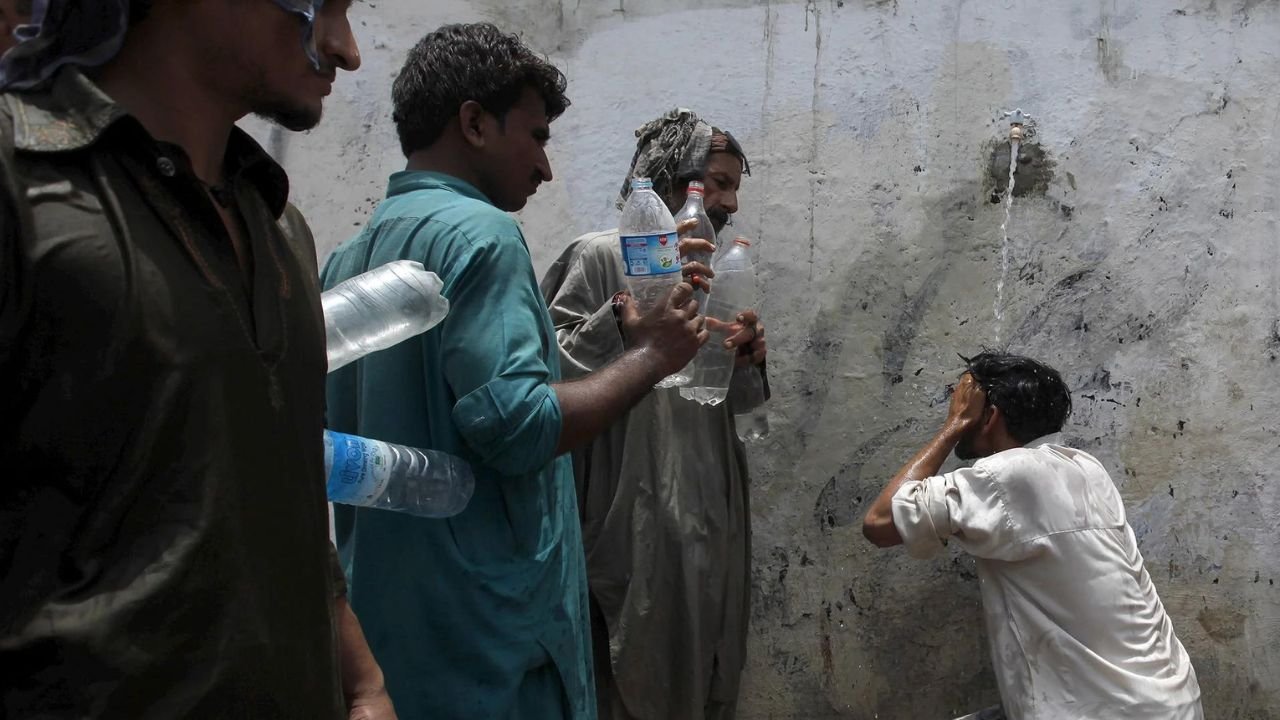
    Yesterday, following the mercury hitting 41 degrees Celsius in Karachi, concerns among residents escalated. Over the past four days, more than 70 people affected by extreme heat sought treatment at Civil and Jinnah Hospitals.

    Dr. Nizam, AMS Civil Hospital, reported that 67 heat-affected individuals were admitted to the emergency room, predominantly elderly or those suffering from various illnesses.

    Chief Meteorologist Sardar Sarfraz has forecast a partial heatwave in Karachi for the next two days, attributing the intensified heat to changing winds. Temperatures are expected to decrease after two days, with monsoon rains likely starting in the first week of July.

  • Why is Pakistan severely hit by heatwaves?

    Why is Pakistan severely hit by heatwaves?

    The Meteorological Department has explained the reason behind the ongoing heatwave in Pakistan.

    Most of the plain areas of the country will continue to be affected by extreme heat in the coming days, while this week in Karachi, temperature is likely to reach 42 degrees Celsius.

    But why is heatwave so severe in Pakistan?

    According to the Department of Meteorology, the phenomenon has stemmed from the combination of meteorological and environmental factors.

    To sum it up, high air pressure in the upper atmosphere and the presence of limited clouds lead to heatwaves.

    This year, scorching heat across the country broke yet another record, with Mohenjo-Daro being the hottest city in the country at 53 degrees on Sunday.

  • India shuts schools as temperatures soar

    India shuts schools as temperatures soar

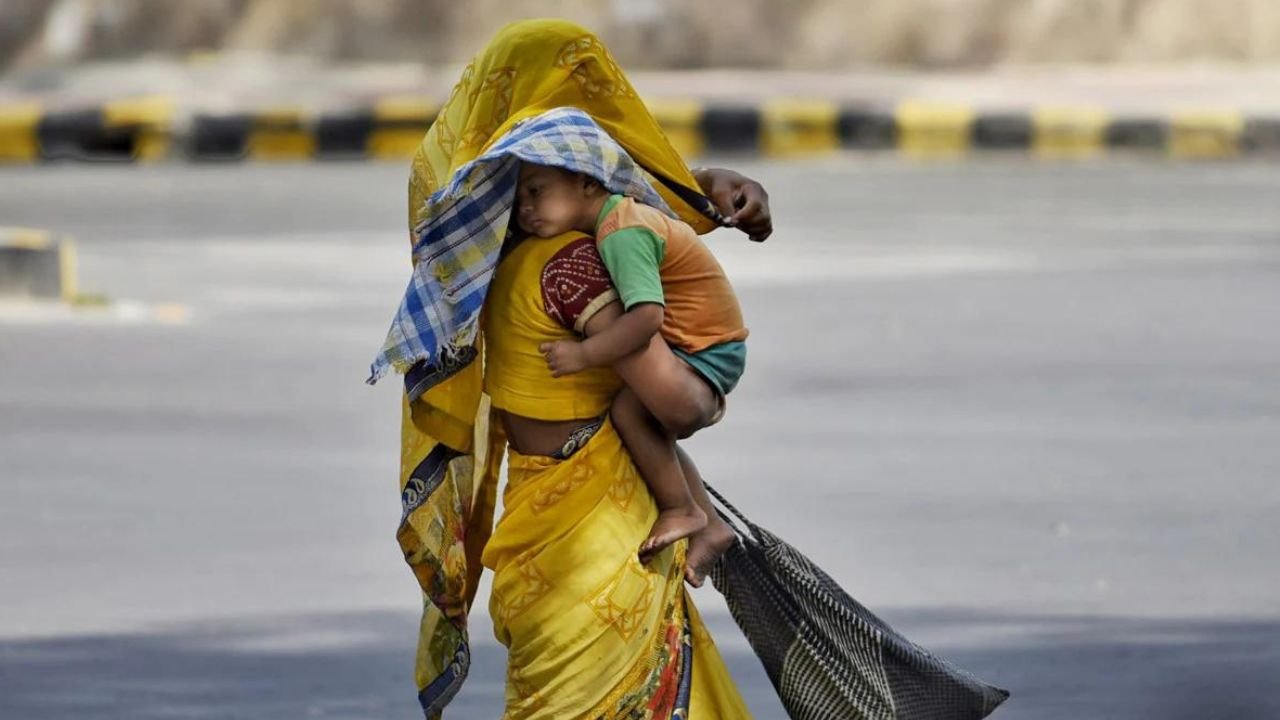
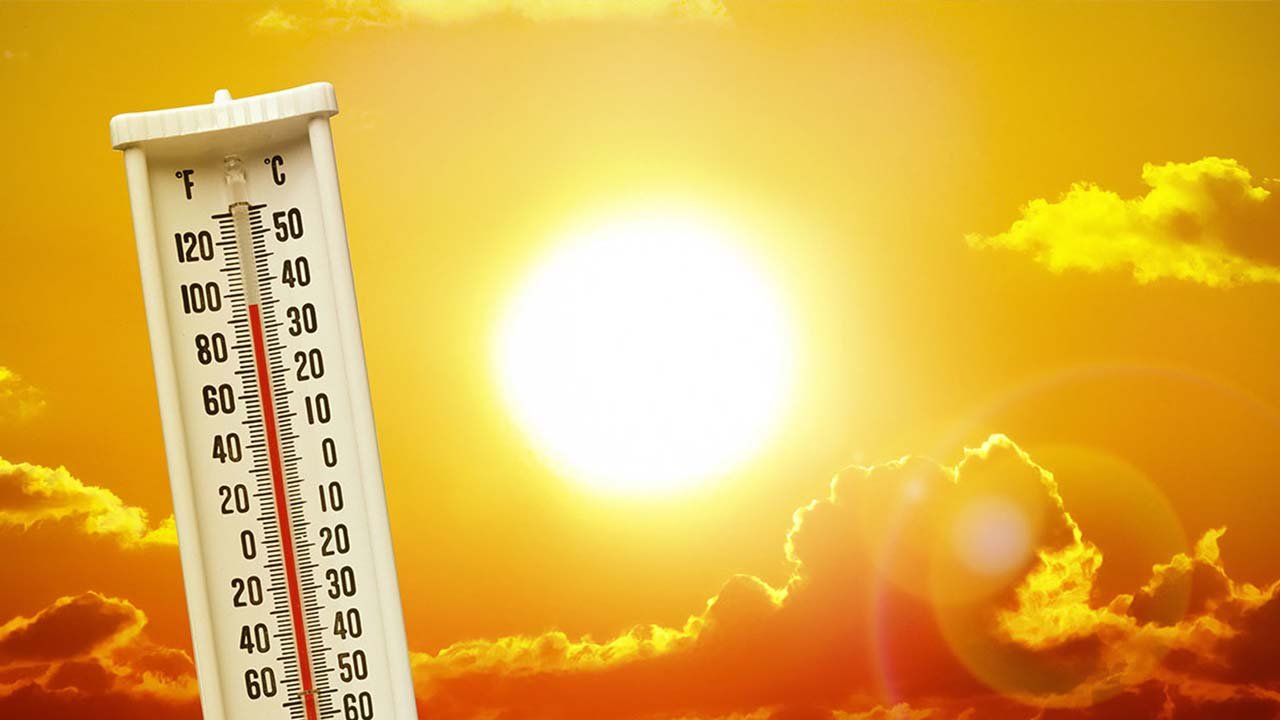
    Indian authorities in the capital have ordered schools shut early for the summer holiday, after temperatures hit 47.4 degrees Celsius (117 degrees Fahrenheit) with Delhi gripped by a “severe heatwave”.

    Delhi city officials asked schools to shut with “immediate effect” due to the blistering heat, according to a government order quoted by the Hindustan Times Tuesday, cutting short the term by a few days.

    India’s weather bureau has warned of “severe heatwave conditions” this week, with the mercury reaching the sizzling peak of 47.4 degrees Celsius in Delhi’s Najafgarh suburb on Monday, the hottest temperature countrywide.

    Authorities in other states — including Haryana, Madhya Pradesh, Punjab and Rajasthan — have also ordered schools close, Indian Today reported.

    India is no stranger to searing summer temperatures.

    But years of scientific research have found climate change is causing heatwaves to become longer, more frequent and more intense.

    The Indian Meteorological Department warned of the impact of the heat on the health especially for infants, the elderly and those with chronic diseases.

    In May 2022, parts of Delhi hit 49.2 degrees Celsius (120.5 Fahrenheit), Indian media reported at the time.

    The next round of voting in India’s six-week-long election takes place on Saturday, including in Delhi.

    Turnout in voting has dipped, with analysts suggesting the hotter-than-average weather is a factor — as well as the widespread expectation that Prime Minister Narendra Modi will easily win a third term.

    India’s election commission has formed a task force to review the impact of heatwaves and humidity before each round of voting.

    At the same time, India’s southern states including Tamil Nadu and Kerala have been lashed by heavy rains over the past few days.

    Severe storms also hit parts of the country last week, including in the financial capital Mumbai, where strong winds flattened a giant billboard that killed 16 people and left dozens more trapped.

    ash/pjm/sn

    © Agence France-Presse

  • Floods misery reminder of changing climate’s role in supercharging rain

    Floods misery reminder of changing climate’s role in supercharging rain

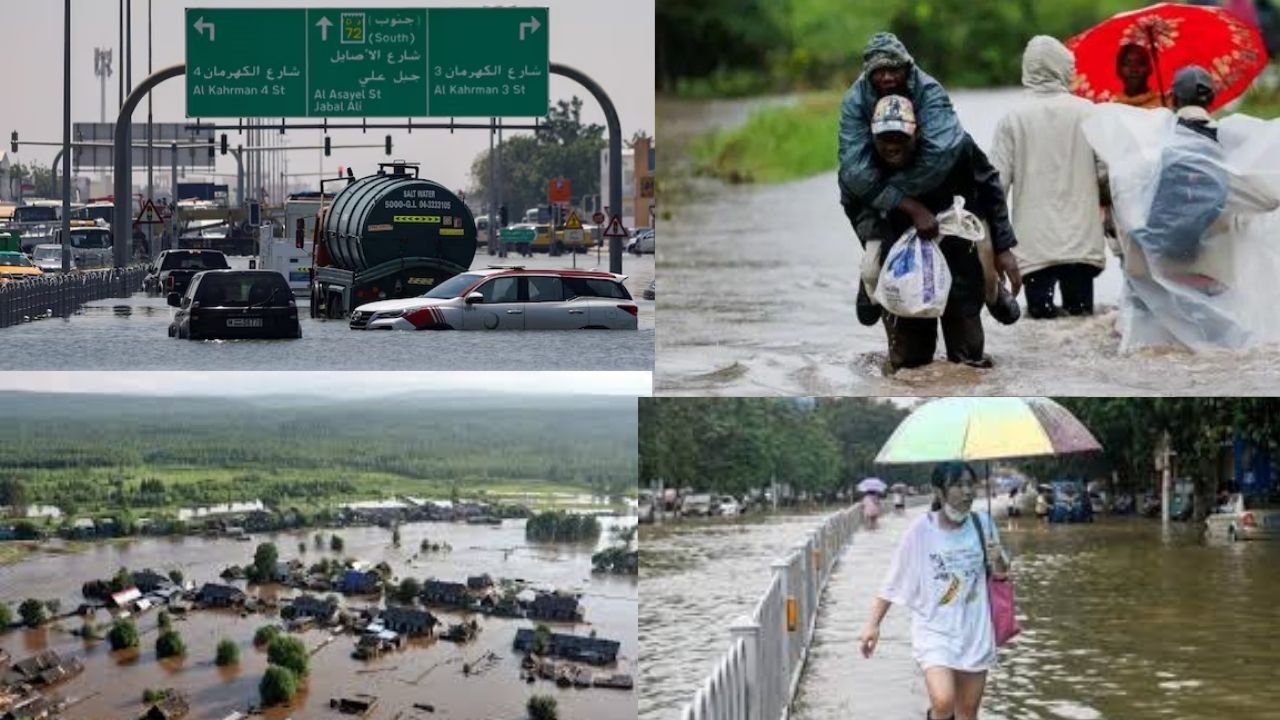
    Floods have been tearing a path of destruction across the globe, hammering Kenya, submerging Dubai, and forcing hundreds of thousands of people from Russia to China, Brazil and Somalia from their homes.

    Though not all directly attributed to global warming, they are occurring in a year of record-breaking temperatures and underscore what scientists have long warned – that climate change drives more extreme weather.

    Climate change isn’t just about rising temperatures but the knock-on effect of all that extra heat being trapped in the atmosphere and seas.

    April was the 11th consecutive month to break its own heat record, the EU climate monitor Copernicus said on Wednesday, while ocean temperatures have been off the charts for even longer.

    “The recent extreme precipitation events are consistent with what is expected in an increasingly warmer climate,” Sonia Seneviratne, an expert on the UN-mandated IPCC scientific panel, told AFP.

    Warmer oceans mean greater evaporation, and warmer air can hold more water vapour.

    Scientists even have a calculation for this: for every one degree Celsius in temperature rise, the atmosphere can hold seven percent more moisture.

    “This results in more intense rainfall events,” Davide Faranda, an expert on extreme weather at the French National Center for Scientific Research (CNRS), told AFP.

    In April, Pakistan recorded double the amount of normal monthly rainfall — one province saw 437 percent
    more than average — while the UAE received about two years worth of rain in a single day.

    This, however, doesn’t mean everywhere on Earth is getting wetter.

    Richard Allan from the University of Reading said “a warmer, thirstier atmosphere is more effective at sapping moisture from one region and feeding this excess water into storms elsewhere”.

    This translates into extreme rain and floods in some areas but worse heatwaves and droughts in others, the climate scientist told AFP.

    Natural climate variability also influence weather and global rainfall patterns.

    This includes cyclical phenomenon like El Nino, which tends to bring heat and rain extremes, and helped fuel the high temperatures seen over land and sea this past year.

    While natural variability plays a role “the observed long-term global increase in heavy precipitation has been driven by human-induced climate change”, said Seneviratne.

    Carlo Buontempo, a director at Copernicus, said cycles like El Nino ebb and flow but the extra heat trapped by rising greenhouse gas emissions would “keep pushing the global temperature towards new records”.

    Considering the overlapping forces at play, attributing any one flood to climate change alone can be fraught, and each event must be taken on a case-by-case basis.

    But scientists have developed peer-reviewed methods that allow for the quick comparison of an event today against simulations that consider a world in which global warming had not occurred.

    For example, World Weather Attribution, the scientists who pioneered this approach, said the drenching of the UAE and Oman last month was “most likely” exacerbated by global warming caused by burning fossil fuels.

    ClimaMeter, another rapid assessment network who use a different methodology, said major floods in China in April were “likely influenced” by global warming and El Nino.

    “It can be difficult to disentangle global warming and natural variability” and some weather events are more clear-cut than others, said Flavio Pons, a climatologist who worked on the China assessment.

    In the case of devastating floods in Brazil, however, ClimaMeter were able to exclude El Nino as a significant factor and name human-driven climate change as the primary culprit.

    Many of the countries swamped by heavy floods at the moment — such as Burundi, Afghanistan and Somalia — rank among the poorest and least able to mobilise a response to such disasters.

    But the experience in Dubai showed even wealthy states were not prepared, said Seneviratne.

    “We know that a warmer climate is conducive to more severe weather extremes but we cannot predict exactly when and where these extremes will occur,” Joel Hirschi from the UK’s National Oceanography Centre told AFP.

    “Current levels of preparedness for weather extremes are inadequate… Preparing and investing now is cheaper than delaying action.”
  • World’s largest private firms fail to set climate targets: report

    World’s largest private firms fail to set climate targets: report

    Paris, France – Only 40 of the world’s 100 largest private firms have set net-zero carbon emissions targets to fight climate change, according to a report released Monday, lagging far behind public companies.

    But for the world to meet the 2015 Paris Agreement to limit global warming 1.5 degree Celsius, all companies need to reduce their planet-heating emissions, the report by the group Net Zero Tracker noted.

    The lack of market and reputational pressures on private firms compared to those publicly-listed, along with an absence of regulation are to blame for their slow uptake of climate commitments, John Lange of Net Zero Tracker told AFP.

    “I think things are changing on all three of those fronts,” he added.

    The report compared 200 of the world’s largest public and private companies based on their reported emissions reductions strategies and net-zero targets.

    It found that only 40 of the 100 private firms assessed had net zero targets, compared to 70 of 100 publicly-listed companies.

    Of the private companies that have set targets, just eight have published plans on how they will meet them.

    “A pledge without a plan is not a pledge, it is a naked PR stunt,” the report said.

    Regulations coming

    Only two firms — furnishing giant Ikea and US engineering giant Bechtel — ruled out using controversial carbon credits to achieve their net-zero goals, the report said.

    Carbon credits allow businesses to offset their emissions by directing money toward a project that reduces or avoids emissions, such as protecting forests, but critics say they allow companies to keep polluting.

    Meanwhile, none of the eight fossil fuel companies included in the report was found to have a net-zero target, compared with 76 percent of the sector’s largest public firms.

    There was also little improvement in the figures compared with a previous analysis done in 2022, “despite a massive uptick in regulation around the world”, Lang said.

    Several jurisdictions including the United Kingdom have adopted climate disclosure regulations.

    Others have regulations on the horizon, with business hubs of California and Singapore requiring greenhouse gas emissions reporting from 2027.

    The European Union also introduced two climate regulations — the Corporate Sustainability Reporting Directive (CSRD) and the Corporate Sustainability Due Diligence Directive (CSDDD) — which will soon require thousands of large companies to report their climate impacts and emissions, and to take action to curtail them.

    “We’re trying to get private firms to understand what’s coming for them,” Lang said.

    ‘Trickledown effect’

    The EU policies will have far-reaching effects in particular, targeting firms not only based in the bloc but those that may be headquartered elsewhere with branches or subsidiaries within the member states.

    Yet two European private firms, including French hypermarket chain E. Leclerc, were singled out in the report for having set any emissions reduction targets.

    E.Leclerc told AFP that the company has made efforts toward more sustainable practises like eliminating the use of single-use plastic bags, and is “committed to setting near-term company-wide emissions reduction targets”.

    But with the enforcement of EU regulations looming, firms will not be able to “dodge” climate targets much longer, Sybrig Smit of the NewClimate Institute told AFP.

    “It’s actually quite watertight. If companies want to do business in Europe, they are going to have to face the consequences,” she said.

    The firms analysed account for roughly 23 percent of the global economy, with the majority based in either China, the United States or EU states — the biggest emitters of greenhouse gases, Lang said.

    Any changes the firms make to meet new regulations will have substantial benefits for the environment.

    “They have such a trickledown effect. Whenever such a big company is implementing something real, it will have a huge effect on the rest of the sector that they operate in,” Smit said.

    giv/cw

    © Agence France-Presse

  • Heatwaves to last longer amidst climate change

    Climate change is causing heat waves to slow to a crawl, exposing humans to extreme temperatures for longer than ever before, a study published in Science Advances said Friday.

    While previous research has found climate change is causing heat waves to become longer, more frequent and more intense, the new paper differed by treating heat waves as distinct weather patterns that move along air currents, just as storms do.

    For every decade between 1979 to 2020,  researchers found heat waves slowed down by an average of five miles (eight kilometers) an hour per day.

    “If a heatwave is moving slower, that means heat can stay in a region longer, so that has effects on communities,” senior author Wei Zhang of Utah State University told AFP.

    The researchers divided the world into three dimensional-grid cells and defined heat waves as a million square kilometer zones where temperatures reached at least the 95th percentile of the local historical maximum temperature. They then measured their movement over time in order to determine how fast the hot air was moving.

    They also used climate models to determine what the results would have looked like absent human-caused climate change, and found manmade factors loomed large.

    “It’s pretty clear to us that a dominant factor here to explain this trend is anthropogenic forcing, the greenhouse gas,” said Zhang.

    The changes have accelerated in particular since 1997 and in addition to human causes, weakening upper atmospheric air circulation may play a part, the paper said.

    The duration of heat waves also increased, from an average of eight days at the start, to 12 days during the last five years of the study period.

    “The results suggest that longer-traveling and slower-moving large contiguous heat waves will cause more devastating impacts on natural and societal systems in the future if GHG keep rising, and no effective mitigation measures are taken,” the authors wrote.

    Zhang said he was worried by the disproportionate impacts on less-developed regions.

    “In particular, cities that don’t have enough green infrastructure or not many cooling centers for some folks, in particular for the disadvantaged population, will be very dangerous,” he warned.

    la-ia/mdl

    © Agence France-Presse

  • 2023 set to be hottest year on record: UN

    2023 set to be hottest year on record: UN

    Geneva (AFP) – This year is set to be the hottest ever recorded, the UN said Thursday, demanding urgent action to rein in global warming and stem the havoc following in its wake.

    The UN’s World Meteorological Organization warned that 2023 had shattered a whole host of climate records, with extreme weather leaving “a trail of devastation and despair”.

    “It’s a deafening cacophony of broken records,” said WMO chief Petteri Taalas.

    “Greenhouse gas levels are record high. Global temperatures are record high. Sea level rise is record high. Antarctic sea ice is record low.”

    The WMO published its provisional 2023 State of the Global Climate report as world leaders gathered in Dubai for the UN COP28 climate conference, amid mounting pressure to curb planet-heating greenhouse gas pollution.

    United Nations chief Antonio Guterres said the record heat findings “should send shivers down the spines of world leaders”.

    The stakes have never been higher, with scientists warning that the ability to limit warming to a manageable level is slipping through humanity’s fingers.

    The 2015 Paris climate accords aimed to limit global warming to well below two degrees Celsius above pre-industrial levels — and 1.5C if possible.

    But in its report, the WMO said 2023 data to the end of October showed that this year was already around 1.4C above the pre-industrial baseline.

    ‘Not just statistics’

    The agency is due to publish its final State of the Global Climate 2023 report in the first half of 2024.

    But it said the difference between the first 10 months of this year and 2016 and 2020 — which previously topped the charts as the warmest years on record — “is such that the final two months are very unlikely to affect the ranking”.

    The report also showed that the past nine years were the hottest years since modern records began.

    “These are more than just statistics,” Taalas said, warning that “we risk losing the race to save our glaciers and to rein in sea level rise”.

    “We cannot return to the climate of the 20th century, but we must act now to limit the risks of an increasingly inhospitable climate in this and the coming centuries.”

    The WMO warned that the warming El Nino weather phenomenon, which emerged mid-year, was “likely to further fuel the heat in 2024”.

    That is because the naturally-occurring climate pattern, typically associated with increased heat worldwide, usually increases global temperatures in the year after it develops.

    The preliminary report also found that concentrations of the three main heat-trapping greenhouse gases — carbon dioxide, methane and nitrous oxide — reached record high levels in 2022, with preliminary data indicating that the levels continued to grow this year.

    Carbon dioxide levels were 50 percent higher than the pre-industrial era, the agency said, meaning that “temperatures will continue to rise for many years to come”, even if emissions are drastically cut.

    ‘Climate chaos’

    The rate of sea level rise over the past decade was more than twice the rate of the first decade of satellite records (1993-2002), it said.

    And the maximum level of Antarctic sea ice this year was the lowest on record.

    In fact, it was a million square kilometres less than the previous record low at the end of the southern hemisphere winter, the WMO said — an area larger than France and Germany combined.

    Meanwhile, glaciers in North America and Europe again suffered an extreme melt season, with Swiss glaciers losing 10 percent of their ice volume in the past two years alone, the report showed.

    Dramatic socio-economic impacts accompany such climate records, experts say, including dwindling food security and mass displacement.

    “This year we have seen communities around the world pounded by fires, floods and searing temperatures,” UN chief Guterres said in a video message.

    He called on the leaders gathered in Dubai to commit to dramatic measures to rein in climate change, including phasing out fossil fuels and tripling renewable energy capacity.

    “We have the roadmap to limit the rise in global temperature to 1.5C and avoid the worst of climate chaos,” he said.

    “But we need leaders to fire the starting gun at COP28 on a race to keep the 1.5 degree limit alive.”

  • Six easy tips to keep your laptop cool and prevent overheating  

    Six easy tips to keep your laptop cool and prevent overheating  

    Overheating in laptops is pretty common, and many laptop owners have experienced it. Sometimes aging laptops may be overheating due to internal hardware problems that most people may not be able to fix.

    However, the most common type of overheating is caused by lack of adequate airflow within the machine. Overheating can cause your laptop to slow down, crash, or even suffer permanent damage. 

    If you want to keep your laptop running cool and healthy, there are a few things you can do: 

    1. Use your laptop on a flat surface. This will help to ensure that the air vents on the bottom of your laptop are not blocked. 
    1. Elevate your laptop. If you’re using your laptop on a soft surface, such as a bed or your lap, the air vents may be getting blocked. To improve airflow, try placing your laptop on a book or a lap desk. 
    1. Invest in a laptop cooling pad. Laptop cooling pads use fans to help draw heat away from your laptop. If you use your laptop for demanding tasks, such as gaming or video editing, a laptop cooling pad can be a great way to prevent overheating. 
    1. Clean your laptop’s vents regularly. Over time, dust and debris can build up in your laptop’s vents, blocking airflow. To clean your laptop’s vents, you can use a can of compressed air or a vacuum cleaner with a soft brush attachment. 
    1. Monitor your laptop’s temperature. There are a number of different programs that you can use to monitor your laptop’s temperature. If you notice that your laptop is getting too hot, you can take steps to cool it down, such as closing unnecessary programs or taking a break from using your laptop. 
    1. Keep your laptop’s software up to date. Software updates often include performance improvements and bug fixes that can help to reduce overheating. 

    If you’ve tried all of the above tips and your laptop is still overheating, there may be a problem with the hardware. In this case, you may need to take your laptop to a qualified technician to have it repaired. 

    Here are some additional tips to help you prevent your laptop from overheating: 

    • Avoid using your laptop in hot environments
    • Close any programs that you’re not using
    • Reduce the brightness of your laptop’s screen
    • Put your laptop on sleep mode when you’re not using it
    • Don’t overclock your laptop

    By following these tips, you can help to keep your laptop running cool and healthy for many years to come. 

    Why is it important to prevent laptop overheating? 

    Overheating can cause a number of problems for your laptop, including: 

    • Reduced performance: When your laptop overheats, it will throttle its performance in order to protect itself from damage. This can lead to slower performance and lag. 
    • Crashes: If your laptop overheats too much, it may crash or even shut down completely. 
    • Permanent damage: Over time, overheating can damage your laptop’s internal components. This can lead to costly repairs or even replacement. 

    By taking steps to prevent overheating, you can help to keep your laptop running smoothly and efficiently for longer. 

  • Heatwave intensifies, Disaster Management Authorities on high alert

    Heatwave intensifies, Disaster Management Authorities on high alert

    Keeping in view the meteorological department’s prognosis of a heatwave for the coming week, the Punjab government issued an advisory on Friday, requesting that all relevant ministries in the province take steps to mitigate the effects of the heat.

    The provincial and district crisis management agencies have been activated across the province to avert health-related occurrences, according to Punjab Chief Secretary Kamran Ali Afzal, who issued an advisory to several ministries.

    Hospitals and the emergency service Rescue 1122 have also been placed on high alert, he said. For sensitive areas, temporary water-drinking sites and early reaction centers, according to the chief secretary, should be erected. He urged individuals to take all necessary precautions to protect themselves from the heatwave and to heed the health department’s advice.

    The Provincial Disaster Management Authority (PDMA) has already issued a warning for severe heatwave conditions in upper, central, and southern Punjab during the next week.

    Read more: Rescue 1122 service to officially launch in Karachi this month

    From May 15, a high-pressure system is expected to hold the upper atmosphere, according to the Met Office.

    Day temperatures are expected to rise to 7-9 degrees Celsius above normal owing to the high pressure in upper Punjab, and 6-8 degrees Celsius beyond average in the central and south Punjab, during the heatwave.

  • Met department predicts torrential rains starting next week

    Met department predicts torrential rains starting next week

    The Pakistan Meteorological Department (PMD) has predicted torrential rainfall starting next week, putting an end to the brutal heatwave in most parts of Pakistan.

    As per the latest PMD forecast, a new weather system will develop in the country from Sunday, attracting downpours from the May 16 to May18.

    Heavy rain and thunderstorms are expected in Islamabad, upper and central Punjab, Khyber Pakhtunkhwa, Gilgit Baltistan, and Azad Jammu Kashmir. Following the rain, the PMD predicts that temperatures in these areas will decrease radically.

    In addition, the PMD has directed that the relevant Disaster Management Authorities be on high alert in order to avert loss of life and property throughout the rainfall.

    In other news, the PMD has warned that a severe heatwave will approach Sindh. The extreme heat will extend through May 17th, with daytime temperatures in most regions exceeding usual.

    Read more: Heatwave Alert: All physical activities in Punjab schools suspended

    Daytime highs in upper Sindh will linger between 46°C and 48°C, in central Sindh districts between 43°C and 45°C, and in lower Sindh districts between 38°C and 40°C.