Tag: Textile industry

  • Understanding GSP+ status: What it means for Pakistan’s trade relations

    Understanding GSP+ status: What it means for Pakistan’s trade relations

    The Pakistan Tehreek-e-Insaf (PTI) has vehemently dismissed accusations levelled by Federal Information Minister Attaullah Tarar, labelling them as unfounded and baseless.

    In a statement issued today, the PTI refuted claims made by Tarar, asserting that they are nothing but a concoction of falsehoods and rhetoric aimed at maligning the party’s reputation.

    Earlier, Tarar had accused the PTI of plotting to undermine Pakistan’s Generalised Scheme of Preferences Plus (GSP+) status.

    He alleged that the party’s spokespersons were actively engaged in activities detrimental to the country’s interests under the directives issued from confinement.

    Understanding GSP+ and its significance for Pakistan’s economy

    The GSP+ status, a cornerstone of Pakistan’s trade relations with the European Union (EU), holds significant importance for the nation’s economy.

    Under this scheme, selected developing countries, including Pakistan, receive extensive trade concessions aimed at fostering sustainable development and good governance practices.

    The European Union’s GSP+ Scheme is founded on the effective implementation of 27 United Nations conventions covering various aspects such as human rights, labour rights, climate change, narcotics control, and corruption.

    Once granted GSP+ status, beneficiary countries are subject to rigorous monitoring to ensure compliance with the stipulated conventions and reporting requirements.

    The dialogue on GSP+ compliance involves various stakeholders, including international monitoring bodies, civil society, trade unions, and businesses.

    Regular monitoring visits are conducted by the EU to assess the progress of beneficiary countries in addressing the outlined issues.

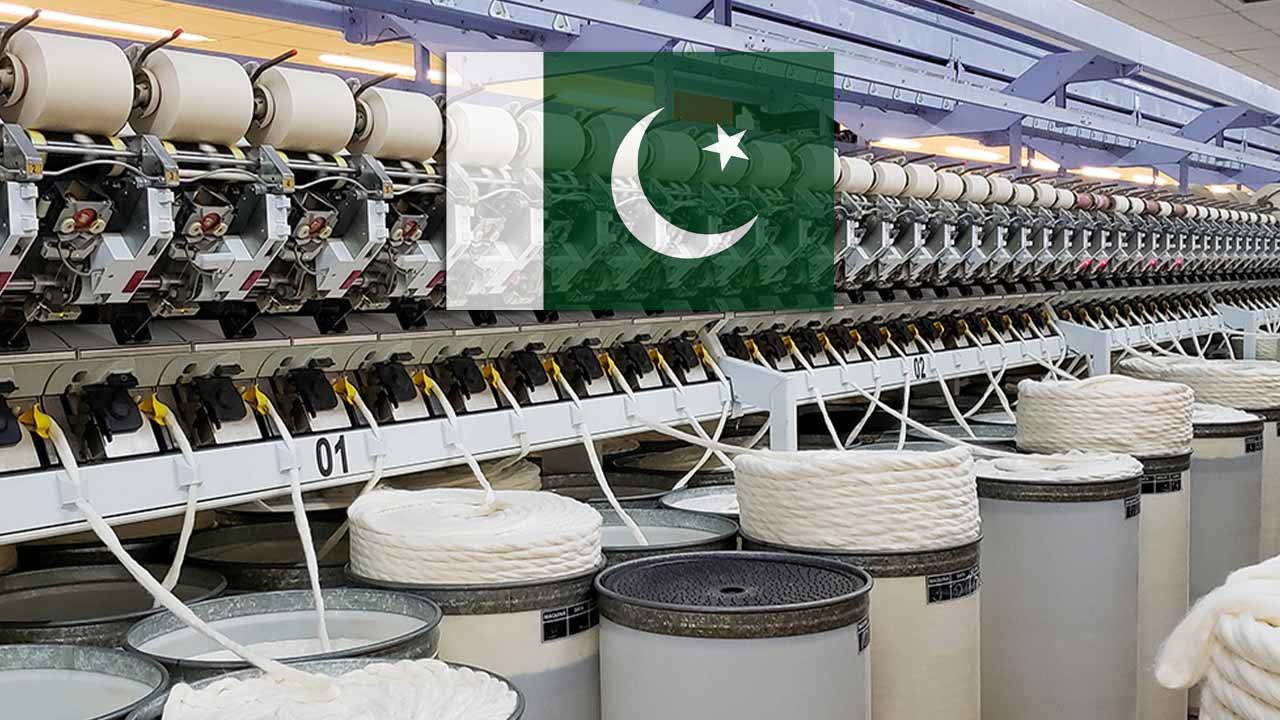
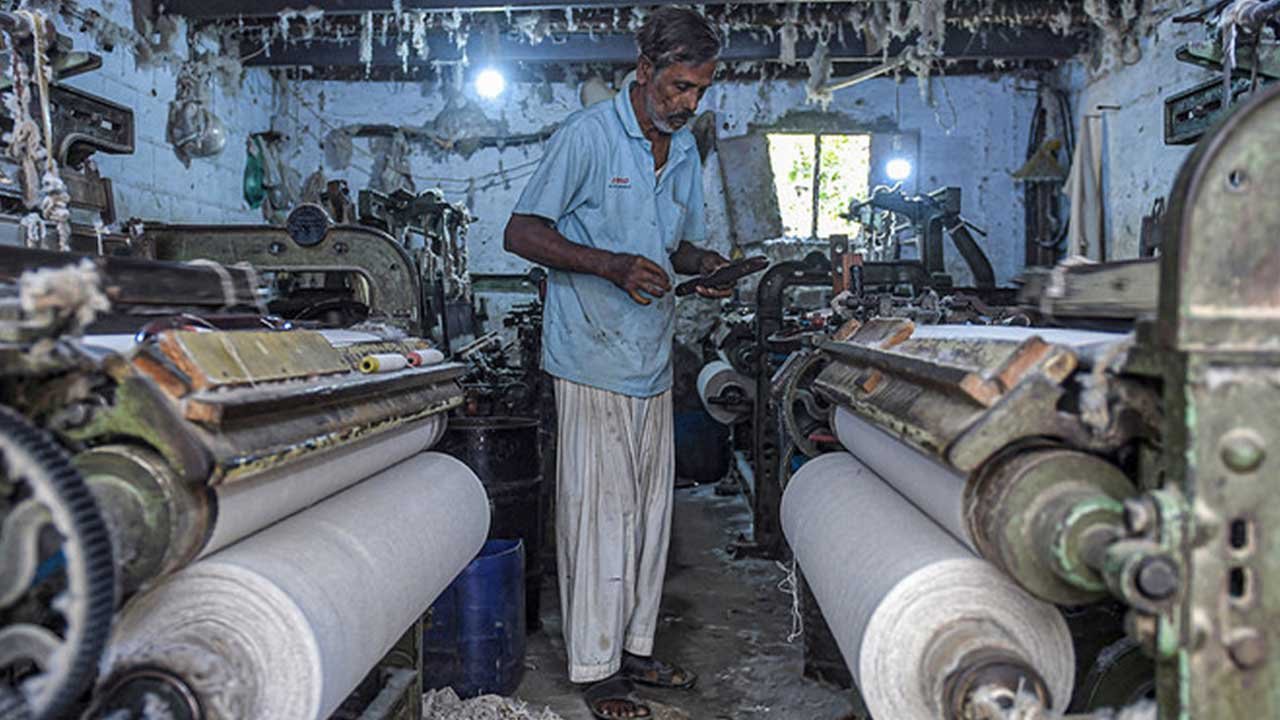
    The significance of GSP+ for Pakistan’s economy cannot be overstated, particularly for its textile industry and workforce.

    Over the past decade, Pakistan has witnessed a notable increase in exports to the EU, accompanied by a surge in EU imports, owing to the preferential treatment offered under the GSP+ scheme.

  • SNGPL commits uninterrupted winter gas supply to boost textile exports

    SNGPL commits uninterrupted winter gas supply to boost textile exports

    Sui Northern Gas Pipelines Limited (SNGPL) has provided a commitment to the All Pakistan Textile Mills Association (APTMA) regarding the seamless supply of gas to textile mills during the winter season.

    SNGPL, under the leadership of Managing Director Amer Tufail, assured an APTMA delegation led by Chairman Kamran Arshad that uninterrupted gas supply with optimal pressure would be maintained for the export industry.

    This measure aims to facilitate smooth production and enhance textile goods’ exports to maximise foreign exchange for the nation.

    During the meeting, MD Amer Tufail emphasised that the export industry, utilising a system integrated with RLNG (Regasified Liquefied Natural Gas), would be subject to a shared tariff of 50:50 for November.

    He highlighted the historical priority given to the export industry in gas supply and urged APTMA member mills without existing gas connections to apply promptly.

    Regarding new connections and load enhancements, Tufail mentioned that clarity on tariff applications would be sought from the Ministry of Petroleum in the near future.

    In anticipation of the non-availability of natural gas during the winter months from December to March, MD Tufail clarified that the industry would be charged at the RLNG rate set by OGRA on a monthly basis.

    Chairman Kamran Arshad raised concerns about industry confusion regarding gas tariffs for the upcoming winter months after the federal government’s tariff rationalisation.

    Discussions delved into issues such as gas tariff specifics for connections predating June 2022, post-June 2022 connections with or without zero-rated FBR certificates, and the utilisation of APTMA certificates for gas supply to zero-rated industrial units.

    MD Tufail acknowledged SNGPL’s limitations in determining eligibility for new connections, emphasising the need for the Commerce and Energy Ministries’ intervention to establish an eligibility framework.

    The meeting also addressed concerns related to new gas connections, faulty metre replacements, erroneous charging due to slow or faulty metres, and low gas pressure. MD Amer Tufail underscored the commitment to uninterrupted gas supply, particularly to export-oriented sectors, recognising the vital role of the textile industry in job creation, attracting investment, and boosting the country’s exports.

    He pledged a thorough examination of issues raised by APTMA and assured a proactive approach to ensure a smooth gas supply, with nominated focal persons from both SNGPL and APTMA tasked with holding periodic meetings to promptly resolve any gas-related challenges in the textile industry.

  • Pakistan’s cotton production surge offers hope for forex reserves 

    Pakistan’s cotton production surge offers hope for forex reserves 

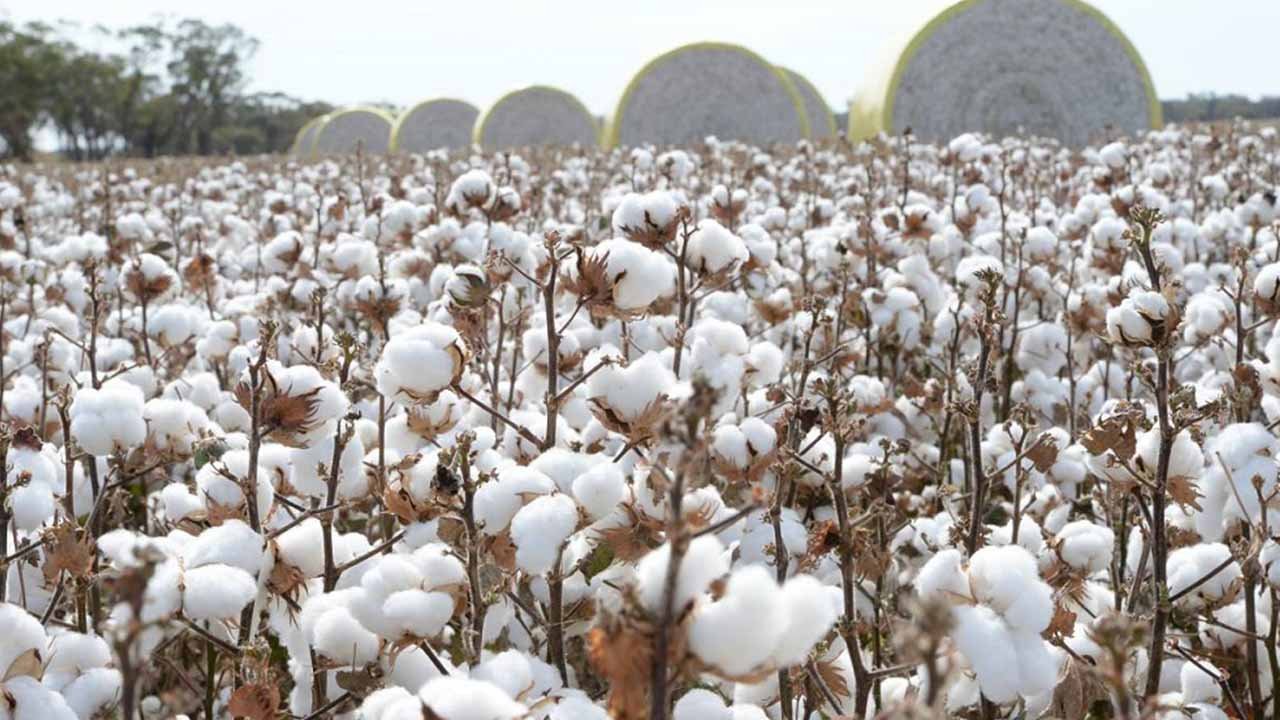
    Cotton production this year is proving to be a silver lining for Pakistan’s foreign exchange reserves, with an impressive 83 per cent increase in production for the 2023-24 season, totalling 6.79 million bales. 

    According to an estimate by the Pakistan Cotton Ginners’ Forum, cumulative production in the current season may reach around 9 to 9.5 million bales, a significant improvement from the previous year’s production of 5 million bales. This can be attributed to favourable weather conditions. 

    However, it’s worth noting that the production is still below the government’s target of 11.5 million bales. 

    According to Express Tribune, the recent 193 per cent increase in gas prices has exacerbated challenges faced by textile manufacturers and exporters, reducing the country’s competitiveness among regional textile exporters. 

    Another discouraging factor is for the farmers, as the market is offering them Rs7,000 per 40 kilogrammes, falling short of the government’s announced support price of Rs8,500 per 40 kilogrammes.

    The government has yet to fulfil its promise of purchasing cotton to stabilise market prices.  

    The Caretaker Prime Minister has urged the activation of the Trading Corporation of Pakistan, but this action is contingent on approval from the Economic Coordination Committee of the Cabinet, which has not yet occurred. 

    Ginners has mentioned that the increase in cotton production will save the country approximately $1 billion in import costs. 

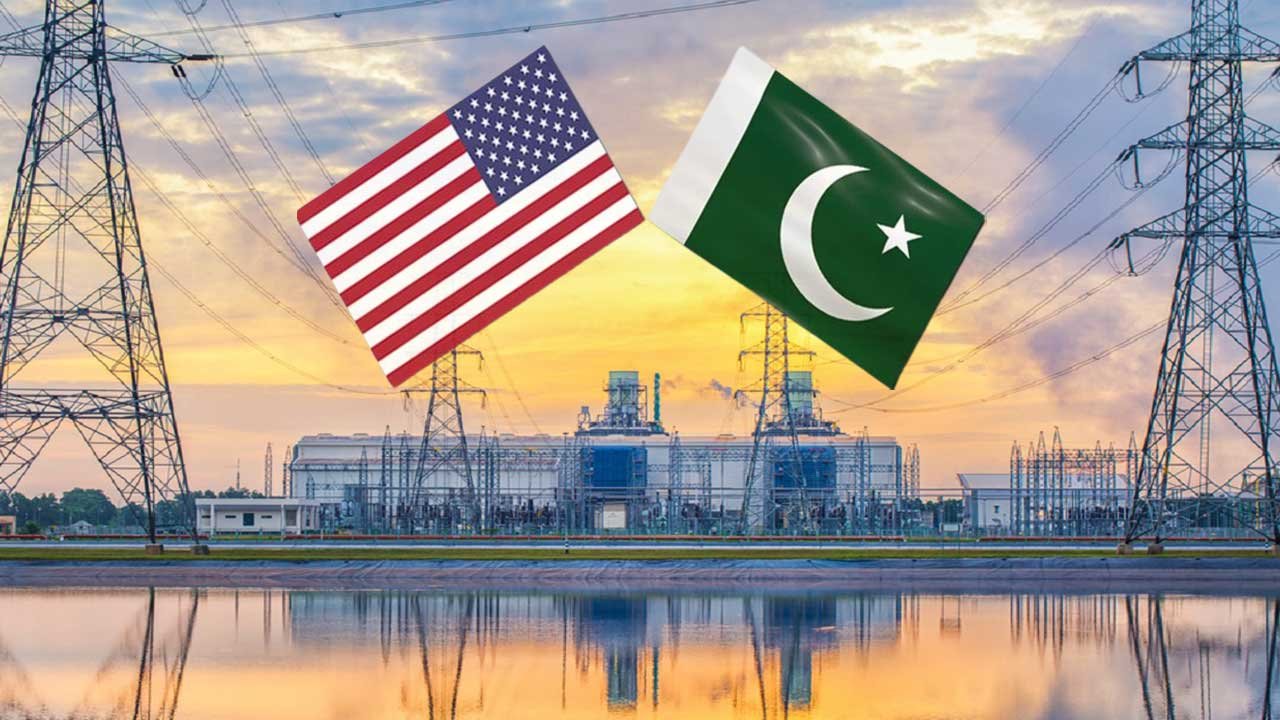
  • Bilateral trade talks: Pakistan and US aim to boost economic cooperation

    Bilateral trade talks: Pakistan and US aim to boost economic cooperation

    On Tuesday, Pakistan and the United States (US) reached a consensus to foster close collaboration in various facets of bilateral trade and investment, with the primary objective of amplifying economic cooperation between the two nations.

    Dr Gohar Ejaz, Minister for Commerce and Industries, and Ambassador Katherine Tai, the US Trade Representative, convened a virtual meeting to assess the progress achieved subsequent to the 9th Pakistan-United States Trade and Investment Framework Agreement (TIFA) Council meeting held earlier in the year.

    Ambassador Tai underscored the significance of Pakistan as a pivotal trading partner for the US, recognising the enduring engagement between both countries as an encouraging sign.

    Minister Ejaz apprised Ambassador Tai of the government’s endeavours to enhance the business environment. He proposed the consideration of duty-free access for textile and garment exports to the US, given that Pakistan imports a substantial portion of its cotton from the United States.

    Furthermore, Minister Gohar Ejaz recommended exploring opportunities for joint ventures in textile and industrial manufacturing to enhance bilateral trade.

    The interim minister emphasised that the US serves as a prime destination for IT and ITeS exports from Pakistan, suggesting that both nations can reap mutual benefits from the immense potential in the field of information technology.

  • Pakistan’s exports surge by 22.45% in FY23-24’s first two months, crossing Rs1.27 trillion mark

    Pakistan’s export sector has demonstrated remarkable growth, achieving a substantial 22.45 per cent increase, reaching the noteworthy milestone of Rs1.27 trillion during the initial two months of the fiscal year 2023-24 (FY23-24).

    According to data released by the Pakistan Bureau of Statistics (PBS), exports from July to August 2023 stood at Rs1.27 trillion, marking a remarkable 22.45 per cent surge compared to the Rs1.04 trillion recorded during the corresponding period the previous year.

    In a year-on-year analysis, exports in August 2023 surged by an impressive 26.75 per cent, reaching Rs695.1 billion, as opposed to the Rs548.4 billion recorded in August 2022. Furthermore, on a month-to-month basis, exports surged by 19.62 per cent when juxtaposed with the Rs581.1 billion recorded in July 2023. The textile and knitwear sector emerged as the most substantial export contributor, accounting for an impressive Rs117.8 billion.

    In contrast, imports during July and August of the fiscal year 2023-24 experienced a modest decline of 2.42 per cent, totaling Rs2.3 trillion. This is in contrast to the imports recorded at Rs2.4 trillion during the corresponding period the previous year. Of note, Pakistan’s imports in August 2023 included Rs180.6 billion worth of petroleum products, followed by crude oil and liquefied natural gas (LNG) valued at Rs119.4 billion and Rs89.8 billion, respectively.

    When analyzed on a year-on-year basis, imports into Pakistan in August 2023 displayed a marginal 0.5 per cent decrease when compared to August 2022. On a month-on-month basis, imports into the country saw a significant uptick of 27.79 per cent in August 2023 when compared to the Rs1.04 trillion worth of imports in July 2023.

    According to Geo, this surge in exports is indeed promising as it holds the potential to bolster Pakistan’s diminishing foreign exchange reserves, a much-needed development in light of the challenging economic situation stemming from the depreciation of the Pakistani rupee

  • Pakistan’s major industrial production drops by 14.37% in May, marking ninth consecutive decline

    Pakistan’s major industrial production drops by 14.37% in May, marking ninth consecutive decline

    Pakistan’s Large-Scale Manufacturing (LSM) sector suffered a substantial year-on-year decline of 14.37 per cent in May, according to data released by the Pakistan Bureau of Statistics.

    This contraction represents the ninth consecutive month of contraction for the country’s major industries during the outgoing fiscal year FY23. The primary cause behind this downturn can be attributed to a slowdown in the production of export-oriented textile and clothing sectors.

    The consequences of this decline in large industries are evident in the form of a significant number of job losses. The reduction in production capacity has unfortunately resulted in numerous individuals becoming unemployed.

    These statistics shed light on the challenges faced by Pakistan’s manufacturing sector and raise concerns about the overall economic performance of the country in the coming months.

    In May, the growth of LSM experienced a decline compared to the same month last year. The decline in April was 21 per cent, which is lower than the decline of 25 per cent in March, 11.6 per cent in February, and 7.9 per cent in January. In December 2022, there was a slight decrease of 3.51 per cent.

    In November 2022, there was a negative growth of 5.49 per cent, while in October 2022, it declined by 7.7 per cent. In September 2022, there was a decrease of 2.27 per cent compared to the same month last year. In August, there was a slight increase of 0.30 per cent after a decline of 1.67 per cent in July, which marked the first month of the current fiscal year.

    Between July and May, LSM also recorded a negative growth of 9.87 per cent on a year-on-year basis.

    In FY22, the LSM expanded by 11.7 per cent year-on-year. The production estimate for LSM industries was based on the new base year of 2015-16.

    During May, the production of 16 sectors shrank, while only four sectors experienced a marginal increase. The textile sector’s production decreased by 25.97 per cent compared to the previous year. The major negative growth was observed in yarn (29.89 per cent) and cloth (17.49 per cent), while nominal growth was reported in the production of other textile products.

    On the positive side, the production of garments grew by 12.86 per cent in May. Its performance remained positive in the first 10 months, except for February when it experienced a decline.

    In the food group, wheat and rice production decreased by 0.36 per cent and starch and its products by 2.15 per cent. However, there was an increase of 39.99 per cent in the production of blended tea, 24.45 per cent in cooking oil, and 23.80 per cent in vegetable ghee.

    In May, petroleum products witnessed a negative growth of 21.85 per cent, primarily due to a decline in the production of petrol and high-speed diesel. Almost all other petroleum products experienced a slowdown, except for jet fuel, kerosene, jute, and batching oil. The auto sector also suffered a 68.60 per cent slump in May, as the production of almost all types of vehicles declined.

    The production of iron and steel decreased by 5.83 per cent in May, mainly due to a decline of 15.09 per cent in billets/ingots, while non-metallic mineral products saw a marginal growth of 0.53 per cent. However, chemical products experienced a negative growth of 15.44 per cent in May compared to the previous year.

    In May, the production of pharmaceutical products decreased by 38.61 per cent, rubber products by 5.81 per cent, and fertilisers by 13.31 per cent compared to the previous year.

  • Cotton production in Pakistan drops to 40-year low due to flood damage

    Cotton production in Pakistan drops to 40-year low due to flood damage

    According to data released by the Pakistan Cotton Ginners Association (PCGA), cotton production in the country has decreased by 34 per cent this year compared to the previous season. The final figures for the crop year 2022-23 show that Pakistan produced 4,912,069 bales, which is the lowest in around four decades, as opposed to 7,441,833 bales produced in the 2021-22 season, resulting in a year-on-year decline of 2,528,764 bales or a 34 per cent loss.

    This drop in production means that the textile industry will have to import around 10 million bales to meet its annual demand of 15 million bales. However, mill consumption in the year 2022-23 has also been reported at 8.8 million bales, the lowest in over 20 years, primarily due to severe import financing issues.

    Market sources state that textile mills have so far signed import agreements for 5.5 million bales, while they have purchased 4,605,449 bales from the local market. Last year, the mills had bought 7,332,000 bales from the domestic market. Ginners report that they are still holding 301,720 bales in their stocks, compared to last year’s inventory of 93,833 bales.

    The massive drop in cotton arrival is blamed on flash floods and heavy rains during last year’s monsoon that devastated large swathes of agricultural land in the country, particularly in Sindh and Balochistan provinces.

    Interestingly, despite strong demand in international markets, only 4,900 bales of white lint were exported this year, compared to the previous year’s figure of 11,000 bales, a fall of over 69 per cent. The main destinations for Pakistan’s raw cotton are the Philippines, Italy, Bangladesh, Greece, and France.

    Province-wise, Punjab registered over a 32 per cent year-on-year decline in output, producing 3,033,050 bales this season against 3,928,690 bales last season. Sindh reported over a 46 per cent year-on-year loss in yield, with the lint production in the province this year standing at 1,879,019 bales against 3,513,143 bales last year.

    Pakistan’s cotton output reached a high of 14.1 million bales in the year 2004-05. But it dropped to 7 million bales in 2020-21 and about 9.45 million bales in 2021-22, as the country’s per acre yield contracted to half of the crop productivity in other countries of the region.

    A recent meeting of the Economic Coordination Committee (ECC) expressed concern over the continuous decline in cotton production and acreage over the years. As a result, the ECC approved Rs8,500 per 40kg as the intervention price on a summary submitted by the Ministry of National Food Security and Research to attract growers towards the crop.

    The ministry informed the ECC that in order to draw up a cotton intervention price proposal, consultations were held with all stakeholders, including the provincial governments, growers, and cotton associations in January and February. Stakeholders, including the All Pakistan Textile Mills Association, called for pegging the cotton intervention price with the import parity price in line with the policy adopted over the past two years.

    To review market prices and propose intervention on a fortnightly basis, the ECC constituted a cotton price review committee with the mandate to review market prices and propose intervention on a fortnightly basis.

  • Pakistan’s export market takes a hit: Textile group exports down 14.83% in January

    Pakistan’s export market takes a hit: Textile group exports down 14.83% in January

    According to the Pakistan Bureau of Statistics (PBS), the country’s textile group exports declined by approximately 8.17 per cent during the first seven months (July-January) of fiscal year 2022-23, totaling $10.039 billion as compared to $10.933 billion during the same period of the previous year.

    The data also showed that textile group exports witnessed a year-on-year decline of 14.83 per cent in January 2023, amounting to $1.321 billion, compared to $1.551 billion during the same month in the previous year. Additionally, on a month-on-month basis, the textile group registered a negative growth of 2.53 per cent compared to $1.356 billion in December 2022.

    Cotton yarn exports experienced a negative growth of 34.66 per cent during July-January, totaling $449.419 million compared to $687.857 million during the same period in the previous year. On a year-on-year basis, cotton yarn exports registered a negative growth of 12.34 per cent, while on a month-on-month basis, it registered a growth of 27.22 per cent.

    Rice exports declined by 15.82 per cent during the first seven months of fiscal year 2022-23, totaling $1.083 billion compared to $1.286 billion during the same period in the previous fiscal year. Overall, the country’s exports during July-January 2022-23 totaled $16.499 billion (provisional) compared to $17.739 billion during the corresponding period of the previous year, showing a decrease of 6.99 per cent.

    In January 2023, the country’s exports amounted to $2.244 billion (provisional) compared to $2.313 billion in December 2022, reflecting a decrease of 2.98 per cent and a decline of 14.15 per cent compared to $2.614 billion in January 2022. The primary commodities of exports during January 2023 were knitwear, readymade garments, bed wear, cotton cloth, rice others, towels, cotton yarn, made-up articles (excluding towels and bedwear), rice basmati, and surgical goods and medical instruments.

  • Gas supply to industrial sites suspended for two days

    Gas supply to industrial sites suspended for two days

    The gas crisis has grown worse in the economic hub of Pakistan as the duration of gas load-shedding in Karachi industries was extended for up to two days.

    The industrial sites in Karachi will be facing two-day gas load-shedding instead of one.

    According to the information obtained, all industrial facilities and captive power plants in Karachi will not be supplied gas for two days.

    From December 17 to December 19, seven industrial zones and captive power plants were instructed to refrain from using Sui Southern Gas Company’s (SSGC) gas supplies on Saturday and Sunday.

    In addition to conducting unannounced raids on all industrial sites, the SSGC surveillance teams will also take legal action against those who violate the rules.

    Imtiaz Shaikh, the energy minister for Sindh, criticised the gas load-shedding on December 13 and claimed that although the province is generating more natural gas than it needs, it is still being denied its legitimate right.

    Imtiaz Shaikh, the energy minister, demanded that Sindh be given preference over other parts of the country in the provision of natural gas.

    “We will take the matter to court if required,” Sindh’s energy minister said. “We are also considering raising the issue in the Council on Common Interest (CCI),” he said.

    He said that the chief minister had discussed Sindh’s case regarding the gas issue during discussions between the state and federal governments. He expressed hope that the prime minister will pay attention to the situation.

    The provincial minister stated that when additional petrol is provided to the province, Karachi’s industry will resume operation.

    The most natural gas-producing province in Pakistan, Sindh, is now experiencing a severe natural gas shortage for home, industrial, and commercial customers.

  • PM Shehbaz directs to eliminate taxes on raw materials used by export industries

    PM Shehbaz directs to eliminate taxes on raw materials used by export industries

    Prime Minister (PM) Shehbaz Sharif, urged authorities to abolish all taxes on raw materials used in the export industry and to set up task teams to attract investment in a variety of local industries.

    The new government has been attempting to put in place a long-term plan to resuscitate Pakistan’s struggling economy, with the premier reaffirming his plea for increased exports to alleviate the country’s growing cash constraint yesterday.

    The premier met with a team from the American Business Council, which included officials from the pharmaceuticals, food processing, IT, e-commerce, retail, textile, sports, and logistics sectors, according to APP.

    Federal ministers Syed Naveed Qamar, Makhdoom Murtaza Mahmood, and Marriyum Aurangzeb were also present at the meeting.

    Task groups were constituted by the prime minister to solicit investments in a variety of areas. Tourism, pharmaceuticals, information technology, e-commerce, large-scale manufacturing, and agriculture will all have task teams constituted.

    He reminded the team that the government was working hard to guarantee that high-quality agricultural products were produced for export. The government was pushing for policy consistency for the first time, he said, because “subjects of the national economy and public welfare are above politics”.

    Shehbaz Sharif also asked the secretary of trade and the secretary of the Board of Investment to guarantee that the investors’ concerns were addressed immediately, and he requested a compliance report within a week.

    Business representatives, on the other hand, told state media that government initiatives had helped them regain investor confidence, and that the pre-budget dialogue with stakeholders was a “positive step”.

    PM Shehbaz has called all stakeholders to get together on Tuesday, ahead of the budget declaration on June 10, to finalise a long-term plan to rebuild the ailing economy. Top businessmen, agriculturists, and economists attended the day-long pre-budget meeting, where they offered advice on how to lift the country out of its unparalleled economic crisis.

    During the meeting, the premier pledged that their suggestions would be taken into consideration and that separate plans for agricultural, industrial, and financial expansion would be developed.

    PM Shehbaz also stated that political stability cannot be attained without economic stability and that it was past time for the elite class to make sacrifices and for non-productive assets such as real estate to be taxed. He advised businesses to invest in renewable power rather than relying on the country’s vast coal reserves for power generation.

    The prime minister also emphasised the importance of reducing imports while increasing exports, assuring attendees of the government’s full support in expanding local business and eradicating any barriers.