Tag: third-party apps

  • iPhone users may be able to lock Messages, Photos in iOS 18

    iPhone users may be able to lock Messages, Photos in iOS 18

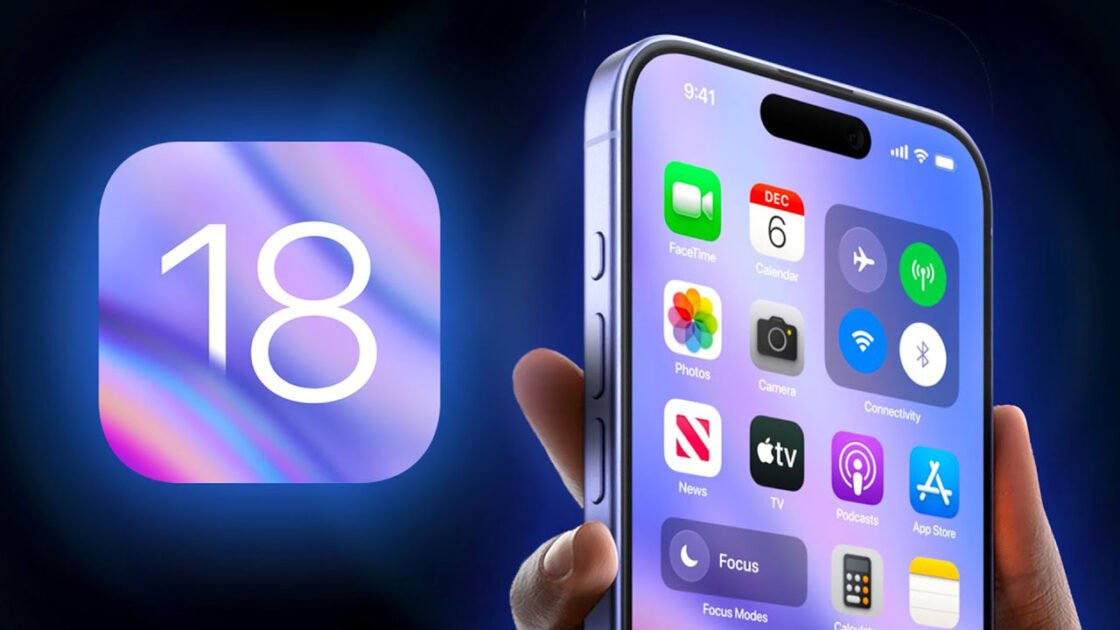
    The upcoming iOS 18 is anticipated to introduce a new security feature that allows users to lock individual apps, according to several sources familiar with the development.

    This feature is set to provide users with the ability to lock native iPhone apps such as Mail, Messages, Notes, Phone, Photos, Safari, and Settings, among others, thereby offering an additional layer of privacy and security.

    To unlock a locked app, users will need to authenticate via Face ID, and it is expected that Touch ID or an iPhone’s passcode will also be compatible with this feature.

    It remains unconfirmed whether this functionality will extend to third-party apps from the App Store.

    Currently, Apple permits certain content to be secured behind Face ID, Touch ID, or a passcode, such as notes in the Notes app and photos in the “Recently Deleted” and “Hidden” albums within the Photos app.

    The upcoming iOS 18 feature will expand this capability, allowing for entire apps to be locked, even when the iPhone itself is unlocked.

    iPhone users have previously resorted to using Screen Time or Shortcuts to lock apps, but these methods will become obsolete with the new iOS 18 functionality.

    Apple is set to unveil iOS 18 during its WWDC keynote on Monday. The initial iOS 18 beta is expected to be available to Apple Developer Program members immediately following the keynote, with a public release anticipated in September.
  • Apple may allow third-party app stores on iOS to make the iPhone more open

    Apple may allow third-party app stores on iOS to make the iPhone more open

    To meet EU standards outlined in the Digital Markets and Services Act, Apple intends significant improvements to iOS and other services.

    According to Mark Gurman from Bloomberg, Apple will redesign its platform to “open up key elements,” allowing users of the iPhone and iPad to download applications from third party app stores and websites.

    Only the 27 European Union member states are expected to experience the changes, which would pave the way for a potential expansion of the services to other areas.

    As corporations have time until 2024 to completely comply with the Digital Markets Act, plans for the changes are probably going to launch with iOS 17 in 2023. The implementation also includes adding new web browsing engines to iPhones and iPads as well as expanding access to the NFC chip, camera, Find My Network, and AirTag.

    Gurman noted that even if developers choose not to make their apps available through the App Store, Apple still intends to charge them.

    Both the Digital Markets Act and the Digital Services Act aim to enhance privacy protection, foster fair competition, and do away with some intrusive targeted advertising. The first act, which is meant to provide improved interoperability with less significant competing services, is where Apple’s activities mostly come under.

    Let’s say Cupertino chooses not to follow the regulation when it becomes effective on January 1, 2024. In that situation, regulators may impose a penalty equal to 10 per cent of the entire global turnover, up to 20 per cent for recurrent infractions.