Tag: tiktok

  • Senator withdraws resolution to ban Social Media in Pakistan

    Senator withdraws resolution to ban Social Media in Pakistan

    Senator Bahramand Khan Tangi has withdrawn his resolution aimed at imposing a blanket ban on several major social media platforms in the country.

    The resolution, which sparked controversy before its introduction in the house, called for the government to prohibit access to Facebook, TikTok, Instagram, X (formerly Twitter), and YouTube, citing concerns over their perceived negative impact on the younger generation.

    Even before reaching the floor of the house, Tangi’s resolution faced significant criticism from digital rights activists and journalists.

    Critics argued that the proposed ban would further restrict freedom of expression in Pakistan. The timing of the resolution’s emergence added to its contentious nature, coinciding with ongoing disruptions to access X following allegations of electoral rigging during the February 8 polls.

    Senator Brahmand Tangi, who was expelled by the Pakistan Peoples Party (PPP) one month ago, had moved a resolution in the senate asking that all social media platforms including X (formerly Twitter), Facebook, YouTube, and Instagram be banned in Pakistan to protect the next generation from what he has dubbed their “negative and devastating” effects.

    Tangi was expelled by the PPP last month after he went against party policy and remained silent on a resolution asking for delay in Balochistan and KP general elections. However, DAWN has reported that the party has till now not moved a reference against him.
    The resolution has alleged that social media platforms were being used to promote norms “against our culture and religion” and creating hatred among the general populace.

    The document also charges the platforms with being used to run “malicious” campaigns against the army and spreading fake news.
    PPP has said that the senator should not use the party’s name anymore, swiftly distancing itself from the controversial resolution. Nonetheless, it will be on Monday’s agenda.

    Senator Tangi is set to retire on March 11.
  • Twins stolen at birth reunited by TikTok

    Twins stolen at birth reunited by TikTok

    A pair of twin girls, taken from their mother right after birth and sold to different families, have been reunited dramatically thanks to TikTok.

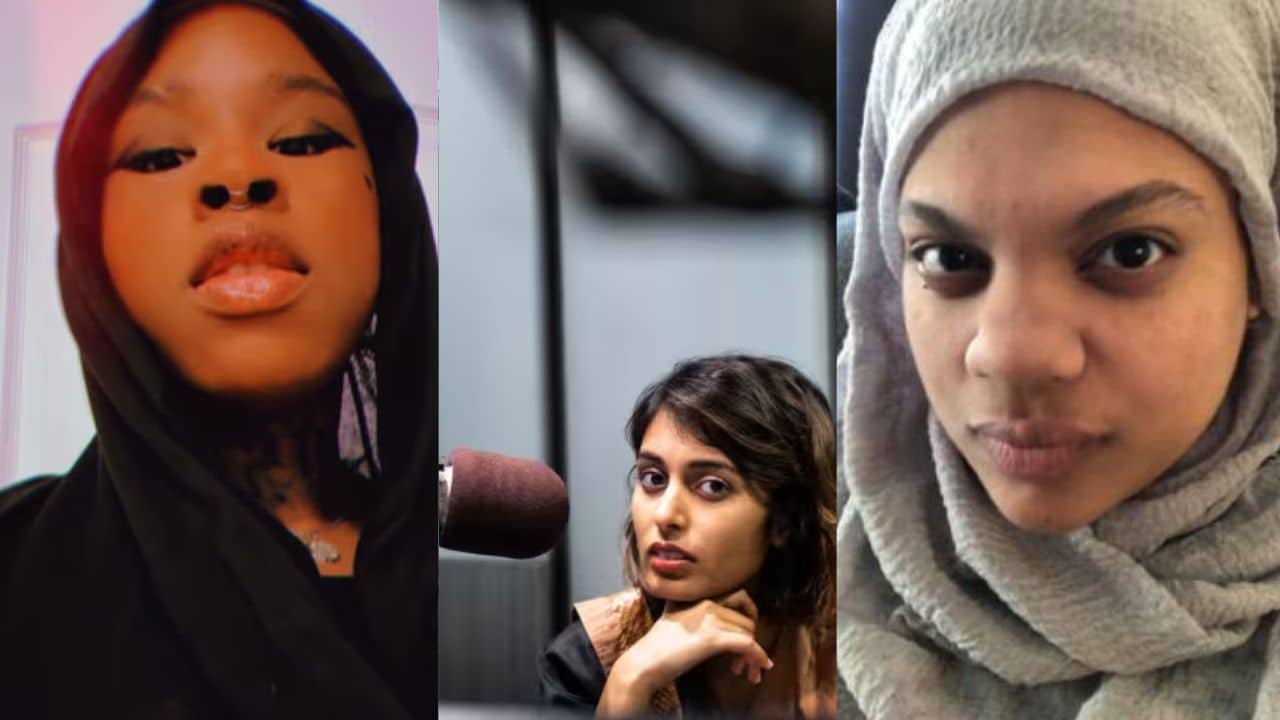
    Years after they were stolen at birth, Amy and Ano from Georgia have met again after watching a TikTok video, BBC reported.

    As the two delved into their past, they realised they were among thousands of babies in Georgia stolen from hospitals and sold, some as recently as 2005.

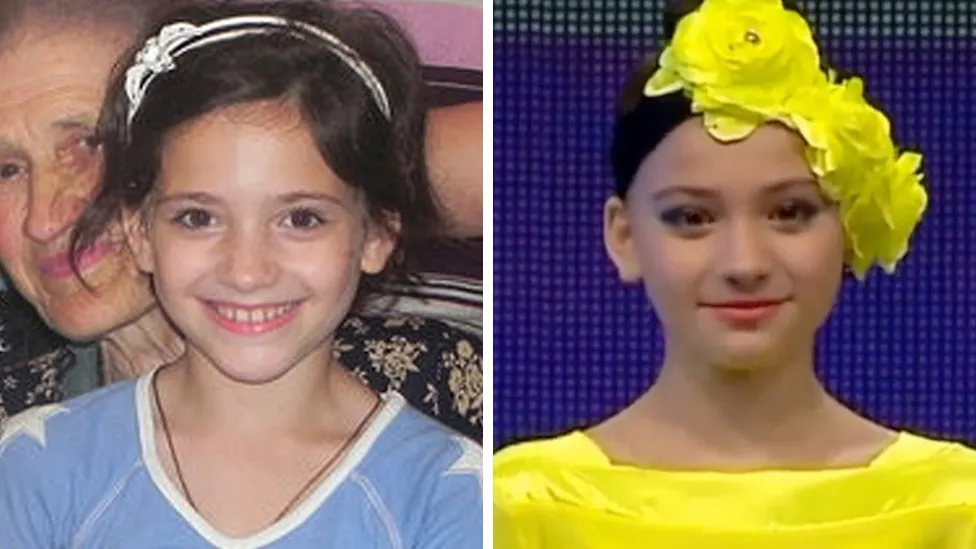
    The twins discovered each other when they were 12 years of age. This was when Amy was watching her favorite TV show Georgia’s Got Talent where Ano was performing as a young artist. She even got calls from acquaintances asking if she was the one performing with another name but the family brushed it off, thinking everyone has a doppelganger.

    Amy (L) aged 12 and Ano (R) also aged 12 during her performance on Georgia’s Got Talent

    Seven years later Ano was sent a TikTok video by a friend of Amy’s in a fresh haircut and eye-brows piercing. She thought the resemblance “cool” and the two got connected on Facebook.

    Amy instantly knew Ano was the girl she had seen all those years ago on Georgia’s Got Talent.

    “I have been looking for you for so long!” she messaged. “Me too,” replied Ano.

    Over time, they discovered several commonalities between them but not all of it made sense. The biggest of all was that they had the same genetic disease, a bone disorder called dysplasia. Both were born in the same hospital but according to their birth certificates, they were born a few weeks apart.

    It felt like they were unraveling a mystery together. “Every time I learned something new about Ano, things got stranger,” Amy relates.

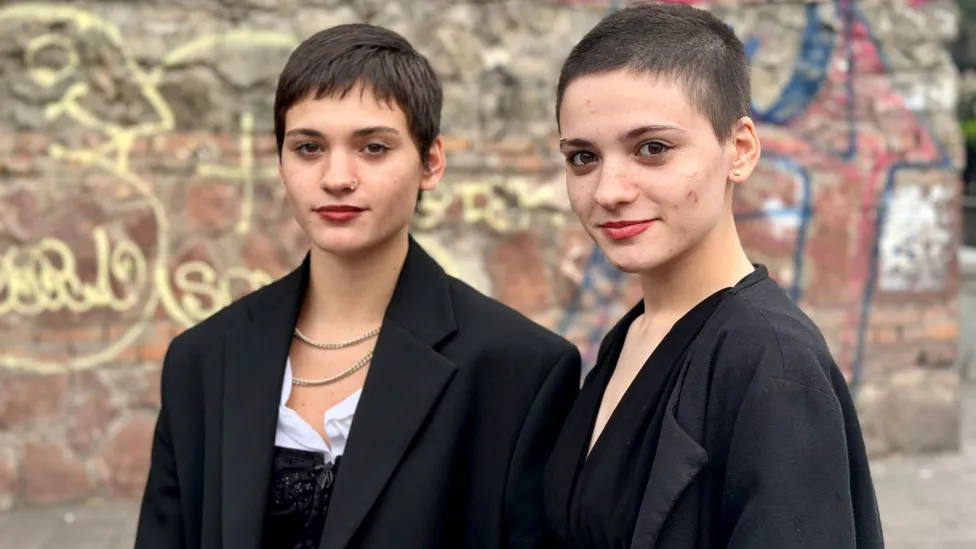
    They decided to meet and when they did it was like “looking in a mirror”.

    Ano (L) and Amy (R) met for the first time at Rustaveli metro station – they have often chosen similar hairstyles

    They confronted their families and found out they were adopted in 2002.

    Unable to have children, Amy’s mother says a friend told her there was an unwanted baby at the local hospital. She would need to pay the doctors but she could take her home and raise her as her own.

    Ano’s mother was told the same story.

    Neither of the adoptive families knew the girls were twins and despite paying a lot of money to adopt their daughters, they say they hadn’t realised it was illegal. Georgia was going through a period of turmoil and as hospital staff were involved, they thought it was legitimate.

    The two went online and posted their story in a Facebook group called Vedzeb, which means “I’m searching” in Georgian.

    A girl from Germany replied to them stating her mother had given birth to twin girls in Kirtskhi Maternity Hospital in 2002 and that despite being told they had died, she now had some doubts.

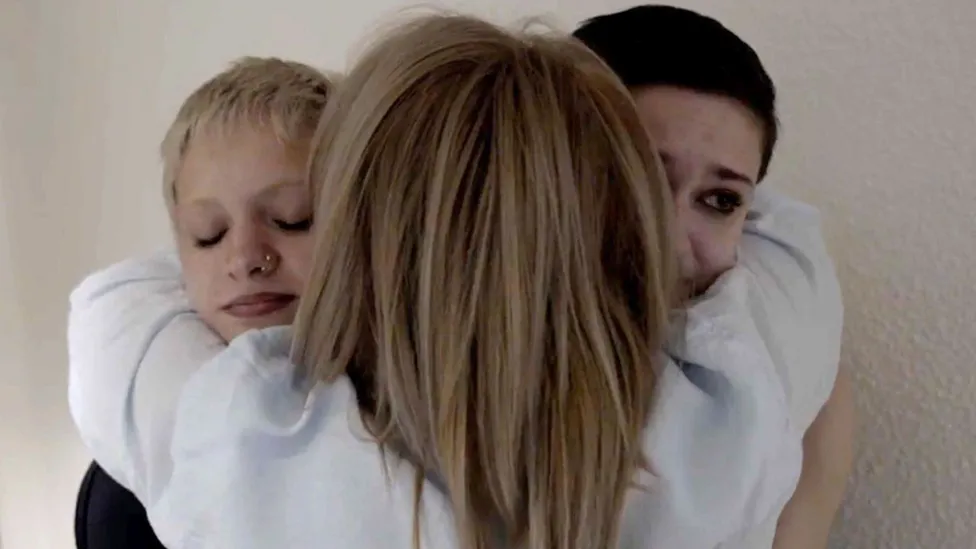
    DNA tests revealed that the girl from the Facebook group was their sister, and was living with their birth mother, Aza, in Germany. Sceptical, they met their birth mother in Leipzig, Germany. She explained to them how she went into a coma after giving birth and upon waking she was told that her children had died.

    Ano (L), Aza (C) and Amy (R) meet for the first time in Leipzig, Germany where Aza now live

    The group was made by journalist Tamuna Museridze in 2021 after she discovered she was adopted. She has helped to reunite hundreds of families, but has not yet tracked down her own.

    Tamuna discovered a black market in adoption that stretched across Georgia and went on from the early 1950s to 2005. “The scale is unimaginable, up to 100,000 babies were stolen. It was systemic,” she says.

    In 2022, the Georgian government launched an investigation into historic child trafficking, telling BBC that it has spoken to more than 40 people but the cases were “very old and historic data has been lost”. Journalist Tamuna Museridze says she has shared information but the government hasn’t said when it will release its report.

  • TikTok star Sabrina Bahsoon launches fund for Palestinian children’s education

    TikTok star Sabrina Bahsoon launches fund for Palestinian children’s education

    Lebanese-Malaysian TikTok star Sabrina Bahsoon, also known as “Tube Girl,” is helping Palestinians by initiating a fund to assist Palestinian children. With a following of nearly 800,000 on TikTok, Sabrina has teamed up with Geutanyoe Malaysia, an advocacy group, to provide aid to Palestinian refugees in Malaysia. These refugees have come from Gaza and the West Bank

    Sabrina’s initiative focuses on education and she has established a fund dedicated to sponsoring the schooling of 14 Palestinian children at the Marifah International School in Seri Kembangan, Malaysia. Sabrina’s kind act is all about making sure these children can go to a good school and have the opportunity for a better future.
    Geutanyoe Malaysia has expressed sincere appreciation for Sabrina’s generous support, acknowledging her commitment to the cause through the creation of the “Sabrina Bahsoon’s Fund for Palestinian Children’s Education.”

    It added: “This contribution not only nurtures young minds but also serves as a safe haven for them in a context of protracted displacement. Together, this coordinated effort strengthens our resolve to empower the Palestinian community through education.”

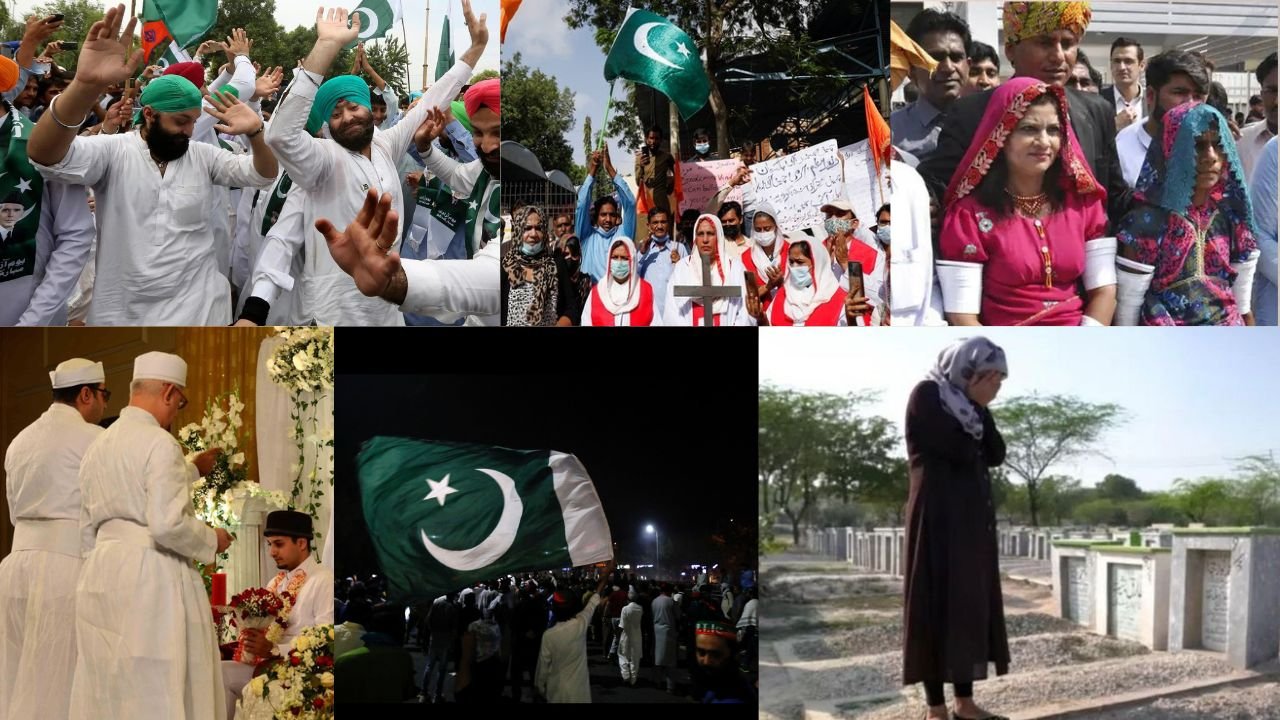
  • How many registered religious minority voters are in Pakistan?

    How many registered religious minority voters are in Pakistan?

    As per the recent province-wise religion report of the Election Commission of Pakistan (ECP), there are 30 lac, 78 thousand, 3 hundred and 6 voters from religious minorities in Pakistan.

    Out of 40 thousand 781 minority voters in Khyber Pakhtunkhwa 3516 are Bahai, 220 Buddist, 28080 Christian, 4209 Hindu, 723 Parsi, 1149 Ahmadi, and 2884 Sikh.

    In former Federally Administered Tribal Areas (FATA) there are 3539 religious minority voters out of which 400 are Bahai, 41 Buddist, 1446 Christian, 669 Hindu, 16 Parsi, 23 Ahmadi, and 944 Sikh.

    For 12 lac 59 thousand 303 minority voters in Punjab, 18102 are Bahai, 786 Buddist, 1057071 Christian, 73456 Hindu, 262 Parsi, 108538 Ahmadi, and 1088 Sikh.

    In Sindh, there are 16 lac 80 thousand 582 minority voters, out of which 7269 are Bahai, 495 Buddist, 228552 Christian, 1423276 Hindu, 2787 Parsi, 16668 Ahmadi, and 1535 Sikh.

    Balochistan has 44 thousand 930 minority voters, out of which 1387 are Bahai, 1387 Buddist, 18702 Christian, 18702 Hindu, 265 Parsi, 549 Ahmadi, and 272 Sikh.

    In the Federal Capital, there are 44 thousand 783 minority voters, out of which 242 are Bahai, 41 Buddist, 40518 Christian, 276 Hindu, 16 Parsi, 3677 Ahmadi, and 13 Sikh.

    Although elections are not happening in Gilgit Baltistan and Azad Jammu and Kashmir in February 2024, ECP did share detailed data of these areas too.

    Out of 653 minority voters in Gilgit Baltistan, 472 are Bahai, 5 Buddist, 147 Christian, 8 Hindu, 16 Ahmadi, 5 Sikh, and none from the Parsi community.

    Azad Jammu and Kashmir has 3735 minority voters out of which 1083 are Bahai, 23 Buddist, 987 Christian, 45 Hindu, 13 Parsi, 1580 Ahmadi, and 4 Sikh.

    As Pakistan gears up for nationwide parliamentary elections in February 2024, a significant portion of the population, the Ahmadiyya community, faces disenfranchisement due to discriminatory provisions in the electoral law.

    Current electoral regulations in Pakistan effectively exclude Ahmadis from the voting process based on their religious beliefs.

    To register as voters, members of the Ahmadiyya community are compelled to either renounce their faith or accept placement in a distinct electoral list categorizing them as “non-Muslim.”

    However, self-identification as Muslim is a fundamental tenet of Ahmadiyya religious belief.

    This exclusionary practice has resulted in the denial of voting rights for Ahmadis, who comprise over 500,000 individuals in Pakistan.

    Despite their significant numbers, Ahmadis find themselves unable to participate in local, provincial, and national elections.

    It is noteworthy that in 2002, Pakistan discontinued an electoral system that segregated Muslims and non-Muslims into separate categories for registration and voting.

    However, discriminatory measures persist, particularly affecting the Ahmadiyya community’s ability to exercise their

    The government also created a separate category for Ahmadis. Since then, all Pakistani citizens have voted according to a single electoral list except the Ahmadis, who vote on a separate list.

  • Nepali TikTok Influencers Upset After Unexpected Ban

    Nepali TikTok Influencers Upset After Unexpected Ban

    Nepali influencer Anjana Aryal went from homemaker to entrepreneur by sharing recipes on TikTok, but her lucrative business collapsed last month when the Himalayan republic banned the Chinese-owned short video app.

    Filming with her mobile phone in one hand and cooking with the other, Aryal rapidly became a social media star in Nepal last year, garnering millions of views from a following of nearly 600,000 people.

    That all came to a sudden halt when Nepal banned TikTok to protect “social harmony”, following similar restrictions imposed in other countries on concerns over data security, obscene content and its owner’s alleged ties to the Chinese government.

    “My life changed a lot because of TikTok, a lot,” Aryal, 39, told AFP from her home in Kathmandu. “So many recognise me because of TikTok wherever I go.”
    She earned nearly $3,000 from endorsement deals just in October, more than double Nepal’s average yearly income.

    Encouraged by her audience, Aryal also started a business selling her own brand of pickles, which saw her inbox flooded with orders.

    But since the ban, Aryal and other prominent Nepali content creators have seen their revenue streams dry up, jeopardising their livelihoods.
    “People were earning, running businesses or just being entertained on TikTok. Everyone has been affected now and they don’t know what to do,” she said.
    Owned by Beijing-based ByteDance, TikTok is one of the most popular social media platforms on the planet with more than one billion users.
    Its explosive growth has given its content creators and influencers an immense audience, and its editing features and AI-powered algorithm have proved particularly attractive.

    But the algorithm is opaque and often accused of putting users into content silos, and the platform has also been blamed for spreading disinformation.
    It has faced intense scrutiny in the United States and other nations over user data security and the company’s alleged ties to Beijing.
    TikTok announces $1.5bn deal to restart Indonesia online shopping business

    Multiple countries have sought to tighten controls on TikTok, and the platform has been banned in neighbouring India.
    ‘Start from zero’
    Growing criticism of the app has worried influencers around the world.
    Others in the United States have voiced fears to local media about losing thousands of dollars in income if bans are enforced.
    Nepal’s government justified its ban on the platform by accusing it of damaging the Himalayan republic’s social fabric.
    It came days before a huge rally called by a prominent businessman who was using TikTok to organise a campaign demanding the reinstatement of Nepal’s monarchy.

    Dozens of content creators staged a rally in Kathmandu demanding the ban be lifted last month.
    Advocate Dinesh Tripathi, who is challenging the decision in court, said the ban was an attack on people’s freedom of speech because the government was fearful of “dissenting voices”.

    Manish Adhikari, who uses TikTok to discuss cars and Nepali start-ups, said he had several endorsement deals scuttled by the ban.
    “Brands started to call me… and I wondered if I was getting out of business, is my work going to stop?” Adhikari said.
    Adhikari has shifted to Instagram but the views and followings are a fraction of his earlier audience.

    “I lost all my audience because I was not as active on any other platform,” he said. “Now I have to start from zero.”
    There are around 2.2 million TikTok users among Nepal’s 30 million people, according to the Internet Service Providers Association.
    But Monayac Karki, founder of Nepali influencer marketing agency Uptrendly, said TikTok’s popularity had been rising exponentially.

    He added that the ban had torpedoed a market with an estimated worth in excess of $5 million each year for advertisers and content creators, and which was set to grow rapidly.
    “I really hope this ban is a temporary one and it will be lifted soon,” he said.

  • Girl gang raped by five including TikToker friend in Rawalpindi

    Girl gang raped by five including TikToker friend in Rawalpindi

    A girl from Lahore, visiting her brother, was allegedly gang-raped by a TikToker friend and his accomplices within the jurisdiction of the Waris Khan police station in Rawalpindi, it emerged on Thursday, reports the Express Tribune.

    According to the complaint lodged by the victim, she was visiting her brother in the Sadiqabad area of the garrison city and had come all the way from Lahore.

    She befriended a boy named Sardar on TikTok, who invited her to 6th Road. Upon arrival, Sardar and an unknown friend picked her up in a car and took her to a house in Amarpura. After leaving her there, Sardar informed her that he was going to get food.

    During his absence, another person forcibly raped her. Subsequently, two unknown boys arrived and assaulted her. Upon Sardar’s return, he, too, allegedly raped her.

    The victim raised the alarm, attracting the attention of the neighbours. The accused dismissed them, claiming it was a personal matter.

    She seized this opportunity to contact Rescue 15.

    Meanwhile, Waris Khan SHO Inspector Malik Naseer stated that a case has been registered, with the main suspect Sardar and another individual named Mohsin already being detained.

    Raids to arrest the rest are underway, while the medical examination of the victim is being carried out, police said.

  • Israel-Gaza conflict: Young American TikTokers turn to Quran for understanding and empathy

    Israel-Gaza conflict: Young American TikTokers turn to Quran for understanding and empathy

    TikTok is becoming a platform for the propagation of Islamic values amidst the Israel-Gaza Conflict as so many young Americans are picking up the Qur’an to understand the resilience of Muslim Palestinians. The Guardian‘s article showcases the growing reach of the platform and how the understanding of Islam-once a vilified religion in the West-has started growing because of it.

    Videos under the hashtag “quranbookclub” – which has a modest 1.9 million views on the app – show users holding up their newly purchased texts and reading verses for the first time. Others are finding free versions online, or listening to someone sing the verses while they drive to work. Not all the people reading the Qur’an on TikTok are women, but interest overlaps with the #BookTok space, a subcommunity where mostly female users gather to discuss books.

    @megan_b_rice #freepalestine ❤️ ♬ original sound – Megan Rice

    Megan B Rice, a 34-year-old book enthusiast from Chicago, recently found a new passion – reading the Quran. After speaking out about the humanitarian crisis in Gaza, she organized a “World Religion Book Club” on Discord to explore the Islamic faith. Rice, who wasn’t religious before, discovered alignment between the Holy Book’s content and her core beliefs, leading her to convert to Islam.

    This trend isn’t unique to Rice; on TikTok, under the hashtag “quranbookclub,” young people are delving into the Book to better comprehend a religion often misunderstood in the West. With themes like anti-consumerism, feminism, and environmentalism, the Quran resonates with the values of many young, left-leaning Americans.

    @megan_b_rice Welcome to The World Religion Book Club! I’m looking forward to learning from each and every one of you. ♥️ #thequran #bookclub #whatsapp ♬ original sound – Megan Rice

    Nefertari Moonn, a 35-year-old from Florida, also turned to the Quran to understand what inspires people facing adversity. Her emotional connection to the text led her to take the shahada, becoming a Muslim revert.

    @nefertarimoonn It’s been a great journey so far, the Qur’an is so beautiful. #quran #islam #alternative #fyp ♬ so What now – ugh

    Misha Euceph, a Pakistani American writer, and podcast host notes that the Quran’s themes align with progressive values, embracing science and advocating for equality between men and women.

    @meuceph Who is a believer, a disbeliever and a hypocrite in the Quran? #quran #muslim #islam #quranbookclub #palestine #freepalestine #qurantok ♬ original sound – Misha Euceph

    In the aftermath of 9/11, the Quran became a bestseller, but this time around, people are turning to it not to confirm biases but to understand the resilience and faith of Muslim Palestinians. As readers like Rice express empathy for those in Gaza, the Qur’an takes on a new role in their lives, bridging gaps in understanding and fostering connections across different backgrounds.

    For Rice, the experience has been transformative, challenging preconceptions and internalized misconceptions about Islam. She emphasizes that regardless of one’s religious background, learning about someone’s faith can foster empathy, making it a powerful tool for building connections.

    @megan_b_rice #quran #quranreading #islam ♬ original sound – Megan Rice

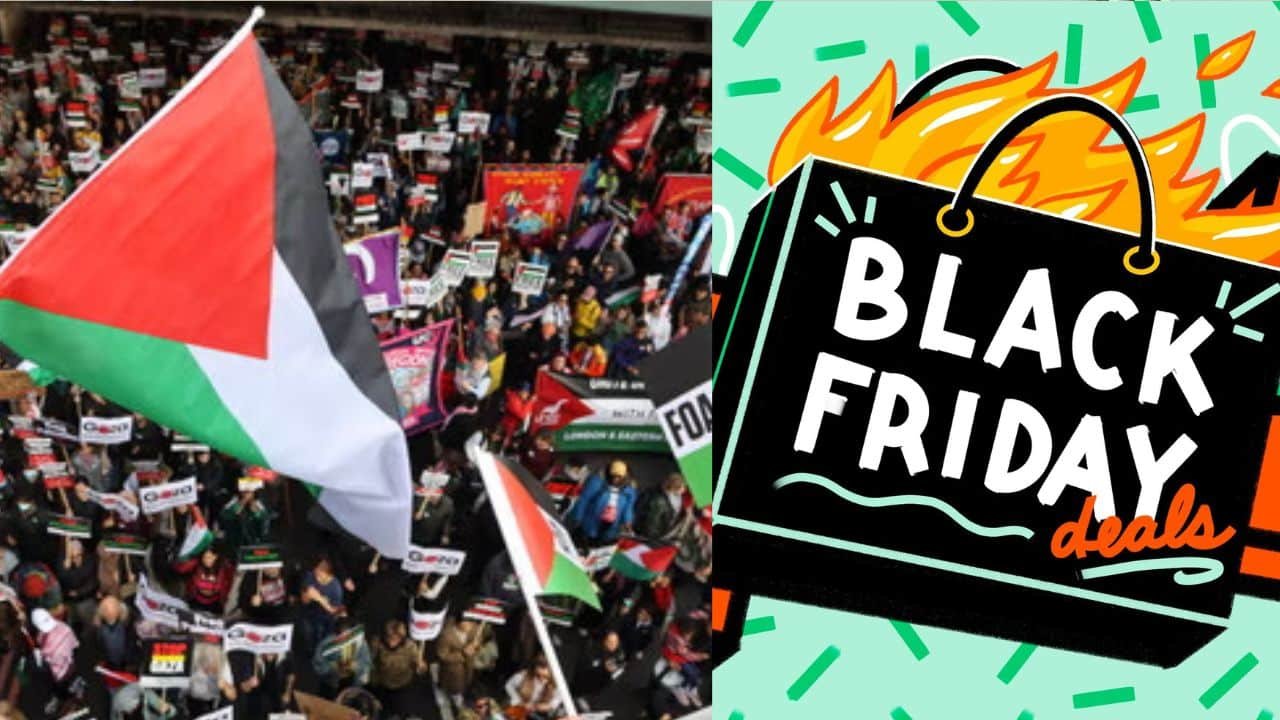
  • TikTok users call for Black Friday shopping boycott in protest for Palestine

    TikTok users call for Black Friday shopping boycott in protest for Palestine

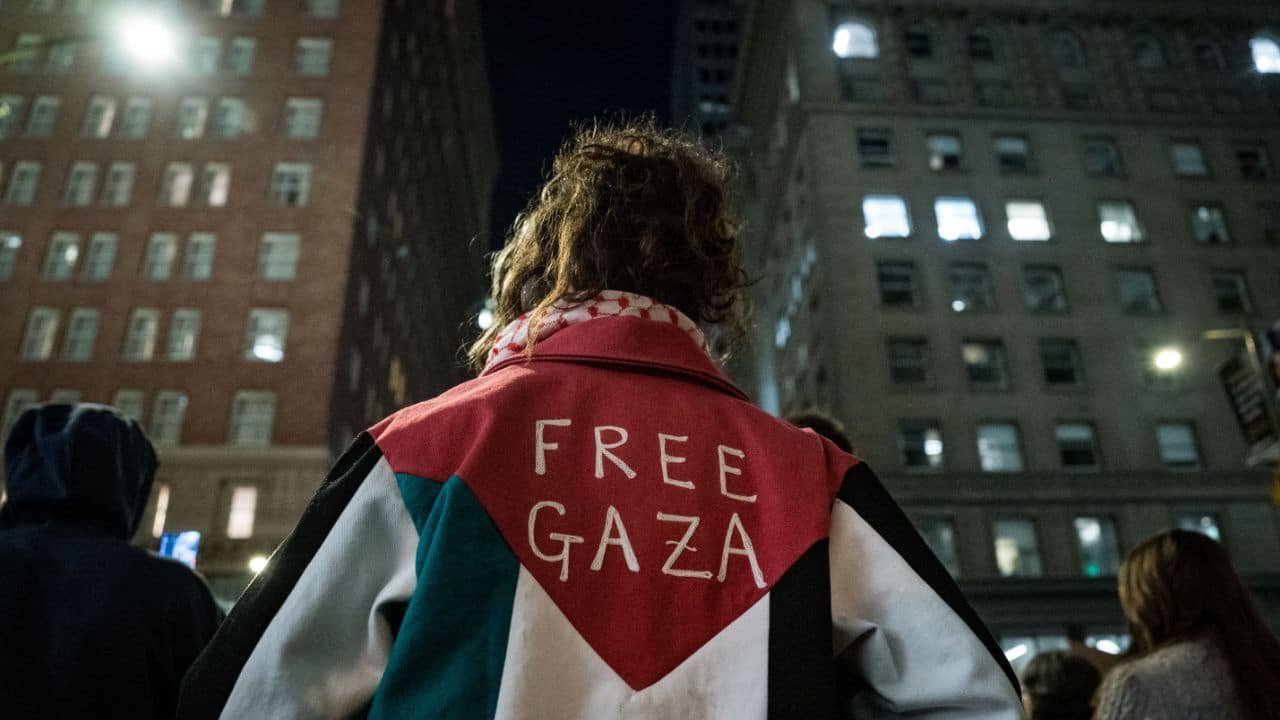
    TikTok has turned into an influential platform for speaking up against the atrocities going on in Gaza.

    After several Jewish actors like Amy Schumer, Sacha Baron Cohen accused the platform of being ‘anti-semitic’, TikTok heads had to release a statement clarifying that today’s teens were vocally pro-Palestinian, hence the algorithm showing more content in their favour.

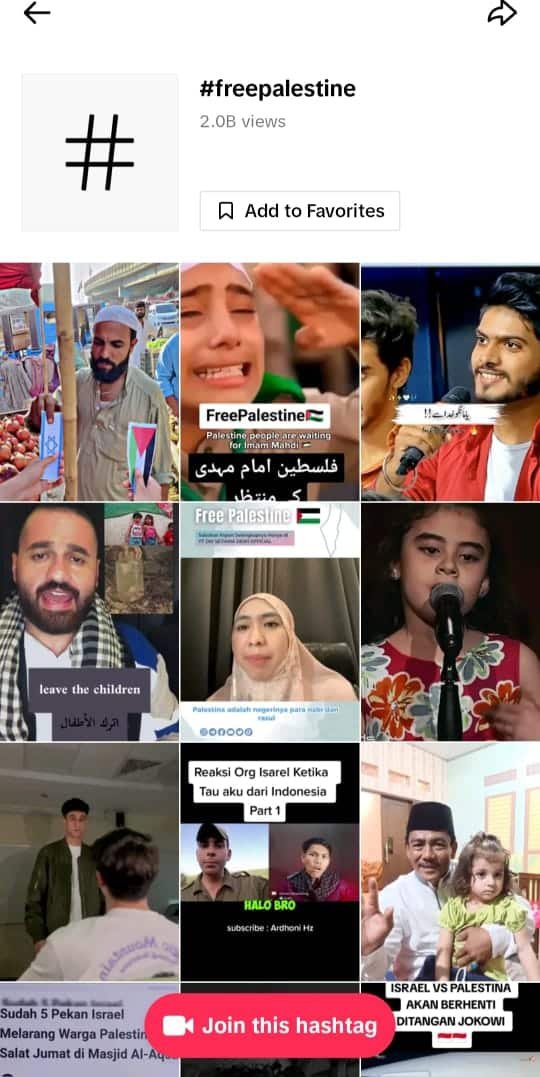
    Right now, the hashtag #FreePalestine has over 25 billion views, while #damifalasteeni- the song by Palestinian singer Mohammad Assaf, has over 1.4 million views on the platform.

    READ MORE: Palestinian content leaves Israel miles behind on social media

    TikTok users have consistently used the platform to debunk lies and propaganda spread by IDF soldiers to justify their invasion of Gazan hospitals. TikTok users started a trend, pretending to be Israeli soldiers and mocking their failed attempt at finding the ‘Khamas’ troops at Al-Shifa hospital.

    @drewparker2k This propaganda is getting laughably absurd #freepalestine ❤️ # #ceasfire #propaganda #politics #leftist #gaza #fyp #drewparker2k ♬ original sound – Aseyat

    @unculltured I could go on… #arab #arabtiktok #muslim #muslimtiktok ♬ original sound – khalid ☘️

    Yesterday, Israel agreed to a four-day ceasefire during which Hamas and IDF will exchange prisoners who were captured by their forces, as well as allow aid and fuel to enter Gaza. But many TikTok users slammed this as an attempt to silence the worldwide outrage over the genocide, as well as the timing when the ceasefire was announced with Black Friday, Thanksgiving and Cyber Monday around the corner. The hashtag #boycottblackfriday has over 4 million views on the platform.

    TikTok users are now taking to their accounts to urge their followers to keep boycotting brands and ensure a truce is established so the Palestinians get back their land and all the hostages, including 800 children held captive in Israeli prisons.

    @dontaskabbey ♬ original sound – dontaskabbey

    Fawn Diaz, who has over 41K followers on TikTok, shared a post calling out the greed of American capitalism in upholding a ‘humanitarian ceasefire’ at the same time it was Black Friday weekend.

    @fawn.diaz Boycott tf out of americas christmas and black friday money machine #freepalestine #revolution #freepalestine ♬ Wendigoon is a cool dude – audio

    TikTok user Yourfavouriteguy, who has 3 million followers on the platform, pointed out the ceasefire came in too late when already 20,000 Palestinians have been killed and 50% Gaza was reduced to rubble, and is not a permanent solution which is why social media needs to keep ensuring the pressure remains on their governments to support Palestine.

    @yourfavoriteguy here’s what you need to know about the temporary 4 day ceasefire that has been called in the Gaza Strip #YOURFAVORITEGUY ♬ original sound – YourFavoriteGuy

    TikTok is leading the growing boycott of international coffee chain Starbucks, which had sued workers union for releasing a statement standing in favour of Palestine. The hashtag #boycottstarbucsk has over 101.2 million views on the platform.

    @wwearybaby #boycottstarbucks ♬ الصوت الأصلي – ahmed fawzy

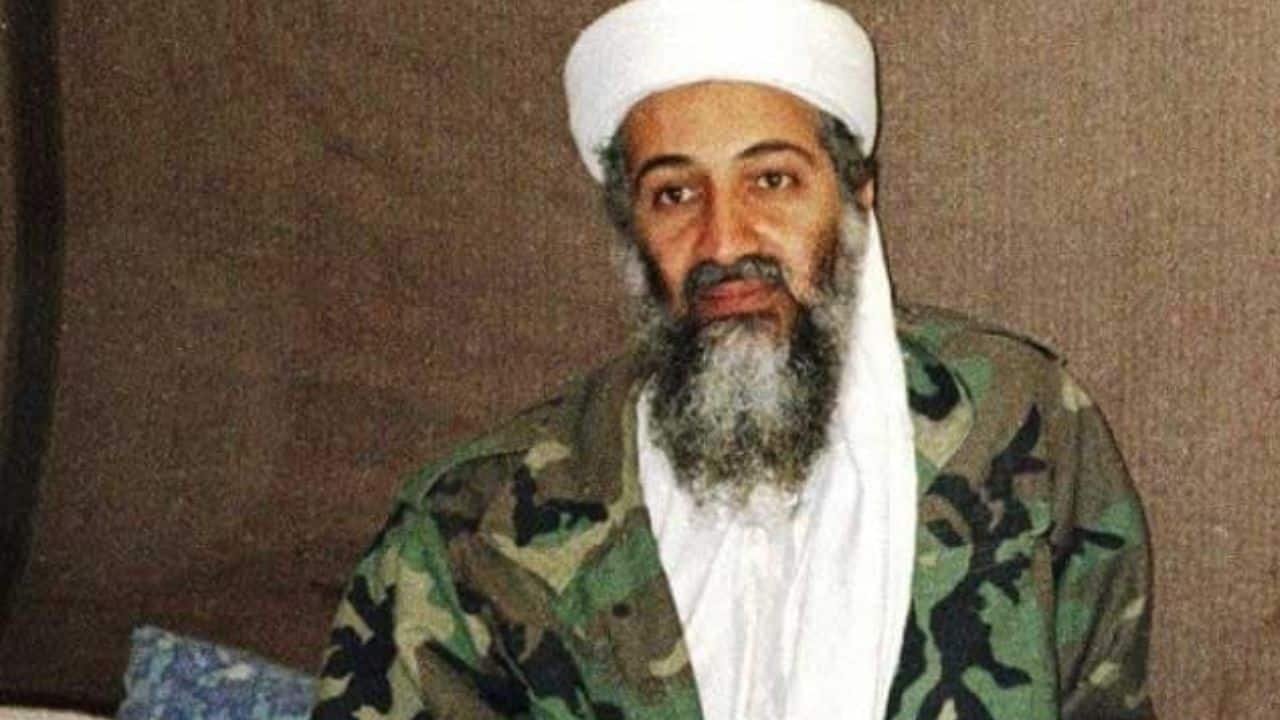
  • Osama Bin Laden’s ‘Letter to America’ is going viral on TikTok

    Osama Bin Laden’s ‘Letter to America’ is going viral on TikTok

    Almost 12 years after he was killed, Osama Bin Laden is back in the mainstream discourse after an essay he wrote in 2000, titled ‘Letter To America’, went viral on TikTok. Users began sharing a link from The Guardian on the social media platform, which the website has now removed. In the widely circulating letter, Osama addressed the American public to explain Al-Qaeda’s militant philosophy. Notably, he talks about Israel’s occupation of Palestine.

    Read the full letter below:

    The letter has since then gone viral on Twitter and TikTok with users declaring the letter has changed their perspective of 9/11 attacks. Users reported the hashtag had gained over 9 million views on the social media platform

    TikTok has said in a statement that they have removed the videos as the trend violates rules about “supporting any form of terrorism.” But the letter and excerpts from TikTok videos are still available on Twitter.

  • Palestinian content leaves Israel miles behind on social media

    Palestinian content leaves Israel miles behind on social media

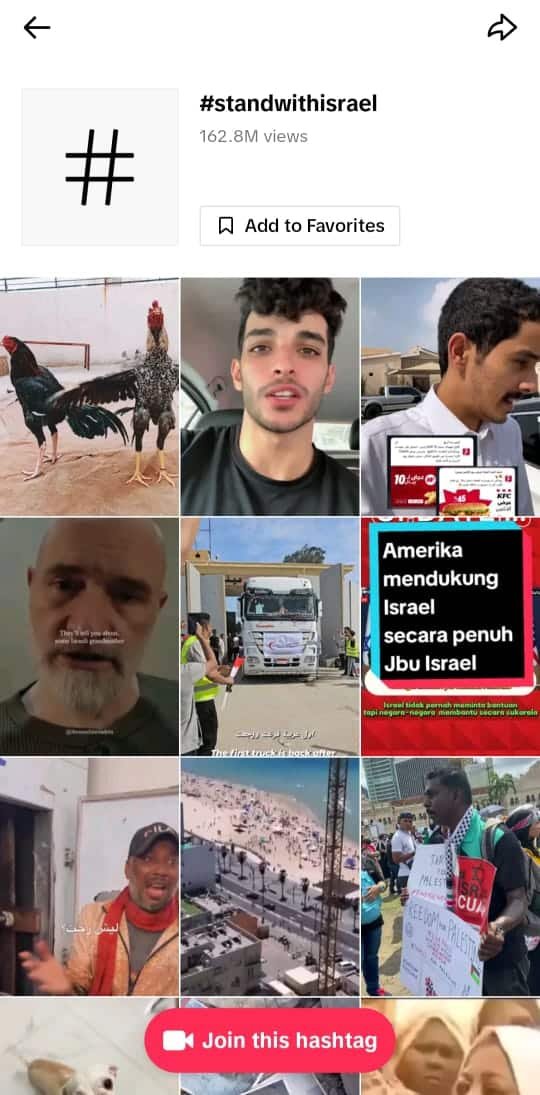
    While activists and civilians flood the streets across the world protesting for Palestine, social media is actively reflecting the changing tides. Currently, the hashtag #FreePalestine has over 2 billion views on TikTok, while in contrast the hashtag #standwithIsrael has over 162.8 million views.

    In a statement posted on Monday, the social media platform responded to US Representative (R) Mike Gallagher’s allegations that TikTok was “controlled by America’s s foremost adversary, one that does not share our interests or our values: the Chinese Communist Party (CCP)”, calling for America to ban the app.

    TikTok said the overwhelming support teens have for Palestine is dominating the app’s algorithm.

    “Support for Israel (as compared to sympathy for Palestine) has been lower among younger Americans for some time. This is evidenced by looking at Gallup polling data of millennials dating as far back as 2010, long before TikTok even existed. A March 2023 Gallup poll, before the war, shows young adults have rapidly shifting attitudes towards the Israeli/Palestinian conflict. While an Echelon poll from October 26, 2023 shows that US TikTok users under 40 are more likely to support Israel (33% vs 28% for Palestine), and the proportions broadly reflect the split in the general under 40 population (32% for Israel, 23% for Palestine).”

    Other social media platforms like Facebook and Instagram show more audiences engage with the pro-Palestinian content than with Israel’s. Instagram shows that the hashtag #FreePalestine has over 6 million views, while in comparison #IstandwithIsrael has gained only 233,000 views.

    Instagram was being taken to task by users for censoring and shadow banning prominent pro-Palestinian voices who were reporting on the ongoing genocide in Gaza. Freelance journalist Plestia Alaqad reported her Instagram account was hacked.

    Furthermore, journalist Ahmed reported he was locked out of his Instagram account and was warned it would be shut down for violating the company’s guideline.

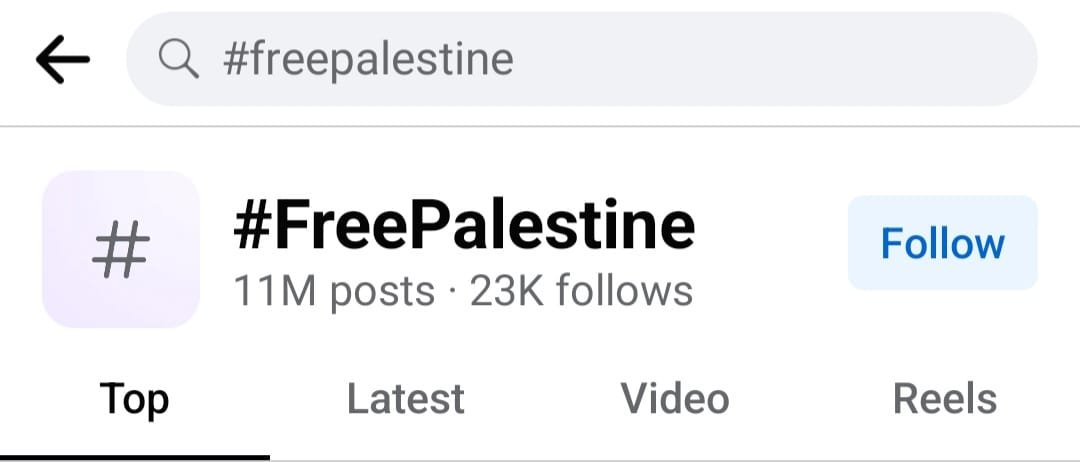
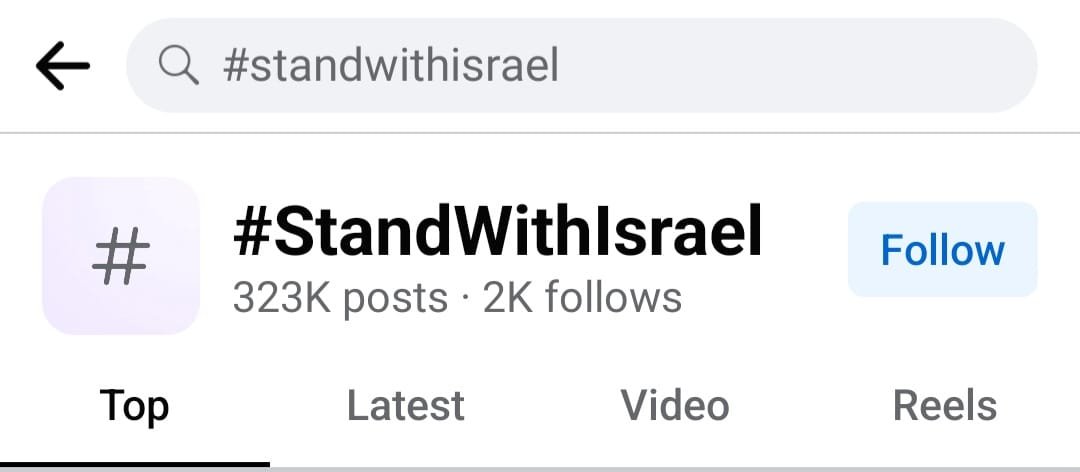
    On Facebook, the #FreePalestine hashtag has over 11 million views while in comparison the #IstandwithIsrael hashtag has over 323,000 views.