Tag: tobacco

  • UK parliament debates law phasing out smoking

    UK parliament debates law phasing out smoking

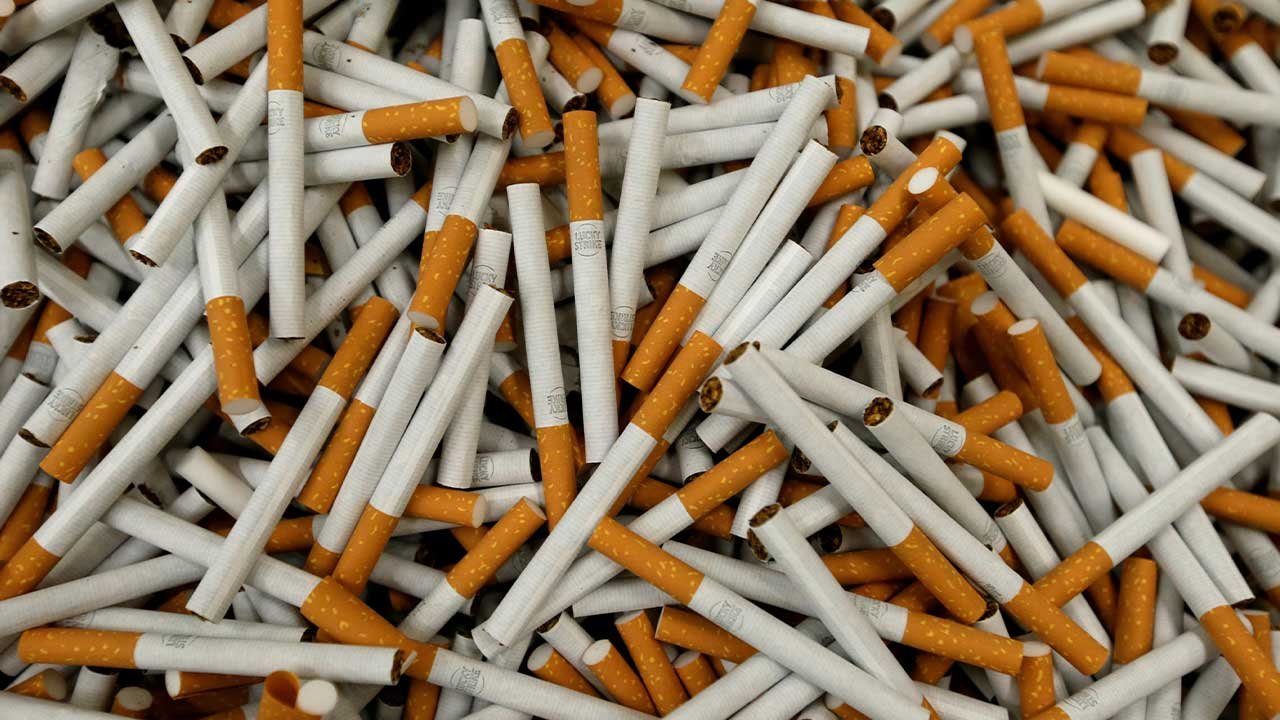
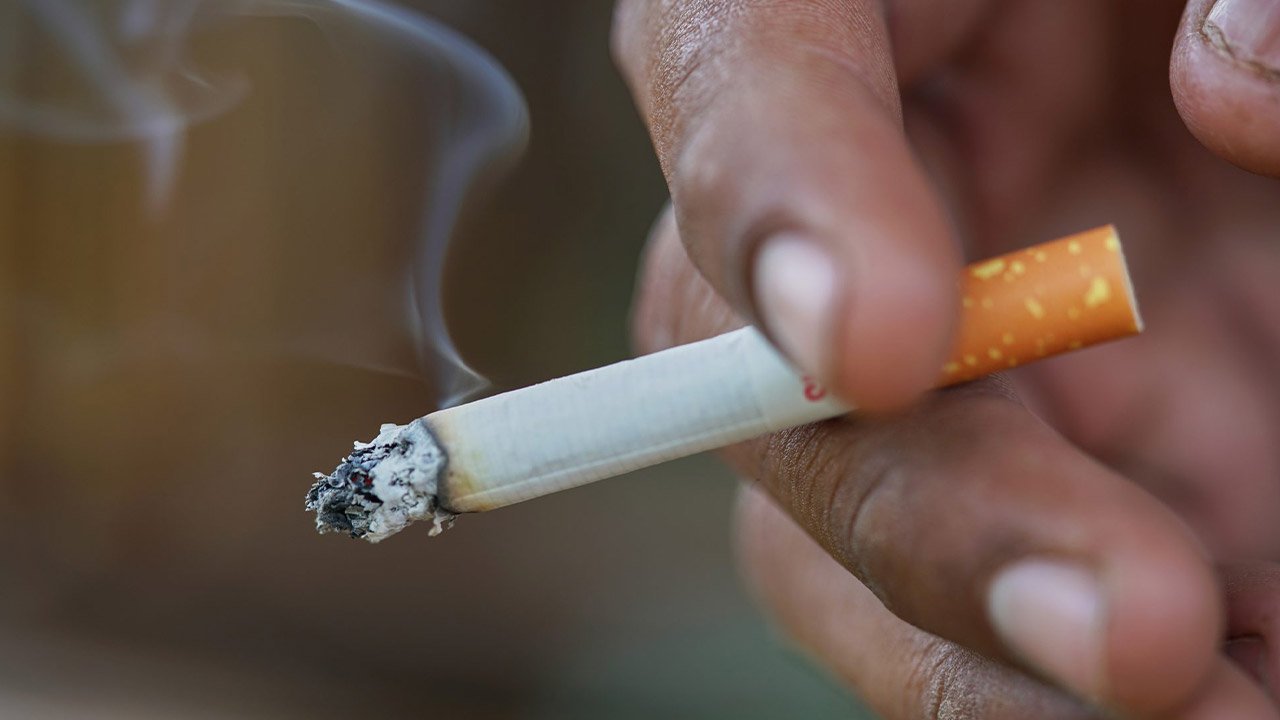
    London, United Kingdom – The UK parliament on Tuesday kicked off its first debate on Prime Minister Rishi Sunak’s planned flagship legislation to prevent young people from smoking, despite opposition from many in his own Conservative Party.

    The law would ban the selling of tobacco products to anyone born after January 1, 2009 –- effectively raising the smoking age by a year each year until it applies to the whole population.

    “This has the potential to phase out smoking in young people almost completely as early as 2040,” the government said when it unveiled the plan, calling the move “historic”.

    While the law looks set to pass thanks to support from opposition parties — including Labour, which is expected to win a general election due this year — Sunak faces the prospect of a rebellion from backbench Tory MPs.

    The beleaguered leader has little political capital to expend within his fractured party as he struggles to revive its fortunes following months of dire polling.

    Smoking is the UK’s biggest preventable killer and opinion polls show that around two-thirds of people in the UK back a phased smoking ban.

    However, libertarian-leaning MPs on the right of the ruling Conservatives, including former prime minister Liz Truss, have branded the move an attack on personal freedoms.

    Conservative MP Simon Clarke told BBC radio that he was “both sceptical and downright opposed” to the plans.

    “I think that an outright ban risks being counterproductive, I think it actually risks making smoking cooler, it certainly risks creating a black market, and it also risks creating a unmanageable challenge for the authorities,” he said.

    Former prime minister Boris Johnson also said at an event in Canada last week it was “mad” that the party of Winston Churchill was “banning cigars”.

    Vaping clamp down

    Opening the debate for the government, Health Secretary Victoria Atkins told the House of Commons that there is “no liberty in addiction”.

    “Nicotine robs people of their freedom to choose. The vast majority of smokers start when they are young, and three quarters say that if they could turn back the clock they would not have started,” she said.

    MPs are due to vote on whether to approve the plans for the next stage of the legislative process on Tuesday evening.

    Conservative MPs have been given a free vote, meaning they are able to defy the government without fear of being suspended from the party.

    Westminster watchers will closely study the size of the rebellion to see what it suggests about Sunak’s authority, amid reports that some cabinet members are considering voting against.

    The proposed ban was supposedly inspired by a similar plan in New Zealand which was later dropped.

    Official figures show smoking causes about one in four deaths from cancer and leads to 64,000 deaths in England per year.

    “If parliament passes this new bill, it will put the UK at the very forefront of the fight to eradicate one of the most harmful inventions of modern times,” said Lion Shahab, co-director of the tobacco and alcohol research group at University College London.

    The legislation also seeks to clamp down on young people vaping by restricting flavours and packaging to make less appealing to children.

    jwp-pdh/jj/yad

    © Agence France-Presse
  • Health activists urge govt to impose higher taxes on cigarettes for public welfare

    Health activists urge govt to impose higher taxes on cigarettes for public welfare

    Health activists and civil society organizations are calling on the government to impose higher taxes on cigarettes in the upcoming 2023-24 budget, signaling a potential increase in smoking costs for Pakistani consumers.

    Advocates argue that regular tax hikes on tobacco products, in line with the recommendations of the World Health Organization (WHO), are necessary to combat the detrimental effects of smoking in the country.

    Sanaullah Ghumman, representing Pakistan National Heart Association (PANAH), emphasised the importance of consistent taxation on cigarettes, urging the government to align with WHO guidelines. Ghumman’s plea reflects the growing concern over the devastating health consequences associated with tobacco consumption.

    Malik Imran, Country Head of the Campaign for Tobacco-Free Kids (CTFK), highlighted the impact of the government’s recent decision to raise the Federal Excise Duty (FED) on cigarettes in February 2023. This move generated an additional Rs11.3 billion in FED revenue for the fiscal year 2022-23, marking a 9.7 per cent increase from the previous year. Moreover, an extra 4.4 billion in VAT revenue was collected during the same period, representing an 11.5 per cent rise. These figures amount to a substantial boost of 15.7 billion, contributing 0.201 per cent to Pakistan’s struggling economy.

    Imran dismissed the tobacco industry’s claims of illicit trade as a diversion tactic to undermine the benefits of increased taxation. He emphasised that the economic gains resulting from higher prices indicate the viability of this approach, which aids in curbing smoking-related healthcare costs.

  • 466 people are dying each day in Pakistan due to tobacco consumption

    466 people die daily in Pakistan due to tobacco use related diseases, Dr Ziauddin Islam, a former technical leader of the Health Ministry’s Tobacco Control Cell, has disclosed during a discussion hosted by SPARC, Ikram Junaidi has reported for Dawn.

    He also said that the number of smokers in Pakistan has reached 31 million people. Dr. Ziauddin also revealed that every day, 1,200 Pakistani kids between the ages of six and fifteen begin smoking.

    The Tobacco Health Levy Bill, which has been on hold since 2019, needs to be approved right away in order to stop the loss of life and healthcare resources, he added.
    “Evidence suggests that higher cigarette taxes deter smoking initiation, reduce cigarette consumption, and even lead smokers to quit. Last year, Pakistan raised tobacco taxes for the first time since 2019 however we are still far off from the 30pc increase suggested by the World Health Organisation (WHO),” said Country head of Campaign for Tobacco Free Kids (CTFK) Malik Imran Ahmed.

  • WHO report reveals smoking causes 166,000 deaths every year in Pakistan

    WHO report reveals smoking causes 166,000 deaths every year in Pakistan

    In Pakistan, smoking contributes to around 166,000 deaths annually, of which 31,000 are caused by passive smoking.

    The World Health Organization predicts that this figure won’t go down considerably in the upcoming years despite health warnings, quitting initiatives, and expanded tobacco control measures. These combustible cigarettes not only endanger the environment but also the human body.

    The industry’s carbon footprint from the manufacture, processing, and transportation of tobacco is comparable to one-fifth of the CO2 produced by the commercial aircraft industry each year, according to the WHO study “Tobacco: Poisoning our world,” which furthers the effects of global warming.

    According to Brecorder, the ultimate objective to completely remove the hazards of climate change, according to experts, is to stop smoking, but doing so can be challenging and come with a risk of relapse. Scientists across the world have been researching for years to develop possibly less dangerous substitutes that smokers can switch to as their initial step to stop smoking.

    They said that countries like Japan, US, UK, Sweden, Norway, and Iceland took it upon themselves to lower these numbers and by legalizing and funding research towards HTPs and adopting Tobacco Harm Reduction (THR) strategies. The results have been very promising as most of these countries saw a sharp decline in the number of smokers and the risks associated with it.

  • Pakistan Customs foils attempt to smuggle chalia worth Rs2.6 crore in Karachi

    Pakistan Customs foils attempt to smuggle chalia worth Rs2.6 crore in Karachi

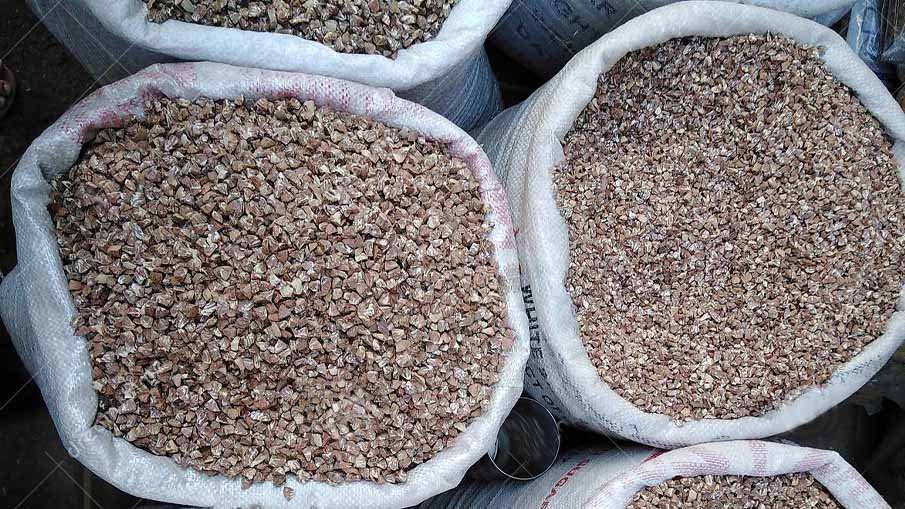
    An operation on Karachi’s Northern Bypass to smuggle chalia (betel nuts) worth millions was thwarted on Wednesday by Pakistan customs intelligence.

    According to information, the anti-smuggling squad of Pakistani customs stopped a dumper on the northern bypass of Karachi during an intelligence-based operation.

    In response to a tip, the customs team put in place intense surveillance, which resulted in the seizure of a dump truck carrying betel nuts worth around Rs26 million. A case has been filed, and further investigation is underway.

    The dangerous drug chalia (betel nuts), according to the customs inspectors, was concealed in the stones and several other cars were in the convoy with the dumper.

    Four non-custom-paid cars were also seized by the customs inspectors. The vehicles and chalia (betel nuts) are valued at Rs55 million.

    In an earlier large-scale operation, Pakistan Customs in Karachi seized non-duty-paid products worth over Rs160 million.

    The Pakistan Customs anti-smuggling team conducted the operations in various Karachi neighbourhoods.

    In another raid, the Pakistani customs team seized significant quantities of betel nuts, cigarettes, and gutka from a bus after acting on a tip-off in Liaquatabad. The items reportedly cost Rs26 million.

  • Govt lifts import ban on luxury goods with heavy duties

    Govt lifts import ban on luxury goods with heavy duties

    On the recommendation of the International Monetary Fund (IMF), the Federal Minister for Finance and Revenue, Miftah Ismail, announced lifting of the ban on the import of luxury and non-essential goods on Thursday. He added, however, that the Regulatory Duties (RDs) would be increased significantly to deter the import of such items.

    “It is requirement of the international community that there should be no ban so we are lifting ban on all products. But simultaneously the duties I am going to impose would not let these commodities to enter into Pakistan as finished goods,” according to Finance Minister.

    According to the minister, RDs would be increased three times, or to the highest degree conceivable, and may potentially increase by up to 400 to 600 per cent or more.

    Keeping in view his duty to offer basic and vital goods to the nation’s citizens, he said that the prime minister was against the importation of luxury goods, according to APP.

    To comply with the IMF, international agreements, and World Trade Organization, he claimed the restriction had been lifted. Although import taxes would be applied on expensive food, clothing, and other items, anyone still wishing to import is free to do so.

    He said that the available resources will be used to give the people of the country grain, wheat, cotton, and edible oil rather than iPhones or fancy cars. He claimed that Pakistan did not have a lot of money to spend on the import of opulent things.

    The finance minister stated in response to a question that the levies on completely built-up (CBU) automobiles, appliances, imported meat and salmon, as well as other luxuries, would increase. He explained that the government’s goal was to limit imports while adhering to the requirements of the International Monetary Fund (IMF) and other international accords, not to promote the import of such goods.

    On the other hand, since the Completely Knocked Down (CKD) kits are not considered luxury items, their import will resume without any caveats. However, its positive impact on the sales figures will be seen after a few months.

    According to the finance minister, Pakistan and the fund have been in lengthy negotiations. The IMF board is due to convene on August 29 and will decide whether to accept Pakistan’s programme because it has already complied with all requirements and performed all necessary preliminary steps.

    He said that friendly nations like Saudi Arabia, Qatar, and the United Arab Emirates helped arrange the $4 billion cash for strengthening the nation’s foreign exchange reserves. China also agreed to roll over $2 billion in loans, and Saudi Arabia agreed to roll over its own assets. According to him, the finance need has been satisfied.

    According to the minister, the requirement for the electricity tariff has also been met, thus there won’t be any non-funding subsidies.

    In addition, he said that the government was expected to get Rs42 billion from retail tax, but when the decision was reversed, the objective was cut to Rs27 billion, and the Rs15 billion shortfall will be filled by increasing the tax on tobacco and cigarettes.

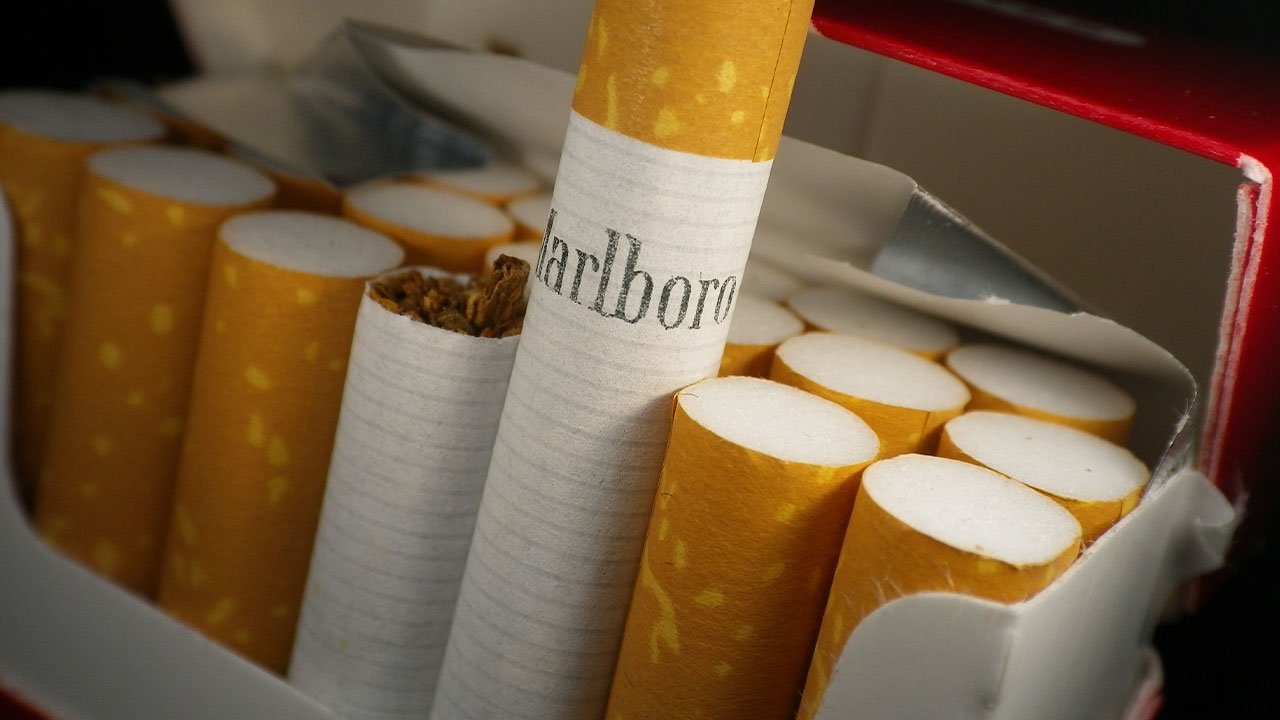
    Moreover, taxes on tobacco and cigarettes will bring in Rs36 billion. Tier-2 cigarettes’ tax will rise from Rs1,850 to Rs2,050 per 1,000 cigarettes, while Tier-1 cigarettes’ tax would rise from Rs5,900 to Rs6,500 per 1,000 cigarettes. The green leaf Cess has also been raised from Rs10 per kg to Rs380.

    According to Bloomberg’s report, the Pakistani Rupee was the best performing currency in the world during August, and the Pakistan Stock Exchange continued to be the top performing stock market in the world, therefore the minister believed that the country’s economy was strengthening.

    The minister stated that the government was implementing a policy of self-reliance in order to stay within its means, reduce the fiscal deficit, and raise imports to a level equal to exports plus remittance in order to control the current account deficit.

  • Pakistan faces Rs615 billion annual deficit due to tobacco consumption

    Pakistan faces Rs615 billion annual deficit due to tobacco consumption

    Pakistan has a substantial Rs615 billion annual deficit owing to diseases caused by smoking and overall tobacco usage, with only Rs120 billion earning in tax revenue from the product.

    The government is expected to improve revenue by raising the tax on cigarettes by 30 per cent according to The Nation.

    This was voiced by speakers at a major symposium held in Islamabad on May 18. The Pakistan National Heart Association (PANAH) held a seminar on the theme ‘Harms of Tobacco Products and the Importance of Tax Policy,’ which was presided over by Patron General (R) Ashraf Khan and hosted by General Secretary Sana Ullah Ghumman.

    As per the speakers at the event, tobacco usage is a major cause of serious heart, lung, and cancer diseases in the country. A fact sheet on the health and economic costs of cigarette usage was released by the Social Policy and Development Centre (SPDC).

    According to the survey, tobacco is used by 31 million persons over the age of 15. More than 260,000 people are predicted to start smoking in the country if tobacco taxes are not raised in the budget for 2022-23.

    Engineer Iqbal Zafar Jhagra, the former governor of KP and a senior PML-N leader, was the special guest at the event. Nisar Cheema, a member of the National Assembly, was also present.

    Read more: Tobacco companies in Pakistan may bump cigarette prices

    PANAH Patron General (R) Ashraf Khan congratulated the attendees and informed them of the organization’s goals and objectives.

    Smoking was declared the primary cause of deaths from non-communicable diseases (NCDs) such as heart, cancer, respiratory, and chronic diseases, according to participants, with an estimated 163,360 persons dying in 2017.

  • Tobacco companies in Pakistan may bump cigarette prices

    Tobacco companies in Pakistan may bump cigarette prices

    Farmers have asked the government and firms to increase the price of future tobacco products in accordance with the current price hikes in pesticides, fertilisers, and other crop preparation and selling charges.

    On May 9, the demand was made at a meeting of Ittehad-e-Kashtkaran in Khyber Pakhtunkhwa. The participants agreed that the government should reduce agricultural inputs because pesticide, fertiliser, and other costs have risen dramatically.

    Attendees suggested that the price of tobacco be set at Rs350 per kilogramme so that growers may meet the current price increases in pesticides, fertilisers, and other expenses spent during crop preparation and marketing.

    The newly elected officials also encouraged the government to create favourable local marketplaces for agricultural products to aid hardworking farmers. They demanded that the government and tobacco businesses pay the farmers’ outstanding debts immediately.

    Read more: Open market: Lemon being sold at Rs1,100 per kg in Lahore

    Growers also asked the government to develop a policy to prevent tobacco-related industries from moving from Khyber Pakhtunkhwa to Azad Kashmir and other provinces.

    It should be noted that tobacco is grown in Pakistan, with Khyber Pakhtunkhwa accounting for 80 per cent of total production.

    Tobacco products also give Rs135 billion to the federal budget, while the tobacco development tax contributes Rs980 million to the provincial budget.

  • Number of smokers declining in the world, WHO report reveals

    Number of smokers declining in the world, WHO report reveals

    A report published by World Health Organisation has revealed that the number of smokers globally has declined in recent years, AFP has reported.

    According to a new WHO estimate, 1.30 billion individuals worldwide used tobacco in 2020, down from 1.32 billion two years earlier. The number is further expected to go down by 1.27 billion by the end of 2025.

    While about a third of the global population over the age of 15 used tobacco products in 2000, only about a fifth is predicted to do so by 2025, according to the report.

    Read more- Over 1,200 children start smoking every day in Pakistan

    “It is very encouraging to see fewer people using tobacco each year,” WHO chief Tedros Adhanom Ghebreyesus said in a statement, “we still have a long way to go, and tobacco companies will continue to use every trick in the book to defend the gigantic profits they make from peddling their deadly wares.”

  • Over 1,200 children start smoking every day in Pakistan

    Over 1,200 children start smoking every day in Pakistan

    Around 1,200 children start smoking every day in Pakistan, Parliamentary Secretary for the Ministry of National Health Services, Dr Nausheen Hamid, said on Thursday.

    “The data we have has shown that children between ages of 6 and 12 are also among those children who start smoking every day,” Hamid said adding that more than 160,000 people died every year in Pakistan because of tobacco use.

    “The tobacco industry tries to attract young generations to become users their customers,” she said.

    As per reports, Pakistan has taken several steps to control tobacco use, including banning smoking in all places of public work or use, and on all public transport.

    Laws in Pakistan also forbid the sale of smoked tobacco products within 50 meters of any school, university, or educational institution, as well as the sale of single cigarettes and small packets of cigarettes. Youth under the age of 18 are not allowed to but the tobacco products.

    Many forms of tobacco advertising and promotion including advertising on TV, radio and print media are also banned. 

    According to data available on the Pakistani health ministry’s tobacco control cell, there are 23.9 million tobacco users in the country, of whom 15.6 million are smokers.

    “5,000 Pakistanis are admitted to the hospitals every day due to tobacco,” the cell said, “and 39 percent of households are exposed daily to secondhand tobacco smoke.”