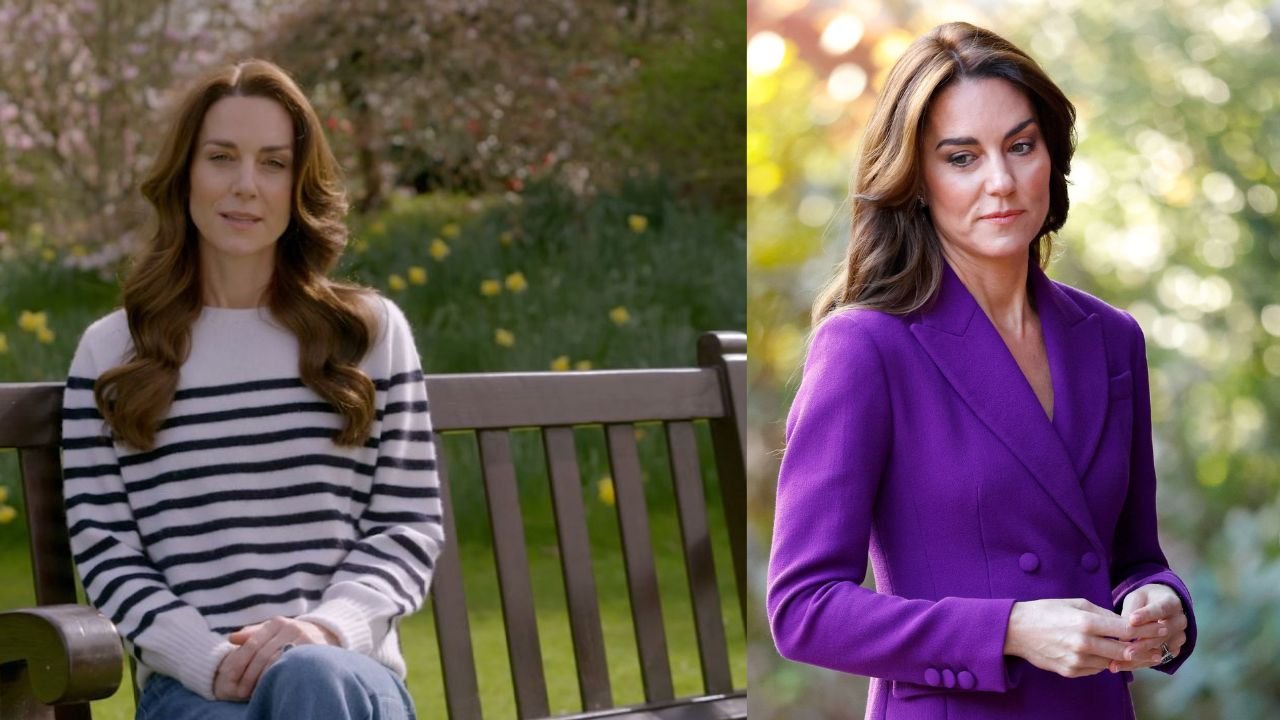
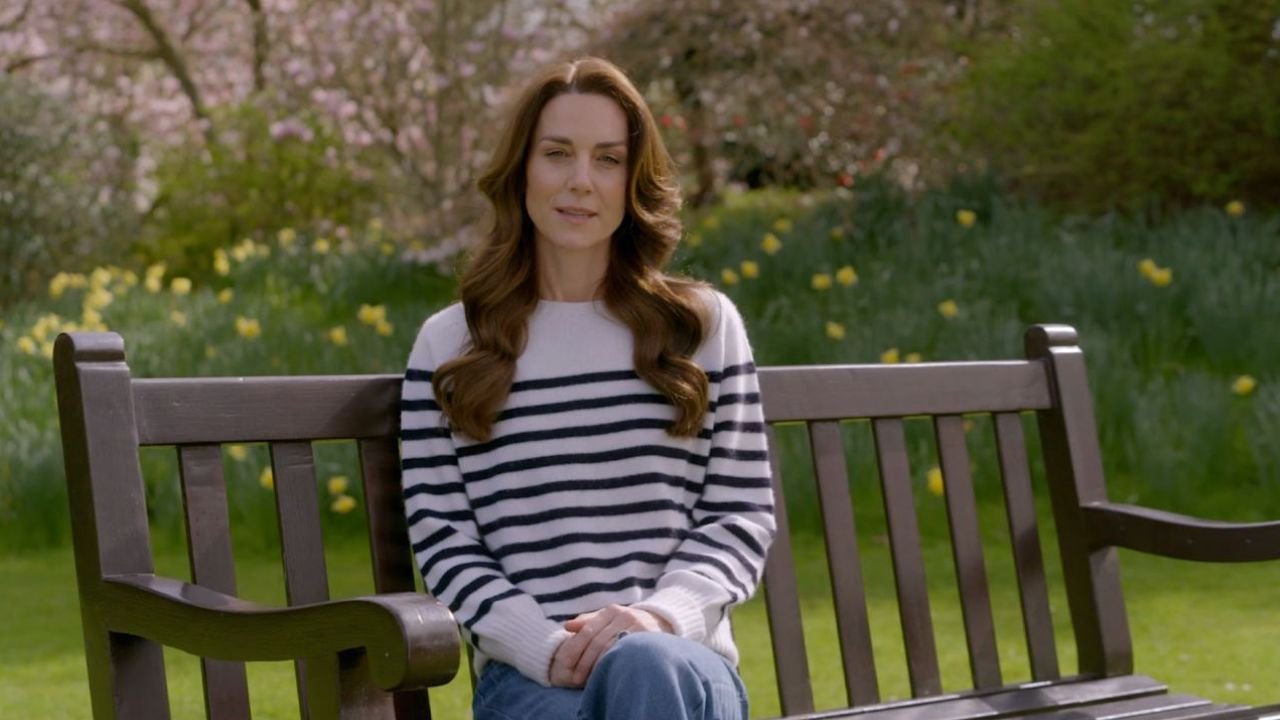
On Friday evening, Princess of Wales, Kate Middleton, shocked the world with a video announcement that she has cancer. As absurd rumors about her having died or being murdered by her husband Prince William, took hold on social media, the future Queen of England broke her silence and made a rare public appearance.
Sitting on a bench, composed and calm, the Princess said that doctors found cancer after her “successful” abdominal surgery. She said she’s receiving “the early stages” of preventive chemotherapy. She did not offer more details about what type of cancer she has been diagnosed with or what stage her disease is at.
But there are clues in her message. Let’s look at exactly what is ‘preventive chemotherapy’.
Preventive chemotherapy, or chemoprevention, is the use of a medicine or a supplement to prevent cancer from developing in high-risk patients.
The chemo in this instance can be used in a healthy person to stop cancer from developing, in a person who has pre-cancerous or stage 0 cancer to stop the cells from becoming malignant, or in a person who already has one form of cancer to stop another cancer from developing.
Chemoprevention is primarily used in three types of cancer: breast, prostate (in men) and colon. However, it is also used, albeit less often, in lung, skin and neck cancers.
Preventive chemotherapy is mostly delivered via IV tube or pills, usually in outpatient procedures. The patient does not need to be admitted to hospital.
We hope that Princess Kate is able to beat her disease quickly and easily. Here’s wishing her and her family the best of luck on their journey.
In a shocking turn of events, Catherine, Princess of Wales, revealed on Friday, via a video message, that she has been diagnosed with cancer and is in the “early stages” of treatment.
The announcement was described by the princess as a “huge shock”. It has been two months after she had stepped away from public life, following what Kensington Palace stated at the time was surgery for an abdominal condition.
“In January, I underwent major abdominal surgery in London and at the time, it was thought that my condition was non-cancerous,” she said, laying to rest all rumours about her disappearance from public life.
Apparently, the surgery was successful. However, tests after the operation found cancer was present. “My medical team therefore advised that I should undergo a course of preventative chemotherapy and I am now in the early stages of that treatment.”
Kate explained that her diagnosis was “a huge shock” and that “William and I have been doing everything we can to process and manage this privately for the sake of our young family.”
The princess added, “As you can imagine, this has taken time. It has taken me time to recover from major surgery in order to start my treatment. But, most importantly, it has taken us time to explain everything to George, Charlotte and Louis in a way that is appropriate for them, and to reassure them that I am going to be ok.”
Kate said that she had told them she is “well and getting stronger every day by focusing on the things that will help me heal; in my mind, body and spirits.”
She praised her husband, Prince William for being by her side as “a great source of comfort and reassurance” as well as the support she has received from the public.
“We hope that you will understand that, as a family, we now need some time, space and privacy while I complete my treatment. My work has always brought me a deep sense of joy and I look forward to being back when I am able, but for now I must focus on making a full recovery,” she said.
She ended her heartfelt message by saying that she was also keeping “all those whose lives have been affected by cancer” in her thoughts.
“For everyone facing this disease, in whatever form, please do not lose faith or hope. You are not alone,” Kate concluded.
Recently, King Charles has also been diagnosed for cancer and is also in chemotherapy.
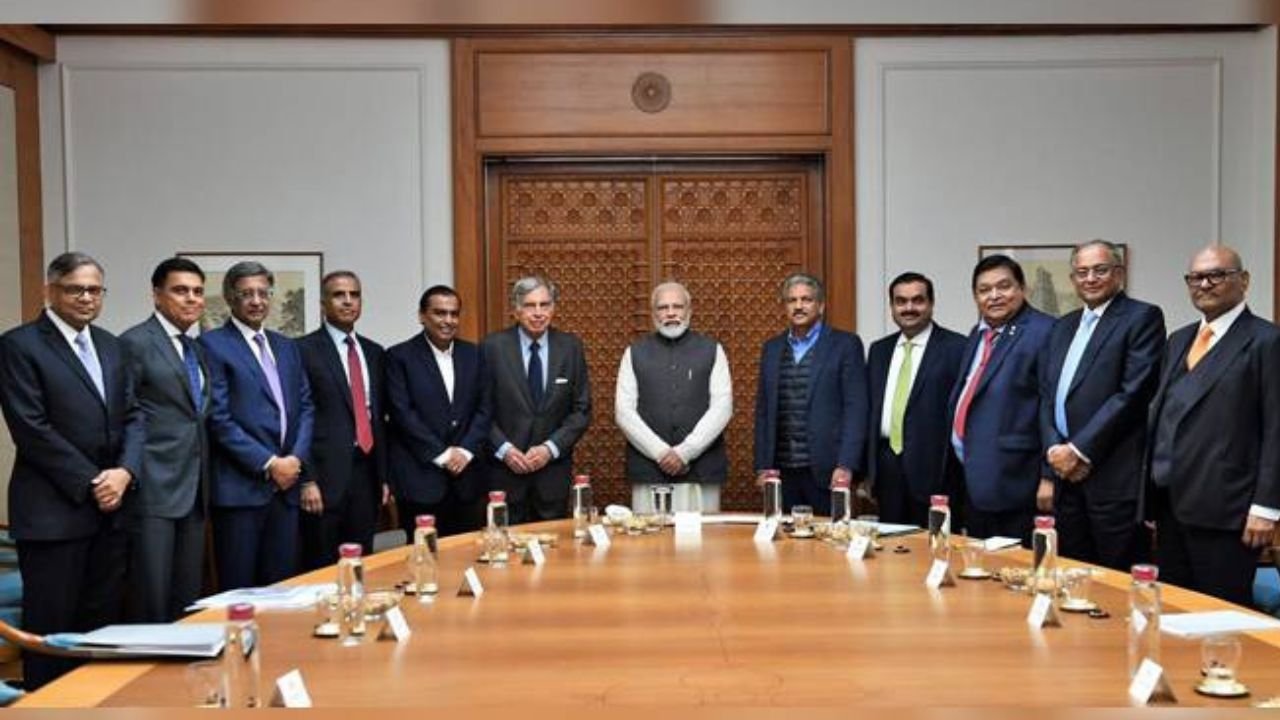
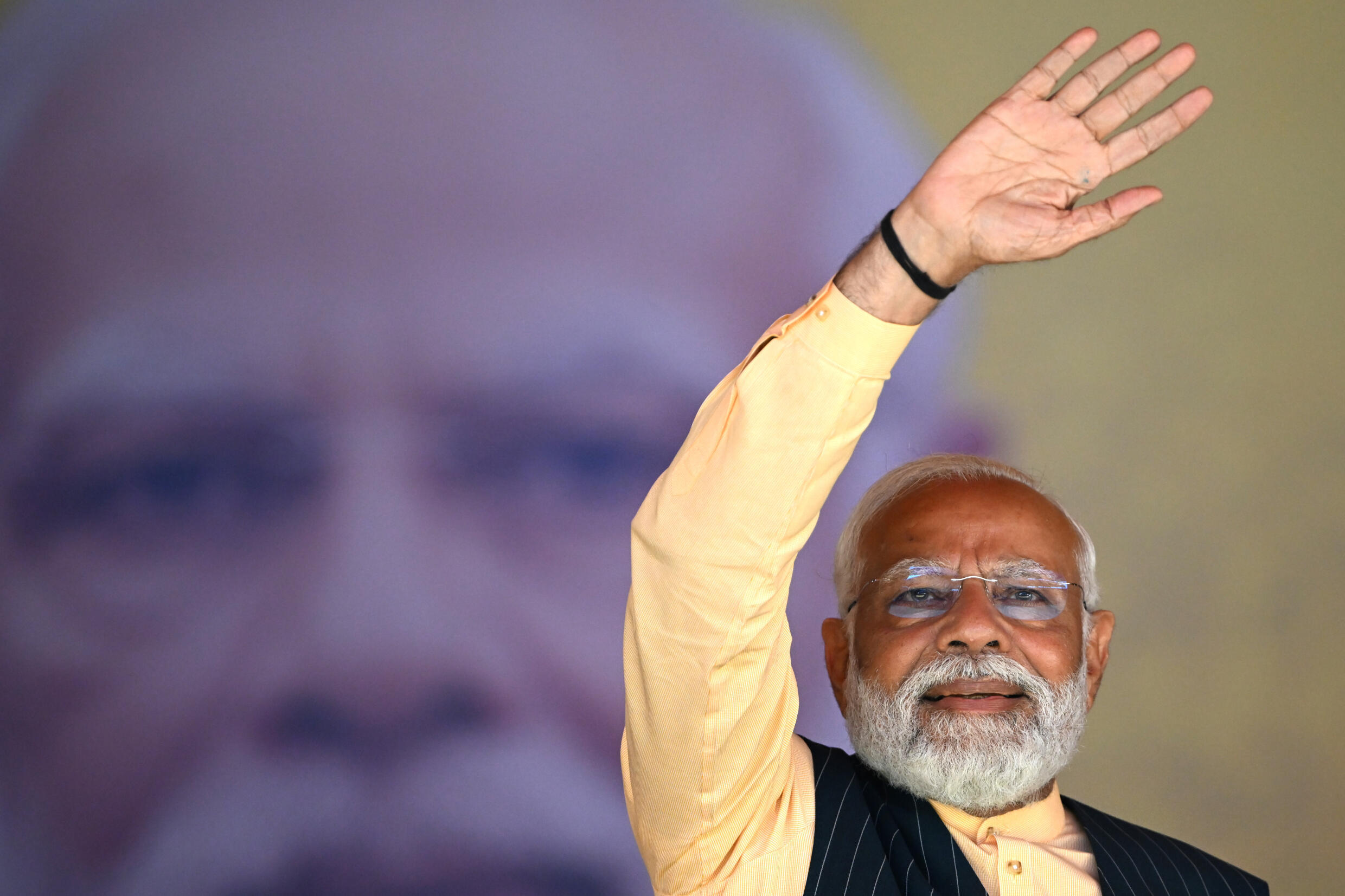
Last week, India’s election commission published a list detailing buyers of electoral bonds, a contentious funding scheme that has helped Prime Minister Narendra Modi’s party build an immense campaign war chest dwarfing rivals.
Electoral bonds account for more than half of all political donations and were anonymous until India’s top court ruled them illegal weeks before the start of national elections next month.
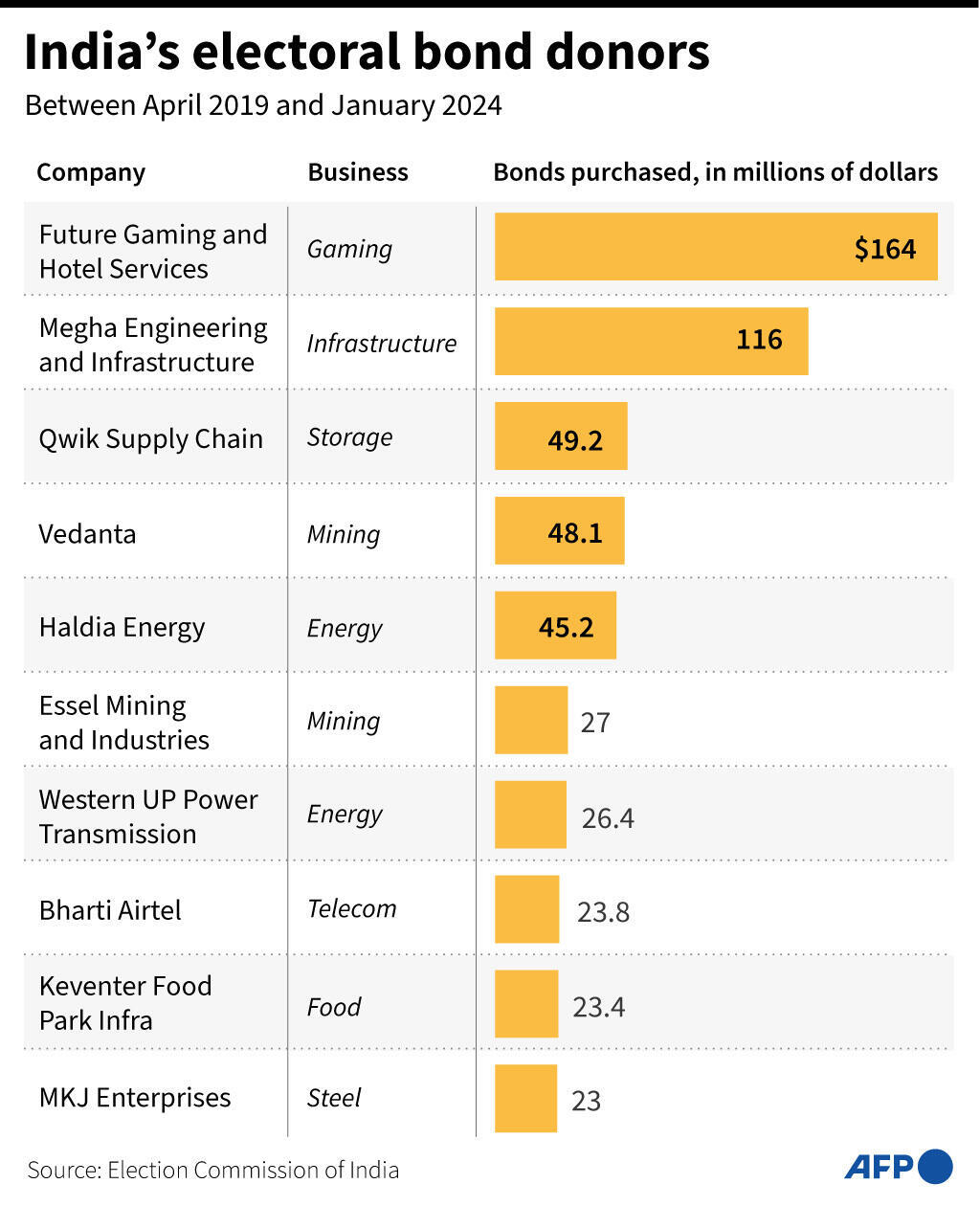
An AFP review of the list found that of the $1.5 billion donated through the scheme, at least $94 million was donated by 17 companies after they faced — either directly or through their subsidiaries — investigations for tax evasion, fraud or other corporate malfeasance.
“The electoral bond scheme was sinful in conception, faulty in design and intended to prevent transparency,” lawmaker Abhishek Singhvi of the opposition Congress party told AFP.
“Each of these vices stand exposed… by the huge disclosures tumbling out of the closets.”
‘Knocked at their doors’
Opposition party lawmakers claim the electoral bonds list shows that firms were donating to Modi’s ruling Bharatiya Janata Party (BJP) in the hopes of influencing the outcome of criminal probes.
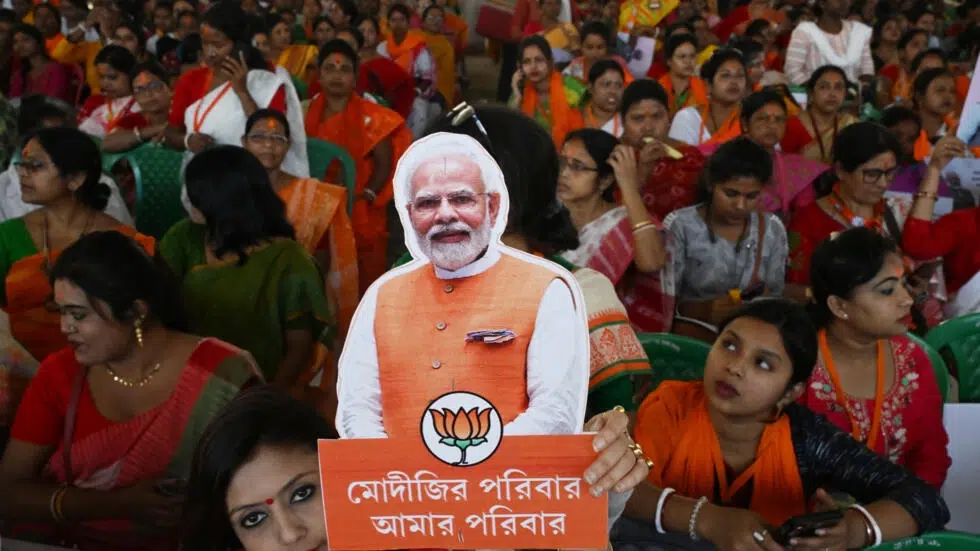
The BJP was far and away the single biggest beneficiary of the scheme, receiving $730 million or around 47 percent of total bonds cashed since April 2019.
Its main competitor Congress received around $171 million over the same period.
Among the companies named as donors are Hero MotoCorp, the country’s biggest motorbike maker by sales. It donated $2.4 million to the BJP seven months after confirming its finances were being investigated by the tax department.
Glenmark Pharmaceuticals, a top drug firm, bought $1.17 million worth of electoral bonds for the BJP eight months after Indian media reported an investigation for alleged tax evasion.
Indian miner Vedanta, whose parent company was once listed on the London Stock Exchange, donated more than $40 million spread across half a dozen parties over the past five years.
Local media reported in 2022 that the country’s main financial crime agency began investigating the company in 2018 for allegedly paying bribes to facilitate Indian visas for Chinese technicians.
Hero, Glenmark and Vedanta did not respond to requests for comment.
No definitive proof of such a quid pro quo has surfaced. Authorities have also not publicly announced whether investigations against donor companies have been closed or withdrawn.
Nirmala Sitharaman, Modi’s finance minister, said last week that any allegation of a link between criminal investigations and political donations was based on “huge assumptions”.
“What if the companies gave the money, and after that, we still went and knocked at their doors?” she told a panel hosted by television channel India Today.
The BJP was not the only party to receive electoral bonds from companies facing legal investigation.
Among the several parties funded by lottery company Future Gaming — the biggest single donor under the scheme with a spend of $164 million — were the government and opposition of southern Tamil Nadu state.
Future Gaming has since 2011 been the subject of several investigations on suspicion of unpaid income tax, money laundering and fraud, according to media reports.
‘Black money’
Ties between corporate India and the country’s political class have previously blown up into public scandal — including to the benefit of Modi, who was swept to office a decade ago on a wave of public discontent over corruption.
Modi made hay from a number of corporate bribery accusations directed against his opponents, including allegations that ministers and bureaucrats had taken money from telecom companies in return for favourable licensing deals.
His government introduced electoral bonds in 2017, pledging the scheme would clear up the illicit “black money” donated to parties in return for political favours.
But the new scheme did not close off other avenues of funding, including anonymous cash donations or tax-deductible electoral trusts in which multiple companies can pool money together for parties without public scrutiny.
Indian media also identified several other irregularities with the electoral bond scheme, reporting that several companies donated amounts far in excess of their annual profit or revenue.
Others were loss-making or had been freshly incorporated, suggesting they had been used as front companies to make donations on behalf of an unidentified third party.
Milan Vaishnav, of the Carnegie Endowment for International Peace, said the donation list vindicated the election commission’s objections to the scheme when it was first unveiled.
“This is precisely what the EC had warned, (that) the creation of this opaque instrument could allow for shell companies, foreign firms, and unknown third parties to give to parties without detection or outside scrutiny.”
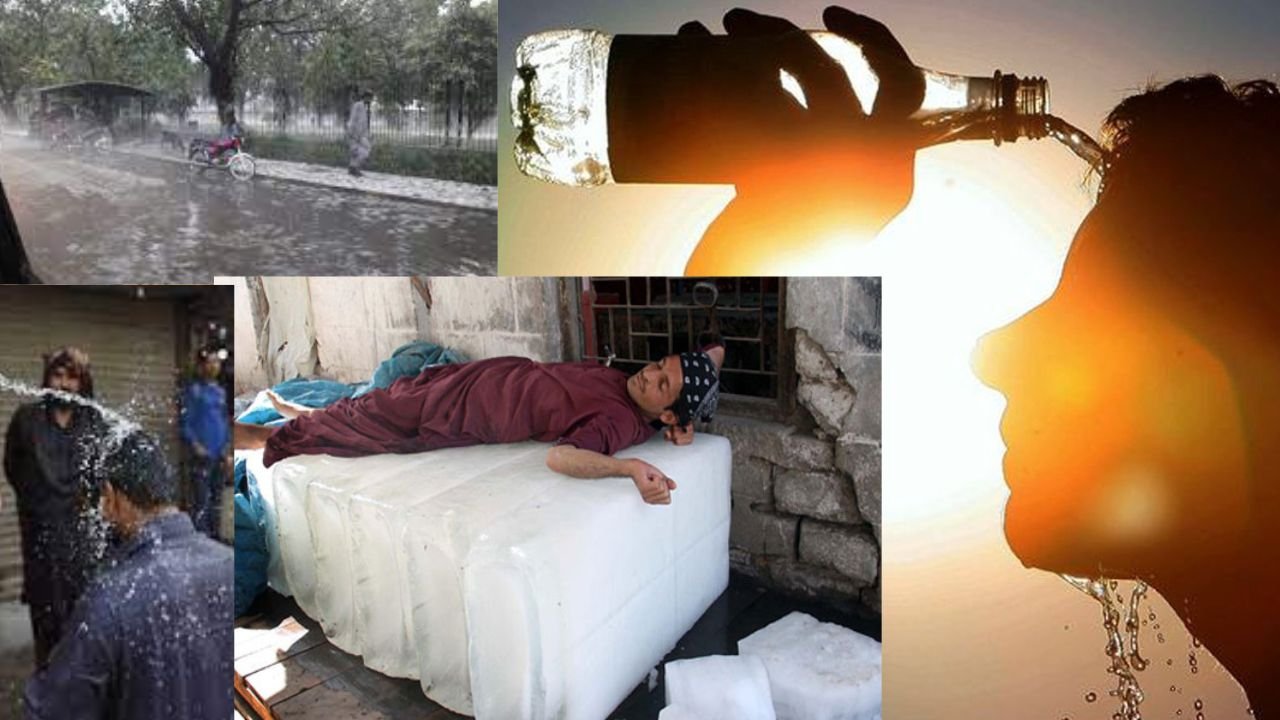
The Department of Meteorology has indicated the possibility of an increase in hot temperatures in Sindh and Balochistan while hailstorms are expected in some parts of Punjab, reports Geo News.
There is a possibility of a gradual increase in temperature during the day in the southern districts of Sindh and Balochistan, as per the Meteorological Department.
However, in Karachi, there is a chance of clear weather in the upcoming weekend. The minimum temperature recorded was 24.4 degree celsius in the last 24 hours.
The minimum temperature is expected to be 21 to 23 degrees Celsius and the maximum temperature is expected to be 33 to 35 degrees during the next 24 hours. Humidity is 76 percent while winds are blowing at a speed of 15 km per hour.
Simultaneously, heavy rain was reported in Muzaffarabad city and its surroundings and snowfall on the mountains made the weather beautiful.
The Meteorological Department says that there is a possibility of rain in various cities of Punjab, including Khushab, Jhelum Murree, Guliyat, Rawalpindi, Chakwal, Gujarat, Sialkot and Hafizabad. Meanwhile, there is a possibility of hailstorm in a few places.
In Khyber Pakhtunkhwa, Chitral, Dir, Swat, Kohistan, Shangla, Buner, Malakand, Abbottabad, Mansehra and Haripur will experience thunder and lightning along with the rain.
‘Umm-e-Ayesha’ is a TV show made by 7th Sky Entertainment for Ramzan. It’s on Geo channel every evening at 6 pm, starting on the first day of Ramzan. The show tells a story meant to inspire young girls who want to follow their faith and also achieve their dreams in real life.
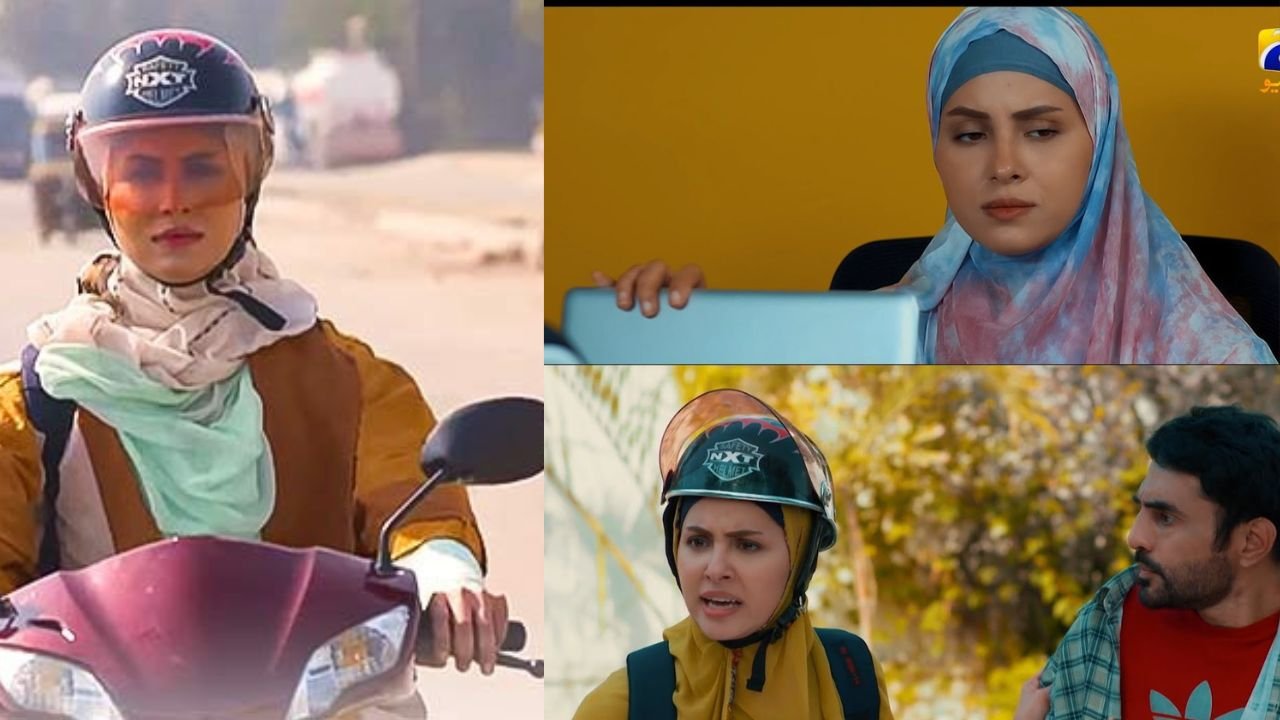
The story is about a girl named Ayesha, played by Nimra Khan. Saleem Ghanchi directed the serial, and Hina Huma Nafees wrote it. The cast includes Omer Shahzad, Mehmood Akhtar, Nida Mumtaz, Tara Mahmood, and others.
The drama serial focuses on the teachings of Islam while keeping the dreams, lifestyle and challenges of the new generation in perspective. No doubt Umm-e-Ayesha is a notable effort in that direction.
Here’s why you should watch the show:
Normalising girls wearing hijab driving scooters
Ayesha wears a hijab and drives a scooter. Seeing a young girl do both might seem unusual in shows, but this drama aims to make it normal. While we’ve seen girls driving scooters in dramas before, seeing a girl in a hijab do it is refreshing.
Breaking old tropes
When Ayesha’s father gives her a scooter for her birthday, her mother doesn’t like it. She thinks it would’ve been better if he gave her gold jewelry instead. This happens a lot in our communities. People often think it’s better to invest in property or gold for a girl’s future, rather than giving her the chance to get an education or live independently.
Father standing up for his daughters
It’s heartwarming to see the show portray the bond between fathers and daughters without the usual restrictions we often see. Ayesha’s father is her biggest supporter. Even though their relationship is made up, it reflects the real-life stories of many women who have succeeded with the help of a supportive male family member. ‘Umm-e-Ayesha’ shows these kinds of relationships and changes the way father-daughter relationships are usually shown on TV.
Girls working while wearing hijab
Ayesha gets treated unfairly because of her hijab. She almost doesn’t get a job because of it, and later, she faces criticism for it too. Ayesha represents many girls who struggle to keep wearing their hijab despite facing bias at work or pressure to look modern. But Ayesha doesn’t give up. She shows that girls can wear hijab and still do well at work. She dresses neatly and professionally, proving that her hijab doesn’t stop her from fitting in or doing her job well.
In ‘Umm-e-Ayesha,’ we see a girl who has to prove herself not just outside her family, but also within it. Her mother wishes she was married and wants her to dress up nicely when there’s a potential match visiting. There’s also pressure on her to send pictures without her hijab to impress potential husbands’ families.
What’s interesting is that her sister doesn’t wear hijab, which many families can relate to. Despite their differences, they have a good relationship and don’t force each other to change.
In summary, ‘Umm-e-Ayesha’ is worth watching during Ramzan, especially if you’re tired of regular Ramzan dramas. Its messages are relevant to both young and old viewers.Top of Form
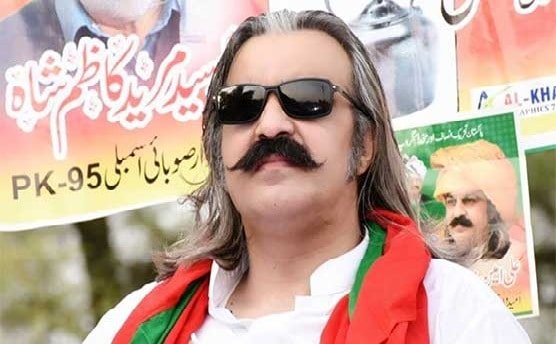
An Anti-Terrorism Court in Islamabad has given permission for Khyber Pakhtunkhwa Chief Minister Ali Amin Gandapur to be granted pre-arrest bail in the judicial complex vandalism case. Meanwhile, the Sessions Court has stopped his arrest warrants in cases filed at Bani Gala and Golra police stations in Islamabad.
The ATC granted Gandapur interim bail until April 17, approving his pre-arrest bail request.
Gandapur’s lawyer Raja Zahoorul Hassan told the court his client was named in the first information report (FIR), but he had no role in the vandalism incident as he was not present on the scene. The lawyer further revealed that despite facing 50 FIRs, Gandapur was not even being allowed to reach the court.
However, Gandapur turned himself in to the Sessions Court in Islamabad, which led to the cancellation of the arrest warrants issued against him in cases filed at Bani Gala and Golra police stations.
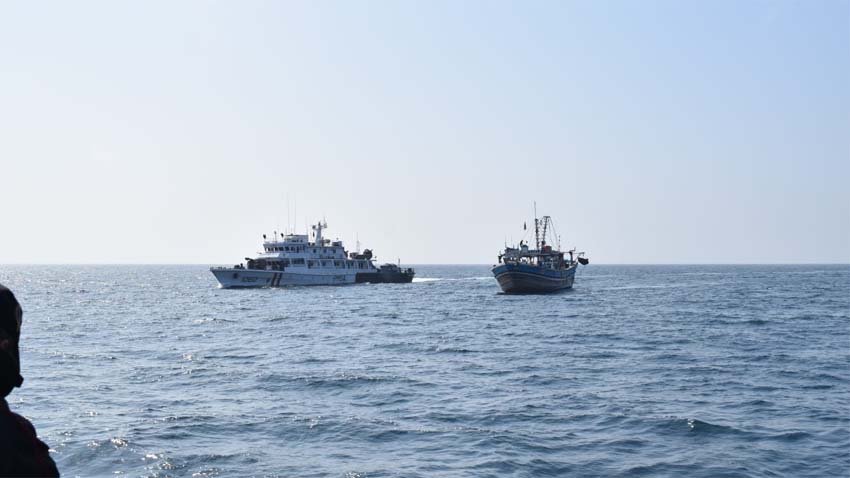
A Pakistan Maritime Security Agency (PMSA) ship, patrolling Pakistan’s Exclusive Economic Zone (EEZ), came into contact with eight Indian fishing vessels that were engaging in illegal fishing activities within the boundaries of Pakistani waters.
A Pakistani sailor was martyred and two Indian fishermen went missing at sea, the PMSA statement said on Thursday. To escape the Pakistani authorities, one of the illegal fishing boats started speeding back towards Indian waters. During the intense pursuit, the vessel remained out of the authorities’ reach despite warnings to halt.
“Eventually, the fishing vessel slowed down, allowing the PMSA ship’s boarding team to embark,” said the statement. “However, after PMSA personnel were on the fishing vessel, it suddenly accelerated speed and altered its heading, thereby colliding with the PMSA ship. Consequently, the fishing vessel capsized and sank with all personnel on-board i.e. PMSA boarding team and fishermen, being thrown into sea.”
Following this, the fishing vessel sank and PMSA ship acted swiftly, rescuing five out of seven Indian fishermen and four of its own personnel. “However, regrettably, one PMSA sailor, Muhammad Rehan, later embraced martyrdom while two remaining Indian fishermen are still missing at sea.”
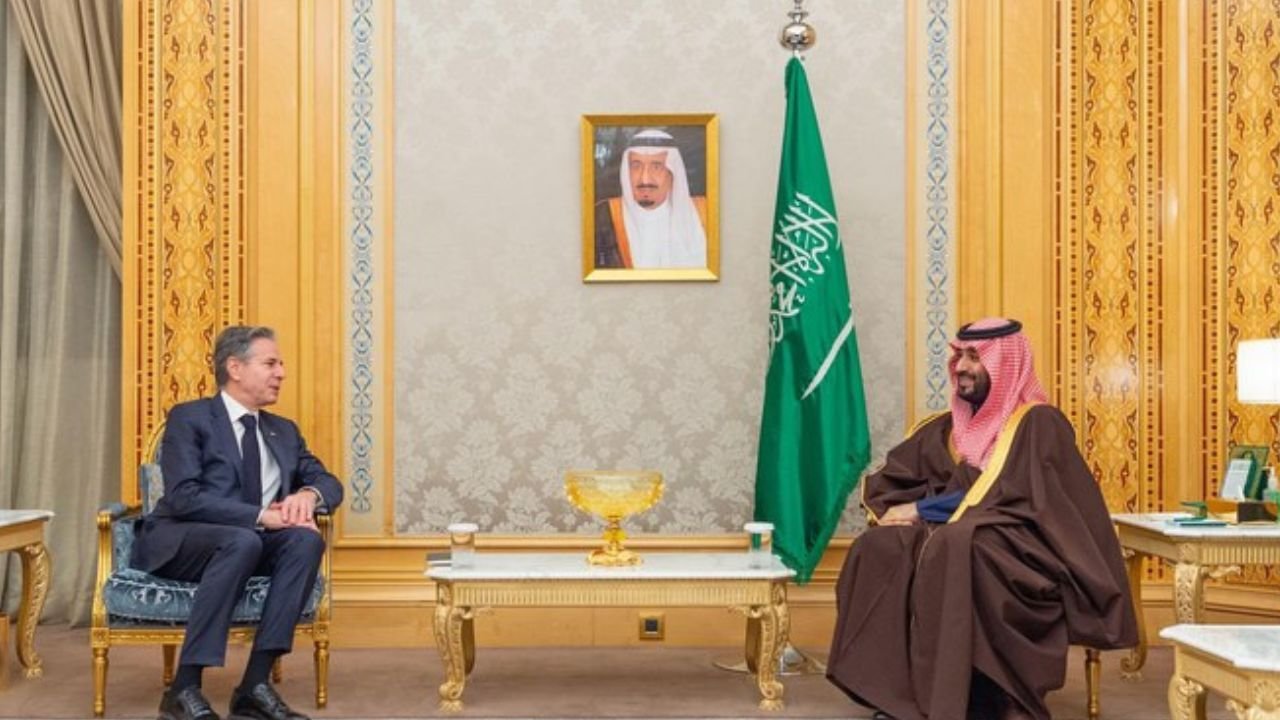
U.S. Secretary of State Antony Blinken has claimed on Thursday that the United States and Saudi Arabia have made “good progress” in talks on normalising ties between the kingdom and Israel. However, he did not provide a timeline for concluding the deal.
“I believe we can reach an agreement, which would present a historic opportunity for the two nations, but also for the region as a whole,” Blinken said at a joint press conference with Egyptian Foreign Minister Sameh Shoukry in Cairo.
Talks on normalisation had been put on ice after Oct 7 but conversations have resumed in recent months.
While trying for a ceasefire in the Gaza war, the Biden administration has been working to secure a normalisation deal as well. However, Saudi Arabia and other Arab countries want the creation of a Palestinian state to be part of any such deal with Israel.
Saudi Arabia is also looking to sign a mutual defence pact with Washington and get U.S. support for its civil nuclear program. Blinken discussed the topics on Wednesday with Saudi Crown Prince Mohammed bin Salman in Jeddah during an official visit.
“We had a very good discussion about the work that we’ve been doing for many months now on normalisation, and that work is moving forward. We’re continuing to make good progress,” Blinken said but added that he could not offer a timeframe.
Earlier a senior State Department official said Washington and Riyadh were down to a handful of bilateral issues and there was political will to address those gaps.
A pact giving the world’s biggest oil exporter U.S. military protection in exchange for normalisation would reshape the Middle East by uniting two long-time foes and binding Riyadh to Washington at a time when China is making inroads in the region.
For such a deal to advance, Israel needs to agree to a pathway for creation of an independent Palestinian state, a prospect that Israeli Prime Minister Benjamin Netanyahu has repeatedly rejected.
Washington sees any normalisation deal woven into post-war planning that would include Arab countries providing security guarantees for Israel in return for the creation of a Palestinian state under a reformed Palestinian Authority.
Blinken did not elaborate how Washington would overcome Netanyahu’s objections to creation of a Palestinian state, but said the ongoing violence benefited Iran.
“The perpetuation of this cycle only benefits Iran and the proxies that are working for it. So I think as that choice is clear, people will begin to really think about it and make decisions,” Blinken said.
Until Oct 7, both Israeli and Saudi leaders had been saying they were moving steadily toward a deal that could have reshaped the Middle East.
Five months of war in the densely populated Gaza enclave have triggered starvation and food shortages.
The head of the World Health Organization said only opening more border crossings for trucks carrying aid could prevent famine in Gaza.
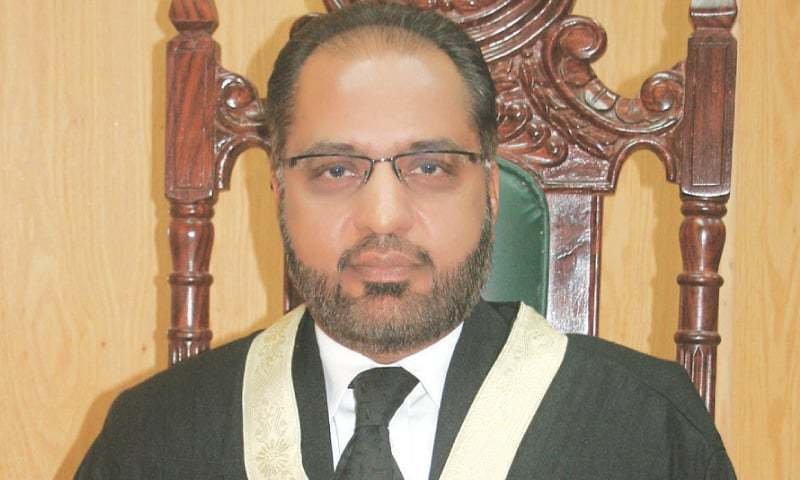
The Supreme Court on Friday ruled the dismissal of former Islamabad High Court (IHC) senior judge Shaukat Aziz Siddiqui as illegal, issuing directions that he may now be considered a retired judge.
The decision was announced by a five-member bench led by Chief Justice of Pakistan Qazi Faez Isa, Justice Aminuddin Khan, Justice Jamal Khan Mandokhail, Justice Hasan Azhar Rizvi, and Justice Irfan Saadat. The bench had reserved the verdict on Aziz’s plea in January this year.
In his petition, the former judge challenged the decision of Supreme Judicial Council (SJC) removing him from office and an Oct 11, 2018 notification because of which he was dismissed for a controversial speech he had delivered at Rawalpindi Bar Association.
In his speech, Aziz blamed the country’s premier spy agency ISI of illegally using their influence to manipulate the court proceedings and forming their choice of benches in cases related to indictment of former Prime Minister Nawaz Sharif and his daughter Maryam Nawaz.
However, since the court noticed that since the former judge had attained the age of 62 years, he would not be able to resume his previous service as a judge. “Consequently, Justice Siddiqui shall be deemed to have retired as a judge of the IHC and he will be entitled to receive all the benefits and privileges due to a retired judge, by allowing these petitions in the above term,” it stated.
President Asif Ali Zardari has filed for Presidential immunity under Article 248 of the Constitution in two National Accountability Bureau (NAB) cases. The clause provides protection to high-ranking state officials from all legal proceedings in court for any action taken by them during their terms in office.
In the Park Lane Case, Mr Zardari is accused of allegedly using his influence to extract loans from the state exchequer for dummy corporations during his term as the President from 2008 to 2013. It is important to note that Mr Zardari, along with his sister and several other business associates, are accused in this case as well. However, the Presidential immunity only protects Mr Zardari.
The other NAB case is known as the Thatta Water Supply reference in which Asif Ali Zardari and others are accused of illegally awarding different contracts to private contractors. Zardari’s counsel emphasized that President Zardari’s status as the country’s elected head granted him immunity from legal action, thus rendering the continuation of the case against him untenable.
The accountability court has since issued a notice to the NAB, seeking a response to Mr Zardari’s application for immunity by April 22.
President Asif Ali Zardari has filed for Presidential immunity under Article 248 of the Constitution in two National Accountability Bureau (NAB) cases. The clause provides protection to high-ranking state officials from all legal proceedings in court for any action taken by them during their terms in office.
In the Park Lane Case, Mr Zardari is accused of allegedly using his influence to extract loans from the state exchequer for dummy corporations during his term as the President from 2008 to 2013. It is important to note that Mr Zardari, along with his sister and several other business associates, are accused in this case as well. However, the Presidential immunity only protects Mr Zardari.
The other NAB case is known as the Thatta Water Supply reference in which Asif Ali Zardari and others are accused of illegally awarding different contracts to private contractors. Zardari’s counsel emphasized that President Zardari’s status as the country’s elected head granted him immunity from legal action, thus rendering the continuation of the case against him untenable.
The accountability court has since issued a notice to the NAB, seeking a response to Mr Zardari’s application for immunity by April 22.