Tag: Top News

  • Tanzeela Mazhar fought for seven years to get justice against workplace harassment

    Tanzeela Mazhar fought for seven years to get justice against workplace harassment

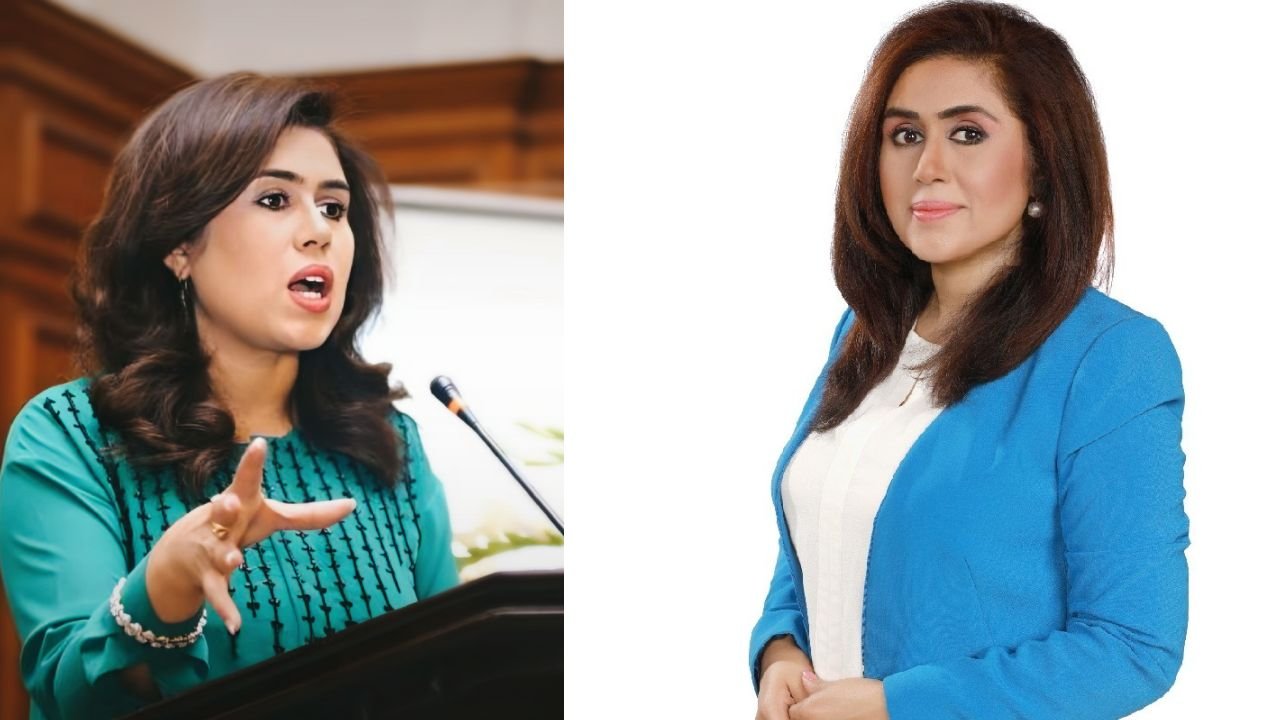
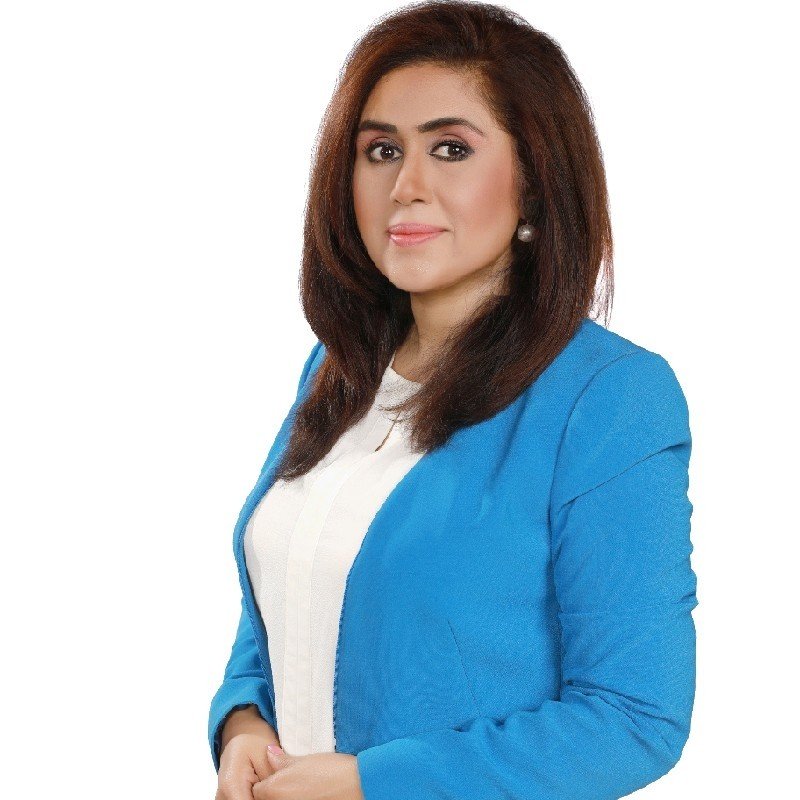
    After seven years of relentless struggle and facing criticism, television host Tanzeela Mazhar, a former anchor at Pakistan Television Corporation (PTV) News, finally received justice in her battle against sexual harassment as she was acquitted in a defamation case filed by her harasser.

    Mazhar’s ordeal began in January 2017 when she bravely exposed Agha Masood Shorish, former director of current affairs on the state television, on X (formerly Twitter) for making “unwelcome advances” towards her in 2009.

    She shared that he took her off-screen after she confronted him. Screenshots of her chat added to the post revealed the harassment against her and another journalist, Yashfeen Jamal.

    In November 2017, PTV terminated Shorish, and the decision followed a series of investigations, with a total of five inquiries launched against Shorish, three of which specifically addressed allegations of sexual harassment.
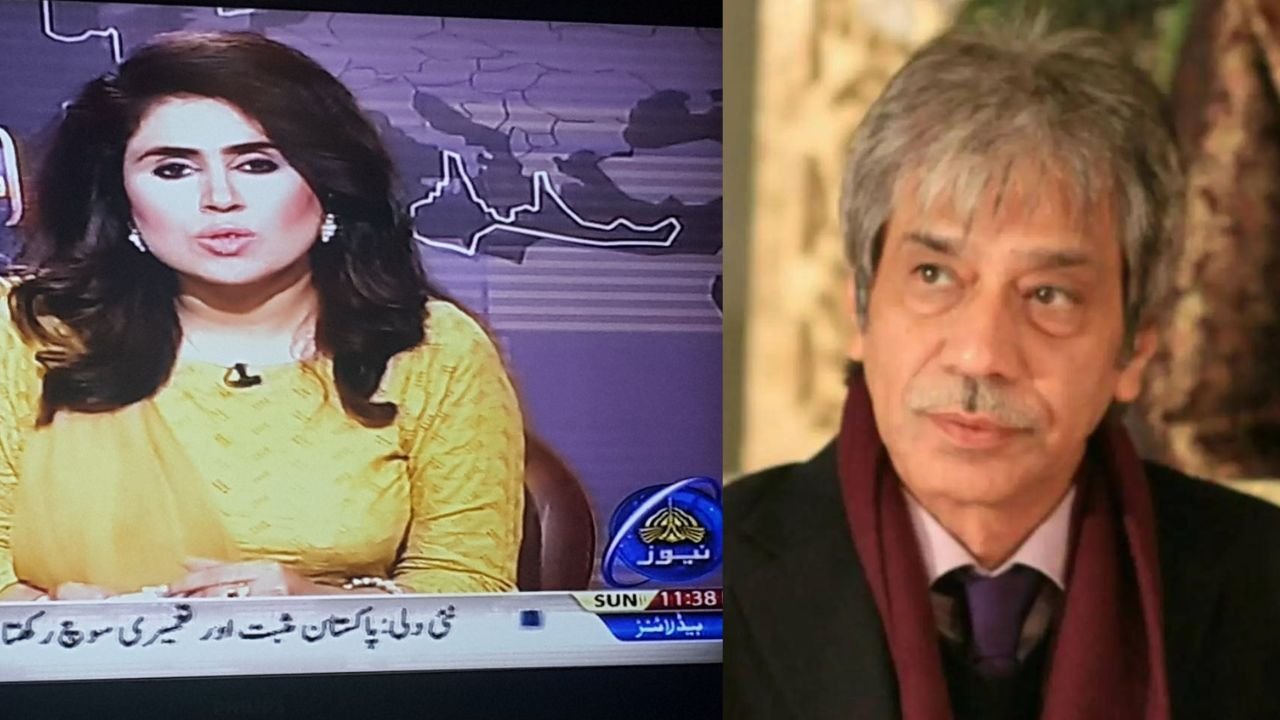
    The severity of the situation prompted 14 producers from PTV to lodge a formal complaint against Shorish in the Islamabad High Court, elevating the issue to the national platform.

    The matter garnered further attention when it was brought up in the National Assembly, prompting the Information Ministry to issue a notification for Shorish’s termination.

    Since 2017, Mazhar has been fighting the criminal defamation lawsuit that was filed against her soon after she raised the matter of sexual harassment.

    “It is about not losing your ground”

    She believes, “It is not about winning or losing a case, it is about not losing your ground. When you talk about harassment, you are slapped with defamation cases by your harassers because they want you to step back from your ground.”

    The former PTV anchor asserted that this is a pattern that has been seen in multiple cases. Her co-complainant Yashfeen Jamal’s out-of-court settlement and statements made life difficult for her as that impacted her case.

    Mazhar faced backlash from her journalist fraternity and struggled to find a job. She now works as Head of Programming and Current Affairs at GTV News Pk.
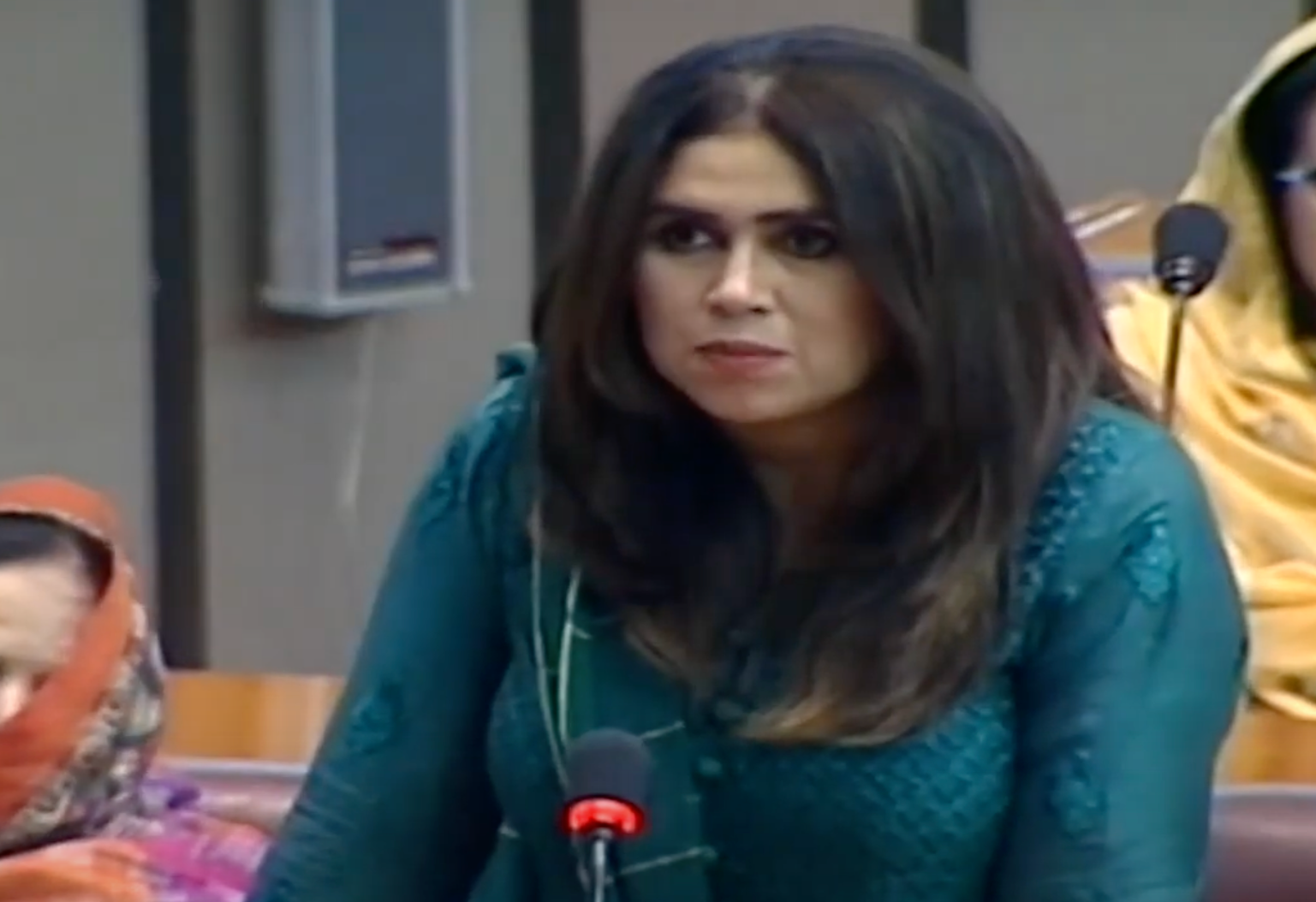
    She is also the co-founder of Women in Media Alliance, a support center, which seeks to promote fair and inclusive representation of women in media organizations across Pakistan. They believe in highlighting the work of women affiliated with different mediums and providing them with a platform to get their voices heard.

    Court Hearings and Societal Pressure

    “Men of the family and home, nobody likes that a woman of your family goes every morning to deal with a court case because that is how our society is,” explains Tanzeela while remembering how she was never exempted from a court hearing, faced warrants due to absence, even when she was traveling somewhere for work or there was an emergency.

    She saw the ordeal as an opportunity, all thanks to her nerves of steel. She went back to university and became a lawyer.

    “The message to their egos as they felt they were punishing me, it all changed because the case went on for so long that I eventually started appearing in uniform. He tried to use every influence he had, his father was influential, so he had contacts with everyone, from bureaucracy to the judiciary to intelligentsia, but I fought against him,” she said with a spark in her eyes and a smile on her face.
    Mazhar’s Resignation and Response from Management:

    The fallout from the allegations against Shorish had a significant impact on PTV’s workforce. In March of the same year, Mazhar announced her resignation expressing her disappointment with the handling of the situation.

    She criticized the leadership, particularly referencing statements made by Maryam Nawaz and her party regarding the respect of women. Mazhar’s departure marked a poignant moment, highlighting the pervasive issue of moral corruption within the institution.

    Legal Battles and Renewal of Contracts:

    Meanwhile, the legal ramifications of the scandal continued to unfold. In February, PTV management renewed the contracts of Mazhar and her colleague, Jamal, amidst ongoing legal battles.

    Shorish retaliated by filing a defamation suit against Mazhar and Jamal, further complicating the situation. Despite mounting pressure, State Minister for Information, Marriyum Aurangzeb, assured the public of the impartiality of the inquiry committee tasked with investigating the harassment complaints.

    Timeline of Events and Parliamentary Intervention:

    The timeline of events reveals a complex web of inquiries and bureaucratic procedures. In January, the inquiry committee submitted its report to the PTV managing director, albeit with delays.

    Women lawmakers in the National Assembly demanded clarification on the lack of action taken against Shorish, amplifying the voices calling for accountability. The internal turmoil within PTV was further exacerbated by a circular issued by management, warning employees against making public comments on the ongoing investigations.

    Amidst the turmoil, Tanzeela Mazhar took to social media to publicly disclose her experiences with Shorish.

    In January 2017, she exposed Shorish’s unwelcome advances towards her on Twitter, shedding light on the pervasive issue of sexual harassment within PTV. Screenshots of personal conversations added weight to her claims, sparking a public outcry and igniting a national conversation about workplace harassment.

    In October 2018, Mazhar revealed that the internal inquiry conducted over the past two years was inadequate. She recounts facing bullying and threats throughout the process. Despite the eventual sacking of the director, the consequences do not include accountability for harassment.

    Additionally, Mazhar and her colleague Yashfeen Jamal navigate through two defamation lawsuits, both criminal and civil, further adding to the complexity of their situation. Mazhar’s journey involves recounting her experiences before probing committees and courtroom appearances, all while facing stigmatization from her offenders.

    Three years after filing her complaint against harassment at PTV, Mazhar finally received the inquiry report on August 20, 2019, upon approaching the Federal Ombudsman Secretariat for Protection Against Harassment (FOSPAH). However, the report was classified as a secret document, further complicating Mazhar’s quest for justice. Her appeals for redress from the PTI government also went unanswered.

    She attended court hearings to confront criminal defamation charges on October 9, 20, and 22, November 16 and 23, in the same year reflecting the ongoing legal challenges she faced in her fight against harassment.

    In 2020, Mazhar appeared at the Federal Ombudsman Secretariat for Protection against Harassment to present her arguments for challenging the inquiry report by PTV. She alleged that the inquiry was not conducted fairly and promptly, highlighting that the report was not shared with her until July 2019.

    Finally, on September 15, her appeal against PTV’s report was brought before the ombudsman for an additional hearing. Despite the initial expectation of concluding the report within 30 days, the process extended to a prolonged duration of three years.

    In September 2021, the court refused to accommodate Mazhar’s medical concerns during her trial, despite her being pregnant and nursing a fractured foot.

    Finally, on January 30, 2024, a Pakistani trial court acquitted Tanzeela Mazhar in the criminal defamation case, bringing an end to her seven-year-long legal battle.

    Throughout this ordeal, Mazhar’s resilience and determination to combat harassment have been evident. Her victory serves as a reminder of the importance of standing up against harassment and seeking justice, even in the face of adversity.

    “I was fighting for a larger cause, and I want women to keep fighting. It took 15 years of my life, this has made me a new person and has increased my passion to fight for gender rights,” she gives her message.
  • Asif Zardari elected as the 14th President of Pakistan

    Asif Zardari elected as the 14th President of Pakistan

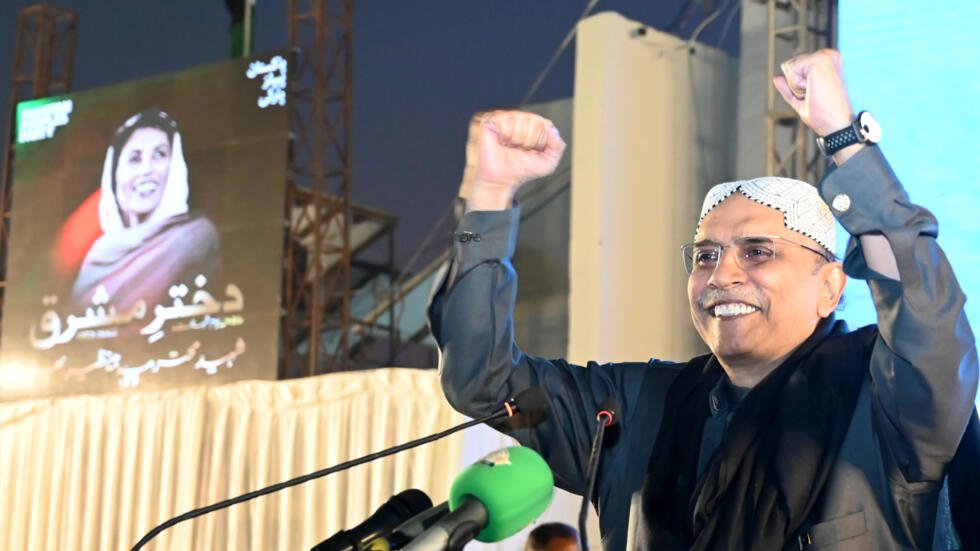
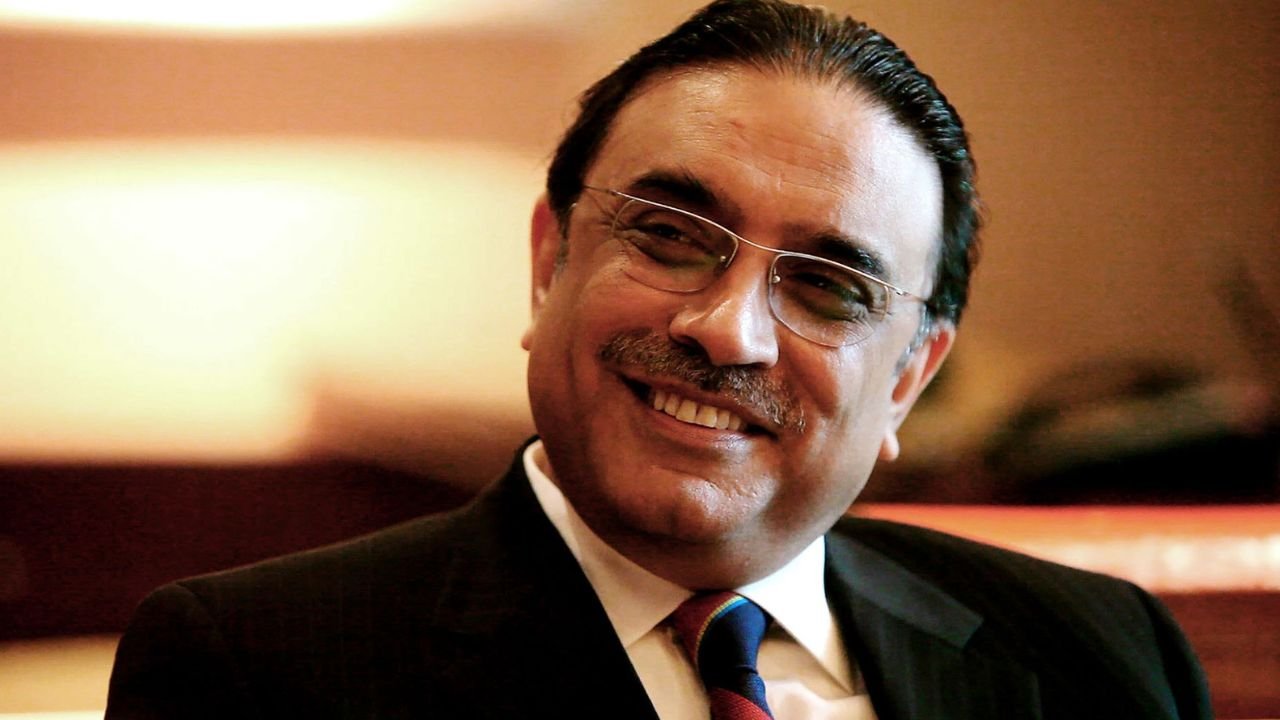
    Lawmakers across Pakistan, the Senate, National Assembly, and the four provincial assemblies, cast their votes to elect the 14th president of the country and Asif Ali Zardari won by securing 411 votes.

    His opponent, Mehmood Khan Achakzai, secured 181 votes.

    The Election Commission of Pakistan (ECP) orchestrated the process, which unfolded between 10 am and 4 pm, with meticulous arrangements in place.

    The presidential race sees former President Asif Ali Zardari, representing a coalition of the Pakistan Muslim League-Nawaz (PML-N), Pakistan Peoples Party (PPP), and other allied parties, vying for a potential second term. He faces stiff competition from Mahmood Khan Achakzai, President of the Pakhtunkhwa Milli Awami Party and the joint candidate of the opposition.

    Polling stations were set up within the respective houses of parliament, where the election took place through a secret ballot. The Parliament House in Islamabad accommodated senators and MNAs, while the four provincial assemblies served as polling stations for provincial lawmakers.

    During the voting process, PPP Senator Sherry Rehman acted as Zardari’s polling agent, while Senator Shafiq Tareen represented Achakzai. Islamabad High Court Chief Justice Aamir Farooq presided over the proceedings at the Parliament House, with notable figures like Zardari’s children, Bilawal, Bakhtawar, and Aseefa Bhutto-Zardari, in attendance.

    However, not all political parties participated in the election. JUI-F chief Maulana Fazlur Rehman and Jamaat-e-Islami decided against voting, citing concerns over the credibility of the process.

    The newly elected president of Pakistan is slated to be sworn in on Sunday at 4 pm at the President’s House. Chief Justice of Pakistan Justice Qazi Faez Isa will administer the oath, with invitations already issued to guests for the ceremony.

    In the provincial assemblies, strict security measures were enforced to ensure a smooth and transparent electoral process. Election Commission members oversaw proceedings, guaranteeing fairness and peace throughout the voting.

    Despite tension and security concerns, the Election Commission upheld its decision to proceed with the scheduled polling, dismissing requests for postponement from opposition candidate Mahmood Achakzai. This commitment underscores the commission’s dedication to upholding democratic principles and adhering to electoral timelines.

  • Cambodia earns new world record for largest ‘Bridal Carry’

    Cambodia earns new world record for largest ‘Bridal Carry’

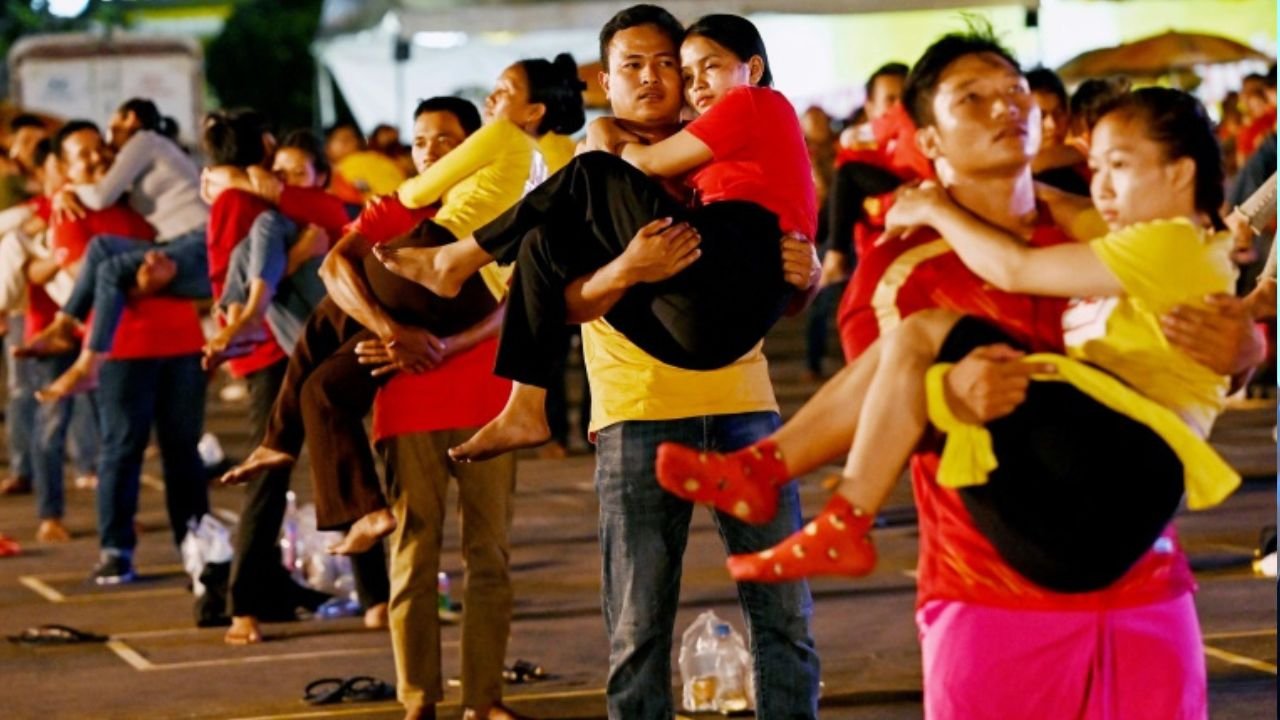
    Hundreds of Cambodians braved sticky tropical heat to set an unusual new world record: for the most people performing a “bridal carry” at the same time.

    Late on Friday, 245 men hoisted their partners – wives, girlfriends, sisters, or mothers – with one arm under the legs and one behind the back and held the position for a minute to set the mark, certified by Guinness World Records representatives.

    “I am so happy, it is my first time to participate in such an event to break a world record for Cambodia,” Sam Khan, 25, told AFP before carrying his wife.

    The event drew participants young and old.

    “I am so excited,” 50-year-old mother Heng Pov told AFP while being carried by her son.

    After setting the record, many of the participants carried on with the hold as part of a competition to win a new car.

    The “bridal carry” is so named for the way a groom in some cultures carries his bride over the threshold of their new home.

    This article was produced by AFP. For more information go to AFP.com.
    © Agence France-Presse

  • How much did it cost Mukesh Ambani to get all three Khans together on stage?

    How much did it cost Mukesh Ambani to get all three Khans together on stage?

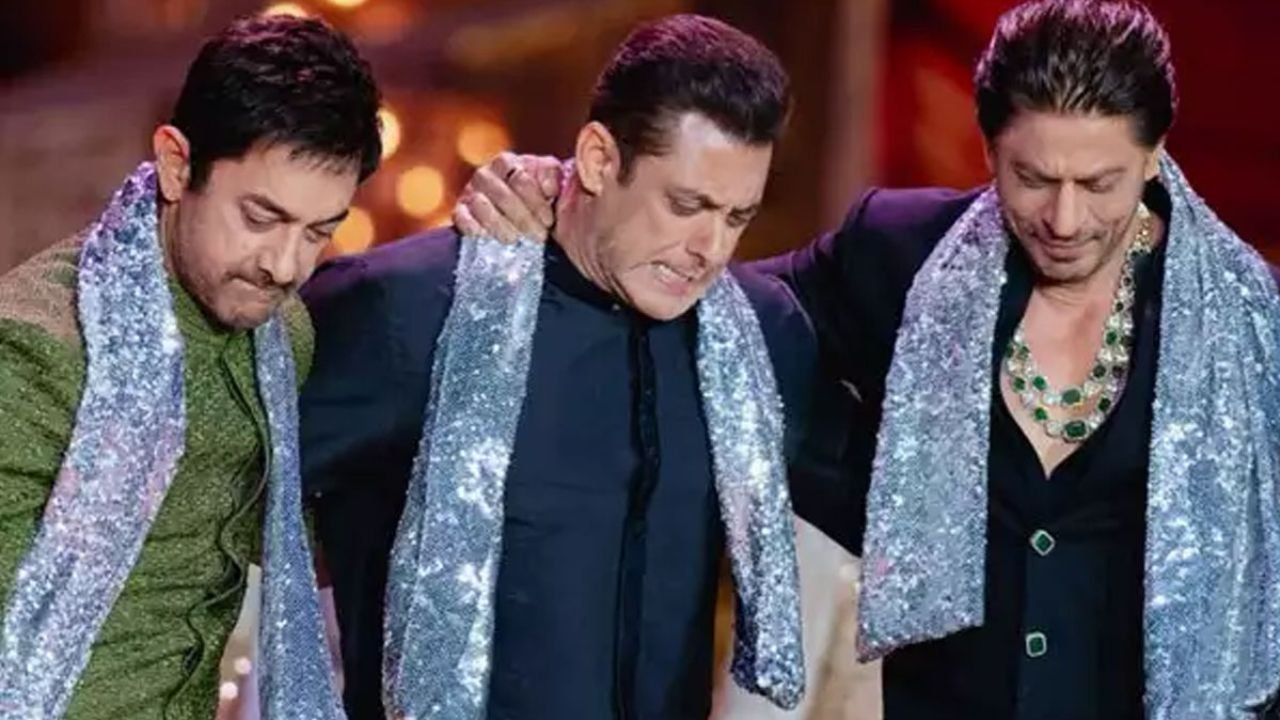
    During the recent pre-wedding celebrations of Anant Ambani and Radhika Merchant, Bollywood superstars Shah Rukh Khan, Salman Khan and Aamir Khan came together for a spectacular performance on stage, dancing to RRR’s hit song Naatu Naatu.
    Despite speculation about their fees, it has been revealed that the three Khans performed at the billionaire scion’s wedding without charging anything.

    Indian media outlet ‘Times Now’ has reported that the three biggest actors of the industry did not only participate wholeheartedly with their families but also declined any payment for their performance.
    Their decision to perform without payment was seen as a gracious gesture, especially considering the effort required to bring them together.

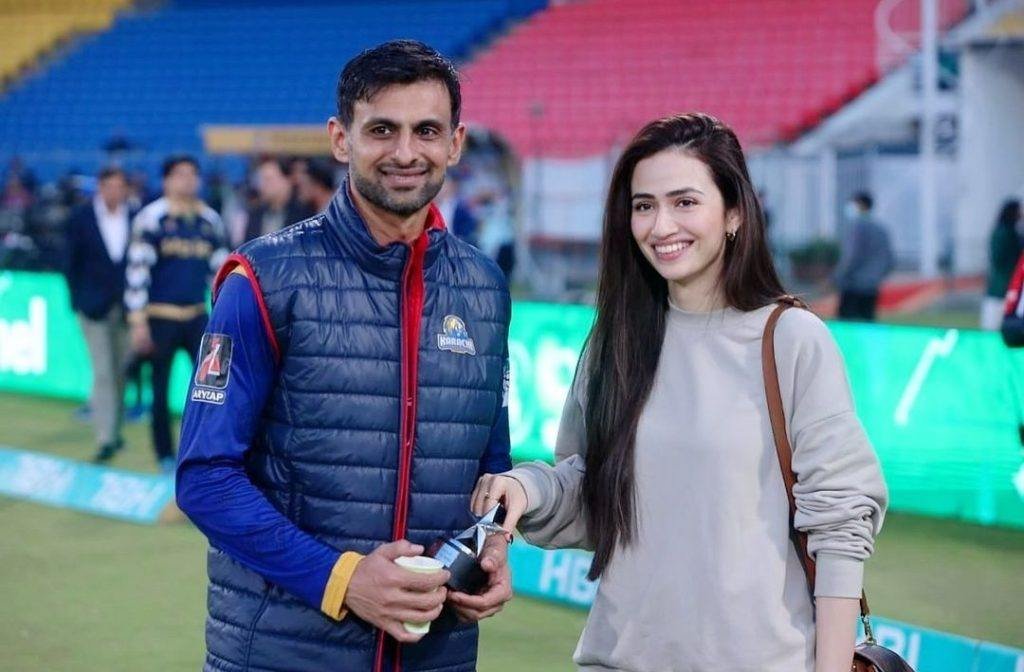
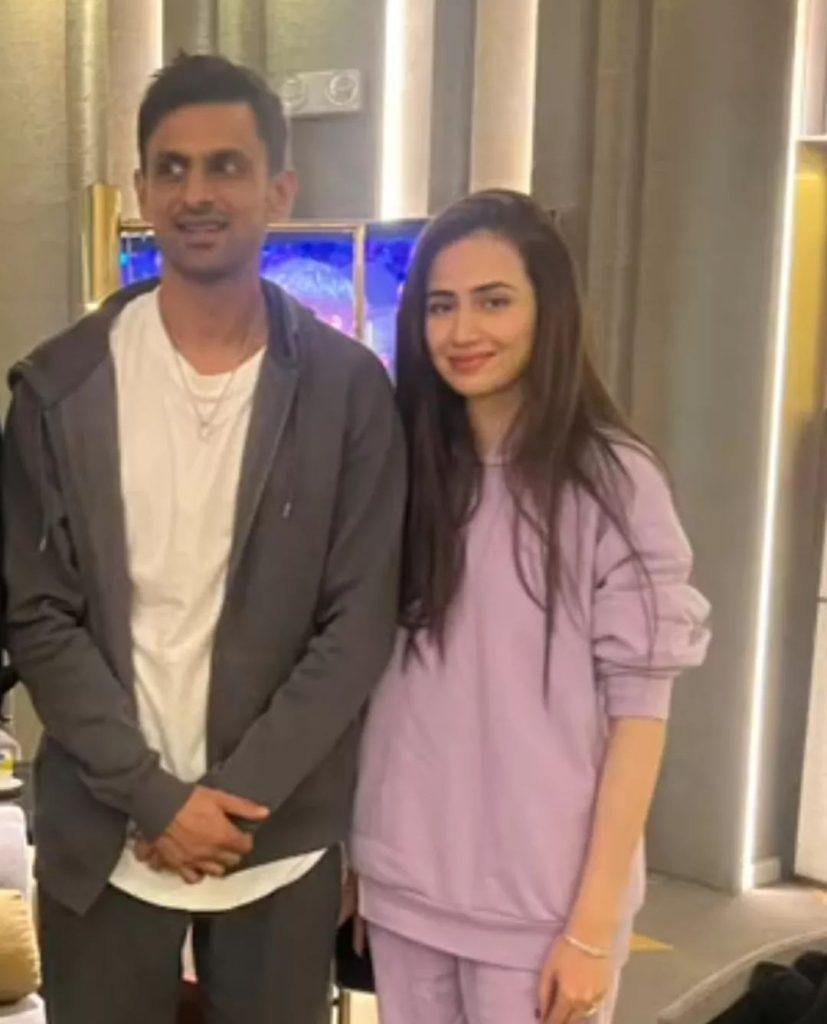
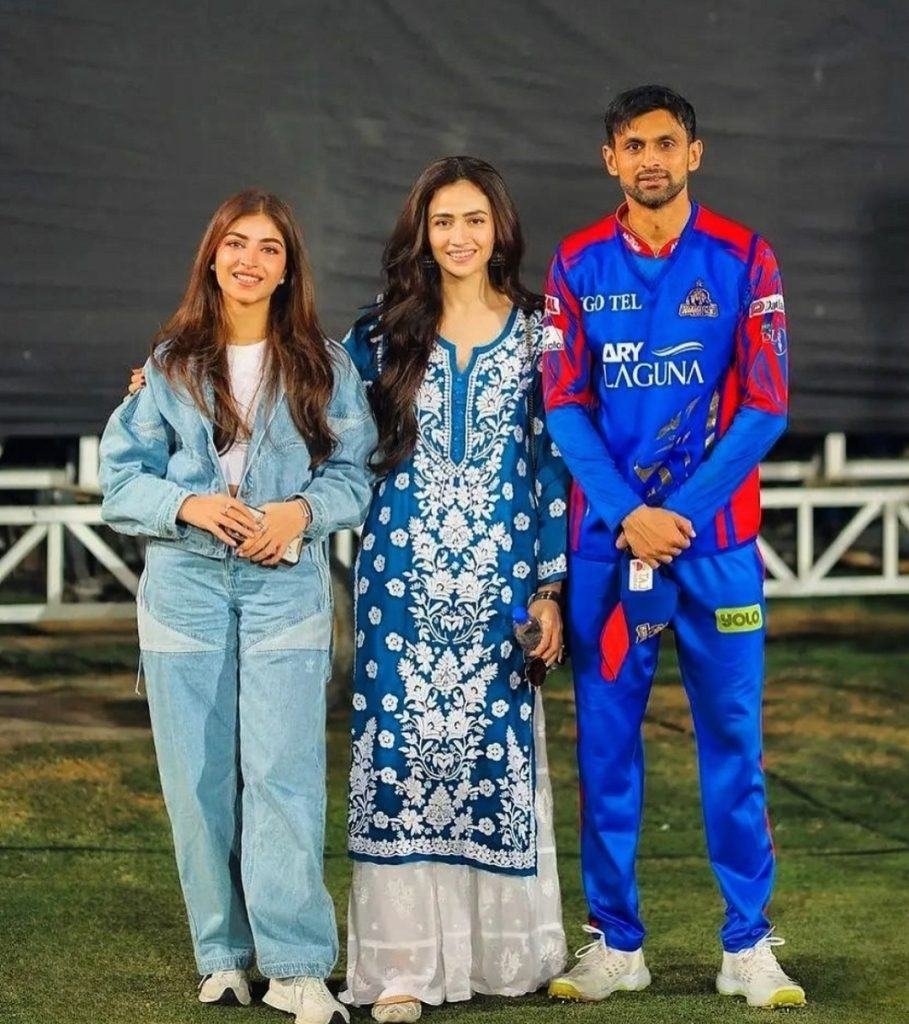
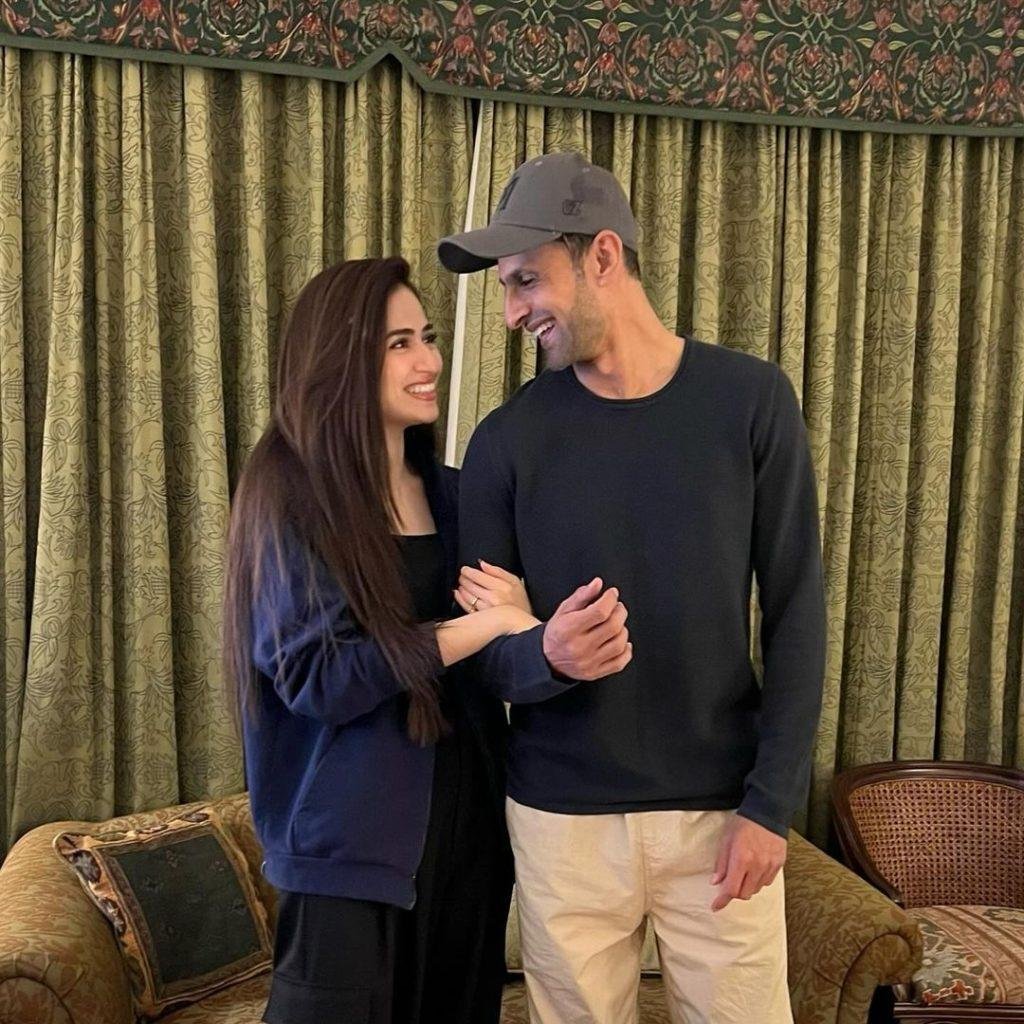
  • Sana Javed and Shoaib Malik’s latest pictures wow fans

    Sana Javed and Shoaib Malik’s latest pictures wow fans

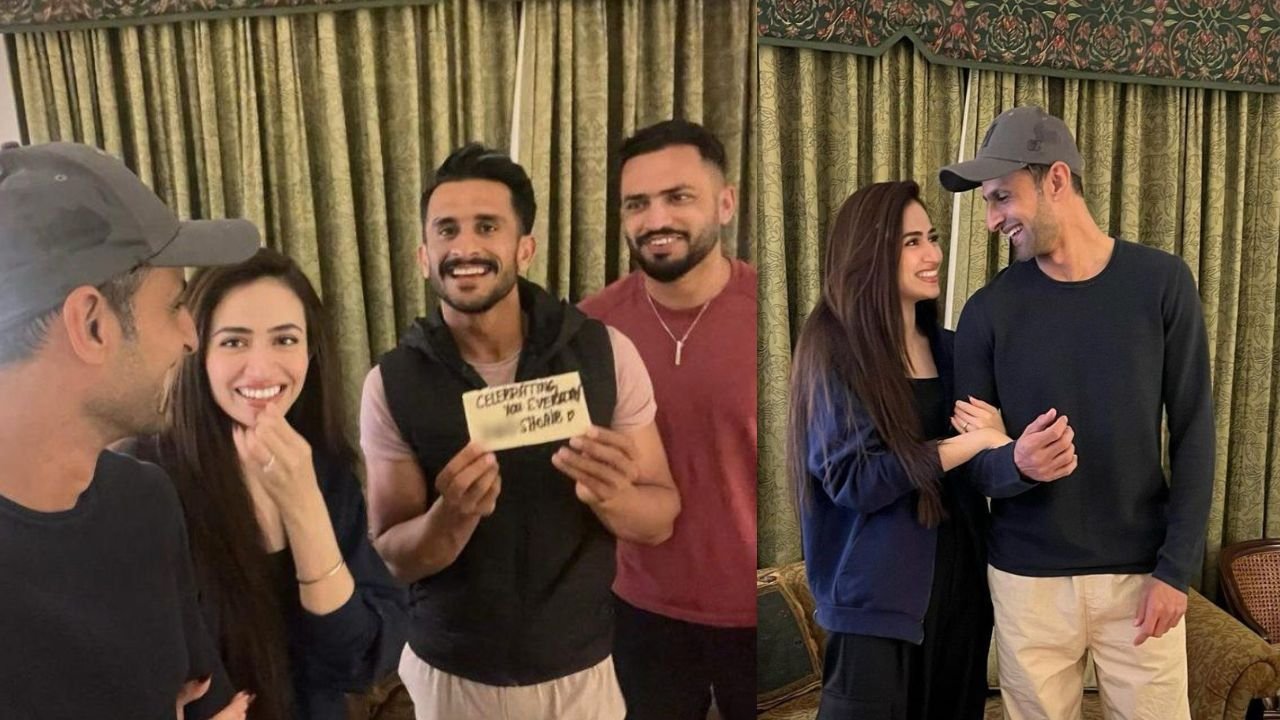
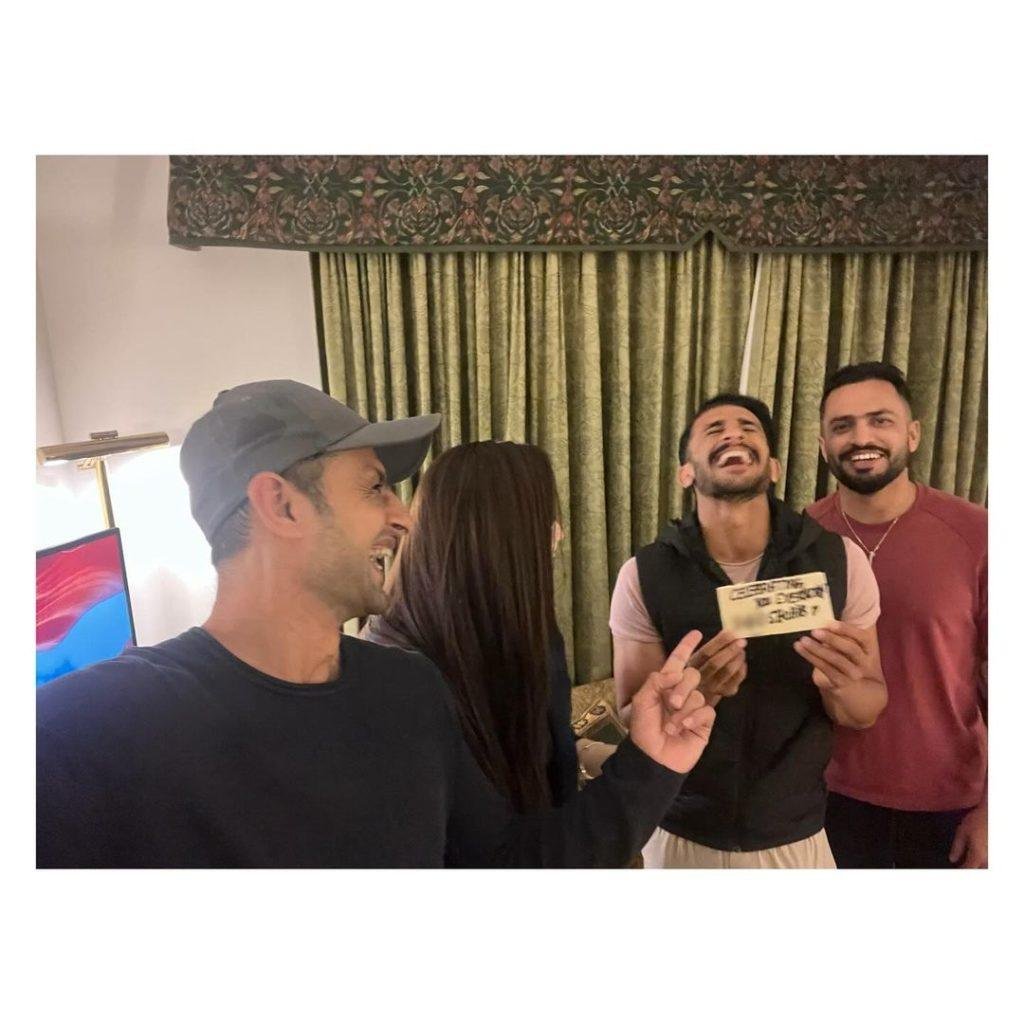
    Sana Javed, a popular Pakistani TV and movie star, has gained fame through her roles in hit dramas like Pyare Afzal, Zara Yad Kar, and Khaani. However, she’s been in the spotlight recently after marrying cricketer Shoaib Malik, former husband of Indian tennis ace Sania Mirza. Their wedding photos from January 2024 went viral, with Javed looking lovely in her bridal outfit.

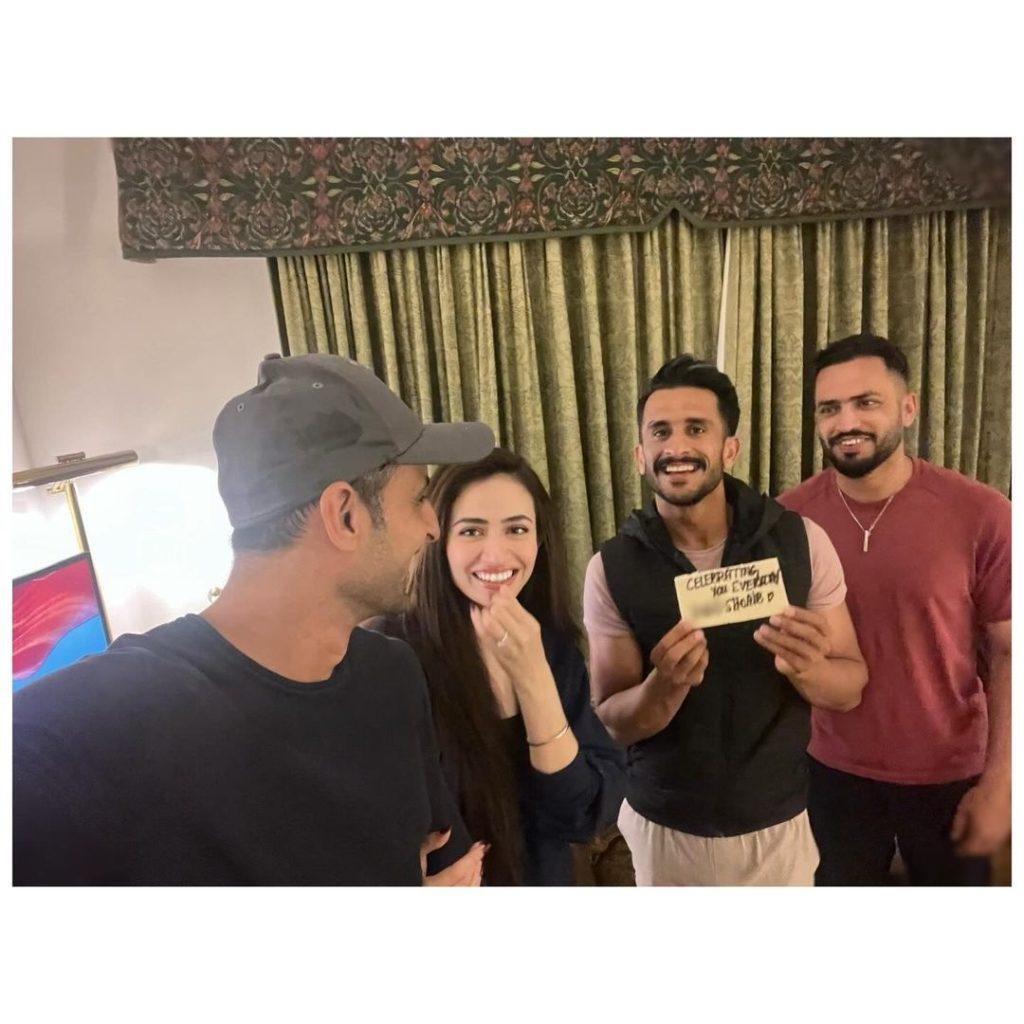
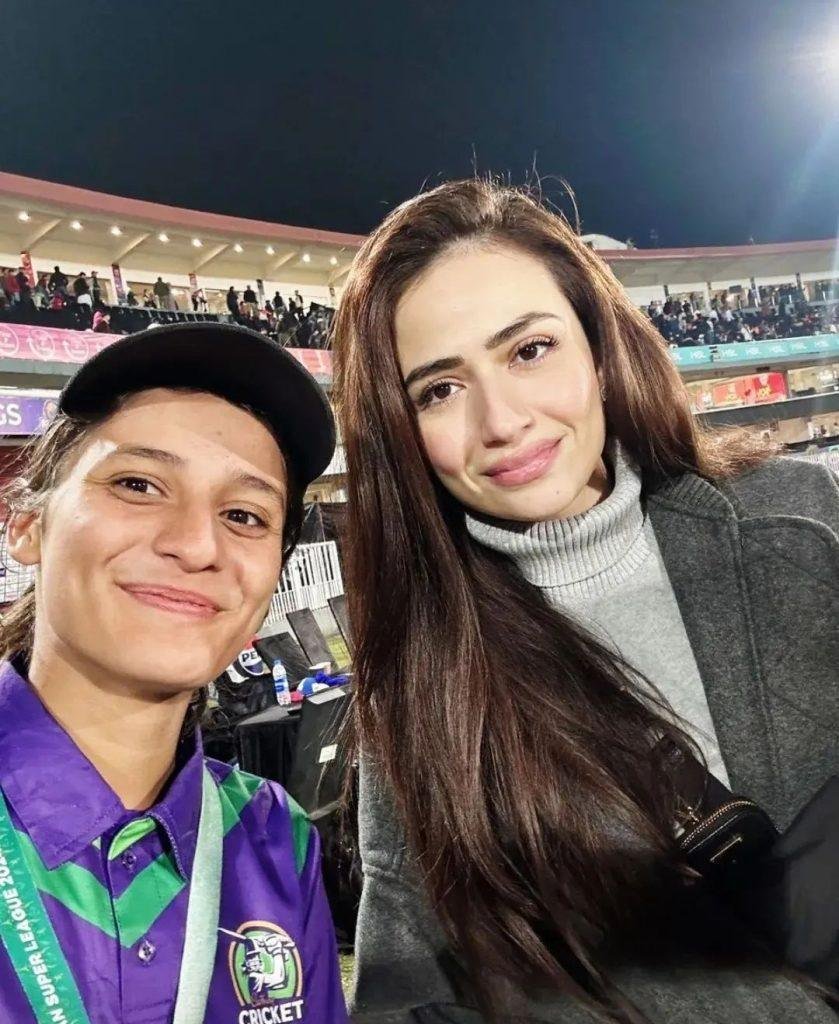
    Nowadays, both Javed and Malik are actively taking part in the Pakistan Super League (PSL), both on the pitch and behind the scenes. Javed is supporting Malik in the matches and sharing pictures of them together on Instagram. Recently, she posted pictures with Malik and cricketer Hassan Ali, showing them happily cheering and sharing jokes.

    Fans loved the casual photos and wanted more.
    Check the pictures below:

  • SJC recommends not using  titles ‘judge’, ‘justice’ with Mazahar Naqvi’s name

    SJC recommends not using  titles ‘judge’, ‘justice’ with Mazahar Naqvi’s name

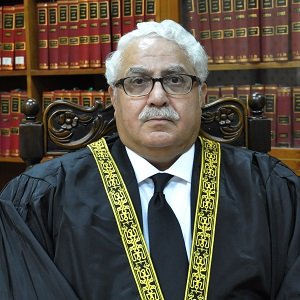
    A five-judge bench of the Supreme Judicial Council (SJC) has released a 33-page detailed opinion on Friday,  stating that former judge of the apex court, Sayyed Mazahar Ali Akbar Naqvi, has committed misconduct. The council recommended his removal from office and advised against using the titles ‘Justice’ or ‘Judge’ with his name in the future.

    The SJC discovered that the judge committed several instances of misconduct, which harmed the reputation of the judiciary.

    While Mr Naqvi had resigned a day before the SJC began proceedings on nine complaints against him under Article 209(6), the council decided to continue with its proceedings, with Chief Justice of Pakistan (CJP) Qazi Faez Isa saying it was “necessary to remove the misperception that the institution of judiciary is above the law”.
    The Supreme Judicial Council, led by the Chief Justice of Pakistan, praised the Pakistan Bar Council (which oversees lawyers) and Advocate Mian Dawood for filing complaints to support the rule of law and accountability.

    The council found Naqvi guilty of violating his oath of office and the Code of Conduct for judges after at least five allegations made by the complainants were proven true.

    The council explained that it could not be stated that Mr Naqvi was “untouched by greed”, “was above reproach”, his conduct was “free from impropriety expected of a judge” in his official and private affairs and thus he violated Article II and III of the Code of Conduct. According to the SJC opinion, it was clear that he violated Article IV as his actions were swayed by consideration of “personal advantage”.

  • Oath-taking of MNAs on reserved seats unconstitutional: Omar Ayub Khan

    Oath-taking of MNAs on reserved seats unconstitutional: Omar Ayub Khan

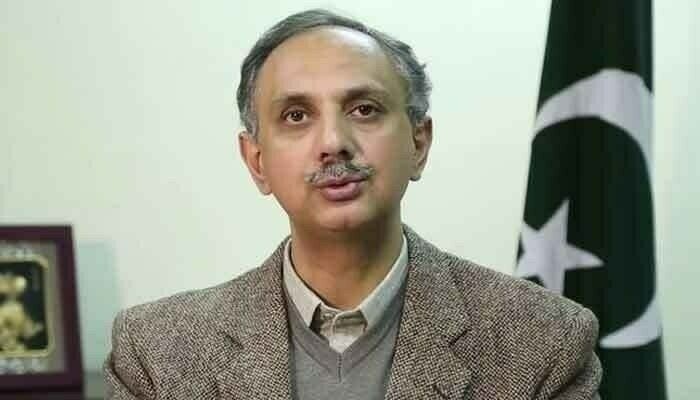
    Omer Ayub Khan, lawmaker backed by Pakistan Tehreek-e-Insaf (PTI) and Sunni Ittehad Council (SIC), strongly objected to the oath-taking of members of the National Assembly (MNAs) on reserved seats, calling it “unconstitutional.

    A group of newly elected lawmakers on reserved seats in the NA were sworn in. NA Speaker Ayaz Sadiq administered the oath to the MNAs amidst chanting by PTI-backed SIC lawmakers.

    Taking the floor, Ayub — Imran Khan’s pick for the leader of the opposition — said: “Today’s oath-taking of MNAs on reserved seats is illegal and has no [legal] standing.”

    Raising questions over the oathtaking, the PTI leader asked a country can be run without the rule of law. “The system cannot work like this.”

    The Peshawar High Court (PHC) has extended a stay order on the oath-taking ceremony for lawmakers who were supposed to take their oaths on reserved seats supported by the PTI-backed SIC. This extension lasts until March 13.

  • Asif Ali Zardari: ‘Artful dodger’ returns as Pakistan president

    Asif Ali Zardari: ‘Artful dodger’ returns as Pakistan president

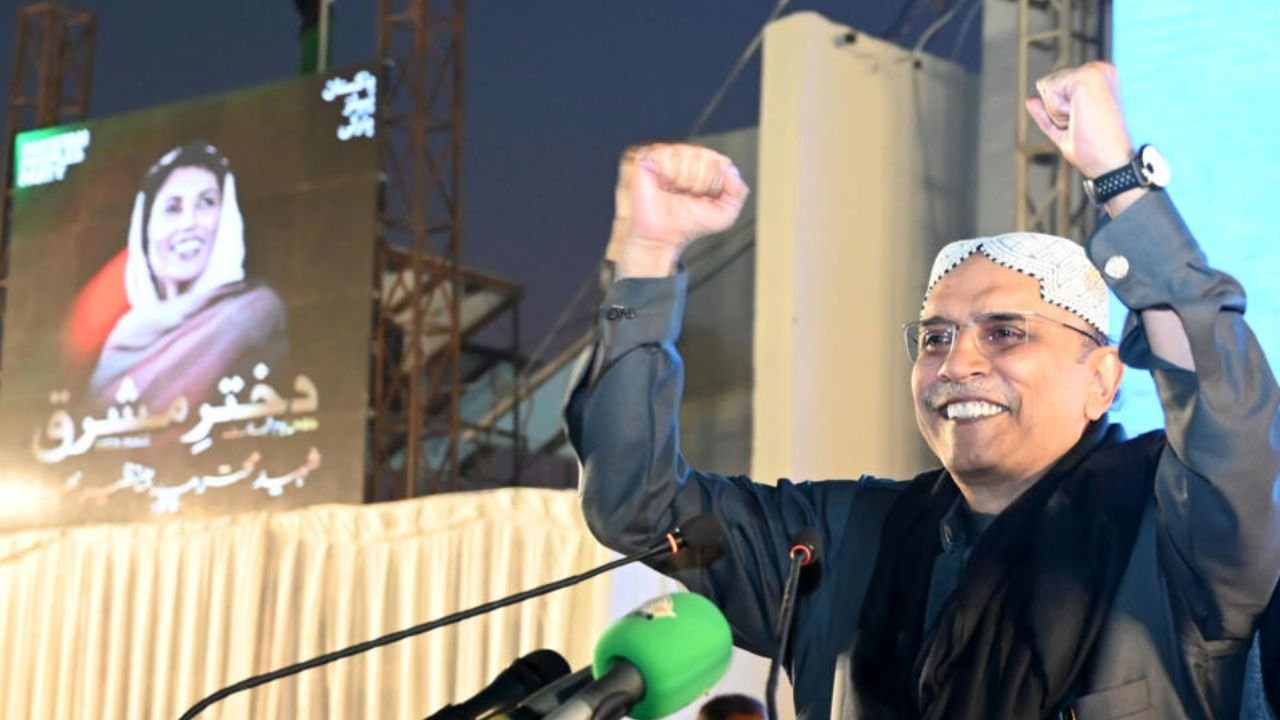
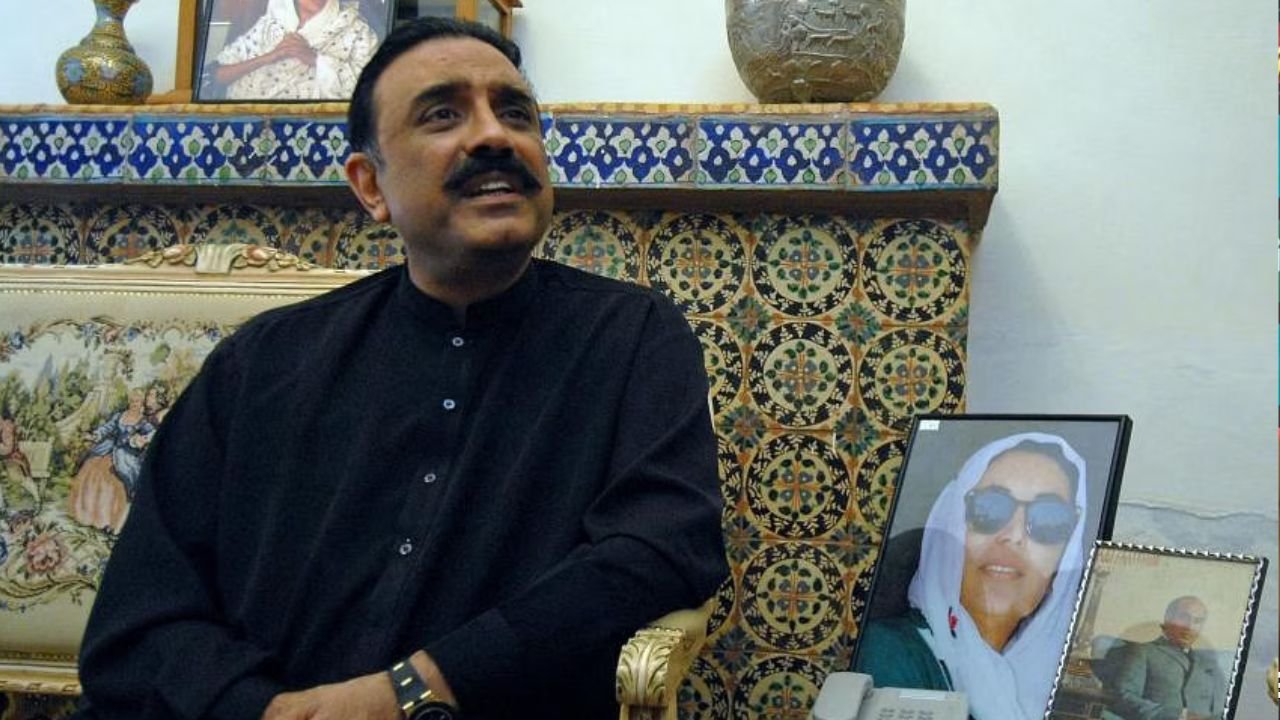
    Asif Ali Zardari, the widower of Pakistan’s slain first female premier Benazir Bhutto who has had a life storied equally by tragedy and farce, is set to become president for a second time on Saturday.

    Initially a background character as Bhutto’s consort, Zardari was stained by a bevy of corruption and other allegations, including absurd kidnapping plots and taking kickbacks lavished on hoards of jewellery.

    Despite a reputation as “Mr. Ten Percent” — the alleged cut he took for rubber-stamping contracts — a sympathy vote propelled him to office when his wife was assassinated in a 2007 bomb and gun attack.

    Between 2008 and 2013, he ushered in constitutional reforms rolling back presidential powers, and the 68-year-old’s second term will see him steer a largely ceremonial office.

    He has spent more than 11 years in jail, a long time even by the standards of Pakistani politicians, with a wheeler-dealer’s talent for bouncing back after scandals.

    Back in 2009, the New York Times said he had a knack for “artful dodging” — “maneuvering himself out of the tight spots he gets himself into”.

    Newly sworn-in lawmakers were set to vote him in under the terms of a coalition deal brokered after February 8 elections marred by rigging claims.

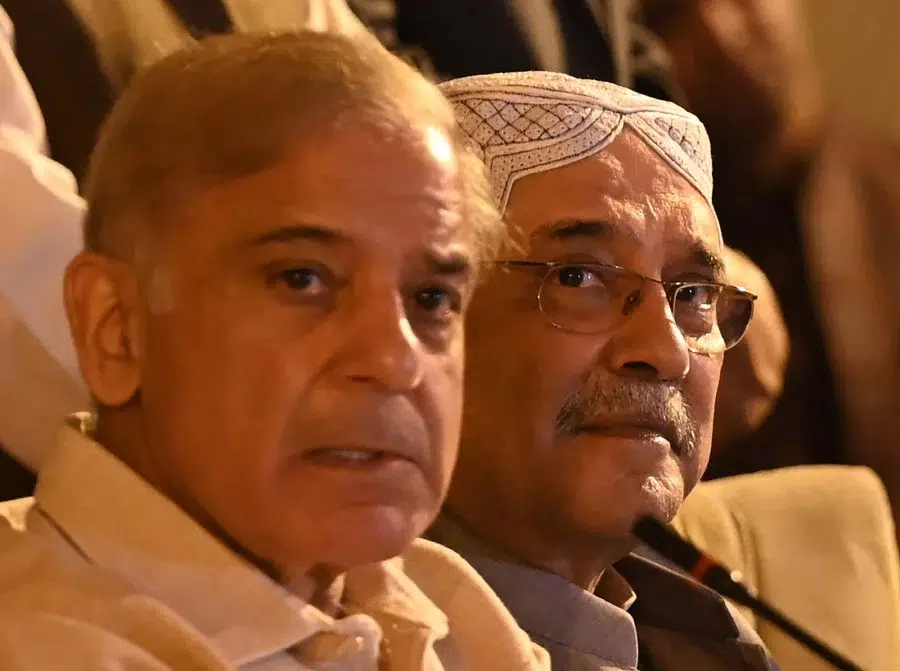
    Under that deal, Zardari’s Pakistan Peoples Party (PPP) will take the presidency, while its historic rivals the Pakistan Muslim League-Nawaz (PML-N) party secured the prime minister’s position for Shehbaz Sharif, who was officially sworn in on Monday.

    Zardari was born in 1955 into a land-owning family from the southern province of Sindh.

    “As a child, I was spoilt by my parents as an only son,” he said in a 2000 interview with the Guardian newspaper. “They indulged my every whim.”

    He expressed only limited political ambitions as a young man — losing a 1983 local government election.

    It was his 1987 arranged marriage with PPP leader Benazir Bhutto that earned him a spot in the political limelight.

    Their union — brokered by Bhutto’s mother — was considered an unlikely pairing for a leader-in-waiting from one of Pakistan’s major political dynasties.

    Bhutto was an Oxford and Harvard graduate driven by the desire to oust then-president Mohammad Zia-ul-Haq, who forced her father from the prime minister’s office and had him executed.

    Zardari was a university dropout with a reputation for brawling, partying and romancing women at a private disco in his family home.

    On the eve of their wedding, Bhutto’s team issued a formal statement denying he was “a playboy who plays polo by day and frequents discos at night”.

    Their nuptial celebrations were dubbed the “people’s wedding” — doubling as a political rally in the megacity of Karachi, where a crowd of 100,000 fervently chanted PPP slogans.

    Initially, Zardari pledged to keep out of politics.

    Bhutto served as prime minister from 1988 to 1990 — the first woman to head a democratic government in a Muslim country — and again from 1993 to 1996.

    PPP insiders regarded Zardari as a liability, considering him likely to embarrass her leadership.

    Their fears were perhaps well-founded. In 1990, he was embroiled in accusations of an absurd plot to extort a businessman by tying a bomb to his leg.

    He was jailed for three years on extortion and kidnapping charges but was elected to the national assembly from behind bars.

    In Bhutto’s second term, he served as investment minister.

    A bombshell New York Times investigation detailed how he tried to engineer vast kickbacks on military contracts over this period while lavishing huge sums on jewellery.

    After Bhutto’s government fell in 1996, Zardari was back behind bars within half an hour.

    In December 2007, Bhutto was assassinated while on the campaign trail for a third term in office.

    Her killing shook the nation to its core, a wave of sympathy carrying the PPP to victory in 2008. The party nominated Zardari as president.

    In 2010, he was widely criticised for continuing a European holiday when the nation was devastated by floods that killed almost 1,800 and affected 21 million.

    He was also head of state when US commandos trespassed onto Pakistani soil for the 2011 assassination of Osama Bin Laden, an episode that humiliated many compatriots.

    He did, however, usher in constitutional reforms rolling back the sweeping powers of the presidency and bolstering parliamentary democracy that had been undermined by three decades of military rule since 1947.

    In 2013, Zardari became the first Pakistani president to complete his full term.

    He was jailed once again over money laundering charges in 2019 but was released months later.

    Zardari and Benazir had three children, including Bilawal Bhutto Zardari, the current chairman of the PPP.

    This article was produced by AFP. © Agence France-Presse

  • Indian policeman beats Muslim men offering jummah on Delhi roadside

    Indian policeman beats Muslim men offering jummah on Delhi roadside

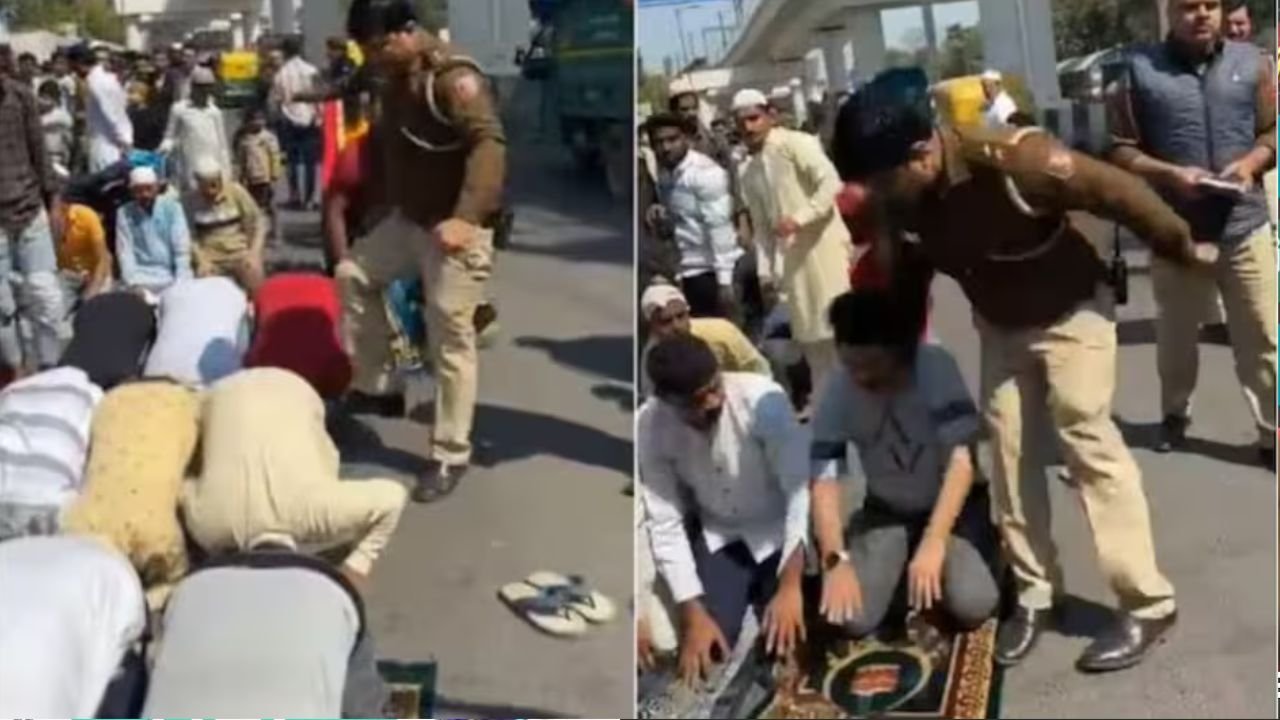
    A video of an Indian cop brutally beating Muslim men offering jummah prayers on the roadside in Delhi has gone viral. The video shows the policeman kicking and hitting Muslims who were kneeling down for sajdah (prostration).

    The incident took place in Delhi’s Inderlok area where a large number of Muslims gathered at a mosque on Friday, leading to several men praying on the road as the crowd overflowed the premises.

    Police officials arrived at the spot mid-prayers and started kicking and punching the Muslims. They can be heard telling the worshippers to vacate the place.
    The video shows one of them kicking and hitting the Muslims who were kneeling down for prayers. However, a crowd surrounded the cop and objected to his attitude, getting into a verbal brawl.

    Sharing the video of the incident, Congress Rajya Sabha MP Imran Pratapgarhi said, “What is this hatred that is filled in the heart of this soldier? Delhi Police is requested to file a case against this official under appropriate sections and terminate his service.”

    In an interview with Hindustan Times, Deputy Commissioner of Police (north) MK Meena said that an inquiry into the matter has been initiated. The official has been suspended with immediate effect and disciplinary action will also be taken, the DCP added.

  • Daniyal Zafar’s personality wins hearts, says Nadia Khan

    Daniyal Zafar’s personality wins hearts, says Nadia Khan

    Senior actress and TV host Nadia Khan has praised Ali Zafar’s younger brother, singer and actor Daniyal Zafar for his acting and personality.
    Former actress Nadia Hussain recently appeared as a guest on a show ‘Kya Drama Hai’ along with director and actresses Marina Khan and Rubina Ashraf.
    Meanwhile, these three senior actresses were expressing their opinions on the on-air dramas and the performances of the budding artists in them.
    Nadia Khan also spoke about Daniyal Zafar’s acting and personality.

    The actress said, “He looks like a hero on screen but does not try to look like a hero, he acts in his unique and natural Lahore style, his acting is very simple, serious and very sincere to his role.”

    Appreciating Daniyal Zafar’s performance in private TV’s drama serial ‘Stand Up Girl’, Nadia Khan further said, “I liked Daniyal Zafar’s acting very well, Daniyal Zafar’s personality is such that as soon as you see him Fall in love with this boy.” It should be noted that ‘Stand Up Girl’ is a comedy drama serial in which actress Zara Noor Abbas is working opposite Daniyal Zafar.