Tag: Top News

  • Unveiling the issues for women around ‘Mardana Kamzoori’

    Unveiling the issues for women around ‘Mardana Kamzoori’

    Fraeeha never had an issue with her blood pressure in her 27 years of life, but things changed after she got married. She has been married for a year and it was her parent’s choice with whom she’ll spend the rest of her life.

    She always visited a homeopathic doctor for any medical issues before her marriage and continued to do so till the physician told her to get her husband tested for infertility issue. Her husband got tested in June 2023 and that’s when everything changed for her.

    Faizan’s sperm count was low, so the doctor recommended they take medicines. Even before a month passed, her periods got delayed. “I took the test, it was negative. There was nothing in the ultrasound, but the doctor still gave me medicines for growth,” she said while lamenting how this made her hypertensive and she never recovered from it. She was taken to the emergency room in a nearby hospital as her blood pressure was high. She fainted once she reached there.

    As much as medical science has advanced, there is still a lot to be researched and taken into consideration regarding women’s bodies and the impact of different medications on them. Her husband ordered her not to tell anyone about his fertility issues and Fareeha was the one who took the brunt of its impact. She and her brother got married in the same month. When the other couple got pregnant within a month, everyone started asking her why she wasn’t pregnant yet.

    Male infertility is characterized by a man’s inability to initiate a pregnancy with his female partner. Various factors can contribute to male infertility, such as insufficient sperm production or the presence of unhealthy sperm. Genetic issues, like cystic fibrosis, or a blockage in the genital tract, may also be underlying causes.

    Certain predisposing factors, such as a history of genital infections, testicular injuries, or experiencing early or late puberty, may increase the likelihood of male infertility.

    Treatment strategies are tailored to address the specific cause of infertility. Options may include artificial insemination, the use of medications, or surgical interventions, depending on the identified factors contributing to the fertility challenges.

    Doctor Zarina Ashraf, a gynecologist by profession, recommends that a couple should wait for two years at least before starting medicines in case there is no issue of fertility in one of them. But this case was different. Fareeha and Faizan’s case was not something she hadn’t dealt with before but she still felt upset when she got to know that Faizan was not taking the medicines properly.

    Fareeha said, “I sometimes have to treat him like a child. I must convince him to take medicines. He sometimes needs extra pampering to keep taking the pills. It is exhausting but I keep my spirits high.”

    She is still among the ‘lucky ones’ whose spouse got tested and believes in treatment. Alina was not that lucky. She was married to Salman for nine years and she terms them a ‘nightmare’.

    “Salman used to beat me up, he told me multiple times that I am a useless woman since I can’t bear a child. All my tests were normal while he never agreed to get tested as he believed that fertility can never be a problem for men,” she stated in a shaking voice with tears in her eyes.

    Unlike Fareeha, who only got the chance to get an education till the intermediate level, Aleena got a master’s degree before getting married. She succeeded in her career but gave in to family pressure on marriage and still regrets it.

    “I have forgotten the number of medicines I’ve taken. Doctors always said that there was no issue with me, but my husband forced them to give me medicines. He used to beat me black and blue if I ever missed a pill and, in the end, all I am left with is hypertension, irregular periods, body fat, trauma, and a divorce,” she said.

    Aleena’s husband remarried and due to the wealthy background and influence of the girl’s family, he eventually got tested and doctors declared that he was infertile. The girl took Khula and left him, but this hasn’t given Aleena any closure. She is just relieved that the world eventually got to know the truth but the marks on her body and mental trauma are still there for her to deal with.

    “I have been practicing for more than 20 years and I have barely seen men who are easily convinced to get tested let alone seek treatment in case of infertility,” explains Zarina. She further added that societal pressure is also usually on women and men easily get away with it. She has now set a rule that in case of infertility treatment, the couple must sit together in her office and get counseling. Zarina believes that this has helped in changing the dynamics a bit but there is still a long way to go.

    Doctor Mehboob ur Rehman Asif runs a hospital in Lahore and often sees men with fertility issues. “They usually go for Hakims first instead of a professional doctor. Along with fertility issues we also see patients who have erectile dysfunction (ED), but they come to us after they have tried things like salajeet or other herbs,” he said.

    He further stated that a lot of such men usually know inherently that the fault lies in them but barely acknowledge it in from of their wives. Her life partner, Doctor Rabia Nisa, who is also a gynecologist by profession, makes sure to recommend such patients to her in case the husband refuses to get tested or seek treatment.

    The couple has been treating and counseling such cases for years but Rabia still thinks that in the end women are impacted more in such situations. “We see mothers-in-law and other family members verbally or even sometimes physically abusing the woman for not being pregnant. When we initially tell the patient that their husband needs to get tested, the first reaction is a no and that is primarily out of fear,” she said.

    Asif also agrees that such behavior exists adding that sometimes the husbands get aggressive too. “In most of the cases, their immediate reaction is anger or denial. Even if they know before their marriage that they have ED or any other issue, men rarely admit immediately that they have an issue. Mostly it is their ego and sometimes shame which become a reason behind this behavior,” he adds.

    Male Infertility in Pakistan

    According to a study conducted by the Pakistan Journal of Public Health, approximately 21% of couples in Pakistan face infertility issues. Furthermore, the same study found that male factors contributed to infertility in 37% of cases, female factors in 51%, and both male and female factors in 12% of cases.

    According to a study, “Prevalence of Infertility in a Cross Section of Pakistani Population” by Riffat Shaheen, Fazli Subhan, Sikandar Sultan, Khaula Subhan, and Faheem Tahir from the Department of Obstetrics and Gynaecology, Federal Government Services Hospital, Islamabad, Pakistan (RS), and Department of Reproductive Physiology/Health, Public Health Laboratories Division, National Institute of Health, Islamabad, Pakistan, during the three years of their research out of 534 women presented for inability to conceive, indicating frequency of infertility in this population as 7%.

    A standard protocol of investigations revealed several causes for fertility deprivation.

    In the examined study, conducted at a public sector tertiary care hospital in the capital, it was observed that, over a three-year period, only 534 patients sought consultation with a history of infertility.

    This pattern reflects the prevailing socio-cultural dynamics in Pakistan, where individuals with financial means typically opt for private medical practitioners, leaving public facilities mainly utilized by the economically middle and lower classes.

    Despite being a significant portion of the Pakistani population, this demographic lacks awareness regarding available health facilities for investigating and treating infertility.
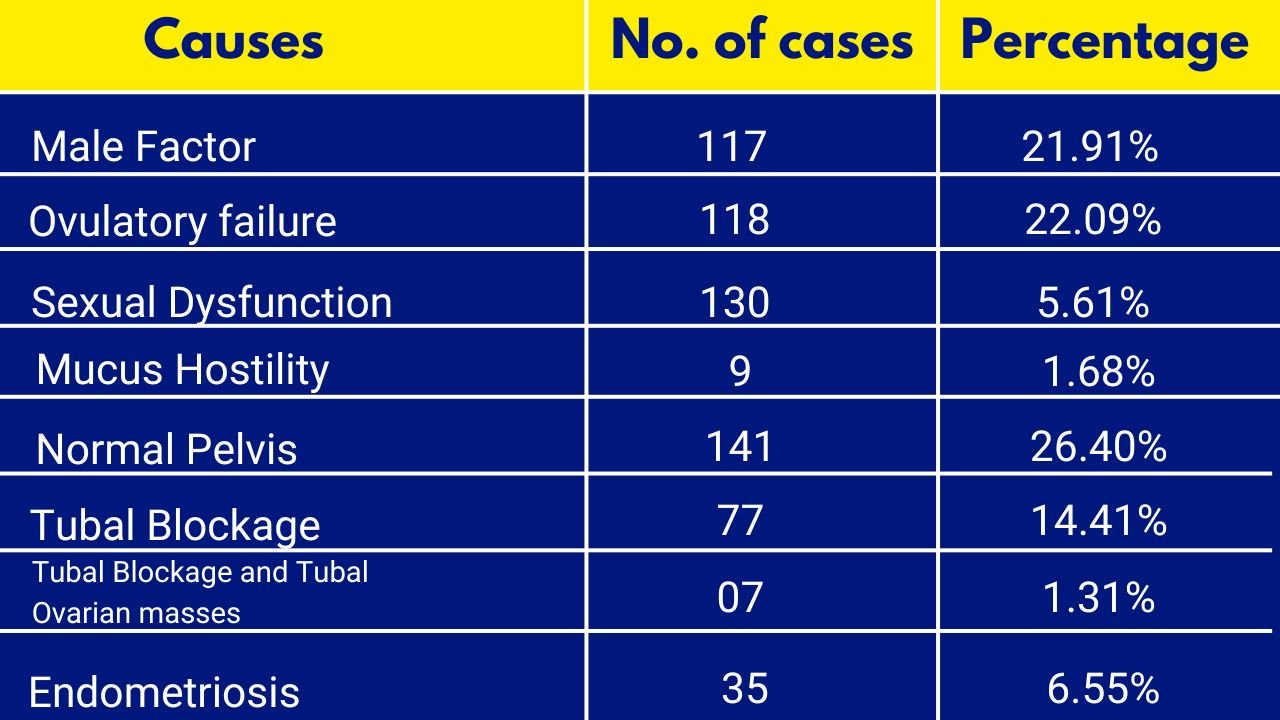
    The study states, that to address this issue, there is a need to raise awareness among this segment of the population, leveraging the network of lady health workers. By facilitating referrals to major hospitals equipped with units for managing infertility cases, couples can undergo investigation and receive necessary treatment or counseling.

    The data generated from these interactions could contribute to a consolidated national database by integrating it into the existing Health Management Information System (HMIS). This integration would enable the government to estimate the prevalence of both primary and secondary infertility cases, facilitating the development of targeted strategies for the welfare of individuals affected by infertility.

    How is male infertility diagnosed?

    Diagnosing male infertility involves a comprehensive approach by your healthcare provider.

    The process typically includes a review of your health history and a physical examination. Various tests are conducted, such as:

    1. Sperm Count (Semen Analysis): Your provider will collect at least two semen samples on different days to assess several factors. This includes the volume and uniformity of the semen, its acidity, as well as the quantity, motility, and morphology (shape) of the sperm.
    2. Blood Tests: Hormone levels are evaluated through blood tests to identify any abnormalities and rule out other potential issues contributing to infertility.
    3. Other Tests: Additional tests are performed to pinpoint the cause of sperm defects or reproductive system health problems. Imaging tests, like ultrasound, may be employed to examine the testicles, blood vessels, and structures within the scrotum.
    4. Testicular Biopsy: If the semen analysis indicates a low sperm count or absence of sperm, your healthcare provider may conduct a testicular biopsy. This involves the removal of a small tissue sample from each testicle, which is then examined under a microscope to determine the root cause of the fertility issues.

    Asif recommends that mandatory sex education in the early years of a child and constant sensitization among the public can change things. “The government needs to take a lead on this. Our society needs to stop shaming men for infertility and till the time men don’t stop making it an ego issue, this is not going to get better. We, as a society, need to be more accepting and at the same time be kinder and more empathetic towards women,” he adds.
  • ‘Getting teary-eyed upon mention of my mother is my trauma response’, Bilawal opens up about mental health

    ‘Getting teary-eyed upon mention of my mother is my trauma response’, Bilawal opens up about mental health

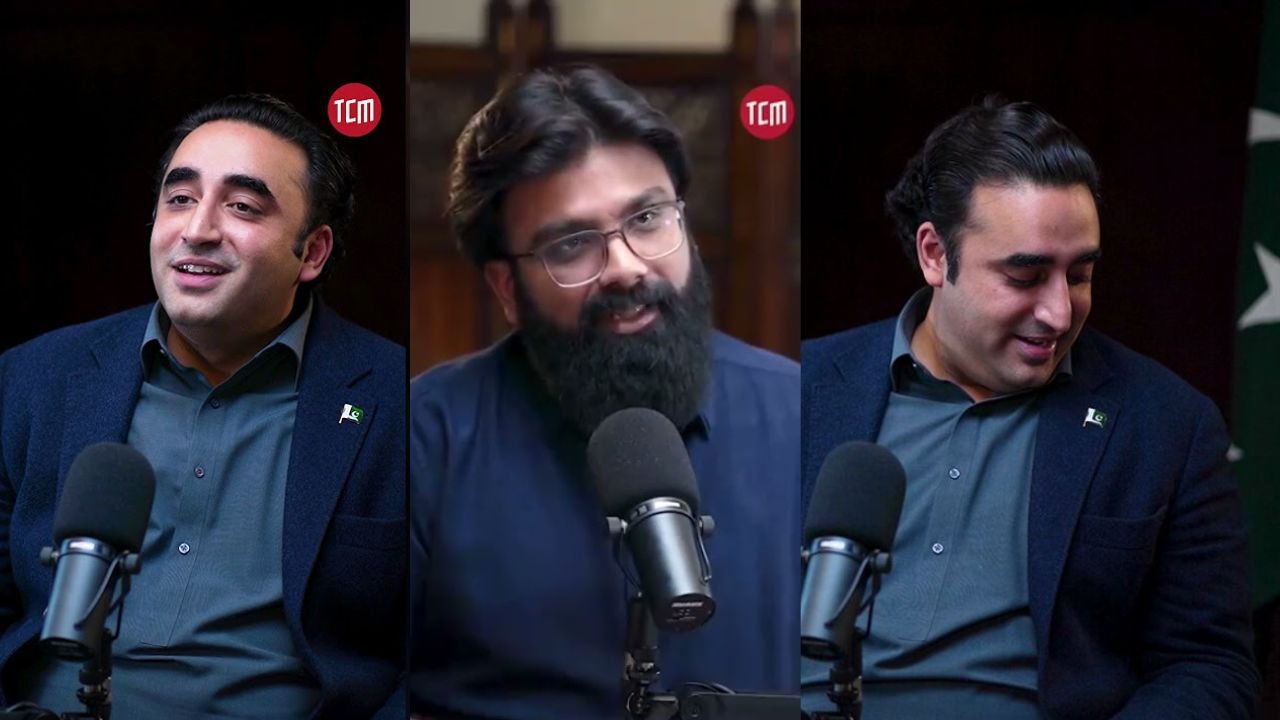
    Chairman Pakistan People’s Party (PPP) Bilawal Bhutto-Zardari talked about mental health, climate change, politics and other issues in The Centrum Media’s podcast with Talha Ahad. Bilawal’s conversation about mental health and climate change was the most relatable by any Pakistani politician.

    When asked how he copes with the trauma of losing so much, especially his mother Benazir Bhutto who was assassinated, and if it has had any impact on his mental health, Bilawal responded candidly. He related the events that unfolded on December 27, 2007. He was in Dubai for his winter break from Oxford when his mother went to Pakistan for the election campaign. He was in Dubai with his father Asif Ali Zardari and his siblings when he heard the news about the attack on television. He was shocked and afraid. It was traumatic. He said he doesn’t even remember the conversation he had with his sisters about this.

    Bilawal Bhutto said that mental issue is a real issue but we do not take it seriously like we do with other diseases. “Your mind is just like any other part of your body,” he emphasised.

    Bilawal said he never went to seek therapy or even talked to a counsellor after having lost so much. He moved on from it like a traditional Pakistani, thinking he should just ‘man-up’ and face it without seeking help. He acknowledged that it was years later that he started reading and understood what he was going through. It was partially because of the “macho” attitude of a typical Pakistani.

    Bilawal admitted he feels the loss of his mother every day but he has learned to make this feeling of loss his strength instead of a shortcoming.

    Bilawal went on to explain his vision for dealing with mental health issues in Pakistan. He wants an “update” in the system. He wants to set up facilities through public-private partnership if he comes in power after elections.

    When asked if he meditates, Bilawal admitted that he tried it but hasn’t done it consistently because he lacks consistency. He watches Netflix shows in his free time. When asked when was the last time he cried, Bilawal said he does not remember.

  • King Charles’ charity distances itself from Rahat after violent video

    King Charles’ charity distances itself from Rahat after violent video

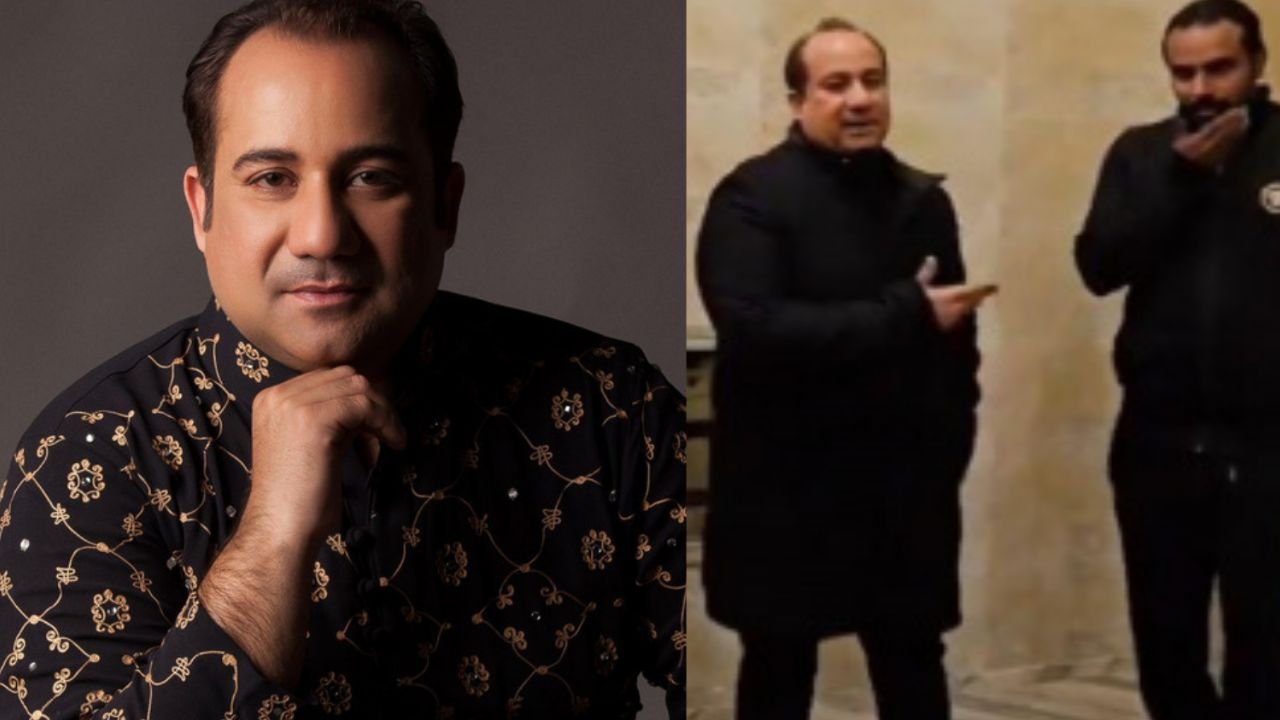
    The British Asian Trust, a charity founded by King Charles III, has announced its decision to sever connections with Ustad Rahat Fateh Ali Khan after a video of the singer slapping and assaulting a band member, went viral.

    A spokesperson for the anti-violence organization stated that they chose to disassociate with Rahat after a careful review of the video. The Trust, with a stringent policy against abusive behavior, strongly condemned any form of violence, regardless of the circumstances.

    Over the weekend, the Trust issued a statement, asserting, “We take all accusations of abuse seriously and will look into this urgently.”

    The footage captured Rahat attacking a band member in Houston, Texas, last year, employing slaps, kicks, and even his shoes, while the person pleaded for him to stop.

    In response to the controversy, Rahat addressed the matter on Saturday night, offering clarification that the situation in reality differed from what appeared in the video.

    Meanwhile, the individual identified as his student stated that the “bottle” being mentioned in the viral video contained healing water given by a spiritual leader, which he had misplaced.

    “He is like my father, my teacher. God knows how much he loves us. Whoever has done this, is simply blackmailing my teacher to defame him,” he added.

    “The video is an internal matter of a teacher and a student. We do love a student over a good deed, as well as punish him if he commits a mistake,” the star singer said in a video statement issued on his official Instagram account.

    “I forgot a bottle of water which was given by my pir (spiritual healer). I also apologised to my student at the same time,” he said referring to the “student” as Naveed Husnain.

    In another video, Husnain explained that Rahat had apologized to him for their previous disagreement, leaving him feeling “embarrassed.” Husnain clarified that Rahat is his teacher, and he can handle the situation however he wants.

    Rahat Fateh Ali Khan has also met King Charles as the ambassador of the trust. The British Asian Trust, established by Charles in 2007, aims to address poverty and foster community relations.

    Known as the greatest living singer in the Qawwali genre, popular in Pakistan, Rahat’s origins are rooted in the poetry and music of Islamic mystics, known as Sufis.

    Back in February 2017, Prince Charles appointed Pakistani singer Rahat Fateh Ali Khan as the ambassador of the British Asian Trust during the trust’s fourth annual dinner at the Guildhall.

    The announcement was made by Prince Charles, the President of the trust, during the event attended by over 450 supporters and ambassadors, including the Duchess of Cornwall. The occasion successfully raised £850,000 to support the trust and its projects in South Asia.

    The trust actively runs various projects in South Asian countries, and Rahat Fateh Ali Khan’s performance at the event received praise. Notable Pakistanis currently associated with the Trust include prominent industrialists Mian Mansha from Lahore and Lord Zameer Chaudhry from London.

    Rahat Fateh Ali Khan said: “I am delighted that the Prince of Wales announced that I will be working closely with the British Asian Trust as an ambassador to further support their work in transforming lives across South Asia.”

  • Why does Bushra Ansari think Yumna Zaidi is lucky?

    Why does Bushra Ansari think Yumna Zaidi is lucky?

    Our favourite actress Yumna Zaidi says that the secret of her success is her positive thinking and firm belief.

    Yumna Zaidi recently gave an exclusive interview to the British Broadcasting Corporation (BBC) in which she talked about her unique roles in dramas.

    During the interview, the actress was asked how she selected her roles.

    “I should like the role because if I like it, then my fans will like it,” she replied.

    She said that veteran actress Bushra Ansari told her that she is “lucky to get good roles because there are many talented actors in the industry but not everyone gets a chance to show their talent.”

    She continued, “I think my positive thinking along with being lucky and my firm belief in Allah is the reason for my success.”
    Pointing out that she has worked hard to achieve whatever she has so far in life, Yumna said that she believes that “I will succeed and with the passage of time.”

    She adviced readers to aim for whatever they want to achieve and then work hard with the belief of success. “Not everything is achieved by luck alone,” she remarked. “I have never won a lucky draw. You should not be lazy, there are stages, you should enjoy every stage of your life.”

  • Imran’s government more corrupt than Shehbaz Sharif’s: Transparency International

    Imran’s government more corrupt than Shehbaz Sharif’s: Transparency International

    During the Pakistan Democratic Movement (PDM)-led government in 2023, Pakistan made improvements in its ranking on the Transparency International (TI) Corruption Perceptions Index (CPI).

    The improvement in ranking shows that corruption decreased during the Shehbaz Sharif-led government as compared to Pakistan Tehreek-e-Insaf (PTI) founder Imran Khan’s tenure from 2018–2022.

    According to TI’s previous report, corruption in Pakistan increased since 2018.

    Imran Khan promised to wipe out corruption in Pakistan when he came into power. However, during his tenure, Pakistan’s ranking on the global corruption index went down, the opposite of what he had promised.

    According to a TI report released on Tuesday, Pakistan is now on number 133 among 180 countries.

    The previous report ranked Pakistan at 140, while the country’s overall score fell to 27 in the same year — the lowest since 2012.

    The recent report from TI indicates that Pakistan’s score on CPI increased by two points from 27 to 29. Additionally, the country’s rank has improved by 7 positions.

  • Hey Swifties, can you guess Taylor Swift songs like Bilal does?

    Hey Swifties, can you guess Taylor Swift songs like Bilal does?

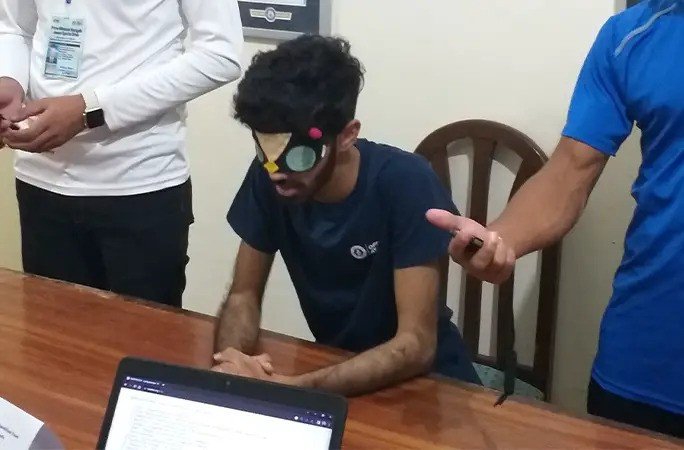
    Setting the bar a bit too high for all Swifties around the globe, Pakistani boy Bilal Ilyas Jhandir (20) has officially secured a place in the Guinness World Records for identifying the most songs sung by the superstar from their lyrics in just one minute. The self-proclaimed “die-hard fan” broke the previous record of 27 by naming an impressive 34 songs, reported

    .

    “I have been listening to Taylor Swift since my childhood. I have listened to each and every song of hers. I can identify almost any song of hers from the lyrics,” Bilal shared with Guinness World Records.

    To achieve the remarkable accomplishment, Bilal had to recognise Swift’s songs from their opening lyrics, read aloud without any accompanying music. Despite already being well-versed in the lyrics of all her songs, he dedicated 13 weeks to extensive preparation, even going so far as to recite them in his sleep.

    Bilal characterised his record-breaking attempt as “an easy task,” acknowledging, however, that the complexity increased as the lyrics were spoken aloud by a man, rather than being sung by Swift.

    Bilal had already broken three other world records earlier, including identifying the most animals from the sounds they make under one minute in 2021, and last year, identifying the most Justin Bieber songs from their lyrics in one minute.

    “This record is my favorite of all of them. Being called a ‘Certified Swiftie’ or ‘Officially Amazing Swiftie’ is such an incredible feeling,” the fan expressed, adding that he considers this accomplishment his chart-topper, reports The Express Tribune.

    Notably, Bilal, a college student pursuing a bachelor’s degree in computer science, has been listening to the Red artist since the age of 13 and declared Folklore to be an “absolute masterpiece,” easily naming it as his favourite album.

  • Here’s how you can find your polling station on Feb 8

    Here’s how you can find your polling station on Feb 8

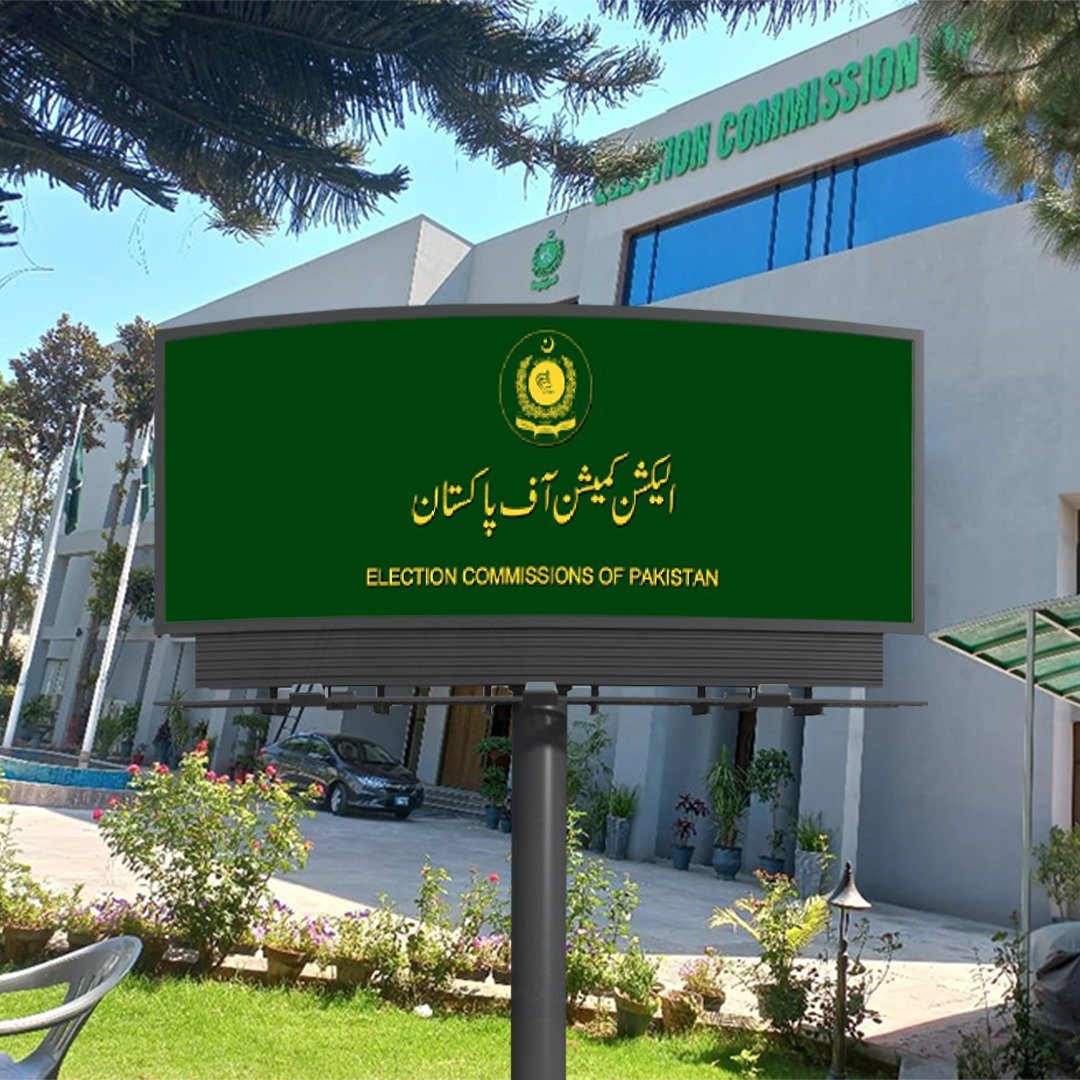
    Elections are around the corner and ECP has upgraded its helpline number with details of polling stations one can go to cast his or her vote.

    Voters are required to send their CNIC number on 8300. Details of the constituencies, both provincial and central, along with the address of the polling station for the polls on Feburary 8 will be revealed.

    Previously, sending CNIC only showed the constituencies and registration numbers but now it shows the assigned polling stations too.

  • Imran Khan, Shah Mahmood Qureshi sentenced to 10 years in prison

    Imran Khan, Shah Mahmood Qureshi sentenced to 10 years in prison

    Pakistan Tehreek-e-Insaf (PTI) founder Imran Khan and senior PTI leader Shah Mahmood Qureshi have been sentenced to 10 years imprisonment each in the cipher case today. Judge Abual Hasnat Muhammad Zulqarnain heard the cipher case and delivered the verdict at the Adiala Jail in Rawalpindi.

    Both politicians denied that they were involved in misusing diplomatic cables and leaking state documents for political purposes.

    Before announcing the verdict, Judge Zulqarnain, reminded the PTI leaders that their lawyers were not appearing in court and they were given state lawyers.

    During the hearing, Imran and Qureshi were given questions under 342. However, both leaders said that their lawyers are not present, asking how can they record their statement.

    The decision comes a day after the hearing was postponed because Imran Khan disrupted the last hearing by shouting angrily.

    What is cipher case?

    Imran Khan faced allegations that he violated the Official Secrets Act when he disclosed a secret diplomatic cable, dubbed the Cipher, sent by Pakistan’s embassy in Washington in March 2022. Khan reportedly lost possession of the diplomatic cable later. At a public rally in 2023, held just days before his ouster from the Prime Minister’s office, Khan waved a folded piece of paper from the podium, stating that it is the cable.

    Both Khan and Qureshi claimed that the cable had a threat from the US to topple the PTI government, which was then in power in Pakistan.

    Khan was ousted from the prime ministerial office in April 2022 after a no-confidence vote. Since being relieved of the premier post, more than 150 cases have been slapped against him.

  • Imran Khan is in jail for 10 years: what does he want you to do?

    Imran Khan is in jail for 10 years: what does he want you to do?

    In a recent message issued from jail, Pakistan Tehreek-e-Insaf (PTI) founding chairman Imran Khan has told his supporters what to do in case he is sentenced in the cipher case.

    Former Prime Minister Imran Khan and senior PTI leader Shah Mahmood Qureshi were sentenced to 10 years each in the cipher case today. Judge Abual Hasnat Muhammad Zulqarnain heard delivered the verdict orally at the Adiala Jail in Rawalpindi.

    Khan expressed concerns about the ongoing trial and other alleged false cases in a post on X (former Twitter). He highlighted the challenges faced in ensuring a fair trial, emphasizing the manipulation of legal proceedings and attempts to prematurely conclude the case.

    “Cipher case has twice been declared null and void by the Islamabad High Court followed by orders of a retrial because both times this case was being tried outside of law and constitution,” Prime Minister Khan stated.

    He further pointed out that despite the central witnesses’ testimonies yielding no substantial evidence against him and Shah Mahmood Qureshi, the orchestrators of the ‘London Plan’ seem determined to conclude the trial without following proper legal procedures.

    “It’s not a trial; it’s a fixed match, with results predetermined by the architects of the London Plan and their cohorts. Hence, I am aware of the outcome even before the trial concludes,” Khan asserted.

    Addressing his supporters, Khan cautioned against falling into the trap set by those who wish to exploit the situation for their interests. He urged them to stay vigilant and not be swayed by provocations aiming to incite protests on the streets.

    “Some want me to receive a harsh punishment in this case to fuel public outrage, leading to street protests akin to the May 8 scenario. Others hope for a sense of despair and disappointment among you, keeping you confined to your homes on February 8,” he stated.

    Khan called upon the people to view the situation as a test of their resilience and commitment to justice. He reminded them of the power of their vote, urging them to stand against the manipulative forces and ensure a fair electoral process.

    “My faith is that just as you broke free from the chains of fear in the past, you will come out in millions on election day, defeating the architects of the London Plan and showing them that we are not helpless animals to be herded. I believe February 8 will be a day of victory, Insha’Allah,” concluded Prime Minister Imran Khan.

    What is a Cipher case?

    Imran Khan faced allegations that he violated the Official Secrets Act when he disclosed a secret diplomatic cable, called the Cipher. This was sent by Pakistan’s embassy in Washington in March 2022. Khan reportedly lost possession of the diplomatic cable later.

    Both Khan and Qureshi claimed that the cable had a threat from the US to topple the PTI government which was then in power in Pakistan.

    Khan was ousted from the prime ministerial office in April 2022 after a no-confidence vote. Since being relieved of the premier post, more than 150 cases have been slapped against him.

  • ECP to complete printing of ballot papers by February 2

    ECP to complete printing of ballot papers by February 2

    The Election Commission of Pakistan (ECP) said on Tuesday that it will complete the process of printing ballot papers by February 2, as the upcoming elections are set to take place on February 8, 2024.

    Electoral authorities directed security officials to deliver ballot papers in all provinces across the country.

    The ECP spokesperson said that three government press institutes are currently printing ballot papers, and the process is going well.

    “The printing work, which started on January 16 after the allotment of election symbols by returning officers (ROs), will be completed in the next four days, i.e. by February 2,” the ECP official said.

    He also stated that returning officers (ROs) and district administrations have started the delivery process of ballot papers with the help of security officials. The ballot papers will be delivered by both road and air.    

    Other than that, the ECP official also said that people can send SMS at 8300 to get information about their polling station.

    Voters will have to send their identity card number to 8300 to get their vote information. All voters have been requested to get details of their and their families’ votes on time so that they do not face any problems finding polling stations.