The caretaker government of Punjab has revoked the facility of free travel for students in the Orange Line Train and Metro Bus as winter vacations commence in the city today.
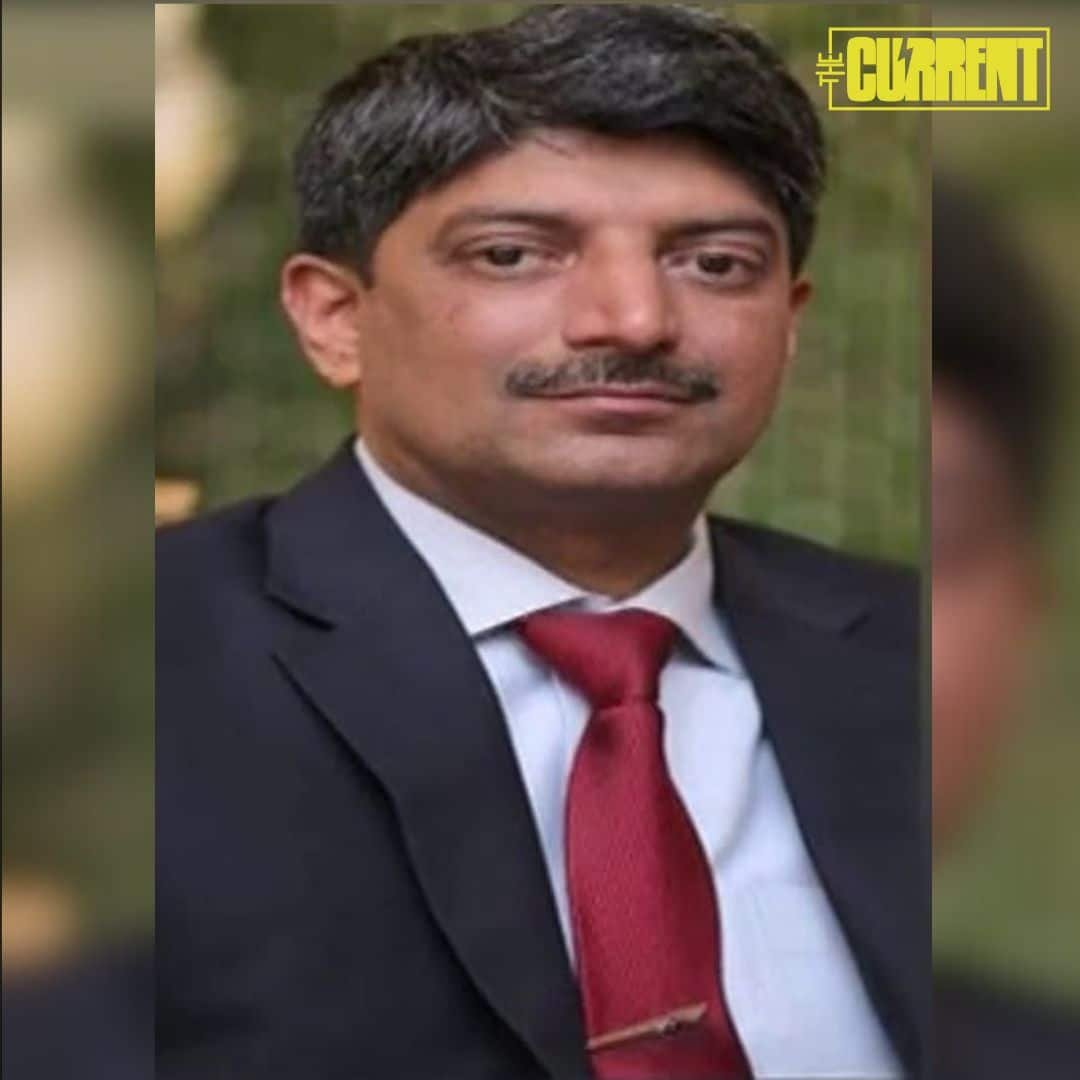
Ahmed Javed Qazi, Secretary Transport Punjab told Geo News that free travel on student cards for students in the city has been suspended during winter holidays in Lahore.
The implementation of the decision starts today (December 16) and will remain active till the next order.
Winter holidays officially span from December 18 to January 1.
The Secretary of Transport elaborated that the caretaker cabinet will review whether the service should be restarted or not after the holidays end.
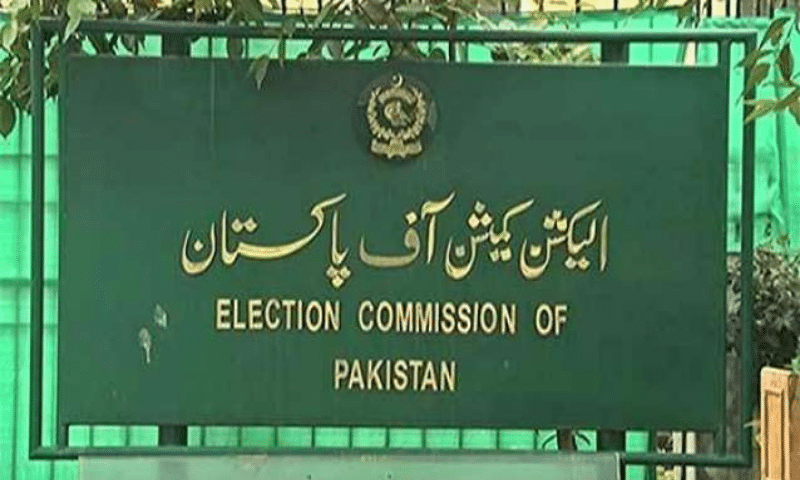
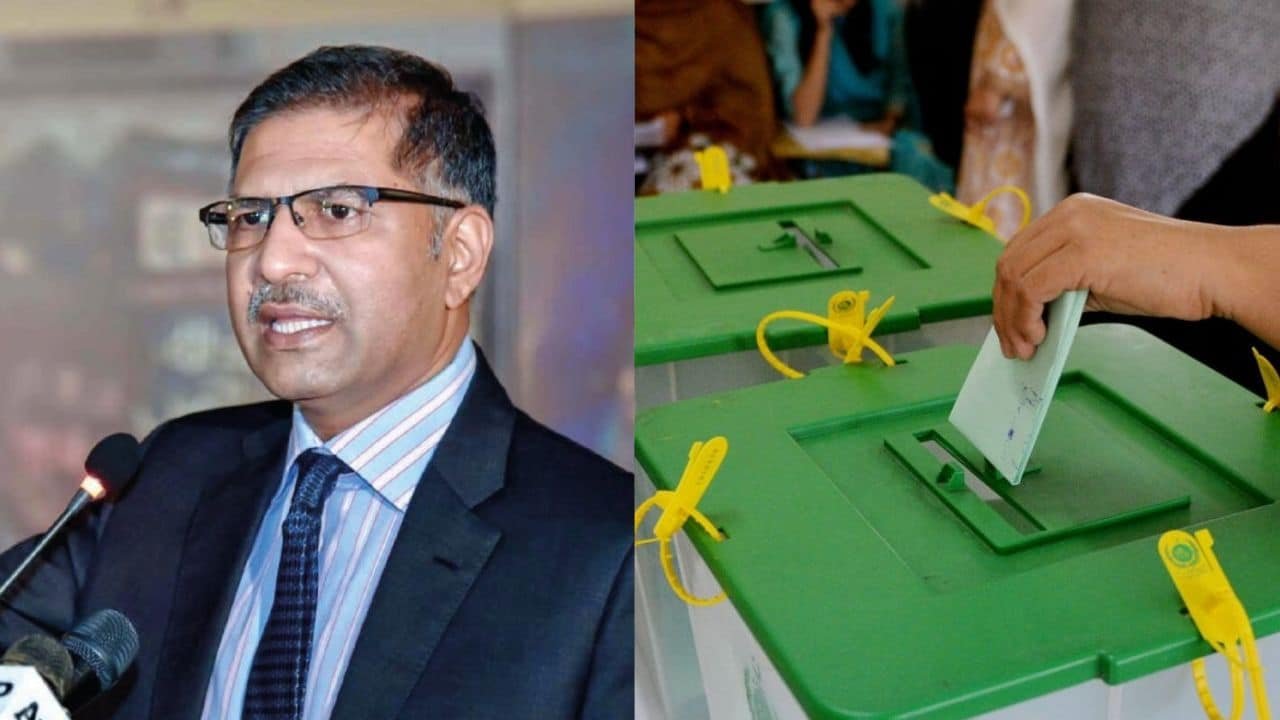
After the Supreme Court of Pakistan (SC) suspended a Lahore High Court (LHC) order staying the appointment of Returning Officers (ROs) from the executive branch, the Election Commission of Pakistan (ECP) released the much-awaited election schedule on Friday night, affirming that general polls in Pakistan are set to take place on February 8 next year.
ECP will now resume training ROs and District Returning Officers (DROs).
The election programme extends to reserved seats for women and non-Muslims in the National Assembly (NA) as well as the four provincial assemblies of Punjab, Sindh, Khyber Pakhtunkhwa, and Balochistan.
The election schedule was released late at night in accordance with the directives of the SC.
Earlier, the Lahore High Court (LHC) stayed the notification of the appointment of DROs and ROs from the bureaucracy and halted their training.
The LHC announced its judgement in response to a petition submitted by the Pakistan Tehreek-e-Insaf (PTI).
Today Pakistan is observing the ninth anniversary of the terrorist attack on the Army Public School Peshawar which took the lives of 144 people, mostly students.
The heinous attack happened in 2014 and is widely described as Pakistan’s 9/11 for the shockwaves it created nationally and internationally. Schools were shut down in the country due to the security risk whereas vigils were held all over the world.
Tehreek-e-Taliban Pakistan claimed responsibility for the attack.
Following the attack, Pakistan’s military and civil leadership sat down to formulate a National Action Plan which primarily aimed at curbing the menace of terrorism. Different military operations were launched to root out several militant elements in the country. The most prominent operations were Zarb-e-Azab and Radul Fassad.
Pakistan stands out as one of the worst victims of terrorism with over 80,000 lives lost and economic loss surpassing $150 billion.
However, the menace is resurfacing with Pakistan a considerable increase in terror activities in recent months, especially in KP and Balochistan, after TTP ended its ceasefire with the government in November last year.
Pakistan Institute for Conflict and Security Studies (PICSS) in a report showed that the country experienced a 34 percent increase in anti-state violence last month.
Green TV’s new serial ‘Breaking News’ is a rather fresh concept among the current lot of dramas currently running on television. True to the Green track record, the serial promises an out-of-the-box story. Two episodes have been released till the time this review is being written.
The story revolves around Mishaal and Hussain, a pair in love (but not madly so), equally focused on their respective careers. The boy brought up in an urban and slightly privileged background, shows restraint in his countenance. Mishal, on the other hand, is a small-town girl, ambitious and a lot more expressive. She lives in a rented place where her landlady’s teenage son has an eye for her but she is traditional enough to not share it with Hussain even though he asks the reason for her discomfort multiple times.
Mishal is played by Amar Khan and Hussain is played by ‘Fairytale’ star Hamza Sohail. They both look the part and the styling is on point for the strata they represent.
There is a parallel story of Naveed Khan played by Ali Safina, the corrupt television anchor born to a journalist father who died a terrible death after reporting against a local politician. As a kid, he was beaten for the same crime his father committed. He is a masochist- inflicting pain on himself- and conducts a completely staged show against ethical norms, only to get the ratings. He is also lenient towards his content director Hussain’s idealism which in most instances is in clash with his desire to get views and ratings.
Like other Kashif Nisar’s ventures, the drama is real and relatable but less bleak. That may prove to be wrong in the future as the teaser for the coming episode promises things turning topsy-turvy for the lead characters. The negative side of media and the risk journalists put themselves through has been shown in multiple projects including the recent ‘Ishq e Laa’, but a dedicated project to the modus operandi of media, the rat race of ratings and the rhetoric of “screen ki sage par jab sach lutta hai wo bikta hai”.
Airing twice a week, the show is a window into the optics of news medium, the 24/7 media feed culture, and the dirty politics of breaking news keeping morality at bay. The tug-of-war that goes between anchors in this industry will provide insight into how they contribute to the industry with this crisply written script.
Nicolas Puech, the 80-year-old heir to the French luxury brand Hermès fortune, is reportedly planning to give part of his wealth to his 51-year-old gardener, whom he also intends to legally adopt.
Swiss publication Tribune de Genève, cited by the New York Post, reports that the heir of the luxury brand is planning to pass his wealth to his “former gardener and handyman” from a “modest Moroccan family.”
Nicolas has already initiated the process of adoption. He is expected to pass down billions of dollars to the beloved gardener as he is unmarried and has no children of his own.
The gardener is reportedly married to a woman from Spain and has two children.
The wealth he is to pass on could be half of his inheritance. The heir, the fifth-generation descendant of Thierry Hermès, stands to pass down billions of dollars of the Hermès fortune, currently valued at over $220 billion. Puech reportedly owns between 5 percent and 6 percent of the house, which puts his net worth between $10-11 billion.
Puech also hopes to pass down $5.9 million in properties in Marrakesh, Morocco, and Montreux, Switzerland.
It looks like Nida Yasir and Yasir Nawaz are not into beach holidays. The famous couple have made a rather different choice when it comes to vacation destination.
The duo just had a winter vacation in Finland complete with snowfall and freezing temperatures. Even though it is very cold during the snowy Christmas season, they look like they had a lot of fun. Nida looked stylish in her trendy outfit. They shared some awesome pictures from their chilly vacation. Check it out:
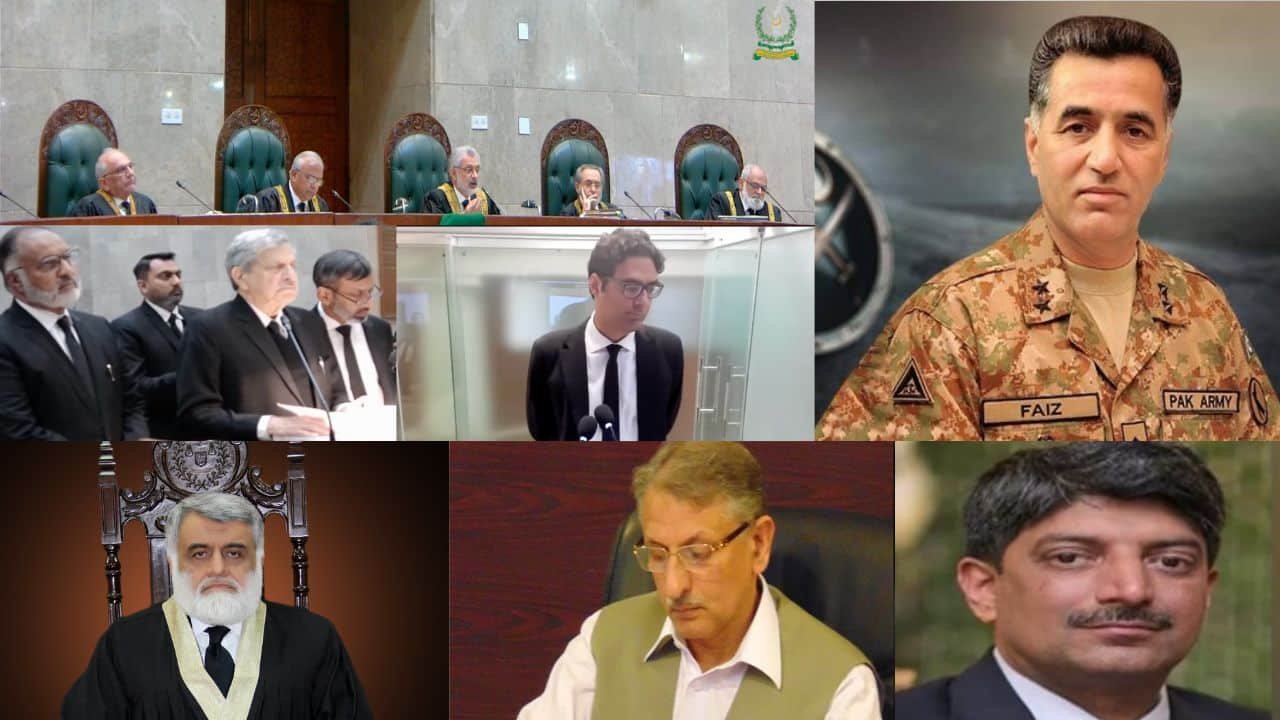
The Supreme Court on Friday issued notices to former Inter-Services Intelligence (ISI) director-general Faiz Hameed and others on former Islamabad High Court (IHC) judge Shaukat Aziz Siddiqui’s petition challenging his removal.
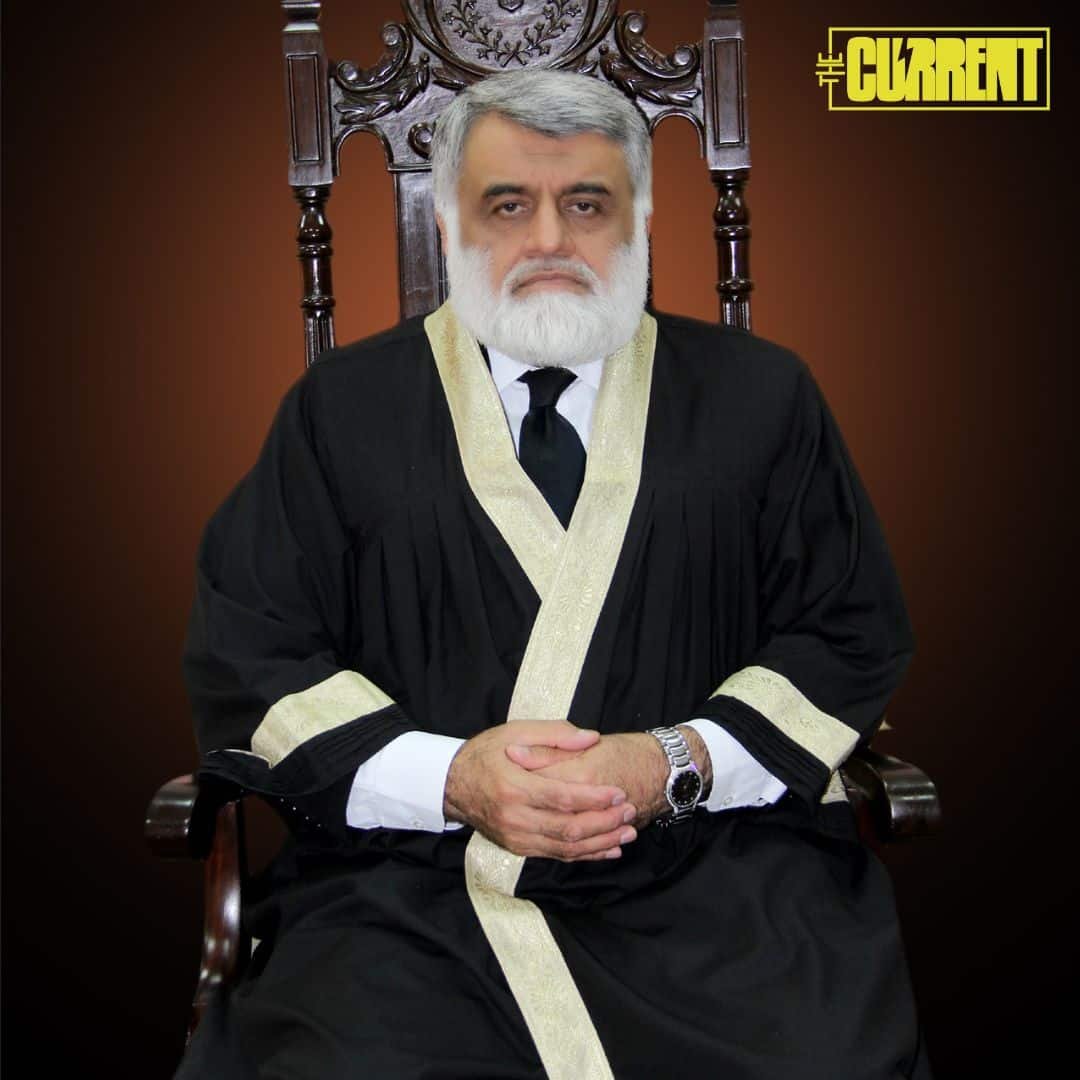
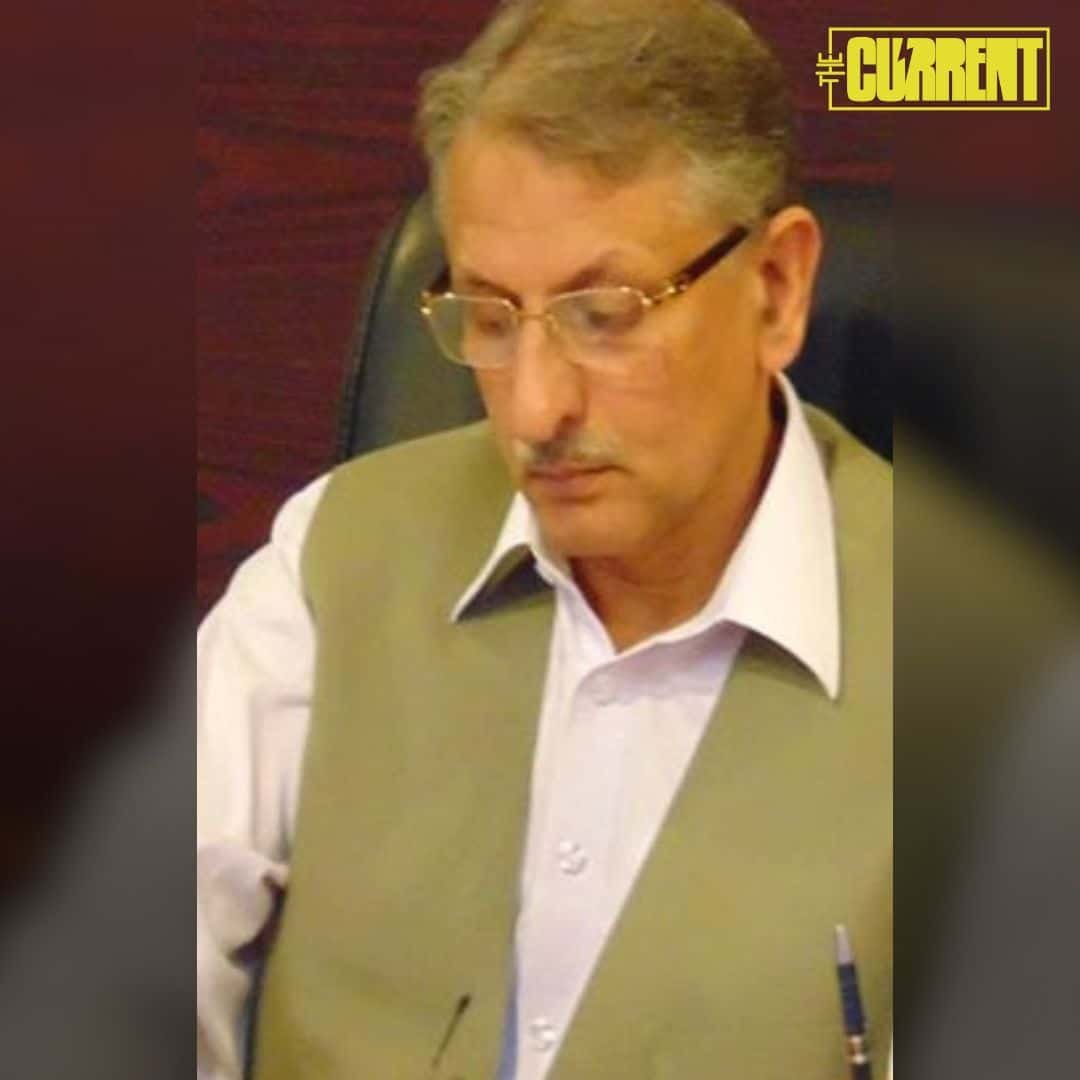
The notices were also issued to former IHC chief justice Anwar Khan Kasi, former registrar of the Supreme Court Arbab Muhammad Arif, and retired brigadier Irfan Ramay.
Former IHC Chief Justice Anwar Khan KasiFormer Registrar of the Supreme Court Arbab Muhammad ArifRetired Brigadier Irfan Ramay
A five-member bench led by CJP Qazi Faez Isa, comprising Justice Amin-ud-Din Khan, Justice Jamal Khan Mandokhail, Justice Hasan Azhar Rizvi, and Justice Irfan Saadat Khan, conducted proceedings on the plea.
Today’s hearing was broadcast live on the apex court’s website as well as on its YouTube channel.
Siddiqui nominated seven individuals in his amended plea, however, the court remarked that three others — former chief of army chief General (retd) Qamar Javed Bajwa, and two retired brigadiers- Faisal Marwat and Tahir Wafai — had no direct connection with the case.
A day earlier, the top court ordered Siddiqui to nominate former spy chief Hameed, former army chief General (retd) Qamar Javed Bajwa, and others in the plea against his dismissal.
Following the order, the former judge requested to make Bajwa and Hameed parties in the case related to his suspension along with IHC chief justice Anwar Khan Kasi, former registrar of the Supreme Court Arbab Muhammad Arif, retired brigadier Irfan Ramay, retired brigadier Faisal Marwat and retired brigadier Tahir Wafai.
The case was fixed for hearing earlier this month after the judge filed a miscellaneous application with the Supreme Court to conduct an early hearing of his plea against the decision by the Supreme Judicial Council (SJC) on his dismissal.
Lawyer Hamid Khan represented the former IHC judge in the case.
The Case
President Arif Alvi on October 11, 2018, removed Justice Shaukat Aziz Siddiqui as judge of the Islamabad High Court (IHC) on the recommendation of the Supreme Judicial Council (SCJ).
The president took the decision under Article 209(5)on the SJC recommendation under Article 209(6) read with Article 48(1) of the Constitution, a notification issued by the Ministry of Law and Justice stated.
The council unanimously opined that while delivering the speech before the District Bar Association in Rawalpindi on July 21, Justice Shaukat Aziz Siddiqui, an IHC judge, displayed conduct unbecoming of a high court judge.
Judges on the panel included: Then Chief Justice of Pakistan Mian Saqib Nisar, Justice Asif Saeed Khosa, Justice Gulzar Ahmad, Lahore High Court’s Chief Justice Yawar Ali, and Chief Justice of the Sindh High Court Justice Ahmed Ali Sheikh.
Justice Khosa said that the judge in question chose to address a meeting of the district bar association, Rawalpindi on July 21 at a time when many inquiries were pending against him before the SJC under Article 209.
In his speech, Siddiqui accused the Inter-Services Intelligence (ISI) of manipulating judicial proceedings, especially in the Panamagate case.
The ex-judge had submitted a plea against the Supreme Judicial Council’s (SJC) decision to dismiss him after a complaint was filed against him for inflammatory speeches.
The Pakistan Tehreek-e-Insaf (PTI) has confessed that it was a misstep to secure a stay order from the Lahore High Court (LHC) against Election Commission of Pakistan (ECP) on appointing District Returning Officers (DROs) and Returning Officers (ROs) from the bureaucracy for upcoming general elections.
PTI senator Barrister Syed Ali Zafar said while speaking on Geo News’ ‘Aaj Shahzeb Khanzada Kay Sath’ that PTI can approach LHC to request the removal of the stay order against the appointment of DROs and ROs for the forthcoming election set to take place on February 8, next year.
“The PTI may withdraw the stay order to speed up the case hearing on merits to decide the fate of the appointment of DROs and ROs,” he remarked.
The senator also said that the impression and criticism that PTI’s petition is delaying polls seems correct.
However, the PTI leader also stated that the party’s stance on filing the petition against the appointment of officers from bureaucracy is right.
“Even though we want elections to be held by judicial officers and the ECP probably wants them to be conducted by bureaucracy, whatever the results are, we should accept them as it is the mandate of the masses,” he said.
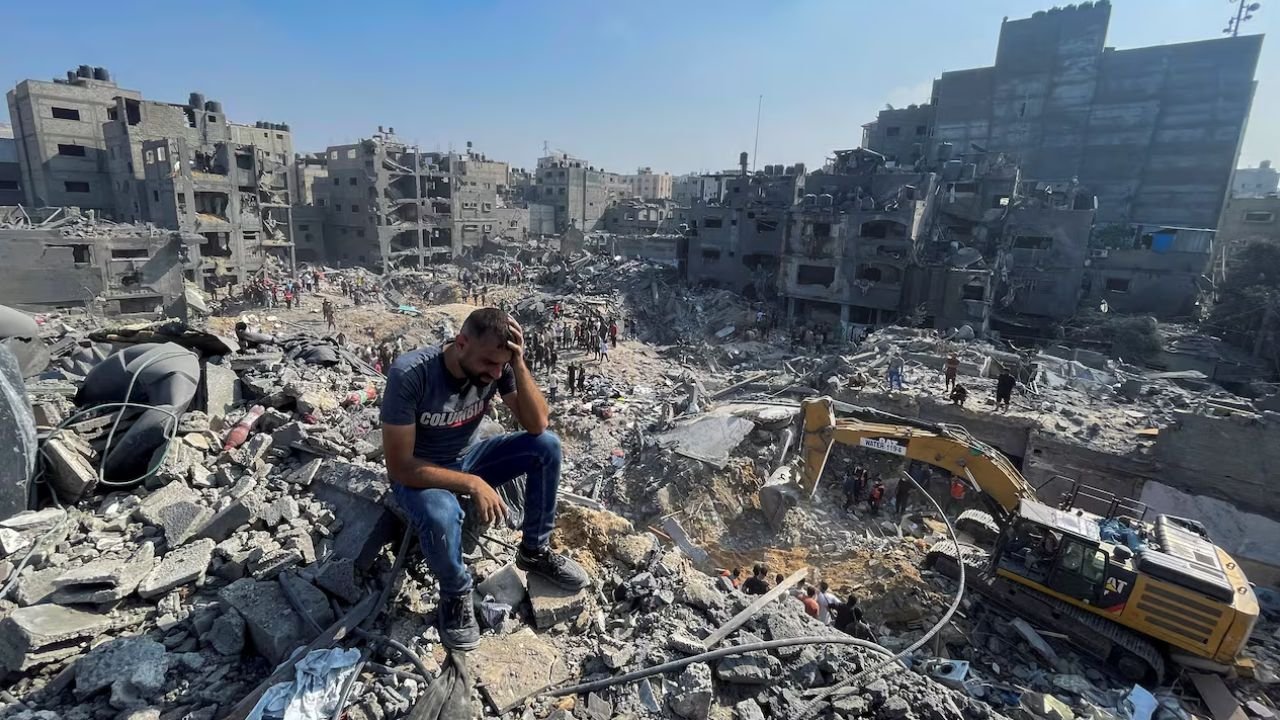
Israel pressed its offensive in the Gaza Strip on Friday after telling a key supporter, the United States of America that the war to crush Hamas will last “more than several months”.
On Thursday, US National Security Advisor Jake Sullivan met in Tel Aviv with Israeli Prime Minister Benjamin Netanyahu and Defence Minister Yoav Gallant.
During their meeting, Mr. Gallant warned that Israel’s fight with Hamas “will require a period of time — it will last more than several months, but we will win and we will destroy them”.
Speaking in Washington, U.S. President Joe Biden urged Israel to take more care to protect civilians in Gaza.
“I want them to be focused on how to save civilian lives — not stop going after Hamas, but be more careful,” said Mr. Biden, whose government has provided Israel with billions of dollars in military aid.
White House spokesman John Kirby, meanwhile, said Washington was “not dictating terms” to Israel and that the timeline given by Gallant was “consistent” with what Israeli officials had previously said.
Mr Netanyahu on Thursday vowed to carry on “until victory”, and Foreign Minister Eli Cohen said the war would continue “with or without international support”.
Mr Sullivan on Friday will head to the Israeli-occupied West Bank city of Ramallah for talks with Palestinian Authority leaders, a US official said on condition of anonymity.
The West Bank, which is ruled by the Palestinian Authority (PA), has seen a surge in violence since October 7.
There, the Palestinian health ministry said 11 people had been killed since the Israeli military launched a raid in the city of Jenin and its refugee camp earlier this week.
The war in Gaza has led to increased popular support for Hamas in the West Bank, further weakening the internationally recognized PA.
Australia’s government has recently announced a ’10-year migration strategy’, as the country plans to reduce the number of foreigners coming in over the next two years in a bid to improve Australia’s “challenged” immigration system.
It should be noted that according to the Australian Bureau of Statistics, the number of foreign immigrants who came to the country during the last year has been 500,000, while before the restrictions of COVID-19 were implemented, this number used to be around 250,000 annually. The government wants to halve the number now.
The announcement was made on Monday and it is likely to affect foreign students living in Australia on temporary visas the most.
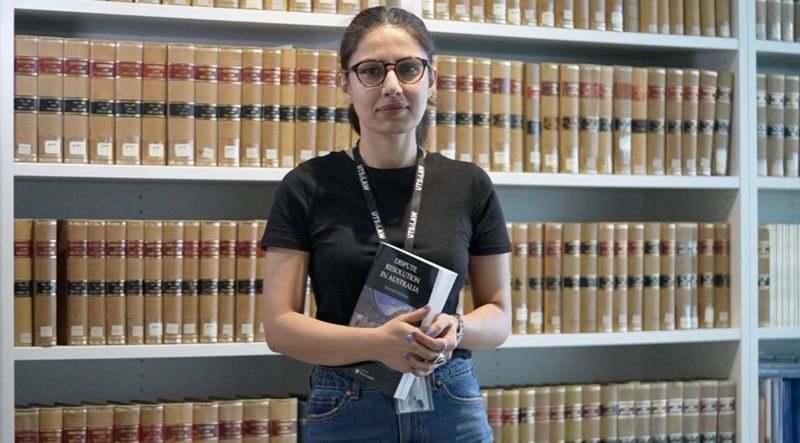
Speaking to the BBC, Sydney-based Dr. Ayesha Jahangir, a Post-Doctoral Research Fellow at the Center for Media Transitions at the University of Technology, covered the ongoing debate on the policy and the general climate around Australia’s migration strategy. She asserted that it has been some time since the policy was announced so “there is a lot of uncertainty and people are confused.” She said that the main questions around the debate are, “They don’t understand how this policy can affect them. Will immigrants whose visas are still being processed be affected? What are the details of the ’10-year migration strategy’?
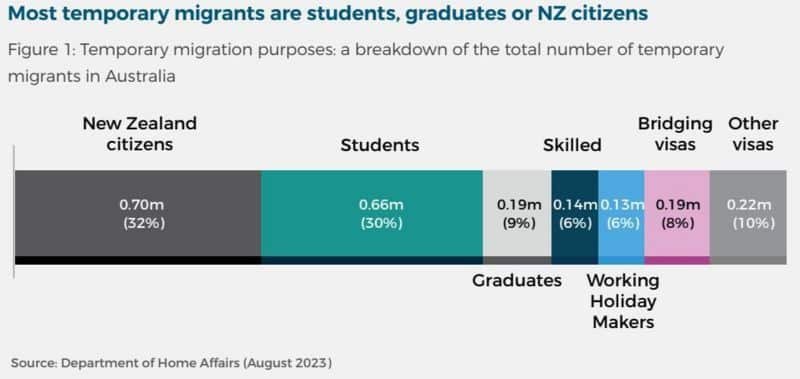
According to official data, there are about six and a half million foreign students currently living in Australia and most of them are staying here after obtaining a second visa after the first temporary visa (student visa) expires.
Under the new plan, visa rules for international students and low-skilled workers will be tightened even though there is still a shortage of skilled workers in the country and difficulties in bringing them into the country persist.
Issuance of “Skills in Demand” visa
It is for this reason that the ‘Skills in Demand’ visa will be issued in place of the earlier ‘Temporary Skills Shortage’ visa. There will be three different routes for this four-year visa.
One route would be for people with ‘specialist skills’ and would seek to attract the most talented people from technology and energy sectors to Australia.
Another way would be in terms of ‘core skills’, where the list of areas would be changed according to the demand of the Australian market. In this way, the manpower shortage will be met.
A third way is in terms of ‘essential skills’ i.e. sectors such as healthcare where there is a shortage of workers. Details regarding this are still under consideration as per the policy.
Conditions for International Students
These new rules set stricter standards for international students in English language tests, mainly IELTS.
Earlier IELTS band required for a graduate visa was 6, now it has been increased to 6.5. While the IELTS requirement for a student visa has been increased from 5.5 to 6.
Additional questions will be asked of second-time visa applicants. During this time they have to prove how further studies will help them to improve their career or their education.
Visa procedures have also been improved for immigrants with ‘special’ or ‘essential’ skills to give them a better chance of securing permanent residence.
The new policy aims to stop the exploitation of those already living, working, and studying in the country.
Mention of “bogus” colleges
The Australian government has used the term ‘backdoor’ repeatedly in the 99-page strategy, implying various ‘bogus’ colleges that bring students to Australia but then return their degrees. These ‘fake’ colleges have been talked about before, from Australian local newspapers to the government level, but this time the government is signaling a concerted crackdown.
Dr. Ayesha has also warned about them in her talk to BBC: “What happens is that these colleges or institutions help bring students to Australia, but they don’t find a place in the workforce here because the competition here is not just between the people of a town or a city, but between people from all over the world.” Ayesha further added, “These migrants usually do not fit into the system but become a burden, and the term ‘permanently transient’ is used for them.”
Stats reveal that there is a huge number of them living in Australia and are trapped because they never got admitted to the university and are making a living by working in menial jobs.
Rising cost of living in Australia and financial crisis for incoming students
The cost of living in Australia has increased and rental housing has become difficult to find. Students have to live far from their place of work or study.
Talking to BBC, a Pakistani student said that in this policy, students will now only be able to work 20 hours per week instead of 40. This is the discount that was given to them during COVID-19. He pointed out that rents have gone up in Australia. Now the problem that more students will face will be a financial crisis, they will face problems in paying their fees.
“Earlier, we used to make at least 1500 dollars by doing any work for 40 hours a week, of which we used to save up to 1000 dollars and save 4000 dollars a month and thus pay the fees,” he added.
An increase in rent and a reduction in work hours will affect the students badly.
Rising hostility toward migrants
“When governments talk about people entering the country through backdoors and taking advantage of loopholes in the system, society can see it differently,” Dr Ayesha stated.
In the past during the years 2008 and 2009, Indian students in Australia protested crimes committed against them in the country, leading to a diplomatic gulf between Australia and India.
Dr Ayesha says that the government should go and explain to Australians that this crackdown is not being done because it is the fault of the foreign students, but because even local small businesses are taking advantage of these loopholes in the policy.