Tag: Top News

  • Wet autumn or dry winter? The forecast is here

    Wet autumn or dry winter? The forecast is here

    Last week’s spell of rain helped bid farewell to summers. So, what’s next? Will we have more rains to make autumn a wet one? Or are we heading for our traditional dry winters?

    Read on for details.

    One last spell of monsoon is about to hit the upper parts of Pakistan and will likely impact the entire country.
    A weather advisory issued by the Pakistan Meteorological Department (PMD) said that the westerly rain-producing wave is likely to enter upper regions of the country on the evening or night of Thursday, September 28.

    Under the system, moderate to heavy rains with wind and thunderstorms is expected in Chitral, Dir, Swat, Shangla, Buner, Mansehra, Kohistan, Abbottabad, areas of Kashmir including Neelum valley, Muzaffarabad, Poonch, Hattian, Bagh, Haveli, Sudhanoti, Kotli, Bhimber, Mirpur, and areas of Gilgit Baltistan including Diamir, Astore, Ghizer, Skardu, Hunza, Gilgit, Ghanche, Shigar from September 28 to 30.

    Isolated spells of rain and thunderstorm with hailstorms are also expected in Kohat, Peshawar, Mardan, Swabi, Nowshera, Haripur, Kurram, Waziristan, Bannu, Dera Ismail Khan, Murree, Galliyat, Islamabad, Rawalpindi, Attock, Chakwal, Jhelum, Mianwali, Sargodha, Khushab, Faisalabad, Toba Tek Singh, Jhang, Mandi Bahauddin, Hafizabad, Gujranwala, Gujrat, Sialkot, Narowal, Lahore, Kasur, and Sheikhupura between September 28 and 29.

    Meanwhile, Zhob, Barkhan, Layyah, Bhakkar, Dera Ghazi Khan, Okara, Pakpattan, Sahiwal, Multan, Bahawalpur and Bahawalnagar are also expected to witness similar weather conditions during the said period.
    Moreover, snowfall is expected over the high mountains of the upper areas of Khyber Pakhtunkhwa, Kashmir, and Gilgit-Baltistan during this period.

    Under the possible impacts, the Met Office has also predicted a significant drop in the temperature in the areas affected by the spell.
    PMD advised farmers and tourists to manage their crop activities and remain cautious to avoid any untoward situation during the period, respectively.

    Meanwhile, the general public has been advised to stay at safe places during windstorms, lightning, and downpours as loose structures like electric poles, solar panels, billboards etc. may be damaged by the gusts.

  • New tax to be imposed on citizens soon

    New tax to be imposed on citizens soon

    The local government has unveiled a new tax that has drawn mixed reactions from citizens. 

    This latest tax, to be imposed in lieu of garbage collection, will be collected from households, shops, petrol pumps, and industrial units on a monthly basis.

    Starting from October, Multan and its neighboring areas will see this sanitation tax in effect. The tax rates are set at Rs50 for houses, Rs200 for shops, Rs1,000 for petrol pumps, and Rs2,000 for industrial unit owners on a monthly basis. 

    The government anticipates an annual revenue boost of approximately Rs4.28 billion through this tax initiative. However, the move has not been met with unanimous approval among citizens, many of whom have criticised it. 

    Meanwhile, amid ongoing discussions concerning the surging costs of electricity production in Pakistan, the Kot Addu Power Company has submitted an application to the National Electric Power Regulatory Authority (Nepra), seeking approval for what could potentially become the country’s most expensive electricity generation tariff.

    The proposal suggests an electricity tariff of Rs77.31 per unit, a significant increase from the current rate of twenty-eight rupees per unit. The power company attributes this substantial hike to rising production costs.

    Notably, the Kot Addu Power Company recently secured a sixteen-month extension during the Pakistan Tehreek-e-Insaf (PTI) administration. However, this extension has not escaped controversy, as the Senate Power Committee has declared it illegal, further fueling the debate over electricity tariffs in the country.

  • Pakistani Hajjis to get special perks to make pilgrimage easier

    The Ministry of Religious Affairs has unveiled its Hajj policy for 2024, designed to bring a revolutionary transformation to the pilgrimage journey for Pakistani pilgrims.

    Caretaker Religious Affairs Minister Aneeq Ahmed announced this game-changing policy, which will be presented to the cabinet for approval within the next 10 days.

    The most striking feature is the introduction of a short Hajj option, where pilgrims have the flexibility to go for Hajj from 18 to 30 days, which empowers pilgrims to customise their journey as per their preference.

    QR codes for suitcases

    The new policy also introduces technological advances in which each Hajj pilgrim will be provided with two specially designed suitcases adorned with QR codes. These QR codes will contain essential information such as the pilgrim’s name, passport number, residence, school number, and other pertinent details. This innovation aims to streamline logistics and enhance security during the pilgrimage.

    Special Mobile Package

    In a significant step towards connectivity, the ministry has secured an agreement with a Saudi Arabian mobile phone company to offer a special mobile package exclusively for Hajj pilgrims. Priced at Rs 4,000, it enables pilgrims to make audio and video calls, ensuring they can stay in touch with their families back in Pakistan throughout their Hajj journey.

    Minister Aneeq Ahmed expressed his optimism about these advancements, stating, “Now Pakistani pilgrims will not be lost in the crowd. These changes are designed to simplify the Hajj experience, enhance communication, and provide pilgrims with peace of mind.”

    Additionally, the Saudi government has offered official residences for Pakistani pilgrims, further easing their accommodations during their sacred journey.

  • ‘Anti-Muslim hate speech increases in India around elections’: Hindutva Watch

    ‘Anti-Muslim hate speech increases in India around elections’: Hindutva Watch

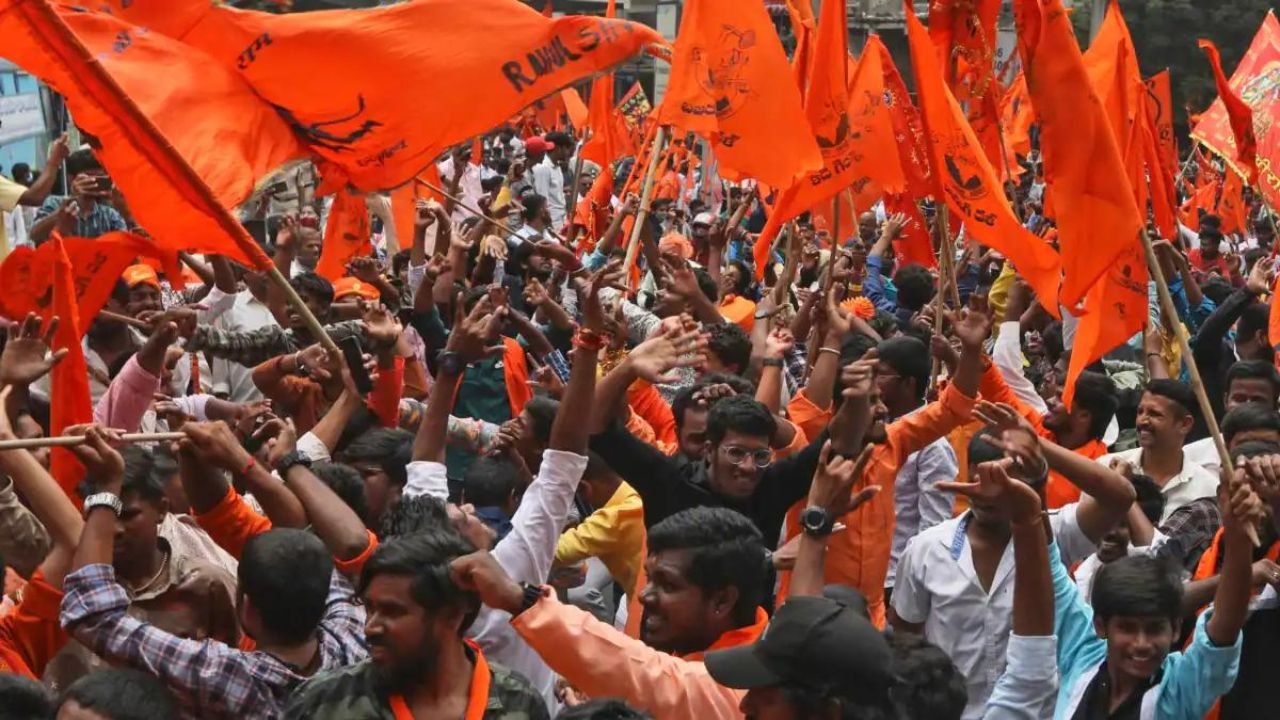
    A recent report on Hindutva Watch by Raqib Hameed Naik, Aarushi Srivastava and Abhyudaya Tayagi titled ‘2023 Half-Yearly Report: Anti-Muslim Hate Speech Events in India’ reveals that there have been 255 documented incidents of hate speech in gatherings targeting Muslims in the first half of 2023.

    The watchdog used the definition of hate speech by the United Nations which states, “any form of communication, whether oral, written, or behavioral, that employs prejudiced or discriminatory language towards an individual or group based on attributes such as religion, ethnicity, nationality, race, color, descent, gender, or other identity factors.” This definition includes all forms of expression, including speech, writing or behavior, and specifically focuses on any language that is either discriminatory (biased, bigoted, or intolerant) or “pejorative” (prejudiced, contemptuous or demeaning) of an individual or group.

    It also notes that overwhelmingly, 205 (80 per cent) of these hate speech events occurred in BJP-ruled states and union territories. Maharashtra, Karnataka, Madhya Pradesh, Rajasthan, and Gujarat witnessed the highest number of hate speech gatherings, with Maharashtra alone accounting for 29 per cent of such incidents.

    Strikingly, seven out of the top eight states with the highest hate speech events are governed by the BJP and its coalition partners. Around 52 per cent of hate speech gatherings in BJP-ruled states and union territories were orchestrated by entities affiliated with the Rashtriya Swayamsevak Sangh (RSS), including the Vishwa Hindu Parishad (VHP), the Bajrang Dal, the Sakal Hindu Samaj, and the Bharatiya Janata Party. Overall, 42 per cebt of all hate speech gatherings in 17 states which includes two centrally controlled territories were organized by groups affiliated with the RSS.

    The report finds that approximately 64 per cent of the events in BJP-ruled states and union territories incorporated references to popular Hindu far-right anti-Muslim conspiracy theories. Overall, 51 per cent of all the hate speech gatherings in 17 states which includes two centrally controlled territories featured anti-Muslim conspiracy theories.

    A concerning 33 per cent of all the gatherings explicitly called for violence against Muslims and about 11 per cent of events included explicit calls for Hindus to boycott Muslims. Disturbingly, 4 per cent of all the events featured hate-filled and sexist speeches explicitly targeting Muslim women.

    Nearly 12 per cent of events featured calls to arms. Notably, 33 per cent of hate speech events took place in states that have already conducted or are set to conduct state legislative elections in 2023. Furthermore, over 36 per cent of these events occurred in states slated to hold legislative elections in 2024. In total, nearly 70 per cent of these events were reported in states with legislative elections either in 2023 or 2024.

    Hindutva Watch tracks the activity of Hindu far-right organizations and their members on social media, scraping data from X (formerly known as Twitter), Facebook, Instagram, Youtube and Telegram to find verifiable videos of hate speech events. They also employ data scraping techniques to identify verifiable videos of hate speech events, followed by in-depth research conducted by a team of dedicated journalists and researchers. Additionally, they draw upon credible reporting from established news organizations to compile comprehensive data. To ensure the accuracy of their findings, they conduct verification processes, confirming the authenticity of the videos, their precise location, and the date on which they were recorded.

  • ‘They do love marriages, then become a problem for court’: Chief Justice

    ‘They do love marriages, then become a problem for court’: Chief Justice

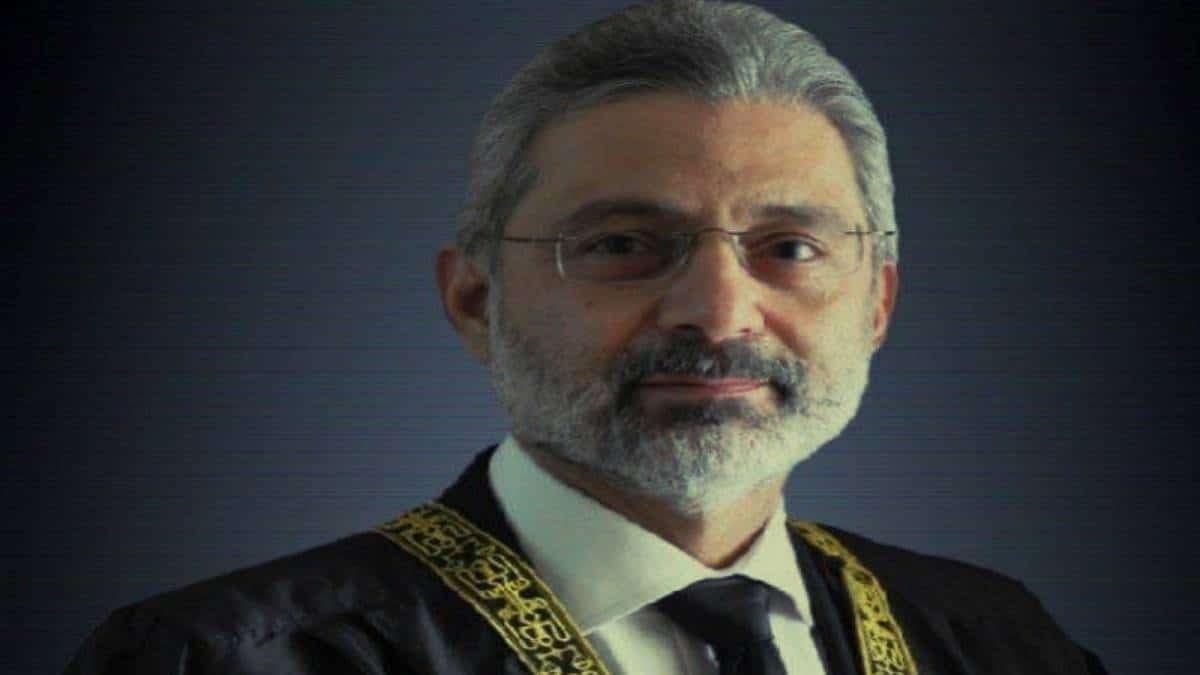
    Chief Justice Qazi Faiz Isa has remarked that having a beard does not make a person a Muslim, people themselves marry for love and then it becomes an issue for the court as per Aaj news.

    The case of the extradition of two minor girls was heard in the Supreme Court by a three-member bench headed by Chief Justice Qazi Faez Isa.

    The court ordered the two girls to be handed over to their mother, ordering that the father of the girls will be able to visit the girls on Sundays from 10 am to 5 pm, and if the father violated the court order, contempt of court action will be taken against him.

    The lawyer of the father pleaded with the court that the girls should be with the father, as their mother works at night, and does not have time to take care of them.

    Chief Justice Qazi Faiz Isa expressed his anger and asked whether the lawyer has read the principle of extradition in Islam or not, stressing that according to Shariat, children stay with their mothers.

    The Chief Justice remarked that we are Muslims in name only, our work is not that of Muslims, just having a beard does not make a person a Muslim, action must also be taken. Prayer, fasting, and Hajj are not enough, he observed, adding that humanity and morals are also necessary. If the parents are not divorced, their mutual resentment will spoil the future of the children.

    The Chief Justice asked the children’s father whether he had a love marriage or an arranged marriage.
    Taimur, the father of the children, said that it was a love marriage.

    The Chief Justice remarked that people themselves marry for love, and then they become an issue for the court.

    The Supreme Court disposed of the case with the consent of the parents.

  • Khan, Qureshi will remain behind bars till October 10 in cipher case: Court

    Khan, Qureshi will remain behind bars till October 10 in cipher case: Court

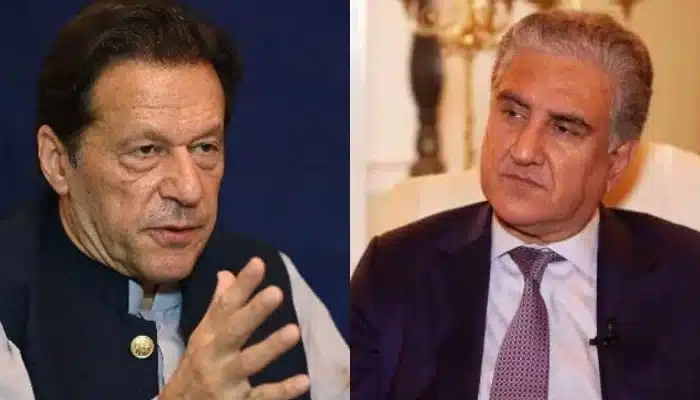
    A special court established under the Official Secret Act has extended the judicaila remand of Pakistan Tehreek-e-Insaf (PTI) chief Imran Khan and Vice Chairman Shah Mahmood Qureshi till October 10 in the cipher case on Tuesday.

    The PTI Chairman and Vice Chairman will remain behind bars for the next 14 days.

    The hearing was conducted by Judge Abdul Hasnat Zulqarnain at the Attock jail.

    PTI lawyers Barrister Salman Safdar, Latif Khosa, Umer Niazi, and Naeem Panjutha attended the hearing, while the Federal Investigation Agency (FIA) team was also present there.

    After that, the court extended the judicial remand of both leaders until October 10.

    The FIA booked both PTI Chairman and Vice Chairman last month for allegedly misusing a top secret document for political gain.

    “Consequent upon the conclusion of the enquiry No. 111/2023 dated 05.10.2022, registered in the CTW, FIA Islamabad, it transpired that former prime minister namely Imran Ahmad Khan Niazi, former foreign minister namely Shah Mahmood Qureshi and their other associates are involved in communications of information contained in the secret classified document (Cipher Telegram received from Parep. Washington dated 7th March, 2022 to Secretary Ministry of Foreign Affairs) to the unauthorised person (i.e. public at large) by twisting the facts to achieve their ulterior motives and personal gains in a manner prejudicial to the interests of state security,” reads the First Information Report (FIR) registered against the PTI leaders.

  • Why doesn’t Imran Khan want to be transferred to Adiala Jail?

    Why doesn’t Imran Khan want to be transferred to Adiala Jail?

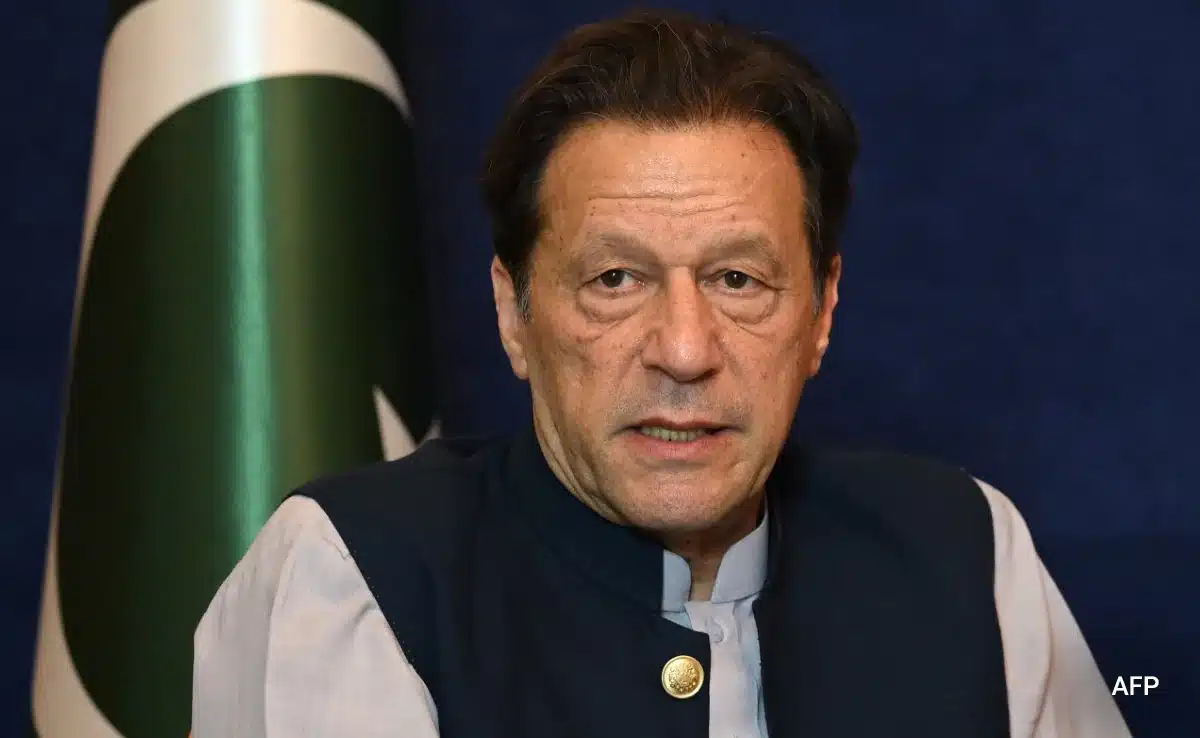
    Journalists were left in confusion about the current location of Pakistan Tehreek-e-Insaf (PTI) chief Imran Khan on Monday when officials from Adiala jail denied Khan’s lawyers assertion that Imran had been shifted to their facility.

    A twist in the story has now propped up. According to journalist Saqib Bashir’s sources, Imran Khan has said during the jail hearing that he doesn’t want to be transferred to Adiala jail as he is comfortable in Attock Jail.

    The PTI chief further stated during the hearing that “I will request my lawyers to withdraw the application.

    On Monday, the Chief Justice of the Islamabad High Court (IHC), Justice Aamir Farooq, issued an order to shift the PTI chief from Attock to Adiala jail. The chief justice remarked that Imran Khan deserves a better class in jail as he is the former prime minister of Pakistan.

    His rights should not be violated, Justice Farooq stated.

  • Poverty-driven child marriages surge in flood-hit Balochistan

    Poverty-driven child marriages surge in flood-hit Balochistan

    Journalist and storyteller Shahar Baloch has recently reported for BBC about the aftermath of the devastating floods in Balochistan last year. The report reveals that families from lower income backgrounds, impacted by the aftereffects of the floods, are being compelled to sell their daughters due to mounting debts. The dire situation was uncovered in the Chowki Jamali area, one of the regions hit hardest by the 2022 floods.

    Chowki Jamali, a remote area on the border of Sindh and Balochistan, is home to approximately 50,000 people, primarily farmers and daily wage laborers. The 2023 floods displaced over 3.2 million families in 2022, with Sindh and Balochistan experiencing the worst of the brunt.

    As families struggled to recover, the economic downturn pushed many to sell their young daughters to older men, aged between 40 and 60 years, in exchange for money to pay off debts or cover medical expenses. Daily wage laborers, earning as little as 500 rupees a day, say that they are left with no other option.

    Residents of the area say that early marriages have been conducted here in the past as well.

    The Provincial Disaster Management Authority (PDMA) conducted a survey of 14 districts of Balochistan in August 2022. According to the survey, there has been a 13 per cent increase in the number of cases of selling female children.

    Most girls are sold for amounts ranging from three to five lakh rupees, providing relief for financially strained families, who often rely on the transaction to settle debts, access medical treatment, or invest in their son’s education.

    The situation is exacerbated by the fact that in some cases, girls are sold multiple times if they do not “adjust” to their new circumstances. Some girls even run away upon learning of their impending sale, leaving their younger sisters to be married off in their place.

    The term “climate brides” is used to describe these girls, and this alarming practice is not unique to Balochistan; it also occurs in countries like Africa and India where poverty and climate change intersect.

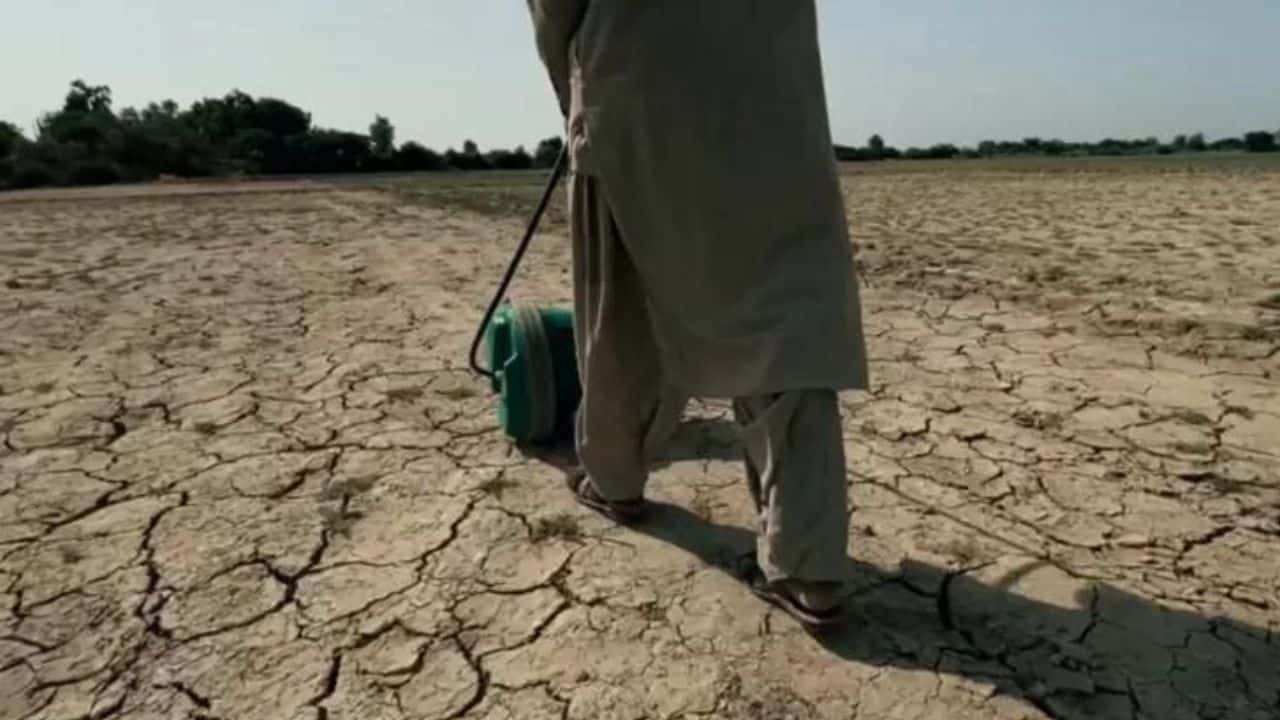
    Climate change and floods have made agriculture increasingly unprofitable in Balochistan, driving families to desperate measures. With little income and food scarcity, many in Chowki Jamali resort to selling their daughters to survive.

    Even though education has made a difference, parents continue to sell their daughters due to extreme poverty.

    Health workers report severe health consequences for young girls married off early, including complications during pregnancy and the development of conditions like fistulas. Despite being aware of this issue, authorities have struggled to curb these marriages.

    Lady health worker Shehzadi told the BBC that in some cases, girls cry in pain, and some die here. “We still make noise, we can say something, but the mothers of these girls cannot say anything in this matter because it is the men of the house who decide to sell the girls.”

    Madad Community, an organization working on climate change in Balochistan, recently said that as a result of climate change and floods, it has become very difficult to earn from the agriculture sector.

    Organizer Maryam Jamali said that most people were forced to migrate, including the middle class of Balochistan. Poor farmers still have nowhere to go. As a result of extreme heat, more droughts and floods have been predicted.

    Fauzia Shaheen, Chairperson of the Government Commission for Women, revealed that Balochistan lacks effective laws to prevent child marriages, and efforts to pass the Child Marriage Restraint Bill have faced obstacles.

    In Balochistan, it is clear that the true cost of flood damage is being borne by the region’s vulnerable young girls, who are forced into early marriages due to dire economic circumstances.

  • University of Melbourne to host academic conference on Taylor Swift

    University of Melbourne to host academic conference on Taylor Swift

    Taylor wasn’t joking around when she said ‘Well they didn’t teach you that in prep school so it’s up to me!’

    The University of Melbourne in Australia has announced that an academic conference titled ‘Swiftposium’ will be held in 2024 to discuss the global and cultural impact of the phenomenon that is Taylor Swift. The conference will be held from February 11 -13, coincidently around the same time the ‘Anti Hero’ singer’s Eras tour concert will take place at the Melbourne Cricket Ground.

    The organisers, scholars from seven Australian and New Zealand universities, have said the academic conference will be for scholars to “engage in critical dialogue about Swift’s popularity and its profound implications for a range of issues including gender, fandom, popular culture, literature, the economy, the music industry, and more.”

    Organisers also said they will invite Taylor to make a special appearance.

    The conference’s co-founder Jennifer Beckett, a senior lecturer in media and communications at the University of Melbourne, spoke to The Guardian about the purpose behind the conference.

    “I think it’s very important to look at how celebrities or artists impact on our lives and the different facets of our life. Taylor Swift has such an outsized impact on elements of everyday life. For example, she’s been credited with drawing attention back to public transport in a post-pandemic era. A lot of the cities she’s going to – the public transport planners have been speaking out about adding extra services.”

    It’s nothing new that Taylor has become a topic of academic discourses. A string of universities across the US has recently announced a variety of courses inspired by the ‘Reputation’ singer. Arizona State University announced in August that a course titled “Psychology of Taylor Swift — Advanced Topics of Social Psychology” will be offered to students, connecting various themes from Taylor’s music like revenge, trauma, anxiety- and link it to psychology.

    READ MORE: Six universities are now offering courses on Taylor Swift

    In August 2022, University of Texas at Austin introduced ‘Literary Contests and Contexts — The Taylor Swift Songbook’, where the 12 time Grammy award winning’s music will be studied alongside masters of literature like Emily Dickinson, Shakespeare and Sylvia Plath.

  • Elections Date; kis nay kia welcome, kaun jaye ga court?

    Elections Date; kis nay kia welcome, kaun jaye ga court?

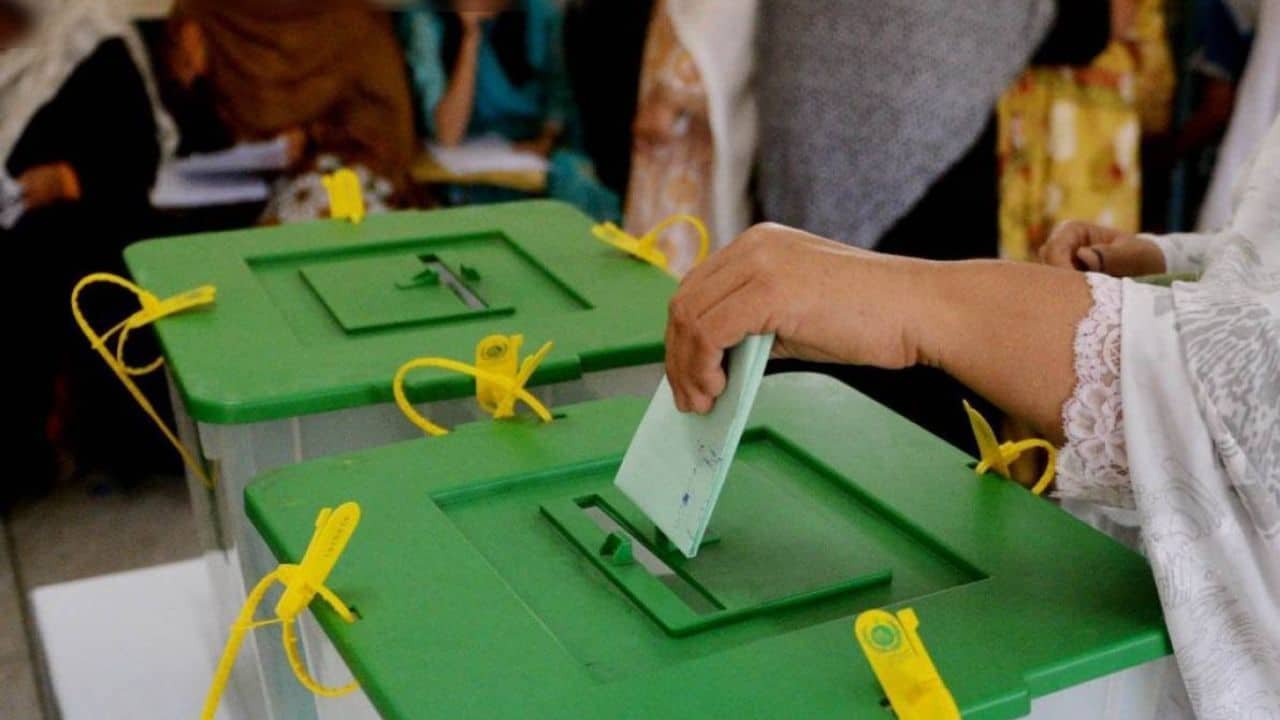
    After the announcement of the timeframe of elections by the Election Commission of Pakistan (ECP), major political parties in the former ruling alliance welcomed the development, hoping that it would dispel apprehensions about the political situation of the country.

    “The final list of constituencies will be published on November 30. After that, elections will be held in the last week of January 2024,” the commission said in a statement.

    Reacting to the development, Pakistan Muslim League-Nawaz (PML-N), Pakistan Peoples Party (PPP) and Muttahida Qaumi Movement-Pakistan (MQM-P) viewed it as positive development while Awami National Party (ANP) demanded a specific date. However, Pakistan Tehreek-e-Insaf (PTI) decided to challenge the move in court.

    PTI

    After the announcement, PTI has decided to challenge the Commission’s decision to conduct elections in the last week of January.
    While talking to Geo News, PTI’s core committee member Niazullah Niazi said that the Constitution calls for elections within 90 days, and exceeding the period is unlawful.

    “We will challenge the Election Commission’s decision. The way the ECP is working it does not look like a constitutional institution,” Niazi said, adding that President Arif Alvi has the authority to announce a date for polls.

    PMLN

    Senior PML-N leader Ahsan Iqbal stated that his party welcomed the decision by the ECP as it has ended uncertainty about delimitations.

    “Everyone knew from the first day that the election commission was bound to conduct delimitation after the census,” he said.

    “Earlier, the ECP had said to complete the delimitation process by December 15 after which the polls were estimated to be held in February next year. However, our party had given suggestions to the ECP to reduce the delimitation period. In the light of those suggestions, the ECP reduced the delimitation time till November 30 and then announced elections at the end of January after the 54-day period,” he added.

    He further added, “It is important that the elections are held peacefully, and a stable government is formed that takes the country out of the economic crisis.”

    PPP

    PPP leader Qamar Zaman Kaira stated that he could only give his own opinion on the matter but viewed the development as “positive”.
    The former federal minister said that uncertainty would end and things would hopefully move in a positive direction. “Let’s hope for the best.”

    ANP

    Meanwhile, the Awami National Party has urged the ECP to fix an exact date for the election.

    Senior ANP leader Zahid Khan said that his part has demanded that elections be held in 90 days and the party raised the same issue when they met Chief Election Commissioner Sikandar Sultan Raja.

    MQM

    MQM-P leader Mustafa Kamal told Geo news that they are satisfied with the development.

    However, he said it is yet to be seen whether the ECP would address the party’s concerns regarding the demarcation of constituencies after publishing an initial list of delimitation.

    The former Karachi mayor said his party would file a complaint if they found any problem with the delimitation process.